Timely Tales: A Child’s Cry
Countless souls are crying for the spiritual comfort of their heritage. Do not remain indifferent.


Countless souls are crying for the spiritual comfort of their heritage. Do not remain indifferent.



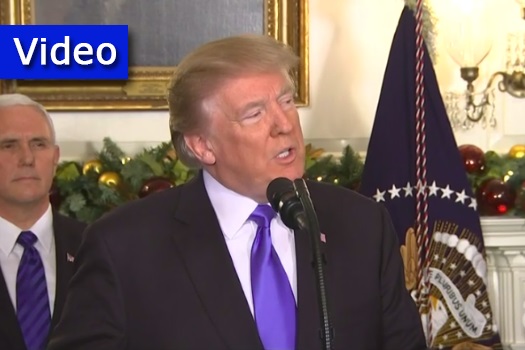
Following through on a campaign promise, President Donald Trump has formally recognized Jerusalem as the capital of Israel, the first U.S. president in history to do so, and will move the U.S. embassy there from Tel Aviv.

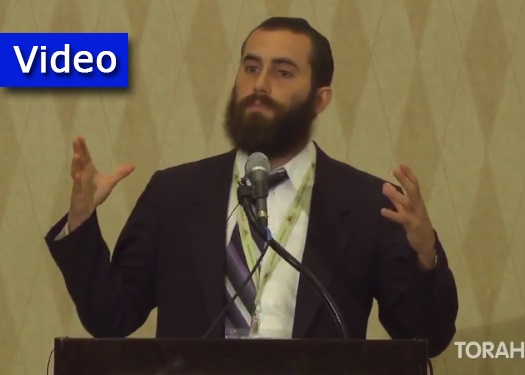
We’ve all heard that we need to “Think good and it will be good,” and that this is an effective way to invite blessings into our lives. Recently there have even been secular studies that suggest a connection between our thoughts and reality. What are the mechanics of how positive thinking works? Is there a way in which we can grasp this idea in a practical sense?


When Chabad erected their first giant public Menorah to celebrate the Chanukah of 1975, a legal war was launched by powerful segments of the Jewish community to have public menorahs banned. Both the menorahs and the battles persist annually.

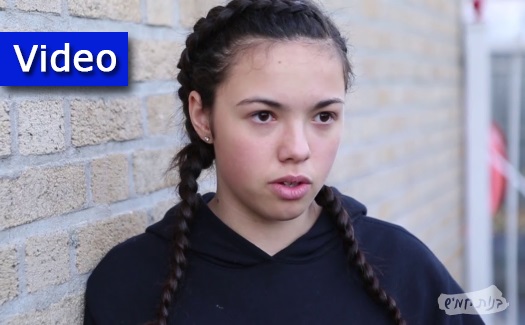
Through the recent viral videos on Chinuch by principal Mrs. Dena Gorkin, the Crown Heights community has begun to get a taste of Bnos Chomesh Academy’s authentic and visionary approach to education.

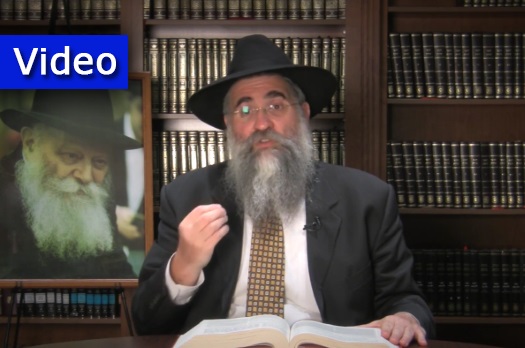
Rabbi Yitzchok Minkowicz, director of Chabad Lubavitch of Southwest Florida, delivers his insights on this week’s Parsha — Vayeishev. This week Rabbi Minkowicz answers the question: How can we succeed in exile?

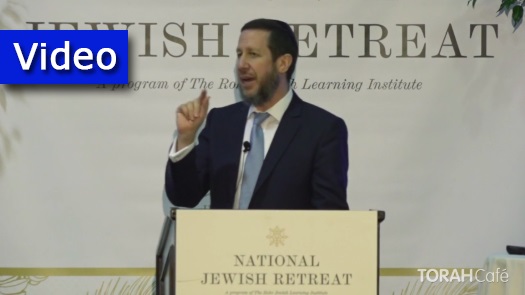
Raising children is always a challenge. But In our fast-paced world with technological advances beyond our wildest dreams, have the rules changed? How do we keep our kids and grandkids on track in the era of smartphones and Snapchat?

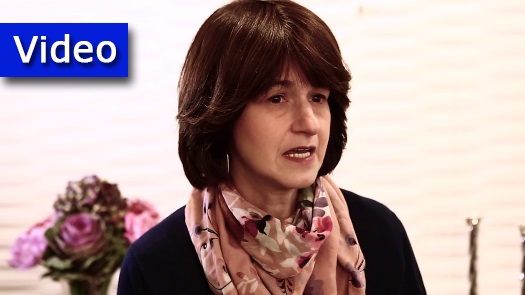
“‘I’m nervous’ is not a complete sentence. Every time a child expresses an emotion which shows that they are uncomfortable, we need to ask them to finish the sentence,” says renowned and veteran educator Mrs. Dena Gorkin, principal of Bnos Chomesh Academy, in the latest installment of her video series on Chinuch.

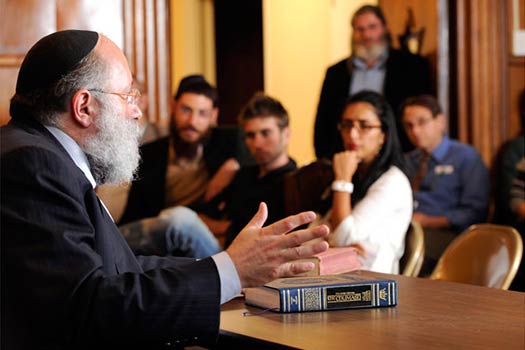
This week’s edition of MyLife: Chassidus Applied with Rabbi Simon Jacobson, Episode 191, will air tonight, Sunday, here on CrownHeights.info, beginning at 8:00pm. This week Rabbi Jacobson will address the topics: Handwriting Analysis (Graphology): Is It Legitimate from a Chassidic Perspective? What Is the Relevance of Yud Tes Kislev Today? How to Teach a Child Shomer Negia; What Can I Do About Procrastination and Memory Improvement? What Is the Best Way to Inculcate Kabolas Ol and Respect in Students?


17th century Polish and Ukrainian Jewry faced genocidal massacres, communal collapse, poverty, and social rifts, followed by the unbearable disappointment of a false Messiah, and the rise of corrupt rabbinical leadership. Rabbi Israel Baal Shem Tov then stepped into this void with the teachings of Chassidism.

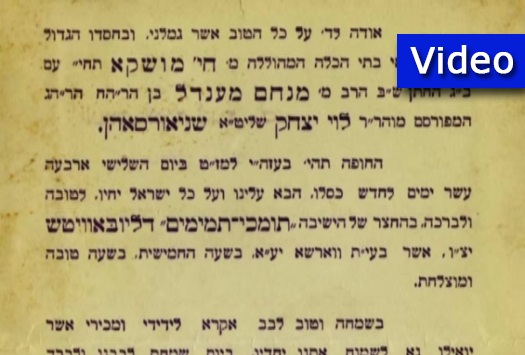
On 14 Kislev in 1928, the Rebbe married Rebbetzin Chaya Mushka, the middle daughter of the Previous Lubavitcher Rebbe, Rabbi Yosef Yitzchak Schneerson. In this talk, delivered during a public gathering marking the fiftieth anniversary of this special occasion, the Rebbe addressed the cause for celebration.


JLI presents its unique two-minute video featuring a powerful and relevant message from a timely tale. This week’s video for Parshas Vayishlach is titled: A Tall Tale.

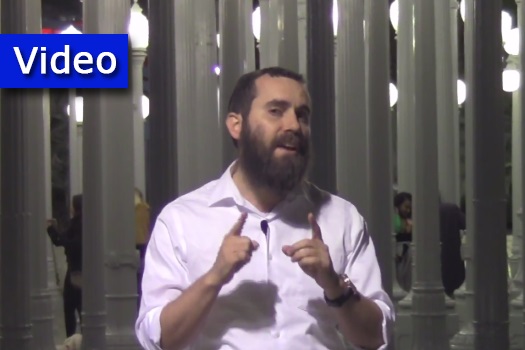
In the olden days, a lamplighter would go from place to place and light up the dark streets. With electrical street lights, the job has become somewhat obsolete, but the premise of the lamplighter still exists in the spiritual sense. […]

A full crowd of men and women gathered this past Motzaei Shabbos at the Razag Ballroom in Crown Heights for the fifth annual Melava Malka of Yagdil Torah.

What does Judaism have to say about the elimination of disease, the reversing of aging, and prospects for human immortality? This JLI workshop examines recent medical breakthroughs in genetic engineering, stem cell research, and nanotechnology in the context of classical Jewish sources.
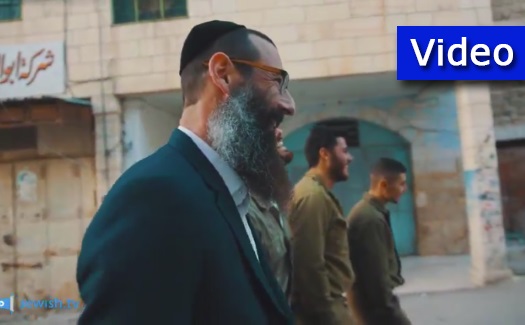
Rabbi Danny Cohen of Chabad in Chevron opens up about his personal journey and what inspires him in Chevron today.
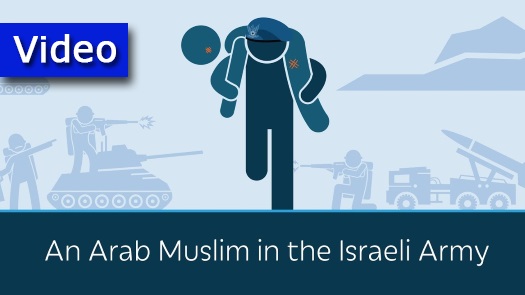
Why would an Arab Muslim serve in the Israeli military? Because he, like many Israeli Arabs, proudly defend the nation that has given them freedom and opportunity. Mohammad Kabiya, Israeli Air Force reservist, shares his remarkable story.