Weekly Unique Photos of the Rebbe
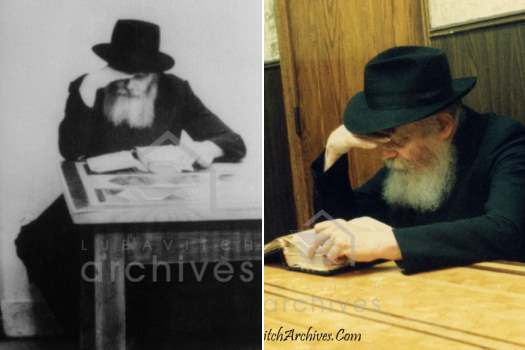
CrownHeights.info and Lubavitch Archives present two photos of the Rebbe davening Maariv in the upstairs shul of 770, circa late 1960s.

CrownHeights.info and Lubavitch Archives present two photos of the Rebbe davening Maariv in the upstairs shul of 770, circa late 1960s.




In 1980, a man by the name of Harold Kushner wrote a book entitled: When Bad Things Happen To Good People. The book became an instant bestseller and the author went on to become a prominent writer and lecturer. This of course is not without good reason. Kushner has after all, dared to tackle a highly complex and disconcerting subject.


As the Chabad emissary in Zhitomir, Ukraine, I visit Paris occasionally to fundraise and purchase supplies. In between appointments, I often step into the synagogue for a few precious moments of Torah study.

Leshana Tovah Belimud HaChasidus ve Darchei HaChasidus, Tikosaivu VeTichosaimu!
Today, Yud Tes Kislev, “The Rosh Hashanah of Chassidus,” marks 215 years since the release of the Alter Rebbe, R. Schneur Zalman of Liadi, founder of Chasidus Chabad, from prison in the year 5559 (1798). This year also marks 201 years since the Alter Rebbe’s Histalkus. In honor of this auspicious day, which is referred to by Chasidim as the “Holiday of Holidays,” Farbrengens are being held around the world!


Without any warning, an Israeli Chabad rabbi is kicked out of Moldova and finds himself detained in a Turkish airport. Rabbi Shmuel Eidelman’s fascinating story of Hashgacha Protis was printed in this year’s Chanukah edition of the OK Kosher Spirit magazine:


Rabbi Yitzchok Minkowicz, director of Chabad Lubavitch of Southwest Florida, delivers his insights on this week’s Parsha – Vayeishev. This week Rabbi Minkowicz answers the question: What is the ultimate state of tranquility, and how is it attained?


Having become increasingly committed to Torah Judaism, a woman once lamented in bemusement: “Rabbi, will my moral conflicts ever end? I had hoped, in embracing Judaism, to no longer struggle with issues of moral substance.” After all, is that not what Judaism is about? Yet, it had not turned out that way in the least,” she proceeded in exasperation, “To the contrary; my struggles have become considerably amplified.”


We all know that man is a complex creature; inherently schizophrenic. We don’t need to take a course in psychology to be cognizant of man’s inner discord. Regardless of psychological reasons and explanations, man’s natural tug-and-pull is an everyday fact of life.

The book of Bereishis is the book of the Patriarchs, yet, upon examination it is clear that not all the patriarchs are given equal press and exposure.

Rabbi Yitzchok Minkowicz, director of Chabad Lubavitch of Southwest Florida, delivers his insights on this week’s Parsha – Toldos.


Not all moments are equal in life. At times we are presented a “Golden opportunity,” – a chance to transform our self and our legacy in a single instant; through a single act.

Where do you go when you reach the top? What awaits you when you finally arrive at “The land that I shall show you?”

Our Parsha introduces the iconic biblical giant; our patriarch Avraham, with the words “Lech L’cha!” “And G-d said to Avram, ‘Go to [for] yourself from your land and from your birthplace and from your father’s house to the land that I will show you!’” (Breishis 12:1)
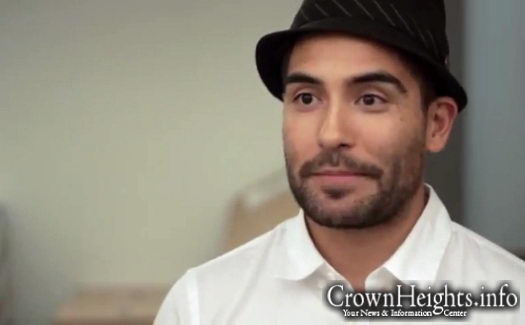
My first ever trip to Crown Heights, I am filled with excitement. My heart races as my thoughts and prayers begin to align. Each stop draws me closer and closer to the meeting point, the springboard for the night, a synagogue named Chevra Ahavas Yisroel. This synagogue is frequented by singles and young marrieds, inspired types, warm types, sincere types.

The “Baal Teshuva movement”; the phenomena of those born into homes void of Jewish practice, committing themselves to observance of Torah laws, began in the early 1950’s. One individual, a man who in keeping with his newfound lifestyle adopted the Hebrew name Avraham, is commonly identified as the prototypical, if not the original, Baal Teshuva. As an innovator his story offers insights into this flourishing trend, including a plan of action and a refutation of common myths.
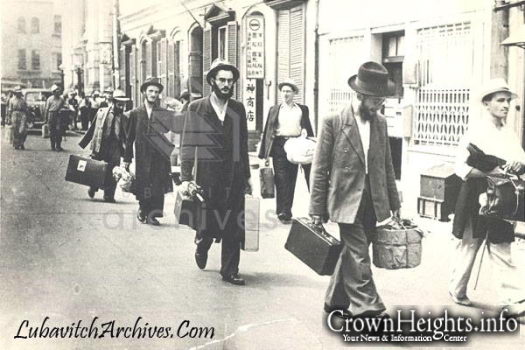
Students of the Lubavitcher Yeshiva in Otwock, fleeing the Nazis after the invasion of Poland in WWII, arrive in Kobe, Japan. They would later make their way to Shanghai, China and remain there for the duration of the war. Can you identify those in the photo?
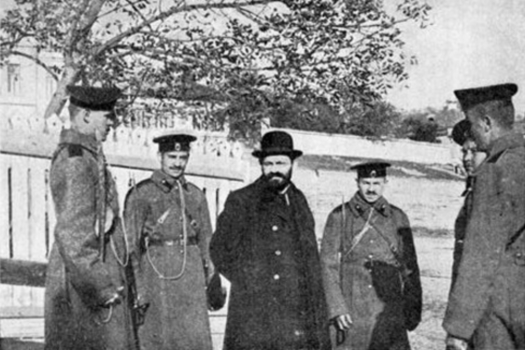
The trial of Mendel Beilis—a Jewish factory manager in Kiev, Ukraine, accused of murdering a Christian child to use his blood to bake matzah for Passover—began 100 years ago this month. Reported on closely by the international press, the world watched the unfolding—with reactions ranging from liberal astonishment to Jewish anguish to anti-Semitic satisfaction—of what was to be the last major blood-libel case of the 20th century.



 1
1


