
INBOX: Yom Kippur Is Necessary Now More Than Ever
by Rabbi Zalman Mendelsohn
This Yom Kippur, as Jews around the world prepare for the holiest day of the Jewish year, I find myself thinking about something that extends far beyond the Jewish community.
We desperately need Yom Kippur.
We are living through a moment of extraordinary anger and division. Public conversation has become increasingly heated. Political disagreements have become a blood sport. Hatred is too often directed at people simply because of what they believe, how they vote, or what group they belong to. And increasingly, heated political rhetoric has been followed by real violence.
In September 2025, conservative activist Charlie Kirk was fatally shot while speaking at Utah Valley University. Prosecutors allege that Tyler Robinson targeted Kirk because of his political influence and beliefs.
Vance Boelter recently carried out a targeted attack against Democratic elected officials in Minnesota. On June 14, 2025, he murdered Minnesota House Speaker Melissa Hortman and her husband, Mark, and seriously wounded State Senator John Hoffman and his wife, Yvette. Federal prosecutors described the attacks as political violence and said Boelter had targeted elected officials and their families.
The answer cannot simply be to find the people on the other side who are responsible and hold them accountable. Hate is a poisonous spiritual disease which requires a spiritual cure.
That is why I believe Yom Kippur is necessary now more than ever.
Yom Kippur begins with a profoundly uncomfortable idea: before I ask what is wrong with the world around me, I have to look honestly at myself.
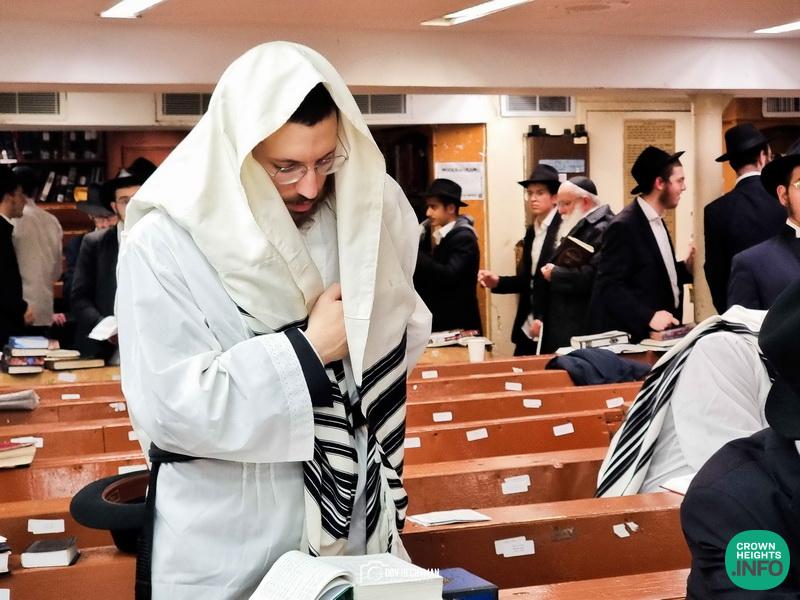
On Yom Kippur, we stand before God and acknowledge our own shortcomings. We ask for forgiveness. We recognize that we have hurt others, sometimes intentionally and sometimes without realizing it. Asking God for forgiveness does not replace asking another person for forgiveness when we have wronged them. On Yom Kippur we have a responsibility to also repair the relationships we have damaged.
That requires humility. And humility is something our public culture desperately needs.
It is easy to look across the political divide and see everything that is wrong with the other person. It is much harder to look inward and ask, “Where have I contributed to this? Where have I been unfair? Where have my words caused pain? Where have I failed to see the humanity of someone who disagrees with me?”
One of the things I am most proud of about our Jewish community in Wyoming is our effort to create a spiritual environment where people can come together without political discussion becoming the defining feature of Jewish life. People who hold completely different political views can sit together, pray together, share a Shabbat meal together and celebrate Jewish life together.
When I look at another person first as a human being created in the image of God, I see something deeper than their politics. I see someone with a soul, hopes, fears, struggles, family and a capacity for goodness. I may strongly disagree with that person, but I can still see the common humanity that I share with them.
Spirituality should inform the way we approach our politics, rather than allowing our political passions to determine our spiritual values. When our politics becomes the highest authority, every disagreement becomes a battle between us and them. But when we begin with humility as we stand before God, we can disagree without dehumanizing our neighbors. We can stand firmly for what we believe while still recognizing the similarity in the person standing across from us.
Yom Kippur is not simply a day on which Jews ask God to forgive us. It is a day on which we step away from the commotion of the world and confront ourselves. We acknowledge that we are imperfect. We ask for forgiveness. We forgive others. We try to repair what we have broken. And we return to the deeper part of ourselves that exists beyond our political affiliations and other labels we place upon ourselves and one another.
Yom Kippur has remained one of the most widely observed days on the Jewish calendar. Its message is profoundly Jewish, but its value is universal.
Rabbi Zalman Mendelsohn is the director of Chabad Jewish Center of Wyoming, serving the Jewish community and visitors in Jackson Hole and throughout Wyoming.