Kinus Reception Brings Together New and Veteran “Visionary Partners” to Launch Jewish Life’s Next Frontier
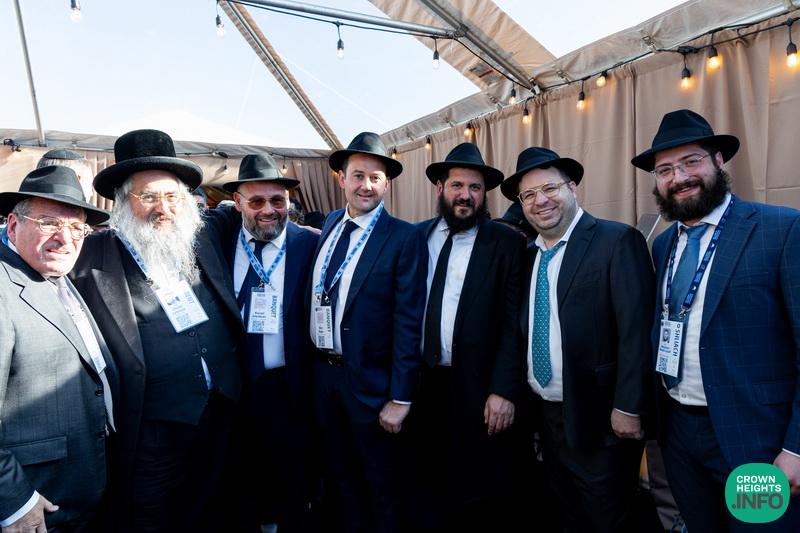
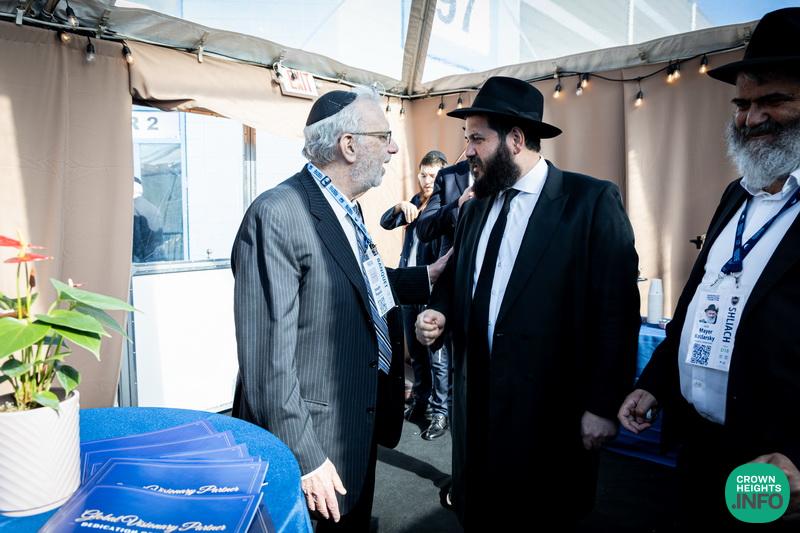
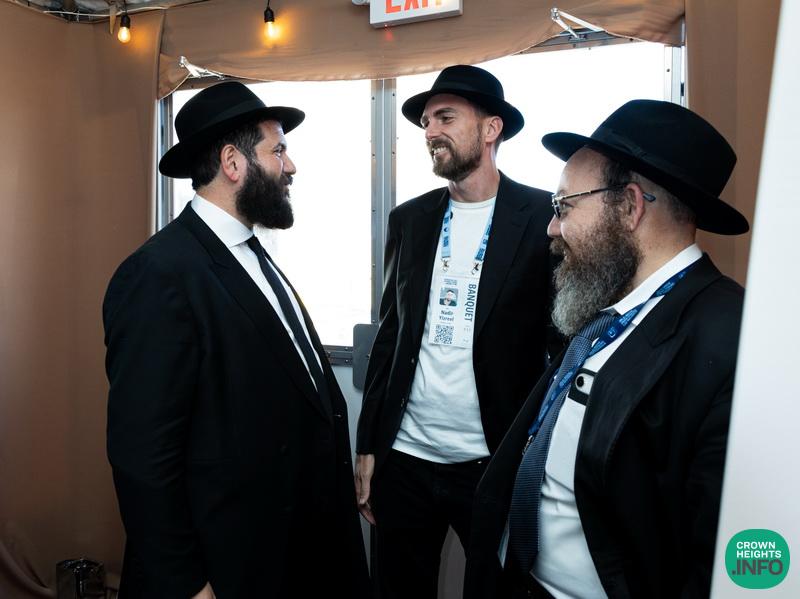
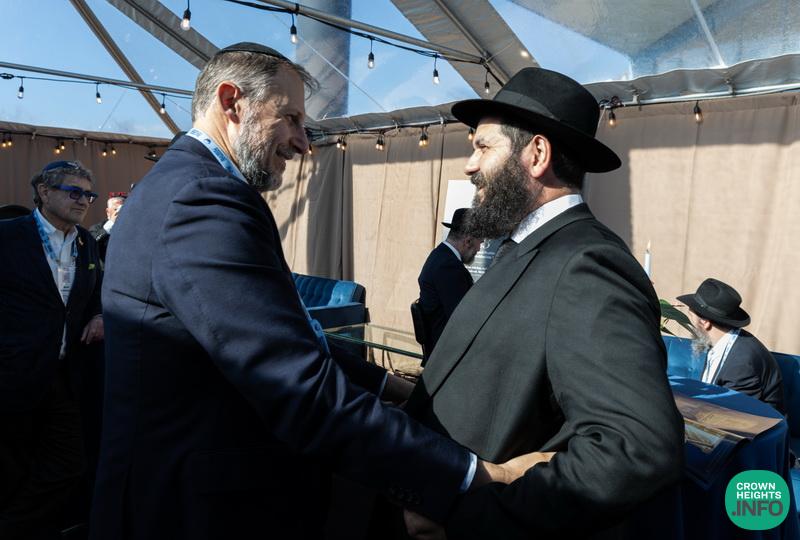
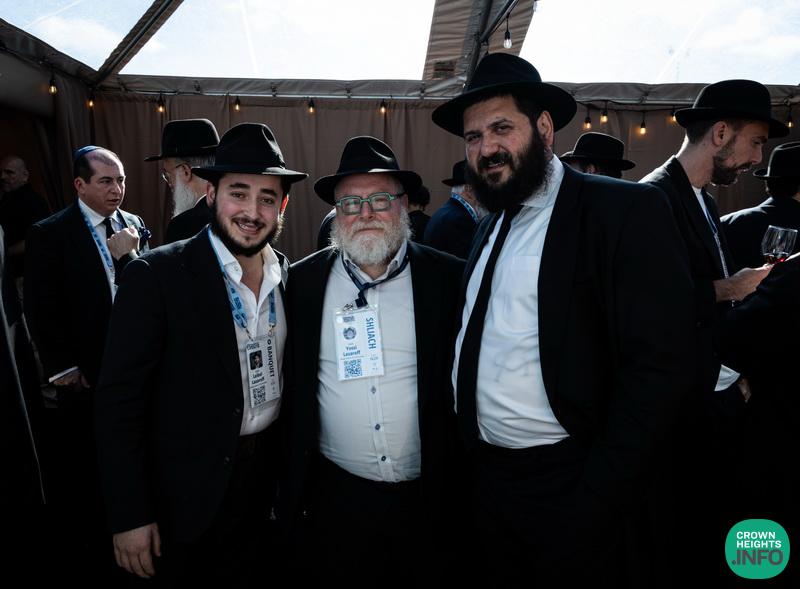
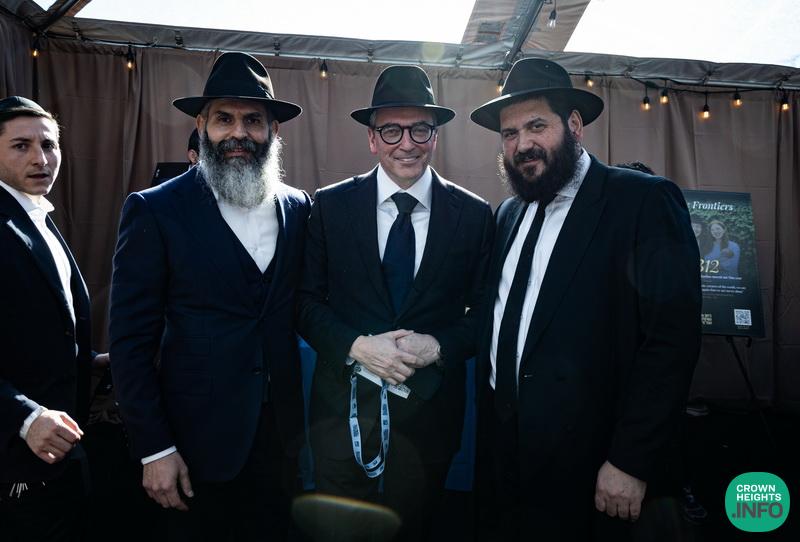
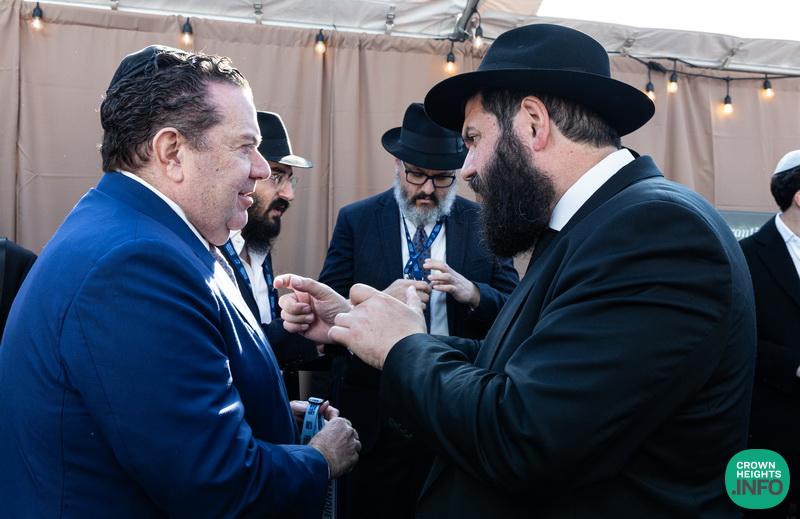
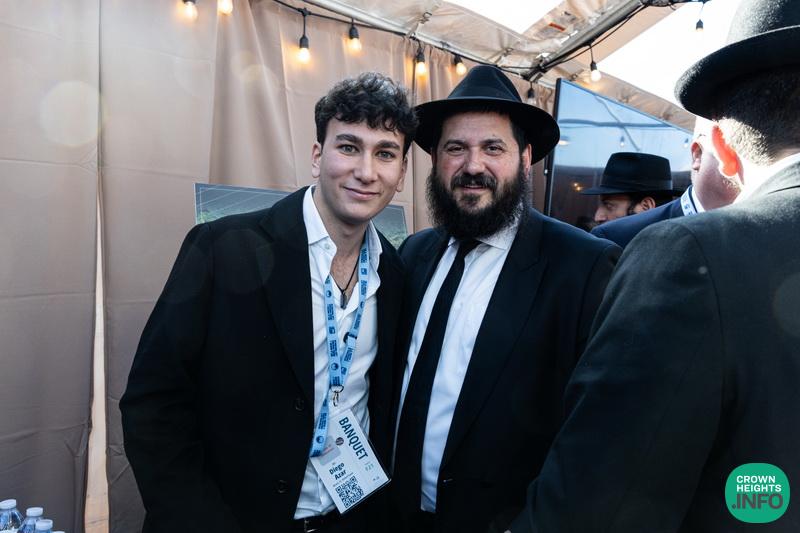
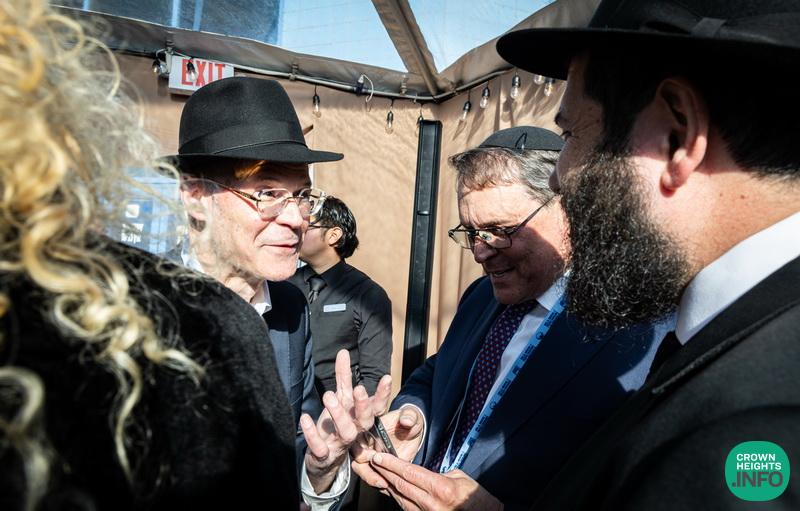
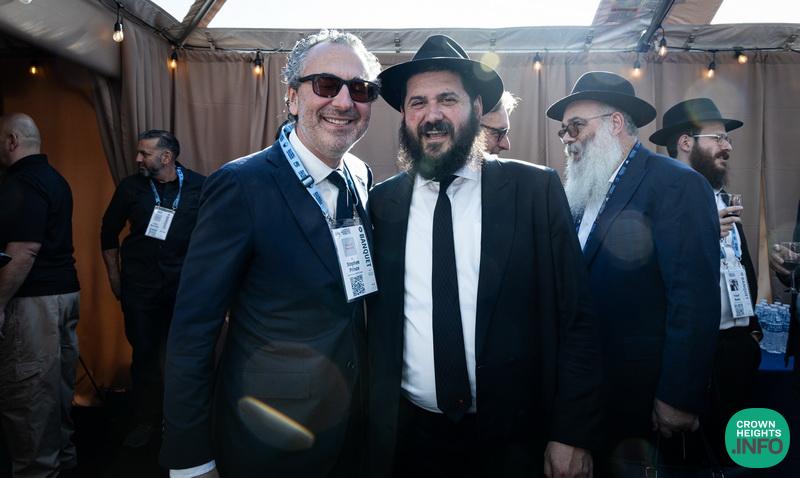
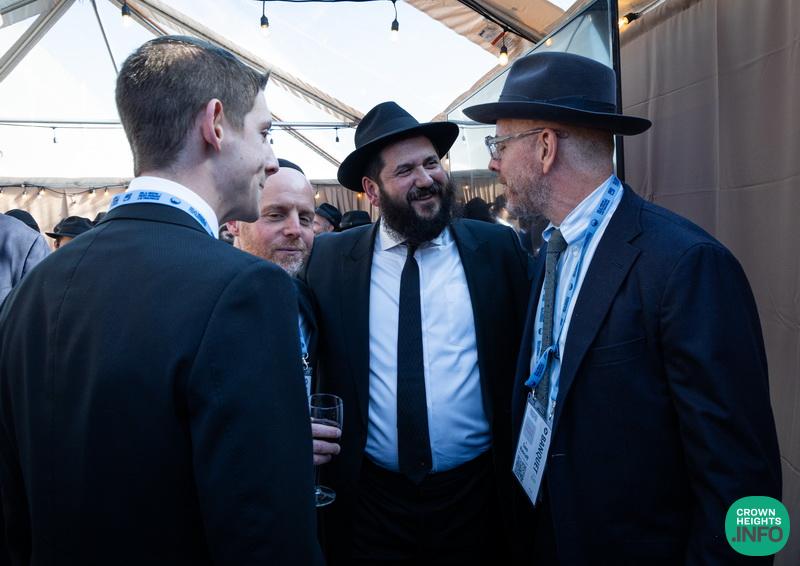
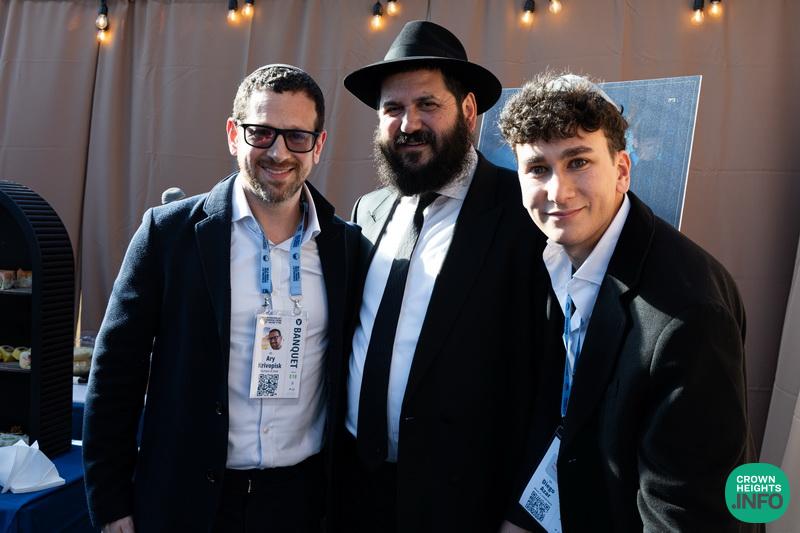
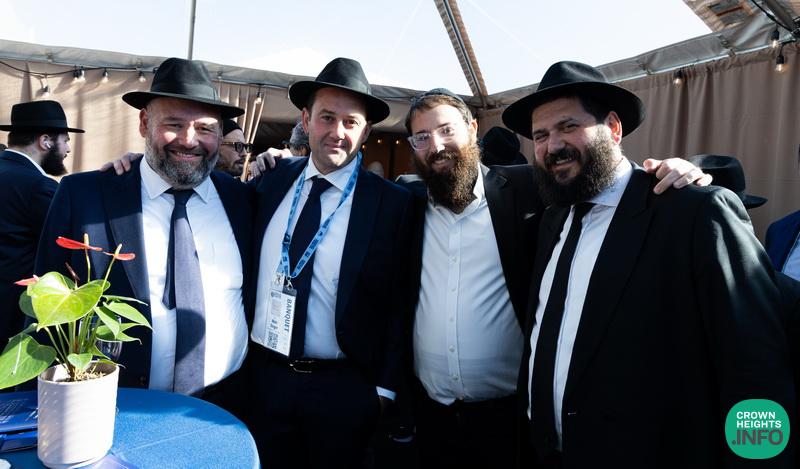
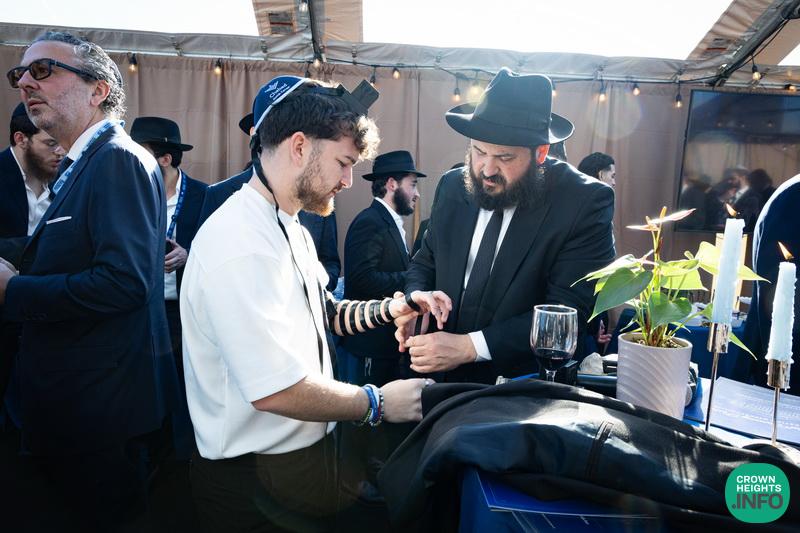
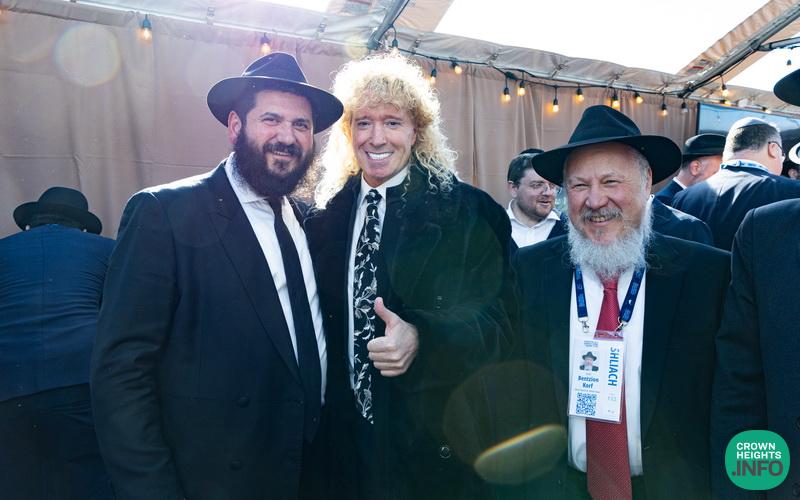
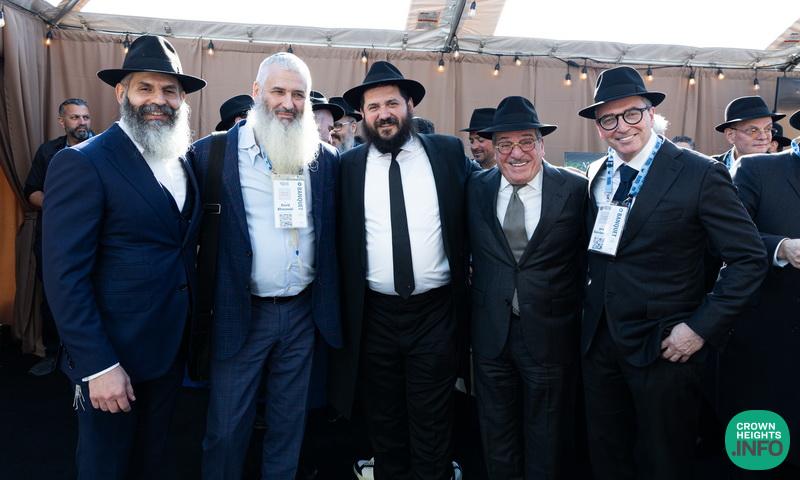
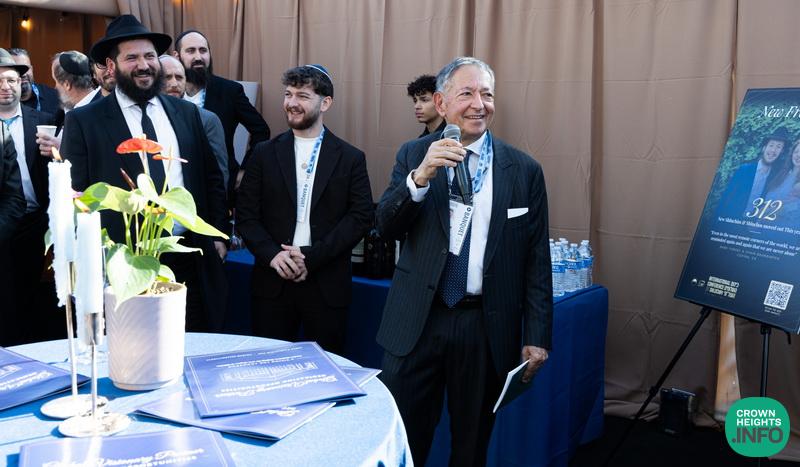
On the sidelines of the Kinus Hashluchim, the world’s largest Jewish conference, Chabad’s leading philanthropic partners together with their local Shluchim joined Rabbi Mendy Kotlarsky for their annual reception.
At the private event, Chabad’s Visionary Partners reviewed what they’ve built over the past year, previewed what’s coming, and resolved where to invest next, totaling more than $35 million in new initiatives in addition to the fund’s $65 million annual budget.
The Kinus Gala, the closing ceremony of Chabad’s International Conference of Shluchim and “NYC area’s largest sit-down dinner,” drew nearly 7,000 Jewish leaders from 112 countries to do the same thing: share lessons from the front lines, review the year and set new bold goals.
From the first Shluchim gatherings in the 1980s, the Rebbe asked attendees to leave each Kinus with a new commitment, even to projects that seem impossible at first. Each Shliach leads an entire community, so an idea launched or shared in New York can shape Jewish life across continents.
Over the years, those commitments have built core infrastructure of Jewish life across the globe: from the Rohr Jewish Learning Institute to JNet, the CTeen and CKids networks and the OneMitzvah platform. They also brought thousands of new Shluchim, hundreds of new mikvahs and over 360 new Jewish libraries.
Though each Chabad center raises its budget at home, these Visionary Partners join their local Shluchim to strategize and scale what works. Through Merkos’s central offices, Keren Hashluchim (the Shluchim Foundation) and Merkos 302, the central funds for Chabad worldwide, which Kotlarsky oversees, they build what no single community can do alone
Among the new “partners” in the room were board members of Park East Synagogue, one of Manhattan’s landmark congregations. The synagogue’s leaders turned to Kotlarsky to broker a partnership that would bring Chabad’s model to their congregation.
The Rebbe’s mandate was to not stop until every Jew is reached. As Rabbi Moshe Kotlarsky, OBM, Mendy’s father and the Kinus’ longtime chairman, put it: “If 15,999,999 out of 16 million were reached, we haven’t completed our goal.”
“We’re doubling down on the Rebbe’s model, and today the entire whole world sees its the only approach that works,” said Rabbi Kotlarsky. “It’s Jewish pride and practice on the offense, and it’s contagious.”
For the partners, that approach is why they invest.
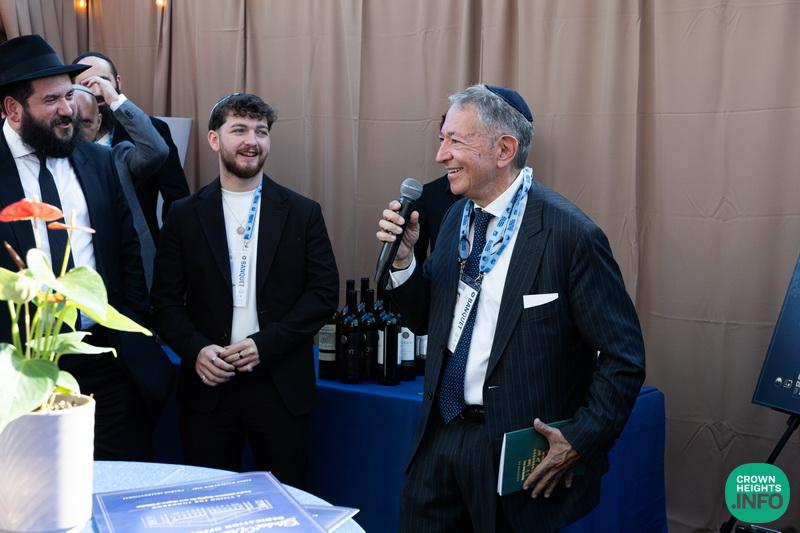
“Fighting antisemitism matters, but it’s more important, and more effective, to invest in who we are, not what we are against,” said Mr. Eliyahu Kholodenko, a philanthropist and visionary partner with Chabad internationally. “When I invest with a Shliach, I know he isn’t there for a short stint. He moved there for life. It’s personal, and he takes responsibility for the results. When his idea works, the whole network can use it. I’m not funding a program. I’m investing in something that lasts forever and can scale globally.”
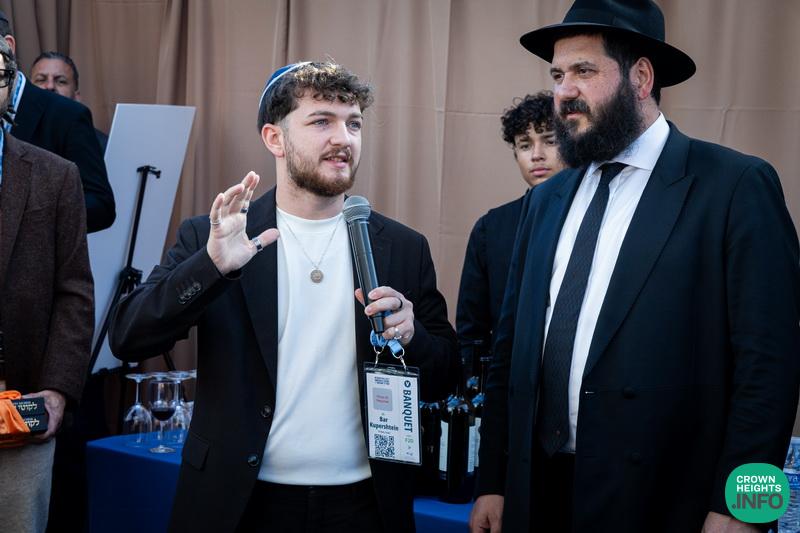
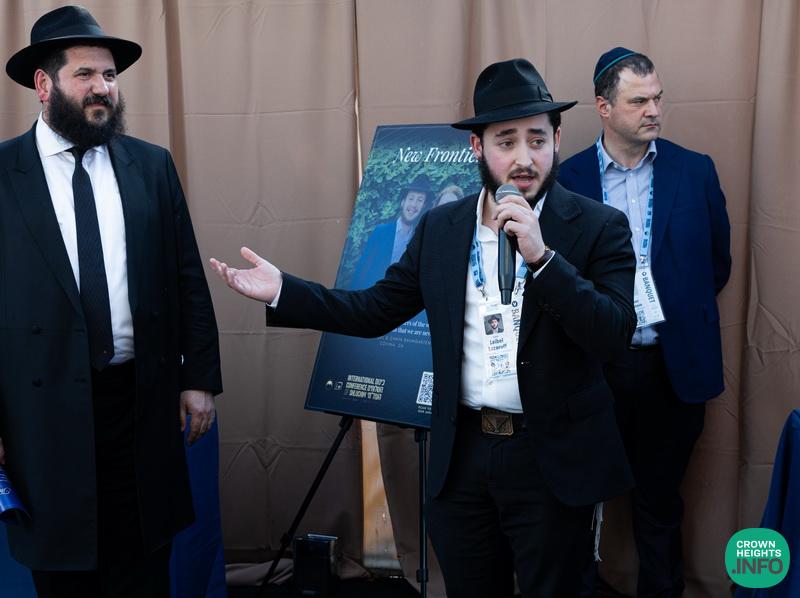
The reach and impact of Chabad’s global network was brought to life through two moving stories. Bar Kupershtein, who spent 738 days held hostage in Gaza, shared how Jewish communities around the world put on his tefillin in his merit. After his release, Chabad helped him visit those same communities. Leibel Lazaroff, a survivor of the Bondi terror attack, spoke about Chabad’s response to tragedy: helping Jews stand proud and build a stronger Jewish future.
Then Rabbi Kotlarsky presented the attendees with this year’s 12 Kinus commitments, totaling nearly $35 million on top of the $65 million annual budget, moments before he announced the new initiatives on the Kinus stage.
Much of it focused on bricks-and-mortar infrastructure. The first CTeen House is a JCC-style space just for Jewish teens, where they can gather, learn and feel at home. CKids will open two more overnight camps. A new building fund will give seed grants to Chabad’s constructing permanent buildings, after requests topped half a billion dollars last year.
They also committed seed funding for 100 new Shluchim, including Chabad’s first in Slovenia and Albania. With the 120-mikvah pledge his father made at an earlier Kinus complete, Kotlarsky pledged to double it. He also renewed the emergency support for communities in crisis, from war zones to disaster areas, where Chabad is often the first response on the ground.
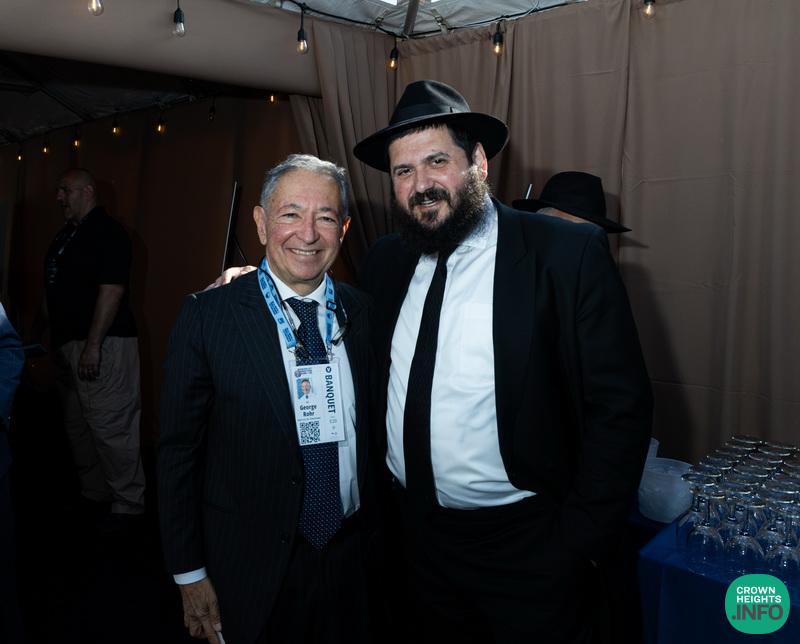
Mr. George Rohr, who has spent decades building Jewish life with Chabad, from hundreds of centers on college campuses to communities across the former Soviet Union, reminded the partners old and new what sets Chabad’s model apart: the reach and commitment of Shluchim, the front-line support system and infrastructure Jewish life relies on across the globe
Then the partners walked into the ballroom for the closing ceremony. The Kinus may have ended in New York, but the commitments made in that room will keep changing the face of Jewish life around the world.
For more information and to support these initiatives visit https://vision.kerenhashluchim.org/
The Twelve Initiatives:
- CTeen Lounges and the first CTeen House: 60 CTeen Lounges have been opened, 60 more are in development, and the first CTeen House gives Jewish teens a dedicated JCC-like space of their own.
- Two new CKids Gan Israel overnight camps: CKids will open two additional overnight camps, bringing the national total to six.
- A Mitzvah Journey: The first winner of the Rabbi Moshe Kotlarsky Shlichus Innovation Award will guide beginners through a chosen mitzvah with reminders, milestones and step-by-step instructions.
- Torah in every Jewish home: Chabad will gift shelves of essential Jewish books in 10,000 homes, and launch a marketplace that makes Jewish essentials more affordable.
- The Chabad Education Fund: The fund will provide $50 million in tuition scholarships so families can afford a Jewish education.
- Chabad’s first Education Center: Jewish educators will have a dedicated space to prepare lessons, collaborate and access resources.
- The Chabad Senior Network: The network will create opportunities for learning, volunteering and friendship, because “retirement from a career must never mean retirement from one’s mission.”
- The Chabad Building Fund: With building requests topping half a billion dollars this past year, the fund will provide seed grants to Shluchim buying, building or expanding permanent Chabad centers.
- Grants for 100 new Shluchim: Chabad will fund 100 newly appointed Shluchim establishing Chabad Houses, including the first emissary couples to two new countries: Rabbi Yosef and Rochele Krinsky in Ljubljana, Slovenia, and Rabbi Yossi and Etka Fridman in Tirana, Albania.
- Mikvah expansion and the Foundational Mikvah: After completing their pledge of 120 mikvahs, Chabad now committed to double it. They also introduced a turnkey model that builds a mikvah in months at a fraction of the cost.
- The Beis Yisroel Torah Scroll Loan Society, which lends Torah scrolls to communities without one, will grow from 300 Torahs to 350.
- Project Noah: The project will expand the tools to share the Sheva Mitzvot: universal moral code and purposeful living worldwide, carrying forward the vision of its founder, Rabbi Eli Schlanger, HY”D, who was murdered in the Bondi Beach Chanukah massacre.
- Simcha and Emergency Grants: renewed the grants that support Shluchim families celebrating births, a bris, bar mitzvahs and weddings.
Photo Credit: Sholom Schechter – @chabadhq