In DC, 150 Teen Leaders Learn to Never Compromise
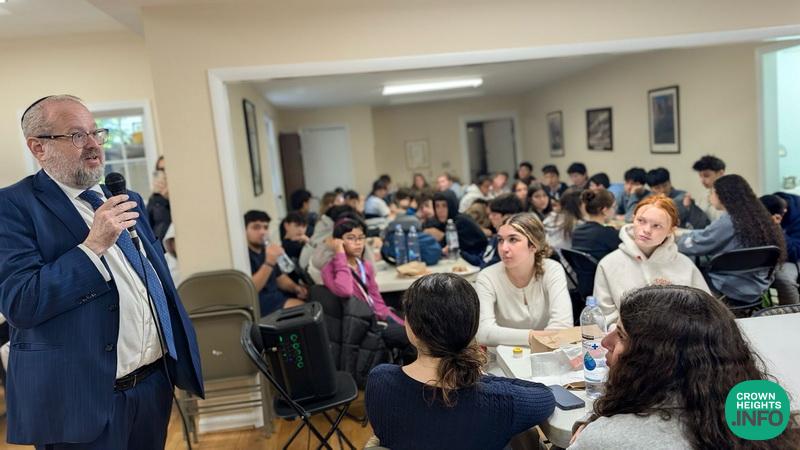
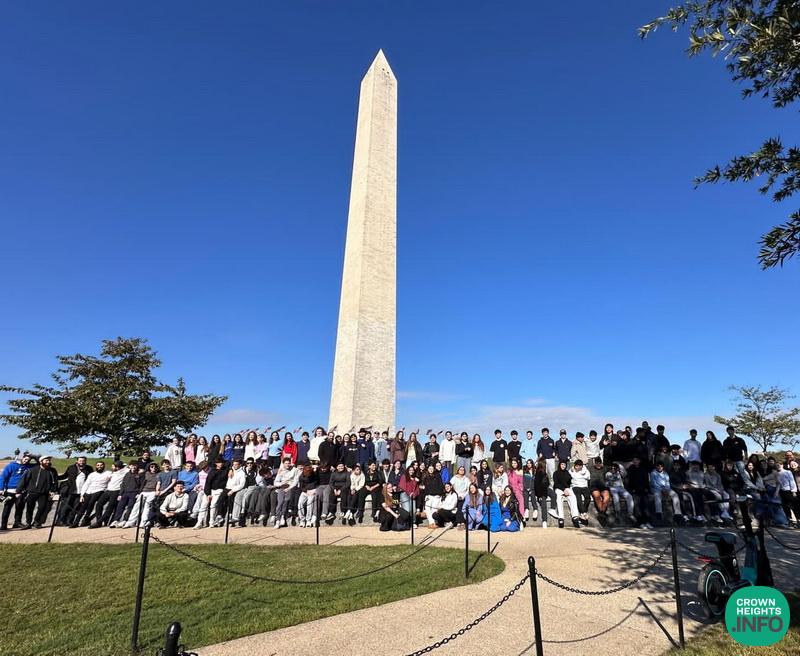
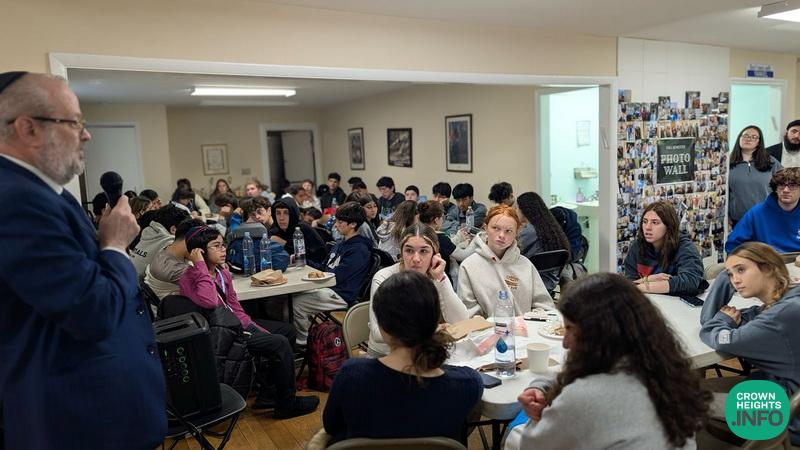
Over one weekend in the nation’s capital, 150 Jewish teen leaders heard from Jews who stand proudly at the highest levels of American life. A college football player. The head of the White House foreign press association. America’s envoy against antisemitism.
Sam Salz, who spoke on Shabbos, made the Texas A&M football team without giving up an inch of his Yiddishkeit. He wore a yarmulke and tzitzis on the field and sat out every game that fell on Shabbos. His message to the teens was clear: never compromise on your Jewish values, no matter where you are or what you are chasing.
The teens also heard from Anna Shteingart, an Israeli diplomat who serves as counselor for public diplomacy. Her work focuses on strengthening Israel’s standing around the world and countering misinformation.
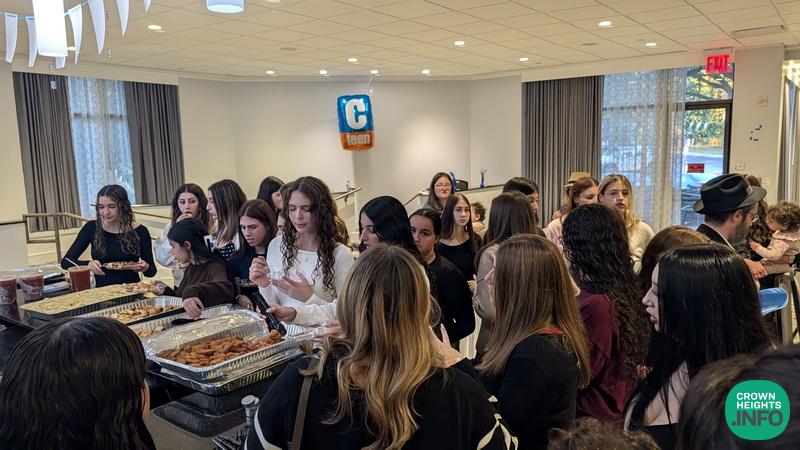
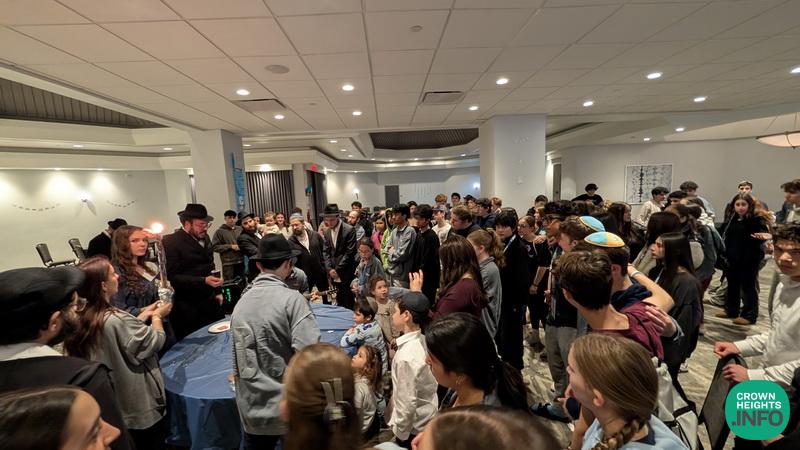
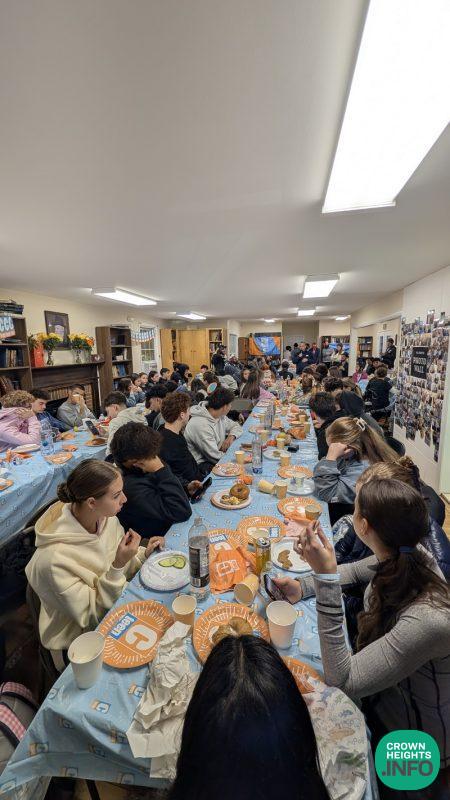
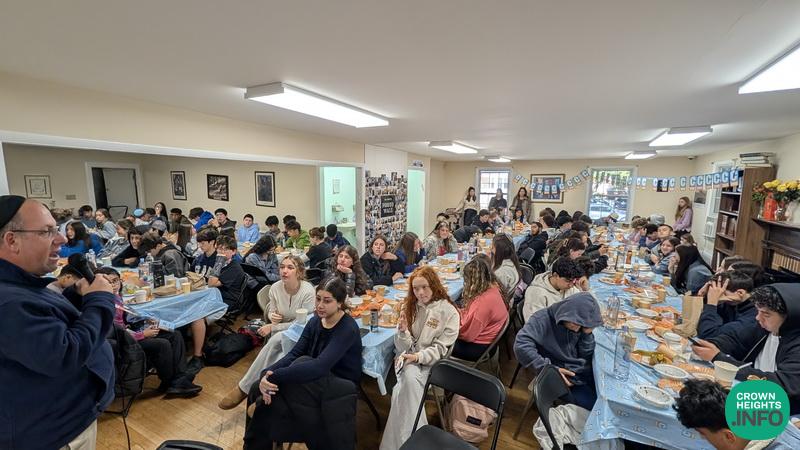
But the real headline was the teens. The CTeen Mid-Atlantic Regional Shabbaton, held Oct. 23 to 25, drew teens from 50 schools and nine CTeen chapters across six states: Bucks County, Pa.; the Upper West Side; Fairfax, Va.; Wilmington, Del.; Somerset County, N.J.; Central Massachusetts; Woodcliff Lake, N.J.; Great Neck, N.Y.; and the Five Towns. Many had never met before Friday.
“Many of these teens are the only Jews in their schools. Every day, they stand up for who they are, often on their own,” said Rabbi Mendy Kotlarsky, chairman of CTeen International. “This weekend gave them a message to carry home and a community of friends who face the same challenges. They’re going home knowing they are not alone.”
The unapologetic display of Jewish resilience began even before Shabbos. At the U.S. Holocaust Memorial Museum, boys put on tefillin inside a real railcar once used to deport Jews to the death camps. Many asked to be photographed in their tefillin and posted the images to social media. The photos became a visual testimony that the Jewish people, and the Jewish spirit, are still here.
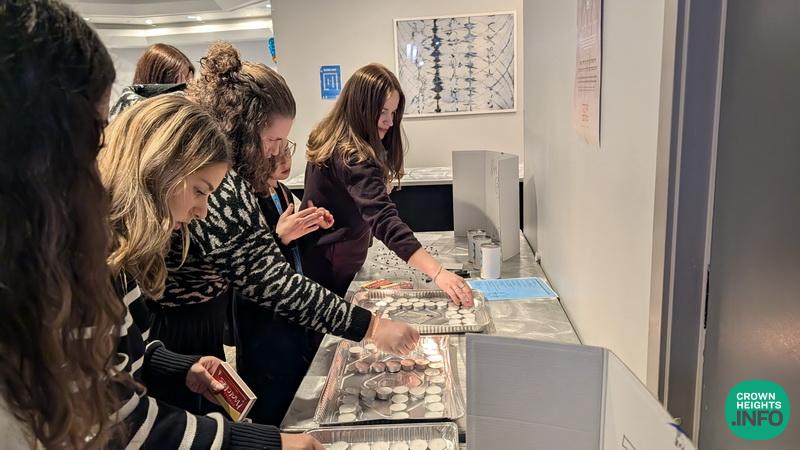
That evening, the girls lit Shabbos candles, and the teens encouraged one another to put away their phones for the next 25 hours. Many were hesitant, but most did. Without screens, they were fully present with one another. They lingered at long Shabbos meals, sang, davened, walked to a nearby park and talked late into the night. By Motzei Shabbos, they were glad they had.
Inspired by the Rebbe’s belief in the power of youth, the teens led the weekend themselves. They shared their stories, asked the big questions, delivered divrei Torah and pitched visionary ideas of their own.
In Teen Talks, Izzy described her life at school after Oct. 7. She moved from Israel to Bucks County, Pa., after the attack. At her new school, classmates stared and made comments. Instead of hiding, she started a Jewish club. She told her peers that CTeen gave her the pride to stand strong. She now wears her Jewish necklace every day.
Gabby Frenkel spoke about living with anxiety and how CTeen became a place where she feels she belongs. A teen from Central Massachusetts delivered a dvar Torah on Parshas Lech Lecha. She urged her peers to step out of their comfort zones.
In the first-ever CTeen Shark Tank, teens pitched ideas for new Jewish projects to a panel of shluchim. The winners were Noah Shillian and Jonah Gohari of Great Neck, N.Y. Their idea, Toraverse, is an app that helps teens find the right Torah source or tefillah. It is built for whatever they face, from a big test to a hard day.
Other pitches included an app to find kosher food anywhere. Another would let shoppers photograph a non-kosher product and see a kosher alternative.
By the end of Shabbos, many teens chose to take that inspiration home. They committed to new mitzvos: putting on tefillin, lighting Shabbos candles and giving tzedakah. One teen committed to begin davening Mincha every day.
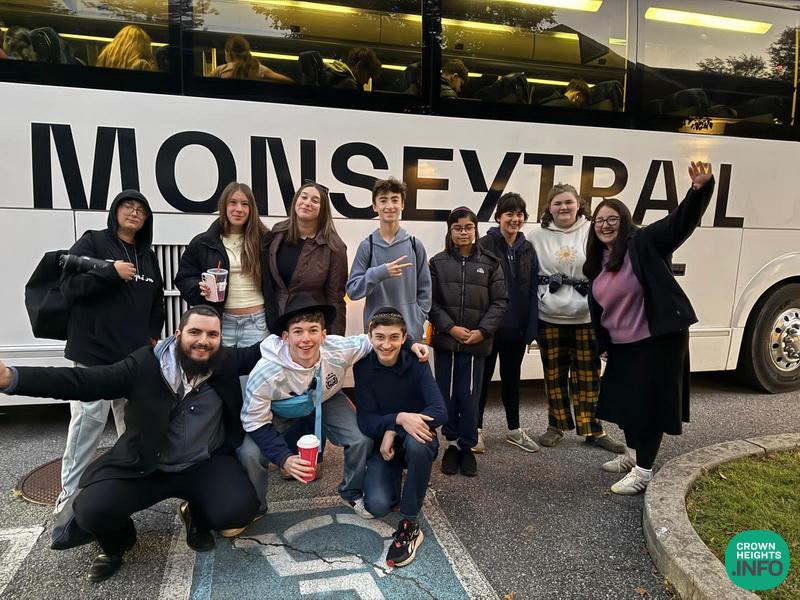
Friendships formed across chapters. Teens swapped phone numbers and chatted in the hallways. Boys from different chapters organized spontaneous basketball games with one another. Teens who were strangers on Friday were teammates by Sunday, and friends by the time the buses pulled away.
After Havdalah, the teens headed out together for a night of trampoline parks, bowling and a late-night carnival at Chabad of Fairfax.
On Sunday morning, they traveled to Chabad at the University of Maryland. Rabbi Eli Backman founded the Chabad House more than 30 years ago. He and student leaders showed the teens what Jewish life on a college campus can look like.
There, the teens met Mike Wagenheim, president of the White House Foreign Correspondents’ Association and senior U.S. correspondent for i24NEWS. He told the teens he never hides his Judaism, even in the White House press room. Standing up for the truth matters, he said, even when the room is not friendly.
The final word went to Ambassador Rabbi Yehuda Kaploun, the U.S. Special Envoy to Monitor and Combat Antisemitism. He spoke about the importance of being proud of one’s Judaism no matter the circumstances. Each and every one of them, he said, has the power to make a difference. Quoting the Rebbe, he said it is not enough to take care of yourself. You must take care of others. If you know alef, teach alef.
The teens then boarded buses for home, ready to share what they learned with their families and classmates.
Registration is now open for the CTeen International Shabbaton this February, the largest gathering of Jewish teens. Teens can register at shabbaton.cteen.com.