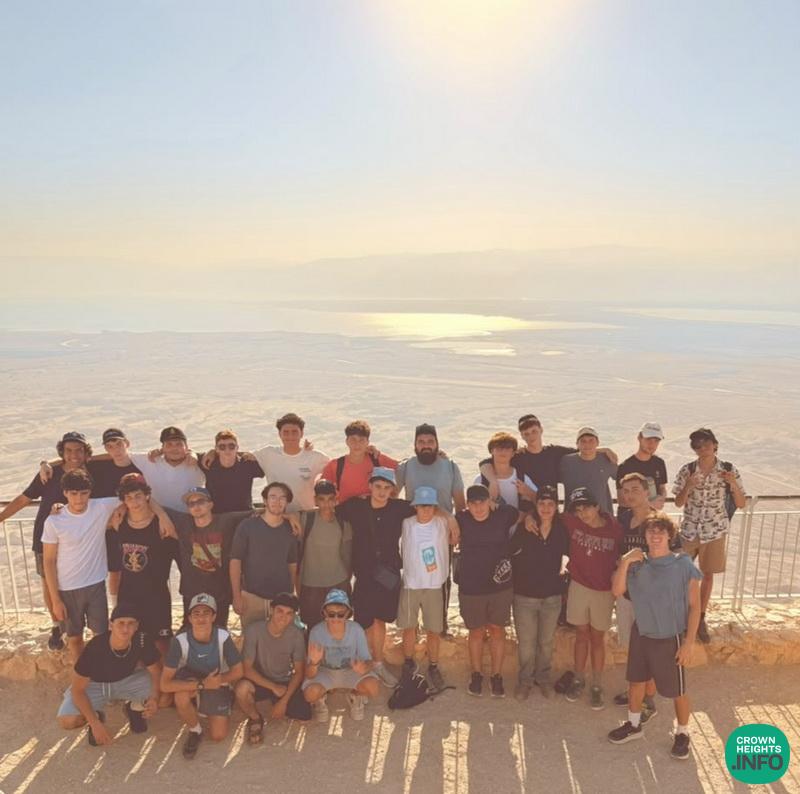


Despite Wartime Uncertainty, Teens Spend 22 Days in Israel on CTeen Journey
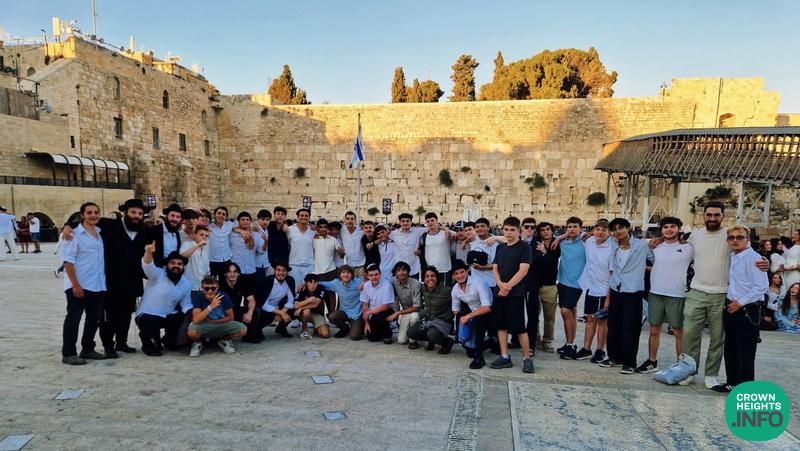
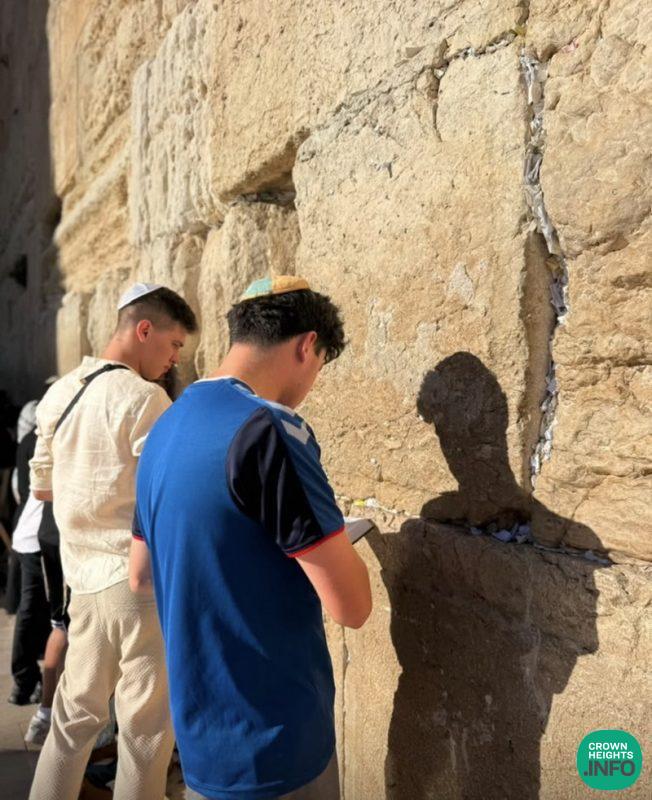
“Before I went to Israel,” said Aidan Hulnick of West Chester, PA, “I never imagined that I would be spending Tisha B’Av at the Western Wall.” He was one of dozens of teens who sat on the stones and said Eicha that night, most of them for the first time, midway through a 22-day CTeen Israel Journey.
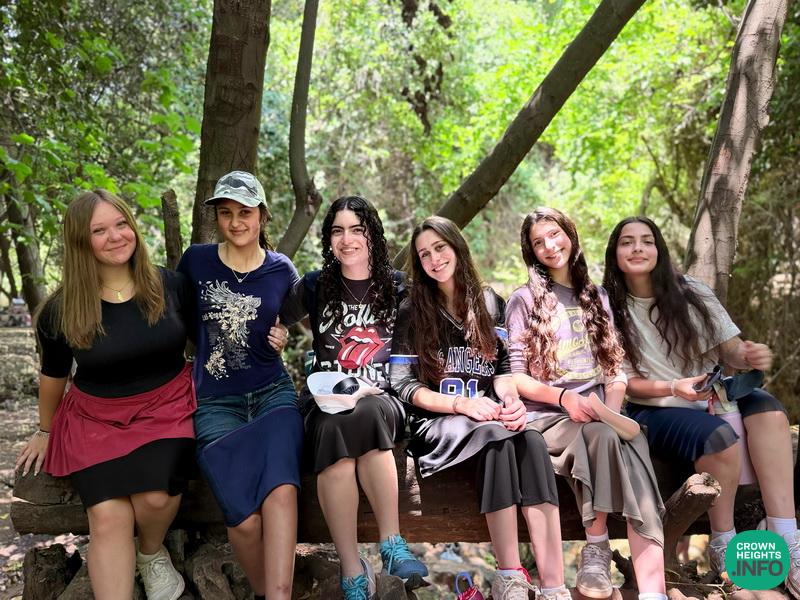
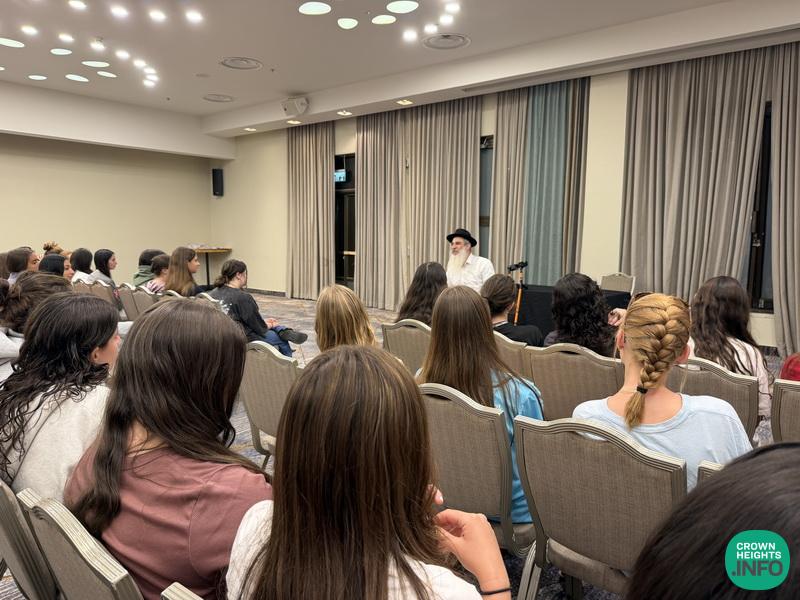
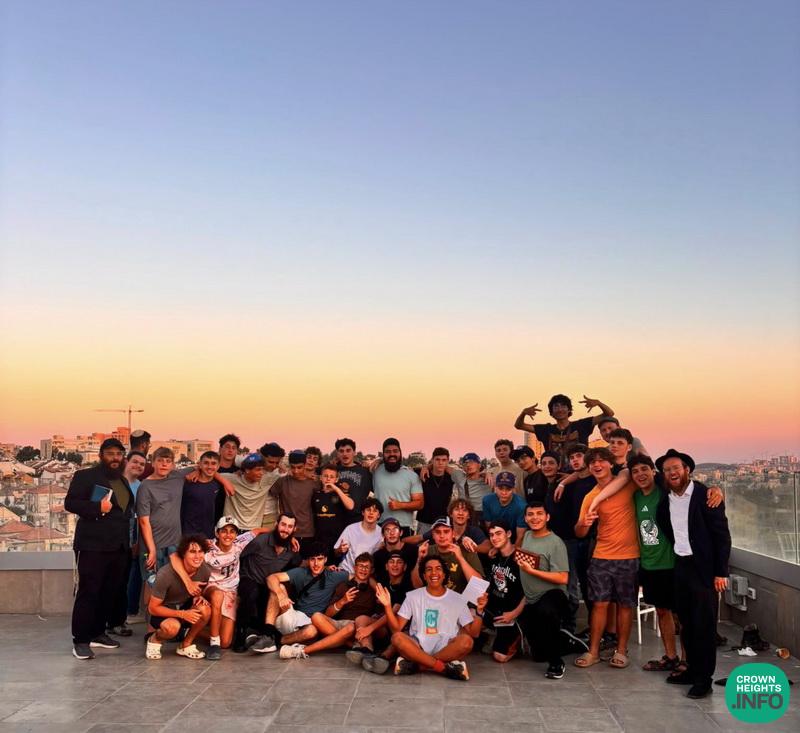
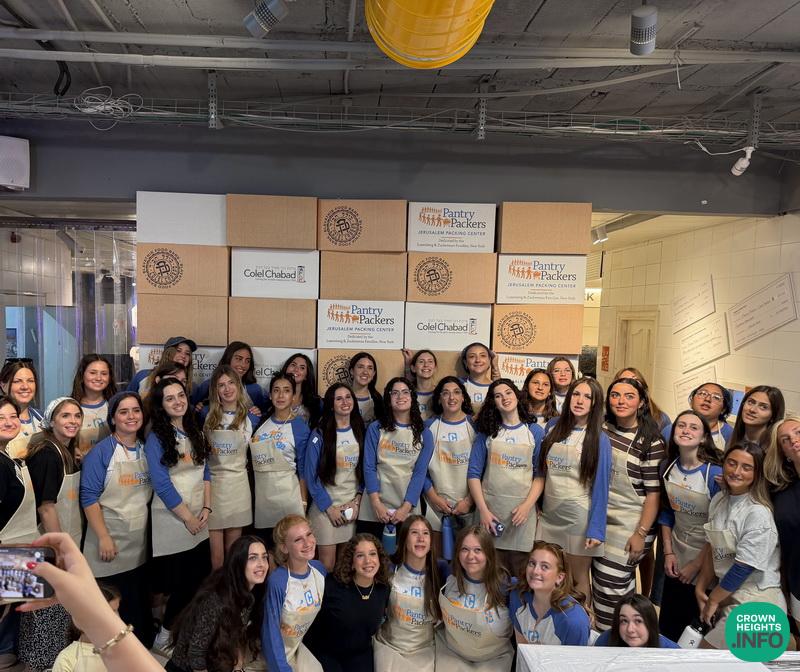
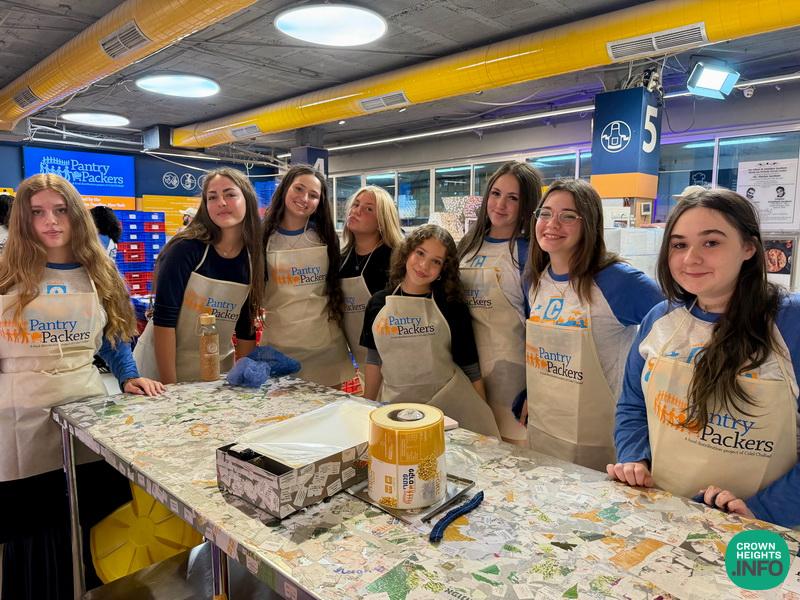
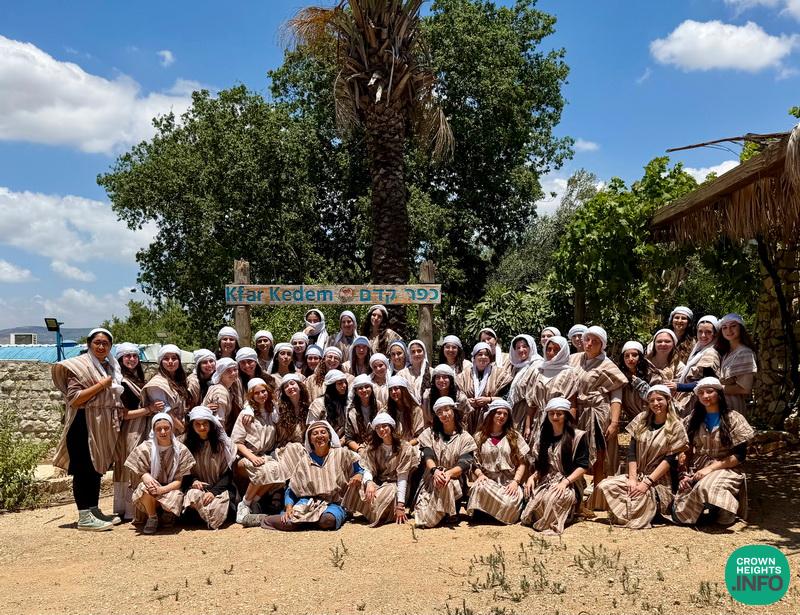
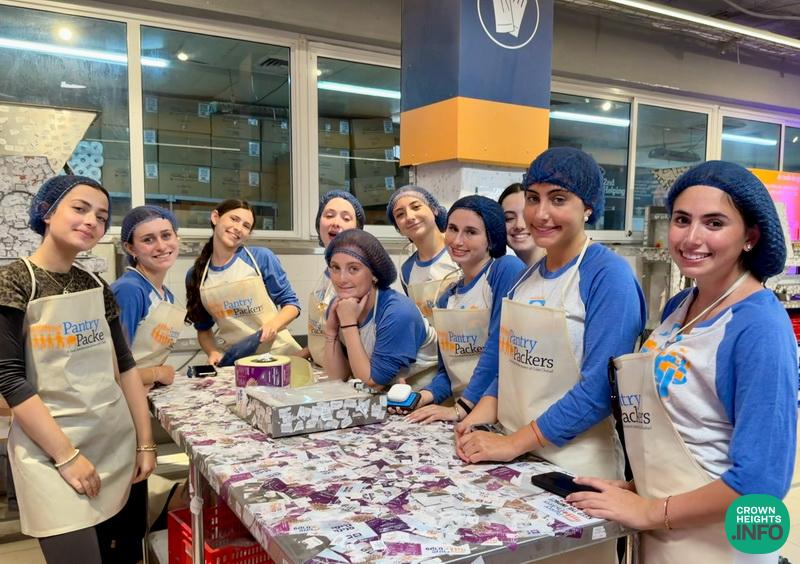
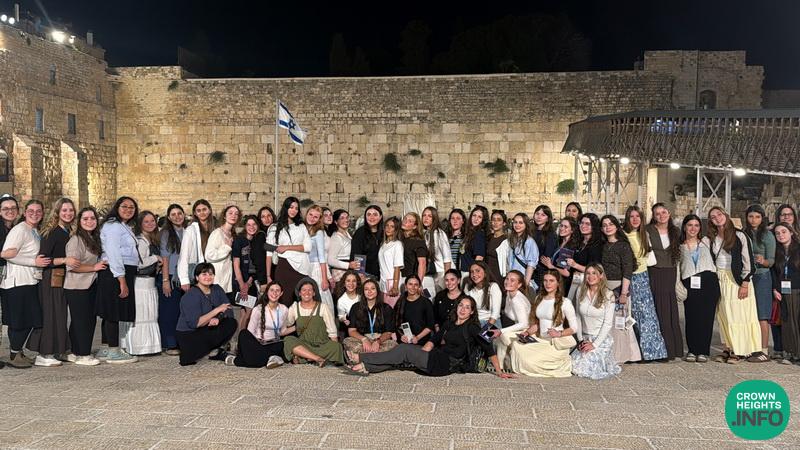
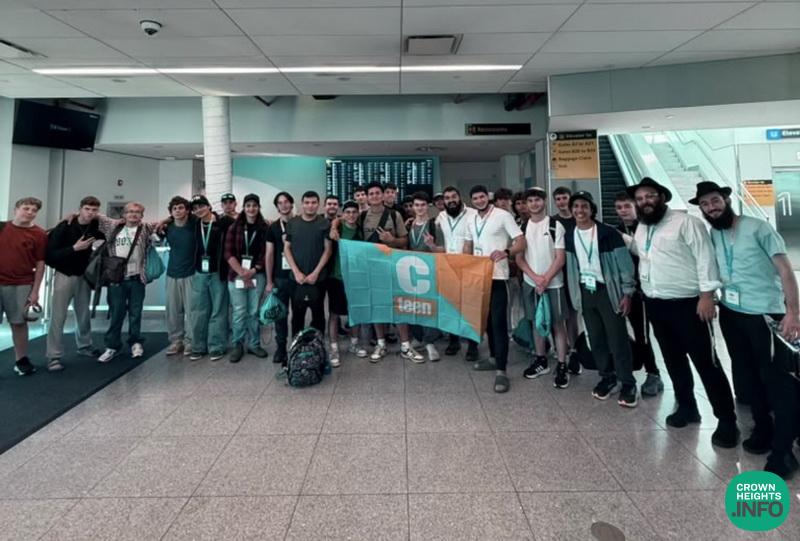
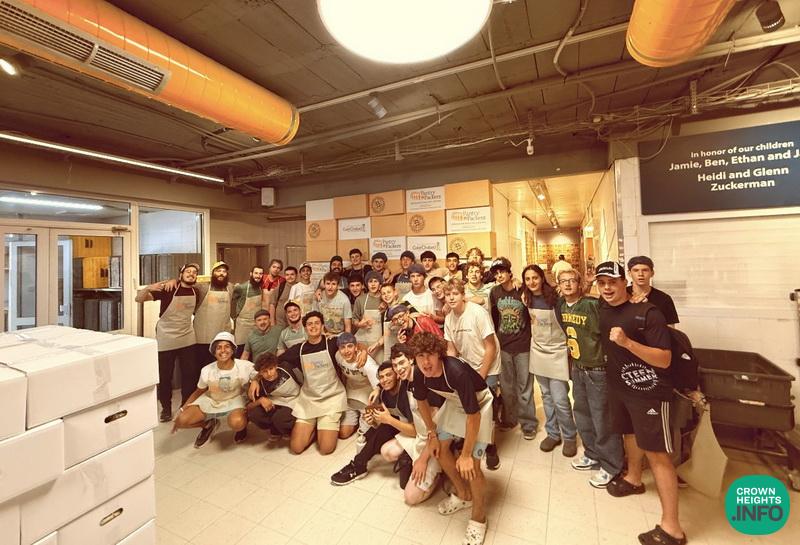
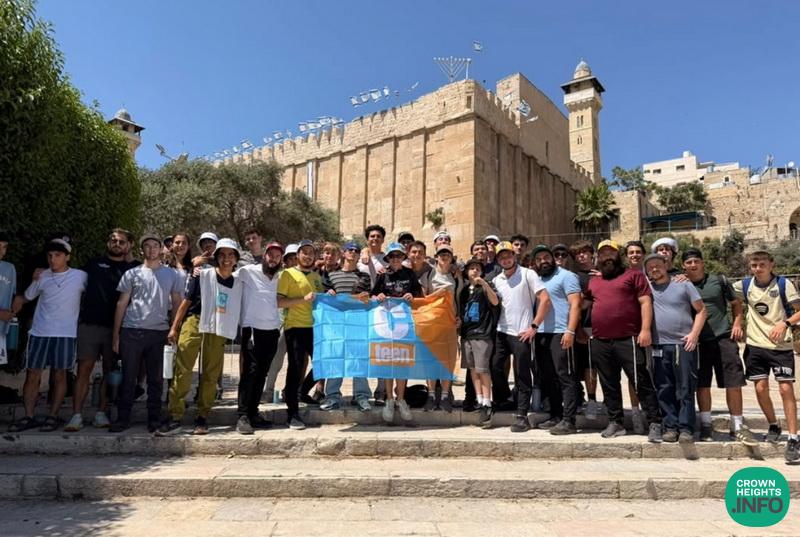
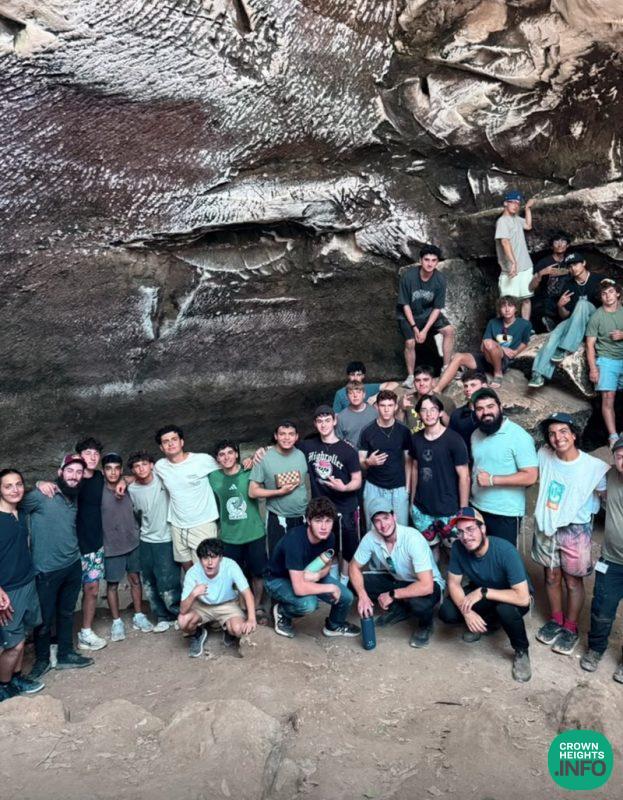
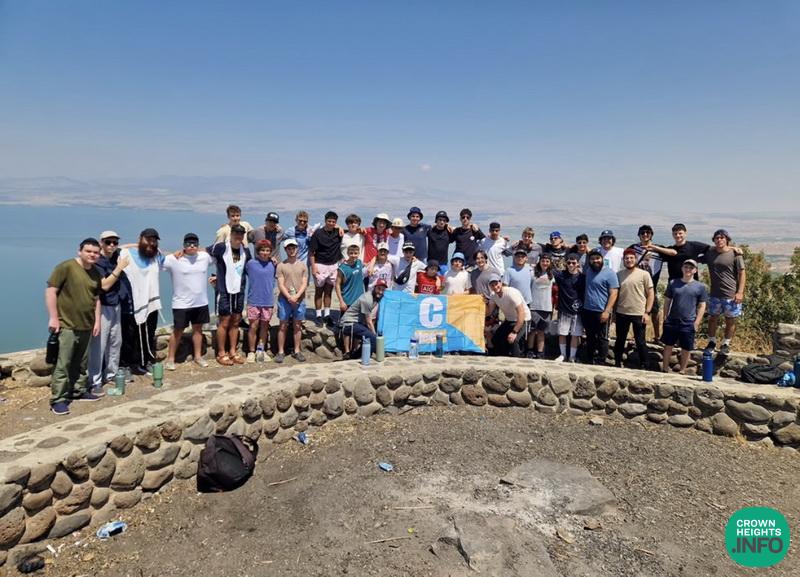
CTeen ran two such trips this summer, separate twenty-day programs for boys and girls, bringing together Jewish teens from the United States, England, Canada, and beyond. The girls landed on July 1 and the boys on July 9. Between them the groups climbed the snake trail up Masada before dawn, hiked Nachal Amud and the Sataf, canoed the Jordan, packed food at Leket and Pantry Packers, volunteered in a hospital, walked through Chevron, and stood at the site of the Nova massacre.
“The Rebbe spoke about the idealism of young people, that when a teenager puts their mind to something, they give it their all,” said Rabbi Mendy Kotlarsky, Chairman of CTeen International. “Many of these teens are the only Jewish kid in their grade. When we bring them to Israel for 22 days, we’re not giving them a vacation. We’re handing them the tools to be ambassadors of their heritage to their peers back home.”
The girls reached Sderot on their second day in the country. They toured the city, ate lunch at the Sderot Chabad house, and went on to the Nova site in the afternoon, where a survivor of the attack walked them through what had happened there. The boys made the same trip a week into their own program, and it was the part of the itinerary parents heard about first when their sons got home.
Parent Ruth Shneck from Manchester, UK said her son Raffi was extremely touched by the Nova survivor speaking, and by Yad Vashem, calling it an “important part of Jewish history to experience in person.” Raffi came away describing his newfound appreciation for Judaism as “something so strong that it is able to bounce back after so many atrocious acts against it.”
This year’s boys’ program was led by Rabbi Ben Bursk. A decade earlier, as a teenager in Manchester, England, Bursk experienced CTeen firsthand when his Shliach, Rabbi Sholom Cohen, encouraged him to join a CTeen summer trip, an experience that became an important part of his own journey in Yiddishkeit. Ten years later he returned in a very different role, leading a summer experience for the next generation. When Yosef Shusterman was asked for his three favorite moments of twenty days in Israel, the first thing he listed was late night story time with Rabbi Ben in the hotel hallway.
“Ten years ago, I was one of the teens on this trip,” Rabbi Bursk said. “Coming back now to lead it and seeing firsthand the impact these three weeks can have on a young person made the experience incredibly meaningful and truly brought things full circle for me.”
The trips also began well before anyone boarded a plane. As part of the RootOne initiative, participants completed 8 hours of pre-trip learning and were awarded with a $3,000 voucher to reduce the costs of the trip.
Both programs ran single gender, and the teens had opinions about it. The girls were the more unprompted and the more specific. “There is a sisterhood and I feel like everyone got closer because of it,” said Emily Levitt of Chicago, IL. Evie Weiss put it in terms of what the format took out of the room. “I loved it because it made us way closer than if it wasn’t an all girls trip,” she said. “I felt way more comfortable because there wasn’t as much judgment.”
What almost none of them anticipated was how the country itself would feel. Zayden Bavaro of New Haven, CT, found Judaism far warmer and more connected in Israel, and Benzi Ashkenazi of Syracuse, NY, described it as a living tradition that isn’t forced to be in hiding everywhere. On the girls side, Asenath Arshynova of Fairlawn, NJ, said the surprise was how little language mattered, and that she could connect deeply with Jews in Israel even when the two of them had no shared words.
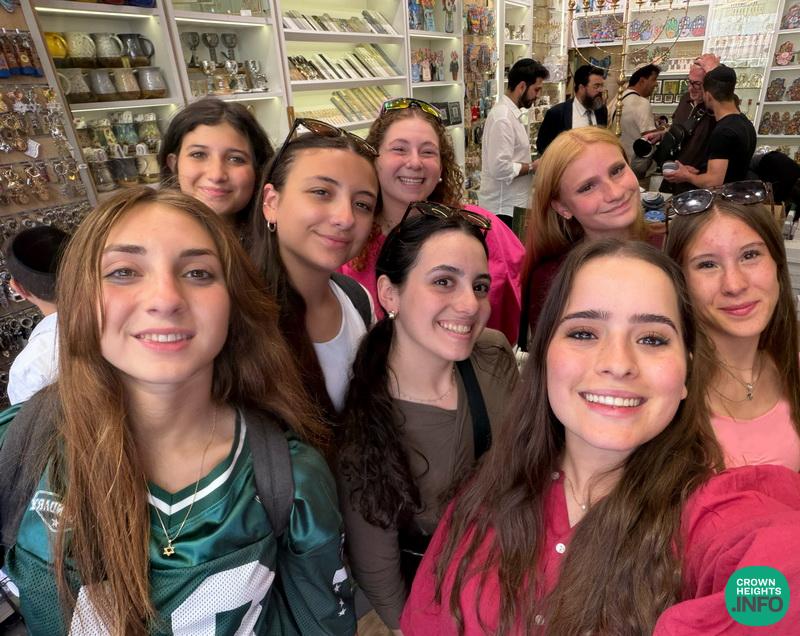
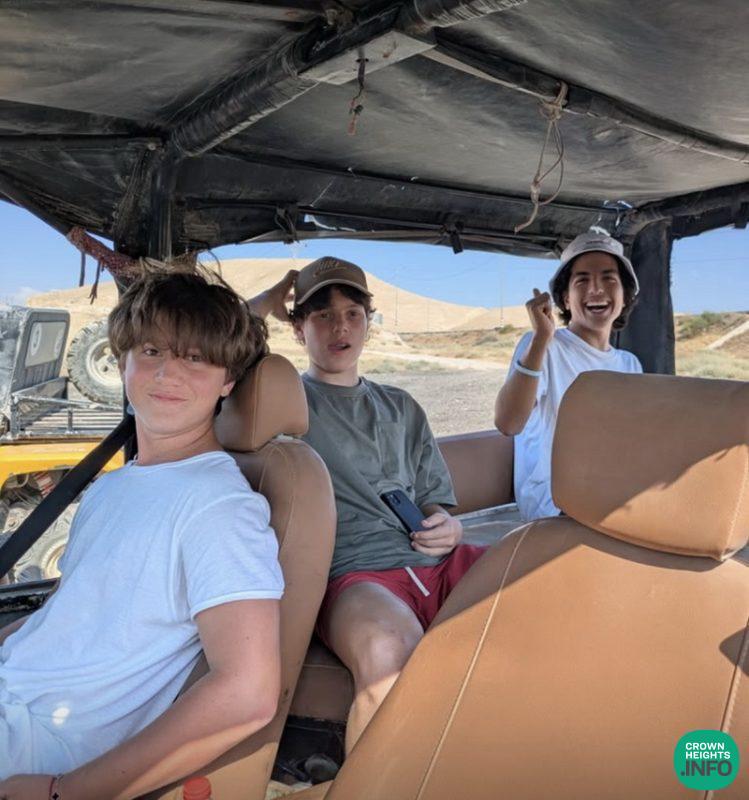
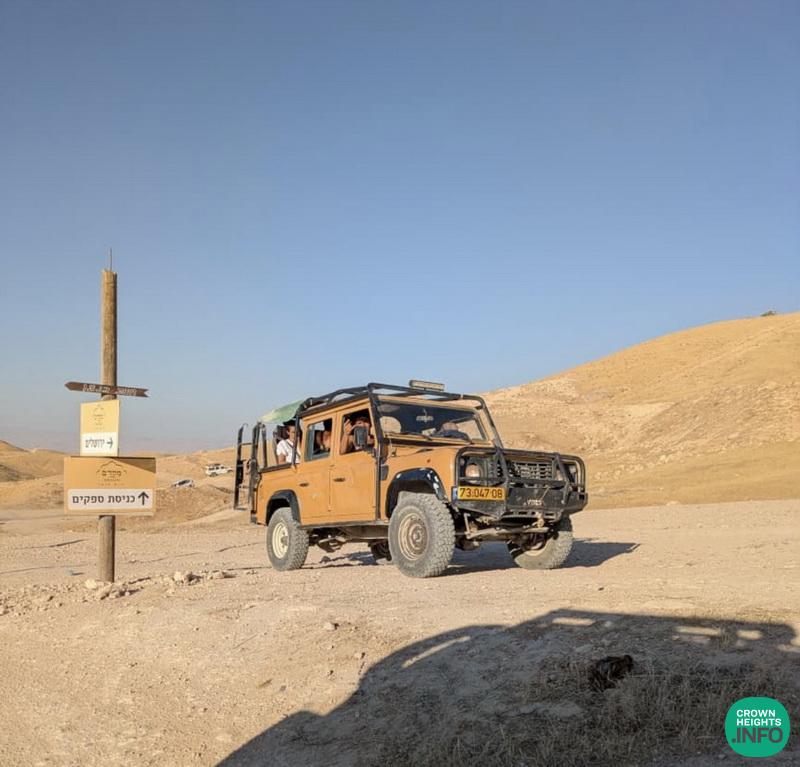
Not all of it was heavy, and the teens were quick to say so. There was a floating water park on the Kineret, ziplining at Deer Land, laser tag, a trampoline park, jeep rides in the hills of Yerushalayim, pizza on Ben Yehuda after Havdala, and long afternoons haggling in the shuk. Alita Arnold thought the mix was the whole point, describing a trip that ran art, history, hiking, and learning about the past and future of Israel alongside simply having fun.
Parents describing the return home tended to reach for the same word.
“He came home a new kid,” said Jennifer Hulnick. “Wanting to participate in more Jewish activities, having Shabbat dinners as a regular part of our routine, and wanting to start going to synagogue more often. This was truly the catalyst to inspire him into engaging more with his Jewish identity.”
For Diana Rubenstein of Miami, FL it was the daily photos that did it, seeing her son Elad praying with the group at places she had only read about. Sabine Epelbaum of Wilmington, DE noticed the change in the routine instead: her daughter started praying regularly, and summed the summer up in four words her mother repeated back. “It was the best ever.”
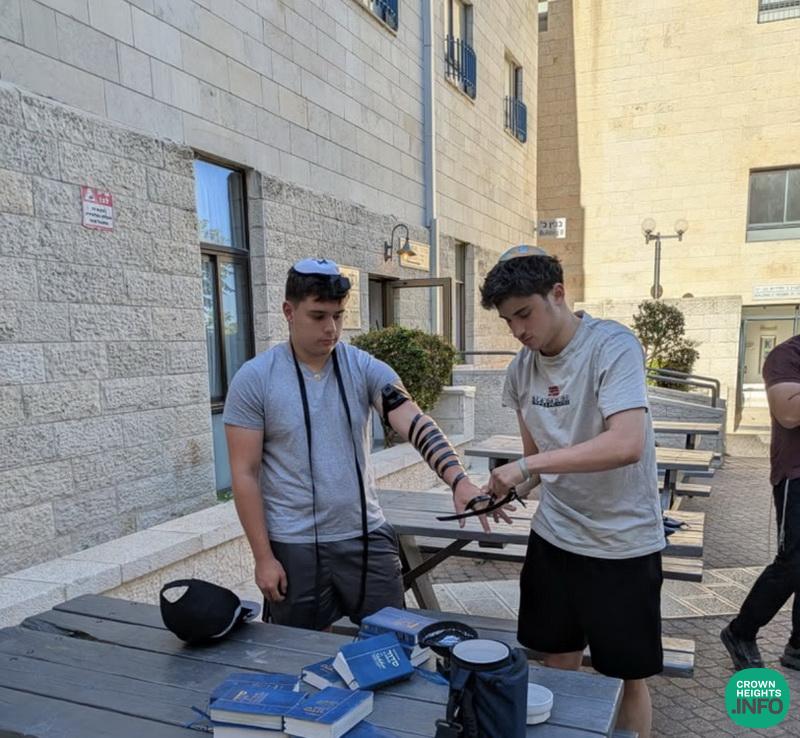
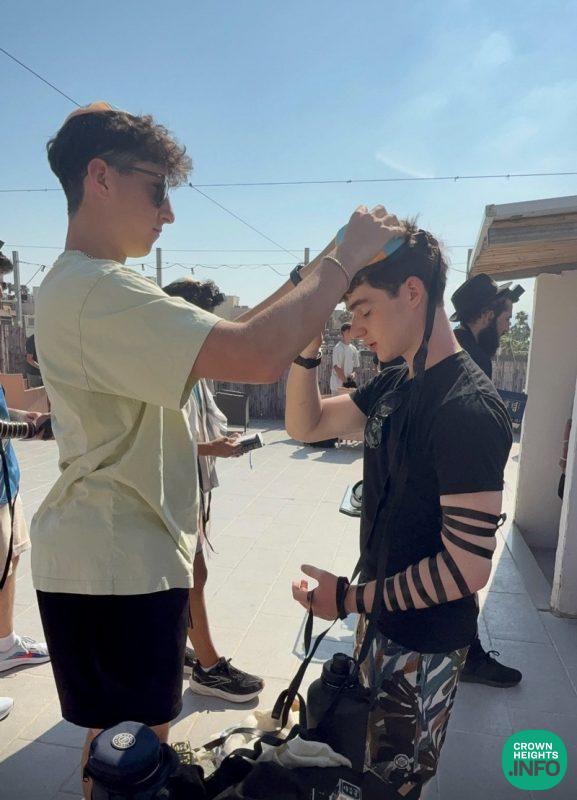
The hachlatos teens carried home were concrete rather than sentimental, and tefillin came up more than anything else.
Shalom Bereznyak of the Bronx had committed to praying Mincha and Maariv after he was called to the Torah on the first Shabbos of the trip and intends to keep it. Melanie Mintz plans to keep Shabbos two weeks in a row, light candles, say Shema, and say Modeh Ani. Others are taking it further than a personal resolution.
Adam Peretz of Studio City, CA came home planning to open a Jewish club at his school and bring what he saw back to his local Chabad, and Yitzi Rich, already a leader at his chapter in Manchester UK, said he would carry on there and hold to the hachlatos he made. It’s the reason the trips exist in the first place.
Both programs ended the same way. A banquet, a drive to the airport, a flight out at five past midnight, and the words on the last line of the itinerary: next year in Yerushalayim.
Raphael Prout of S. Laurent in Montreal had a line for anyone thinking about going. “It’s not just a trip to understand Israel,” he said. “It’s a trip to understand yourself.”
RootOne is seeded through a generous grant by The Marcus Foundation and powered by The Jewish Education Project. Visit RootOne.org for more information.
Pre-registration for summer 2027 is open at cteensummer.com