“You Can’t Teach Before You Reach”: Inside the Kinus Track for Mechanchim
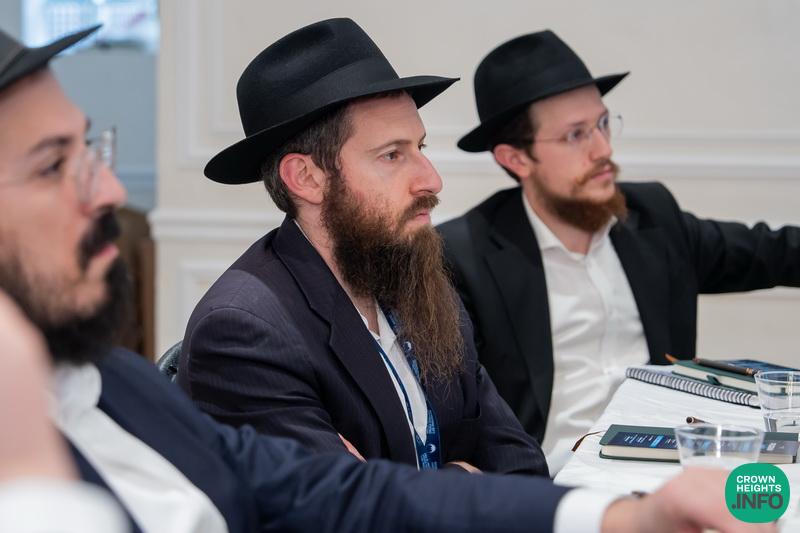
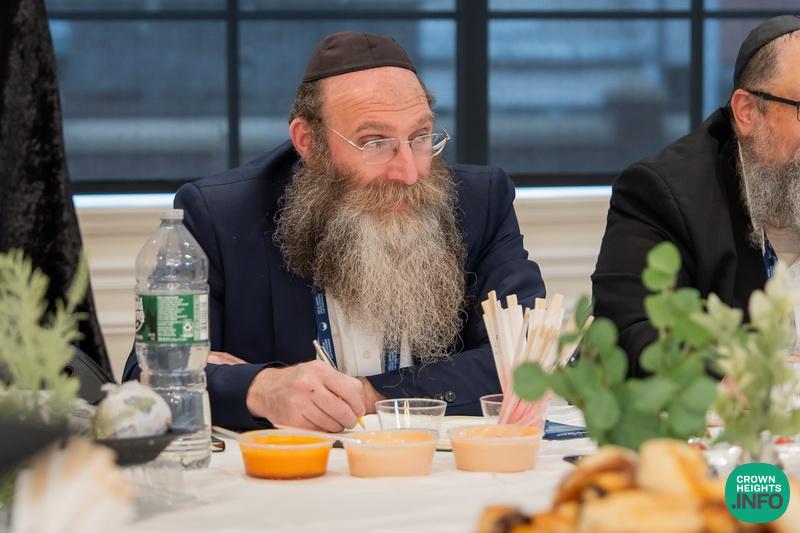
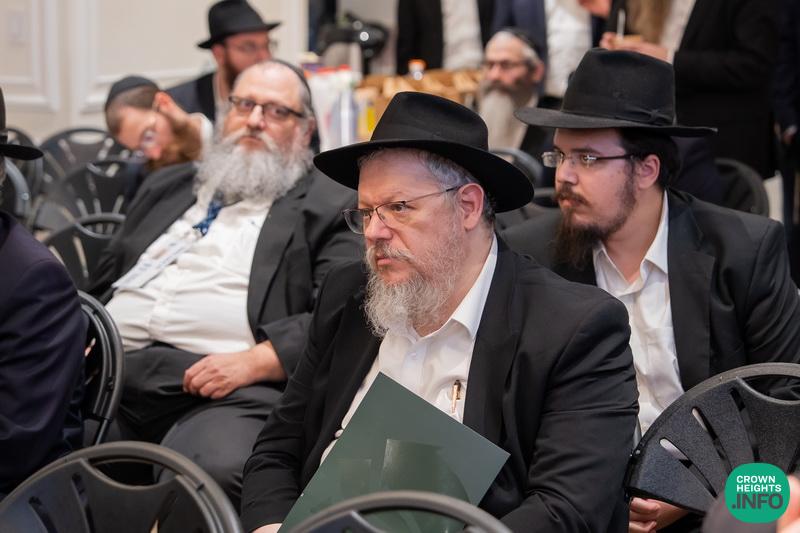
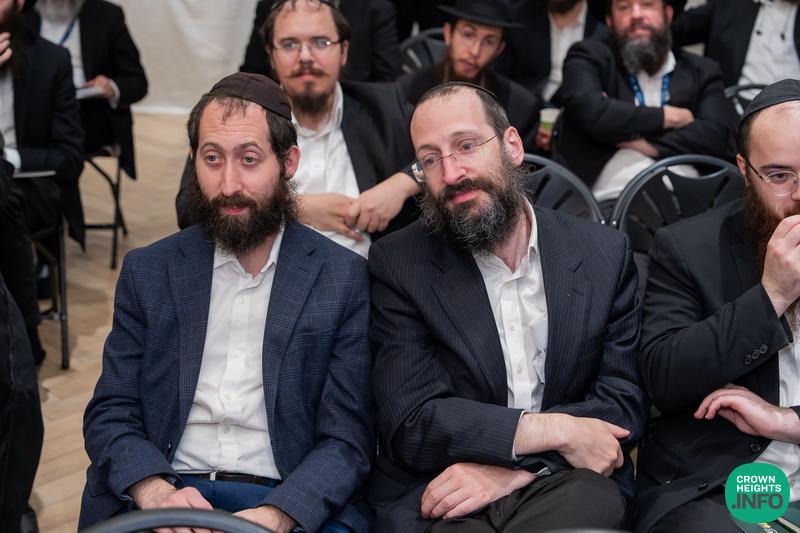
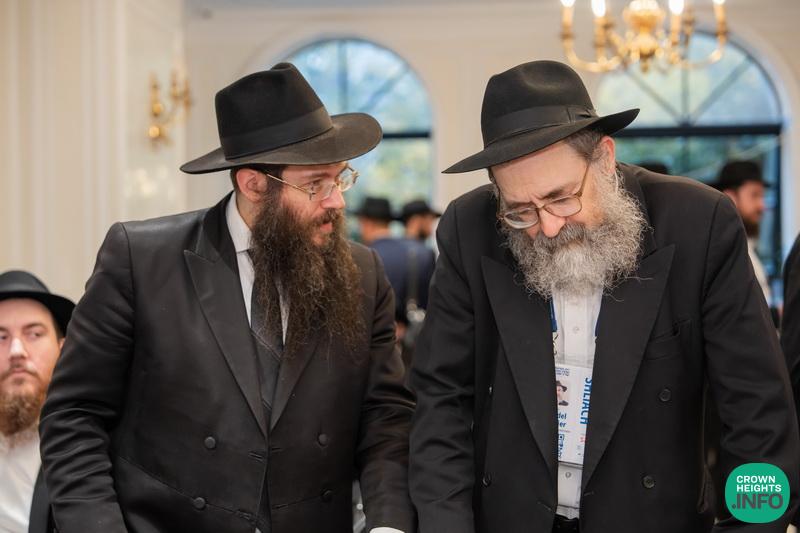
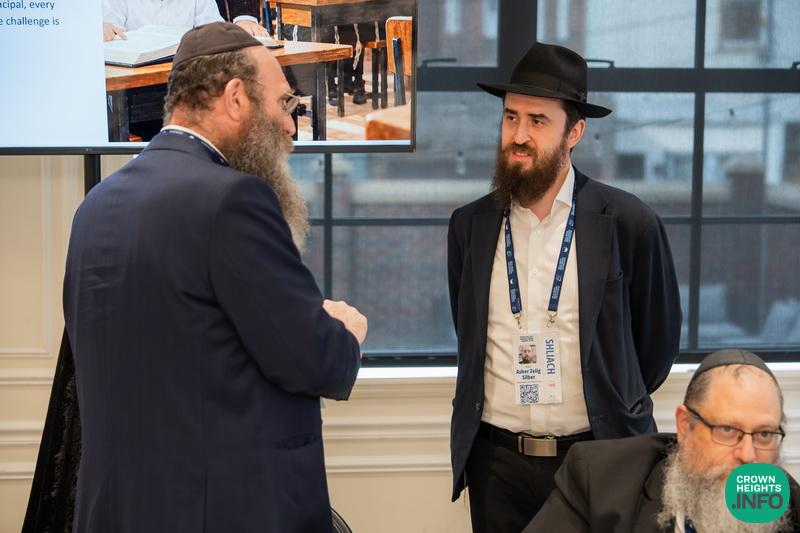
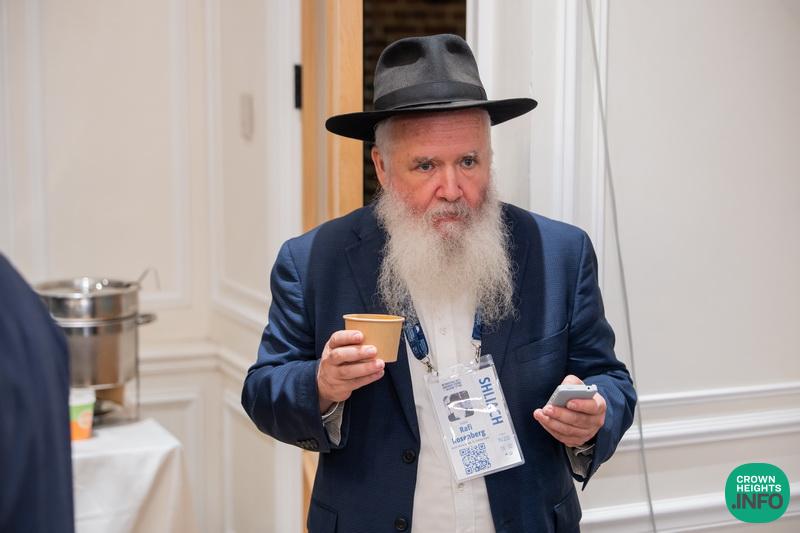
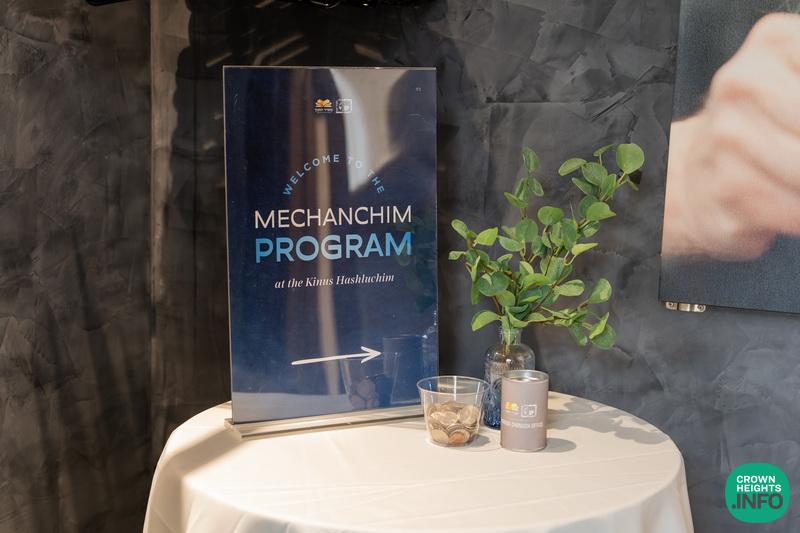
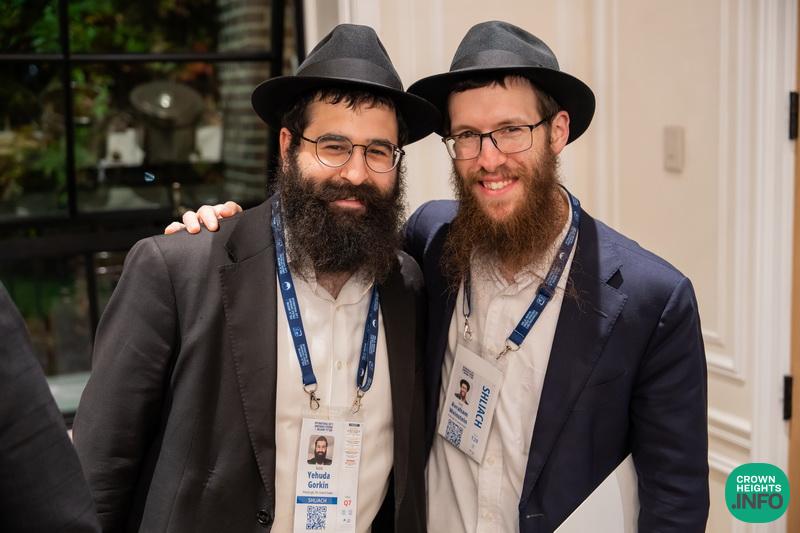
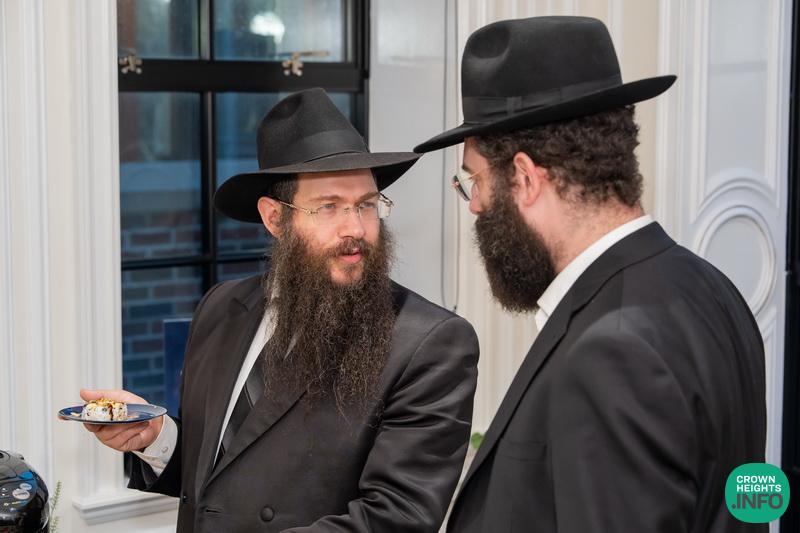
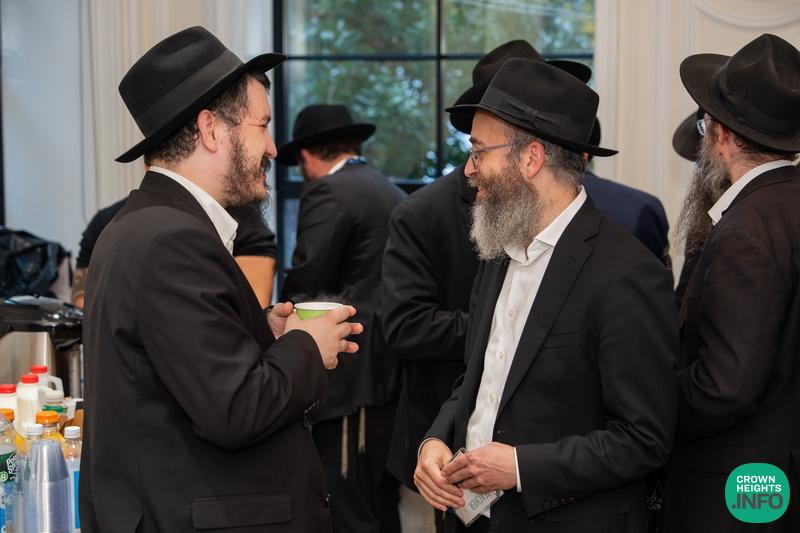
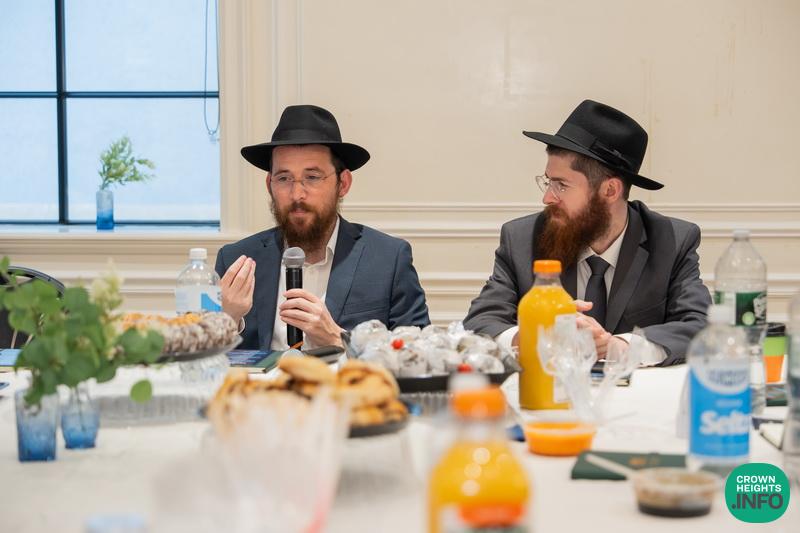
As thousands of shluchim gathered in Crown Heights for the Kinus Hashluchim, mechanchim from near and far joined them, coming together as educators to learn, share and grow. The Merkos Chinuch Office gave them a track of their own, built around the work they do every day: shaping the next generation, one classroom at a time.
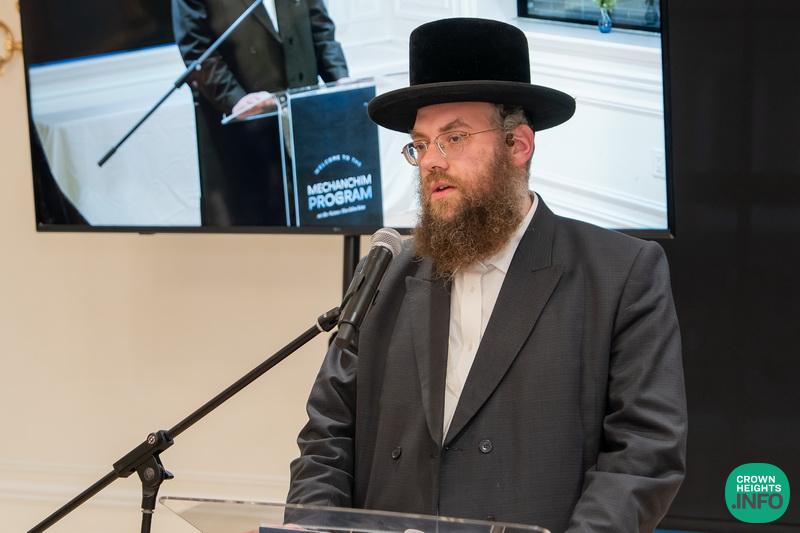
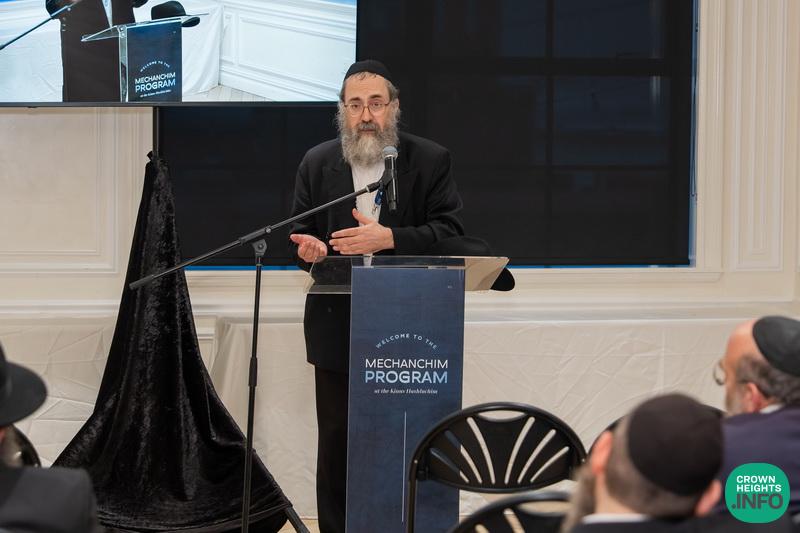
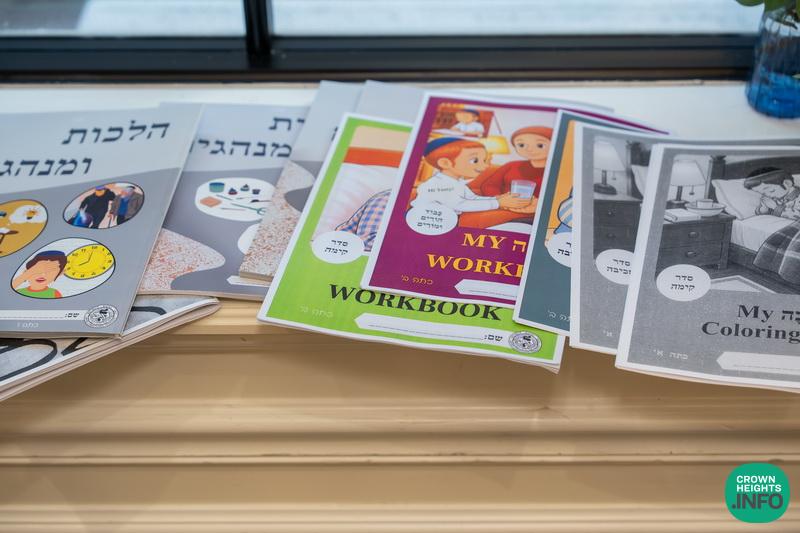
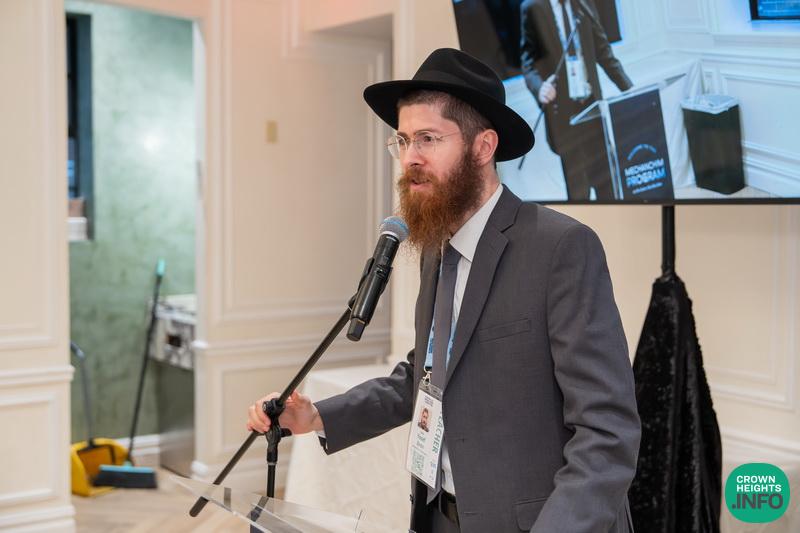
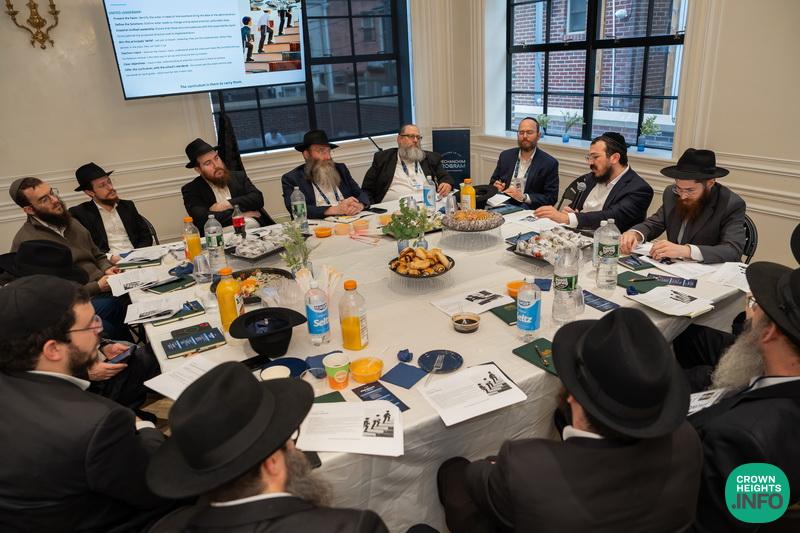
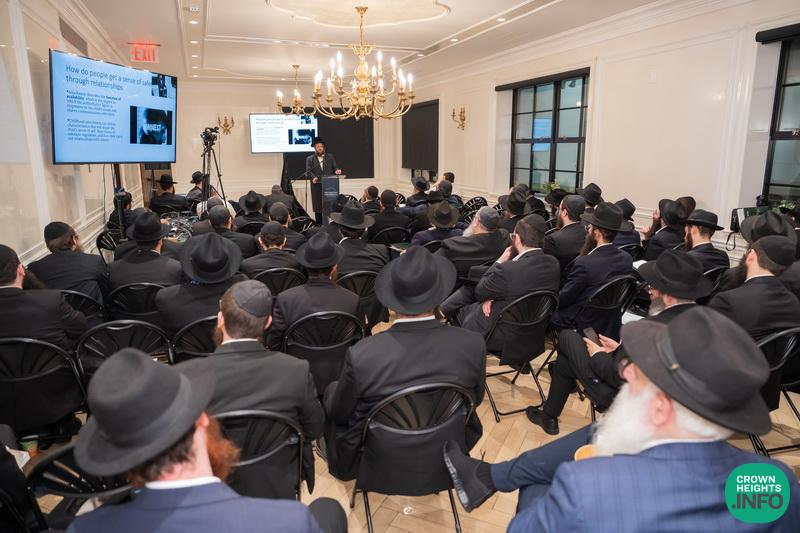
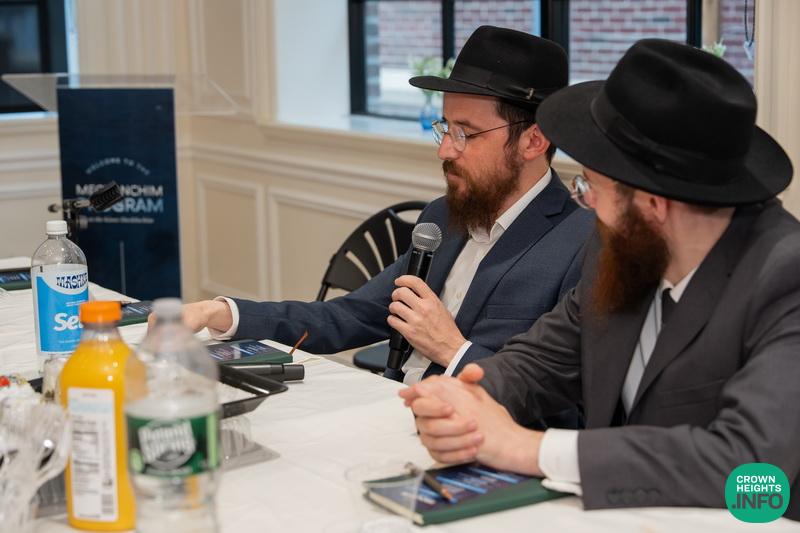
The program opened Thursday afternoon at La Sala Hall with a Curriculum Meeting for those who build and lead curriculum in their schools. Rabbi Eli Krichevsky, Director of Reshet E”Y, opened with “מעלין בקודש – Raising the Bar.” He described how the Reshet created a shared standard across its schools, which helped principals identify gaps in their curriculums and raise the level of learning, with clear expectations that could be implemented and followed up on, and how this standard can be applied to schools abroad as well.
Rabbi Mendel Elberg, Curriculum Director and Head of Remediation at Lubavitcher Yeshiva in Crown Heights, addressed the challenges of putting curriculum standards into practice. He spoke about raising the level of learning while giving each teacher ownership and autonomy in his own classroom, within a cohesive system across the school, and offered practical guidance for the curriculum head’s role. Rabbi Yosef Aron of Lubavitcher Yeshiva and Rabbi Levke Kaplan of the Hebrew Academy of Southern Connecticut then led a discussion on curriculum vision and collaboration, a first step in the Chinuch Office’s plan for collaborative curriculum development across Lubavitch.
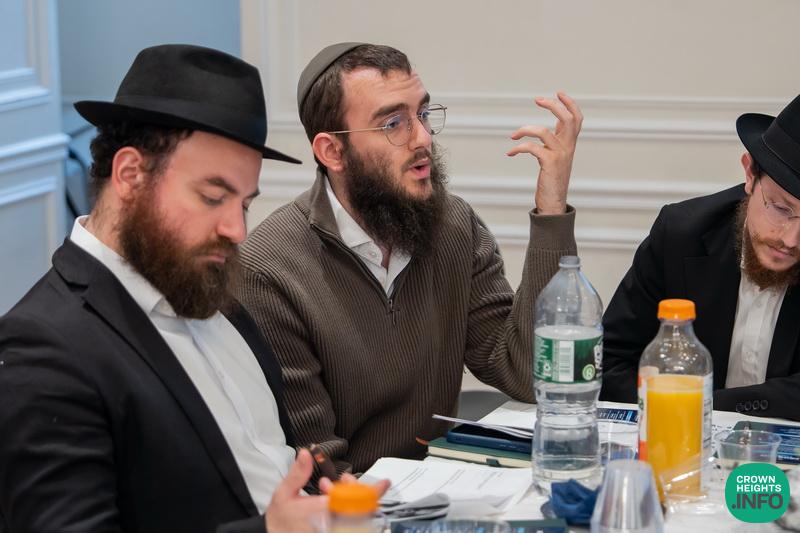
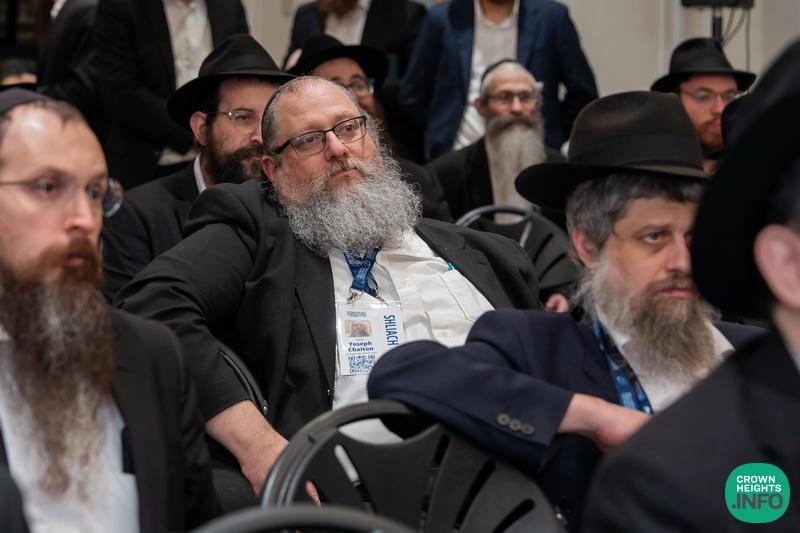
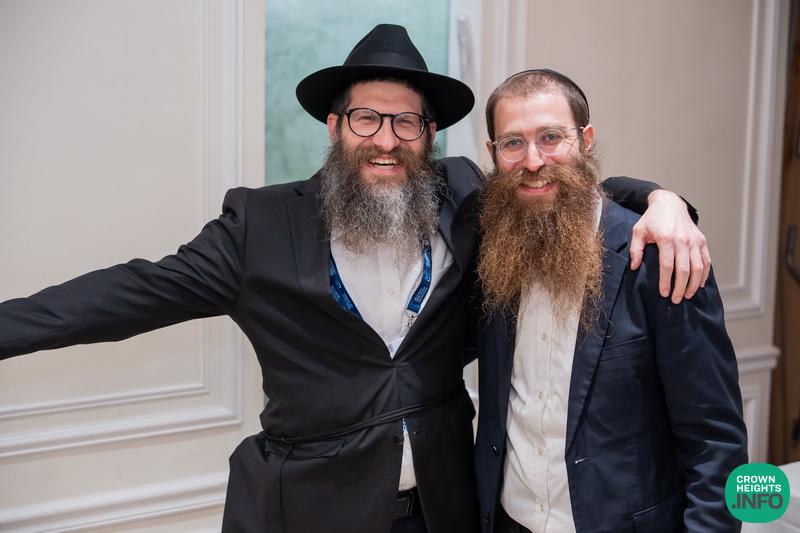
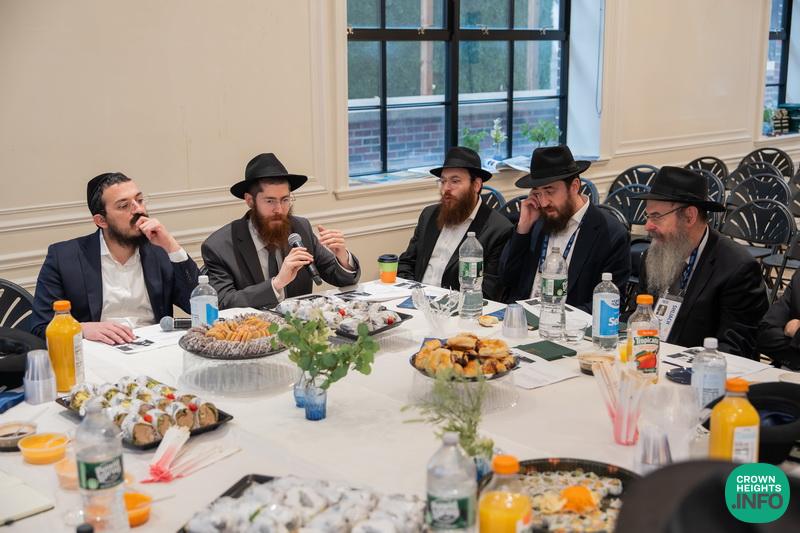
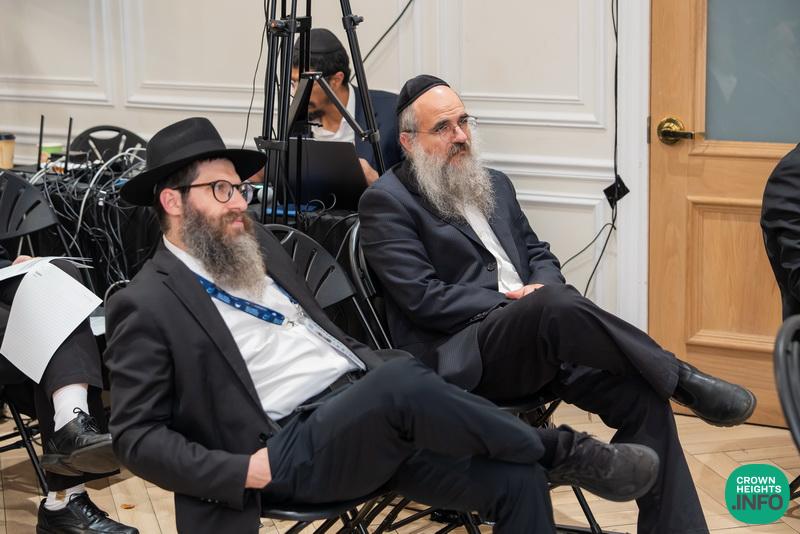
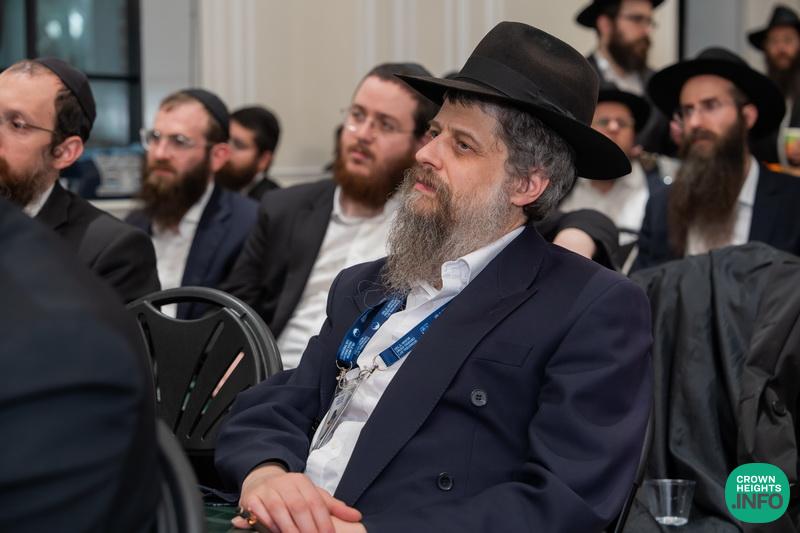
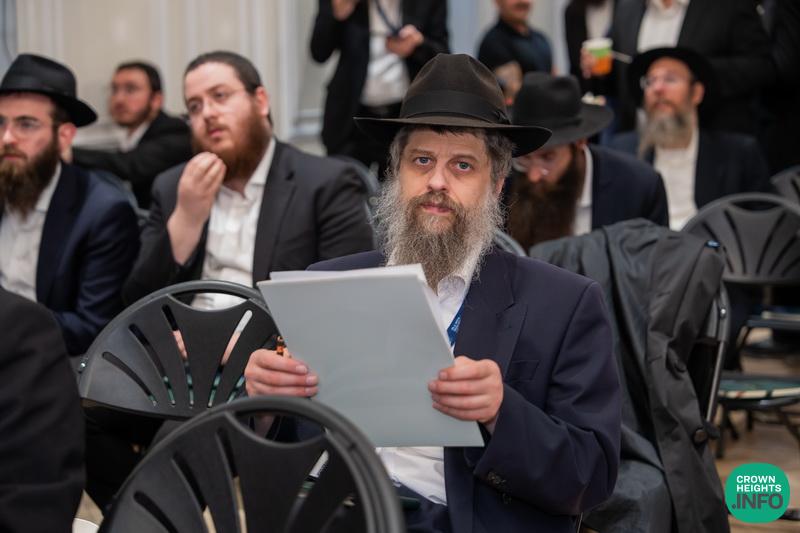
The Chinuch Sessions followed, drawing mechanchim from communities around the world to reconnect with colleagues and exchange ideas from their classrooms.
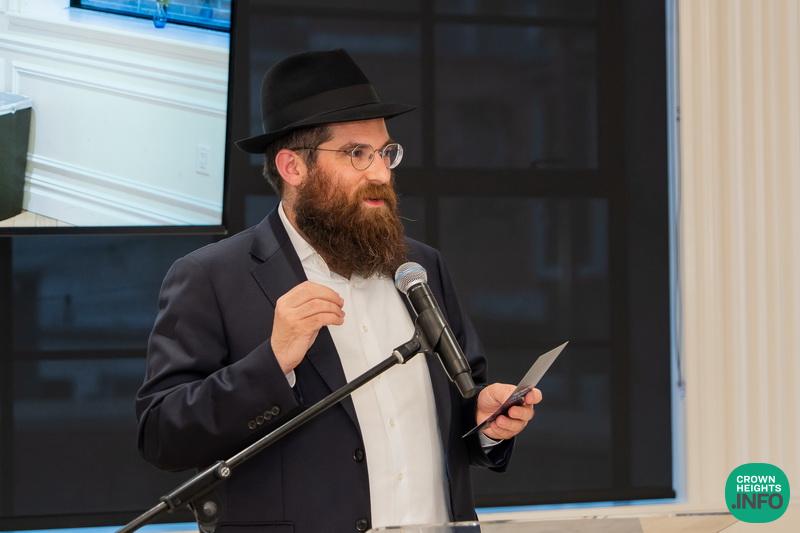
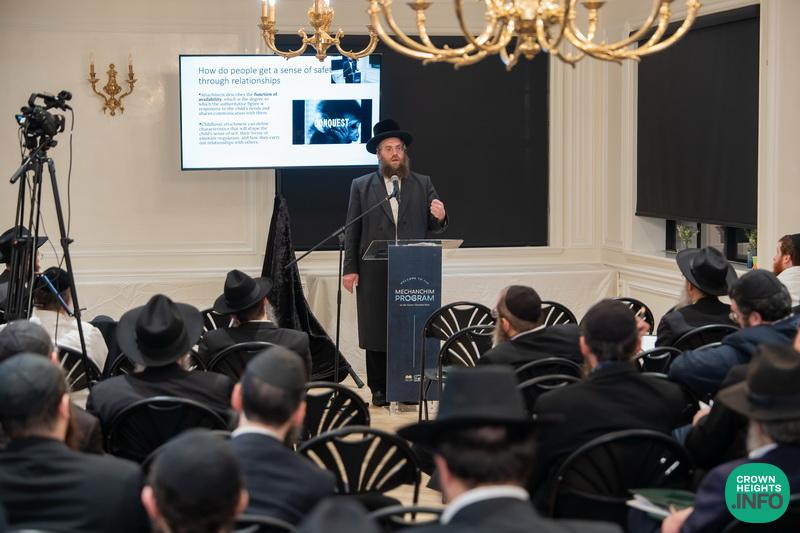
Rabbi Mendel Lipskier, Rav and Shliach of Sherman Oaks, California, led a session titled “Teach Them to Want More.” He shared that a child doesn’t need to be made into a learner. The desire to learn, daven and do mitzvos is already inside every child, and the mechanech’s job is to draw it out. “You can’t teach before you reach,” he said, urging educators to give their own talmidim the same warmth they readily show strangers, and to model the yiddishkeit they want to instill.
Mr. Meir Chaim Fried, LCSW, clinical supervisor at Chai Lifeline, closed the afternoon with “My Student Is Struggling, What Can I Do?” Drawing on years of crisis work, he explained that how the adults around a child respond can matter as much as the hardship itself. “A broken heart doesn’t need fixing. It needs containment,” he said, noting that research shows a single caring teacher can make the difference in a child’s resilience.
On Sunday night, following the Kinus banquet, mechanchim gathered at the Sperlin home for a farbrengen with Rabbi Dovid Hazdan, dean of Torah Academy in Johannesburg. Rabbi Hazdan recalled how, as a young mechanech, he used to leave the Kinus feeling he had little to show next to shluchim who were building new buildings or large communities. However, after more than four decades in chinuch, he sees it differently. “Mechanchim,” he said, “are the shluchim of the Rebbe who are creating the shluchim of the Rebbe.”
Watch the Chinuch Sessions on YouTube:
Watch the Chinuch Sessions on Spotify:
https://open.spotify.com/show/0fxeth97yGMtYaArRbyW63?si=211b175d7aaa4a9f
Listen to the full farbrengen on Spotify:
“Mechanchim are the ones creating the future generations of shluchim,” said Rabbi Mendy Kotlarsky, Executive Director of Merkos 302. “Our focus is on creating resources and helping them succeed in their Avodas HaKodesh.”
“We strongly believe that investing in our Mechanchim is investing in the future of our children, and it’s an honor to be there to support our Mechanchim,” said Rabbi Zalman Lowenthal, Associate Director of the Merkos Chinuch Office.
The mechanchim returned to their classrooms and communities with practical tools, new connections and renewed koach for the year ahead. Though they serve in cities across the globe, they share one mission: answering the Rebbe’s call to give every child the chinuch he deserves.
To learn more about upcoming programs, or to join the collaborative curriculum effort, contact the Merkos Chinuch Office at office@chinuchoffice.org.