

Technological Innovation at the Forefront of Kashrus in Russia
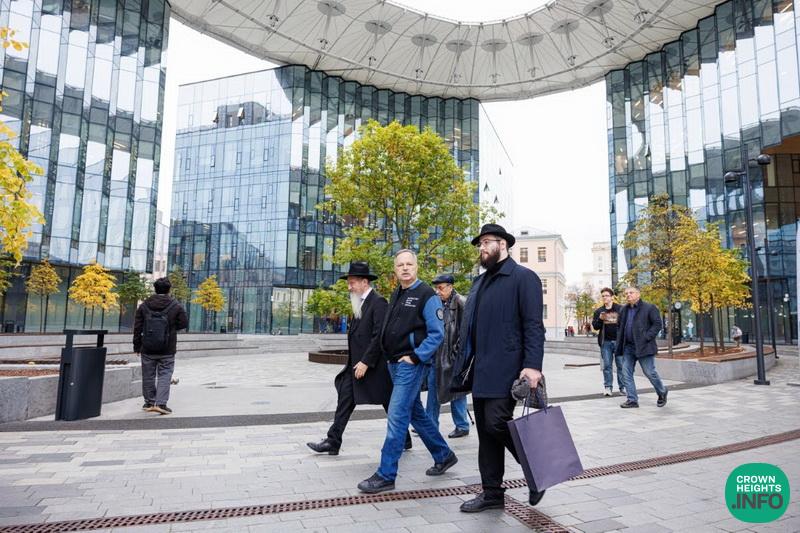
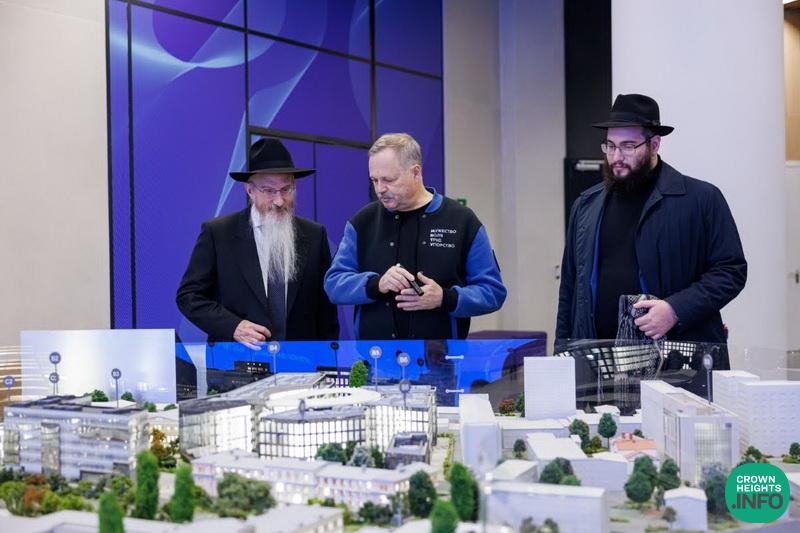
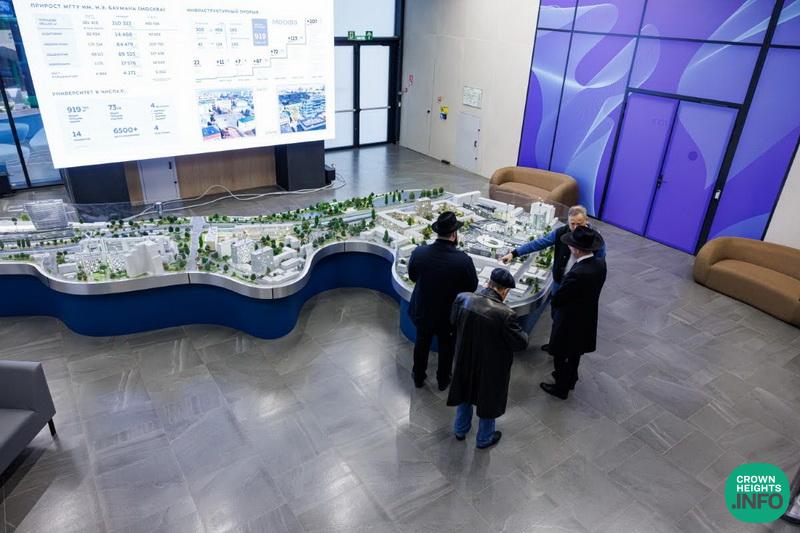
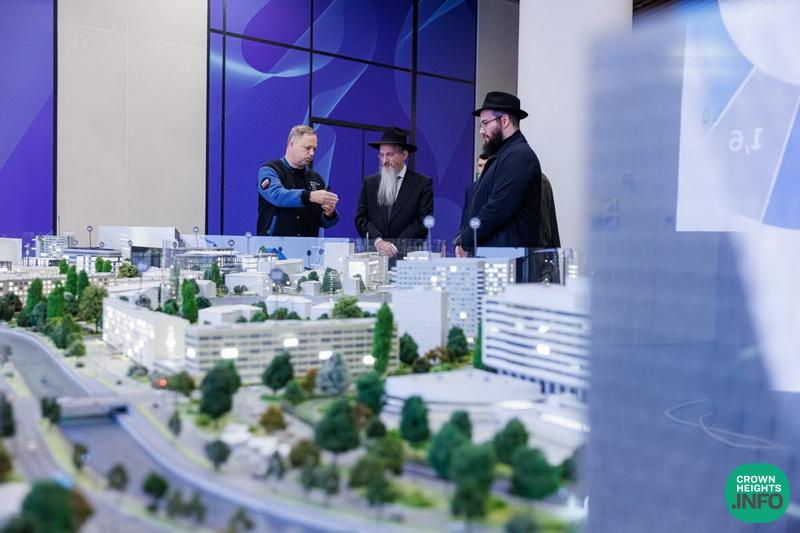
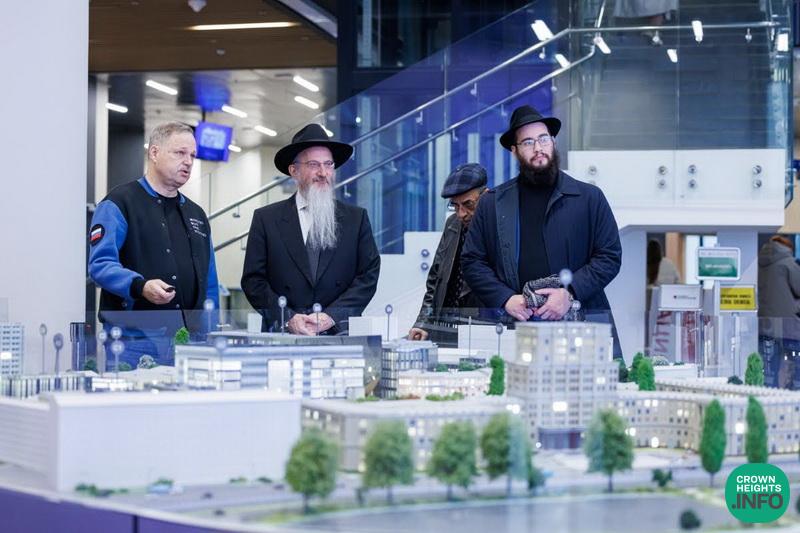
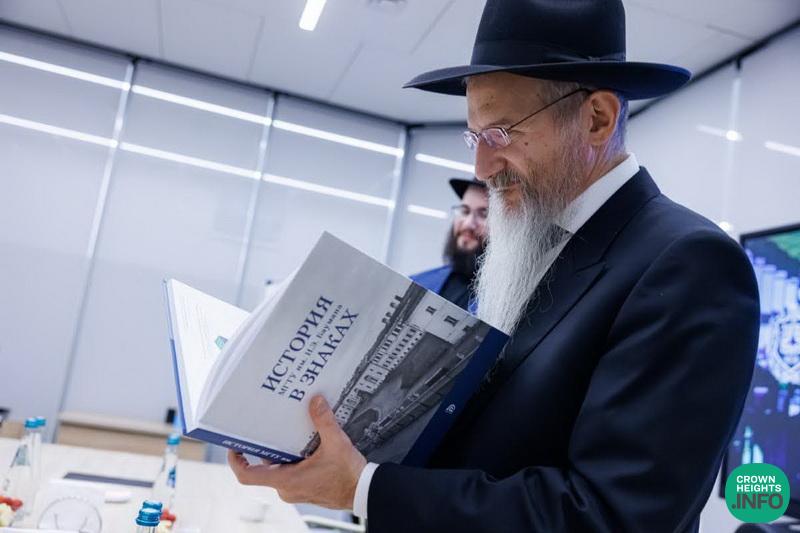
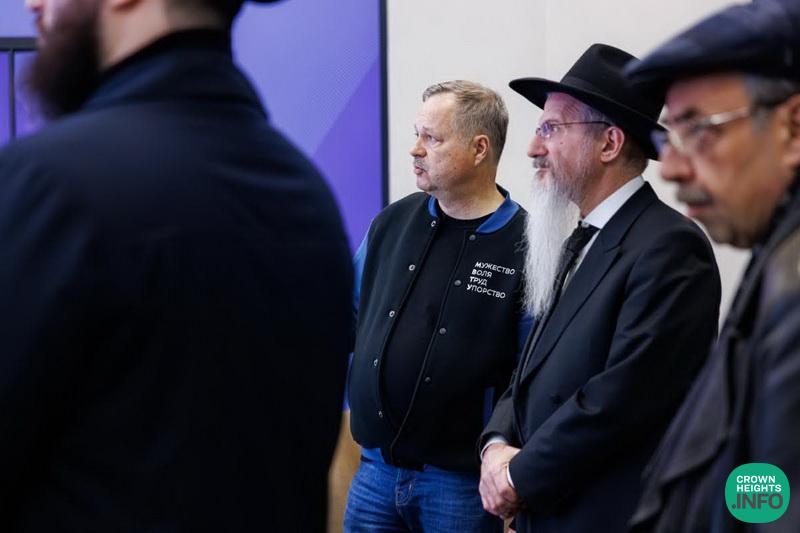
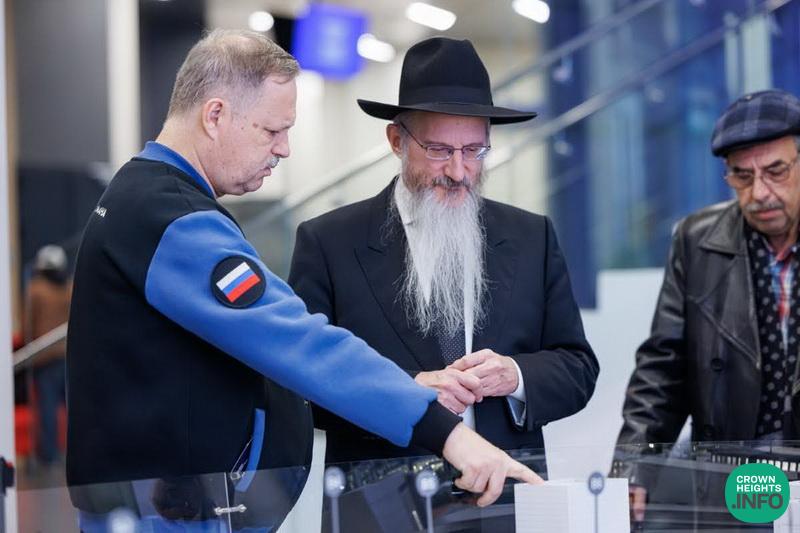
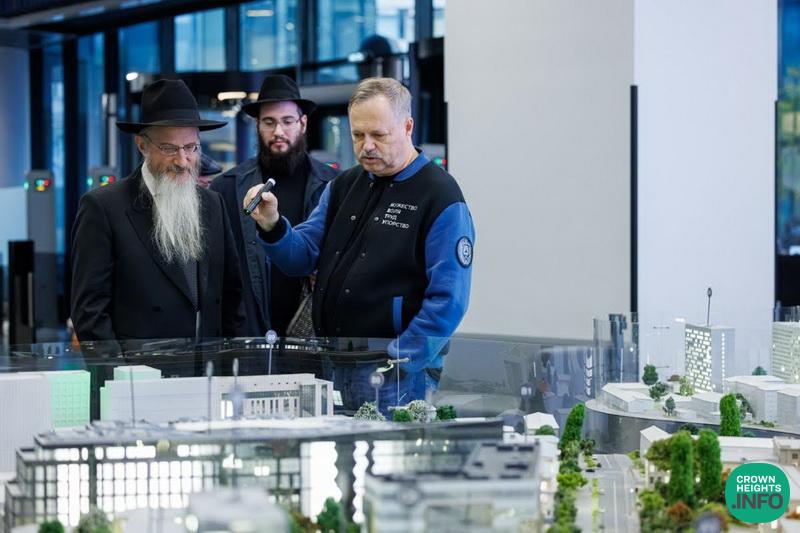
Russia’s Chief Rabbi, Rabbi Berel Lazar, visited Bauman Moscow State Technical University (BMSTU) on Tuesday for a special tour exploring the intersection of scientific innovation, Halacha, and Jewish life. The visit included a presentation of advanced agricultural technology designed to grow fruits and vegetables in a controlled, insect-free environment, raising the possibility of future collaboration with Russia’s Kashrus system.
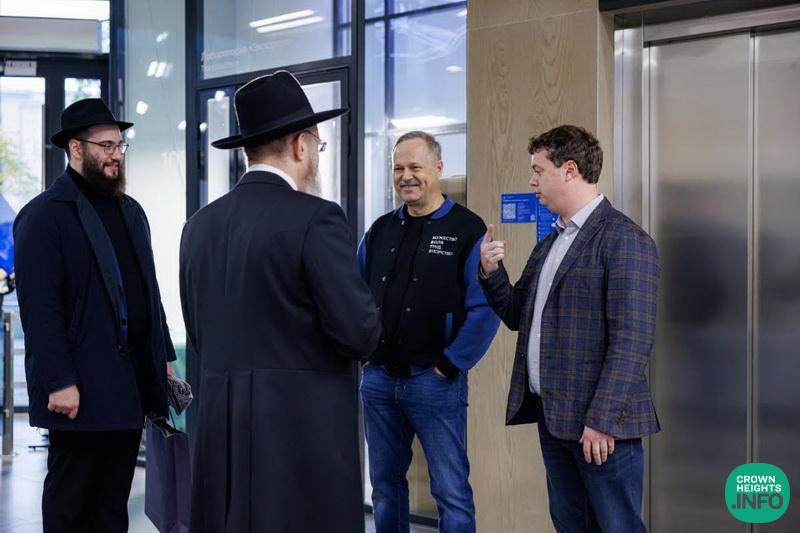
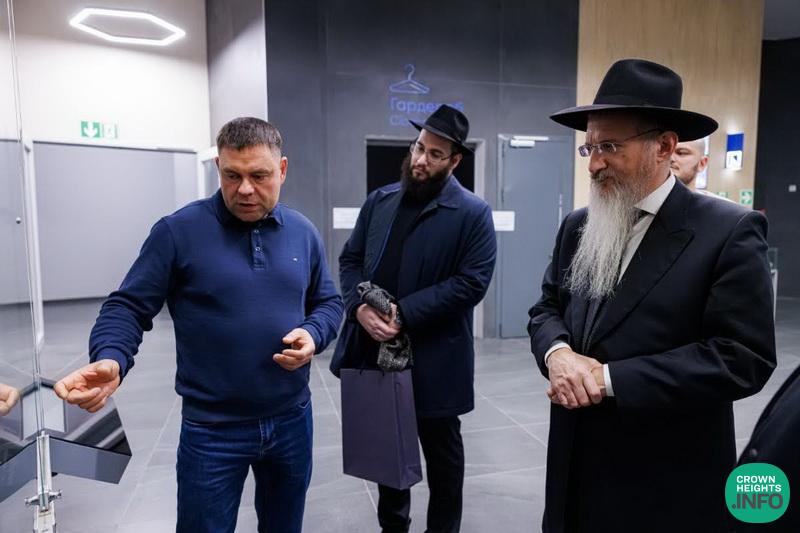
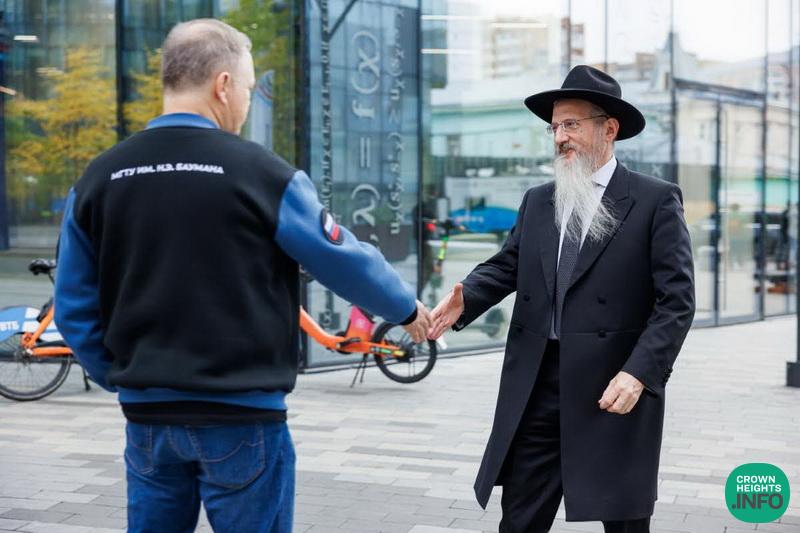
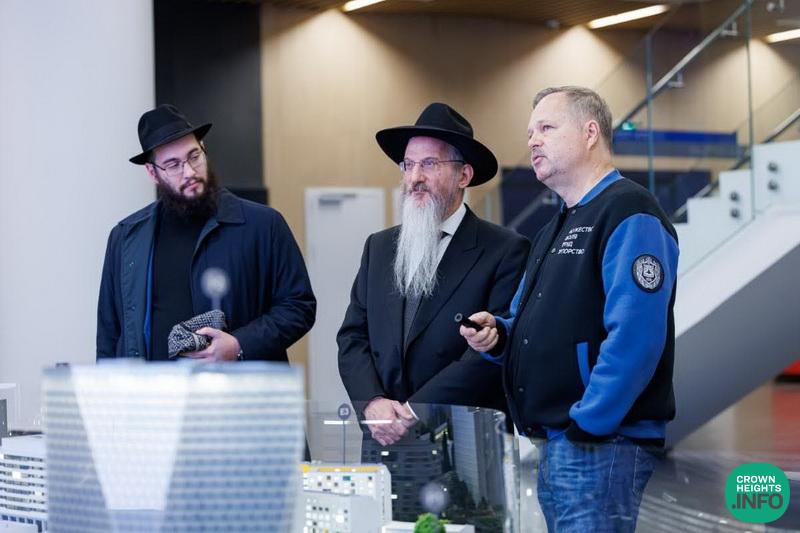
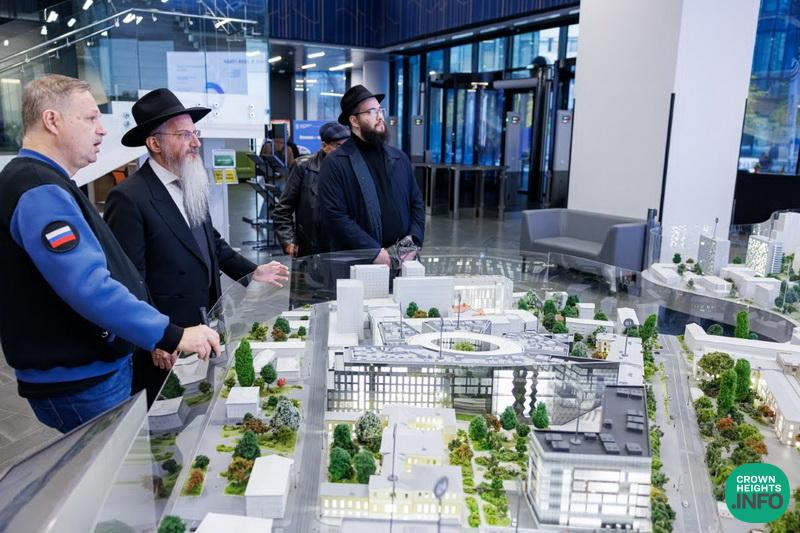
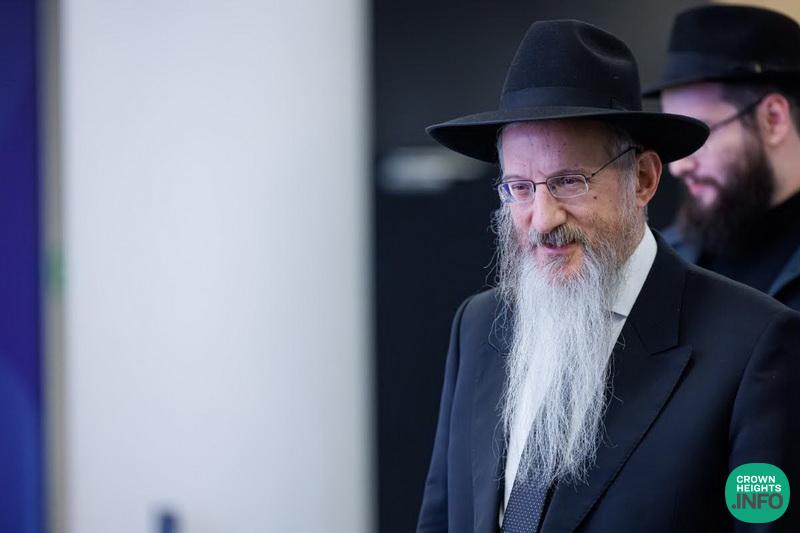
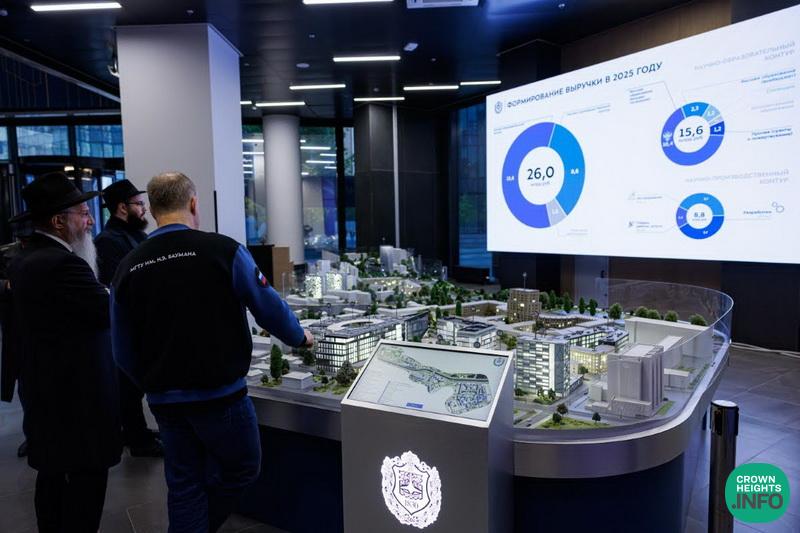
Upon arriving on campus, Rabbi Lazar was welcomed by the university’s rector, Mikhail Gordin, accompanied by a delegation of senior scientists.
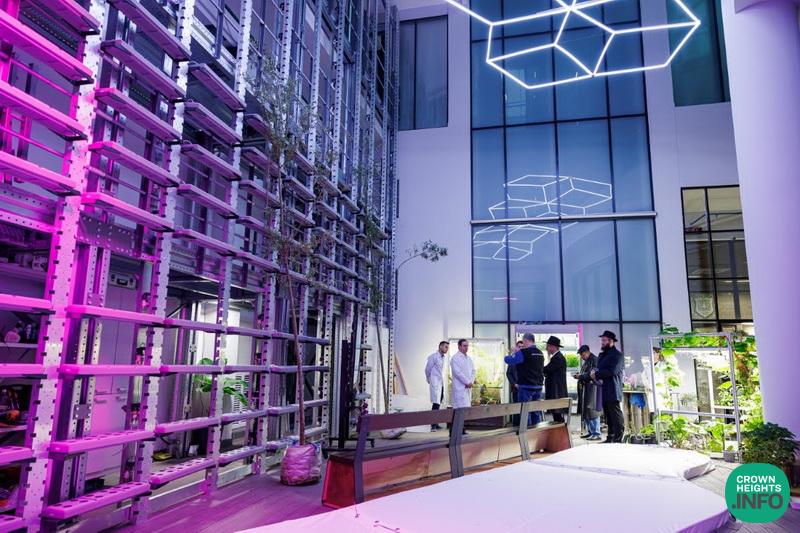
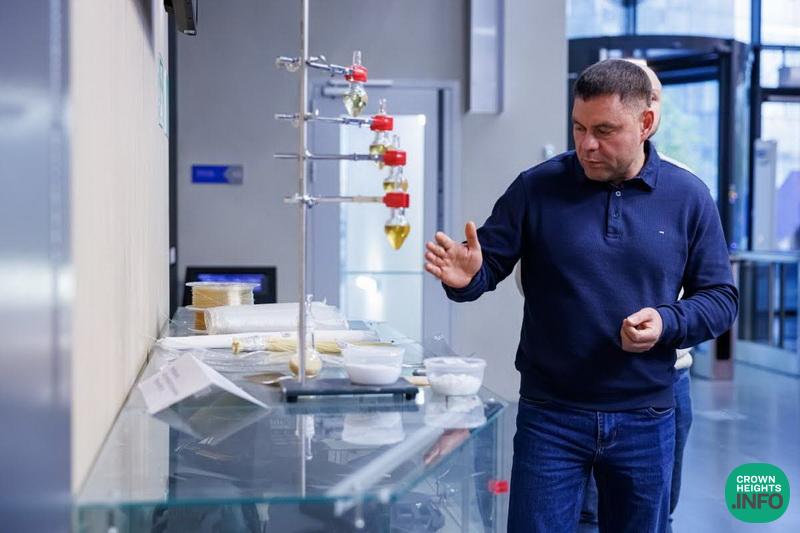
The visit focused on the university’s research laboratories and technological developments, including an innovative closed-loop system for growing produce in a sealed environment designed to prevent insect infestation. The technology could have significant implications for Kashrus, potentially helping address the challenges of checking fruits and vegetables for insects while reducing or eliminating the need for chemical pesticides.
Researchers explained that the system incorporates strict controls over the growing process, including the seedlings, as well as a specialized rotating mechanism for the plants designed to reduce lighting and cultivation costs.
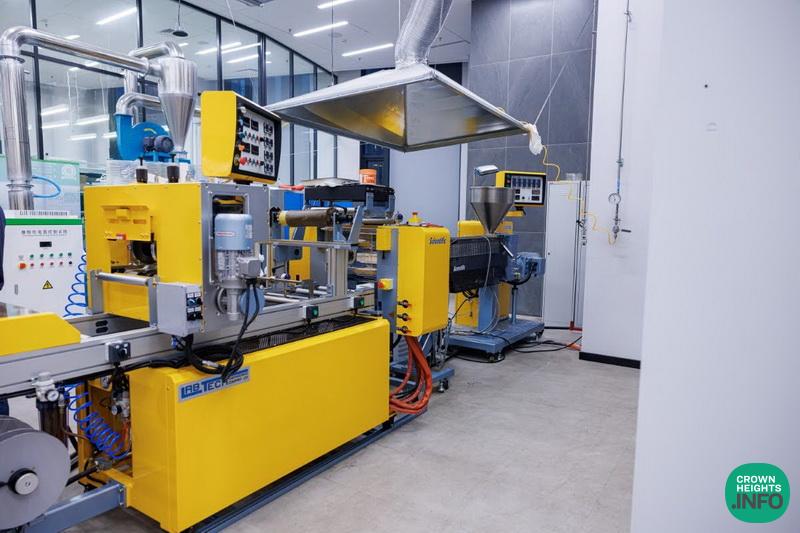
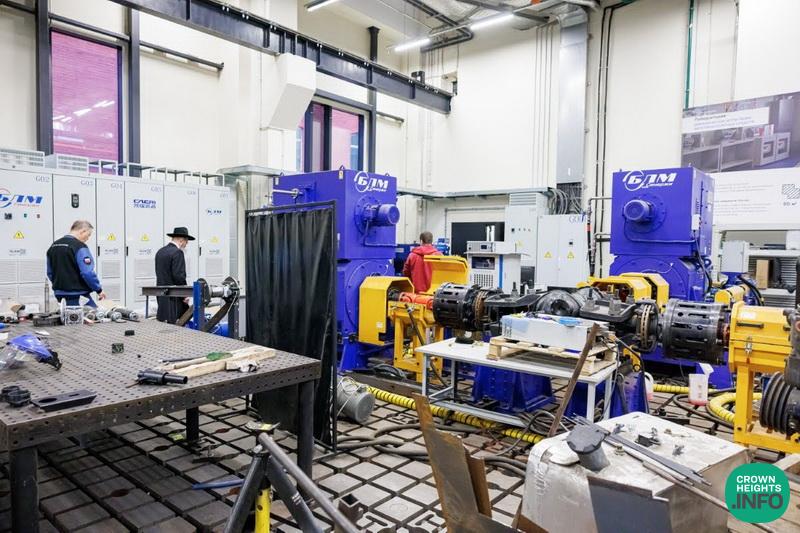
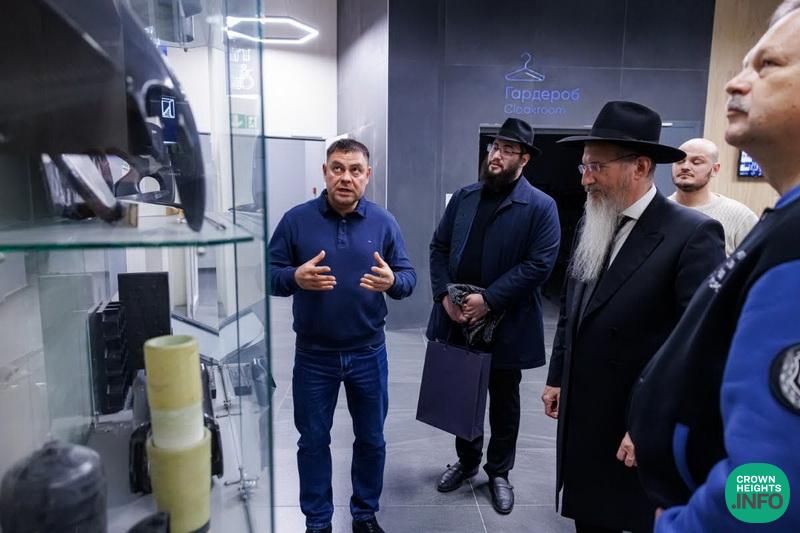
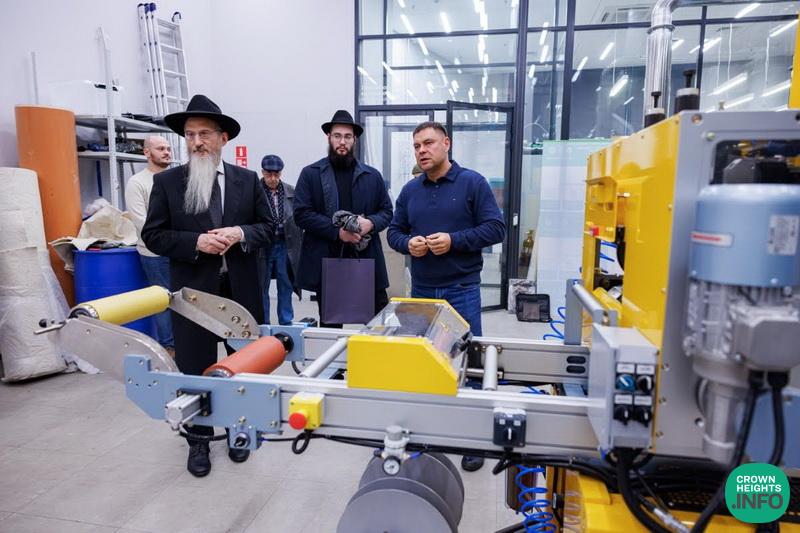
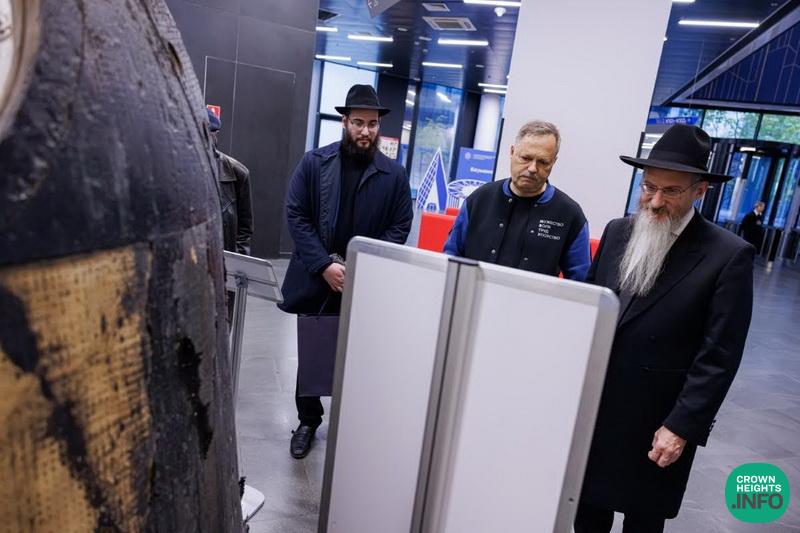
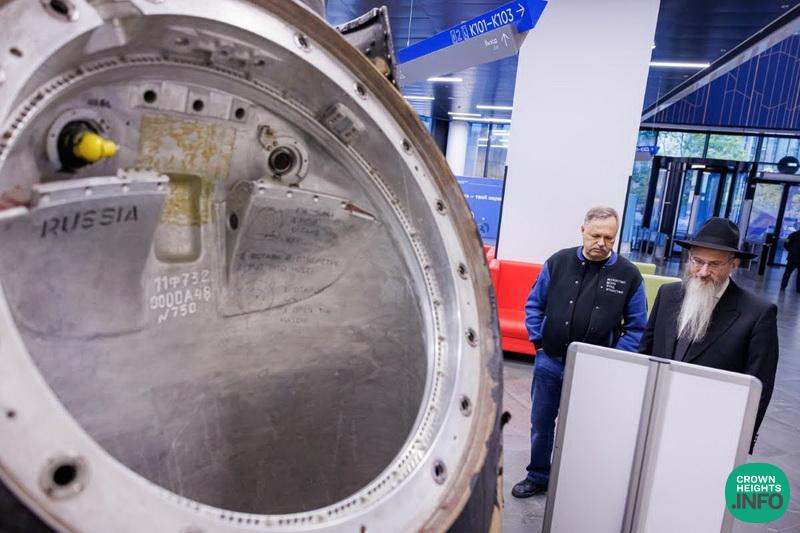
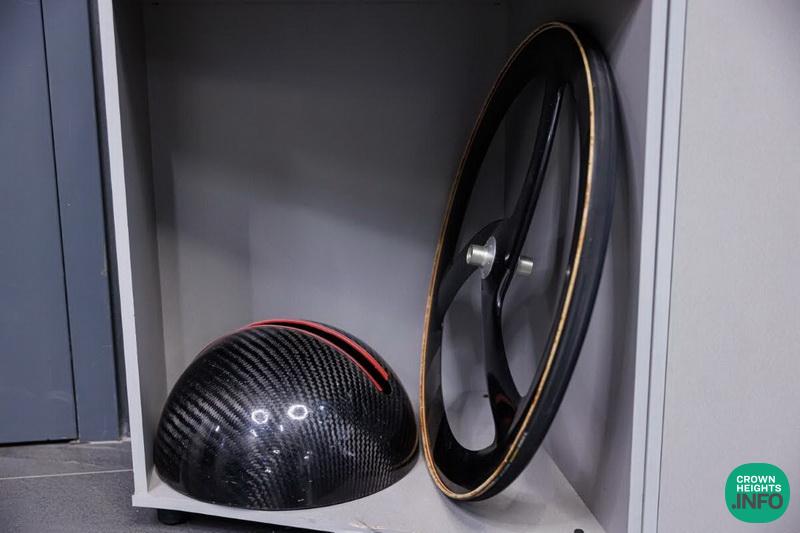
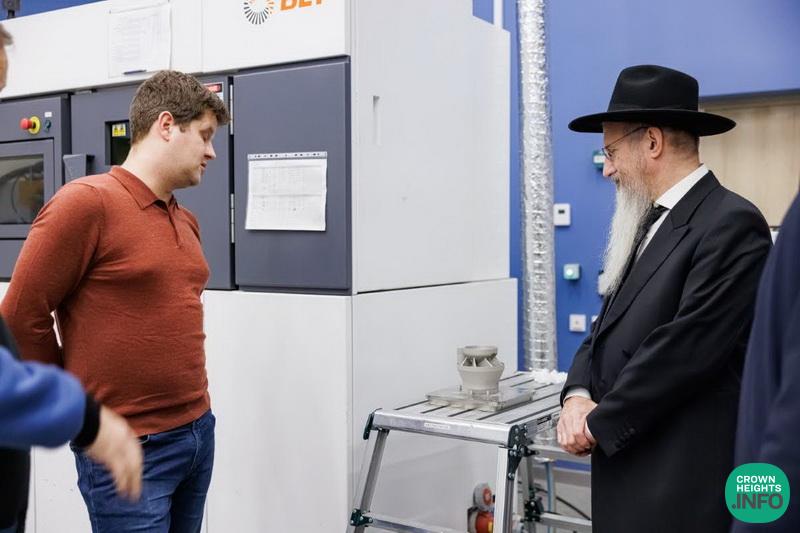
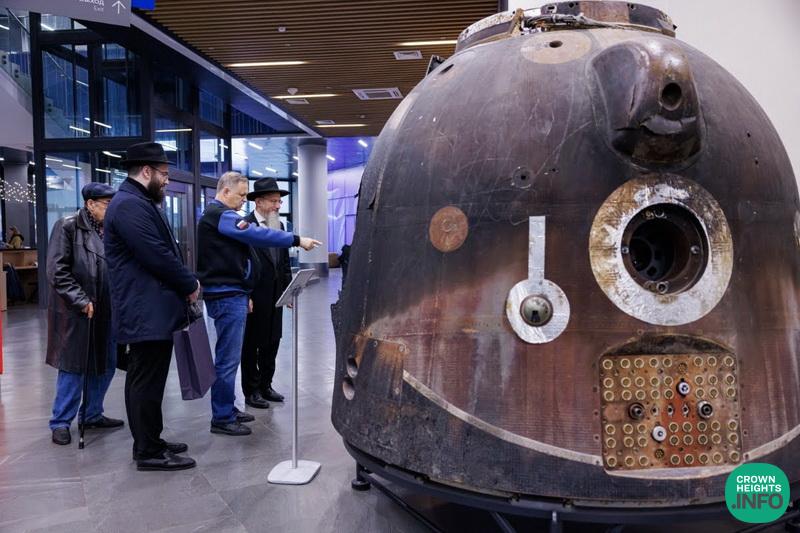
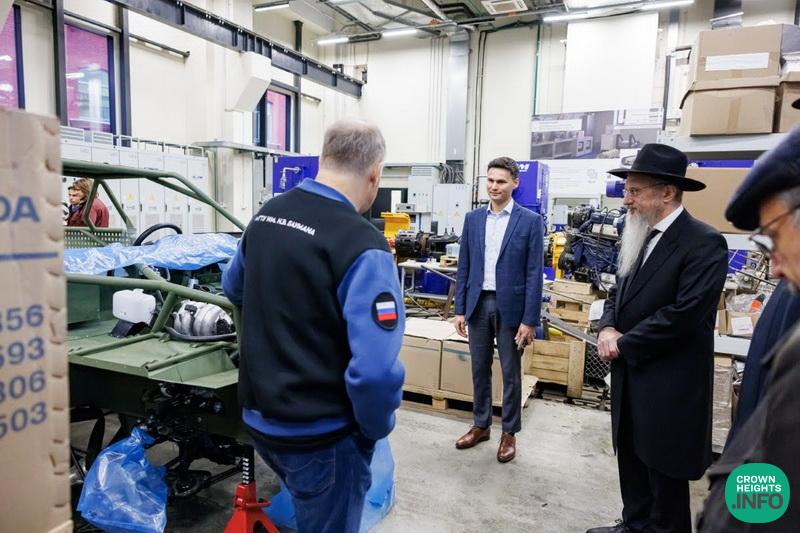
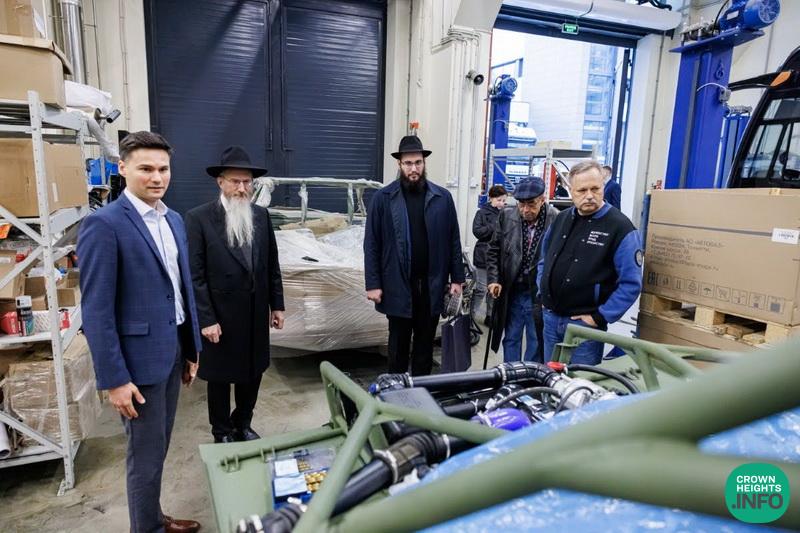
The tour continued through several of the university’s advanced research facilities, where Rabbi Lazar was shown a spacecraft landing capsule, industrial 3D printers used to manufacture complex components and furniture, and a robotics department featuring automated metal-melting systems and high-precision laser-welding technology.
Addressing university faculty members during the visit, Rabbi Lazar praised the institution’s commitment to practical scientific research and innovation.
“One can see here a true investment in the future and new approaches,” he said. He noted that the university’s emphasis on hands-on application allows students to see how their studies translate into practical results, providing them with a strong incentive to continue their work.
Rabbi Lazar also met with Jewish students at the university and praised the institution’s educational and moral standards, emphasizing its role in shaping the next generation.
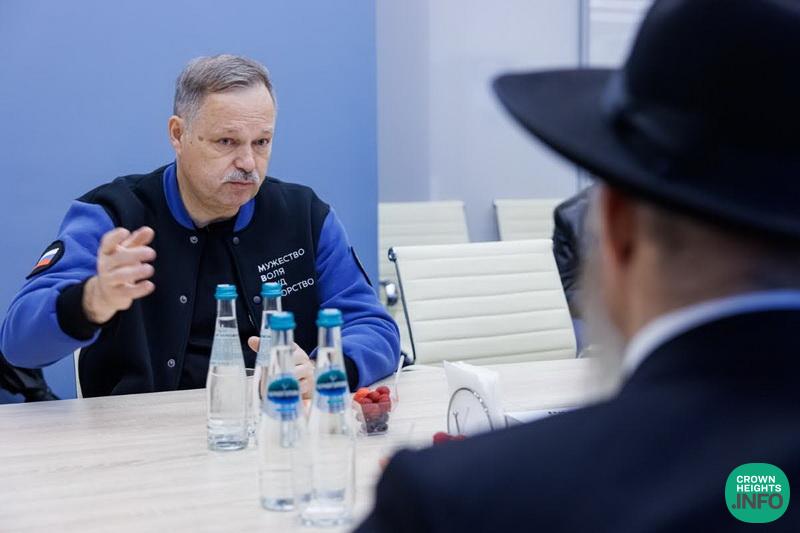
The potential application of the agricultural technology to the Kashrus industry was among the key topics discussed during the visit. Rabbi Lazar said he would consult with the Kashrus department to explore the possibility of cooperation in this field.
“If this technology proves itself, it could pave the way not only here in Russia but also bring great tidings to the entire world,” he said.
The visit concluded with a discussion about manned spaceflight, during which Rabbi Lazar offered a Chassidic perspective on scientific progress and humanity’s responsibilities in the world.
“There is always a horizon to explore and discover, but the question is whether this is the primary mission of our time,” he said. “I believe that today, priorities are different. We have monumental tasks and goals to accomplish right here on Earth, and therefore we must move forward with our work step by step.”
His remarks highlighted the importance of balancing scientific exploration with the responsibility to address the world’s immediate needs, reflecting a Torah perspective on the role of human endeavor and the betterment of creation.
Photo: Svetlana Fadeyeva, Bauman University Spokesperson.