

48 Years After Going Missing, Jewish War Hero is Laid to Rest in Siberia
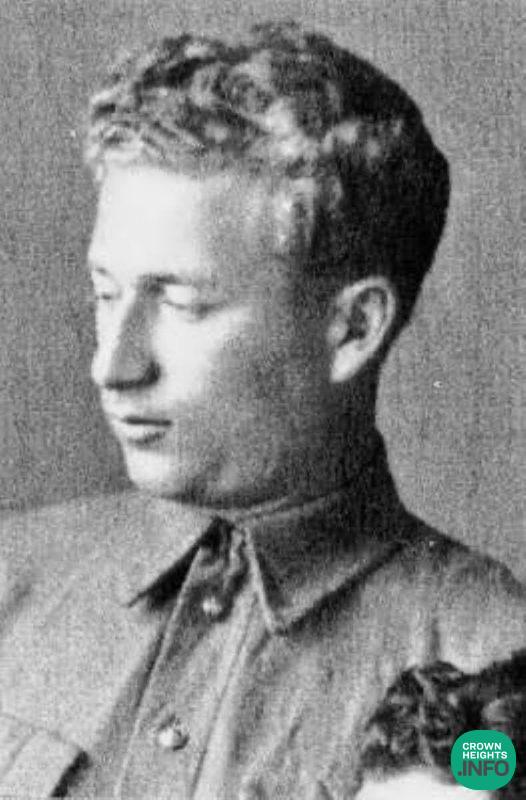
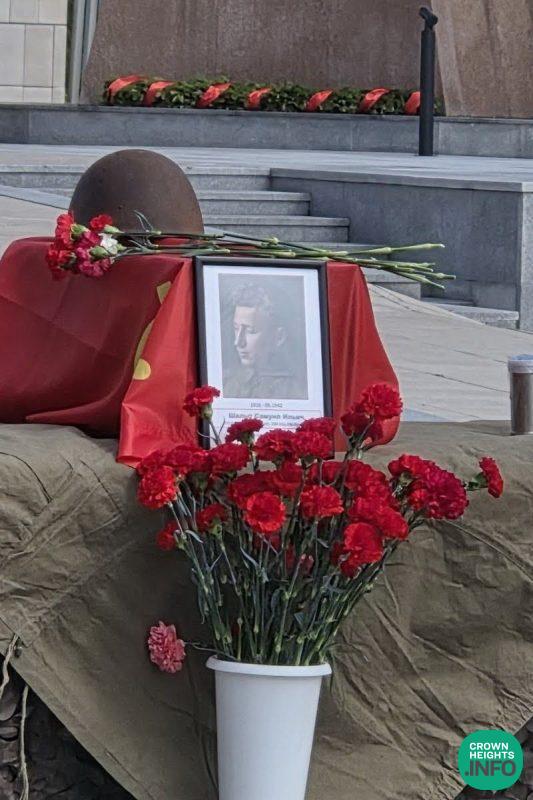
Krasnoyarsk, Siberia. Eighty-four years after he left for the blood-soaked frontlines of World War II and never returned, the Jewish soldier Samuil Ilyich Shalit, May God avenge his blood (Hy”d), was laid to rest this week in a moving military and Jewish ceremony held in the city of Krasnoyarsk. This chilling closure brings an end to an ordeal of more than eight decades during which he was considered missing, leaving a profound impact on his family members and the local Jewish community.
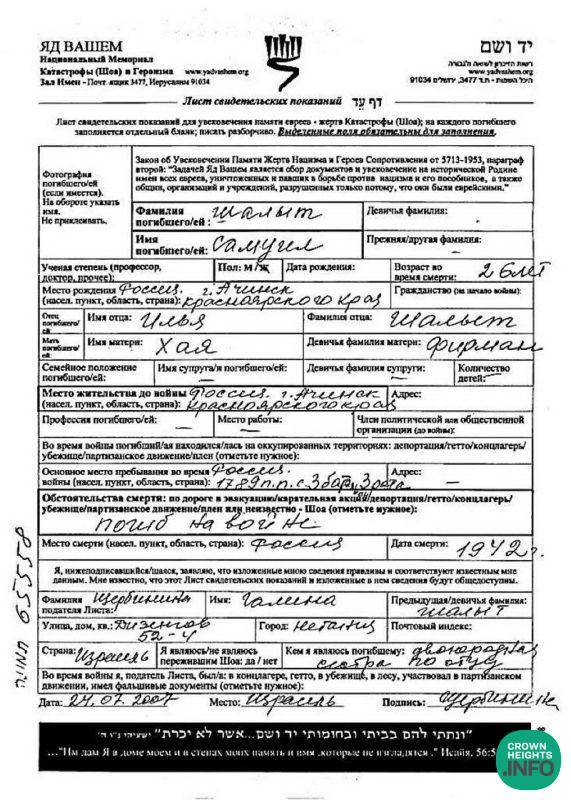
Samuil Ilyich Shalit, a native of the city of Achinsk in the Krasnoyarsk region, served as a brave platoon commander in the 144th Infantry Brigade. In the year 5701 (1941), following the invasion of the Nazis, may their names be obliterated, he was drafted into the army and went out to defend his homeland. A year later, in 5702 (1942), contact with him was lost, and he was officially declared missing. For decades, his family members did not know what had become of him or where his bones were buried. The immense void and longing even led his relatives in Israel to fill out a ‘Page of Testimony’ for him in the year 5767 (2007) at the Yad Vashem institution in Jerusalem, in an attempt to commemorate the memory of the hero whose burial place remained unknown. Now, the dramatic turning point has arrived.
During complex search operations conducted in the month of Elul 5785 (2024), at the site of fierce battles near the village of Nelyuchi in the Novgorod region, two special location units of the Russian army—the Ivan Guzlenko Search Unit from Nazarovo and the “Chelny” unit from Naberezhnye Chelny—succeeded in uncovering the soldier’s remains. Found right alongside the remains was the item that completely changed the picture: a miraculously preserved personal military dog tag, engraved with the Jewish hero’s name. The sensational discovery enabled his definitive identification and his return home, back to the soil of Siberia.
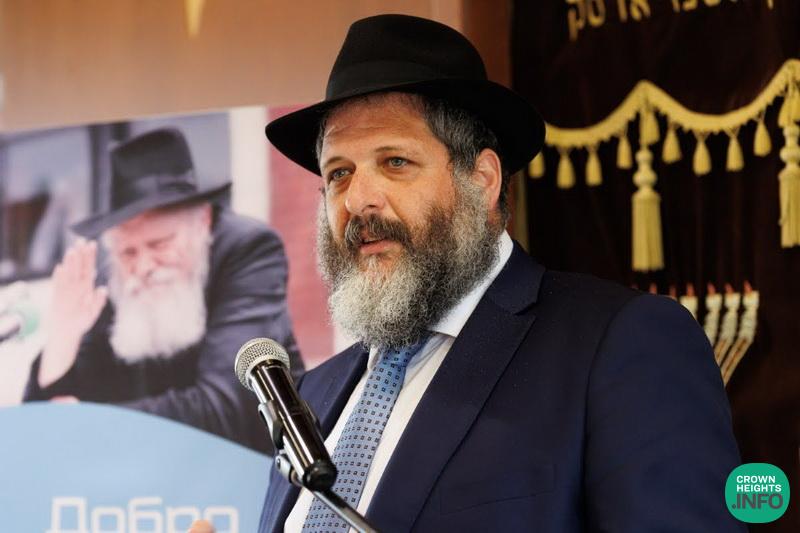
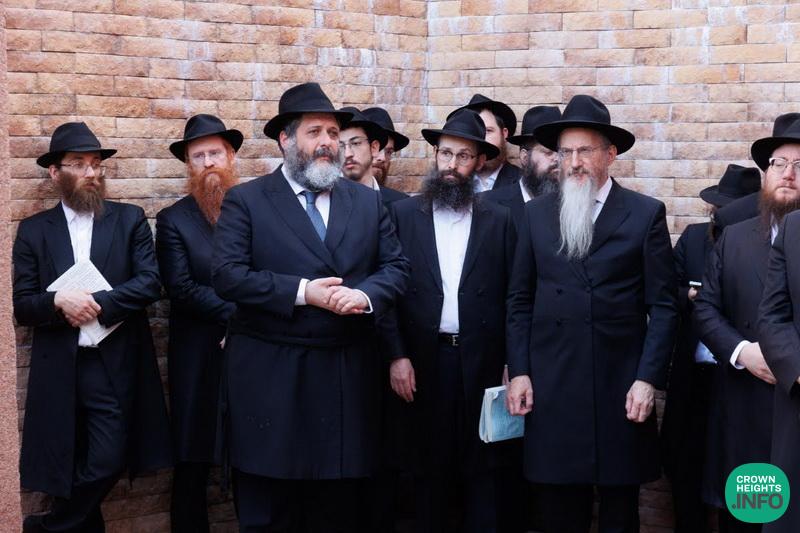
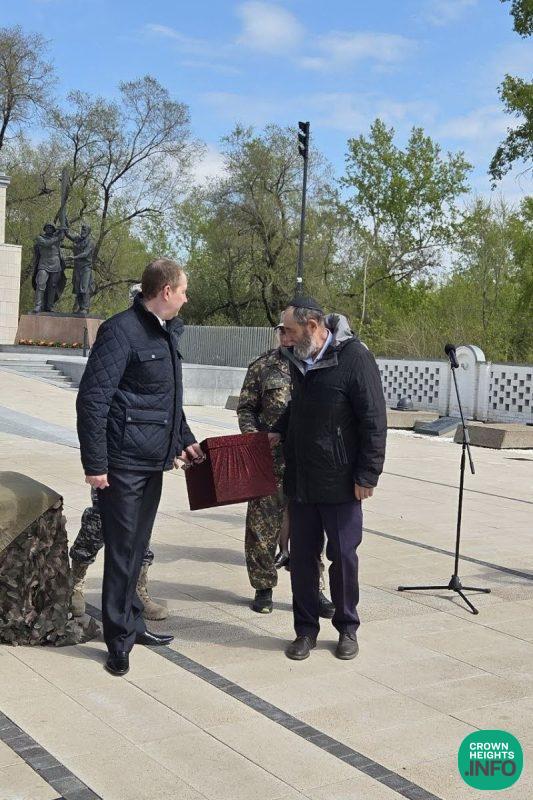
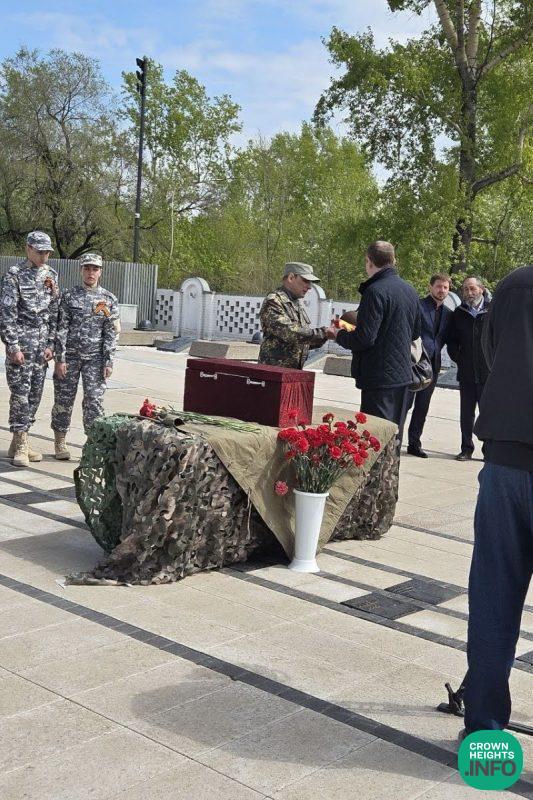
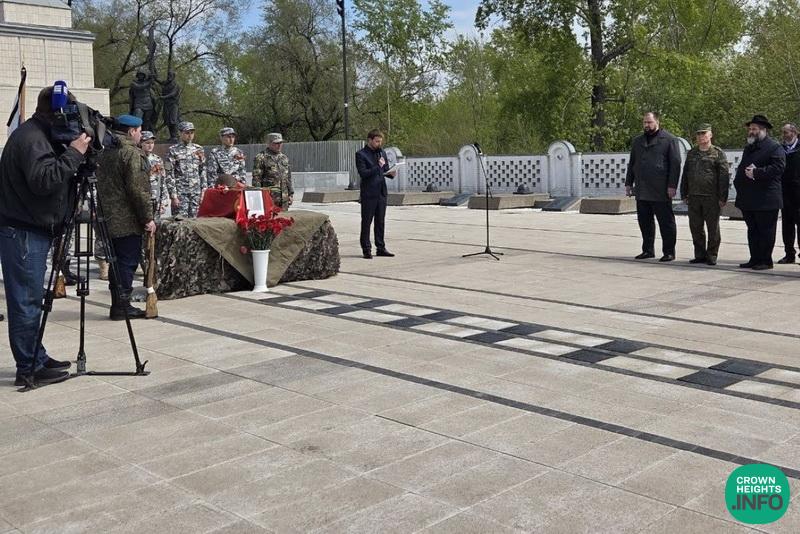
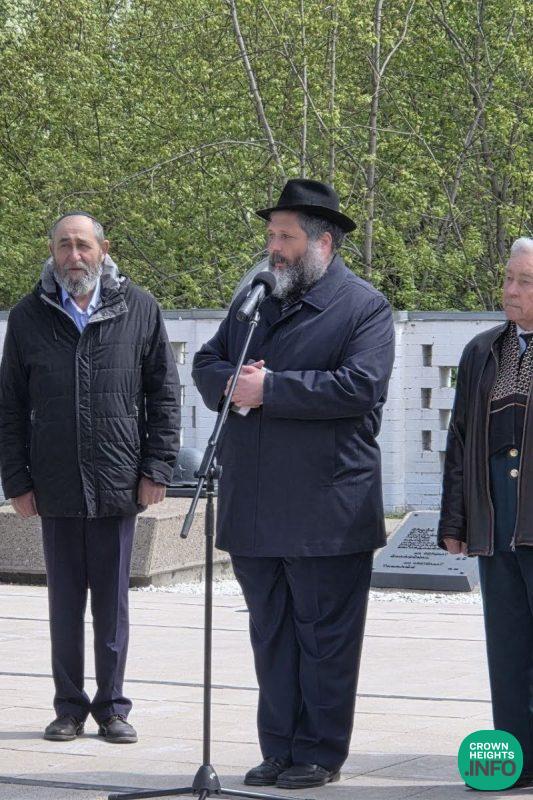
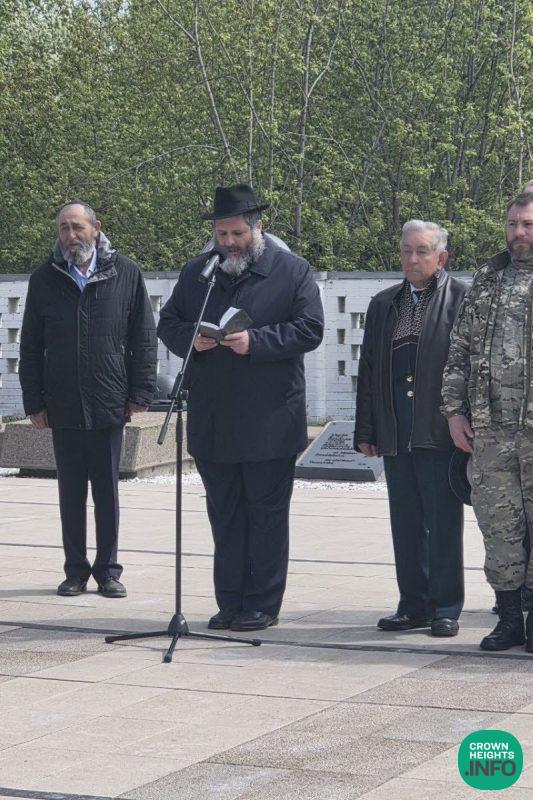
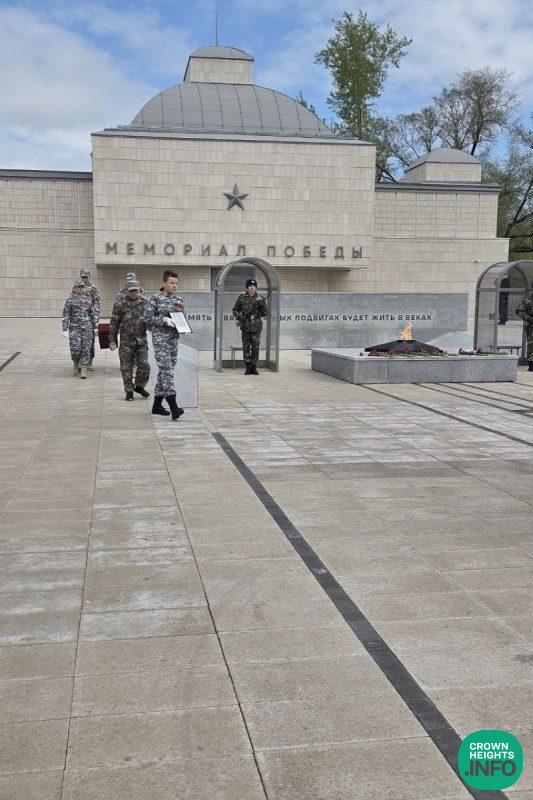
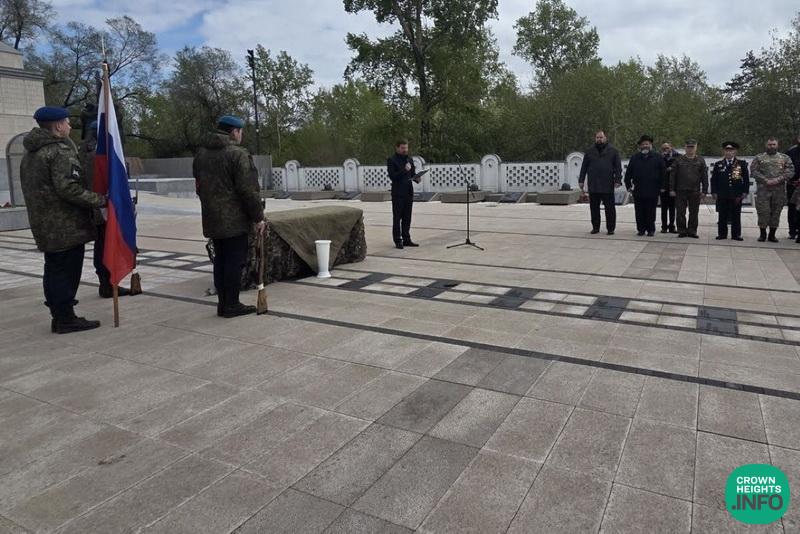
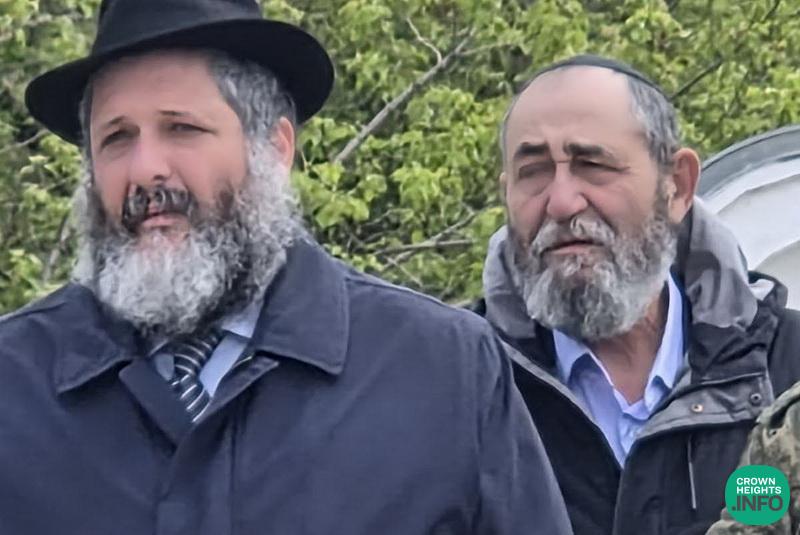
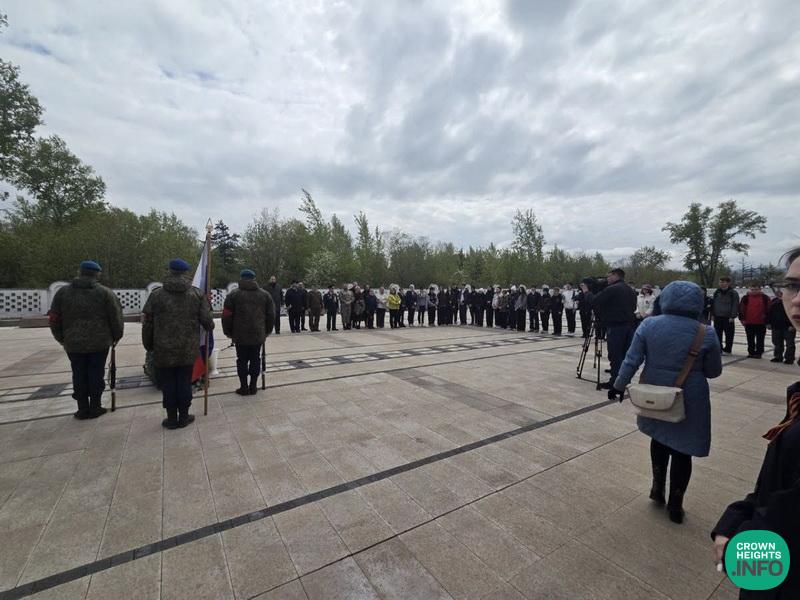
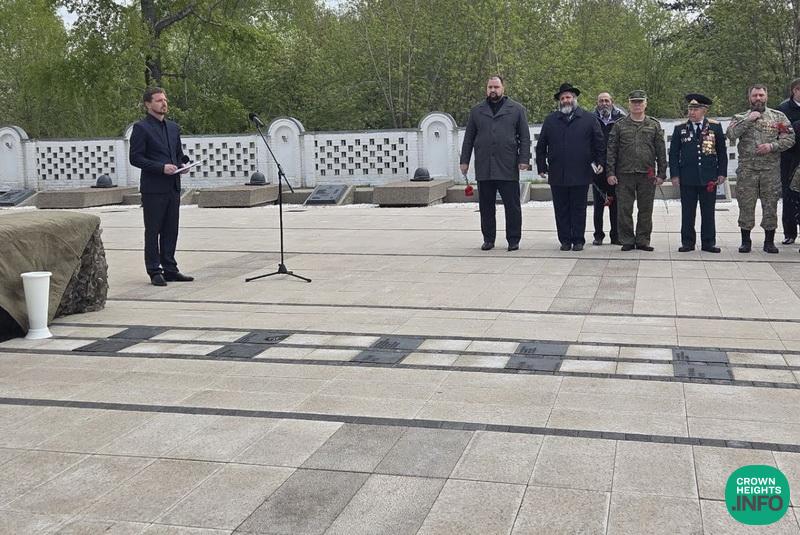
The farewell ceremony opened with an impressive state and military service by the eternal flame memorial in the city of Krasnoyarsk. From there, the funeral procession continued to the Jewish cemetery. The city’s rabbi, the Shaliach Rabbi Binyamin Wagner, recited the Hashkavah (memorial prayer) and Kaddish for the elevation of the hero’s soul, in the presence of deeply moved family members and members of the Jewish community.
“It was an incredibly powerful and moving feeling,” shared the city’s rabbi, Rabbi Binyamin Wagner, immediately after the ceremony. “We felt as if history itself had stopped for a single moment, just to restore the man’s name, his lost honor, and his rightful place alongside his relatives. After 84 years of fog and pain, Samuil’s war is finally over, and he has merited to reach his final, proper resting place according to Jewish tradition. His bravery will remain eternally engraved in our hearts.”
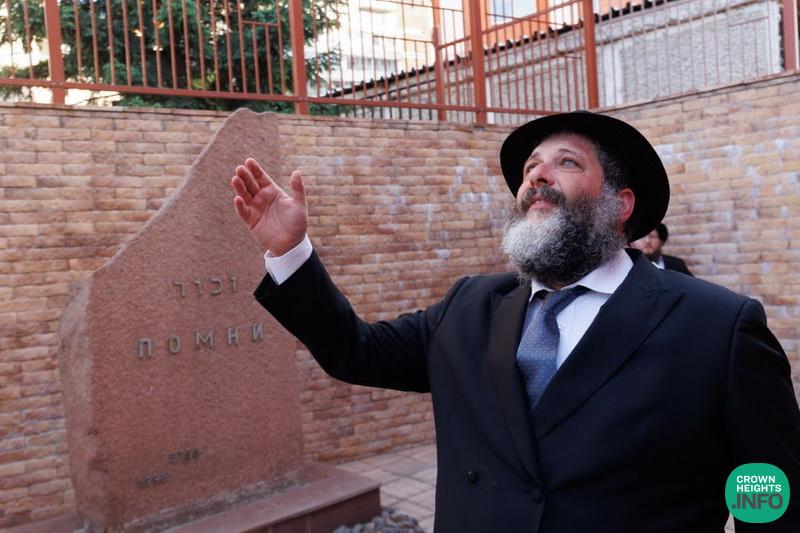
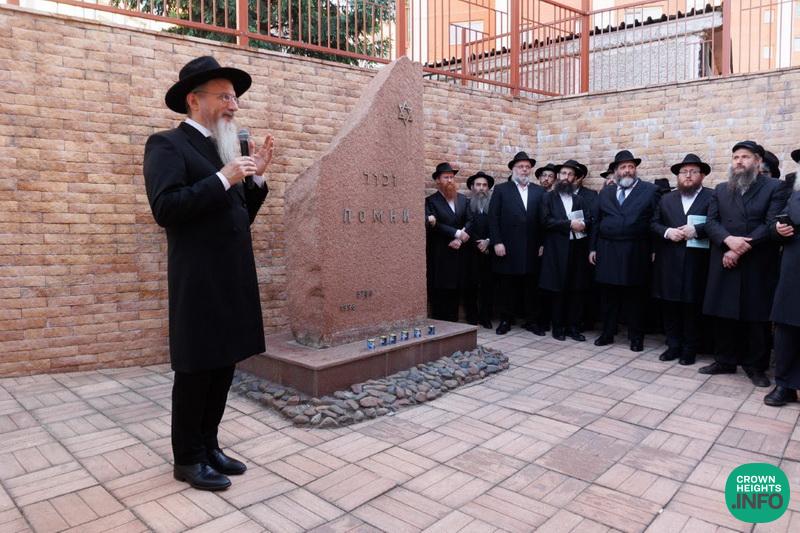
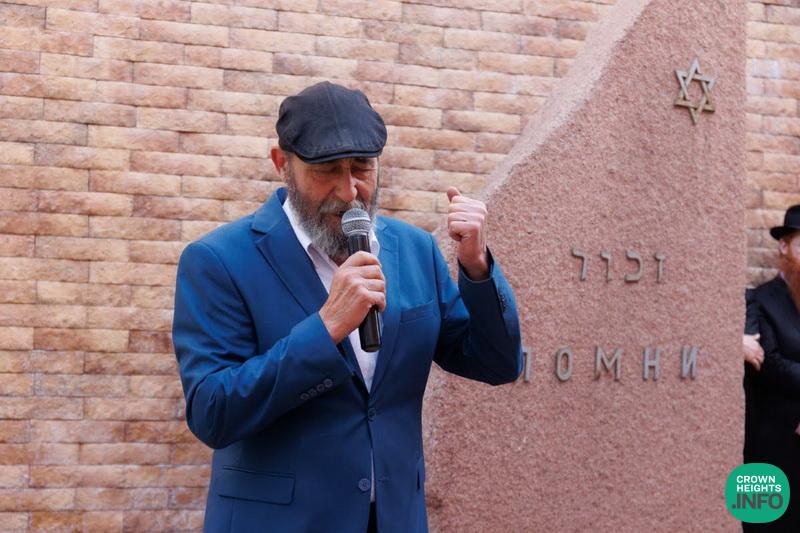
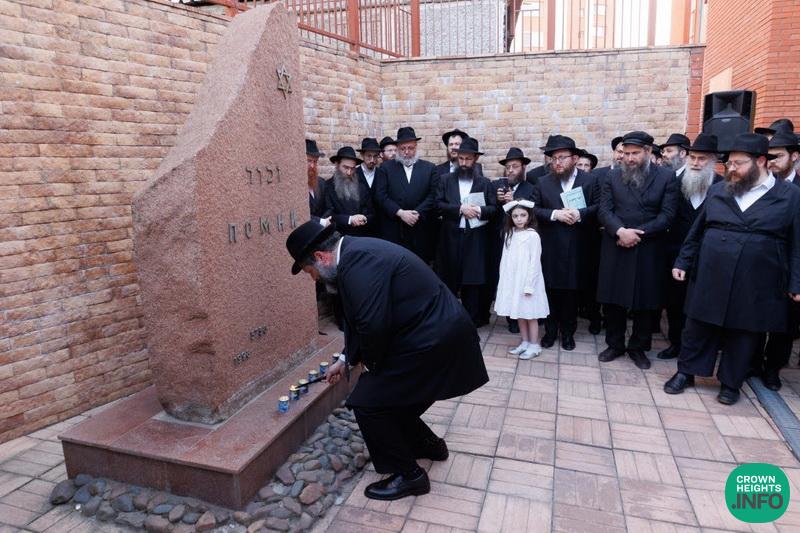
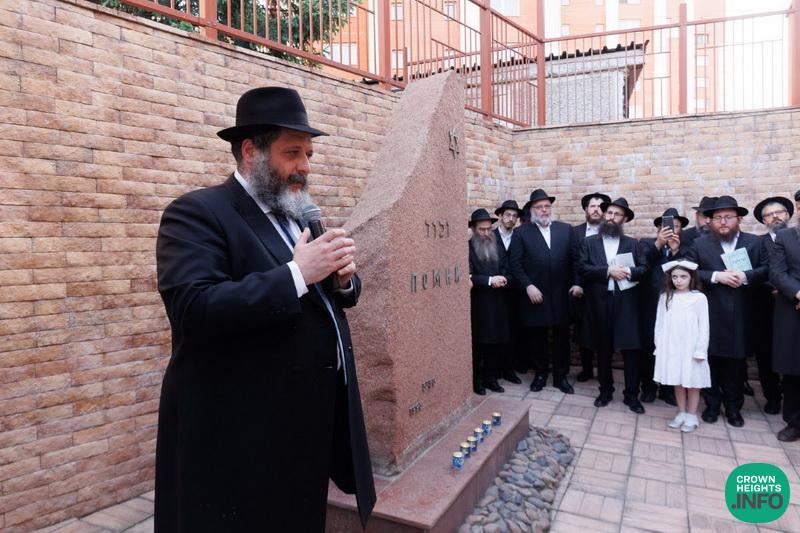
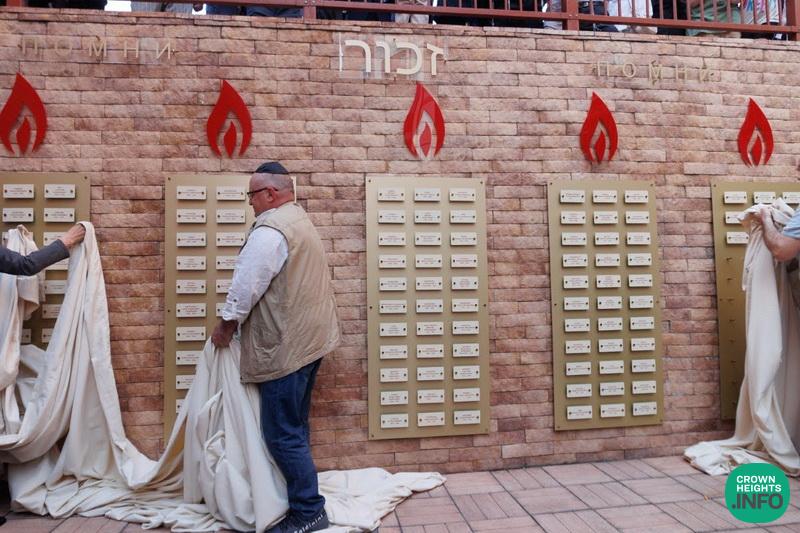
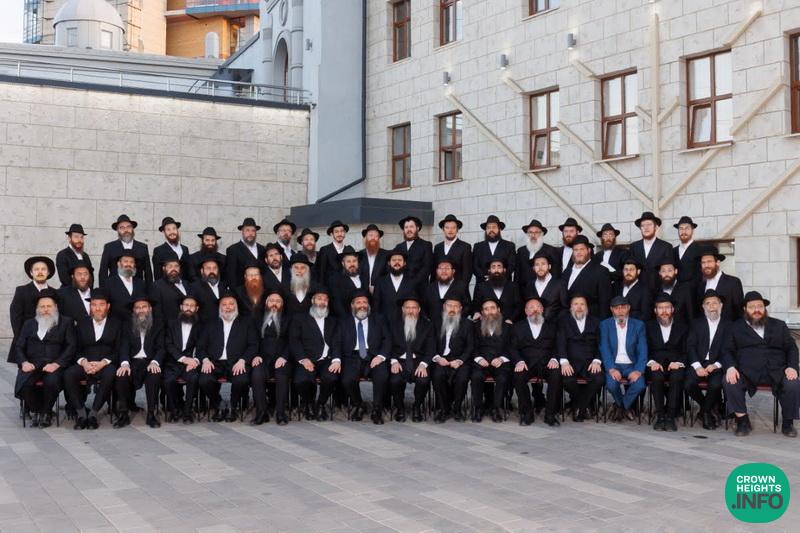
This historic event is deeply connected to the extensive commemorative activities led by the Jewish community in Krasnoyarsk. Just last year, during a historic Unity Shabbat of the rabbis of Russian cities held in the city, led by the Chief Rabbi of Russia, the Gaon Rabbi Berel Lazar, shlit”a, a unique memorial monument was inaugurated in the courtyard of the central synagogue. The monument was established in memory of hundreds of Jews, residents of Krasnoyarsk and the surrounding area, who were drafted to fight the Nazi murderers and whose burial places remain unknown. Now, only a year after the monument’s inauguration, the community has had the rare privilege of physically escorting one of those very heroes to a proper Jewish burial.
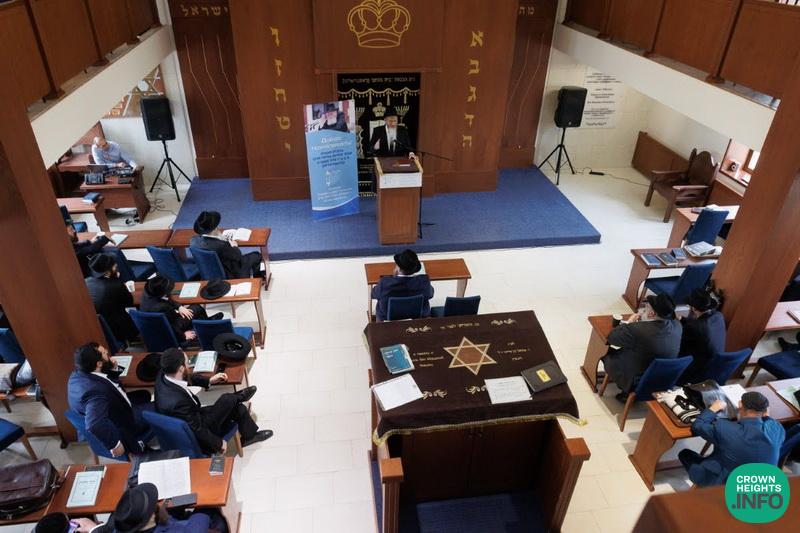
Bringing the soldier to a Jewish burial serves as further testament to the glorious revival of Judaism in the capital of Siberia, under the leadership of Rabbi Binyamin Wagner and his family, who have been active there for over 25 years. The magnificent network of institutions, the restored historic synagogue, and the warm and vibrant community built with great effort, are what made it possible to give the war hero the final honor he deserves—in a well-kept and lively Jewish cemetery, which stands as a living monument to the eternity of the Jewish people, even in the heart of freezing Siberia.
The community operates a magnificent central synagogue, alongside educational, charitable, and cultural institutions, serving thousands of Jews throughout the region. The community acts as a prominent spiritual and social hub, connecting the younger generation to its Jewish roots while actively preserving and honoring the historic memory of the heroism of the region’s Jews.
Photography: N. Anastasia