

German Parliament Hosts European Rabbis for Special Solidarity Visit in Berlin
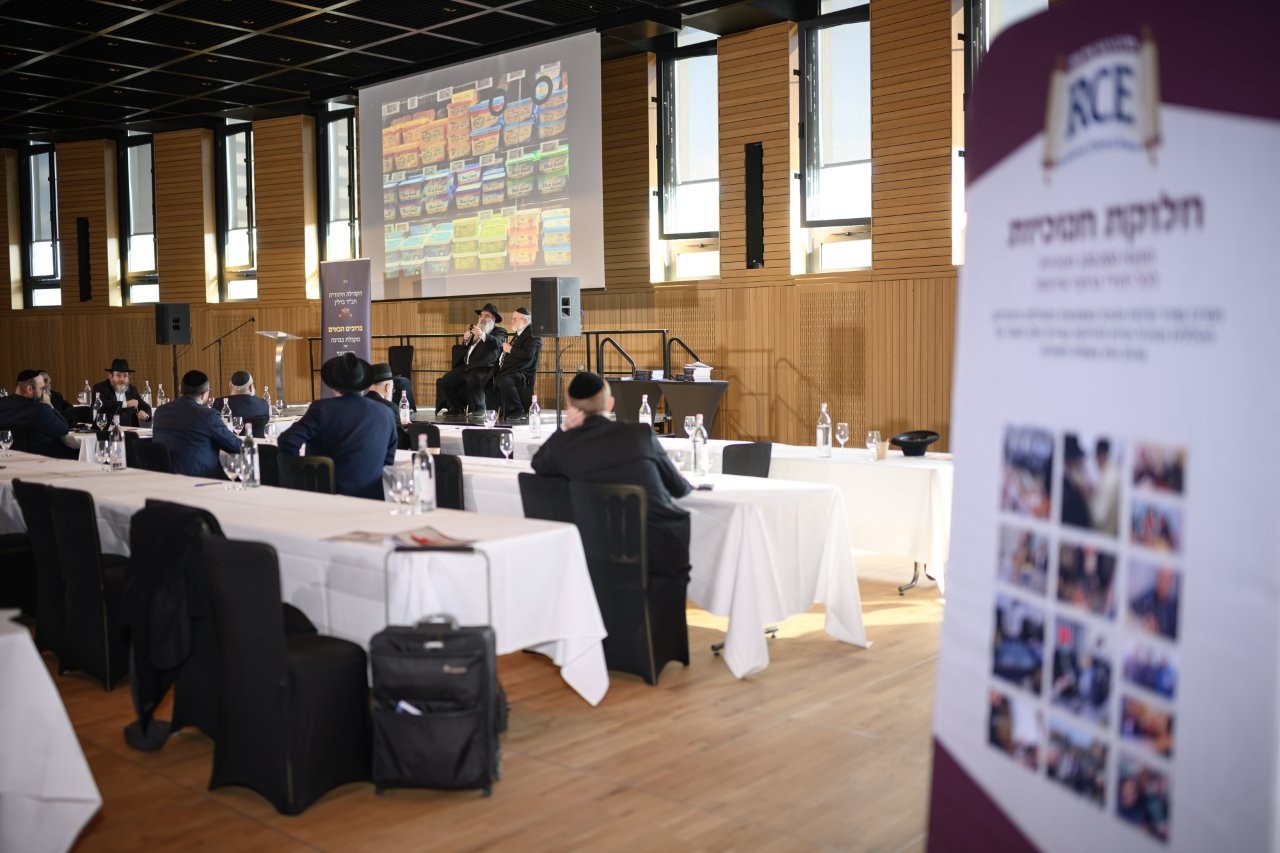
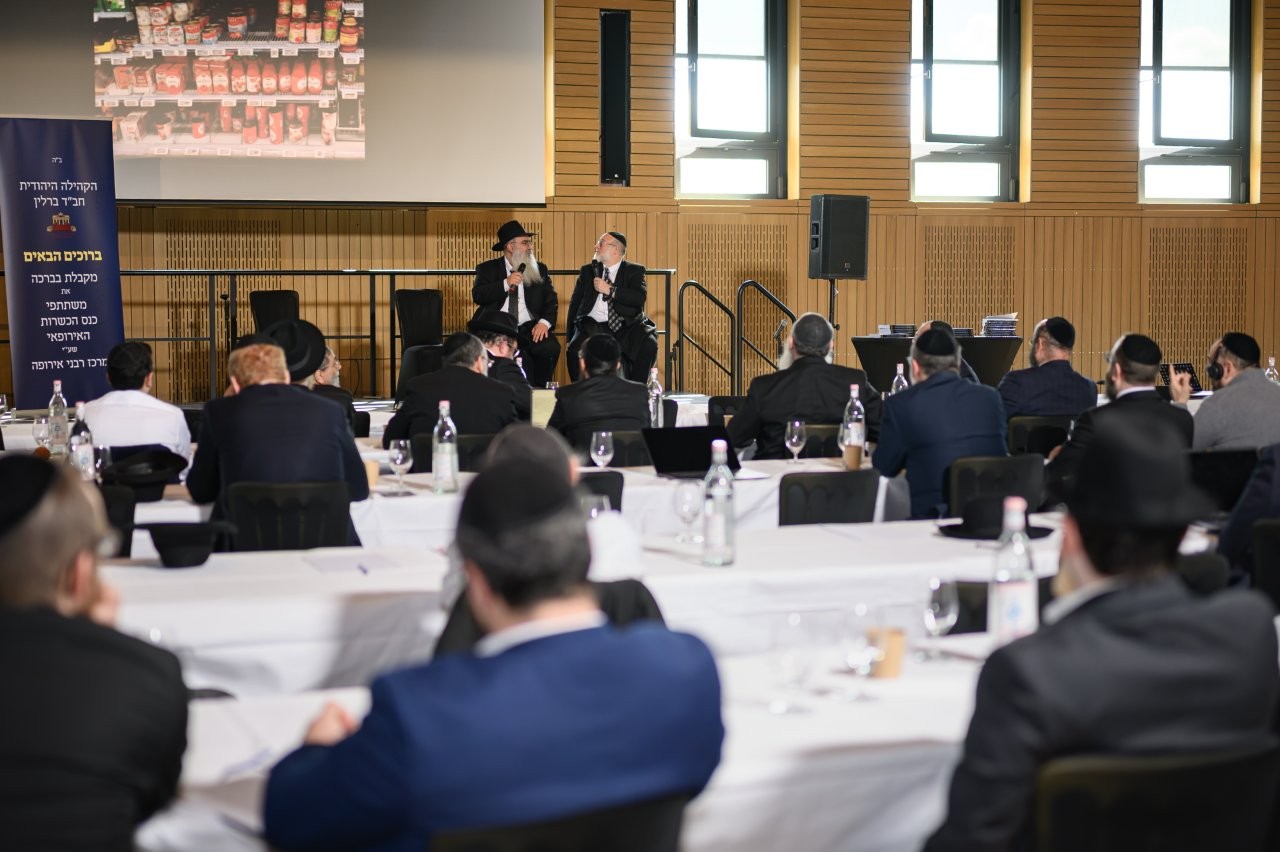
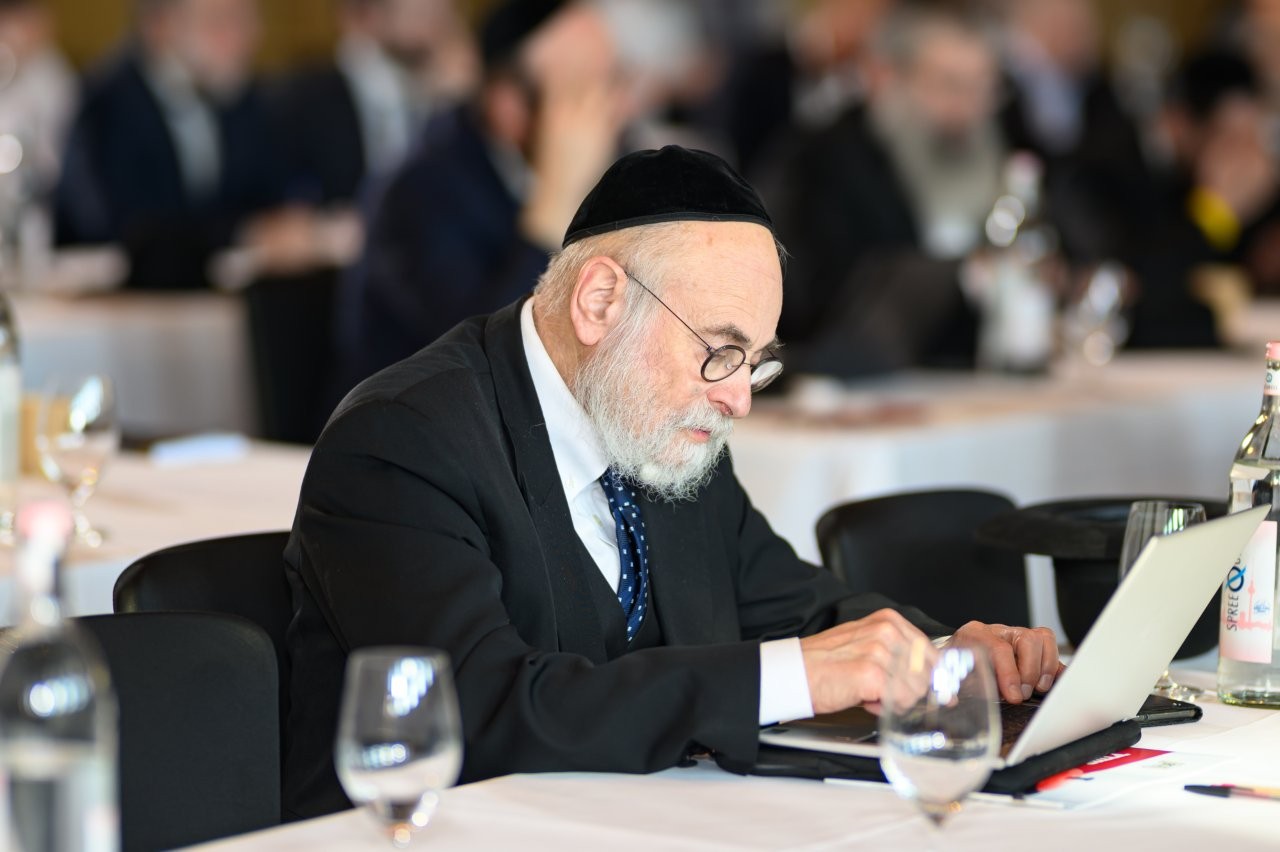
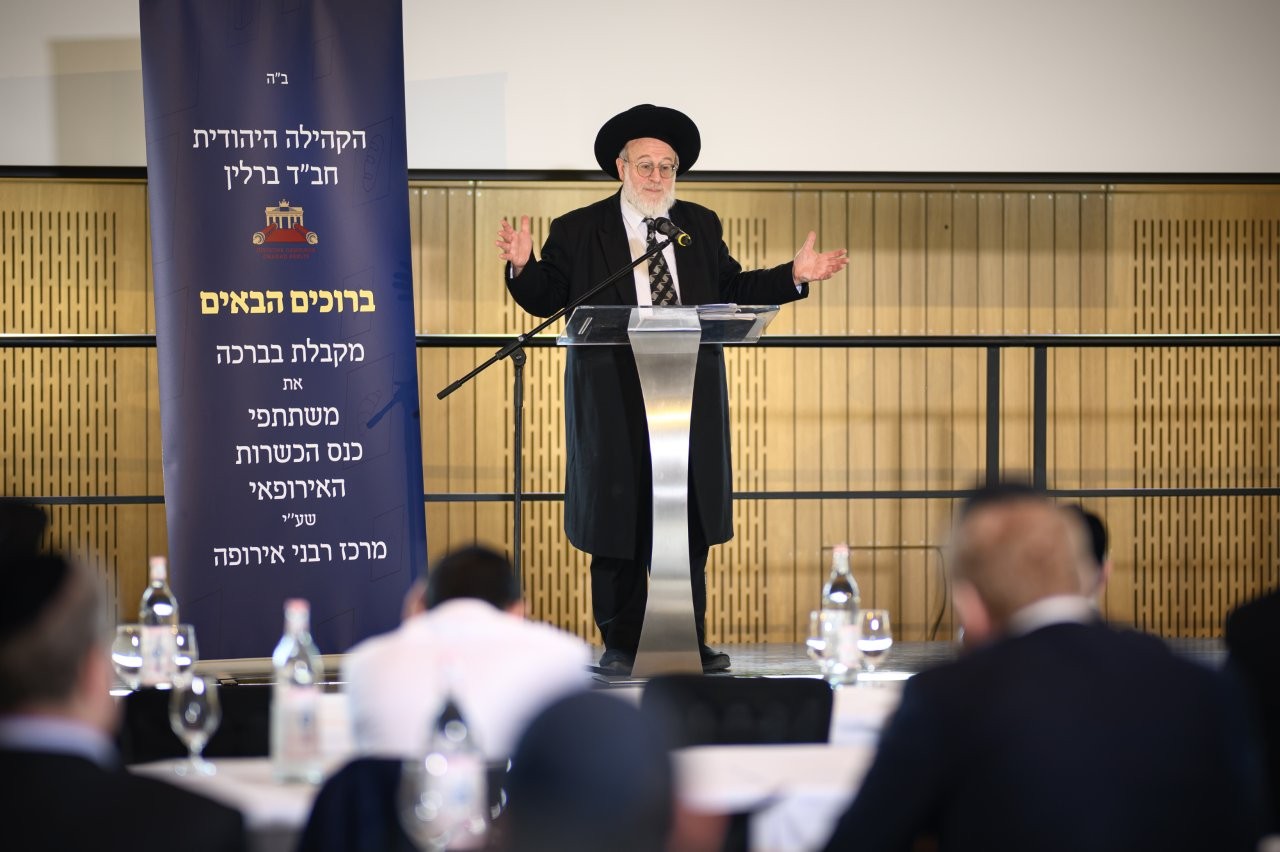
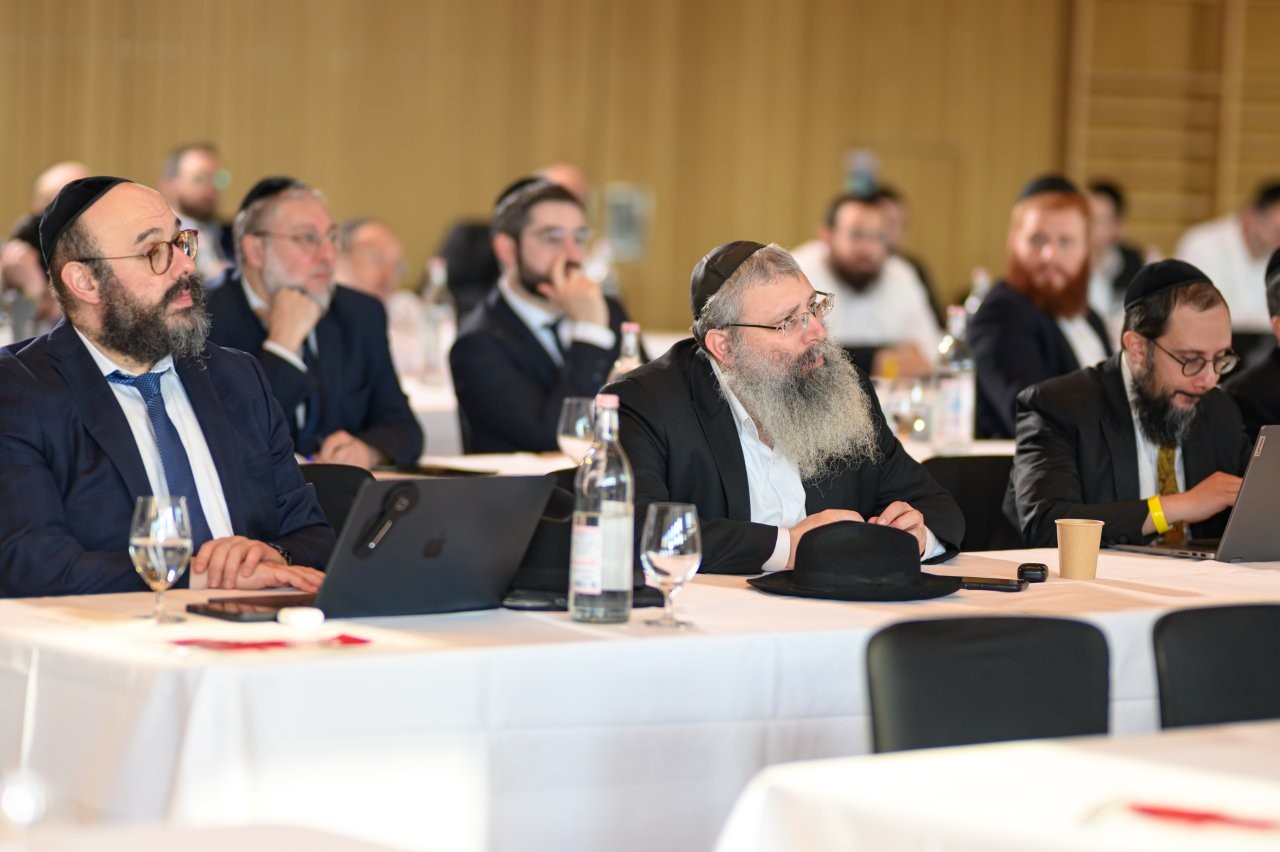
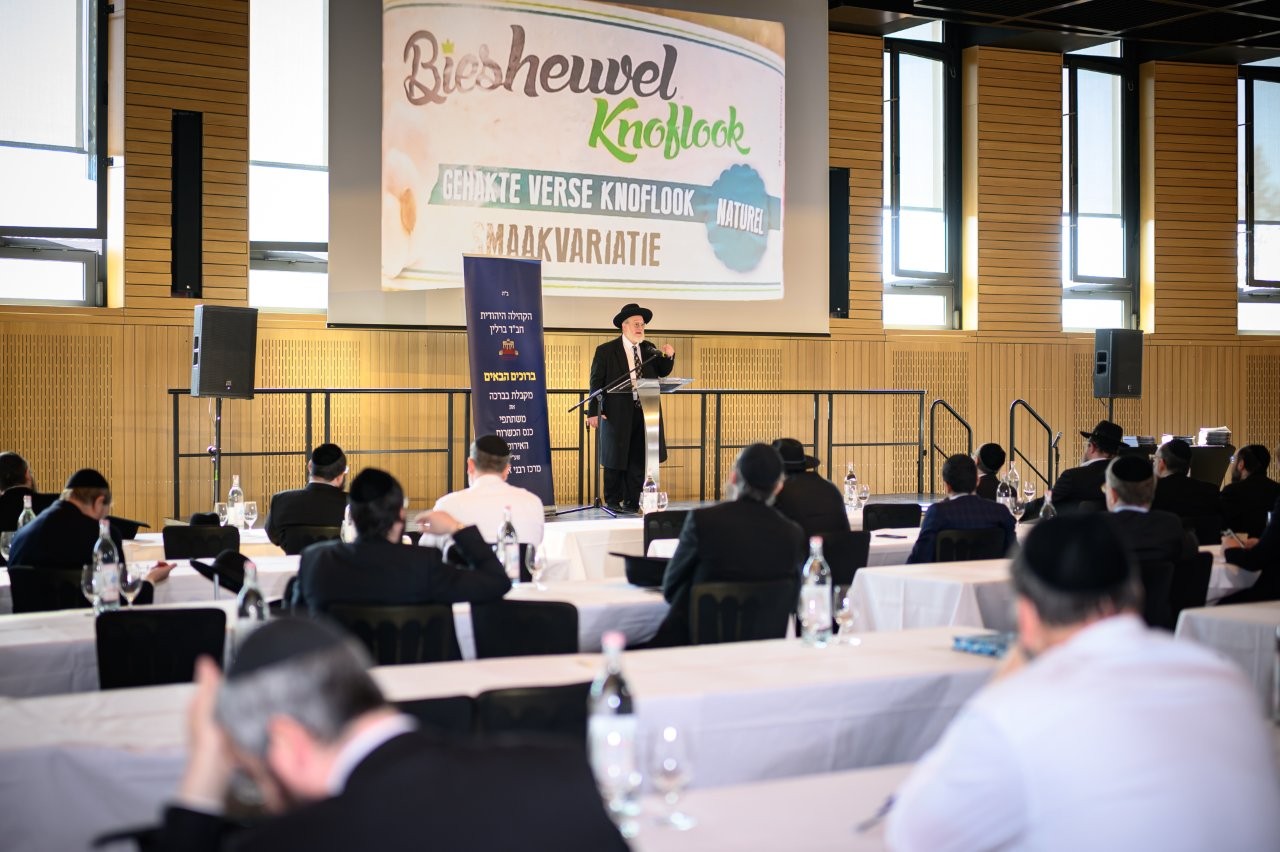
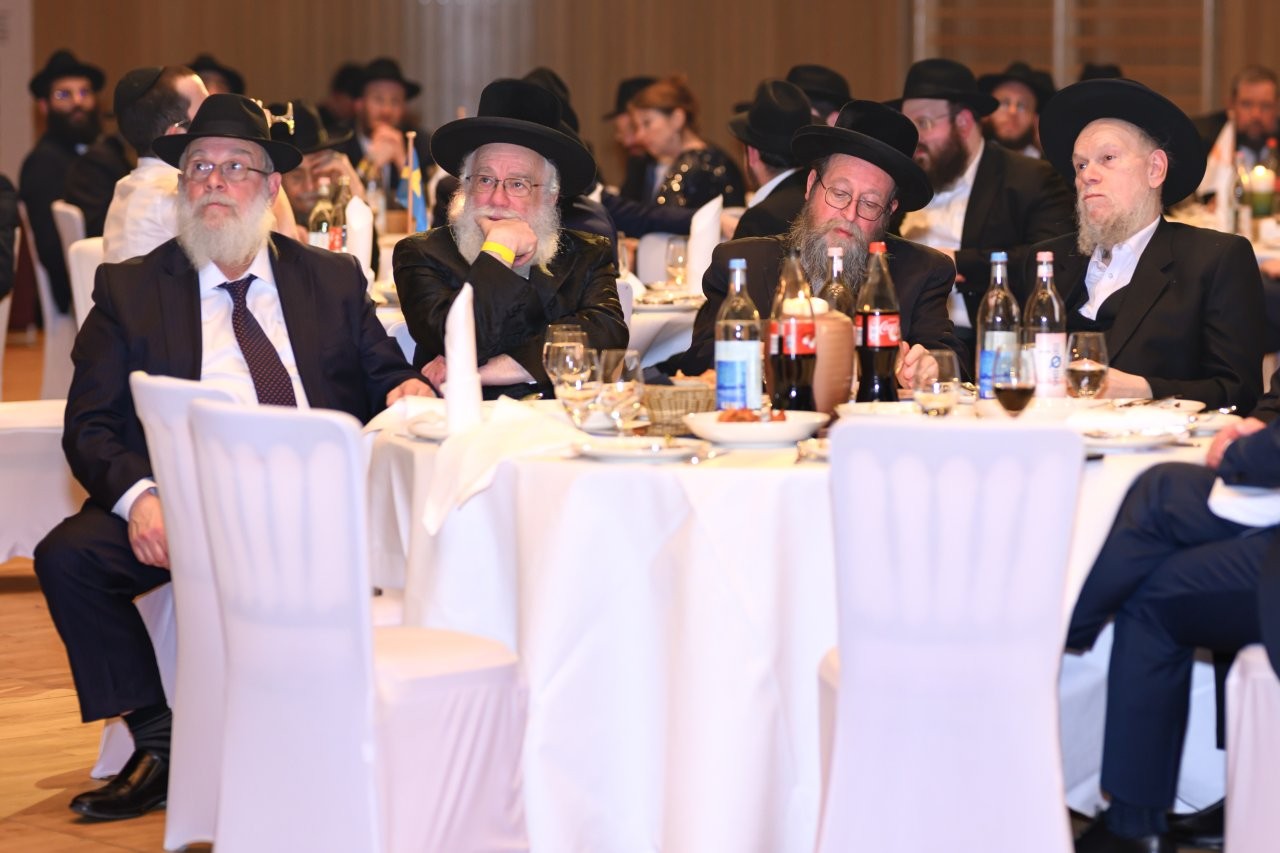
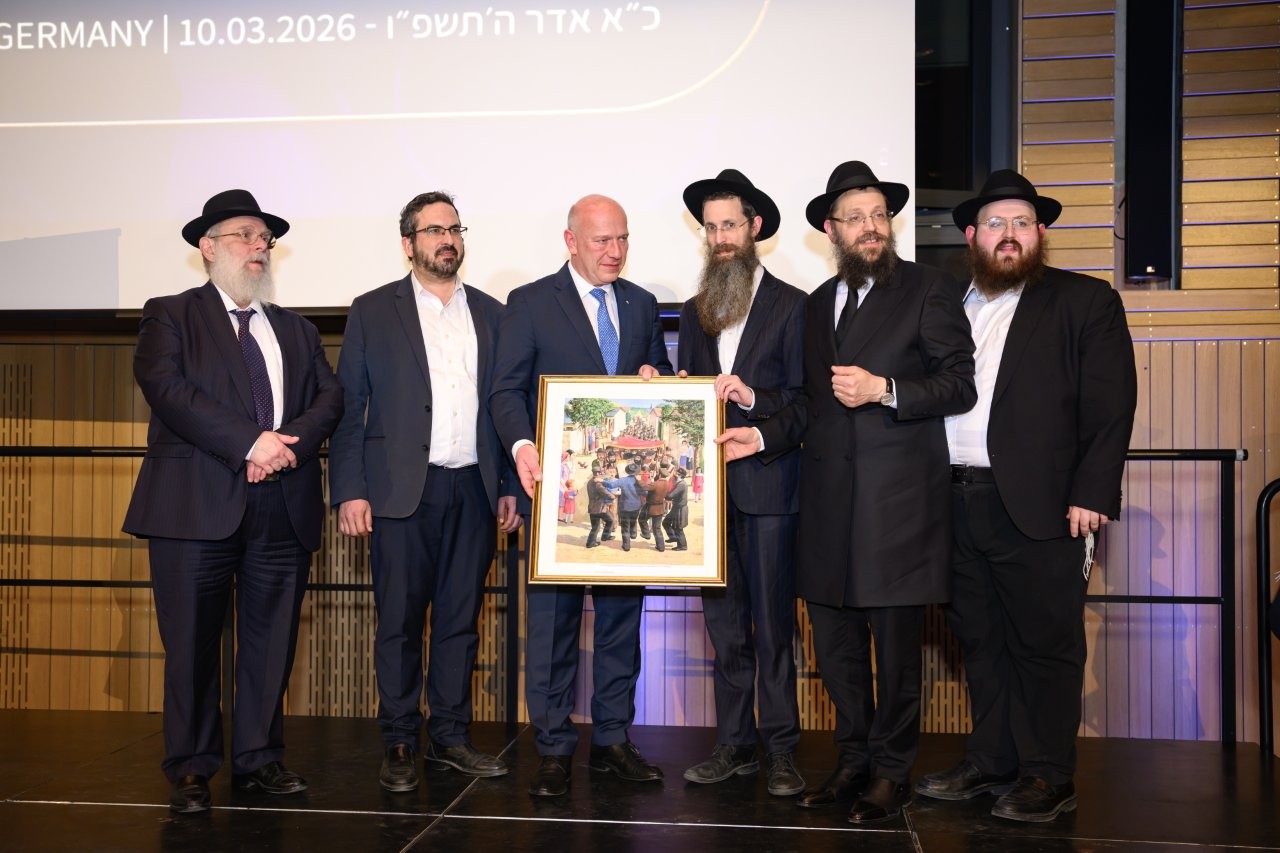
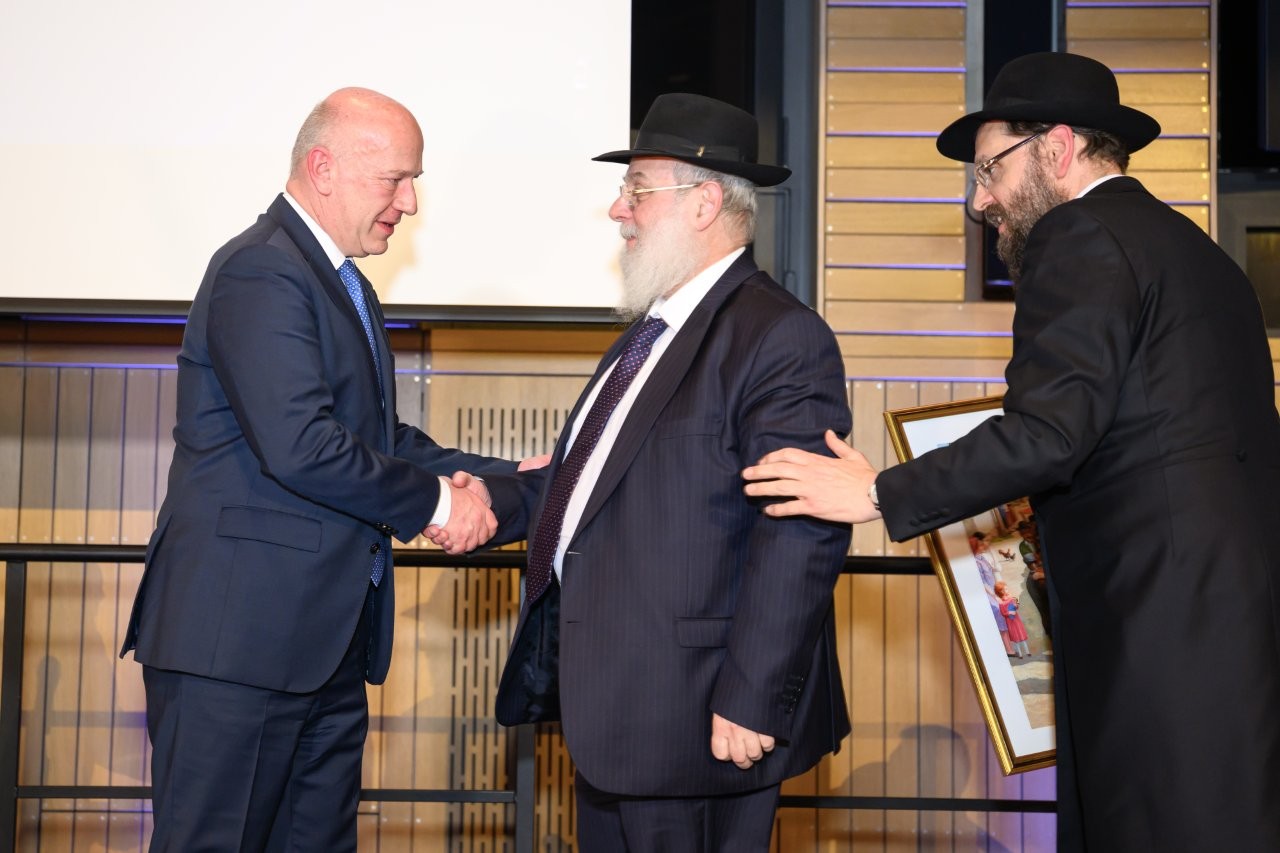
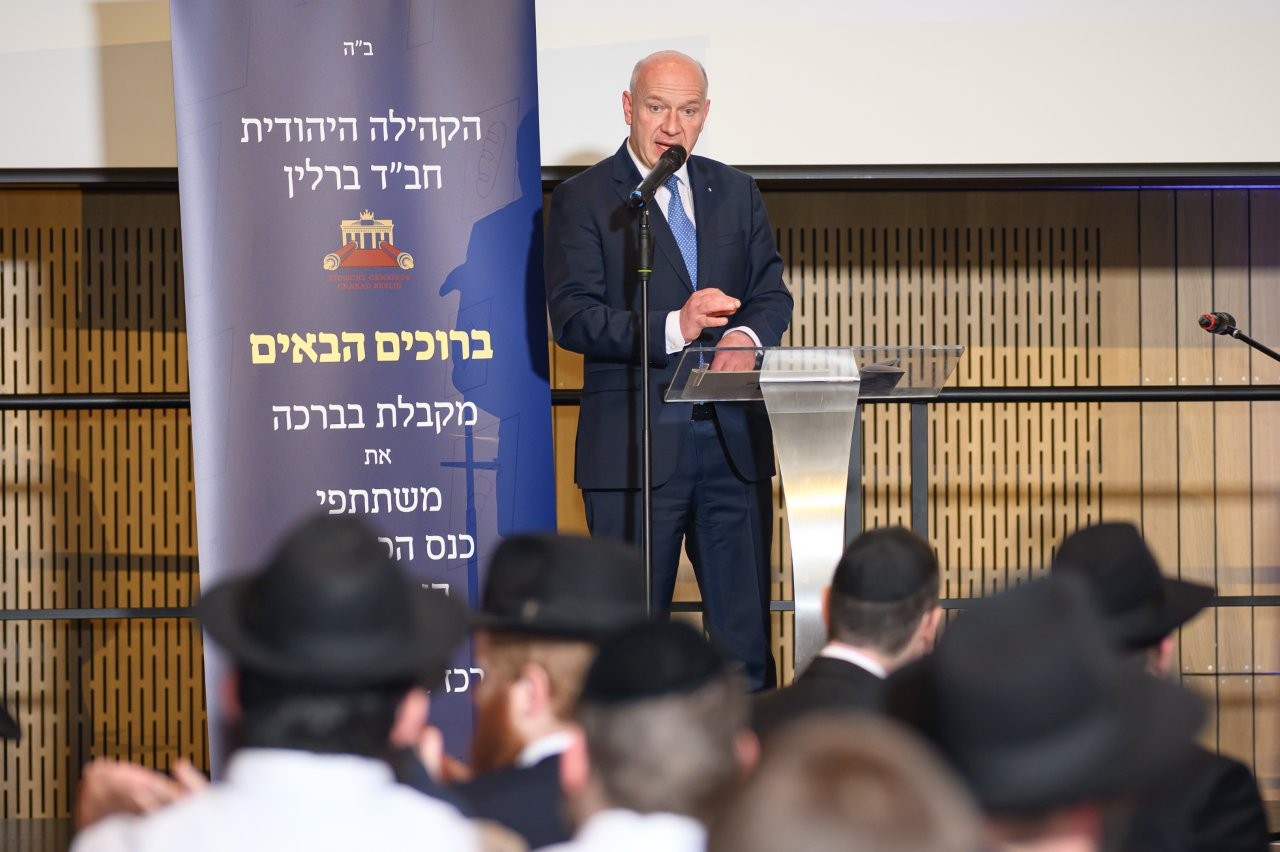
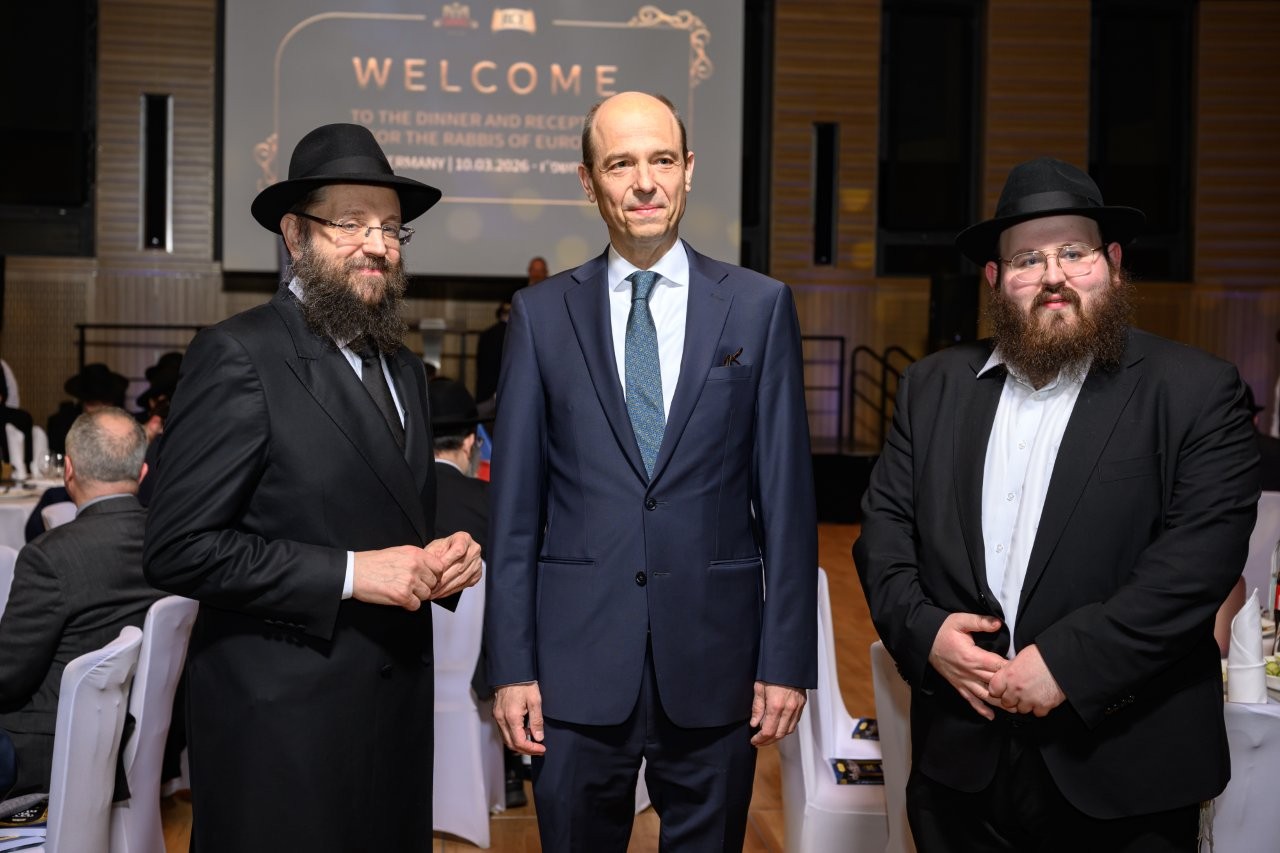
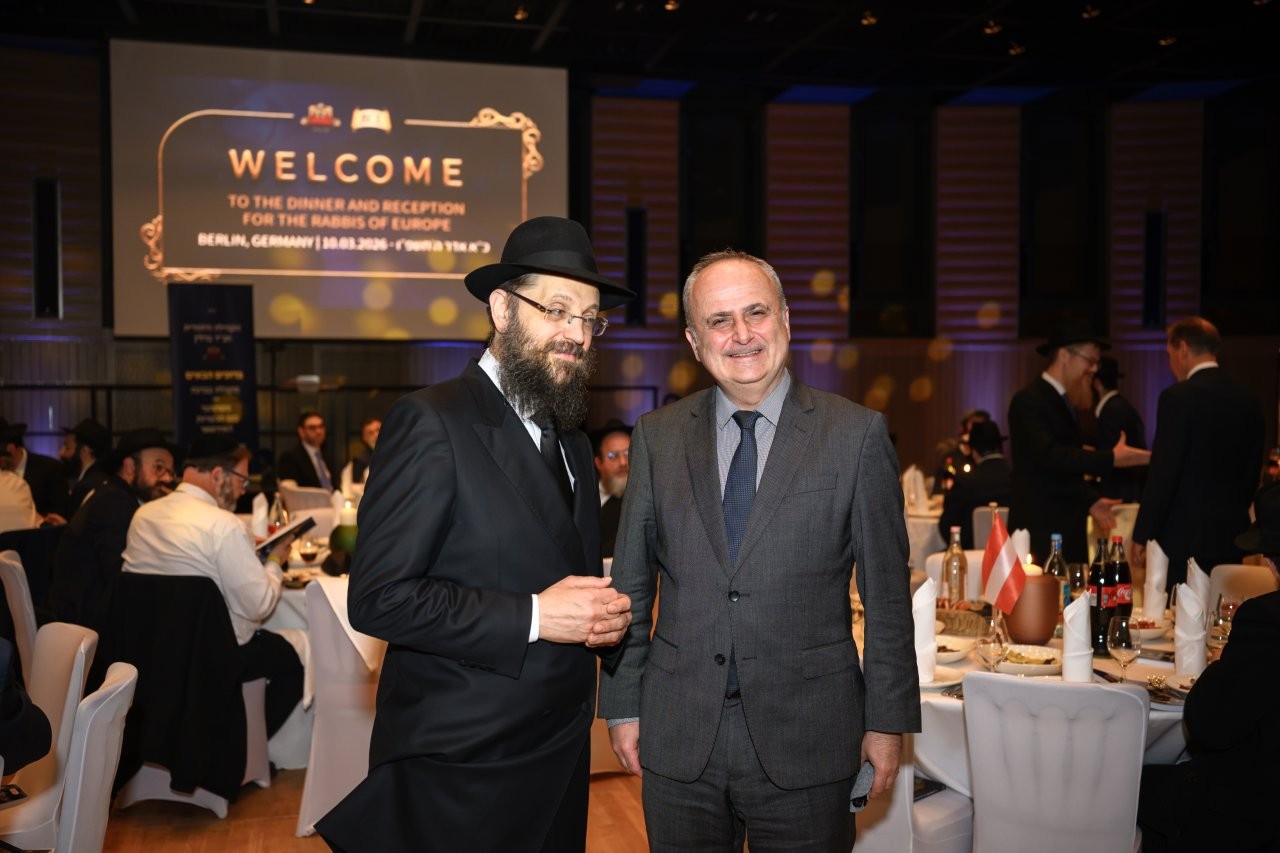
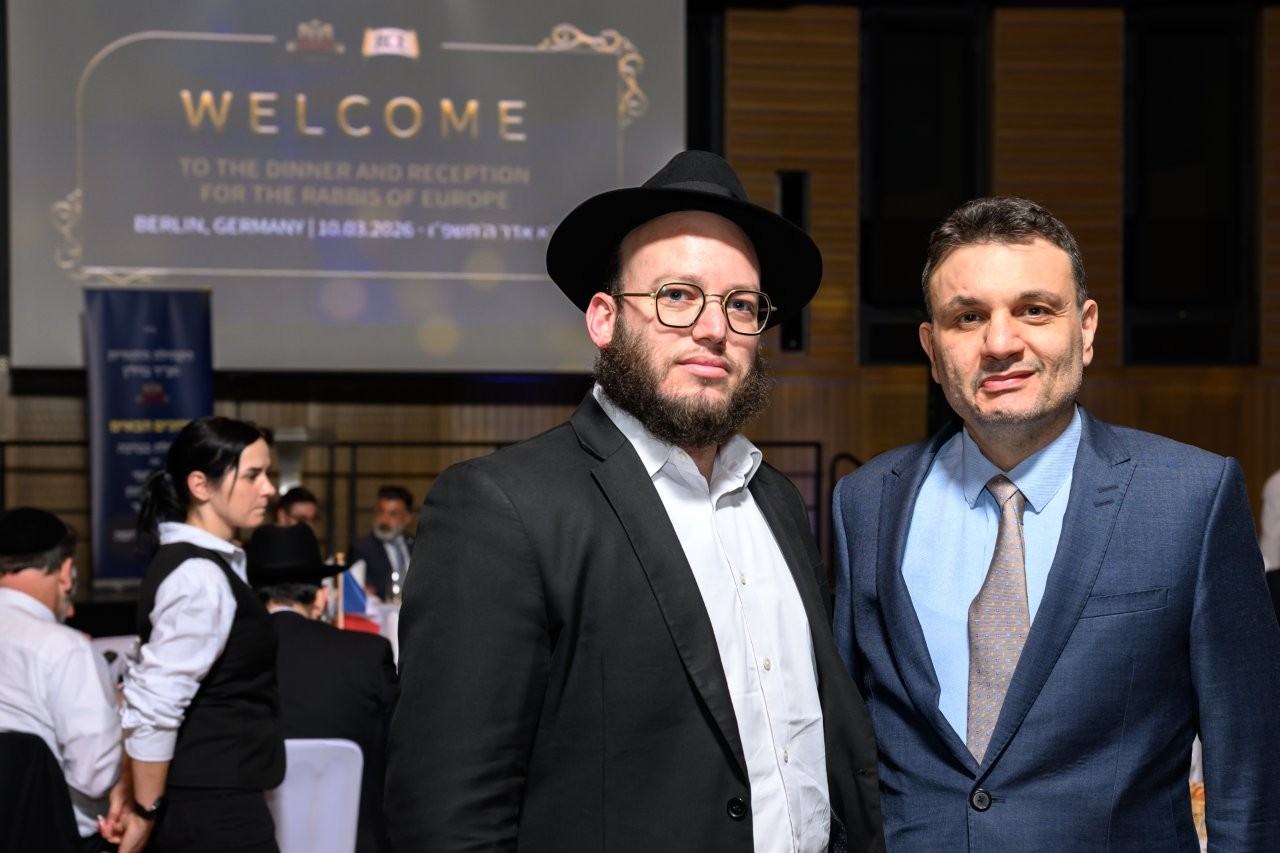
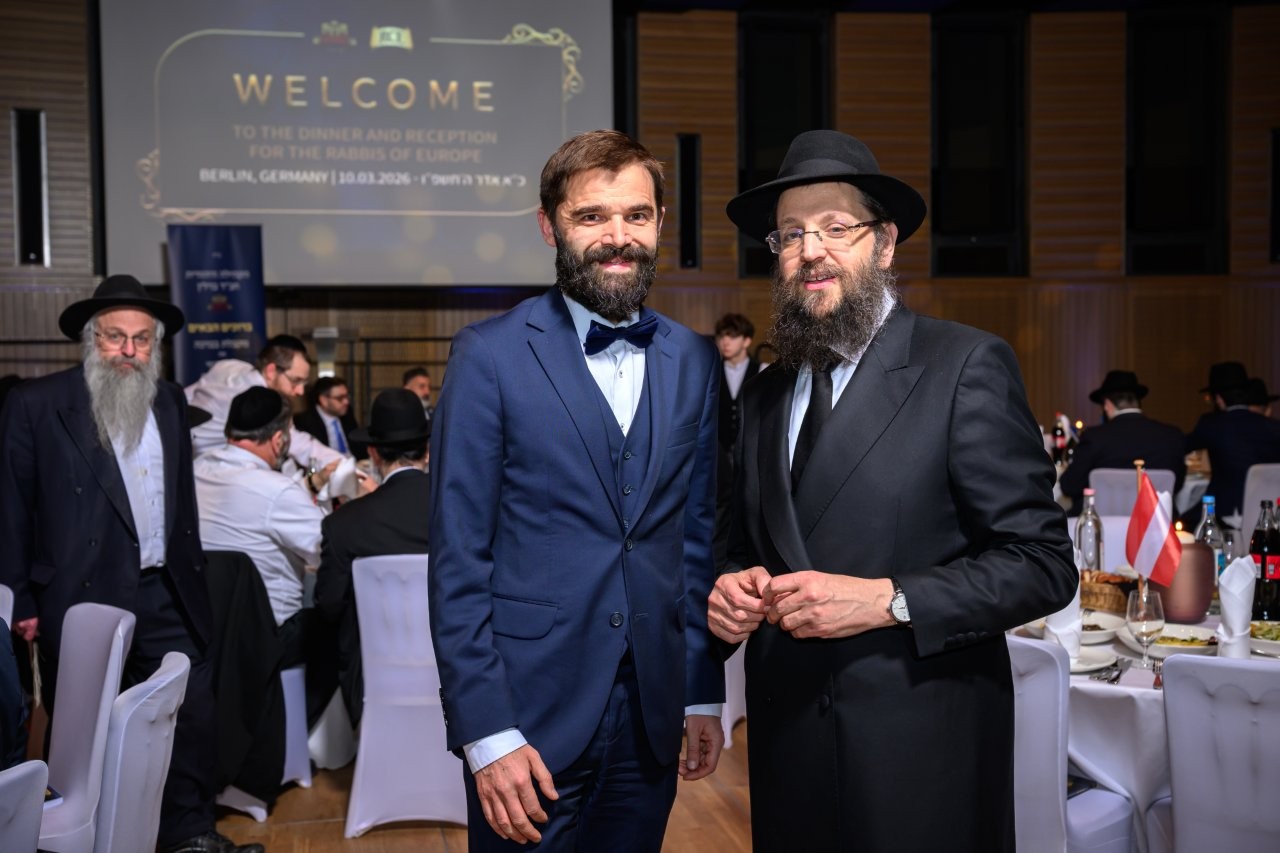
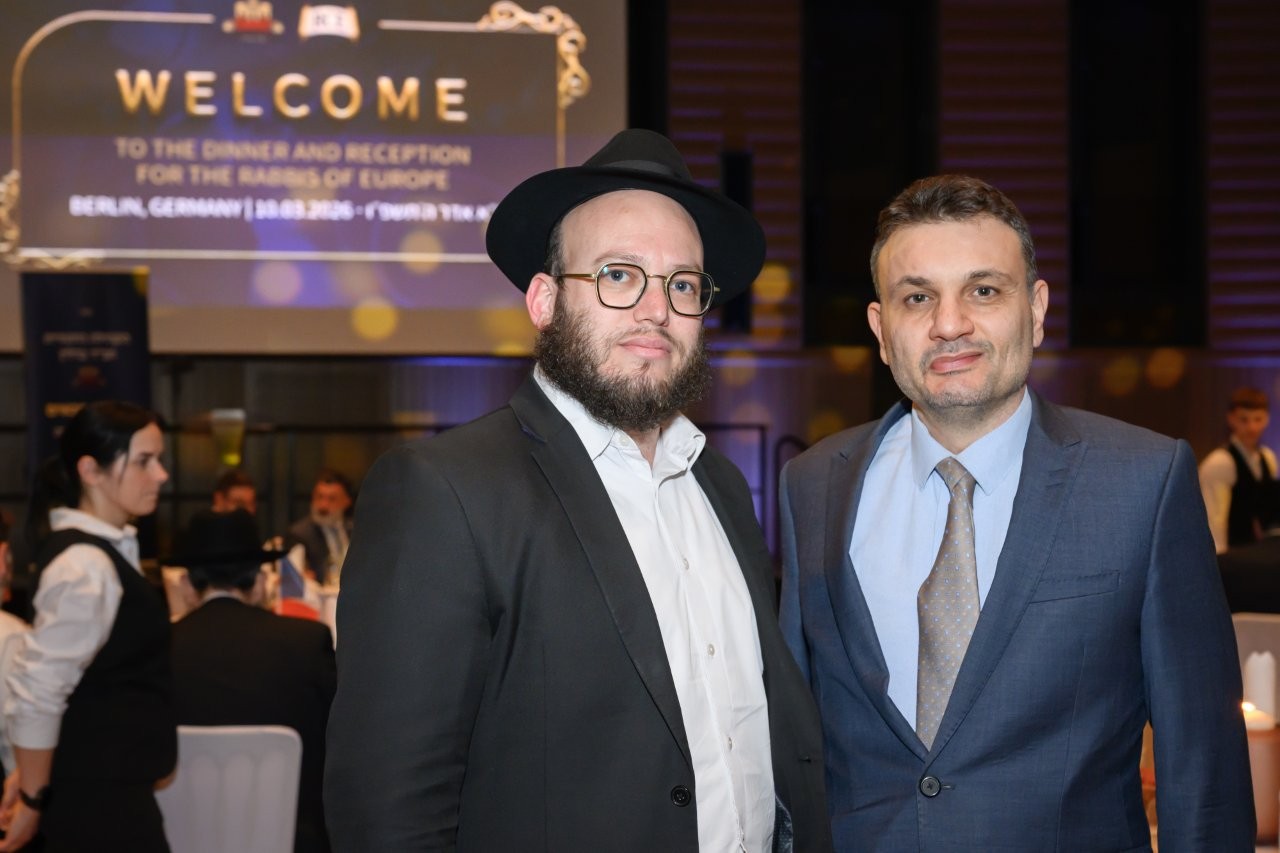
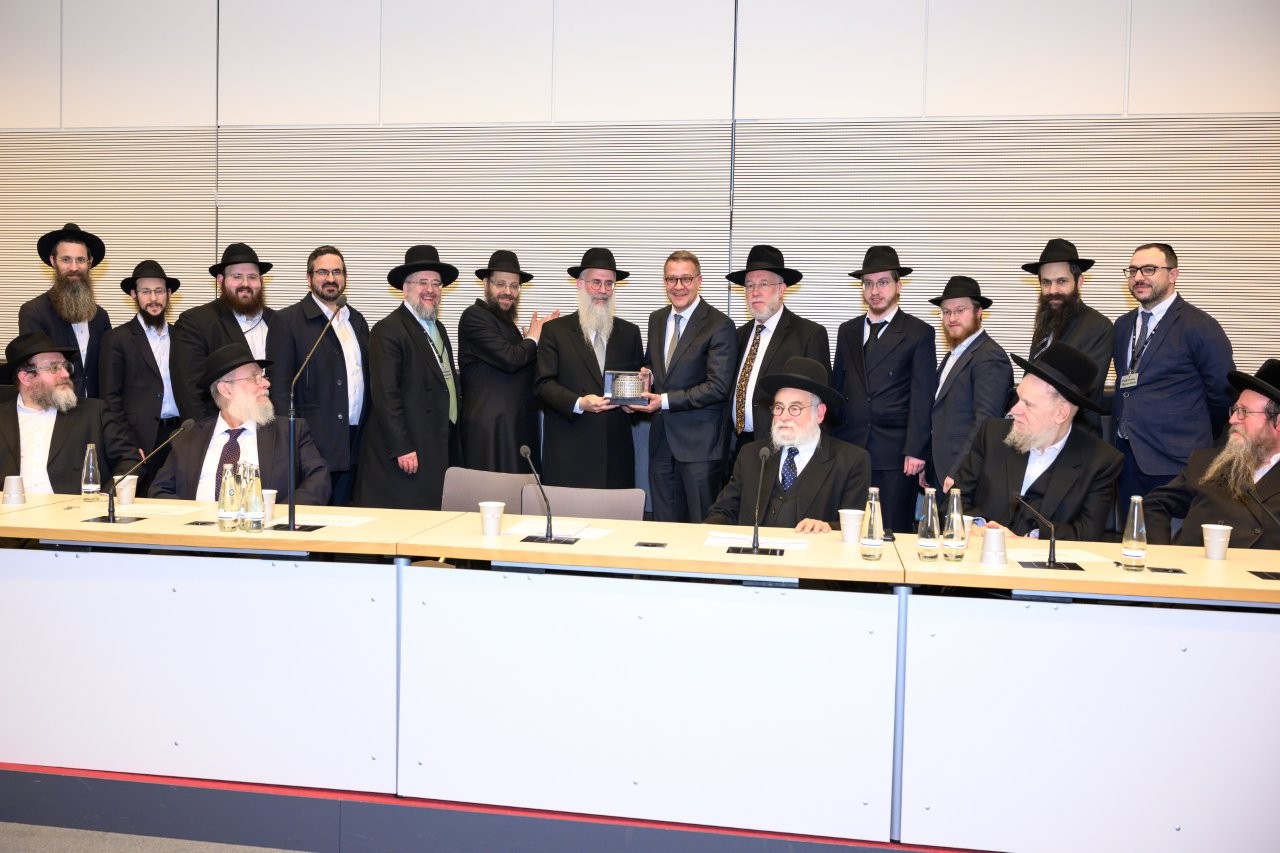
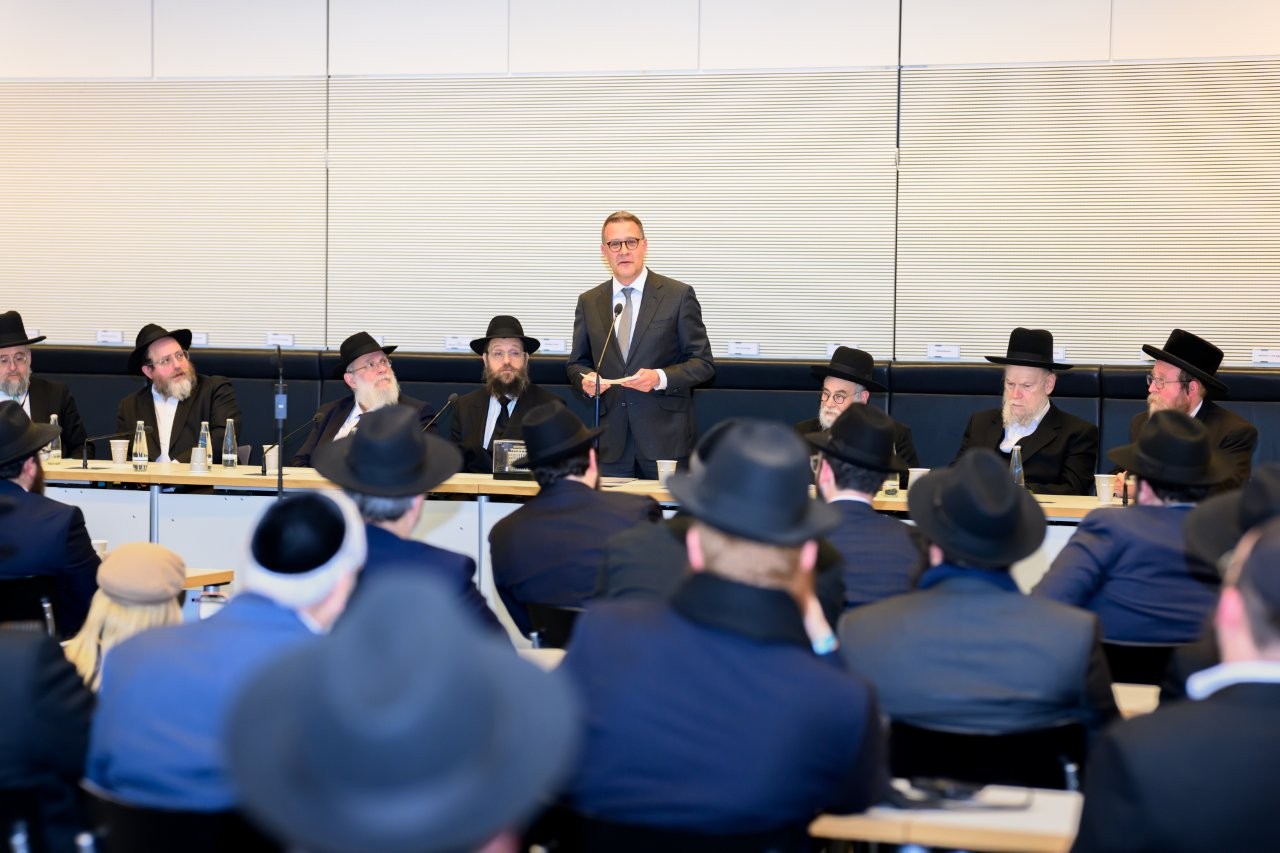
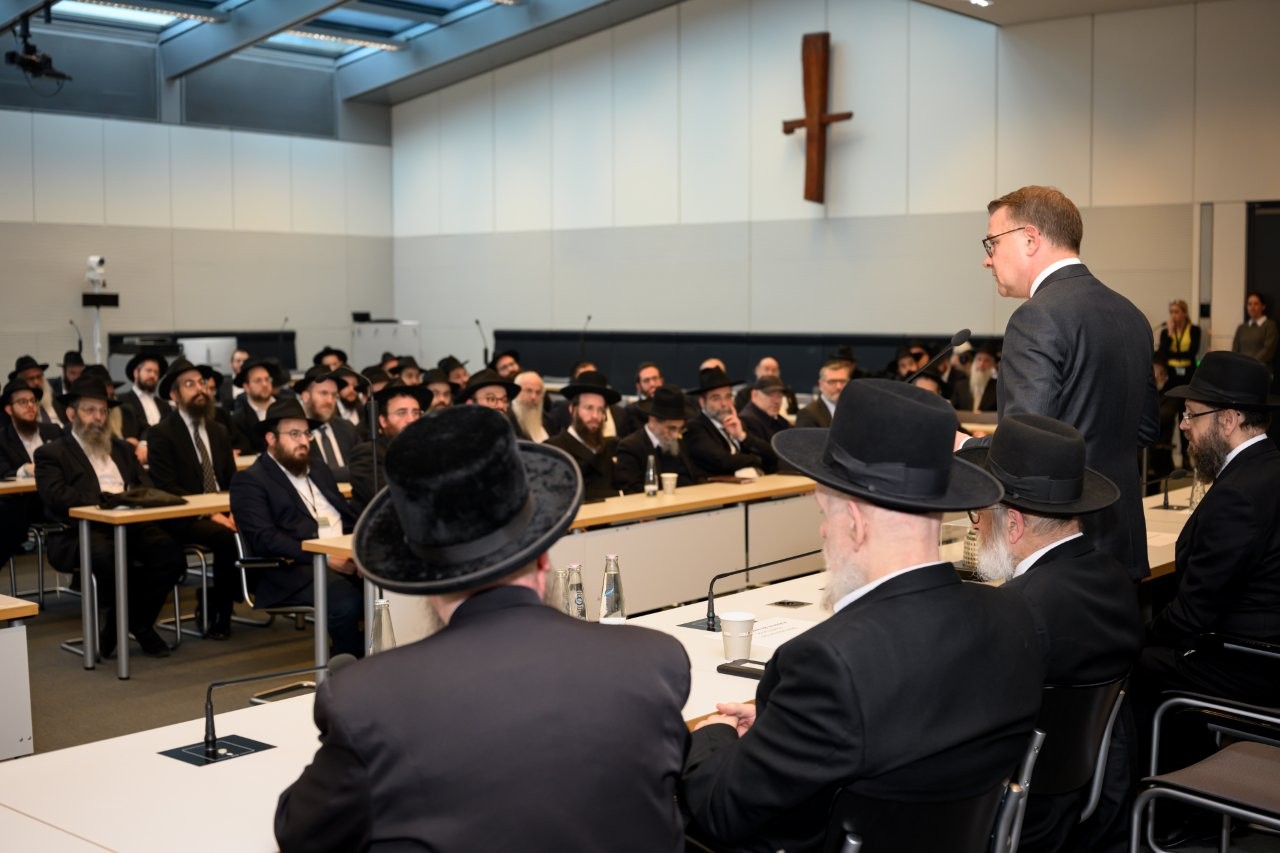
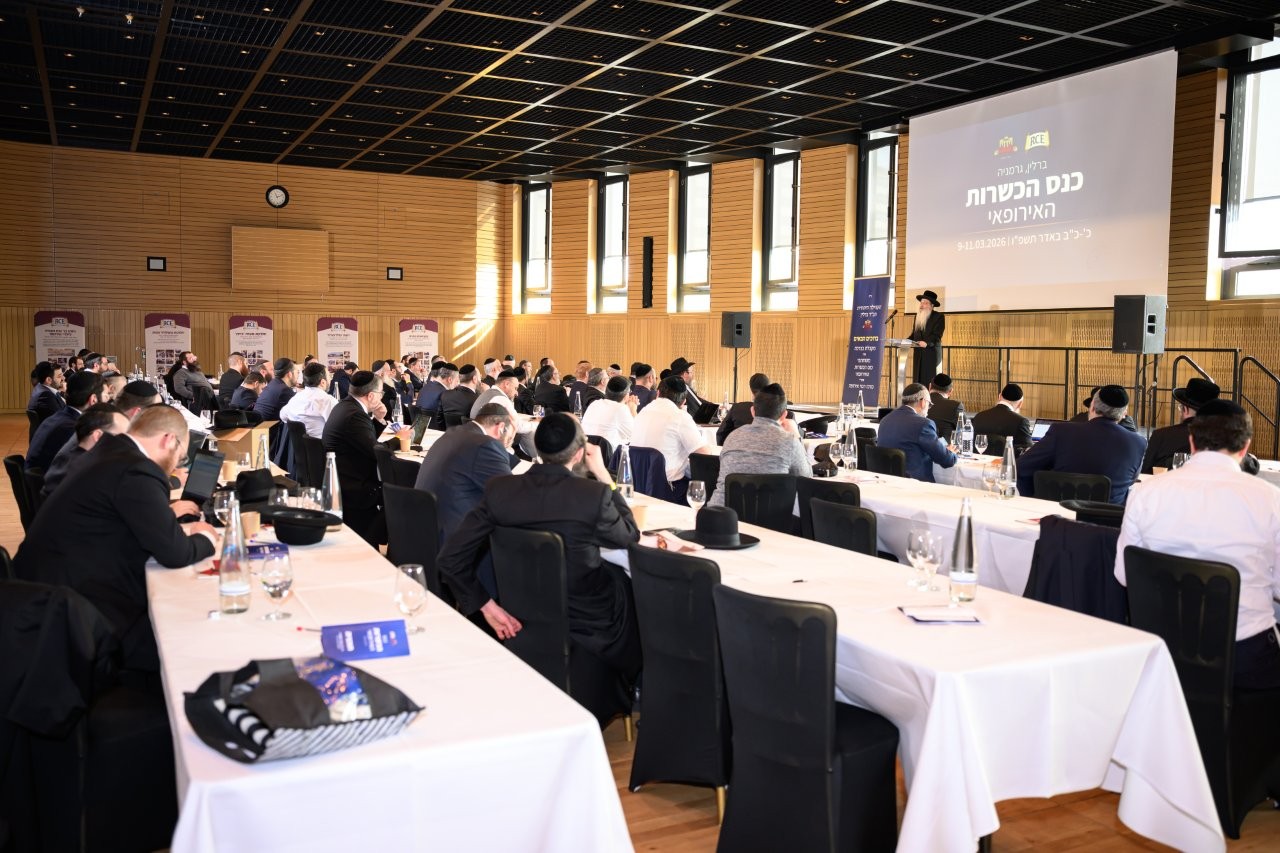
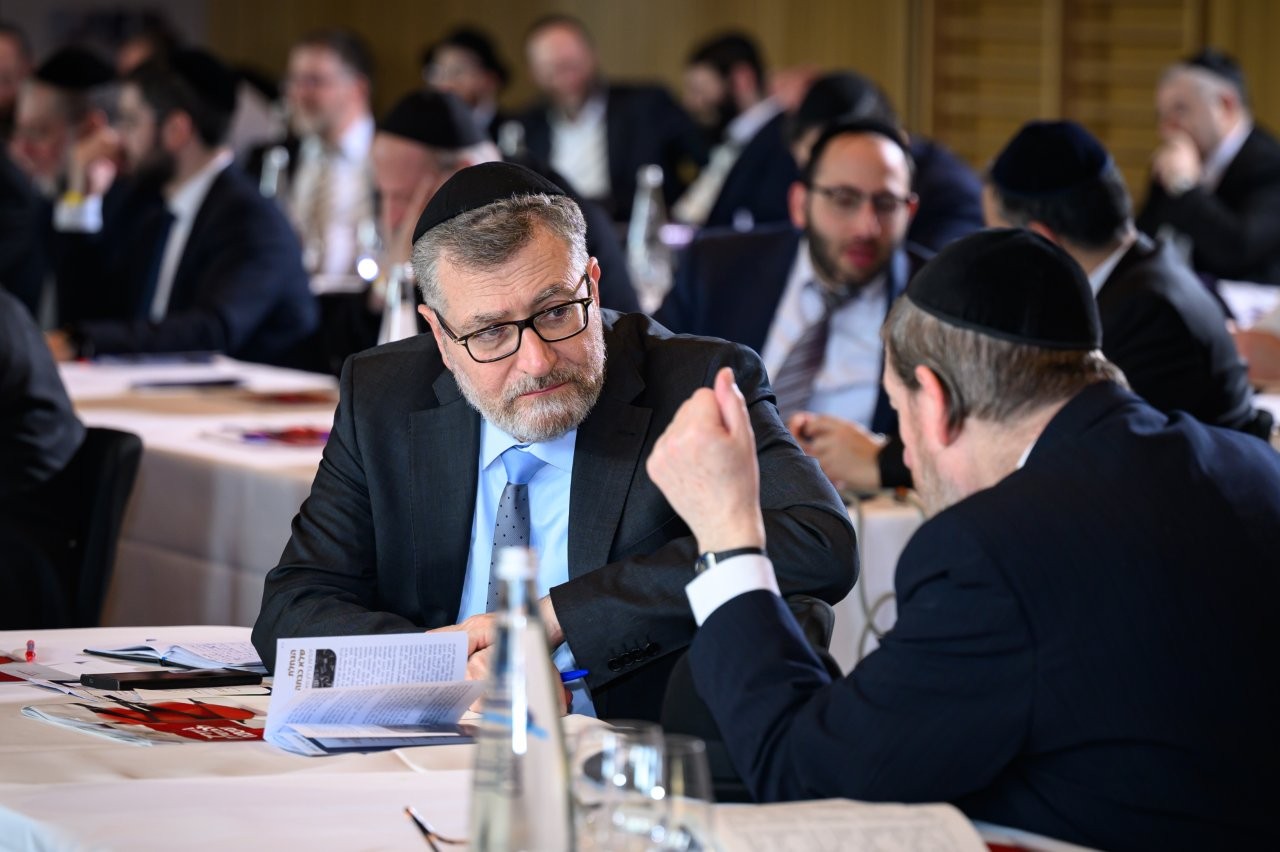
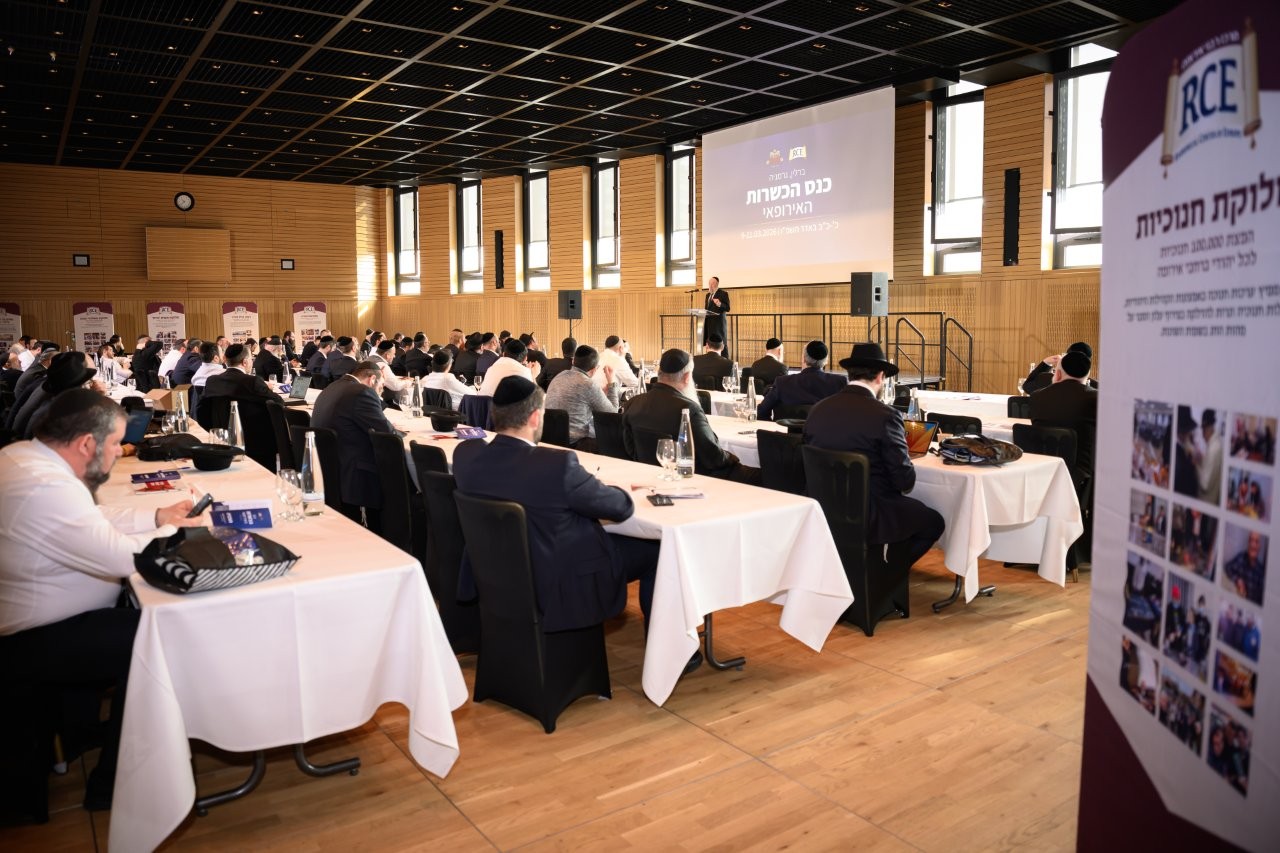
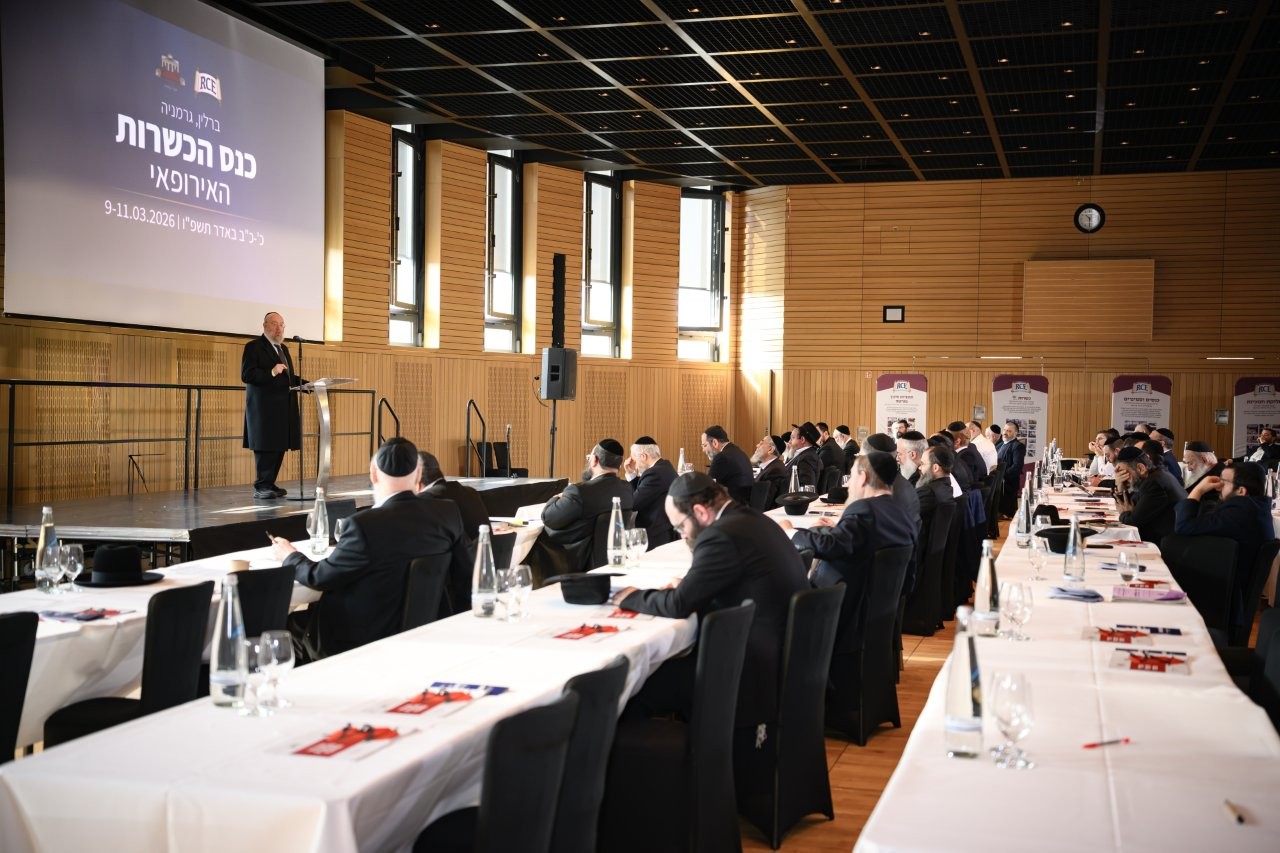
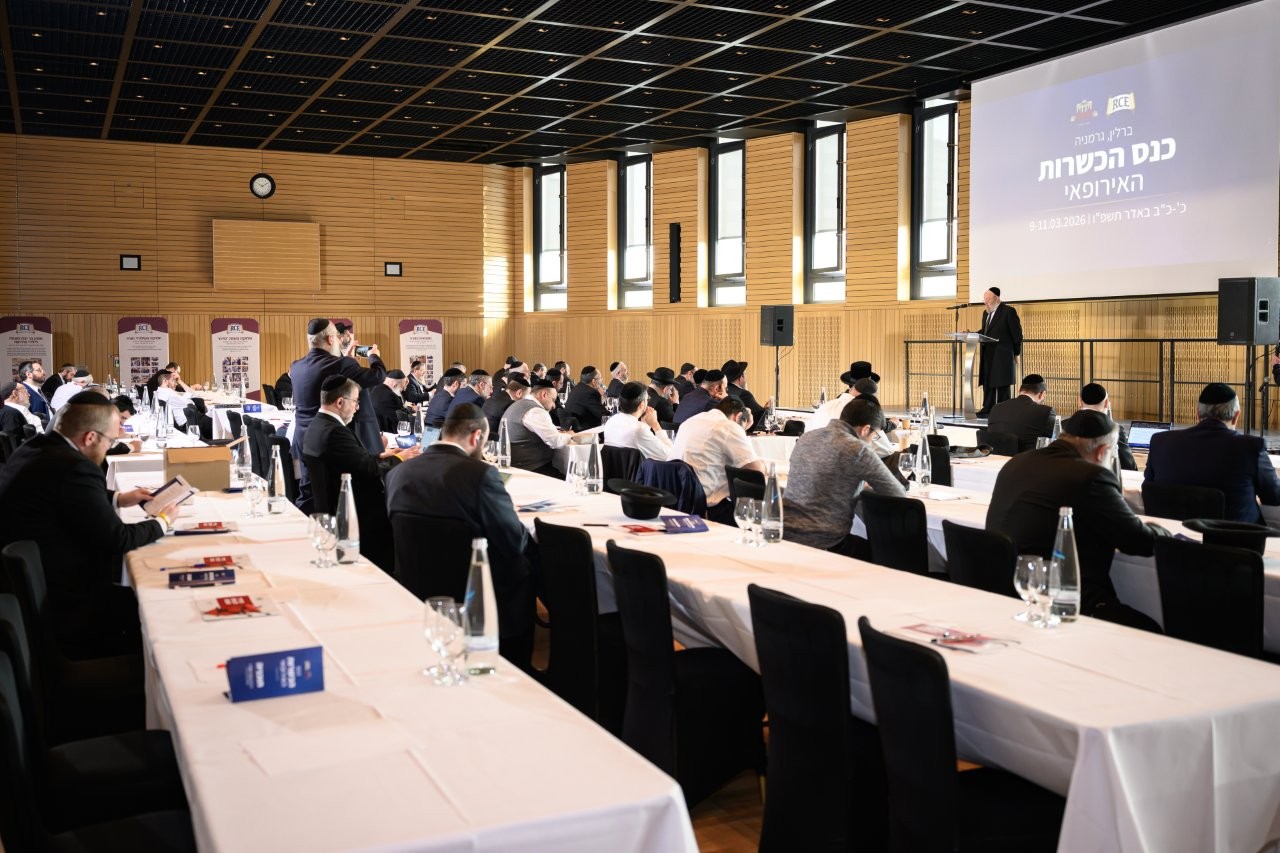
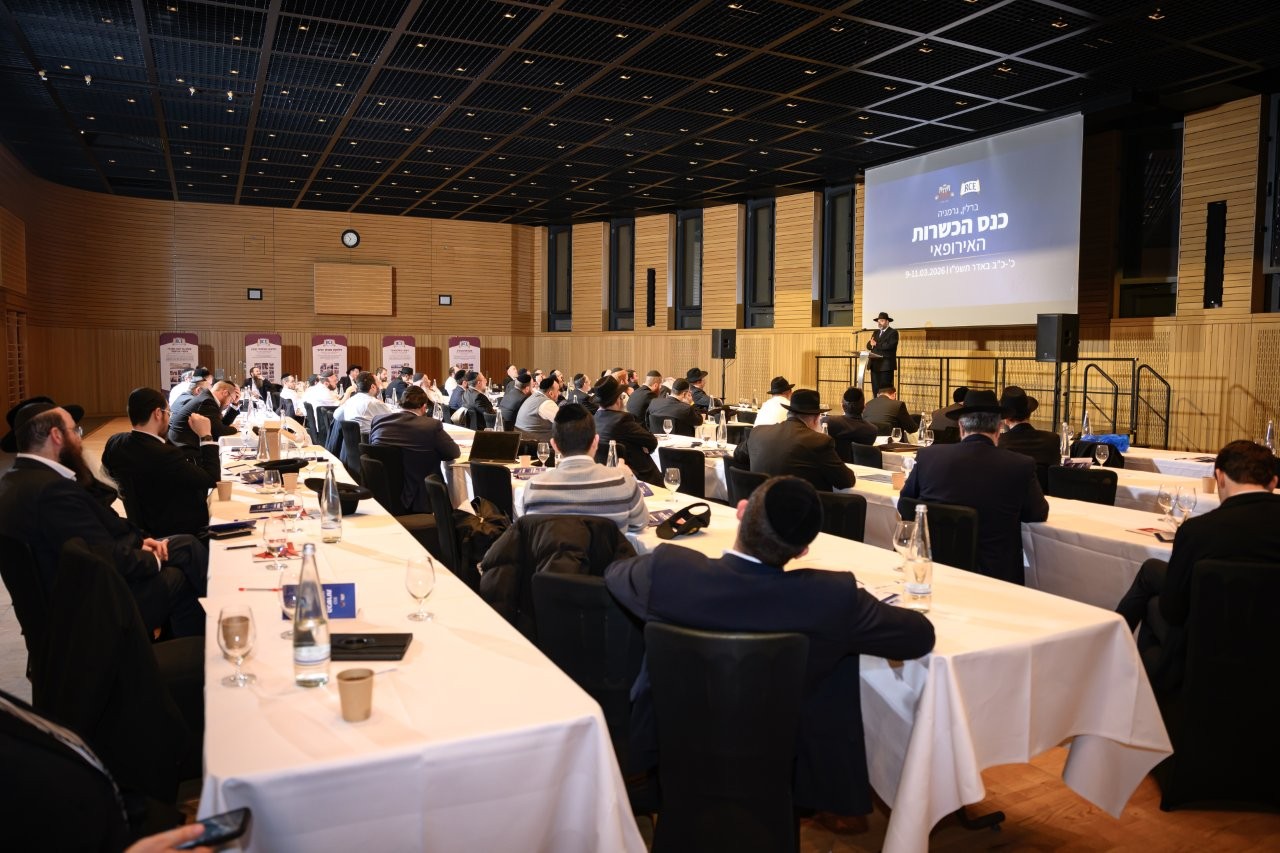
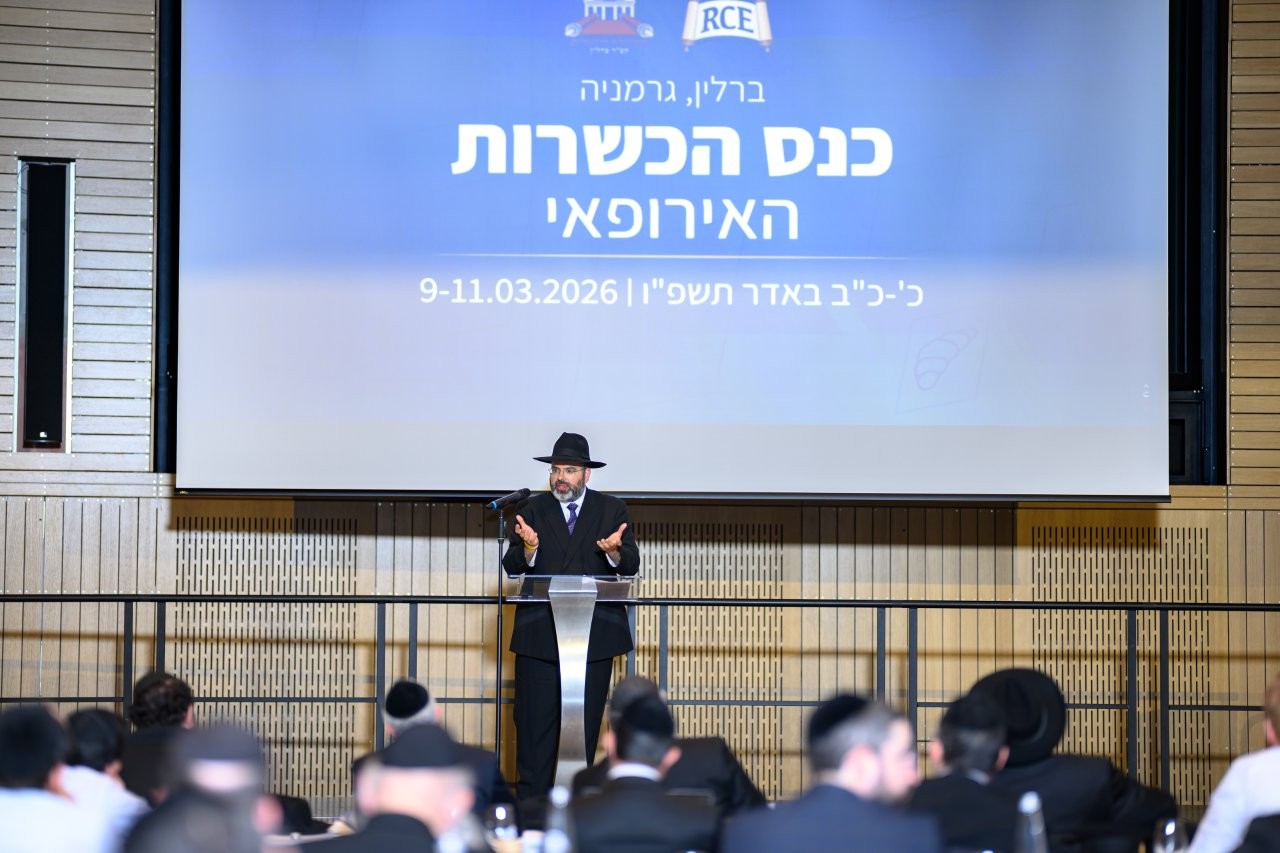
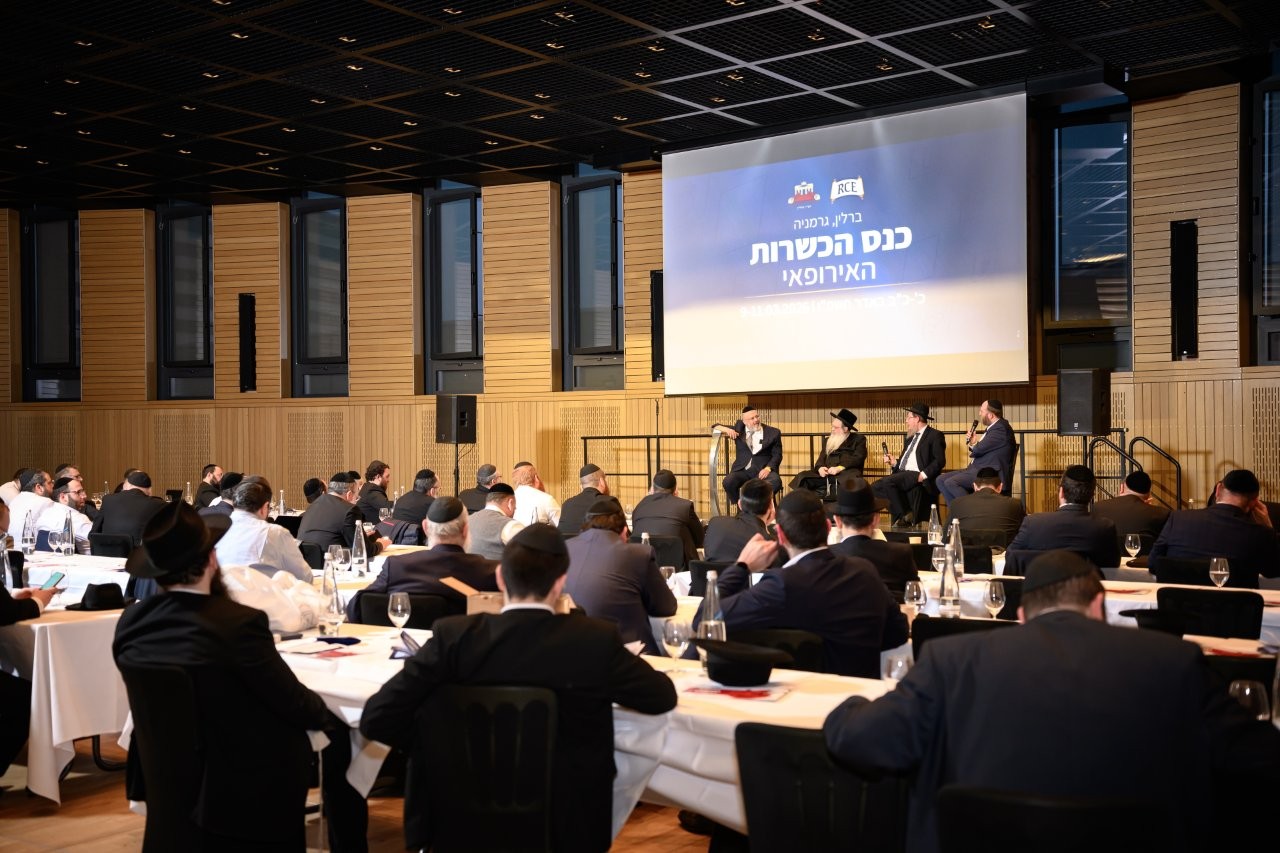
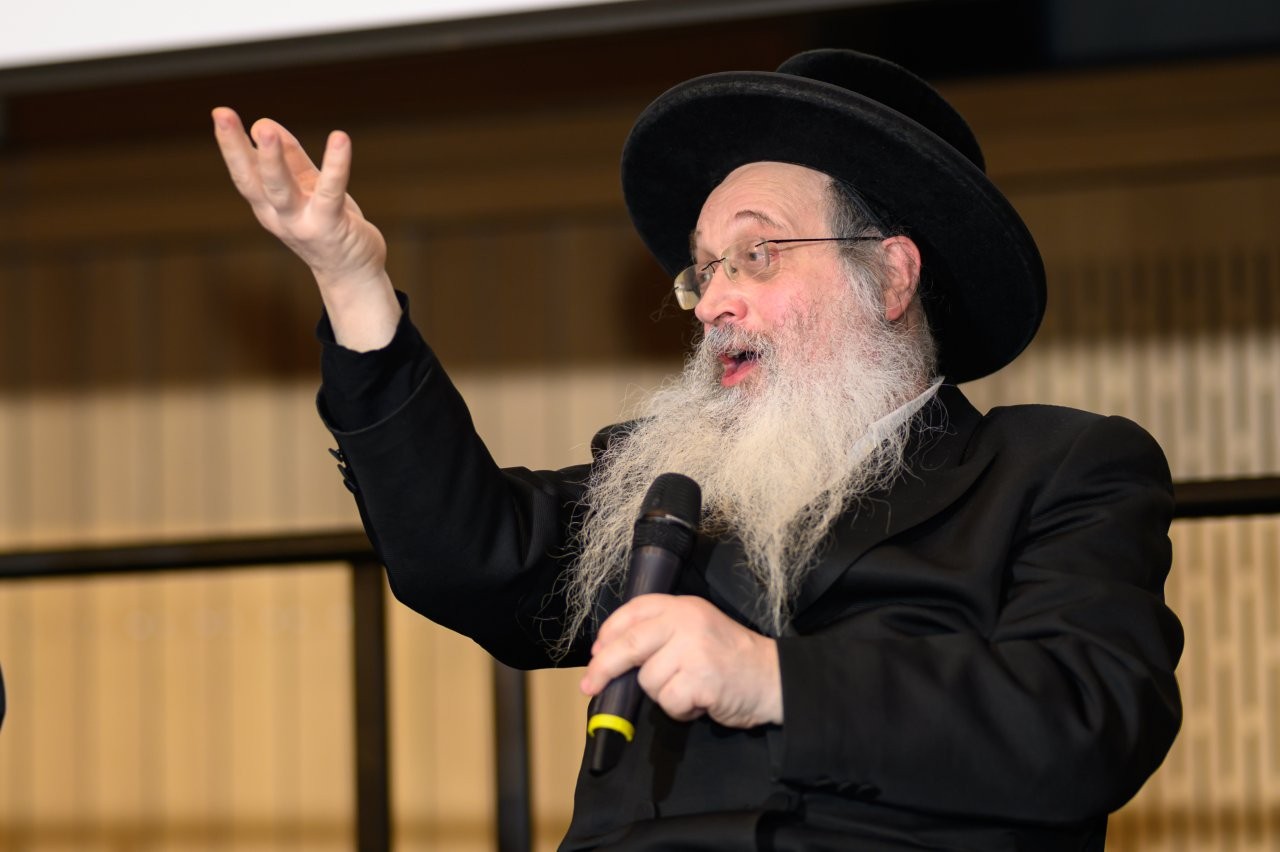
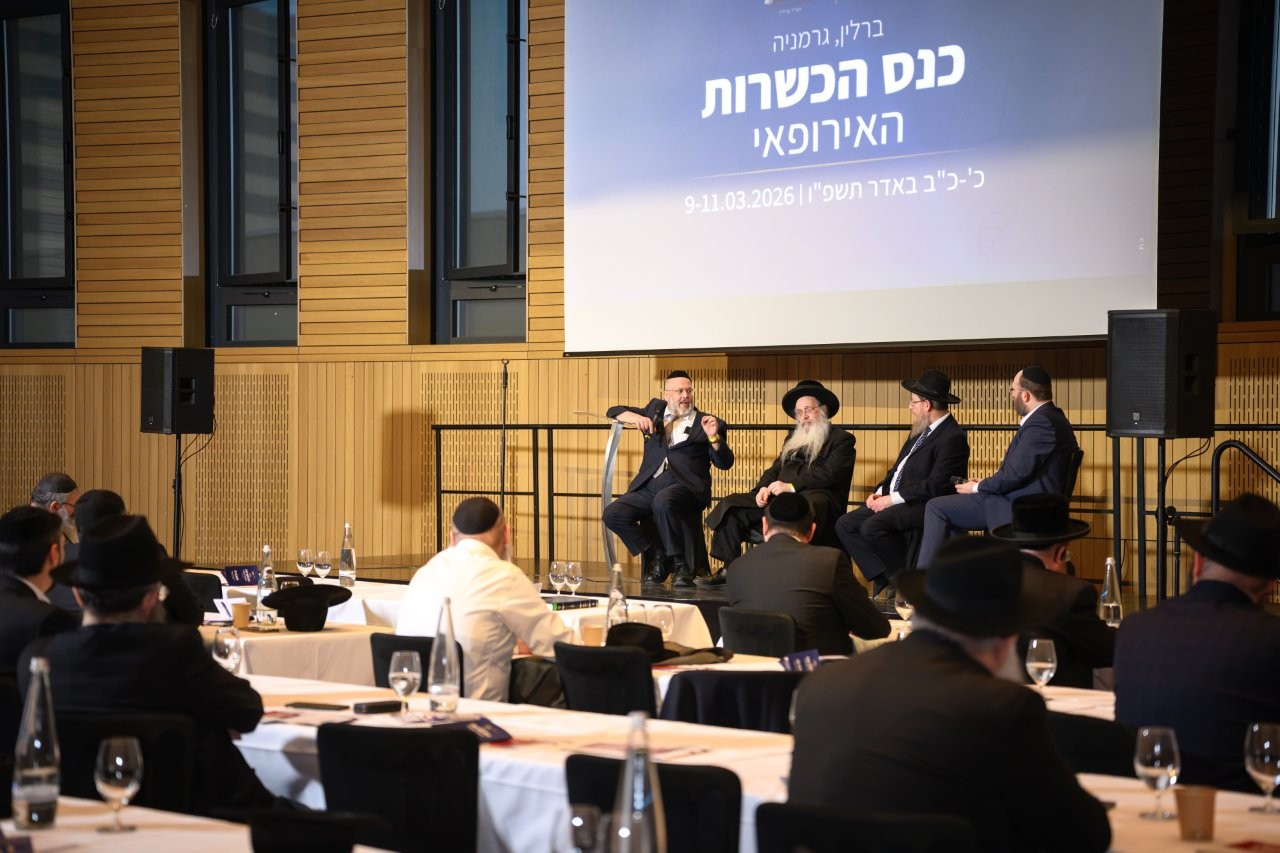
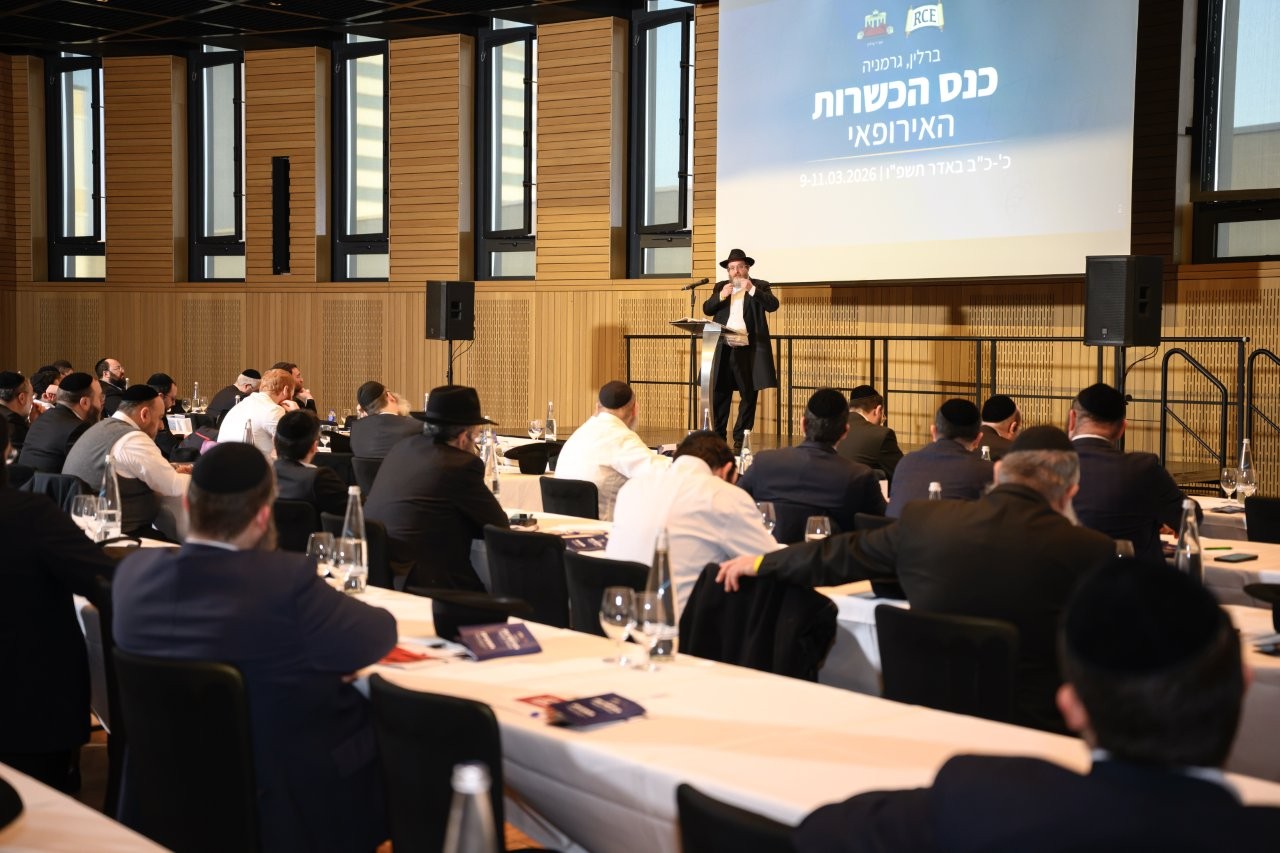
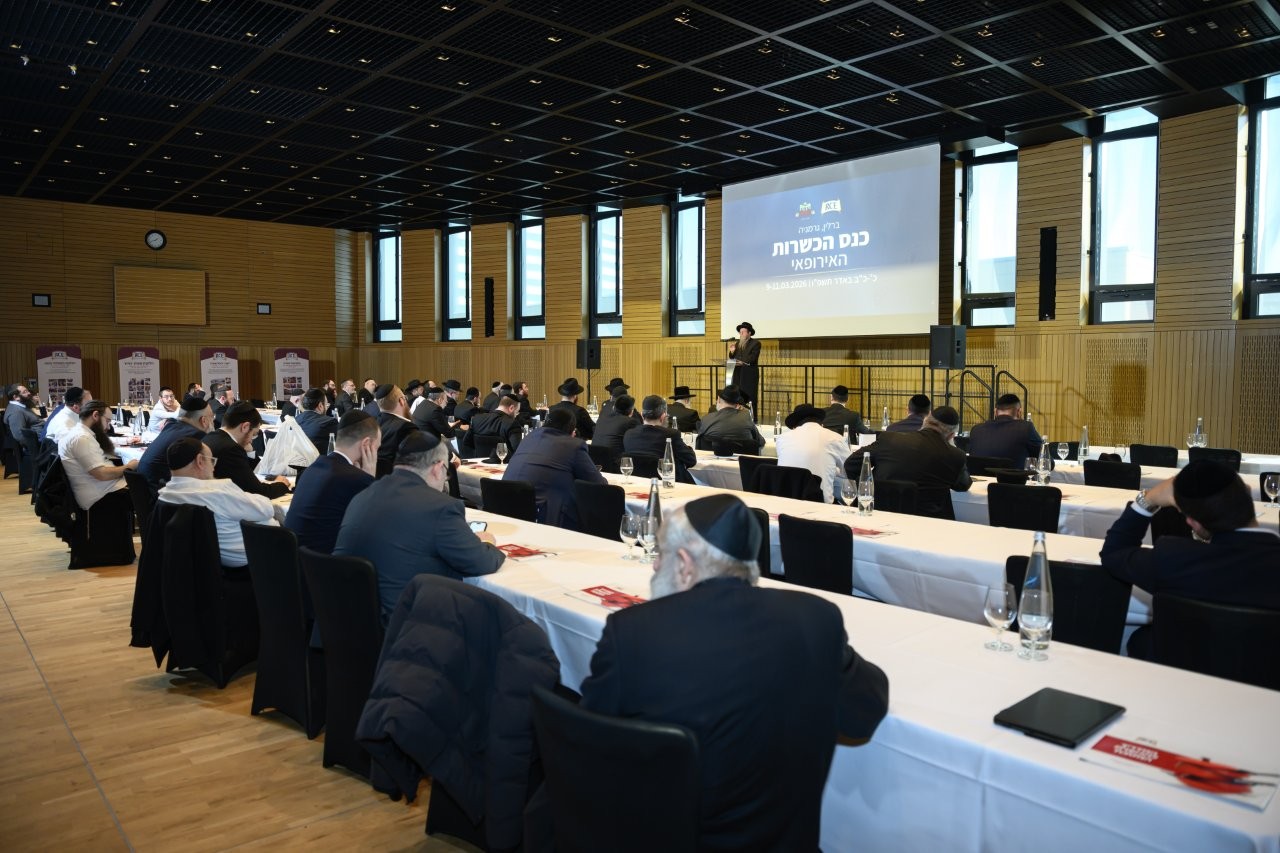
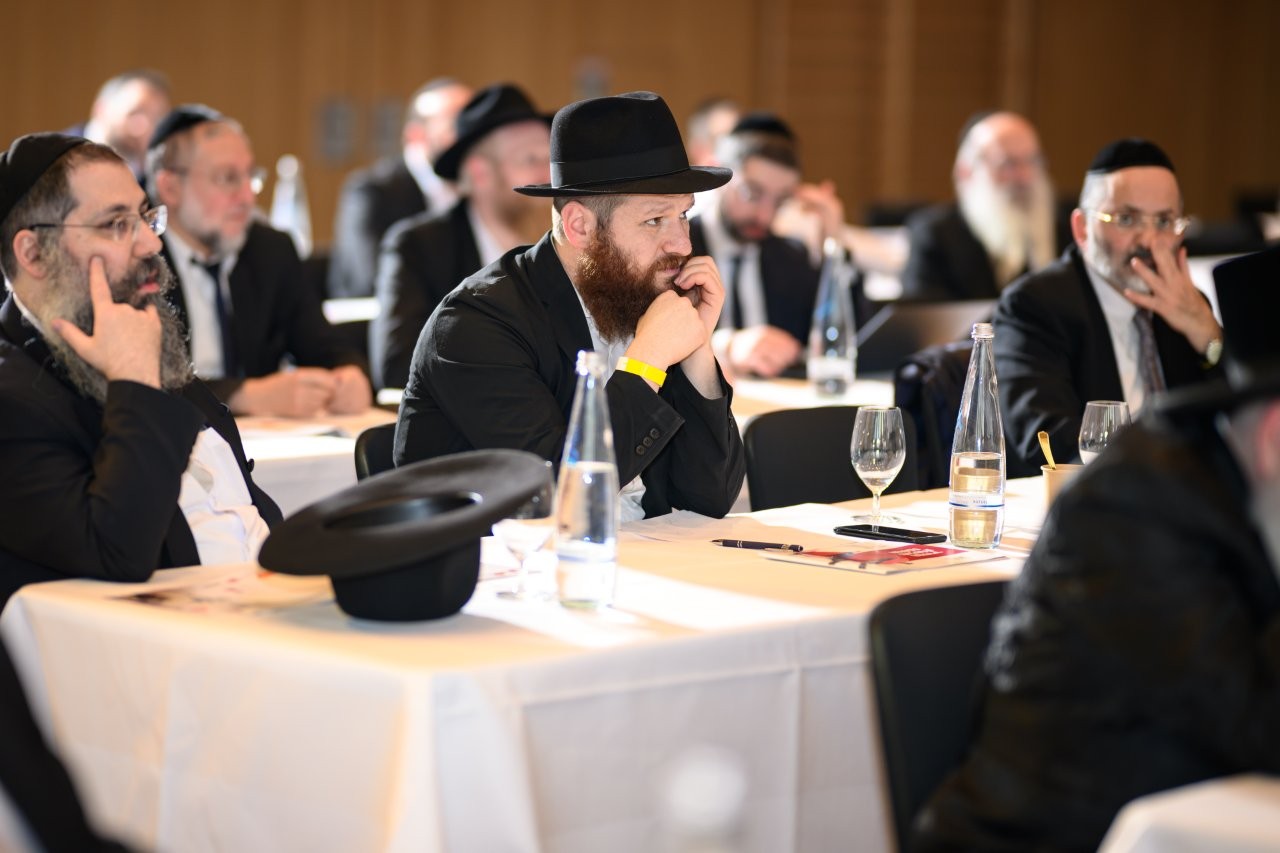
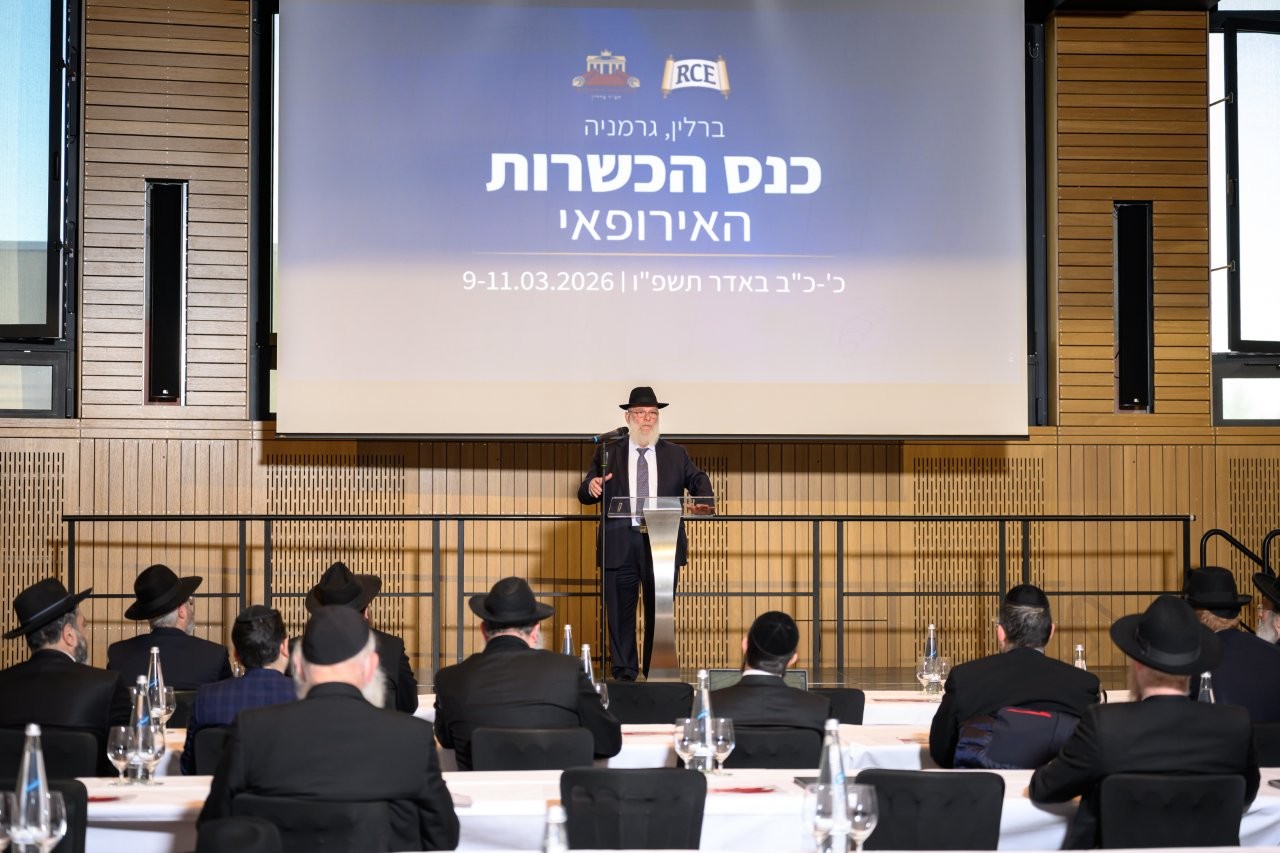
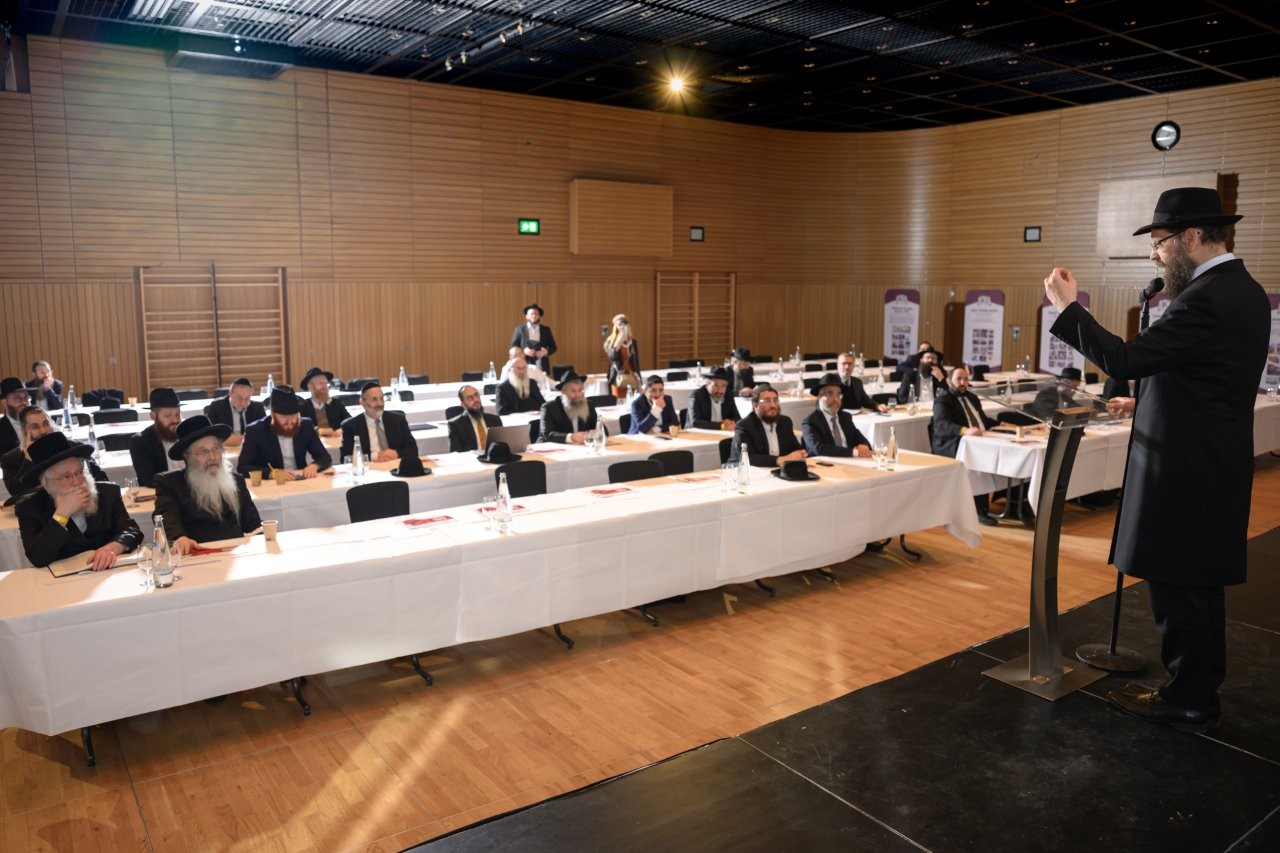
An exceptional gesture of solidarity with Jewish communities across Europe and the Jewish people at large was witnessed in Berlin this week, as the leadership of the German Parliament extended an official invitation to a broad delegation of European rabbis for a visit to the Bundestag building. The visit coincided with the European Kashrut Conference taking place in the city, attended by approximately 150 rabbis alongside senior figures from the Rabbinical Centre of Europe and other public representatives.
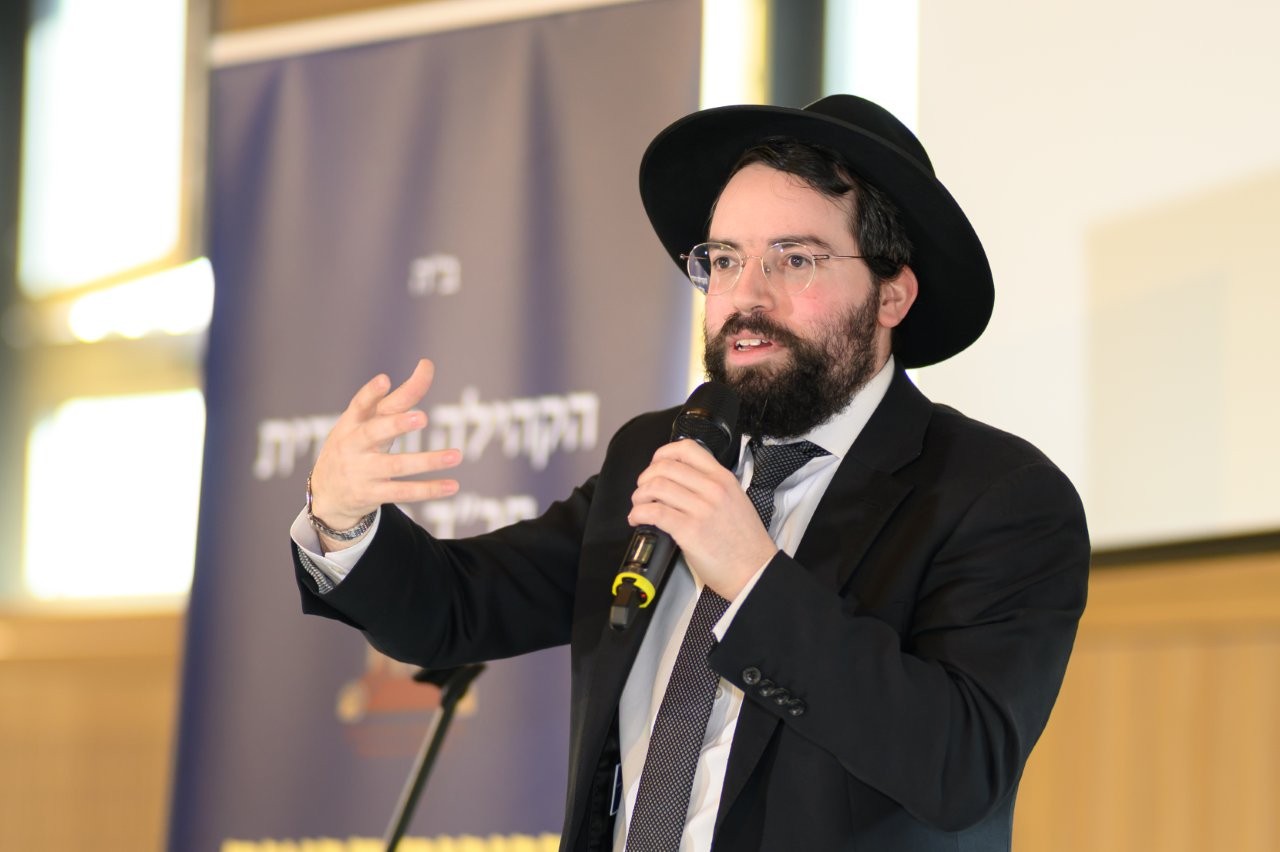
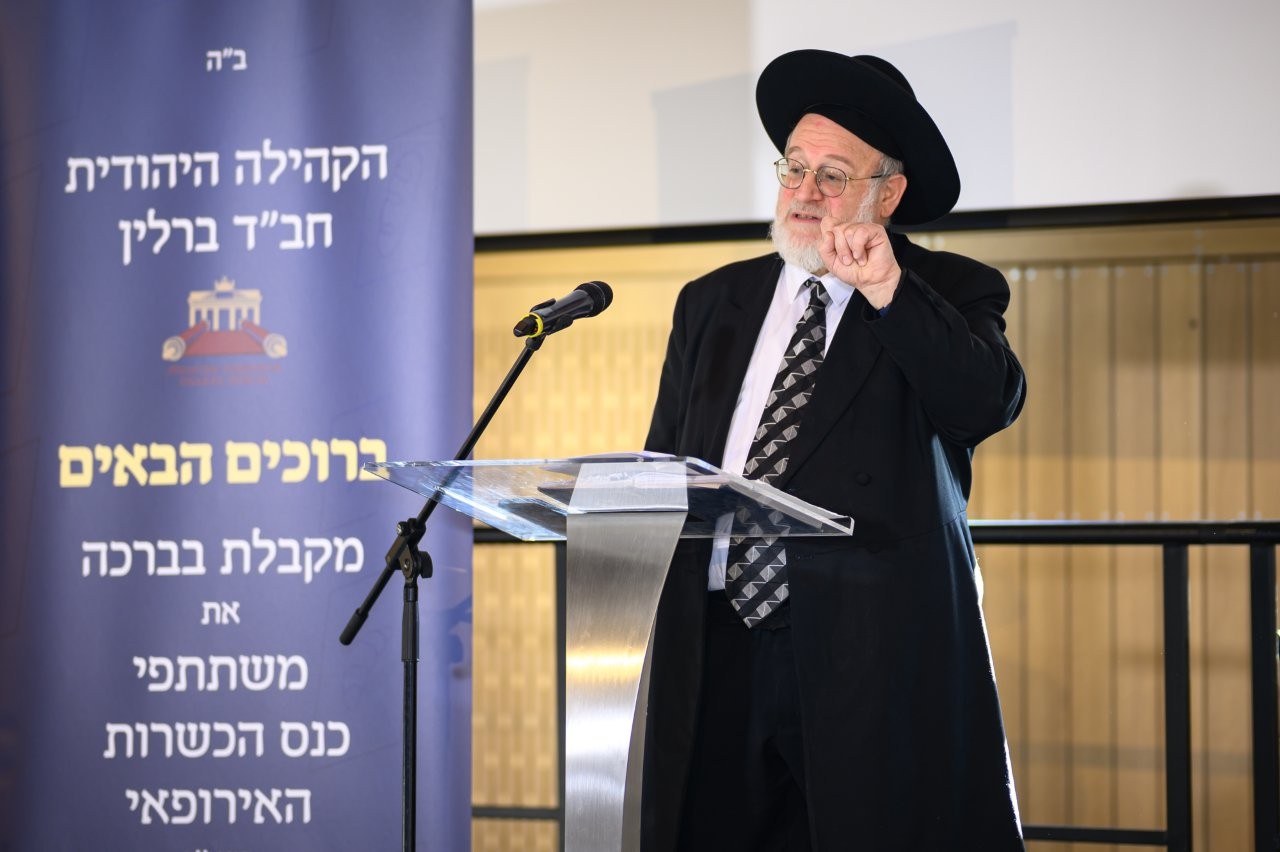
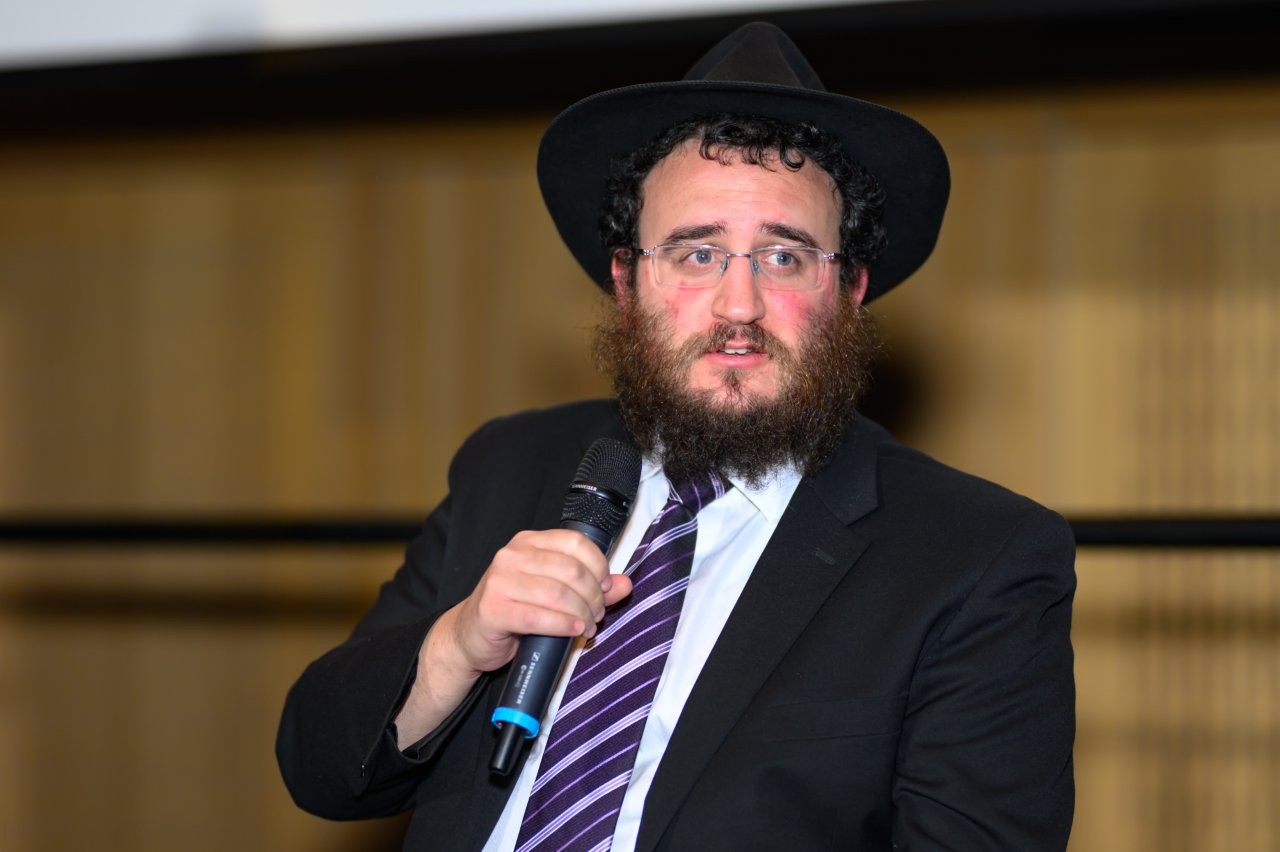
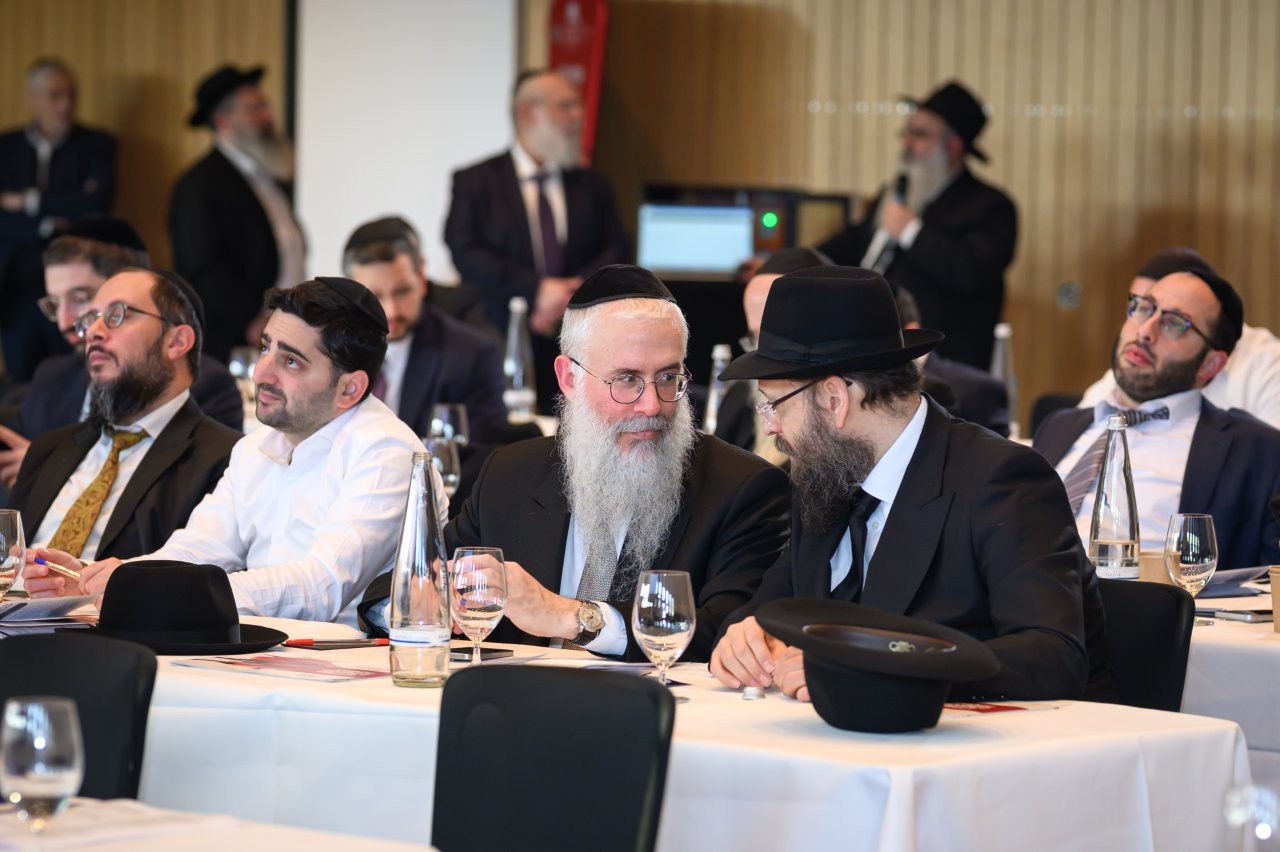
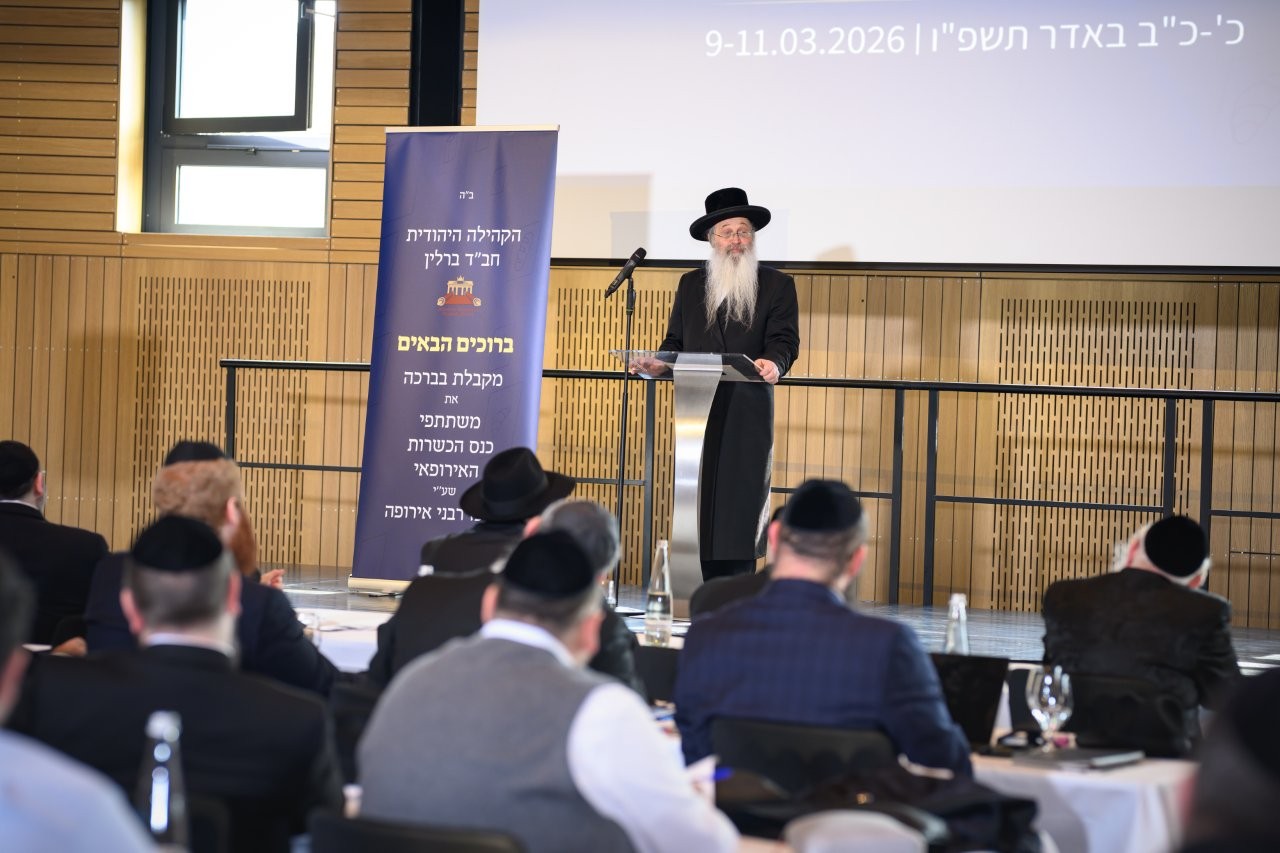
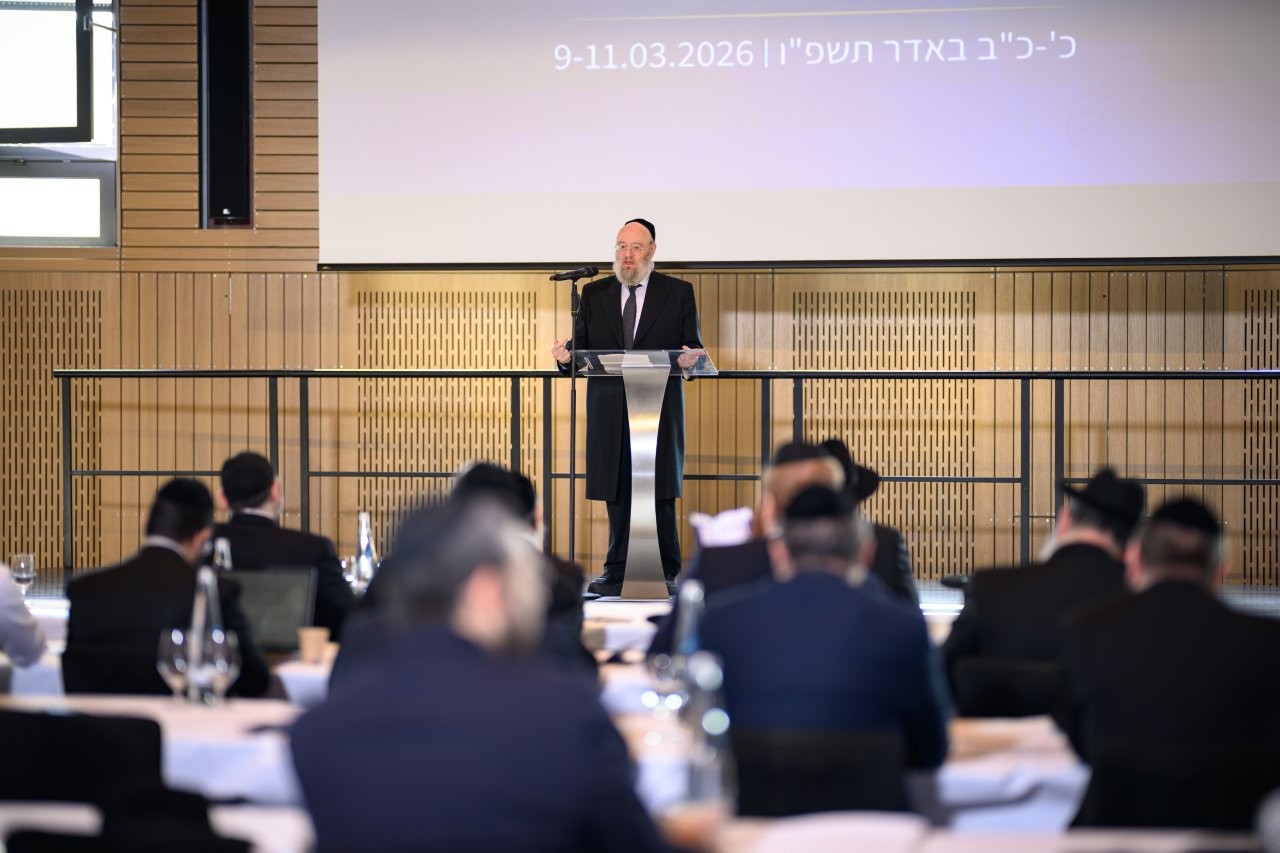
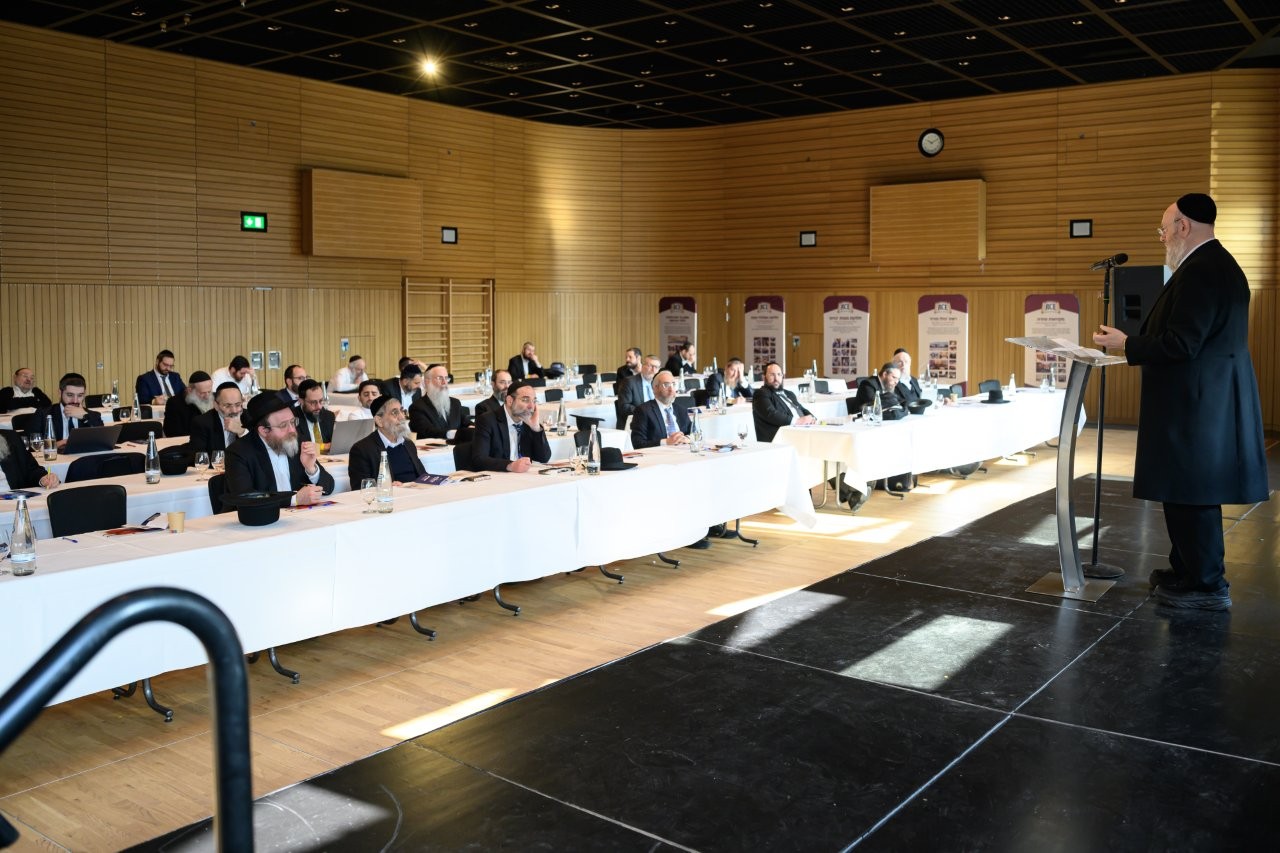
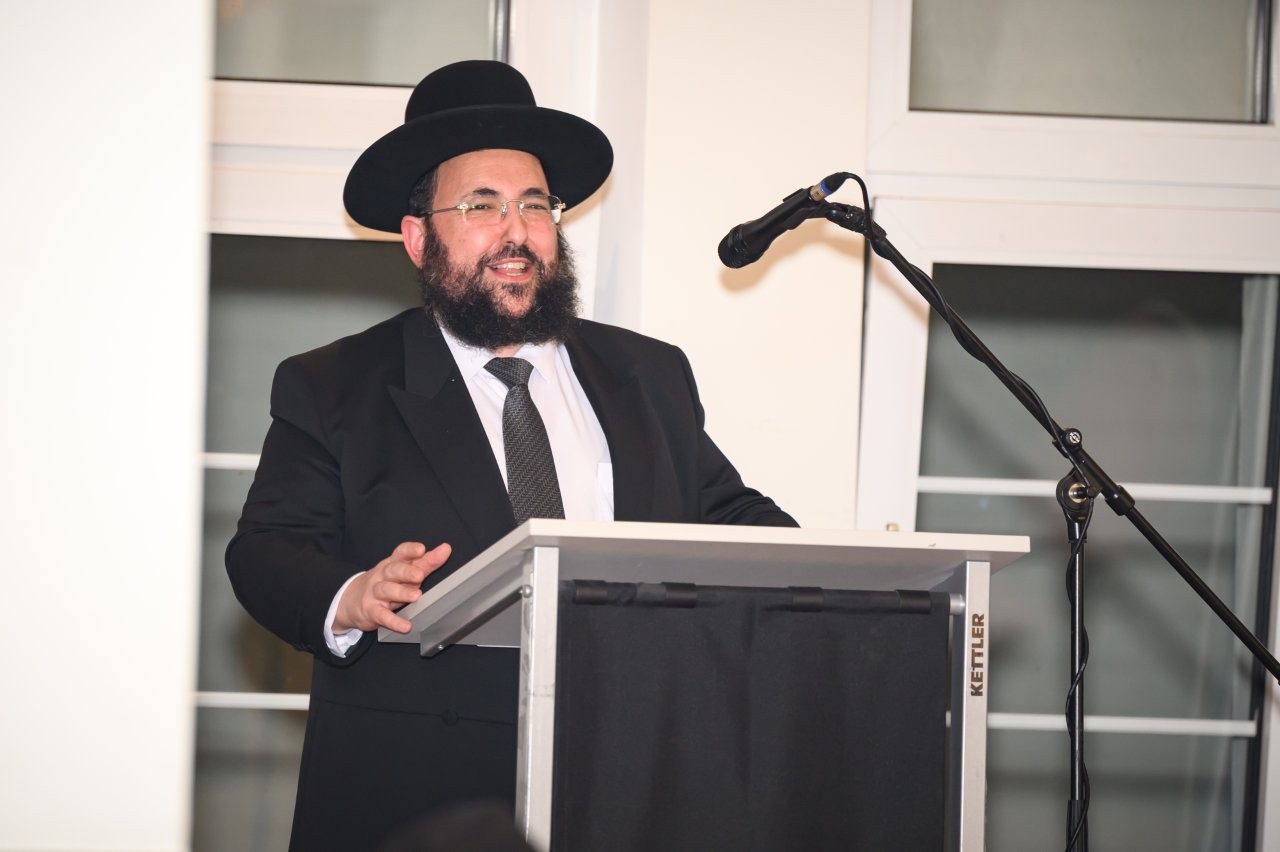
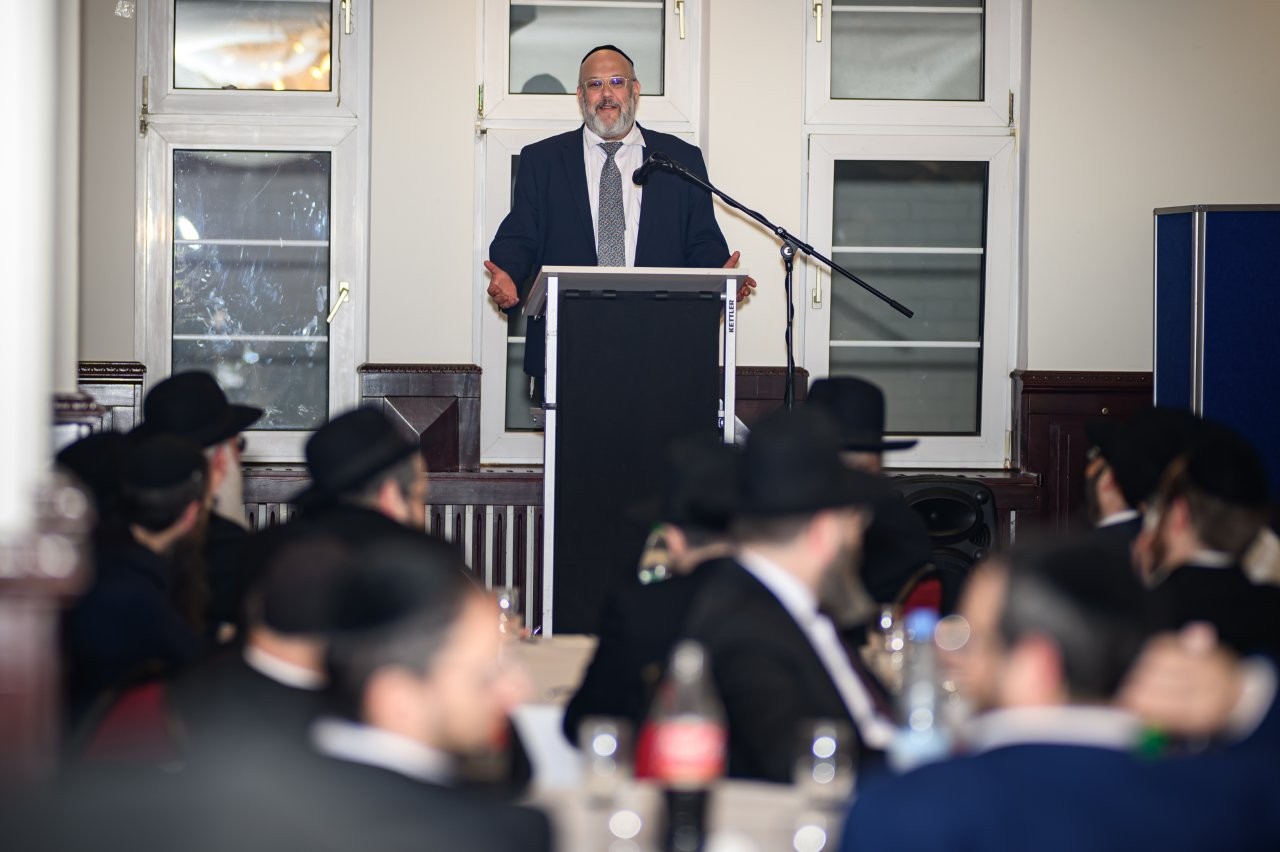
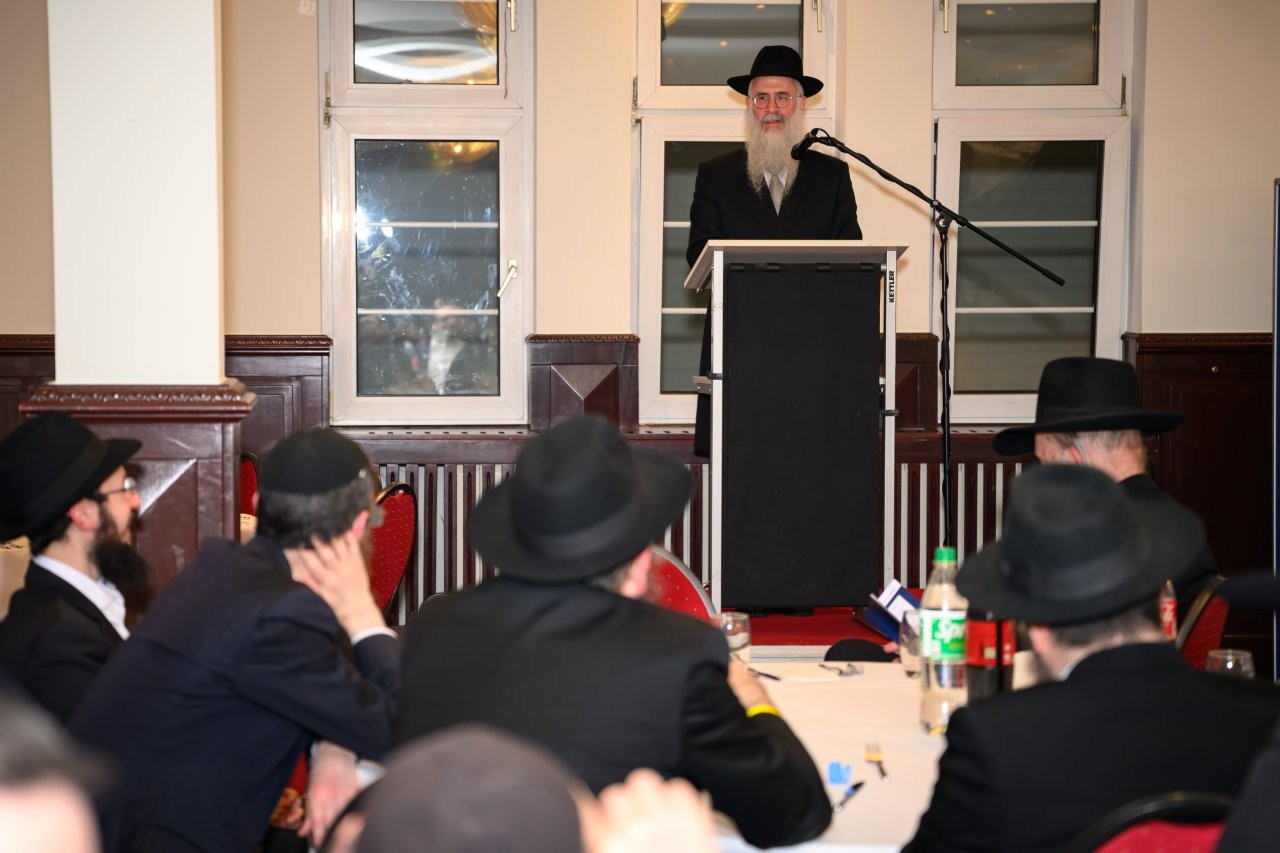
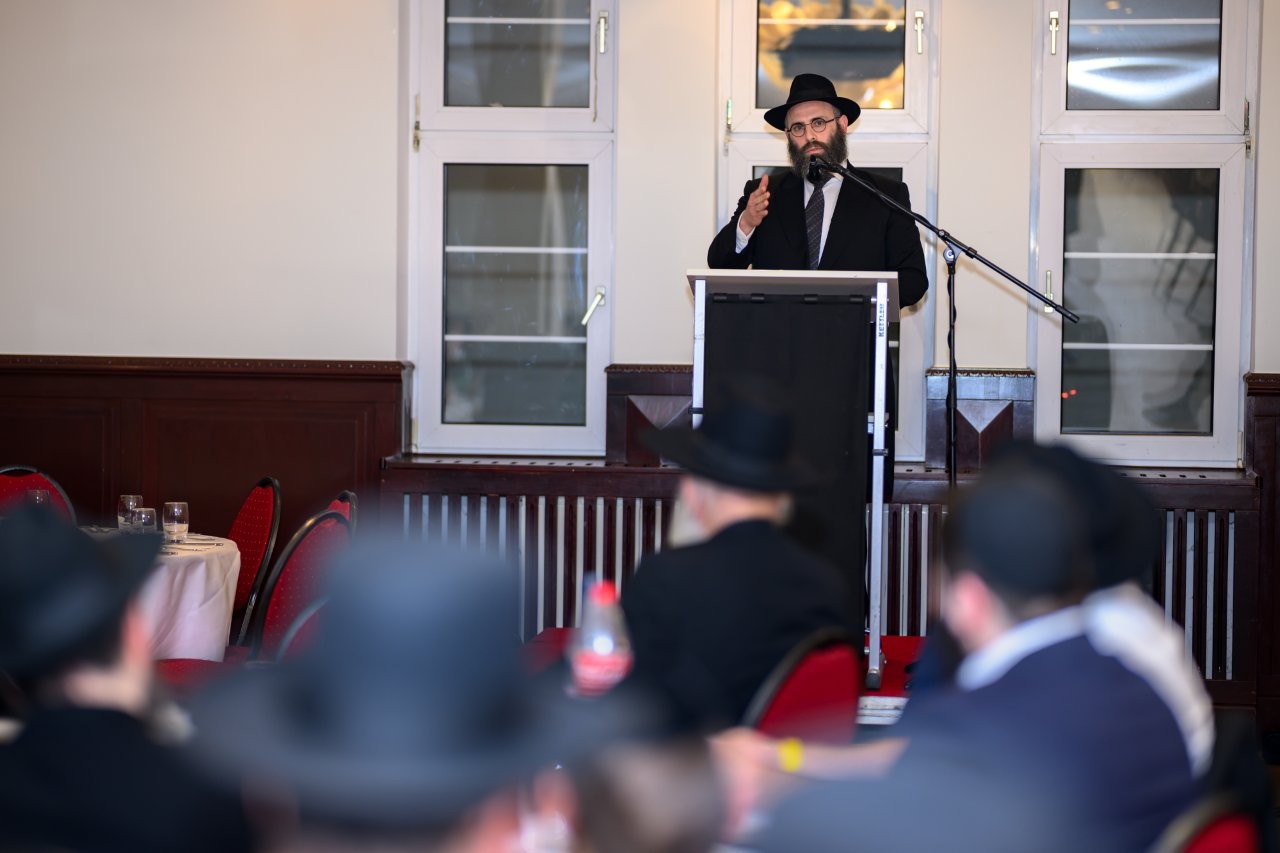
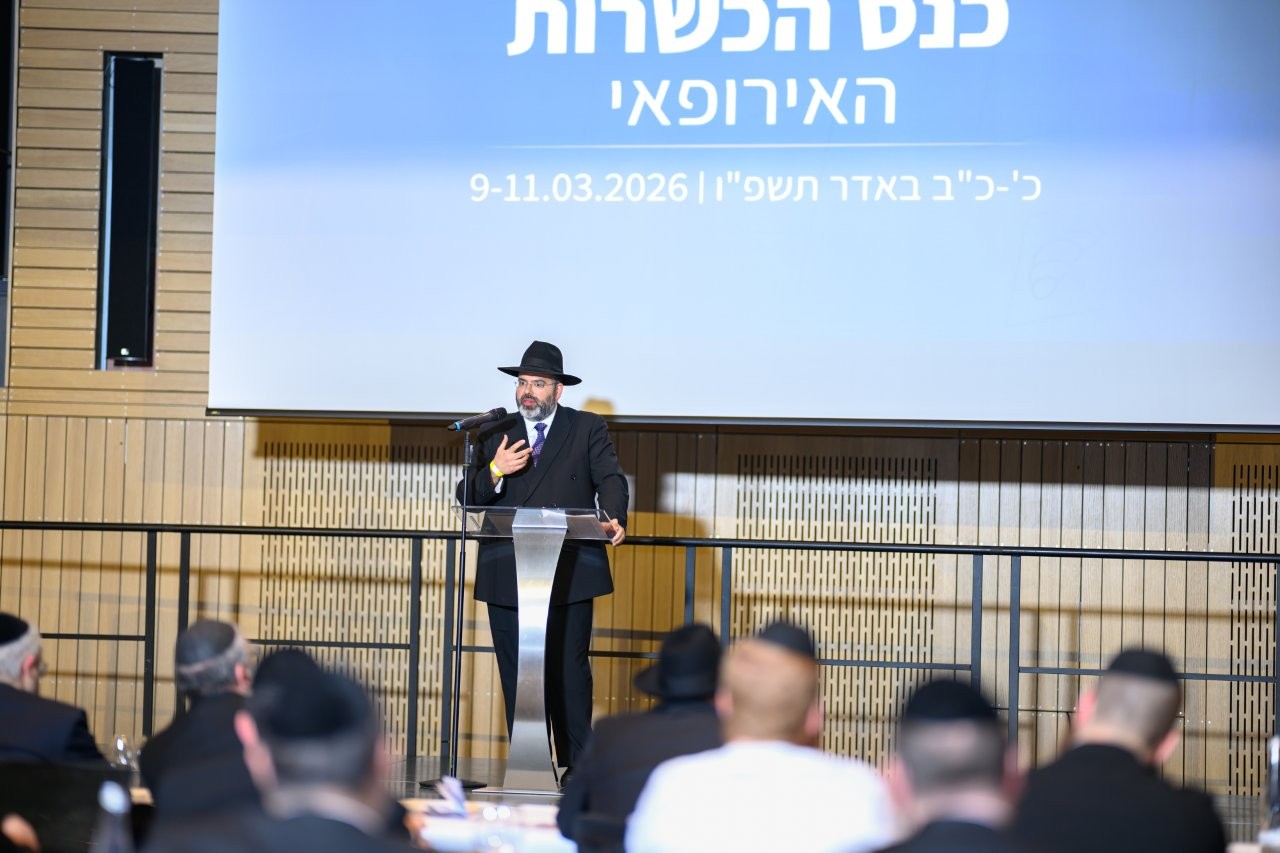
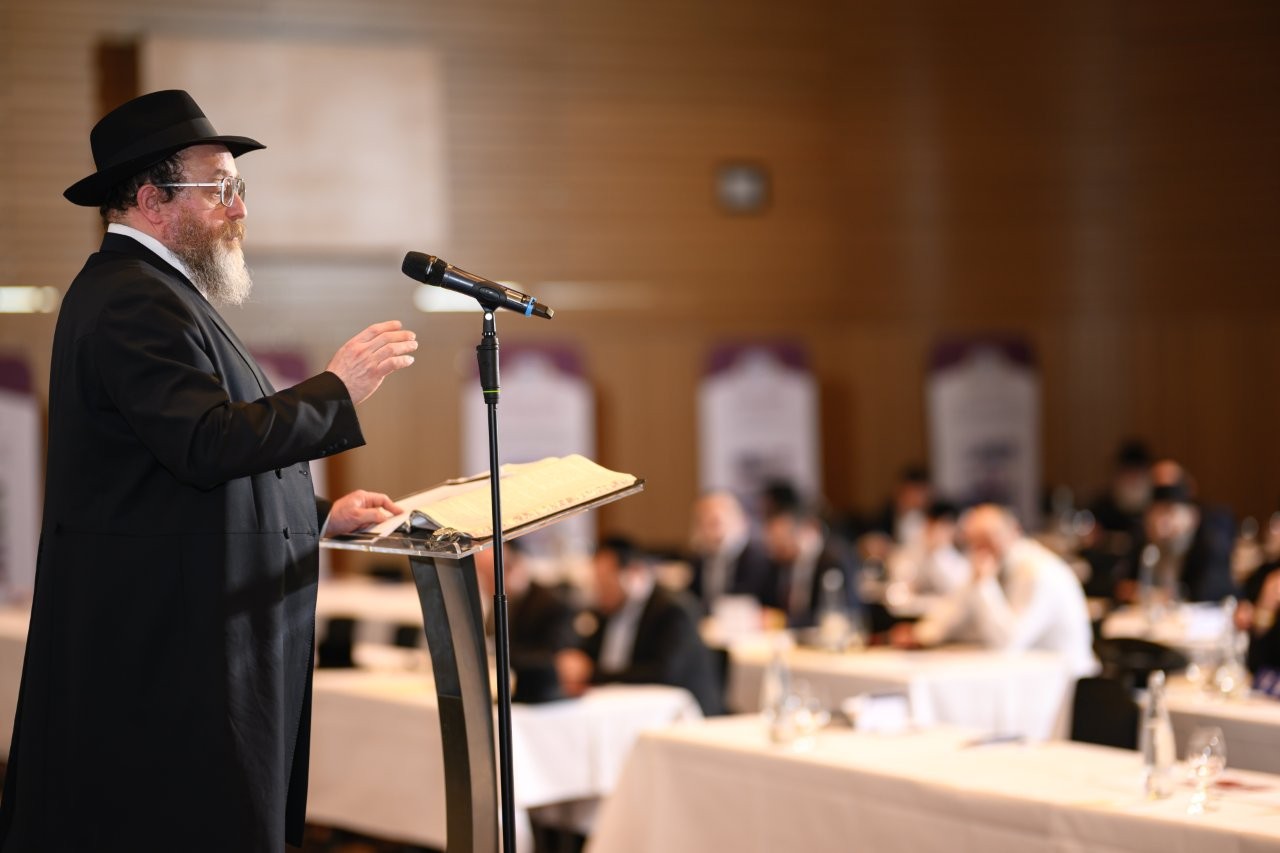
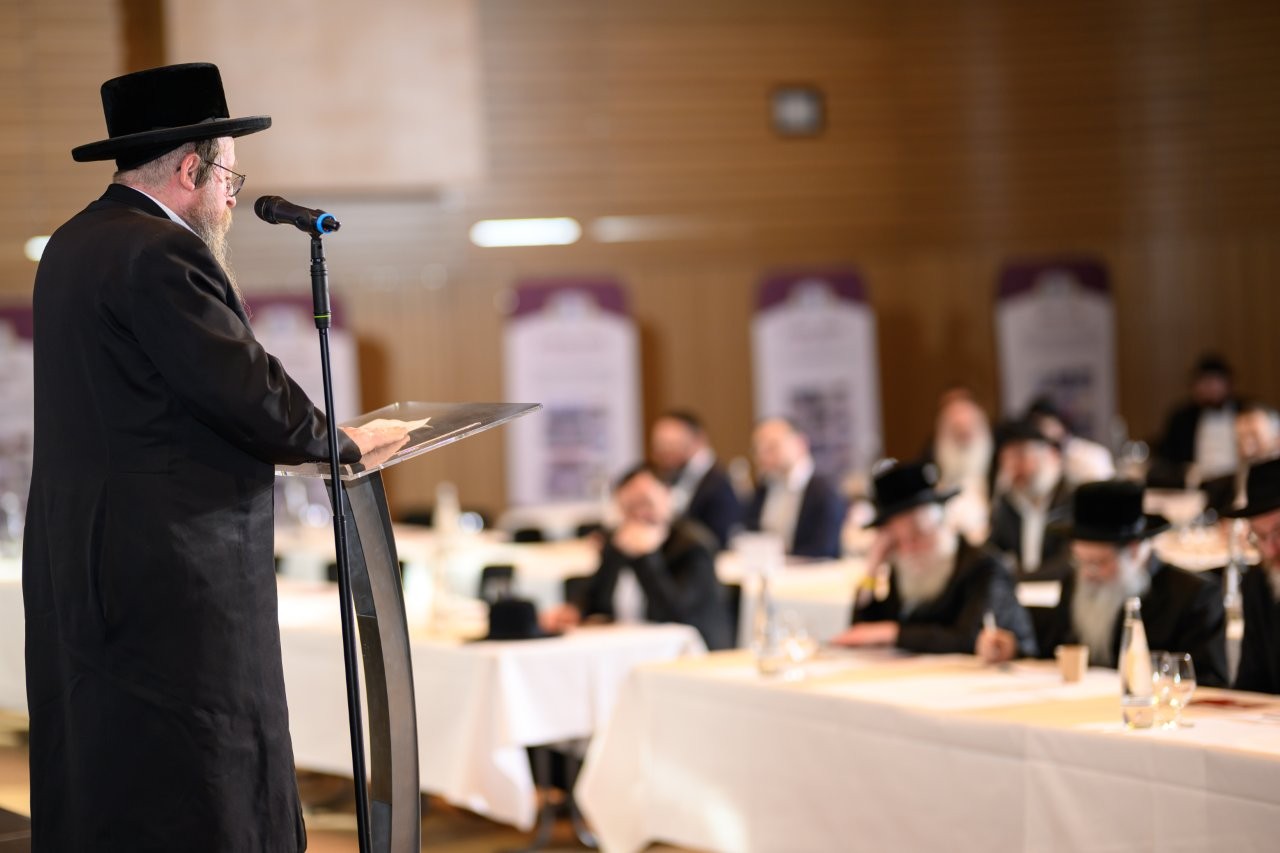
This year’s conference was held at the Jewish Campus in Berlin under the leadership of the city’s rabbi and Chabad emissary, Rabbi Yehuda Teichtal. Spanning three days, the gathering featured a series of professional sessions and halachic discussions addressing contemporary issues in the field of kashrut.
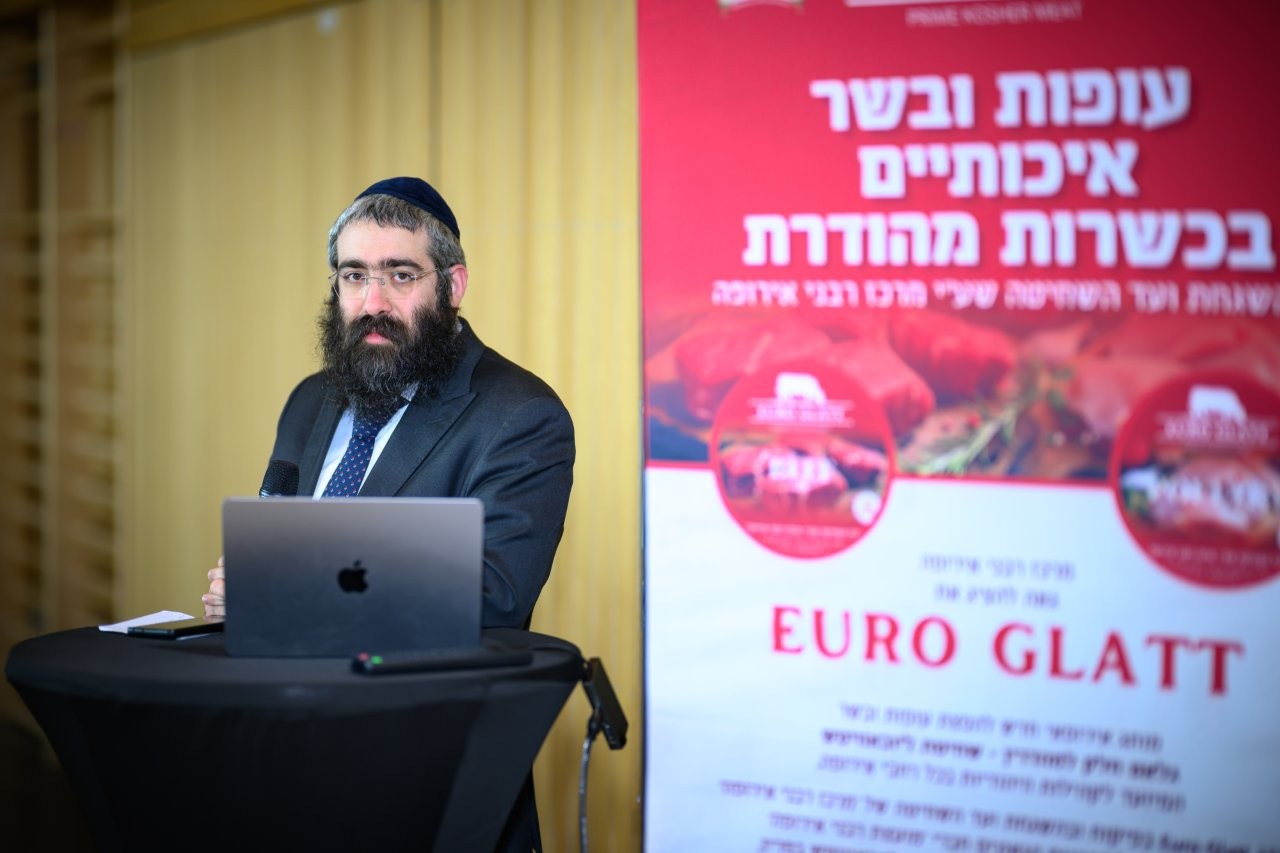
Among the topics discussed were practical challenges in modern kashrut supervision, including the inspection of Treifot in poultry and cattle, the use of specialized food ingredients for Pesach, the koshering of industrial kitchens in hotels and restaurants, as well as emerging halachic questions such as the use of electronic cigarettes during Pesach and the preparation of ovens and refrigerators for Shabbat.
Now in its sixth year, the conference is organized by the RCE, the central body representing rabbinic leadership across the continent. The organization works to strengthen Jewish communities and support local rabbis—particularly in smaller and more remote communities—in addressing both halachic and communal challenges.
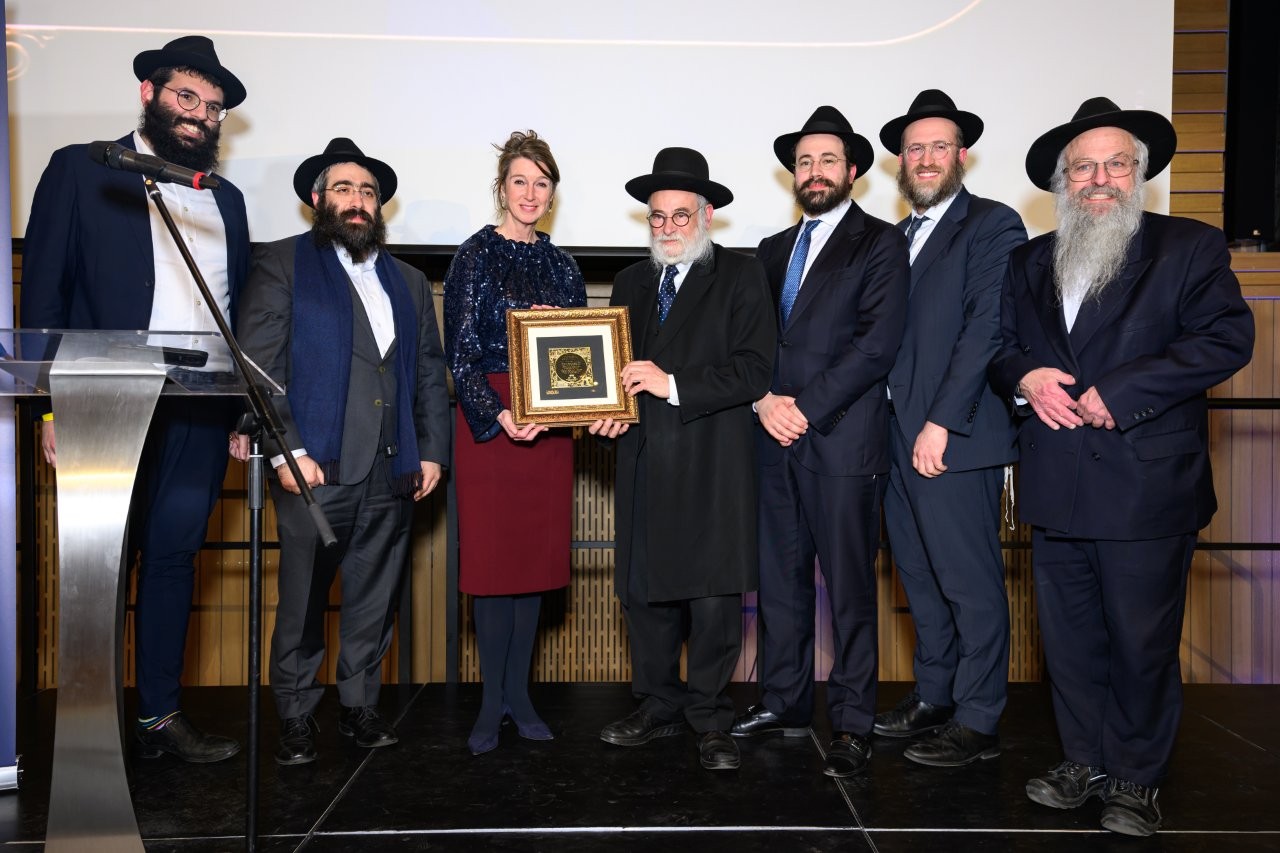
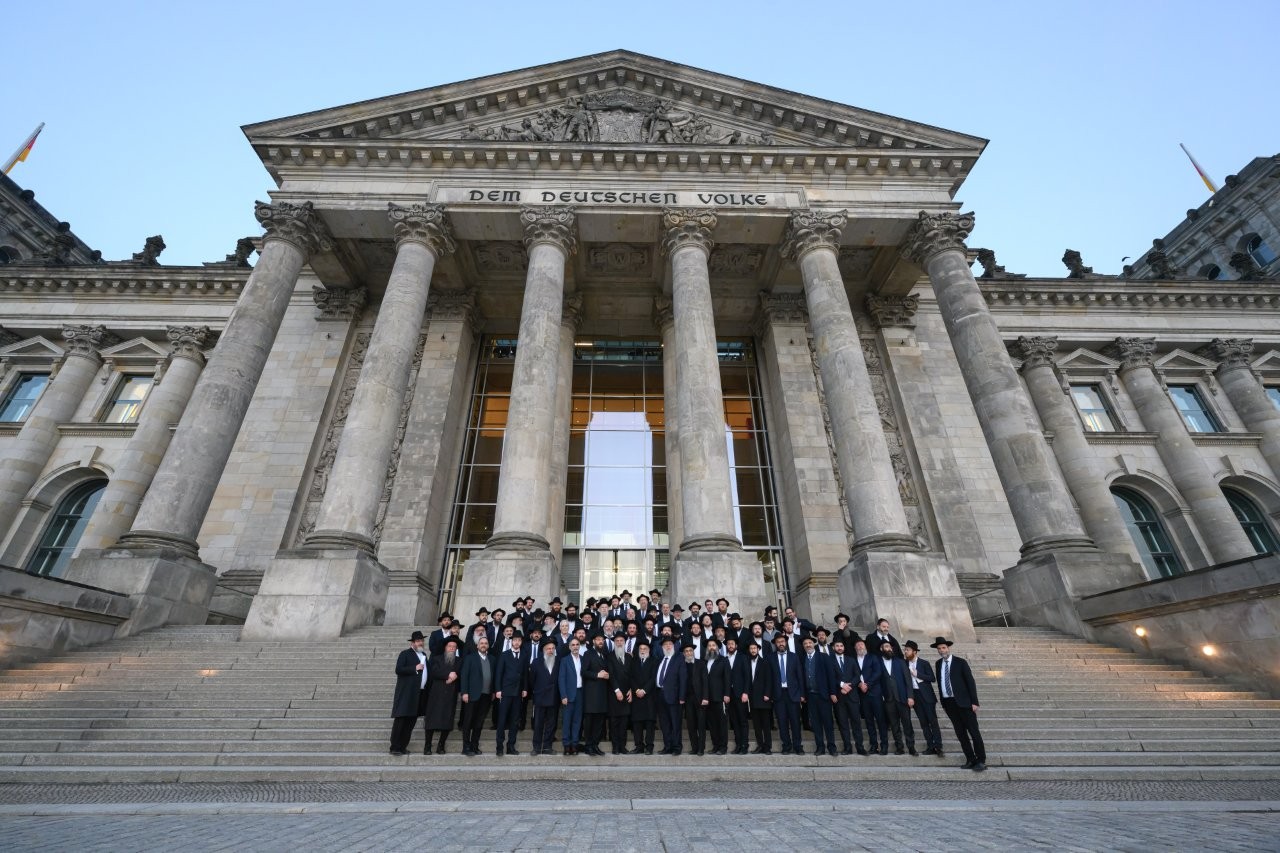
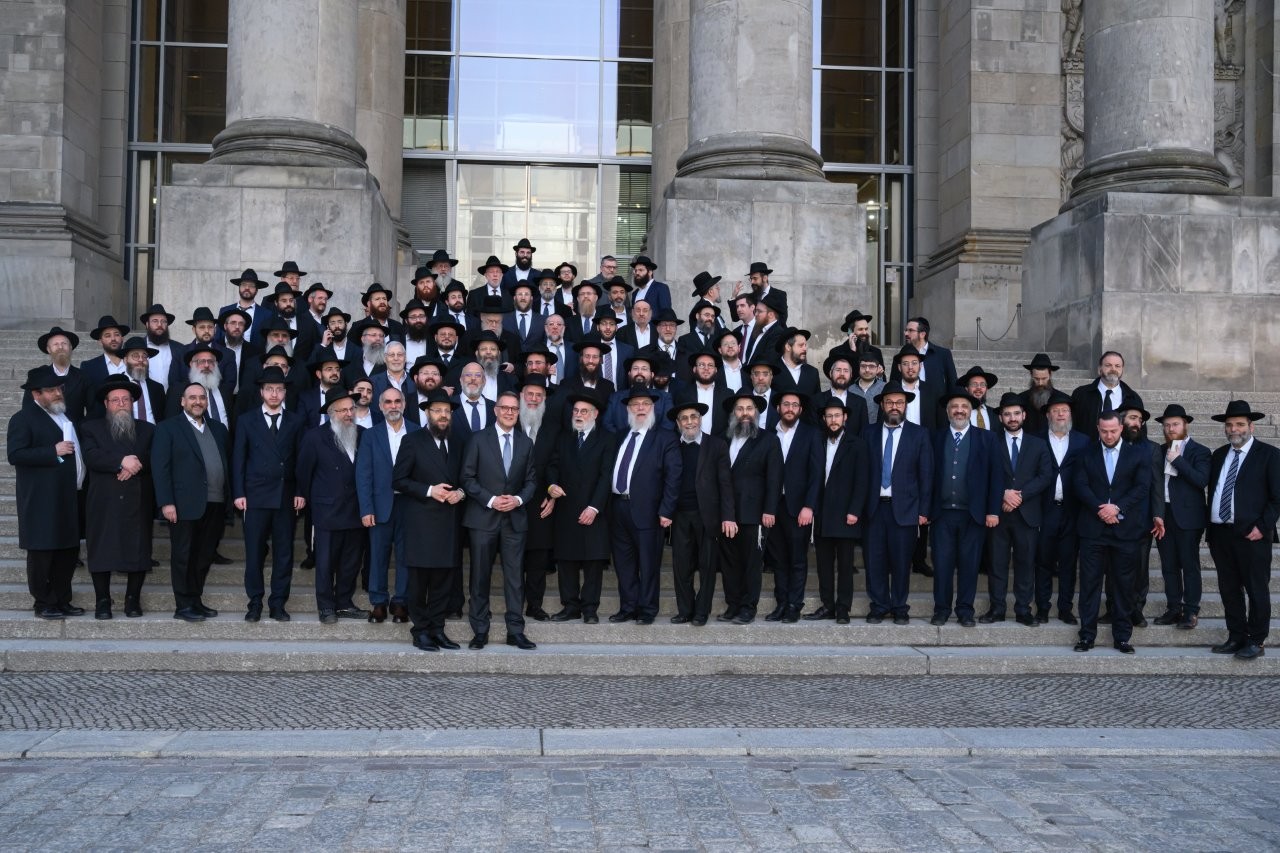
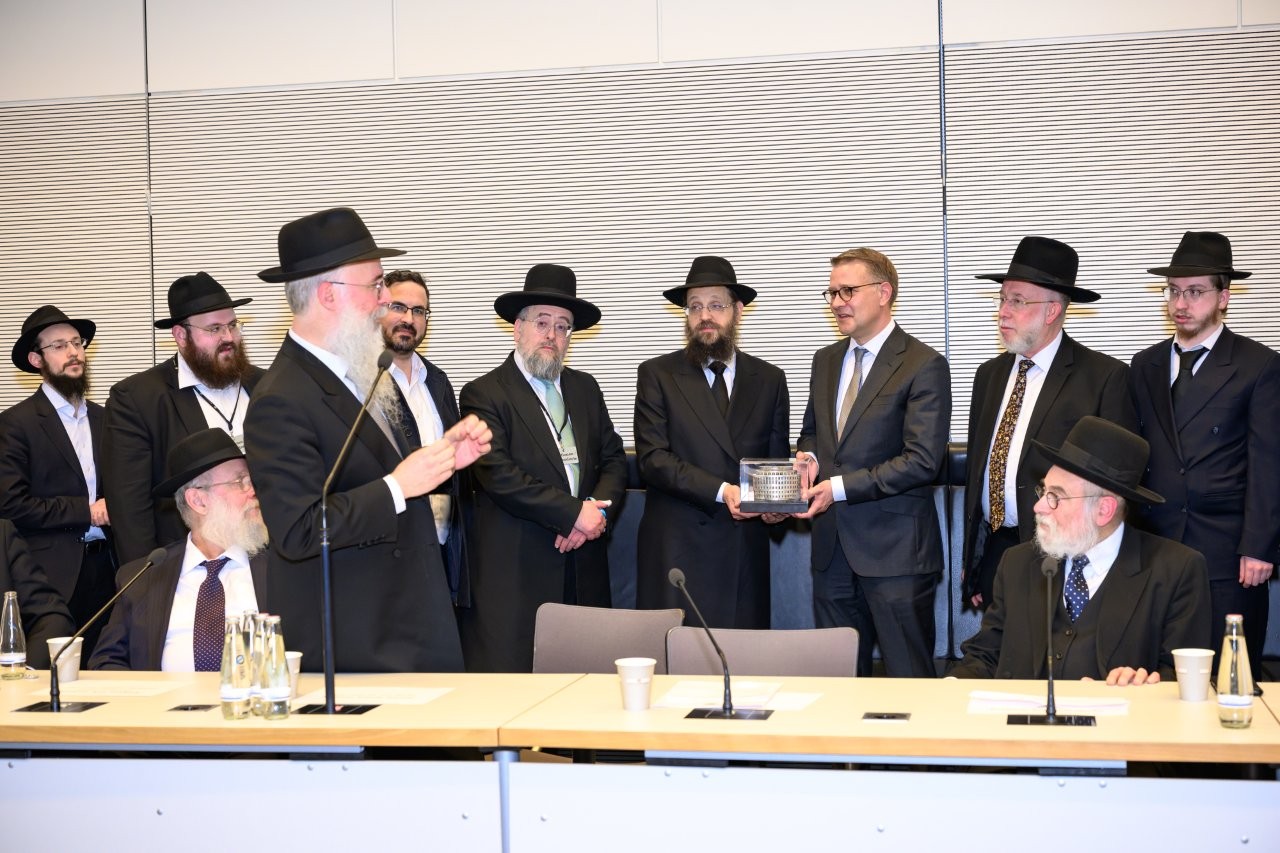
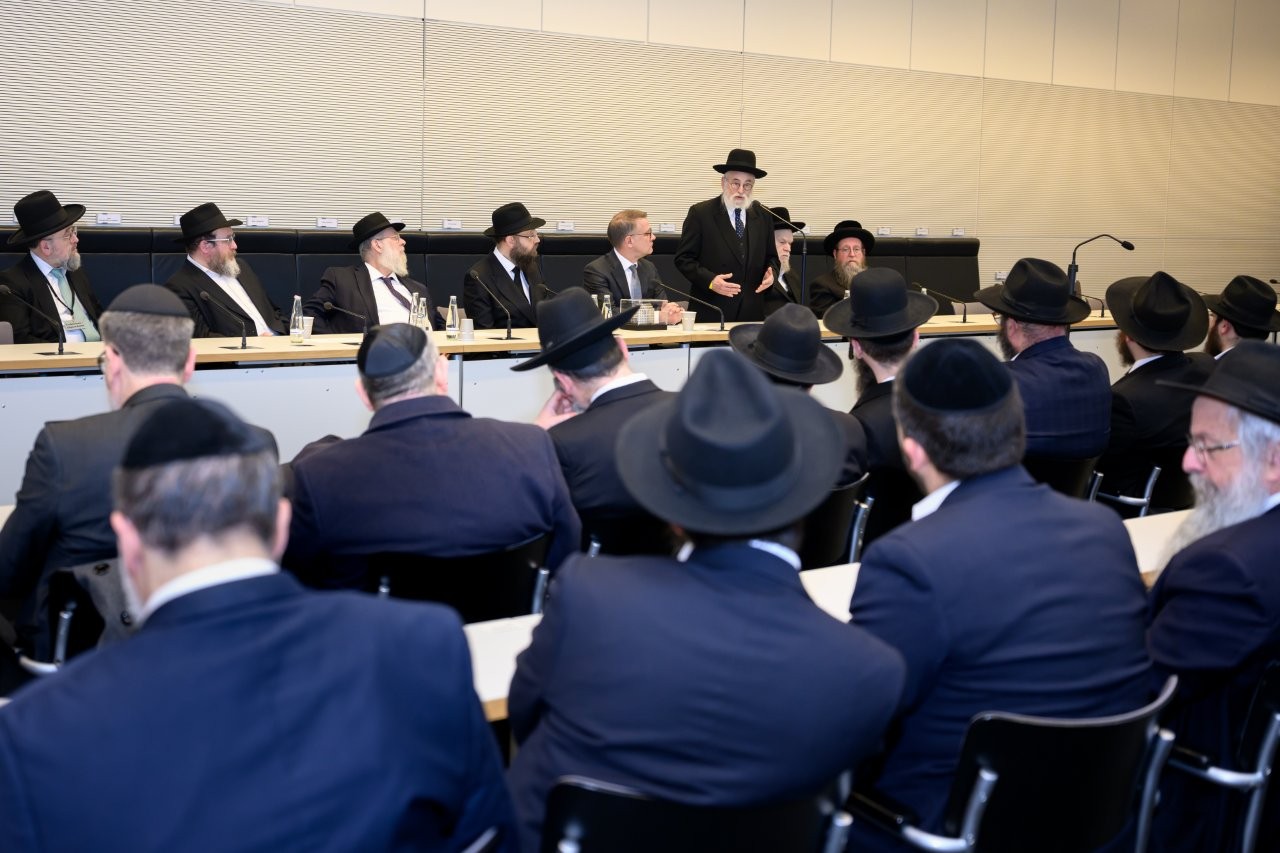
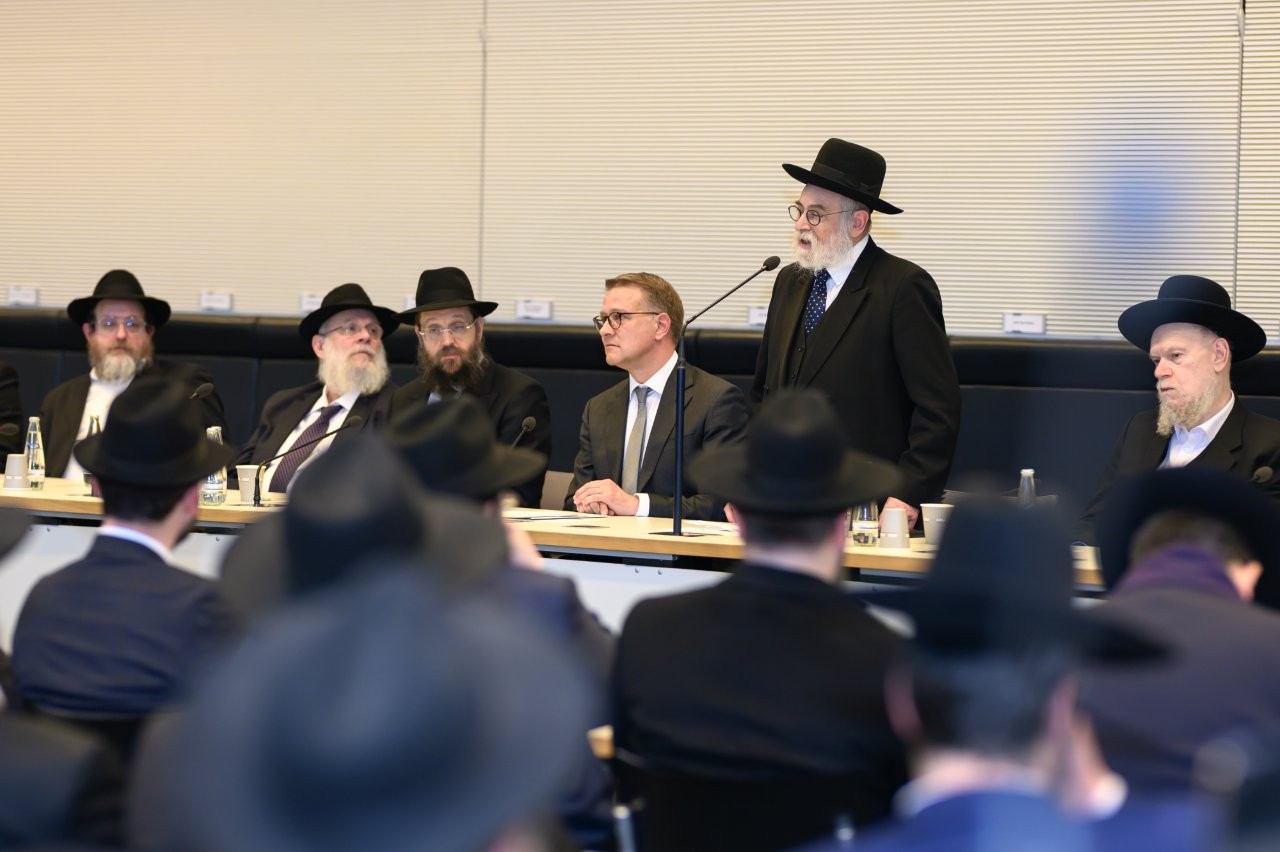
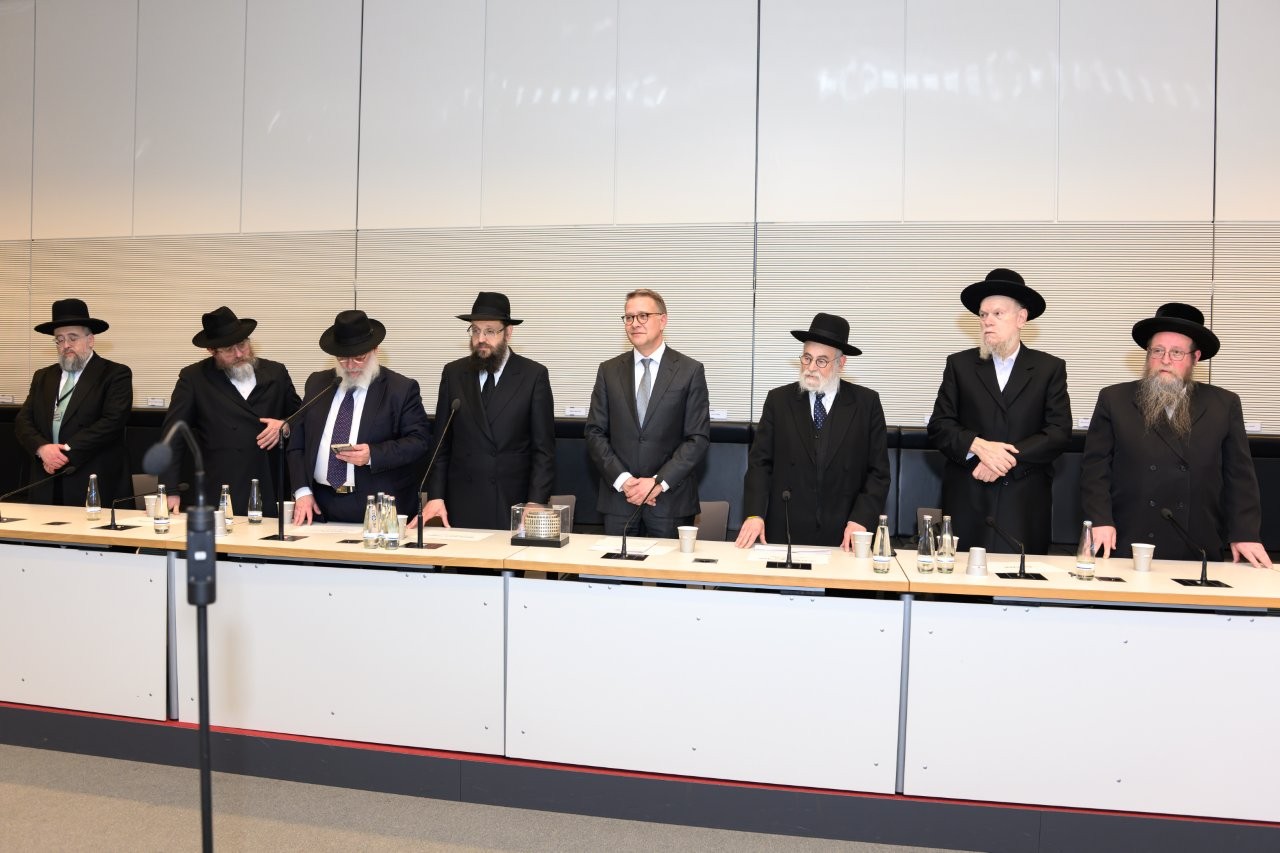
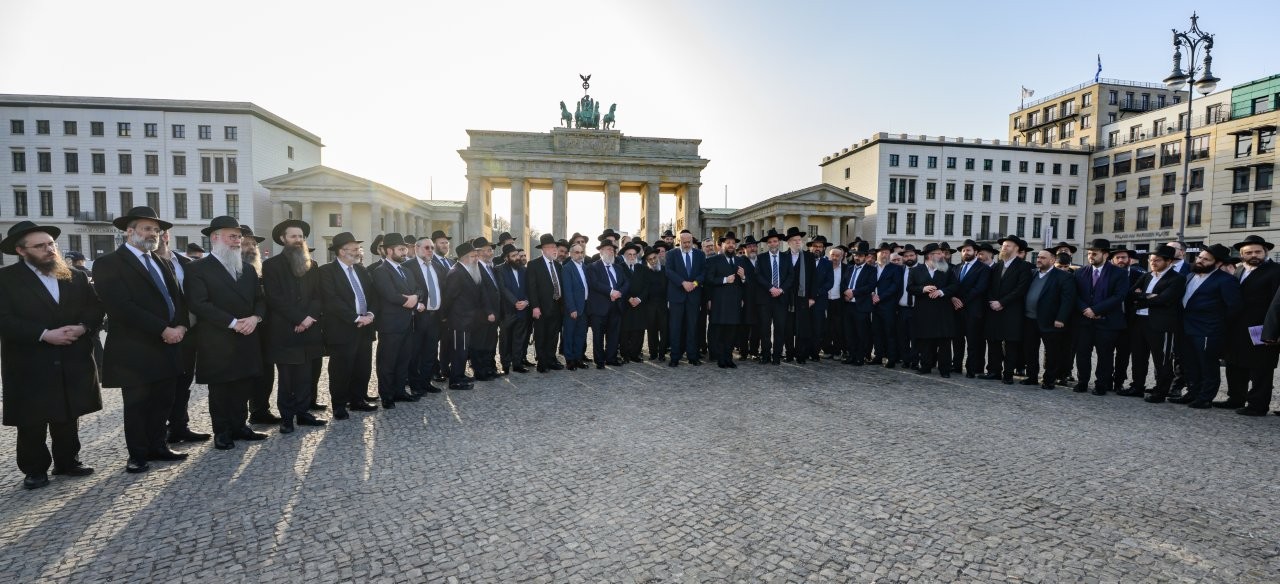
As part of the conference program, the rabbinic delegation visited the German Parliament (Bundestag) in a powerful expression of solidarity and support for Jewish communities amid the ongoing war and the rise in antisemitic incidents across Europe. Following the visit, the rabbis gathered at the Brandenburg Gate—one of Berlin’s most iconic landmarks—where they stood together and sang “Ani Ma’amin” with deep emotion, affirming the enduring faith that has sustained the Jewish people through even the darkest periods of history.
Participants in the visit included members of the Rabbinical Council of European Rabbis, approximately 150 community rabbis from across the continent, Chairman of the RCE Rabbi Menachem Margolin, CEO Rabbi Arie Goldberg, Vice President Rabbi Yosef Bainhaker, and Secretary of the Rabbinical Council Rabbi Avraham Aba Torezki.
German Chancellor Friedrich Merz delivered an unusually strong statement of support, emphasizing at a political gathering that his government stands firmly with Israel and is committed to combating antisemitism. He affirmed Germany’s responsibility to ensure that Jews can live in the country safely and openly.
Addressing attempts by pro-Palestinian demonstrators to disrupt his speech, the Chancellor stated that if terrorist organizations were to lay down their arms, the conflict could be resolved swiftly.
His remarks were met with applause and resonated widely within the local Jewish community. Rabbi Yehuda Teichtal of Berlin subsequently sent a formal letter of appreciation to the Chancellor, writing: “At this critical moment, you have demonstrated what true friendship with Israel and the Jewish people means.” He further described the statement as “a beacon of truth amid a landscape of diplomatic falsehood.”
Rabbi Teichtal noted that the clear stance taken by Germany’s leadership has a significant impact on the sense of security among Jewish communities and strengthens efforts to confront antisemitism. He also highlighted the growing relationship between the Chancellor and Berlin’s Jewish community, noting that the Chancellor has hosted community representatives on multiple occasions and consistently underscores Germany’s historic responsibility toward the Jewish people.
The European Kashrut Conference continues to serve as a vital platform for strengthening cooperation among rabbis across the continent, deepening halachic discourse, and formulating unified responses to the increasing challenges facing European Jewry today.