At Moscow Chevra Kadisha Gathering, Chief Rabbi of Russia Calls for Nationwide Campaign Against Cremation
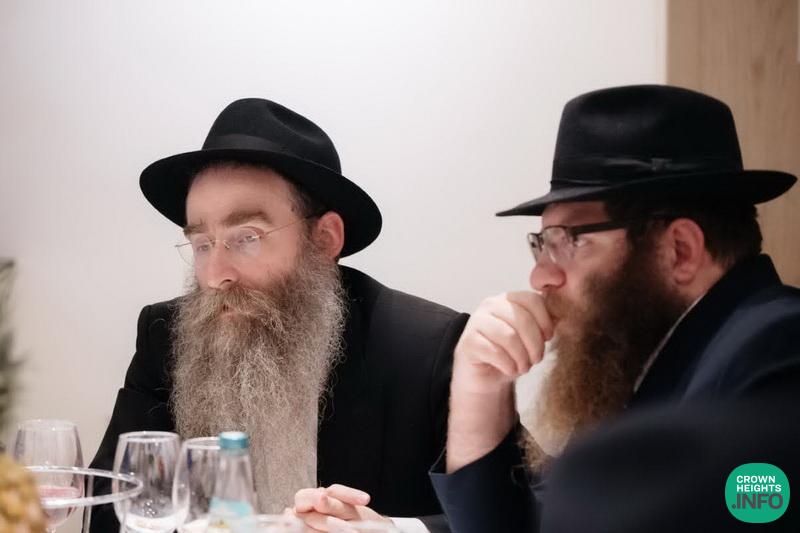
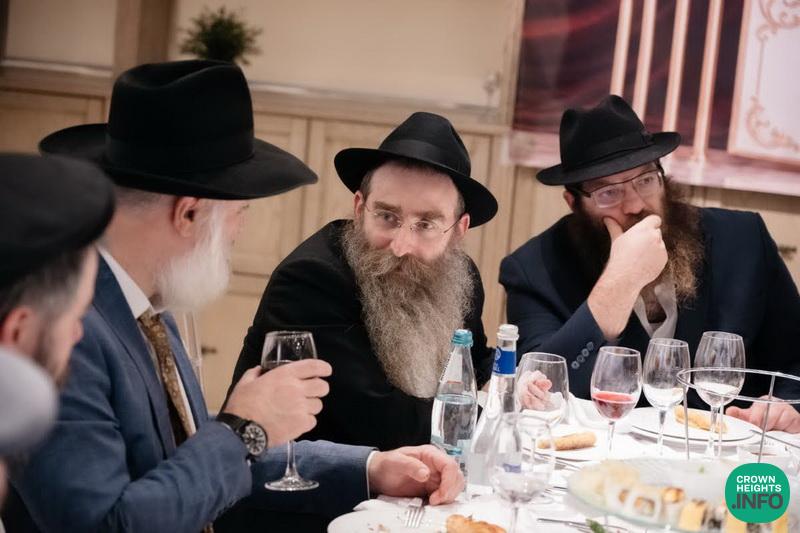
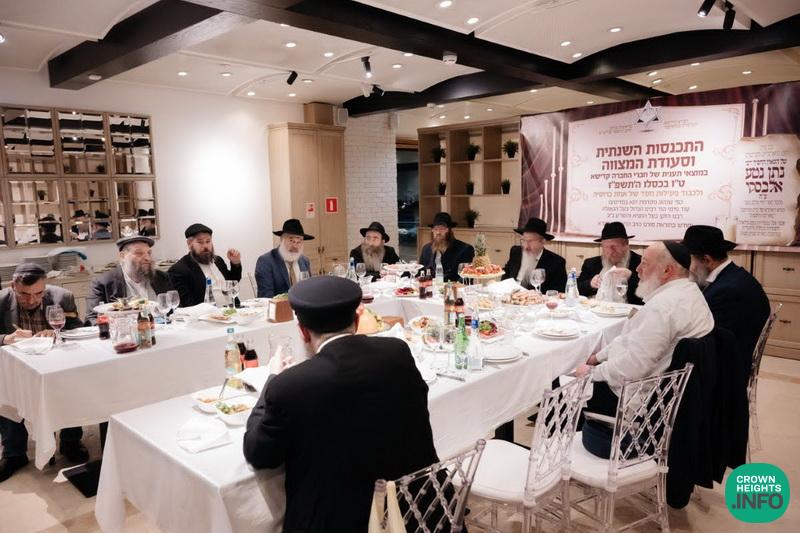
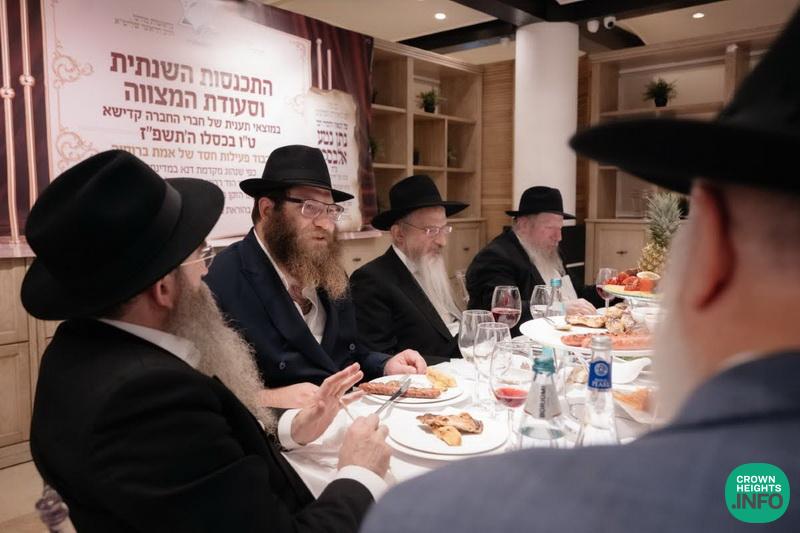
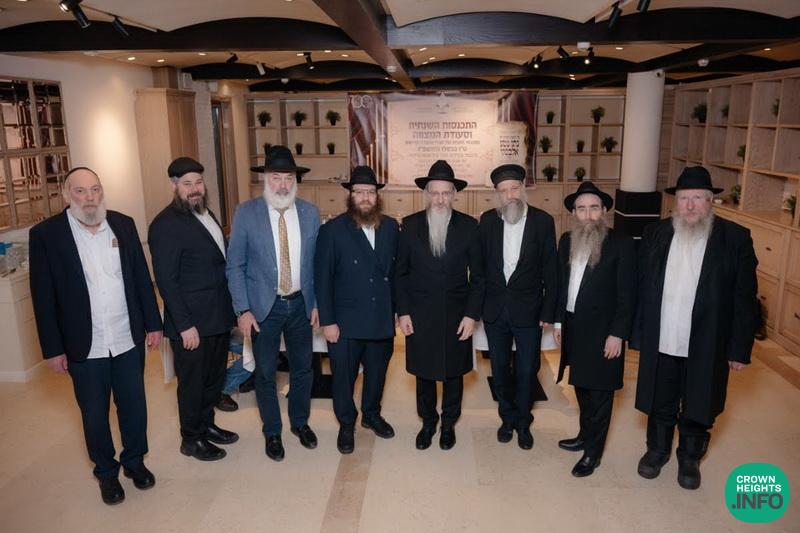
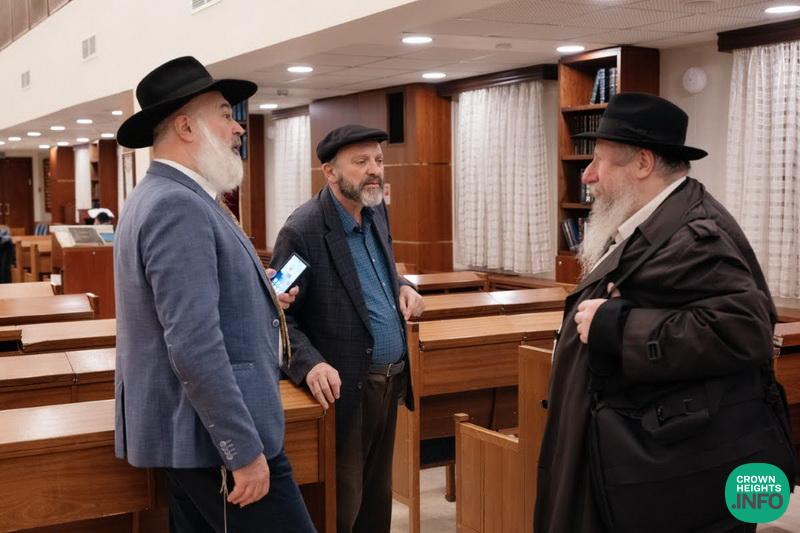
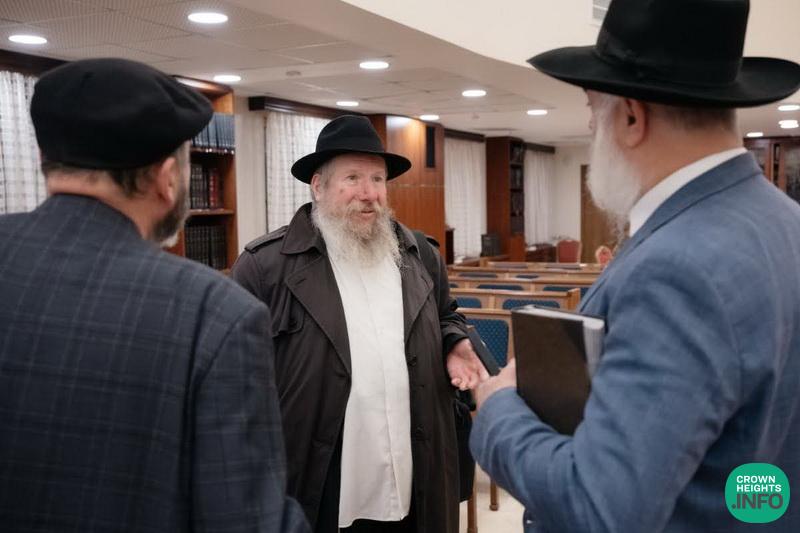
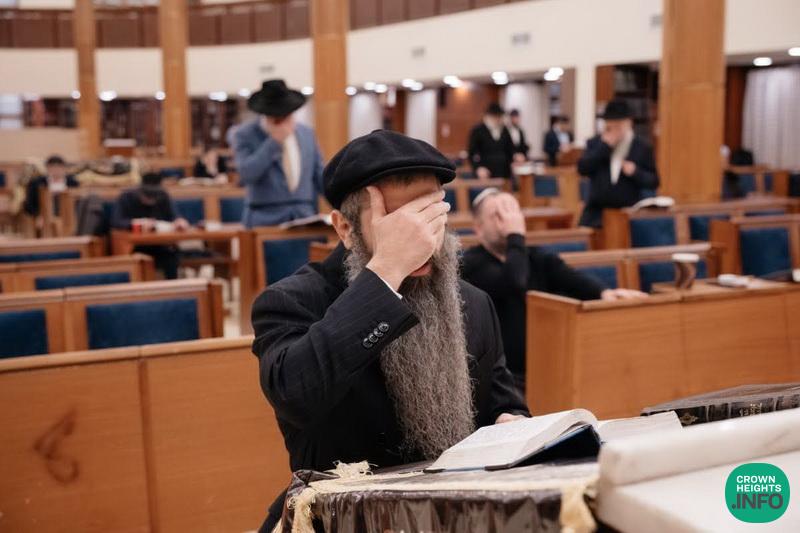
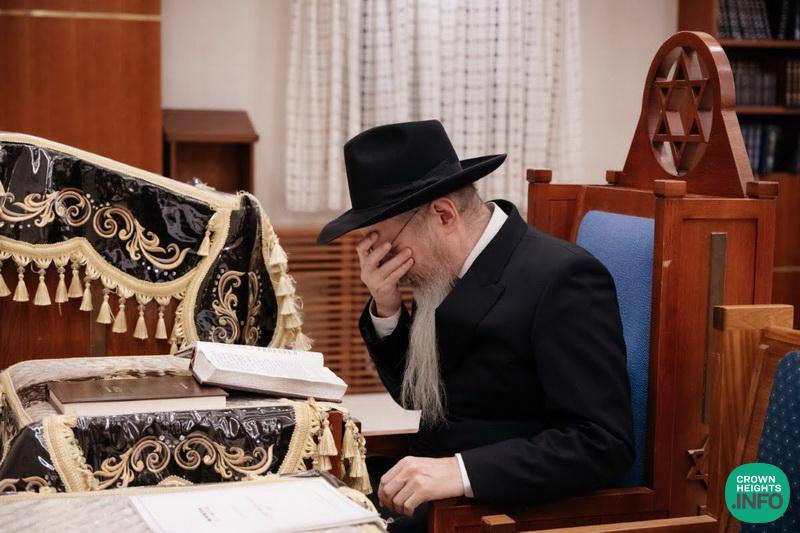
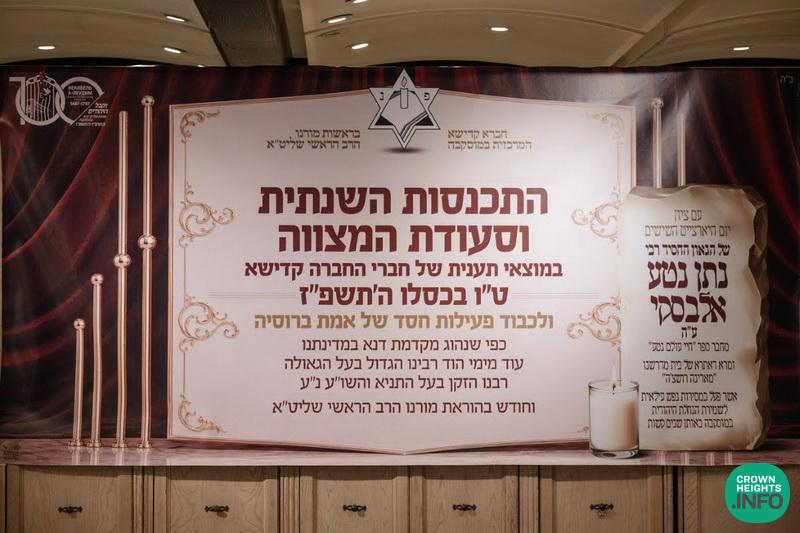
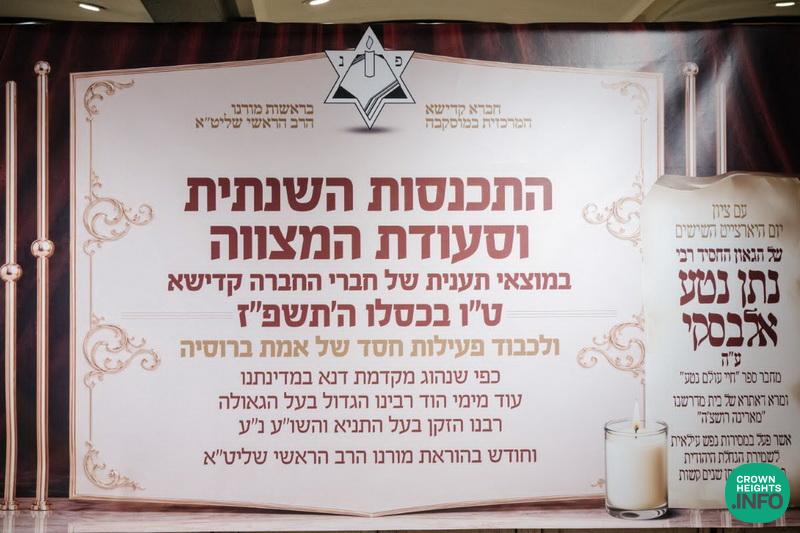
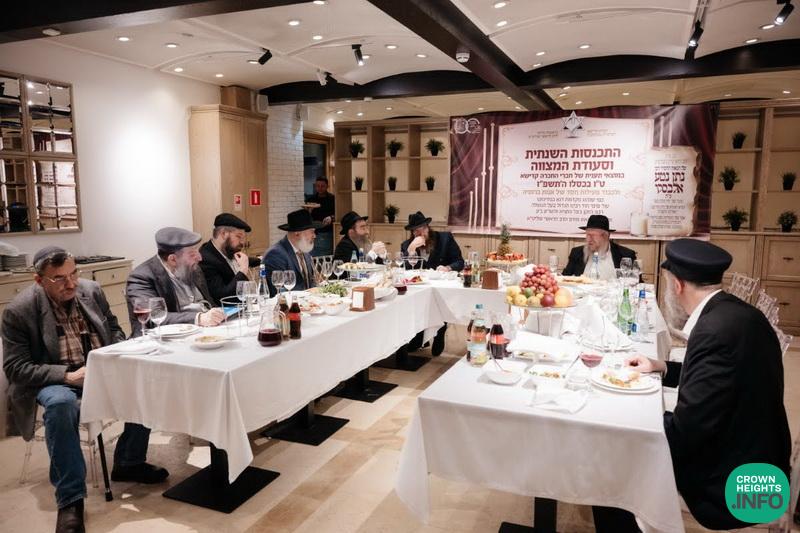
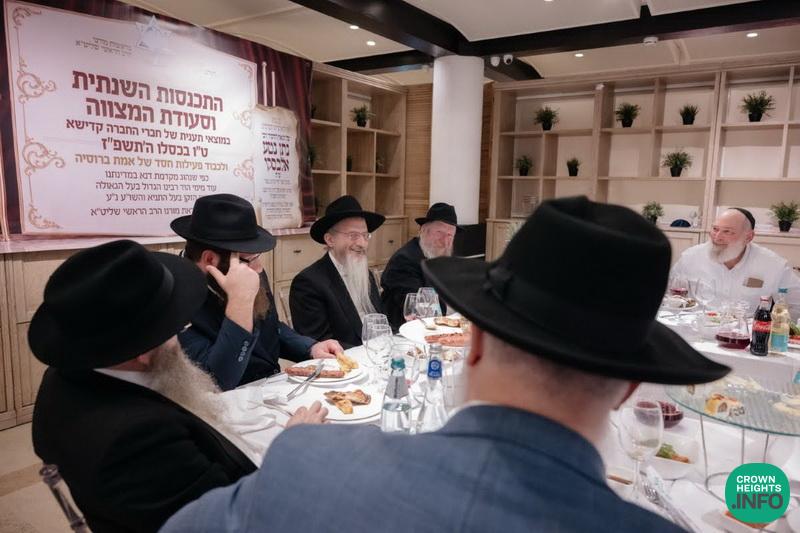
A strong call to uphold the dignity of the deceased in accordance with Torah law was sounded Wednesday, 15 Kislev, at the annual gathering of the Central Chevra Kadisha of Moscow.
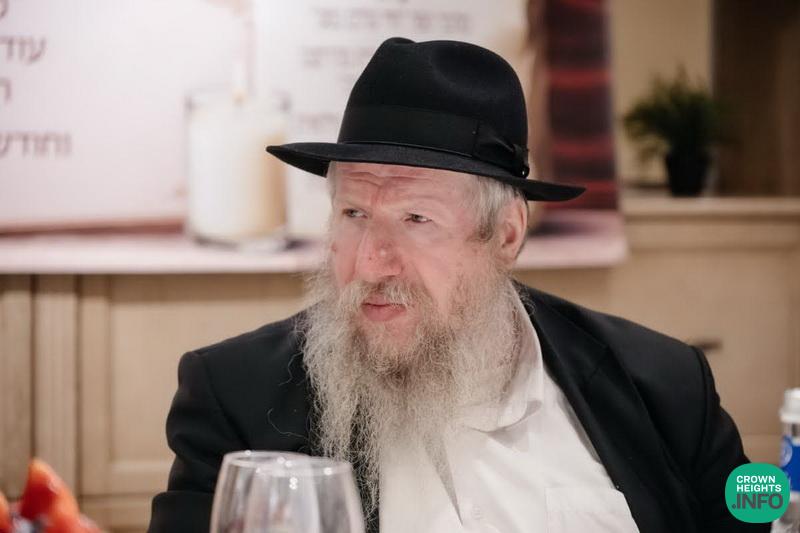
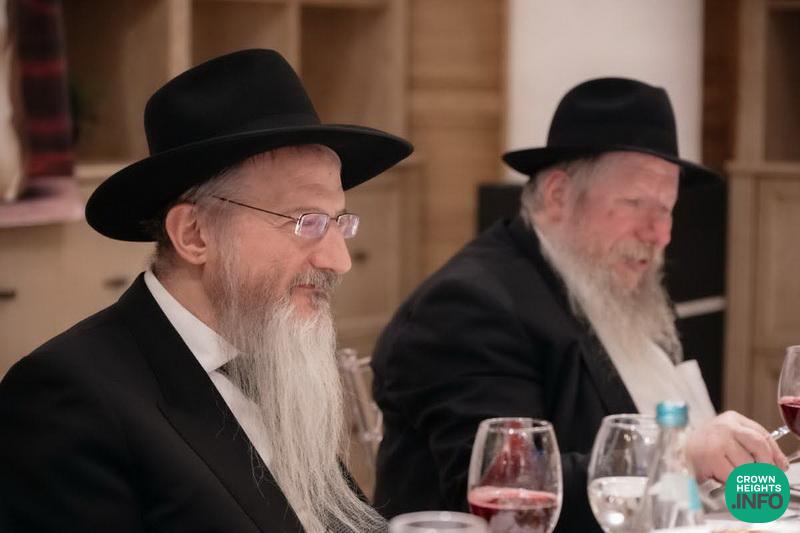
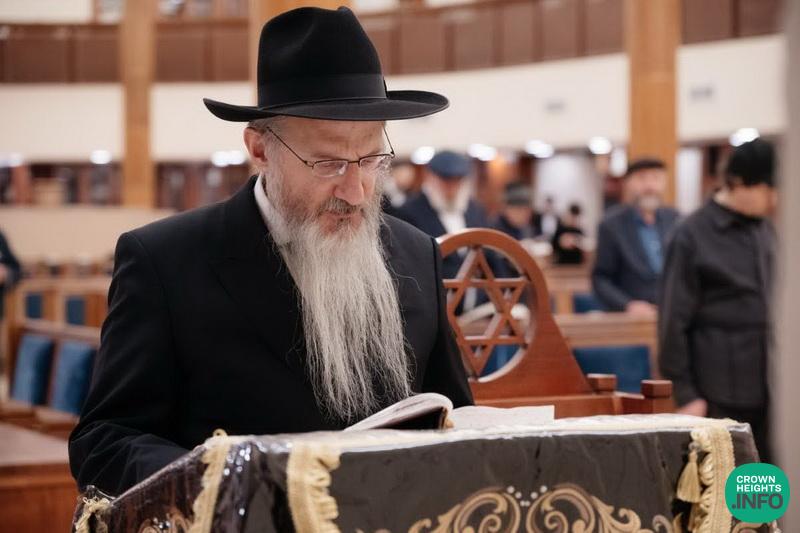
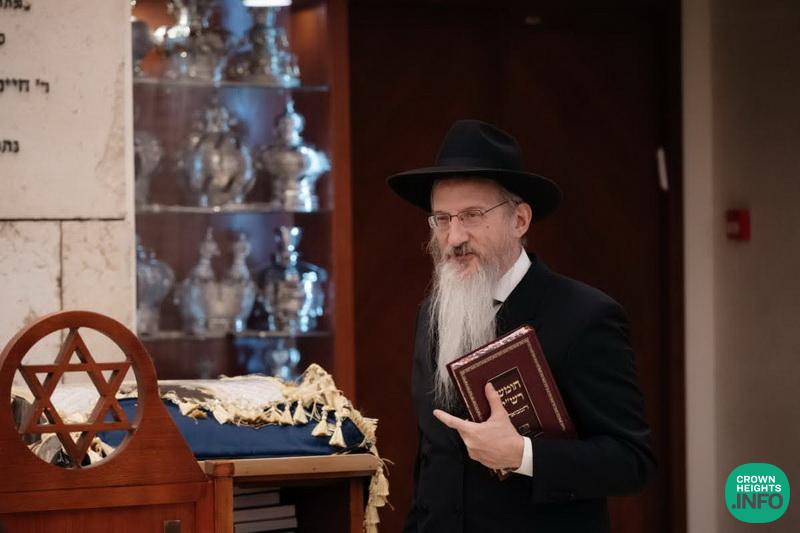
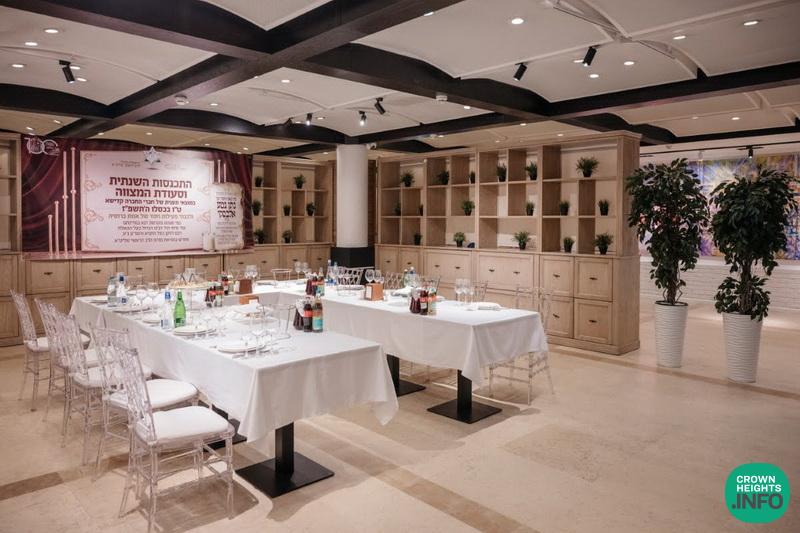
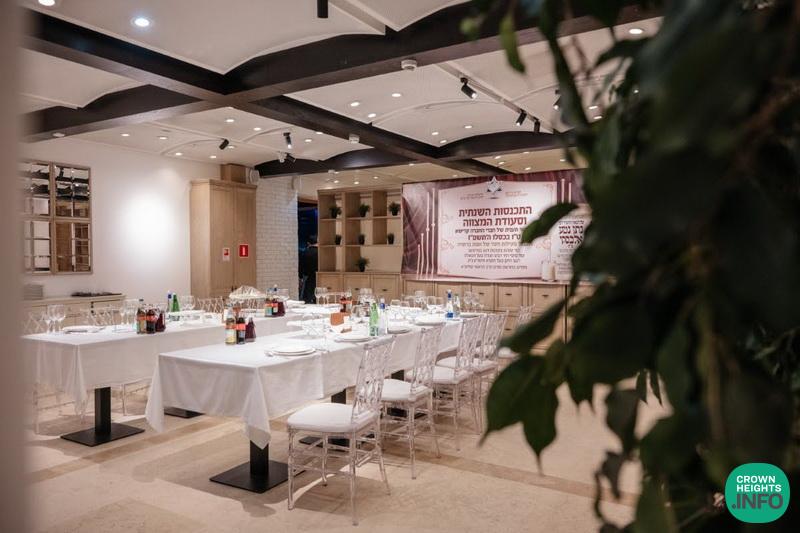
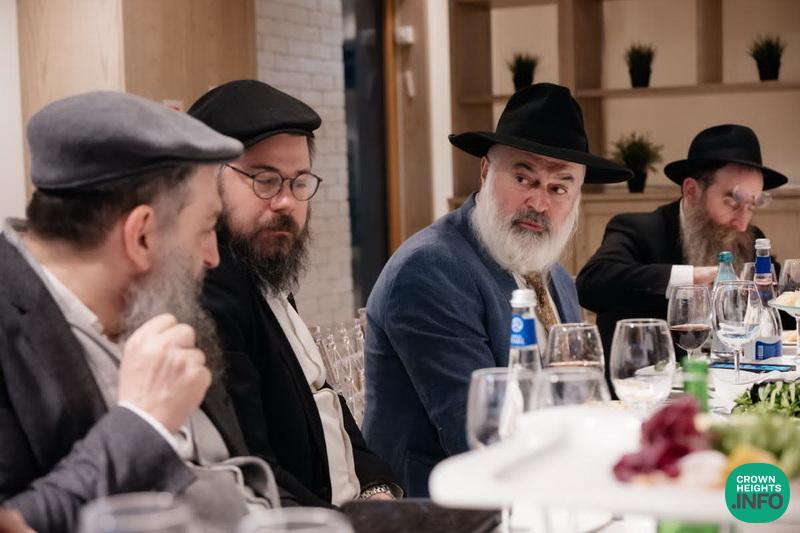
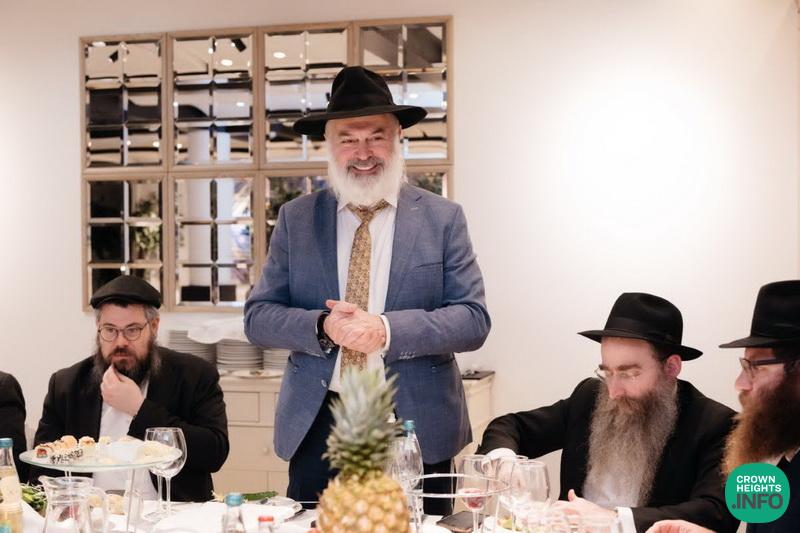
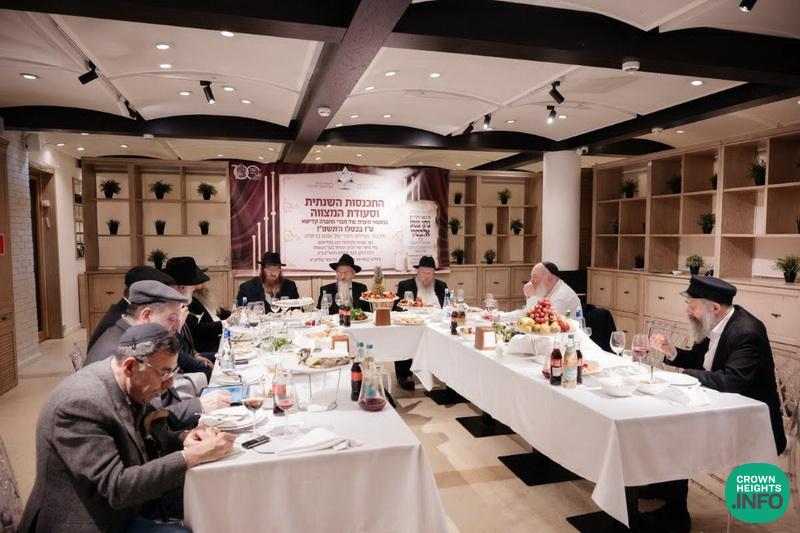
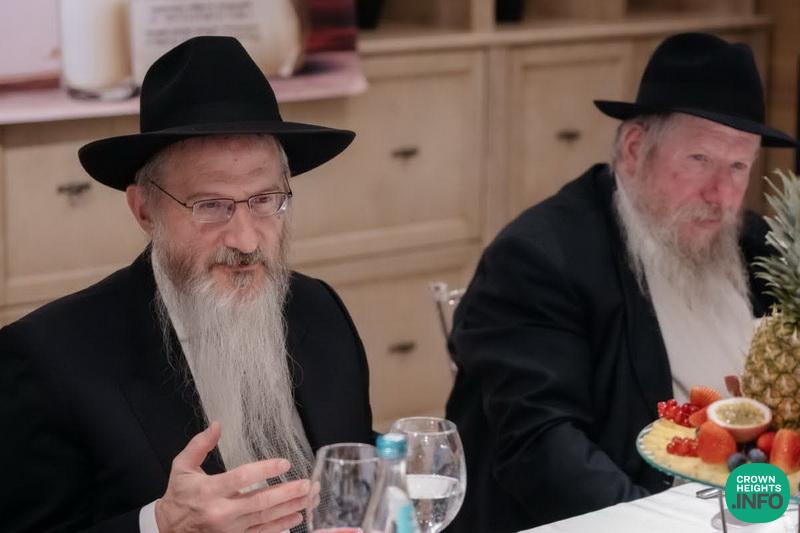
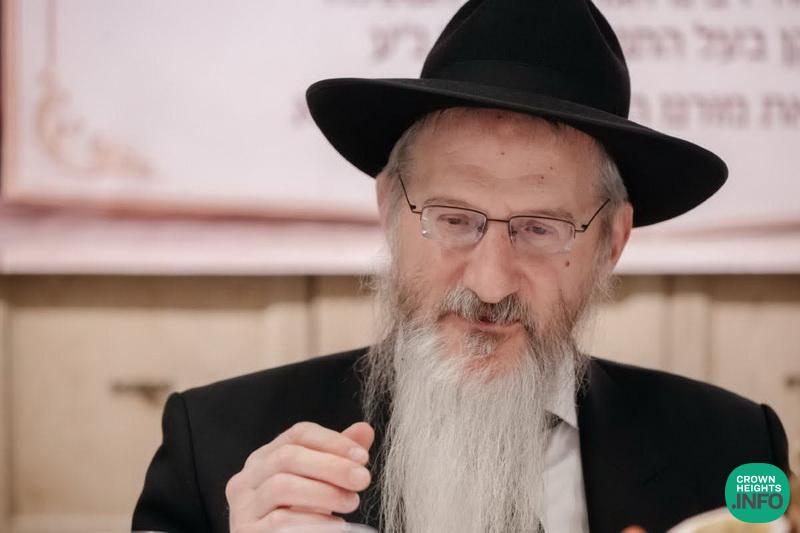
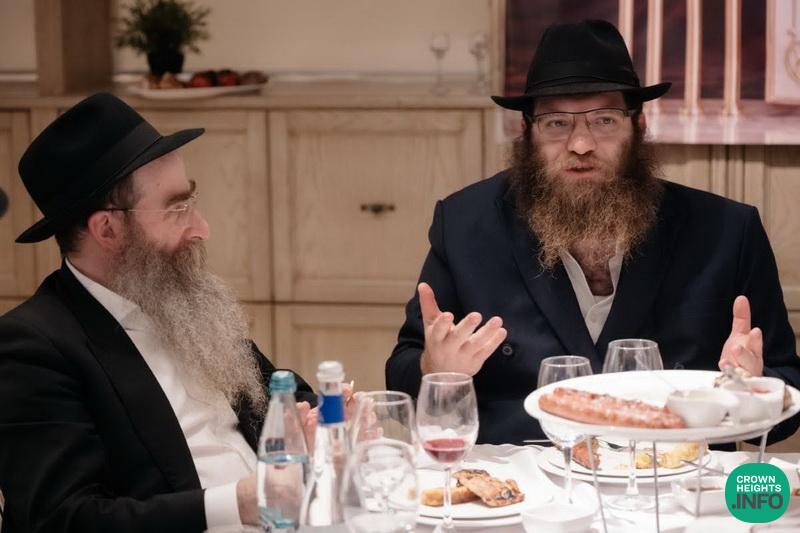
Addressing the gathering, held in the banquet hall of the Marina Roscha Jewish Community Center following the traditional fast day, Chief Rabbi of Russia Rabbi Berel Lazar called for a nationwide publicity and educational campaign to reach Jews throughout the country. He stressed that cremation is strictly forbidden under Jewish law, which mandates burial in the earth, as the Torah states: “For dust you are, and to dust you shall return.”
Rabbi Lazar explained that choosing cremation after death represents a rejection of the Jewish belief in the Resurrection of the Dead and a disregard for the dignity and sanctity of the deceased.
In his keynote address, the Chief Rabbi emphasized the importance of raising public awareness about the holiness of the Jewish body. He explained that the body is entrusted to each person by Hashem as a sacred deposit, not as private property, and that its inherent holiness must be respected even after death.
Rabbi Lazar noted that the severity of cremation could be explained even to those with little background in Jewish tradition. According to Jewish teachings, the soul remains close to the body following death, and a measure of vitality remains during the initial days after passing. In this context, he described cremation as an especially painful violation of the dignity of the deceased, causing anguish to both body and soul.
He also pointed out that even the ashes returned in an urn do not necessarily include all the remains of the deceased. To illustrate the extraordinary care demanded by Torah law in honoring the dead, Rabbi Lazar recalled the heartbreaking scenes following terror attacks in Eretz Yisroel, when volunteers of chesed shel emet painstakingly collect even the smallest drops of blood to ensure that they are brought to Jewish burial.
Beyond the educational campaign, Rabbi Lazar outlined a practical initiative: proactively reaching out to Jews across Russia and encouraging them to sign a formal declaration affirming their wish to receive a Jewish burial. Having such a declaration on record can prevent painful situations in which, following a person’s passing, someone claims that the deceased had requested cremation or did not want a Jewish burial.
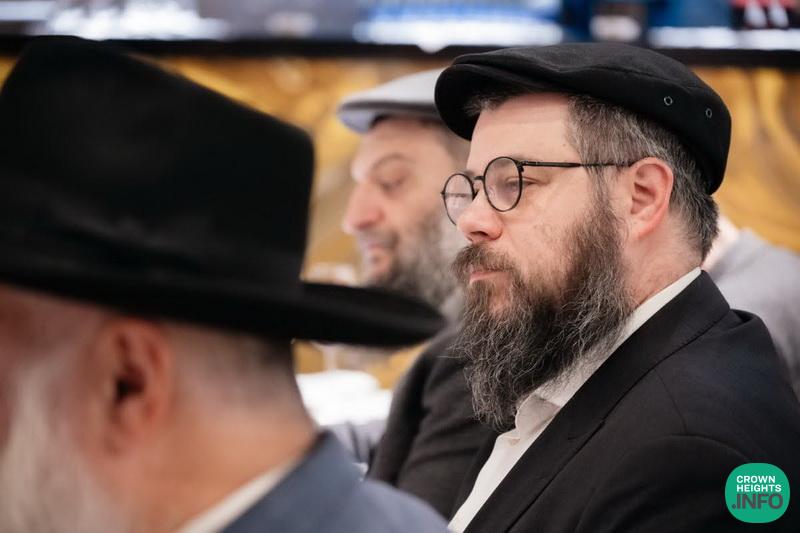
He also proposed producing and distributing an informational booklet explaining the laws of burial and mourning, together with the traditional Jewish customs associated with them, in clear and accessible language. His remarks were received with close attention by the Chevra Kadisha members and volunteers, who dedicate themselves to the sacred work of chesed shel emet in Moscow and throughout Russia.
The 15th of Kislev is observed in Moscow as the annual fast day of the Chevra Kadisha, continuing a longstanding custom that dates back to the time of the Alter Rebbe, author of the Tanya and Shulchan Aruch. The tradition was revived more than a decade ago at the directive of Rabbi Lazar.
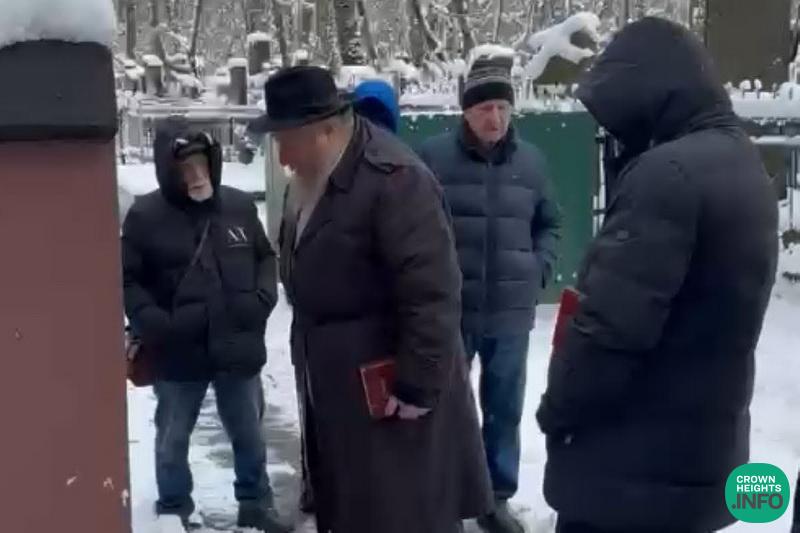
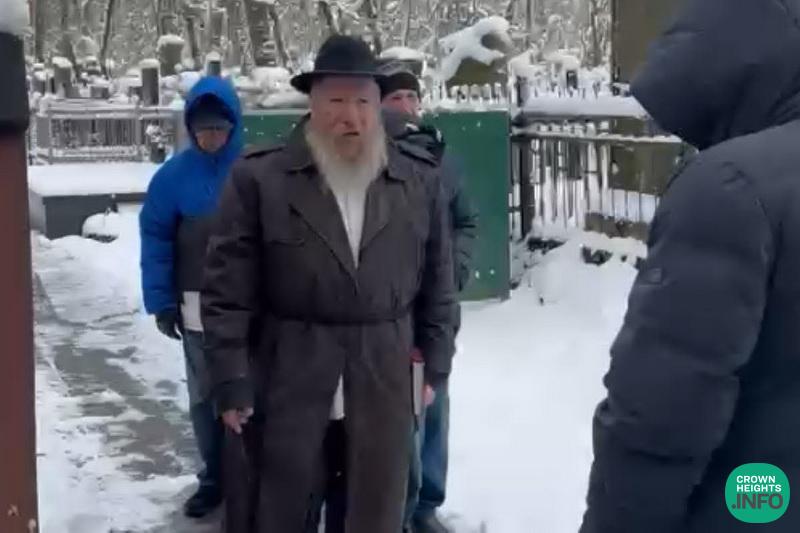
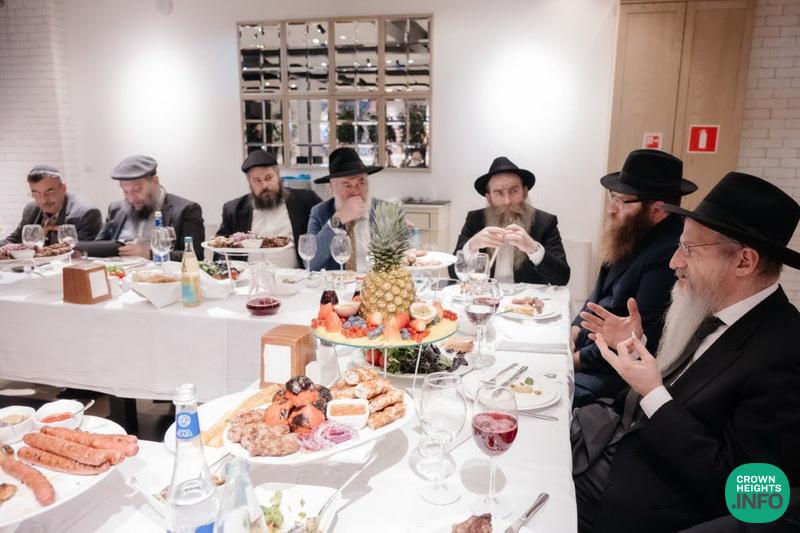
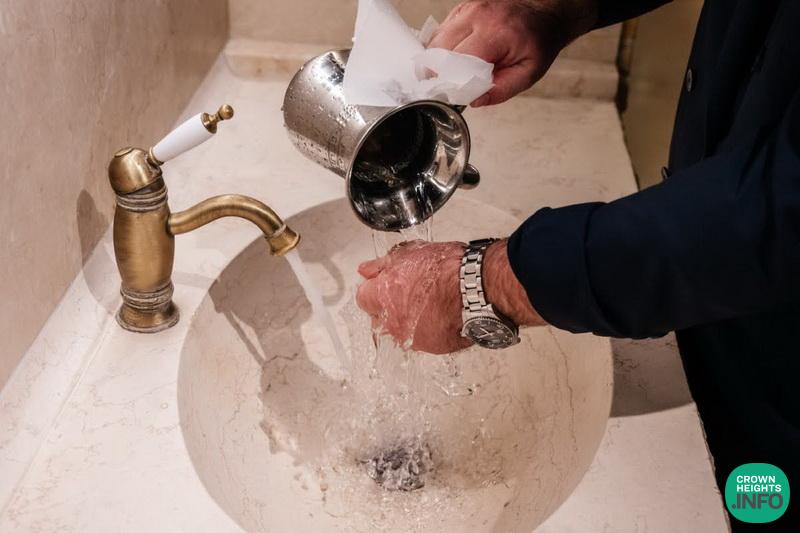
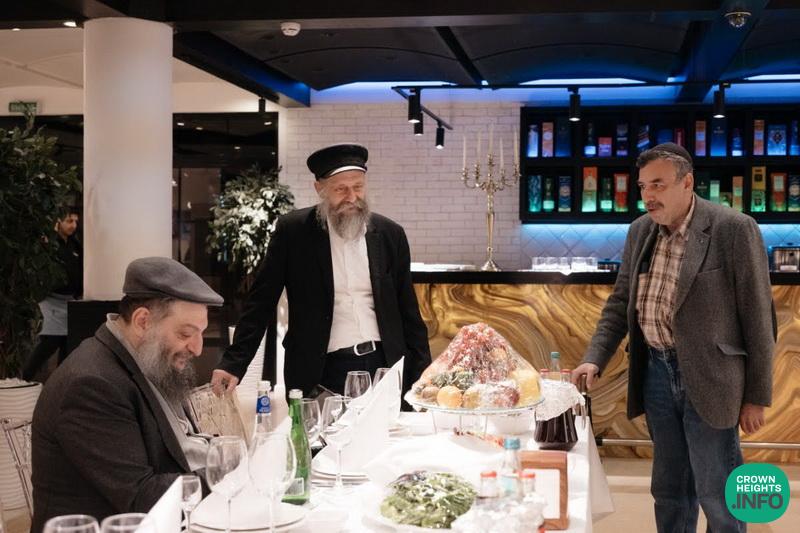
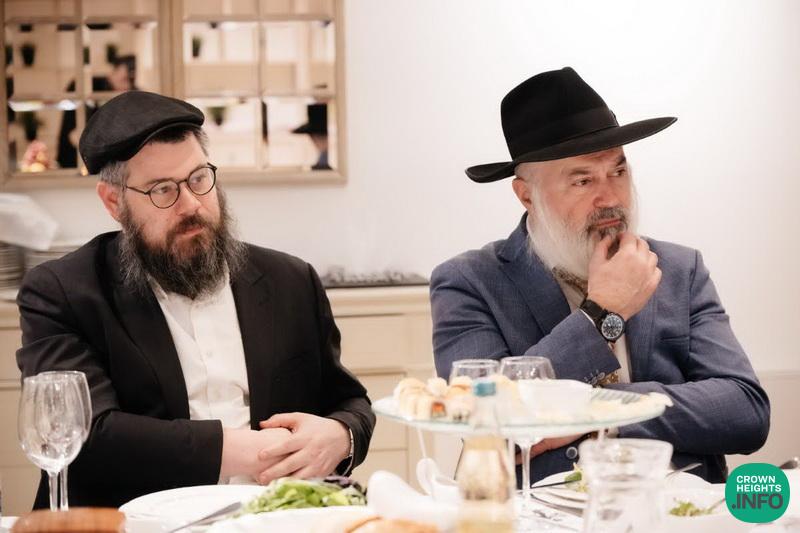
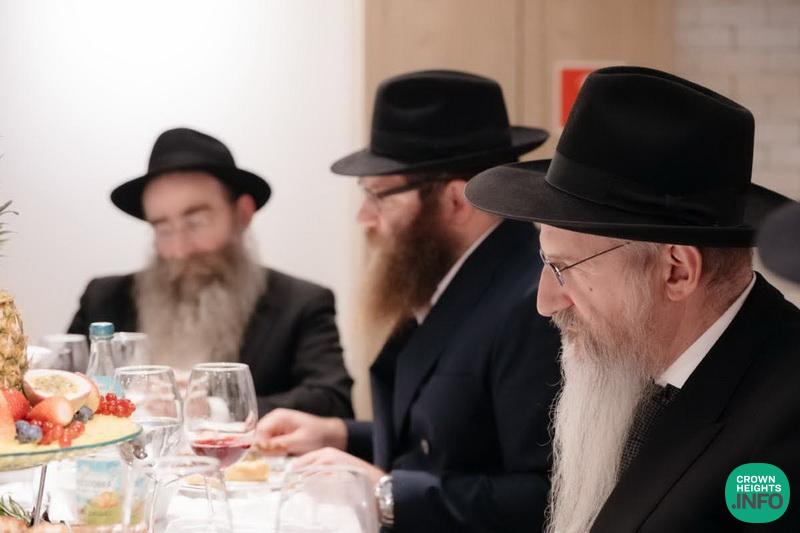
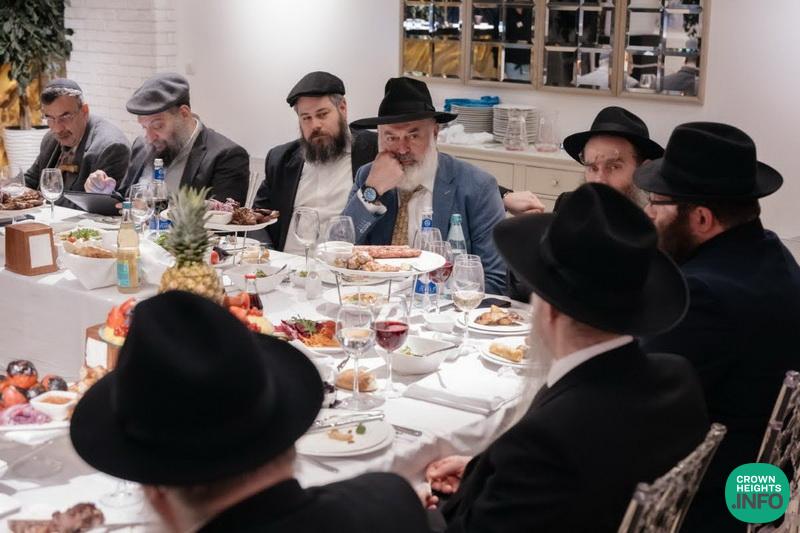
Members and volunteers accepted the fast upon themselves during Tuesday’s Mincha prayers. Throughout Wednesday, representatives visited the city’s Jewish cemeteries to recite Selichos and prayers in accordance with the established custom. Following Maariv at the Central Synagogue in Marina Roscha, members of the Chevra Kadisha, together with volunteers from ZAKA Russia, gathered for a seudas mitzvah marking the conclusion of the fast.
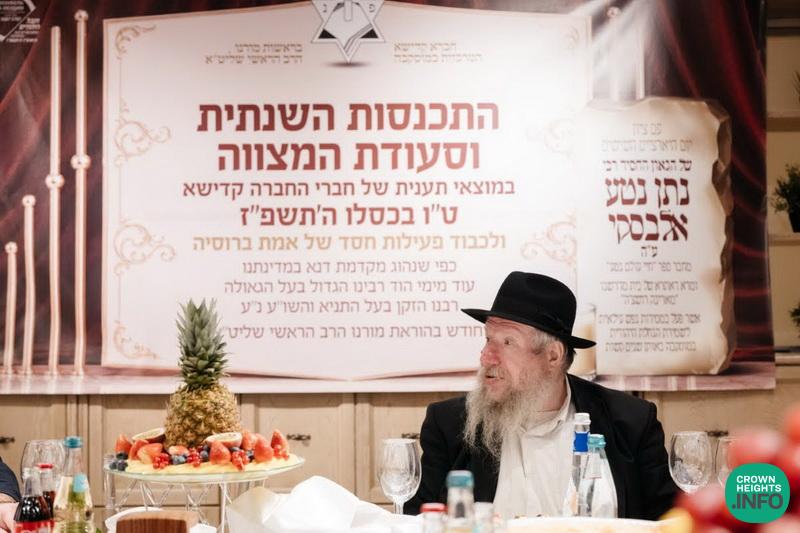
This year’s gathering carried added historical and emotional significance, as participants marked the 60th yahrtzeit of Rabbi Natan Neta Olevsky, zt”l, author of Chayei Olam Nata and longtime Mara D’Asra of the Marina Roscha Synagogue.
Participants paid tribute to his memory and enduring legacy, recalling the extraordinary self-sacrifice with which he worked to preserve Jewish life in Moscow during some of its most difficult years. The following day, members of the community and the Chevra Kadisha visited his gravesite at the historic Malakhovka Jewish Cemetery.
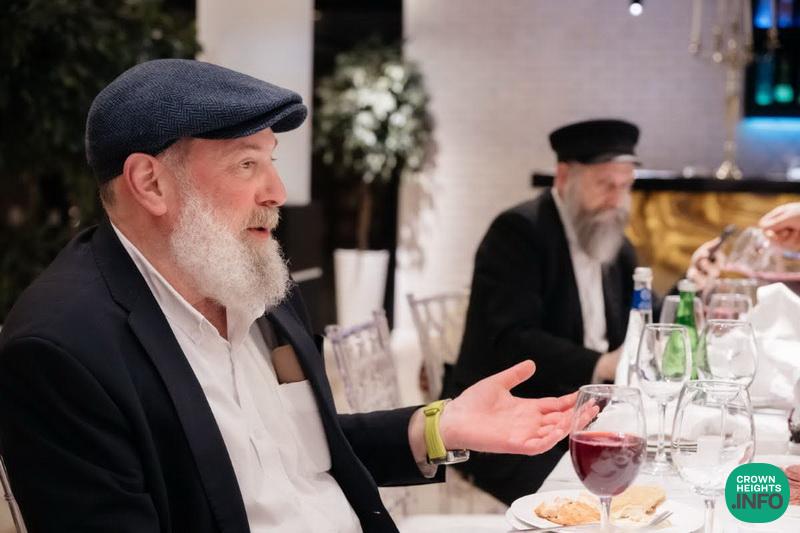
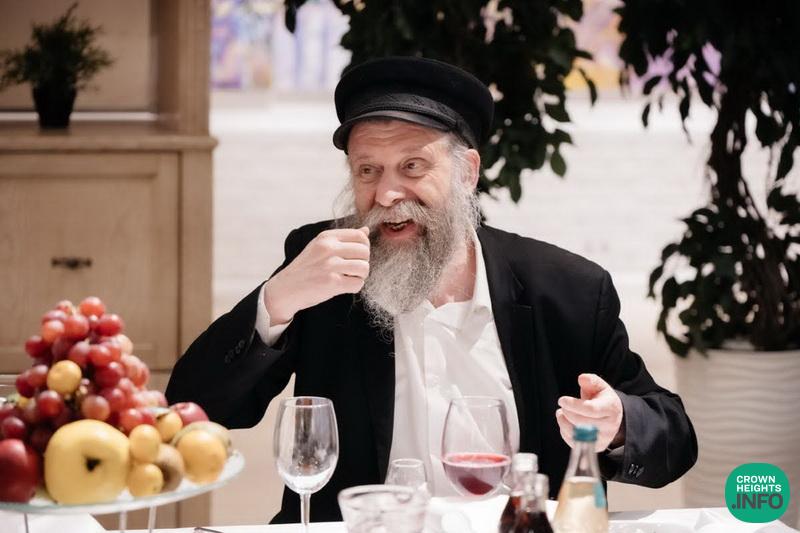
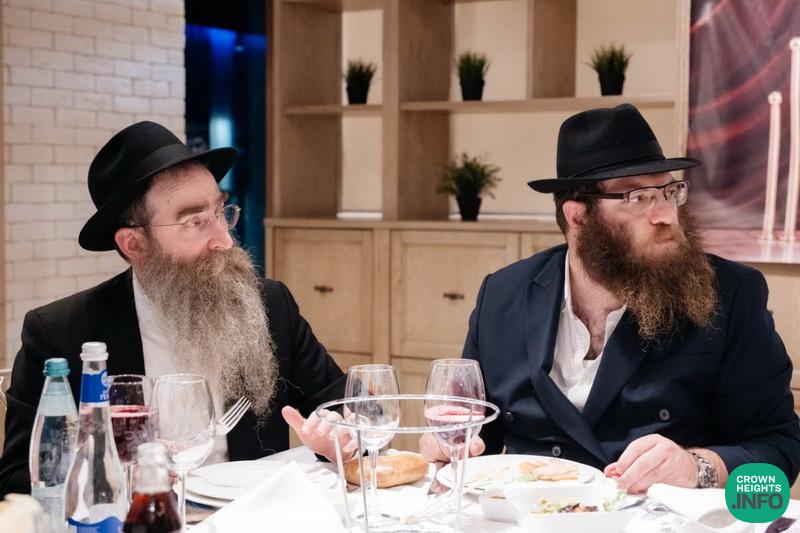
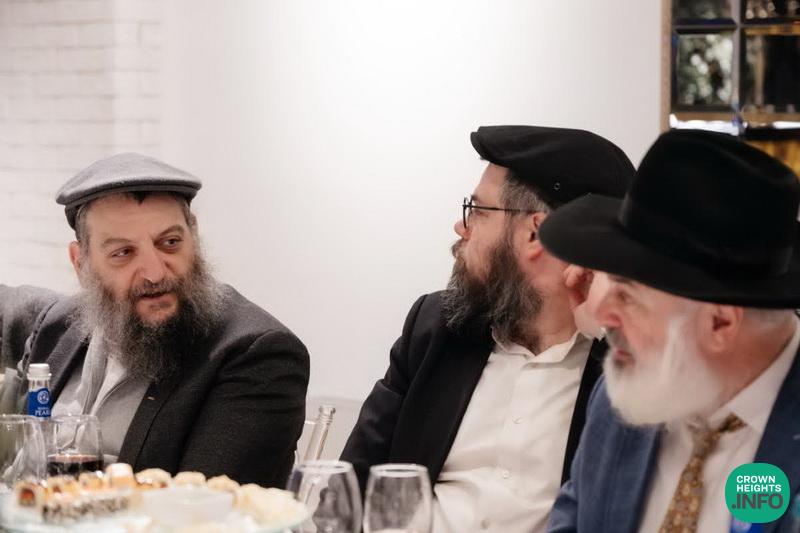
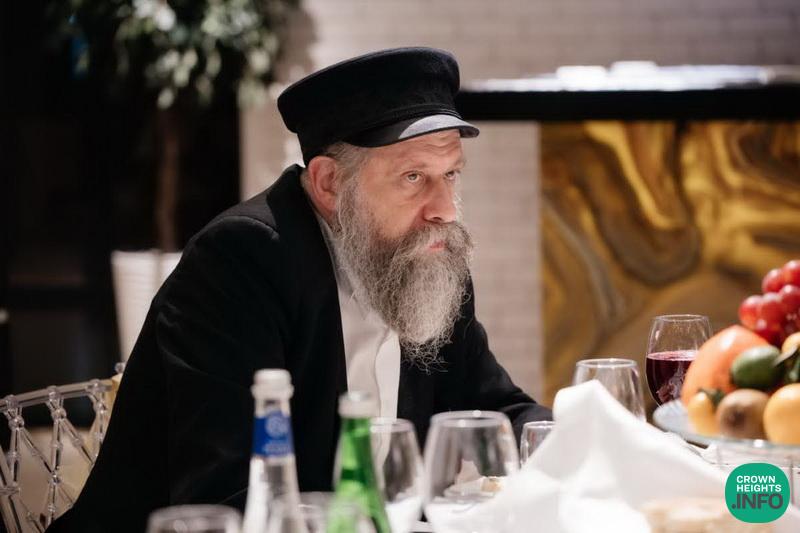
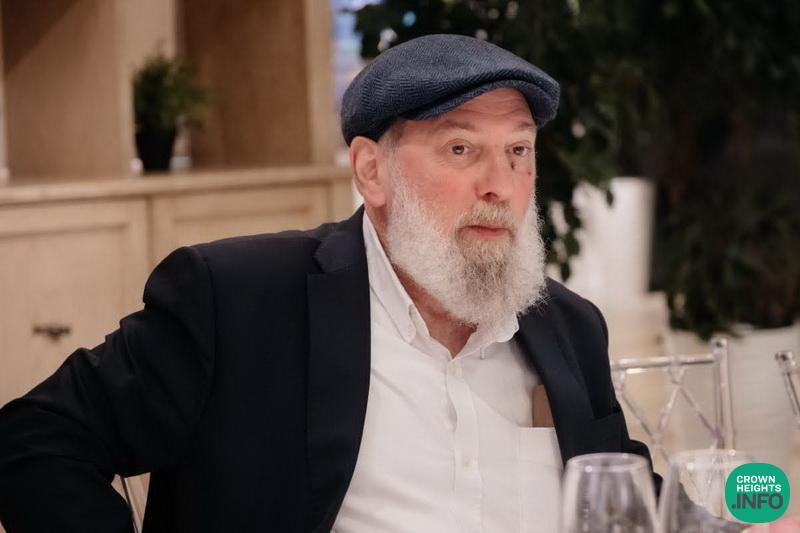
During the seudas mitzvah, participants exchanged L’Chaims and heard words of Torah and encouragement highlighting the tremendous spiritual merit of those who care for the honor of the Jewish deceased, often under challenging circumstances.
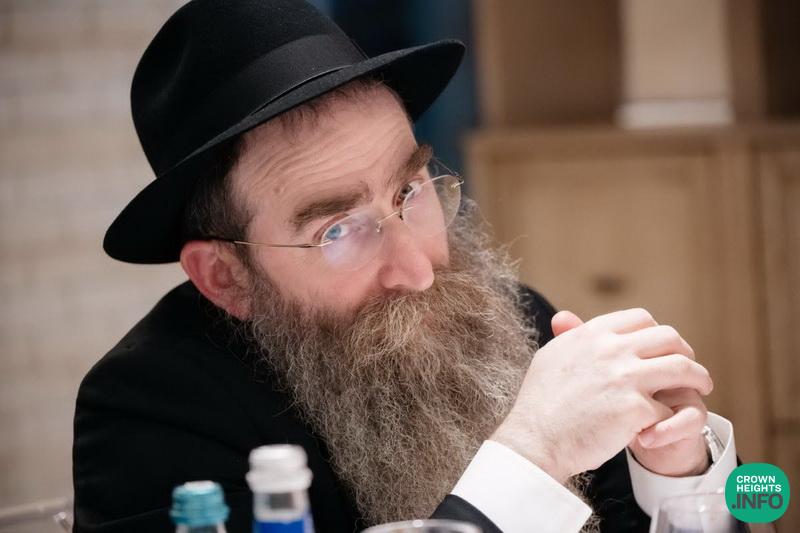
Addresses were delivered by Rabbi Meir Moshe Tamarin, head of the Chevra Kadisha and Rabbi of Malakhovka; guest speaker Rabbi Nachum Yitzchak Gorelik, Chabad emissary and Rabbi of Kazan; Rabbi David Bloch, director of the Central Chevra Kadisha; Rabbi David Karpov, Rabbi of the Otradnoye neighborhood; and Rabbi Alexander Artovsky, a longtime friend of the organization, who served as master of ceremonies.
Rabbi Tamarin captivated the audience with a remarkable story connected to Rabbi Natan Neta Olevsky, while the other speakers shared personal recollections of their first experiences performing the mitzvah of chesed shel emet.
Rabbi Gorelik recounted how, during his first trip to Kazan, a young woman whose father had passed away approached him to arrange a proper halachic burial. Although he had never previously handled a burial, he contacted Moscow, received detailed instructions, and took responsibility for ensuring that the mitzvah was carried out properly.
Rabbi Karpov recalled that early in his own journey of Torah and mitzvos, he was staying in Yerevan, Armenia, when a passing occurred and he was called upon to step in and oversee the burial himself.
Rabbi Bloch described how his involvement began at just 13 years old, when Rabbi Shimon Bergman of Nizhny Novgorod invited him to assist with chesed shel emet. That initial experience gradually drew him into the sacred work of taharah and the care of the deceased.
The deeper meaning of burial in the earth was highlighted by Reb Leib Lifshitz, who shared the well-known account of Rabbi Meir Baal HaNes.
According to the story, a non-Jewish woman once asked Rabbi Meir whether the dead would arise clothed or unclothed at the Resurrection of the Dead. Rabbi Meir responded with the parable of a kernel of wheat: when planted in the earth, the kernel first decomposes, but eventually a new stalk emerges, clothed in its husk. So too, the human body is laid to rest in the earth, from which it will ultimately rise again clothed at the Resurrection of the Dead.
The evening concluded with participants departing with a renewed sense of mission and a shared prayer for the fulfillment of the prophecy, “Awake and sing, you who dwell in the dust,” and for the Resurrection of the Dead and the coming of the complete Geulah.
Photo: Levi Nazarov