Jewish Kids Find Belonging at Argentina JewQ Shabbaton
One girl arrived at the Shabbaton on Friday without knowing a single other child.
By that night, a counselor found her sitting with a group of new friends, telling them how much the weekend already meant to her.
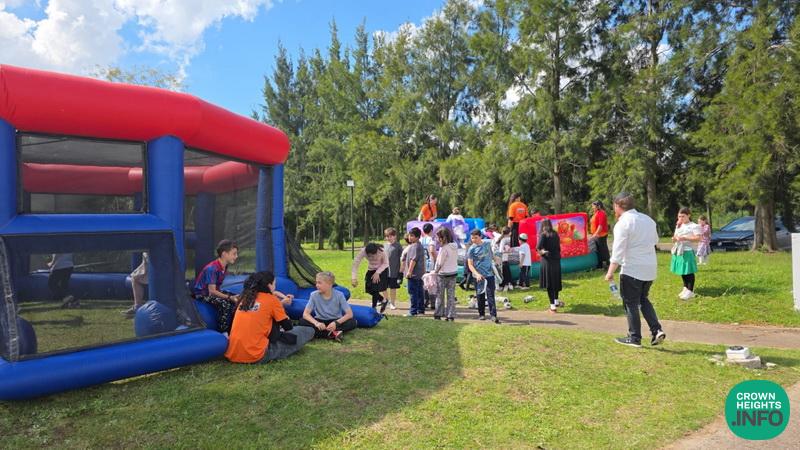
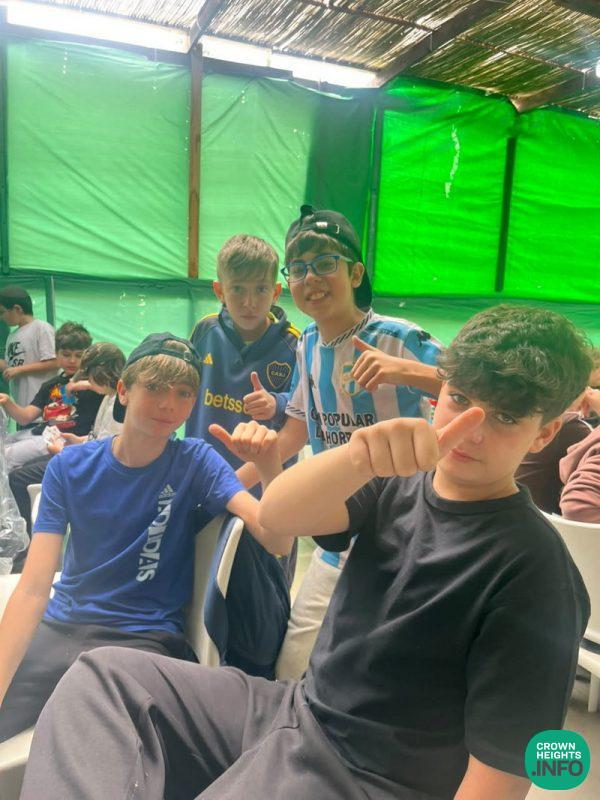
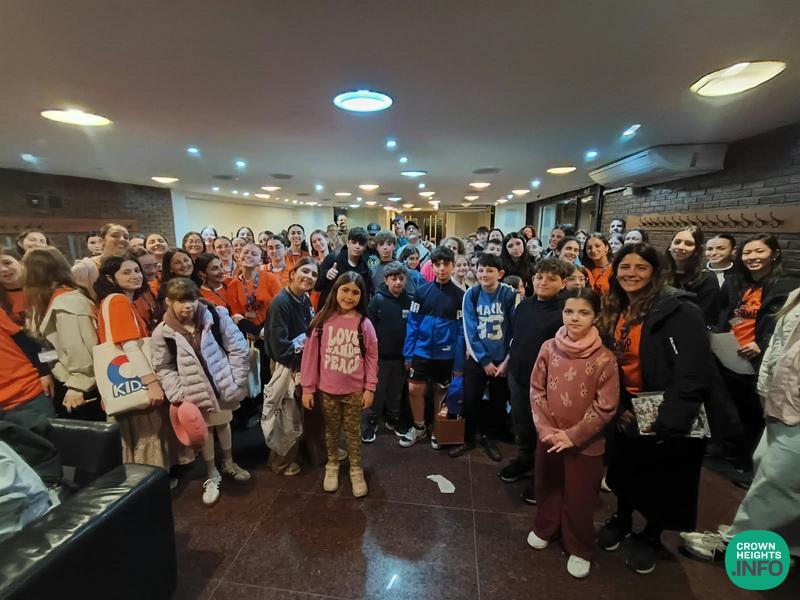
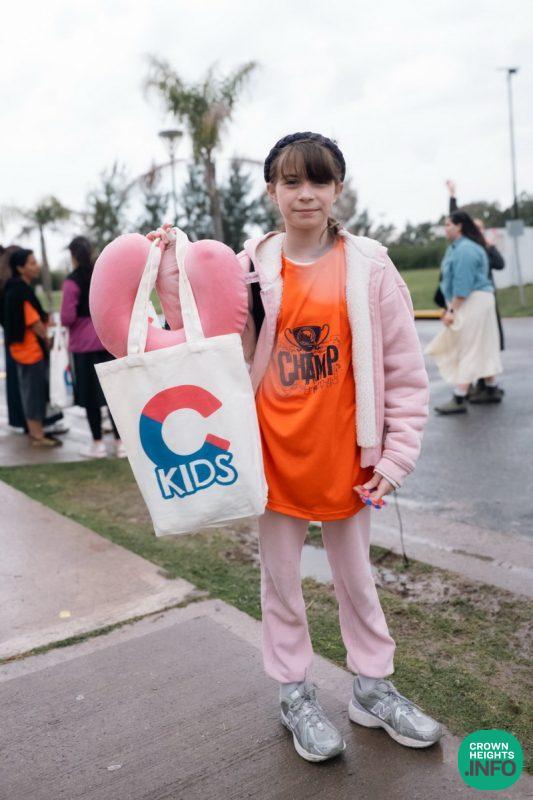
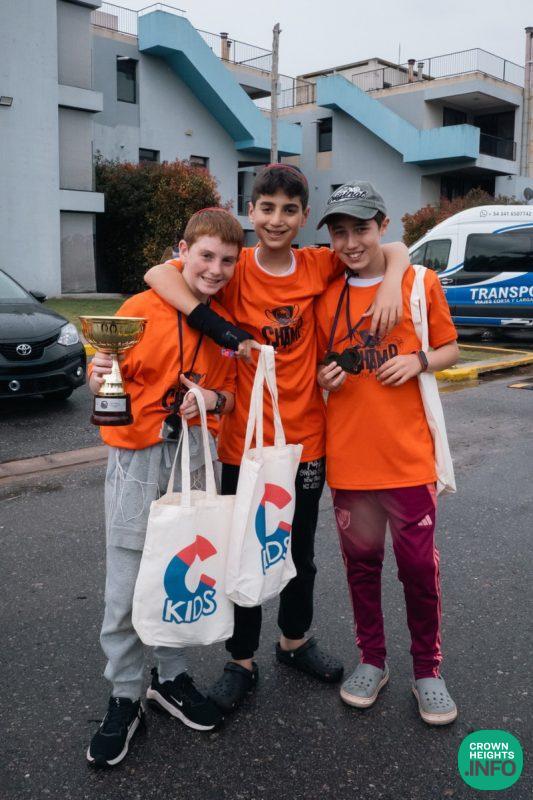
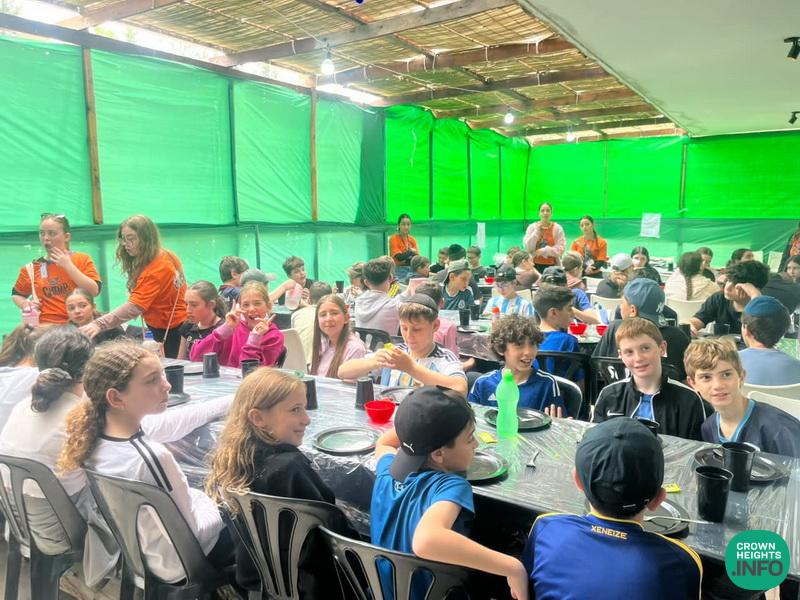
For some of the 125 children who gathered outside Buenos Aires, that kind of moment was the point of the weekend. They had come from 33 communities across Argentina, from Tucumán in the north to Bahía Blanca in the south. A few came from towns with no organized Jewish community at all.
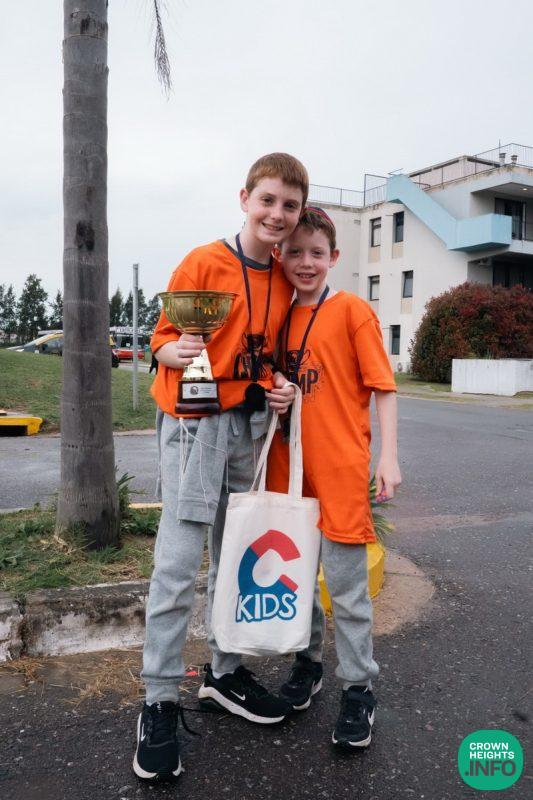
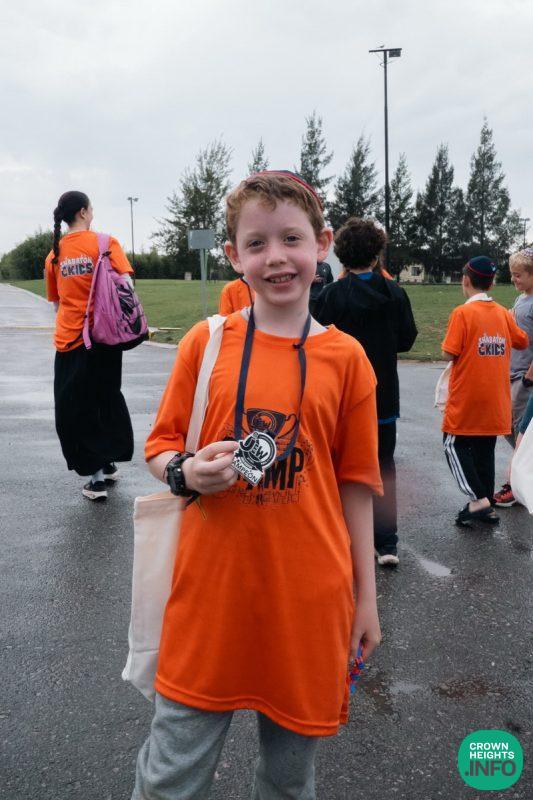
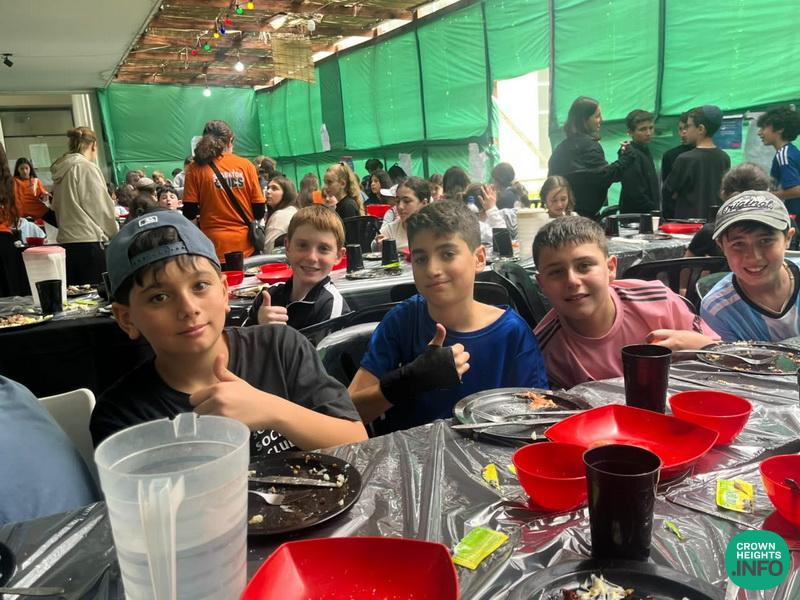
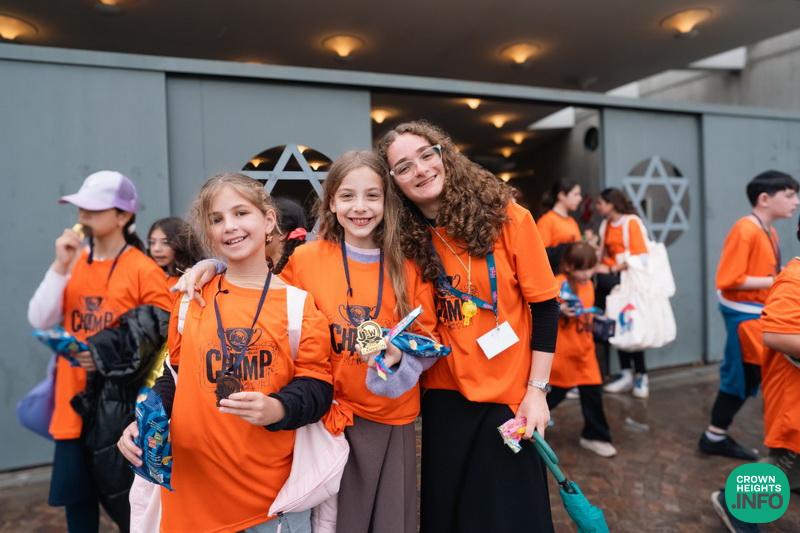
The children had spent months learning through JewQ Beit Rachel, now in its sixth year in Argentina, and the Shabbaton brought them together in person after months of learning from their own communities. For one Shabbos, children who usually study far apart could learn, sing, play and spend time together.
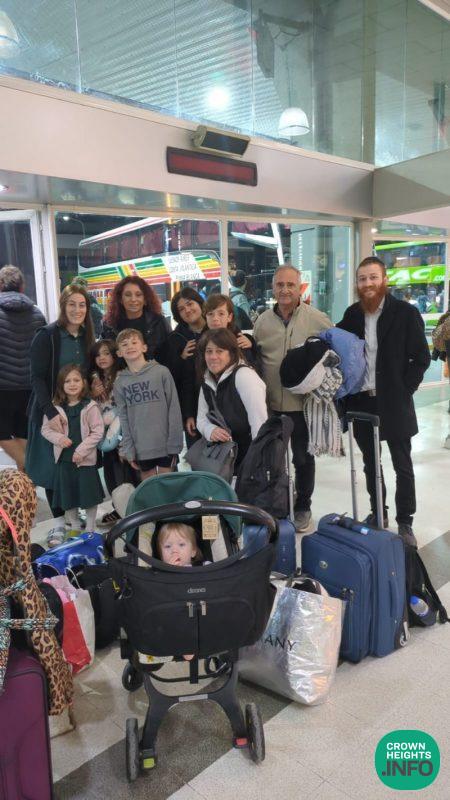
Rabbi Mendy Turk accompanied 47 children from Córdoba on a ten-hour overnight bus ride. “On the bus, the kids were already getting in the spirit of the Shabbaton,” he said.
For others, the trip had become an annual marker.
“Coming to Buenos Aires with the whole group is the highlight of the year for them,” said Bracha Oirechman, a shlucha who has accompanied children to the Shabbaton for several years. “They wait for it all year.”
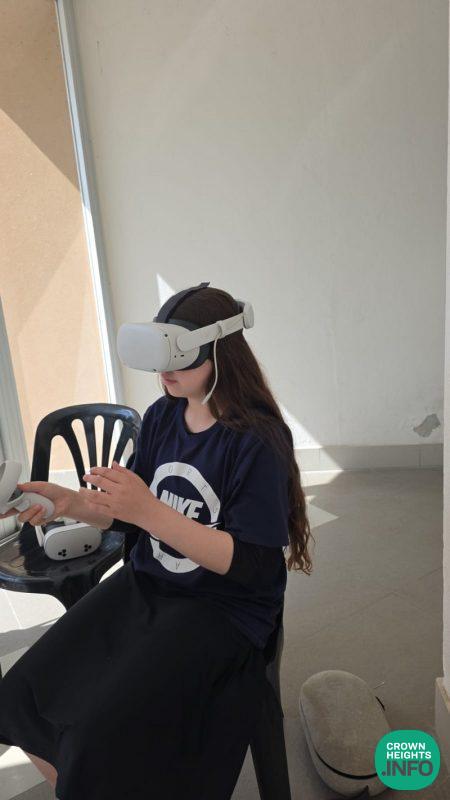
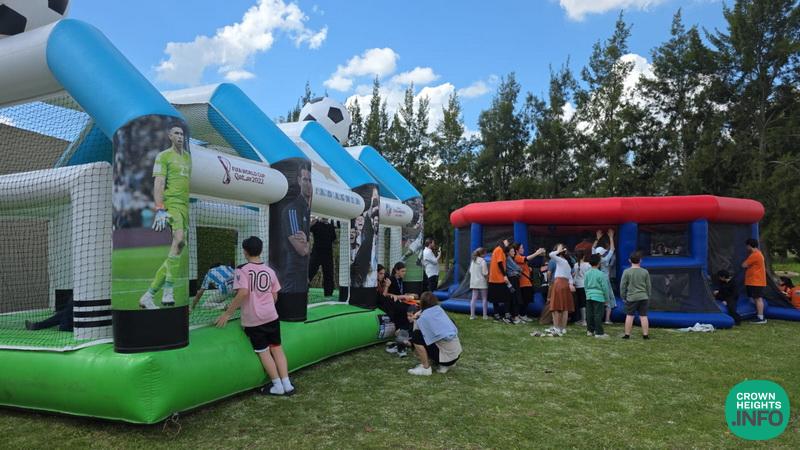
Phones stayed away for the weekend, giving the children more time to talk, play and get to know one another without the usual distractions. They lit Shabbos candles together and danced and sang as Shabbos came in. On Shabbos morning, an interactive game tied into the Torah reading encouraged the children to listen closely and engage with the parsha, after each aliyah, they tried to name the word that had come up most often. After Havdalah, each bunk gathered around a bonfire and performed a skit it had created over Shabbos, using humor and creativity to bring a Jewish idea to life.
Some of the weekend’s most meaningful moments happened away from the larger activities. Each grade spent time with shluchim and shluchos and could ask anything, from serious questions about Judaism to casual questions about Jewish life and their own experiences. Before bed, each bunk gathered to share the best part of the day and say Shema together.
Two children from Bahía Blanca arrived feeling nervous. They had never been among so many Jewish children. By the end of the weekend, they were already talking about coming back the following year and continuing to learn.
“A child can spend the year learning in a small community and not realize how many other Jewish children are doing the same thing,” said Rabbi Mendy Kotlarsky, Executive Director of Merkos 302. “Then they come here, spend Shabbos together and discover that they’re part of something much bigger. They go home with new friends, but also with a stronger sense that their Jewish life is something they share with children across Argentina.”
Another girl returned home struck by how much more she wanted to know about Judaism. The experience stayed with her, and after conversations with her parents, they agreed to help her continue learning.
Those reactions matter in places where Jewish life can feel geographically distant. A child may be the only Jewish student in a class, or one of only a handful in a town. Over Shabbos, those distances disappeared.
The effects can last well beyond one weekend. Children who attended JewQ in its first years are now teenagers. Some graduates call to ask whether they can return as counselors. One high school senior still remembers the Shabbaton he attended six years ago.
Rabbi Levi Silberstein shared a teaching of the Rebbe with the children: “If you know Alef, teach Alef.” The Rebbe emphasized that even someone who knows only a little has something to share with another Jew. The message fit a weekend built not only around what the children had learned, but around what they could give one another.
Rabbi Levi Silberstein and Mrs. Etti Silberstein, directors of CKids and Tzach in Argentina, organized the Shabbaton with coordinator Samantha Naistat, under the leadership of Rabbi Tzvi Grunblatt, head shliach to Argentina. Rabbi Mendel Raskin and Rabbi Chai Kohen of the Spanish office of Merkos 302 helped facilitate JewQ in Argentina. JewQ Beit Rachel is made possible by the Toledo family.
By Sunday evening, the children were packing for long rides home. New friends exchanged contact information. Children who had arrived from cities, towns and isolated corners of Argentina left knowing that somewhere beyond their own community, other Jewish kids were learning the same Torah, saying the same Shema and waiting to see them again next year.