Melaveh Malka Uncovers the “Secret of Chabad”
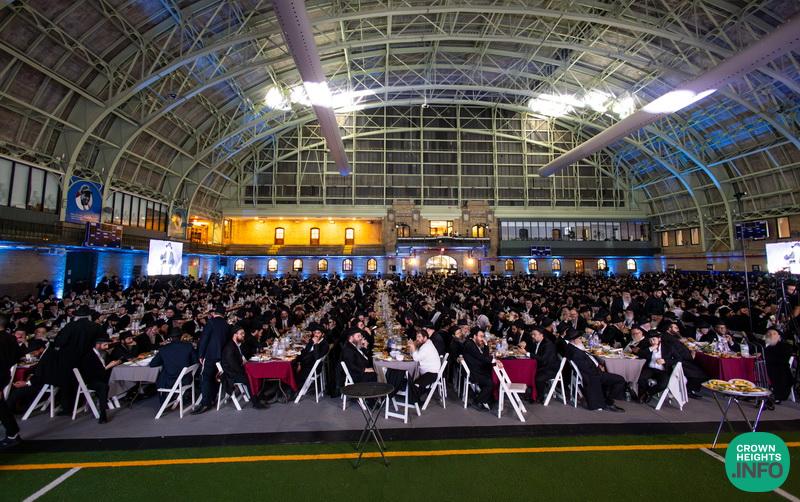
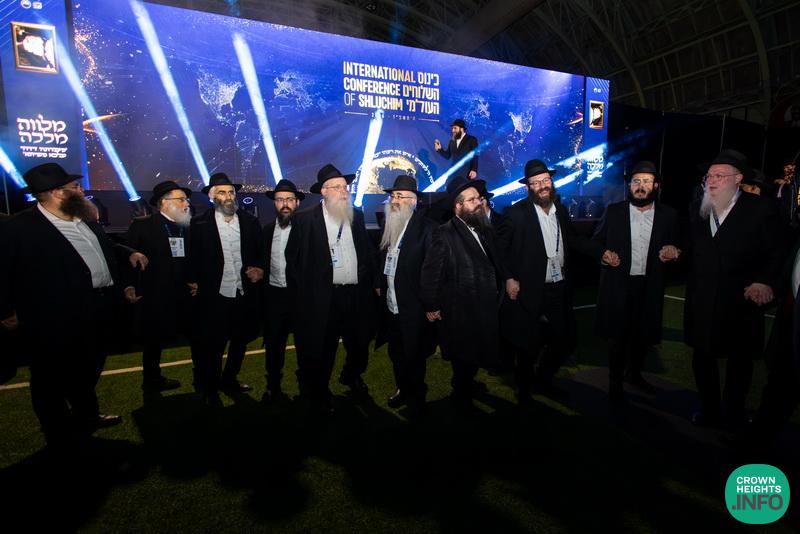
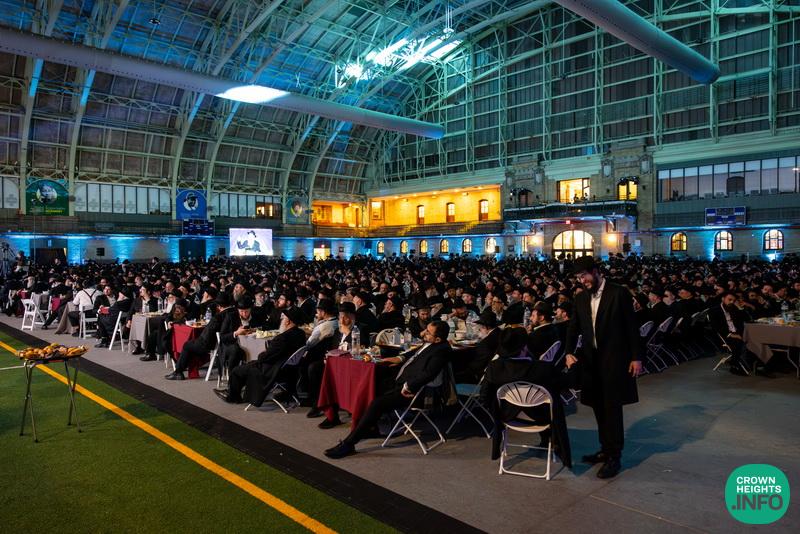
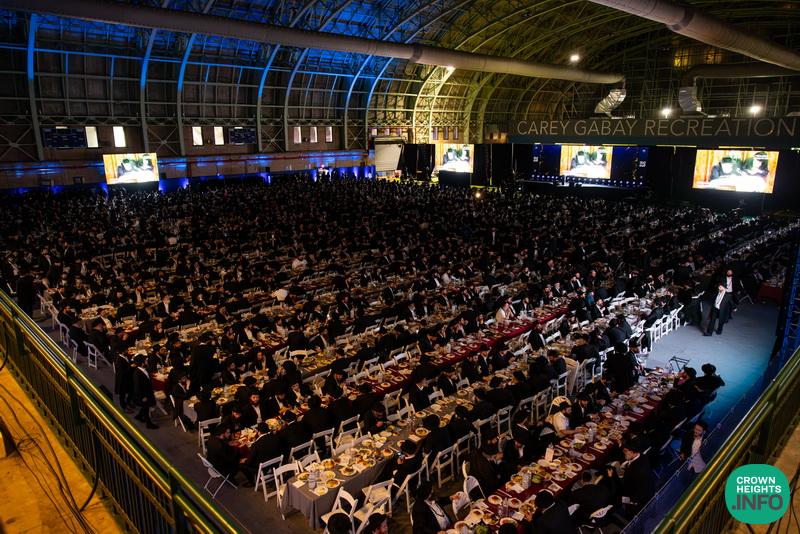
The annual Kinus Hashluchim, the world’s largest Jewish conference, casts a global spotlight on the work of thousands of Chabad Shluchim and their efforts to reach Jewish communities around the world.
Chabad rabbis and their families often move far from established Jewish centers, building communities in places where Jewish infrastructure may be limited. While each serves his own community, he does so as part of a worldwide family of Shluchim who remain connected across cities, countries and continents.
“Shluchim are there for one another throughout the year, often across thousands of miles,” said Rabbi Mendy Kotlarsky, director of the International Conference of Shluchim. “That brotherhood is part of what gives a young couple the confidence to move to the furthest frontiers and build Jewish life there. They know they are never going alone. There is an entire family of Shluchim standing behind them.”
“The Kinus is the time when that global family can experience that bond together.”
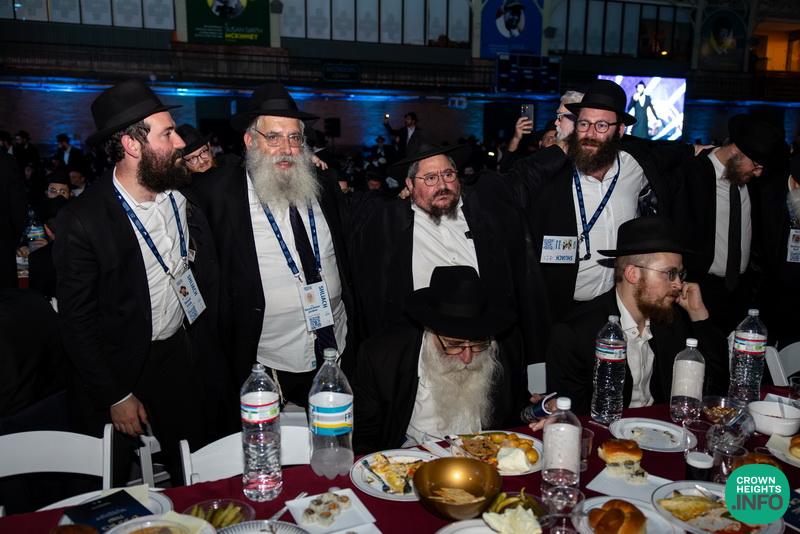
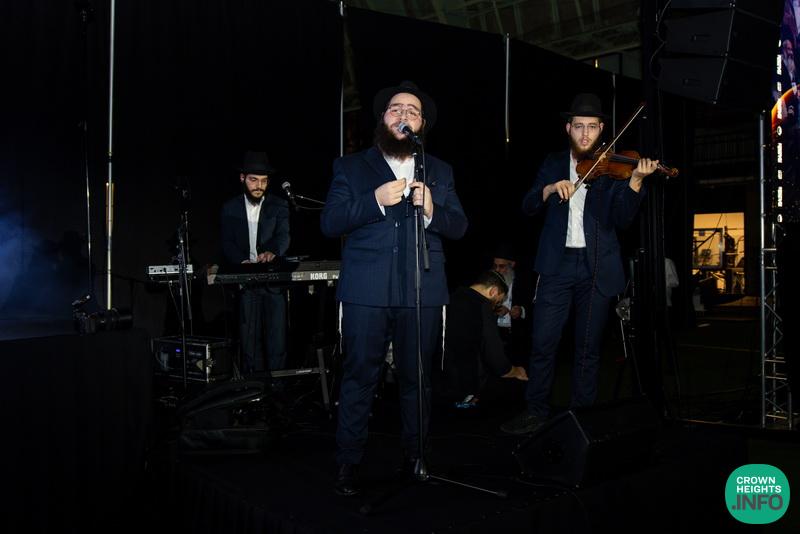
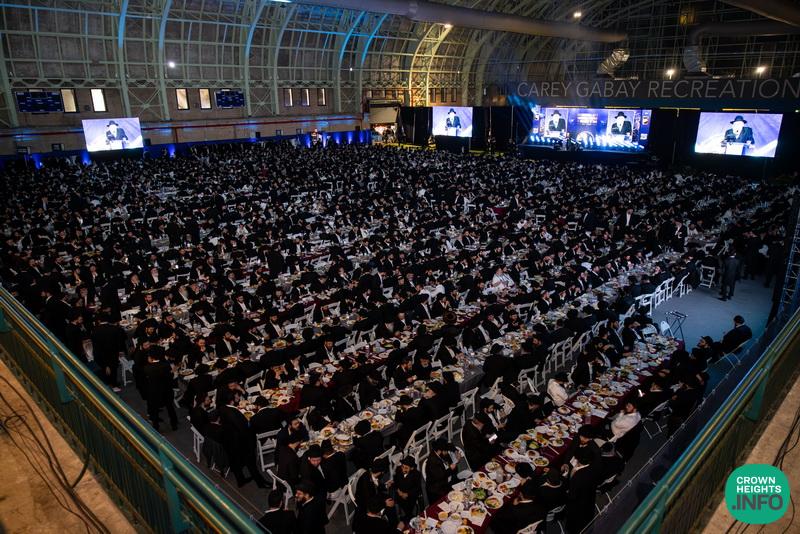
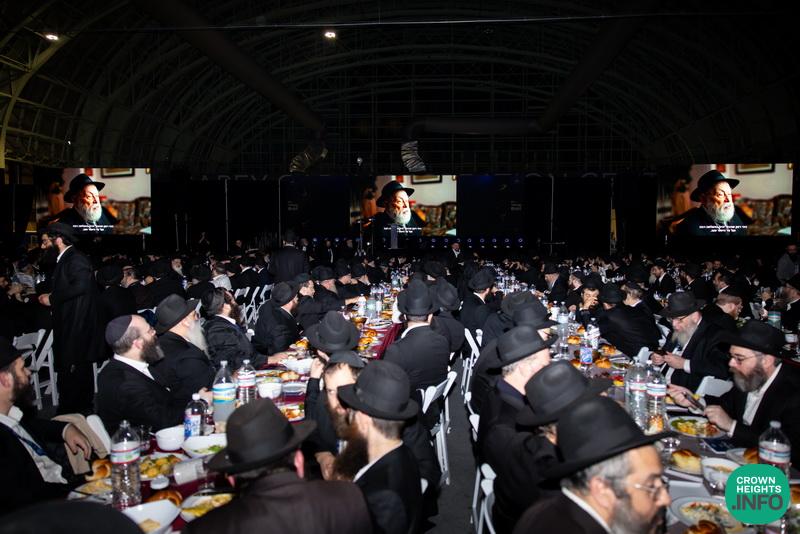
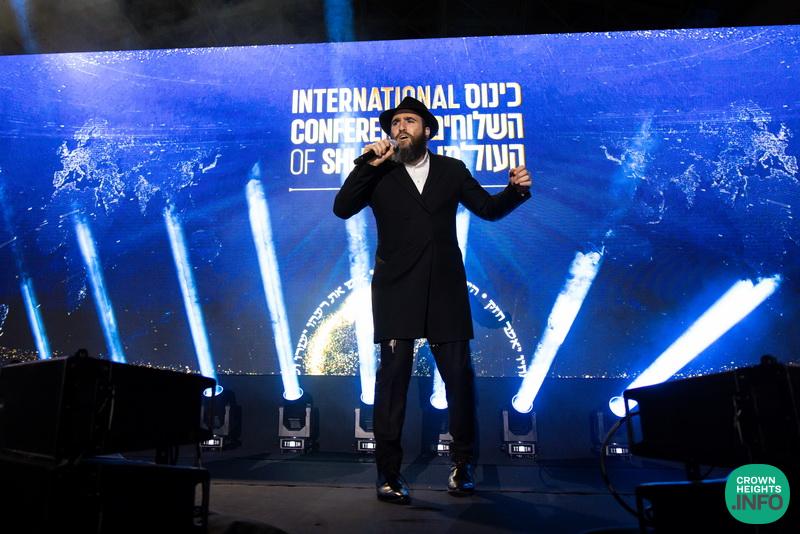
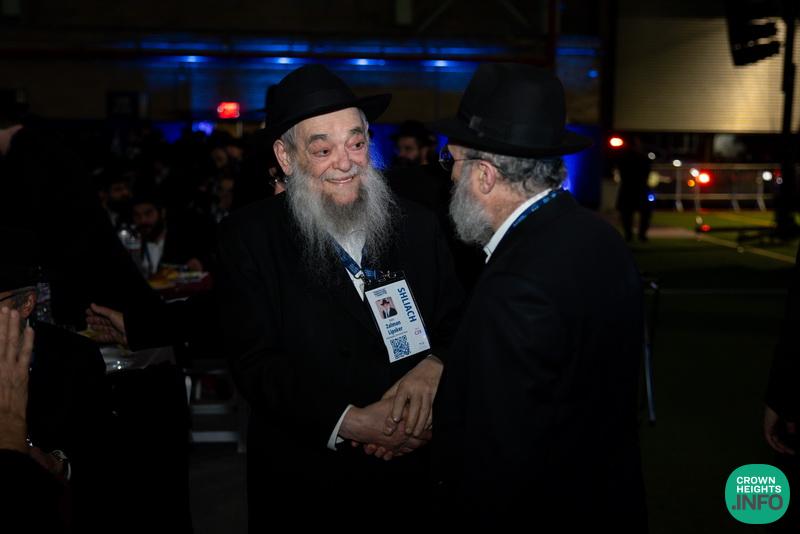
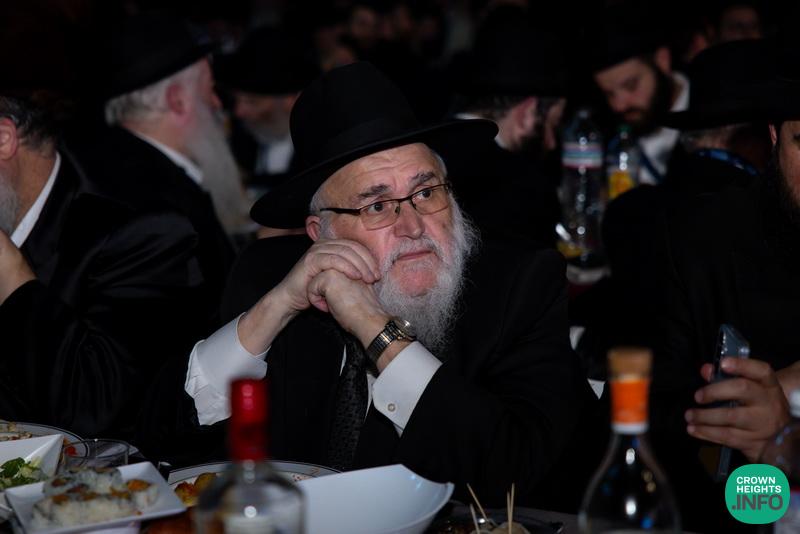
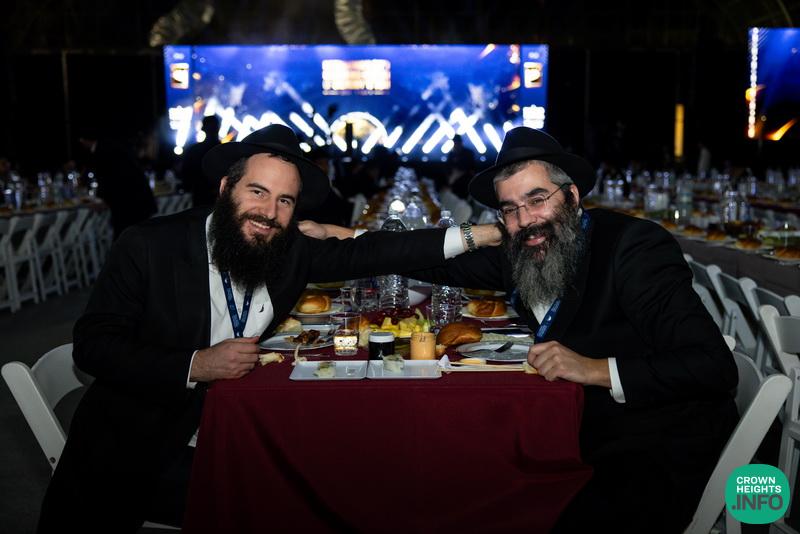
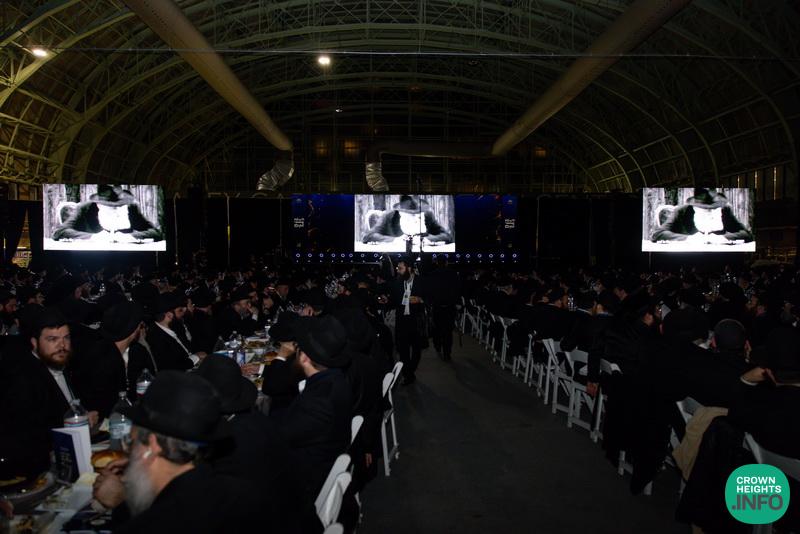
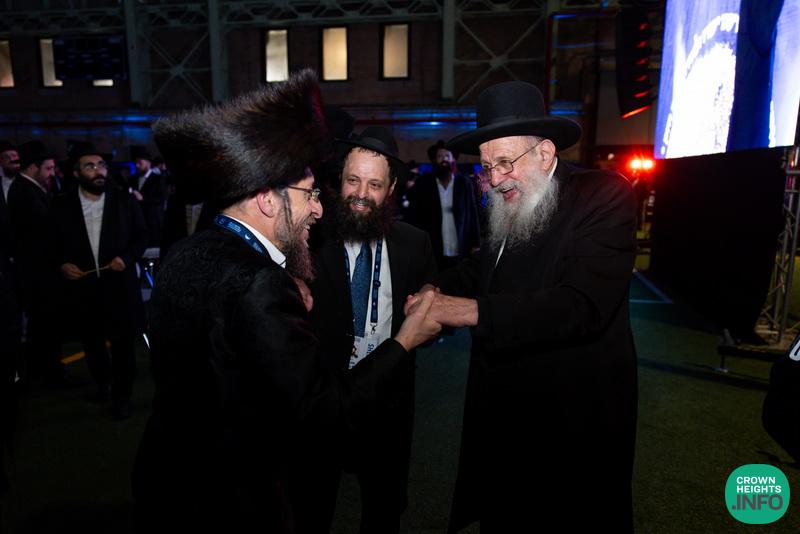
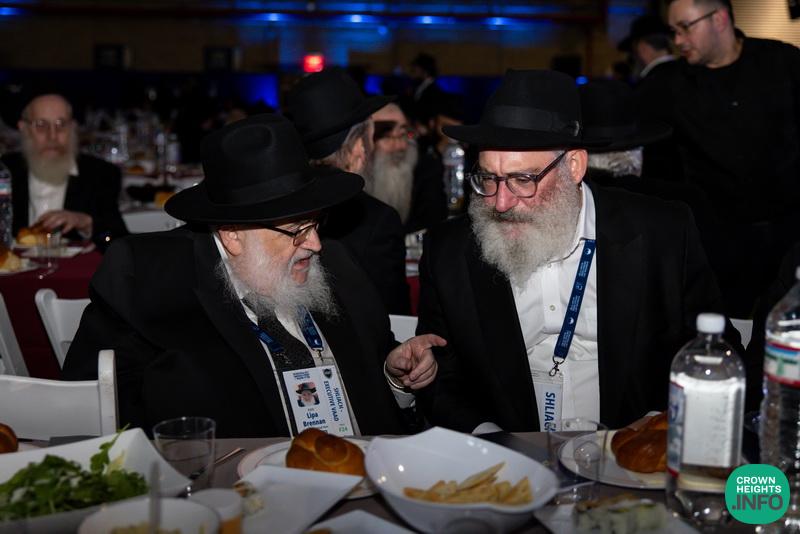
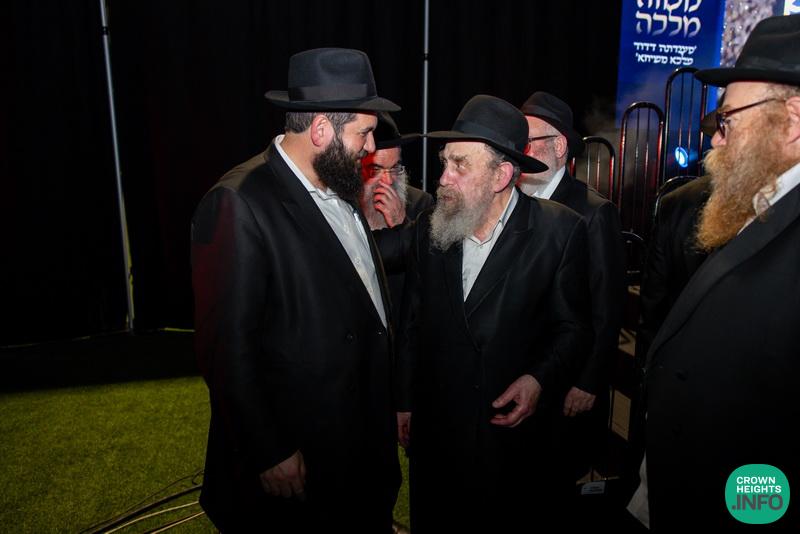
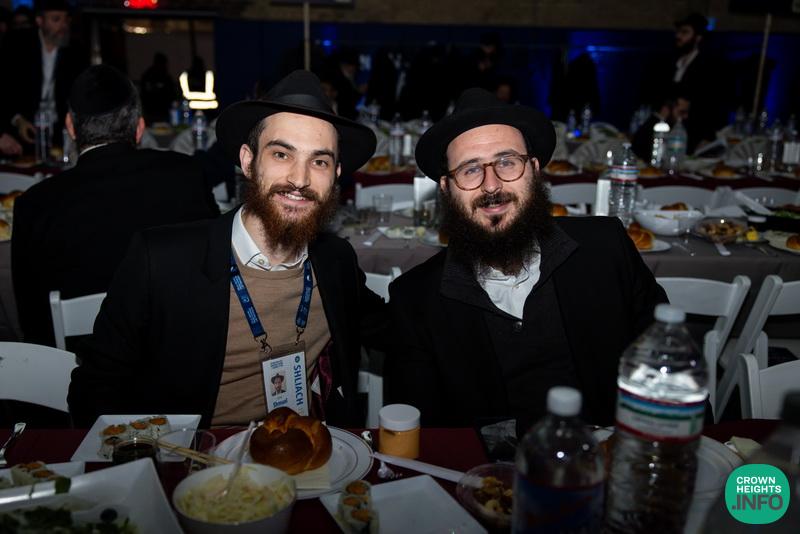
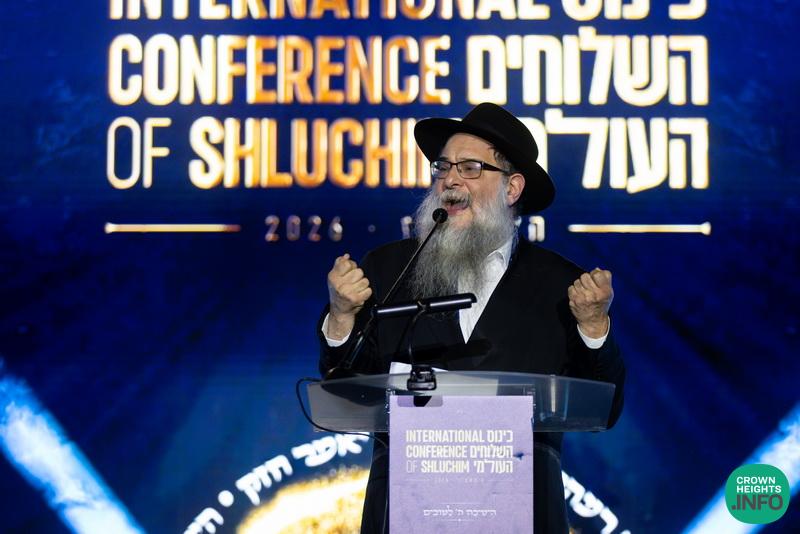
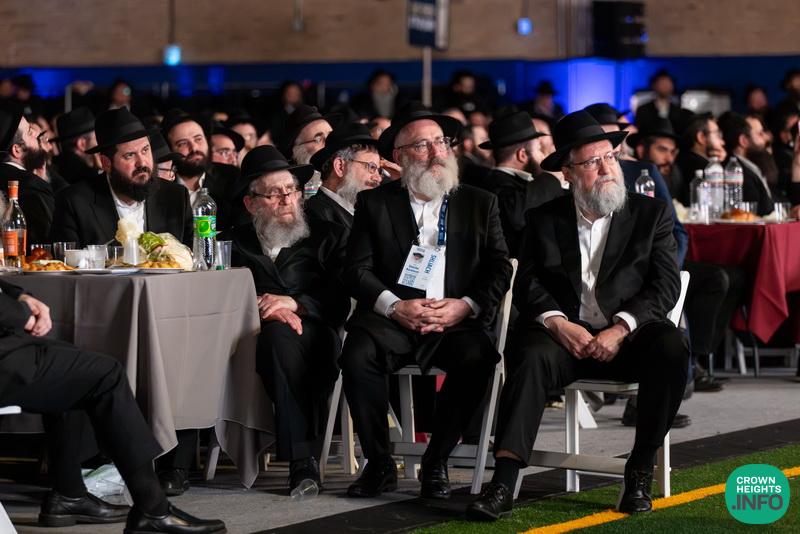
That often unseen dimension of Shlichus took center stage at the Kinus Melaveh Malka on Motzai Shabbos, under the theme “Bound Together: One Family, One Shlichus.” Speakers and video presentations explored the relationships that connect Shluchim working in vastly different communities and the sense that the wellbeing and success of one is shared by the wider family.
Opening the evening, Rabbi Naftaly Roth of Jerusalem reflected on the responsibility and privilege that come with serving a community.
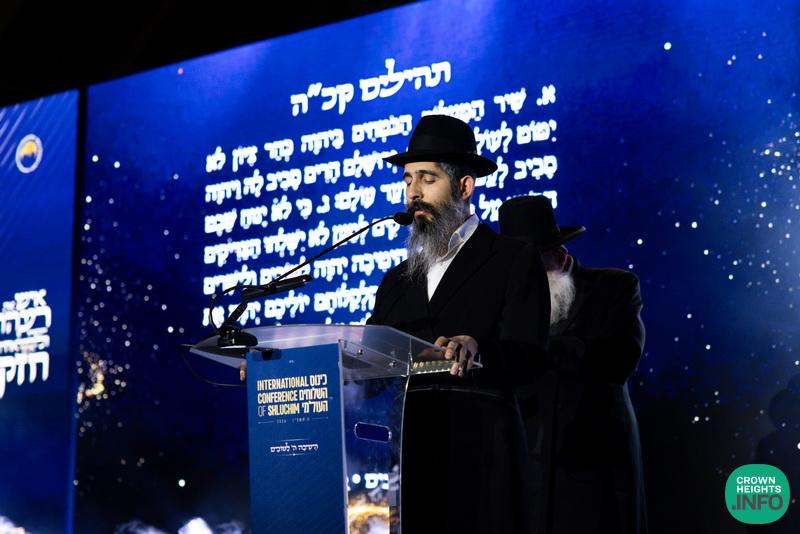
Rabbi Eliezer Brod of Kfar Chabad, Israel, led Tehillim and revisited talks the Rebbe delivered around the Kinus forty years ago, when he urged Shluchim to expand Chabad Houses across the world and reminded them that as they returned to their individual communities, they went with the Rebbe’s blessing and mission behind them.
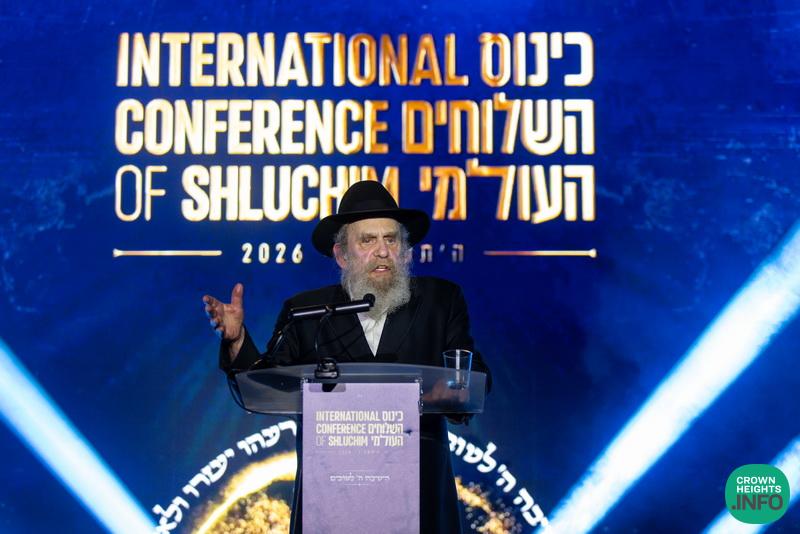
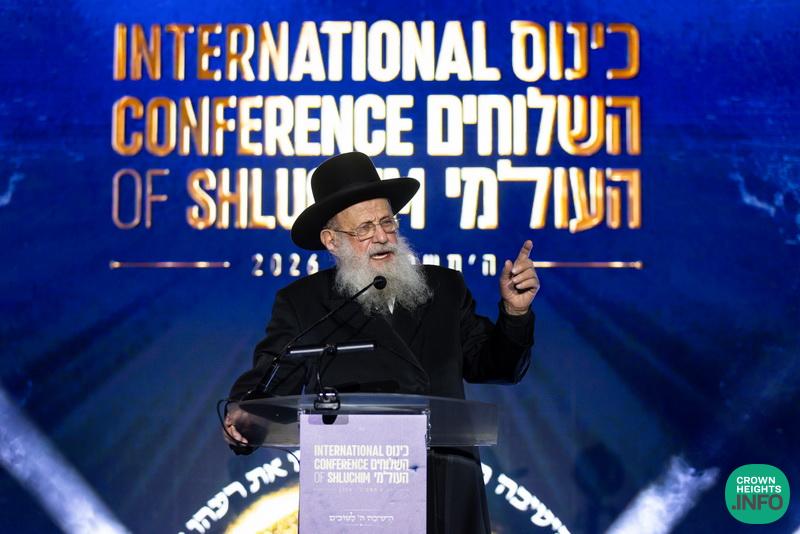
Reflecting on the Rebbe’s vision for the Kinus, Rabbi Yehuda Krinsky, chairman of Merkos L’inyonei Chinuch, spoke about the spirit of unity that has defined the gathering from its earliest years, with shluchim coming together as equals, without competition for recognition or honor.
The next portion of the evening, chaired by Rabbi Efraim Mintz, Executive Director of the Rohr Jewish Learning Institute and a member of the Kinus Vaad, explored how that sense of family plays out throughout the year, particularly when a fellow Shliach, family or community needs support.
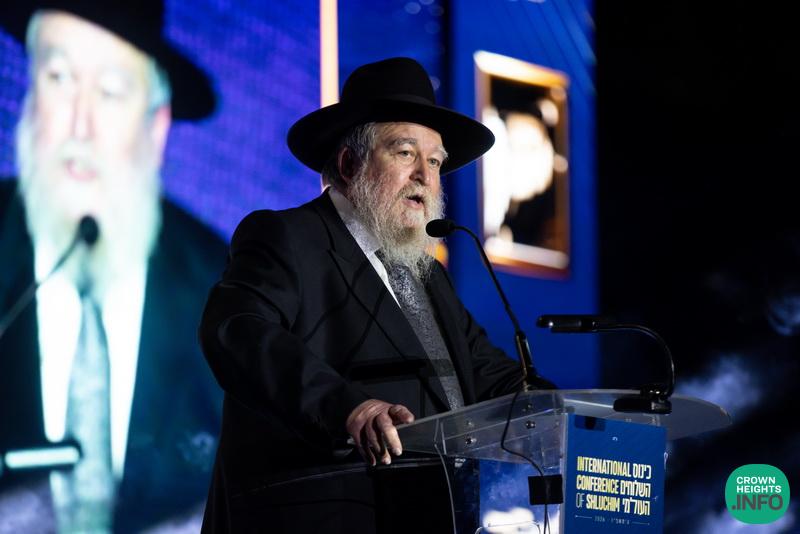
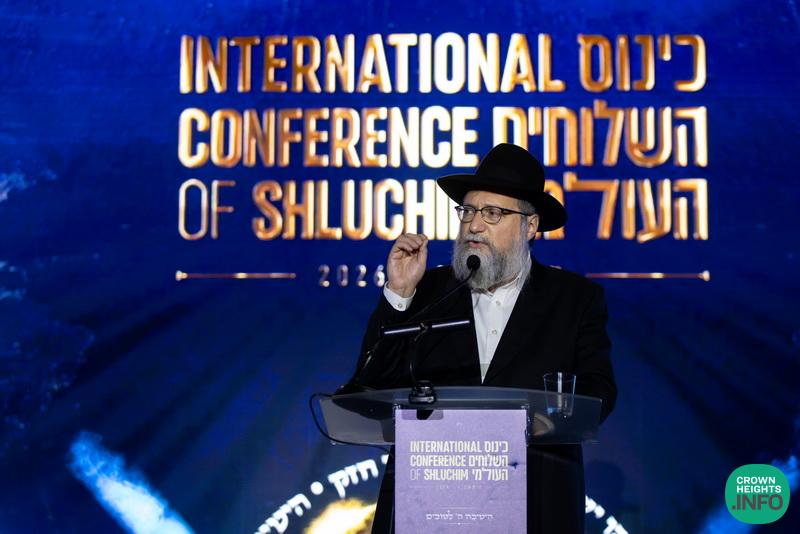
Speaking about that brotherly responsibility as a defining element of Chabad leadership, Rabbi Ezra Binyamin Schochet, Rosh Yeshiva of Yeshivas Ohr El Chonon Los Angeles, California, said the success of another Shliach and his community is deeply connected to one’s own mission.
“It doesn’t concern me only that my institution should grow,” Rabbi Schochet said. “Every shliach, wherever he is, whether on the other side of the world or on the other side of the city, I care about his shlichus, and I care about his work.”
A video presentation then showed that culture in practice across very different circumstances. Shluchim opened their homes and organized support for a family traveling for serious medical care. Colleagues helped communities in Barbados and Helsinki complete major projects. And after the terrorist attack at the Chanukah celebration in Bondi, Australia, Shluchim from around the world rallied around the Bondi community.
Among the most moving was the story of Leibel Lazaroff, who spent last year working with Chabad of Bondi in Sydney, Australia.
While preparing for the large public Chanukah celebration with Rabbi Eli Schlanger, Lazaroff walked toward a car shortly before the menorah lighting when he heard a gunshot. Sixteen victims were murdered in the terror attack, including two Shluchim, Rabbi Eli Schlanger and Rabbi Yaakov Levitan. Lazaroff was shot.
In the days that followed, Shluchim and their families arranged housing, meals, transportation and childcare. Visitors flew in from South Africa, Israel, the United States and across Australia to sit beside the family in the hospital.
“They came to give him encouragement,” his father, Rabbi Yossi Lazaroff of Chabad College Station, Texas, recalled, “and they left with him giving them encouragement.”
When the family realized they would need to remain in Australia while Leibel recovered, fellow Chabad Shluchim raised the money to bring his younger siblings from Texas and arranged a home, food, transportation and babysitting for the family.
“I can’t thank my family of shluchim enough for all of their support, love, and carrying us through a very, very difficult time in our family’s life,” Rabbi Lazaroff said.
The same brotherhood appeared in stories far removed from moments of crisis.
In Helsinki, Rabbi Benyamin Wolff described how Rabbi Dov Greenberg, a Chabad Shliach at Stanford University who was simultaneously managing his own major building campaign, stepped into Wolff’s project as if it were his own. Greenberg and his wife ultimately helped gather over $1 million toward the Helsinki Chabad center.
In Barbados, Rabbi Eli Chaikin described how Rabbi Mendel Zarchi of San Juan, Puerto Rico, helped rally support for the community’s new mikvah, or Jewish ritual bath, putting his own reputation behind a project serving a community in another country.
One businessman involved in the effort said watching that relationship changed his understanding of leadership.
“I’m a businessman. I get competition,” he said. “I understand that everyone has to fill their budget, finish their year. But at the end of the day, it’s one mission.”
“If everyone operated in silos, no one would be successful,” he continued. “When one person lifts up another person, that’s the sign of true leadership.”
For Leibel Lazaroff, that brotherhood became intensely personal.
“The truth is, I don’t know where I’d be today if not for the support of fellow shluchim rallying behind me as I tried to recover and do what I can to stay in this world.”