Chabad Conference Opening Session Focuses on Security, Jewish Pride and Resilience
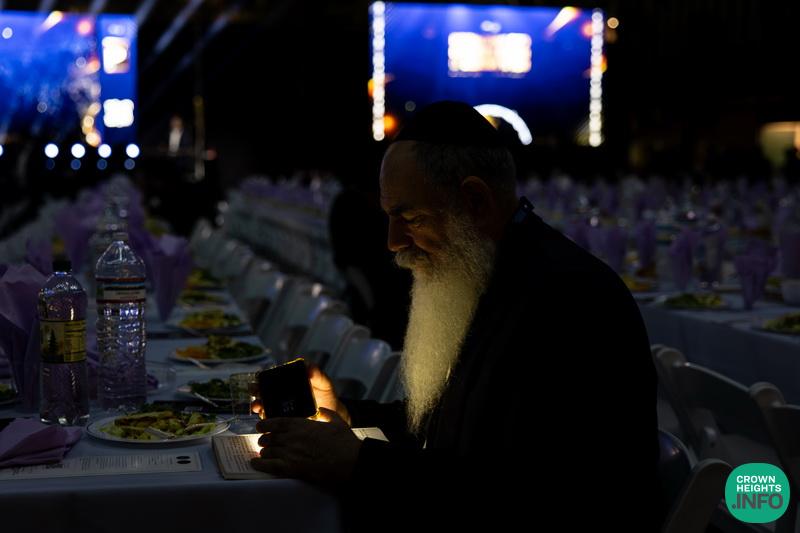
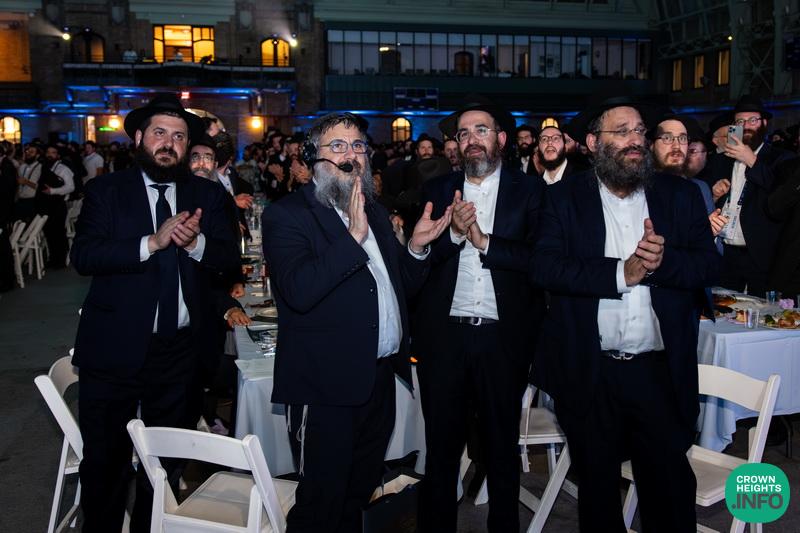
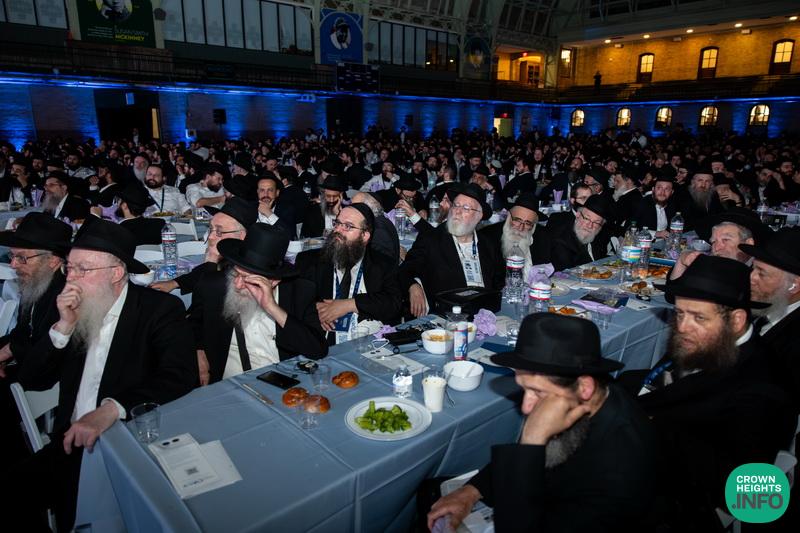
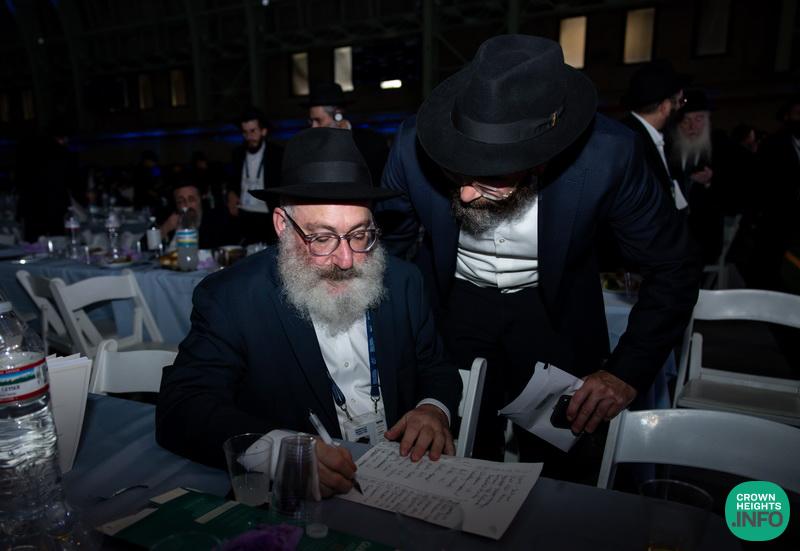
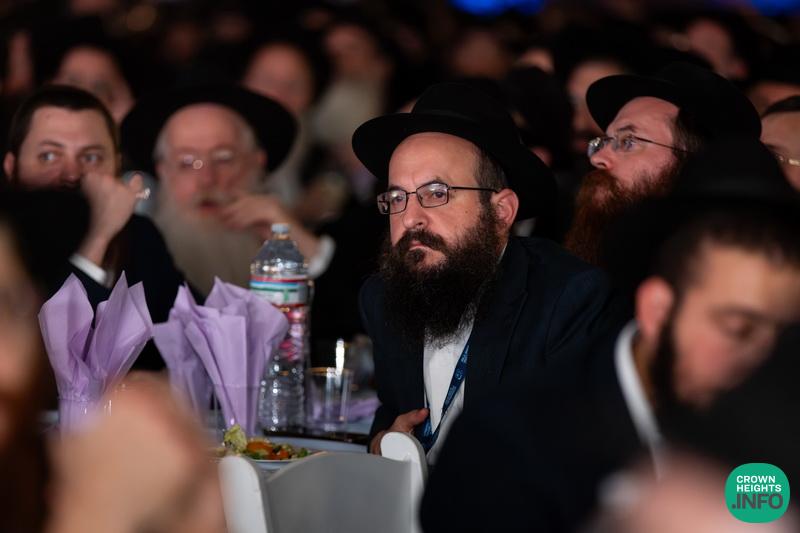
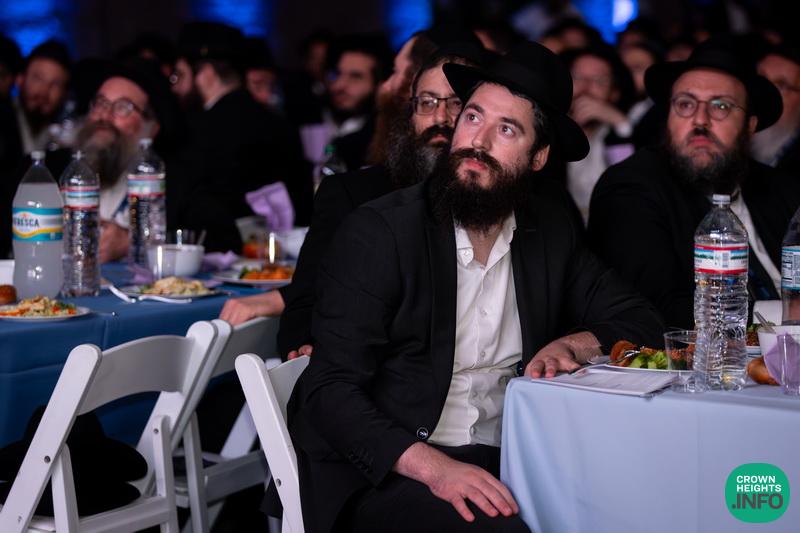
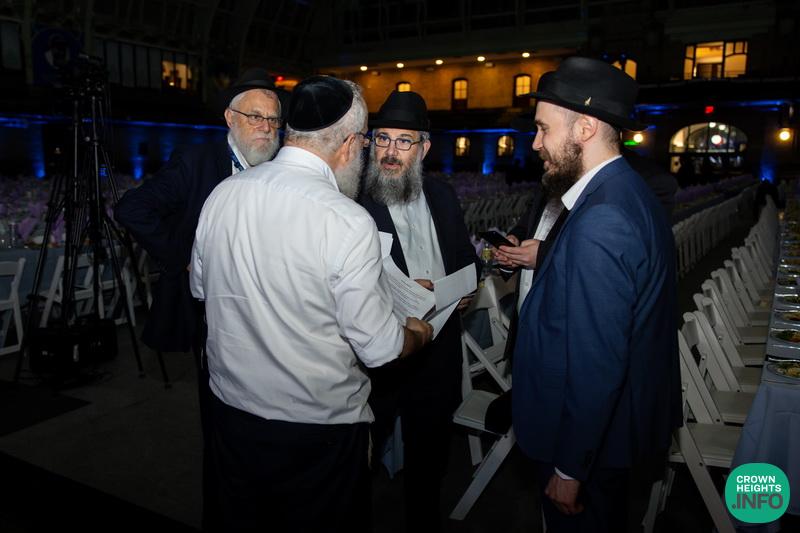
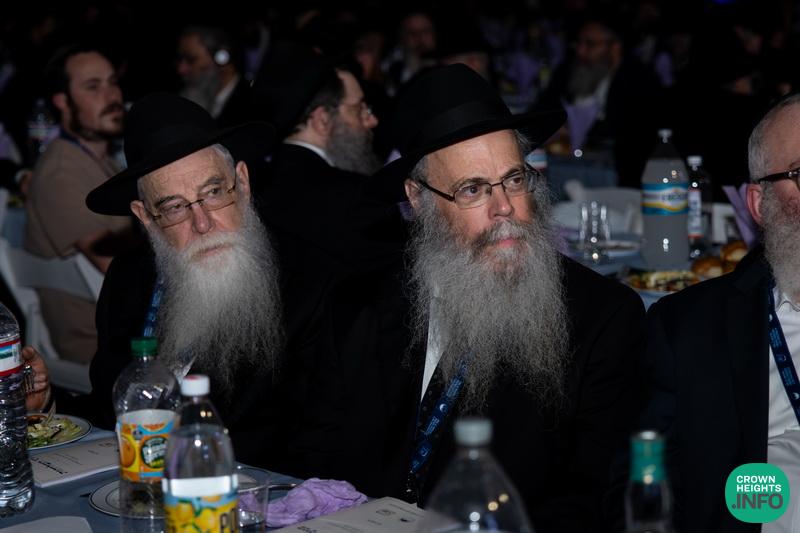
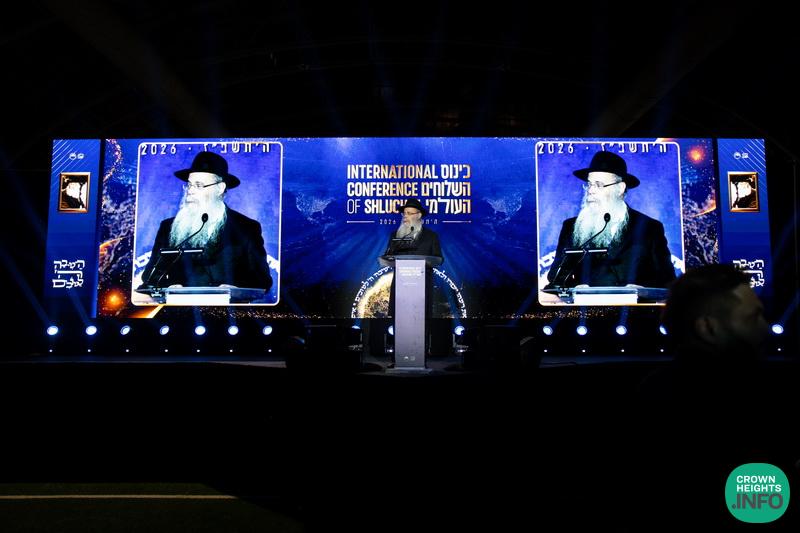
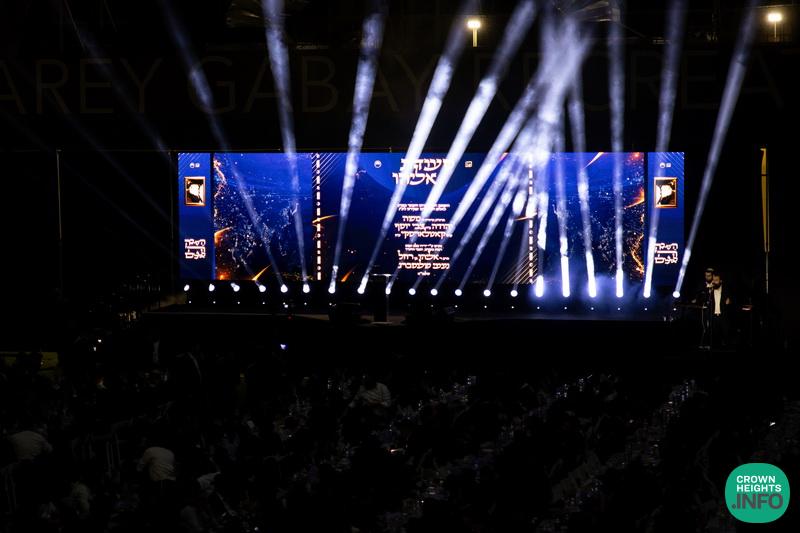
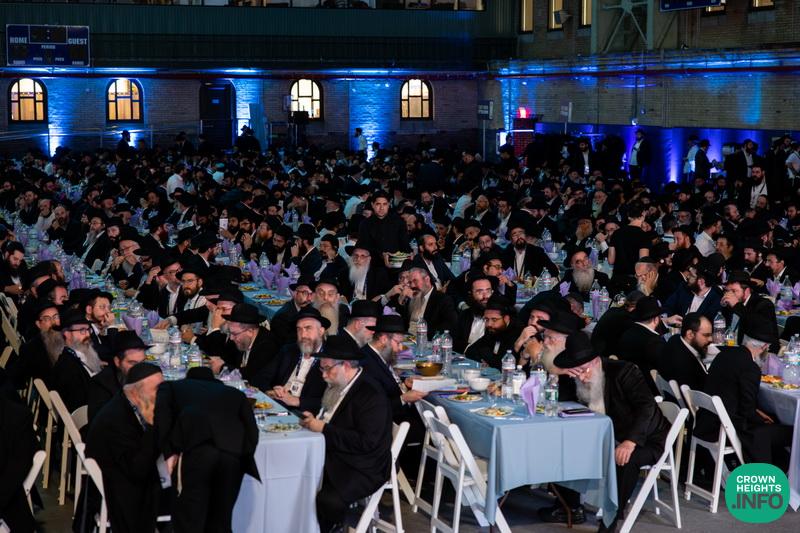
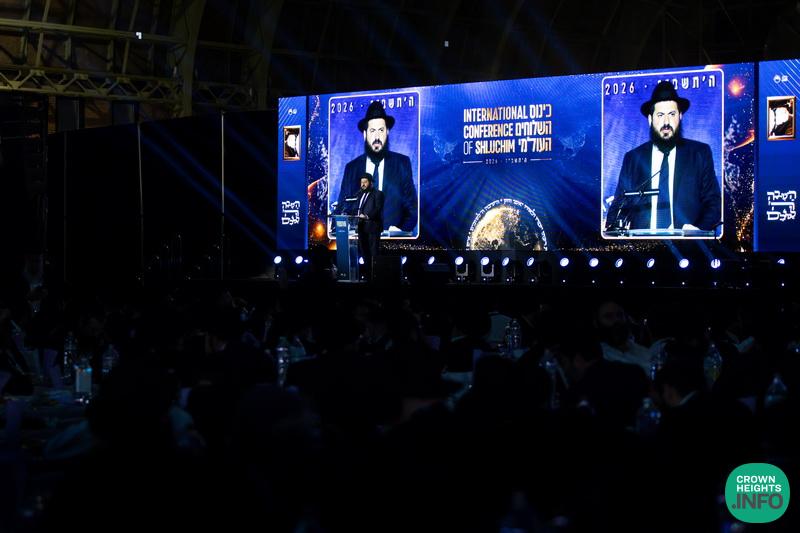
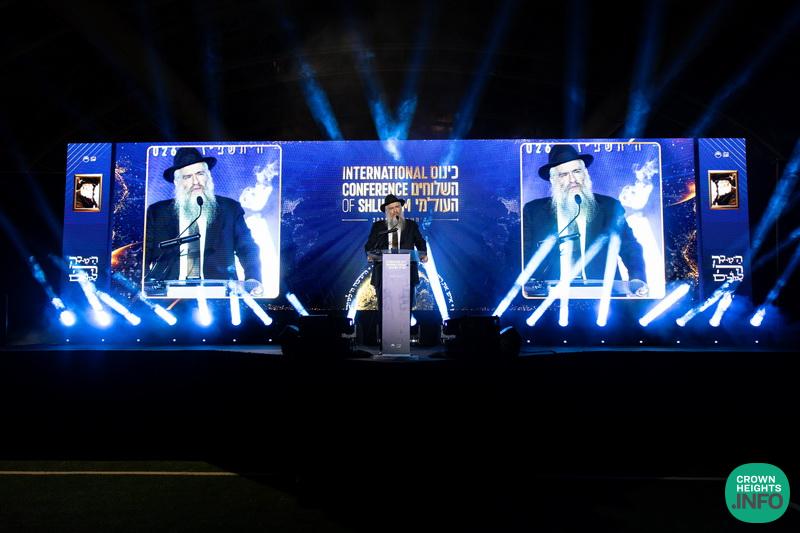
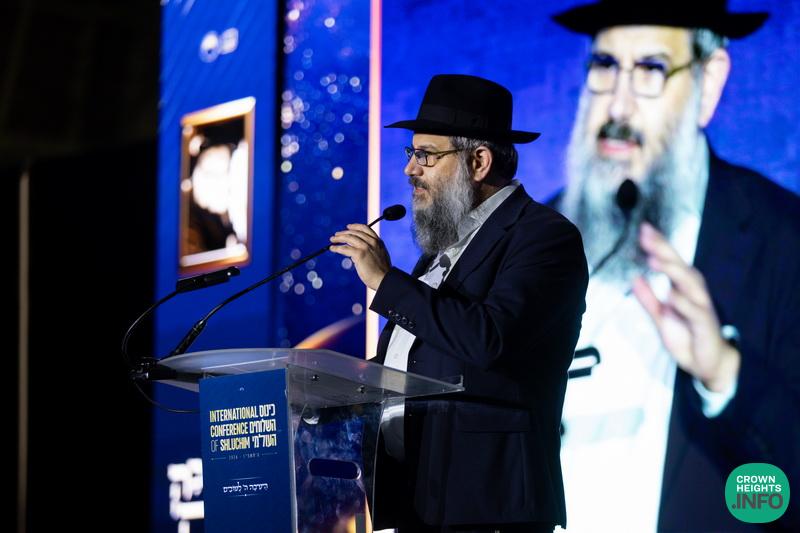
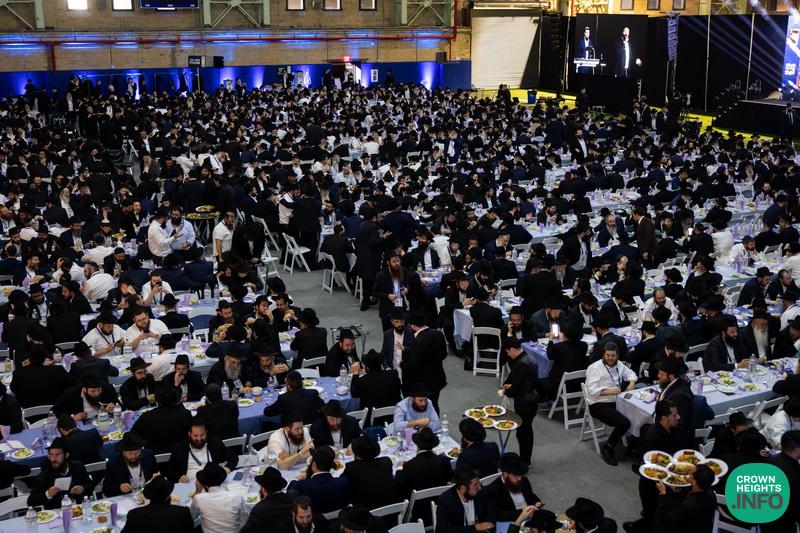
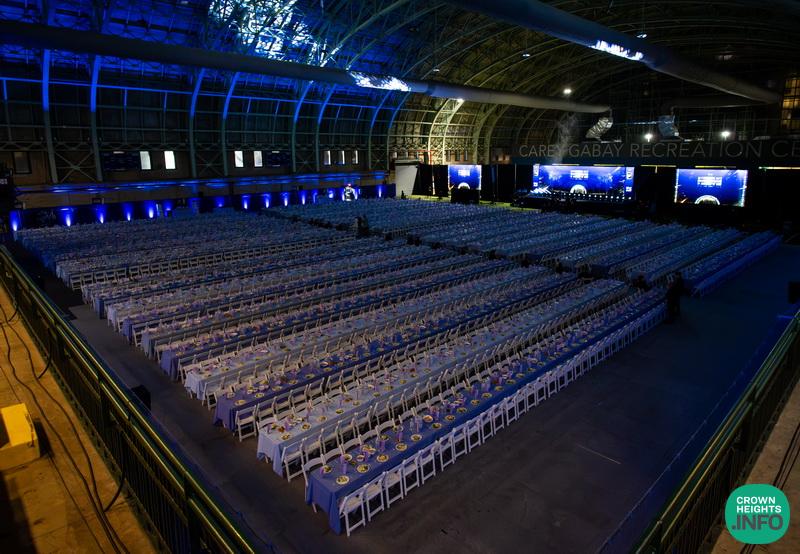
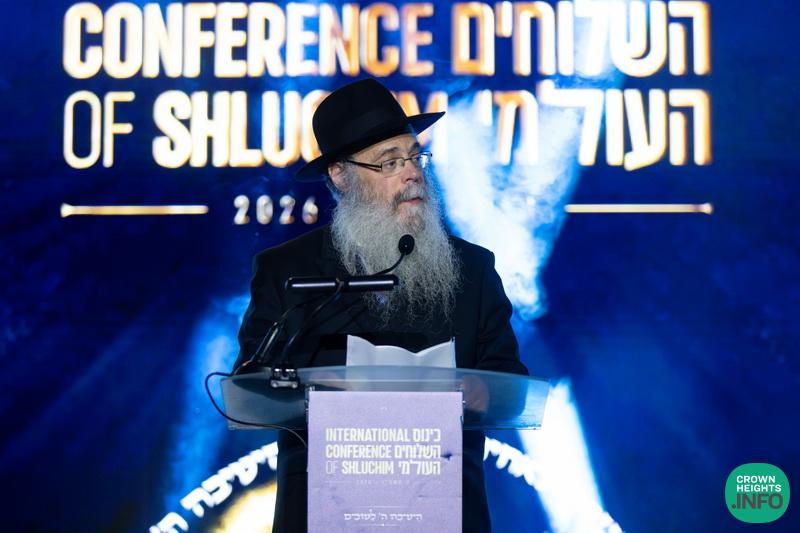
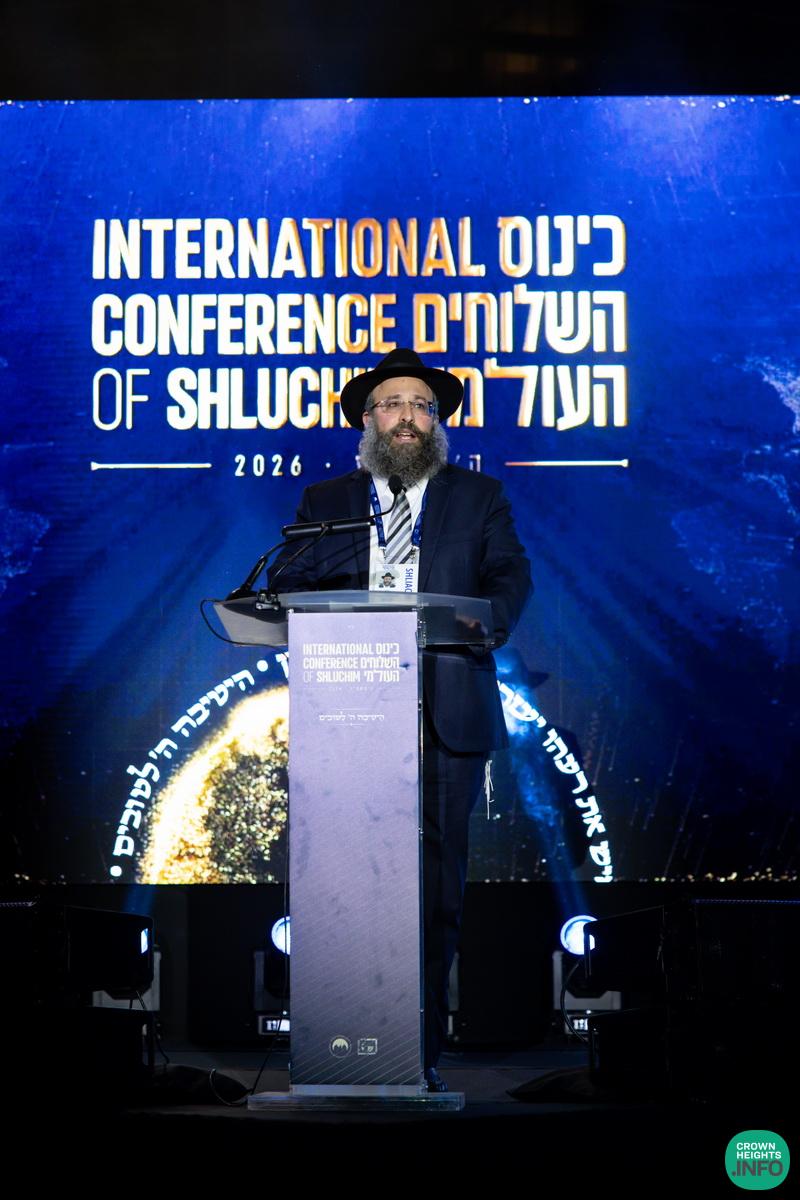
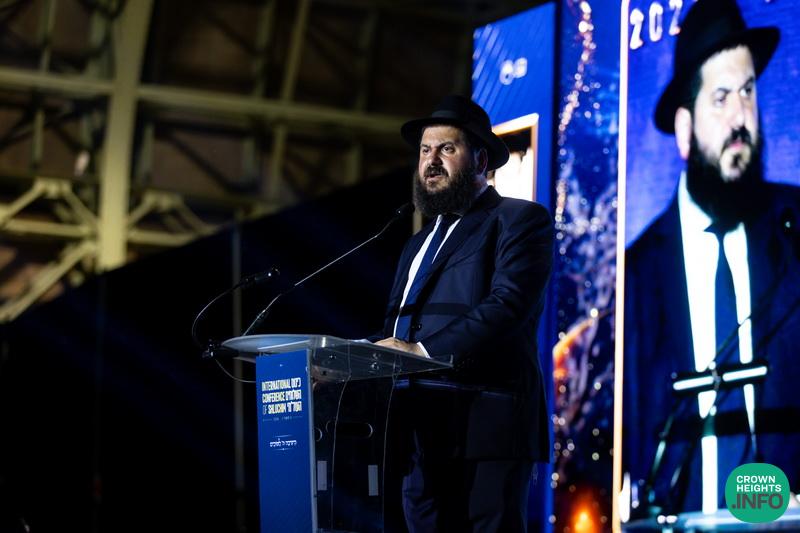
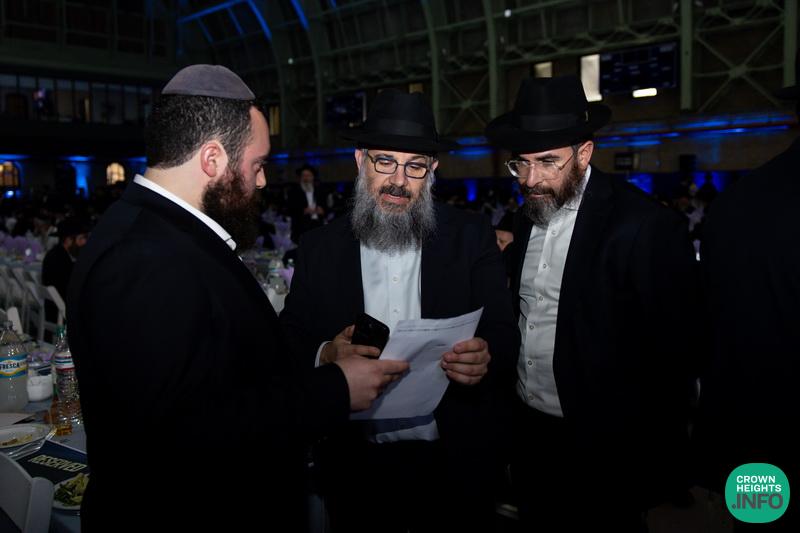
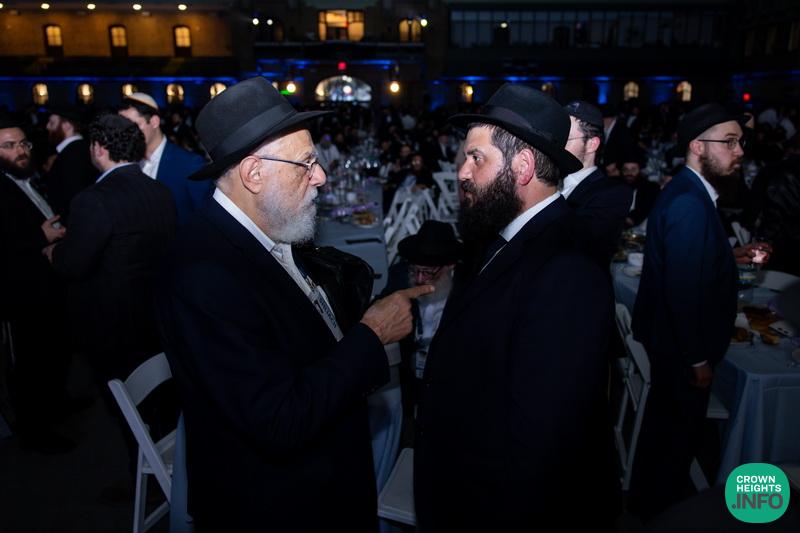
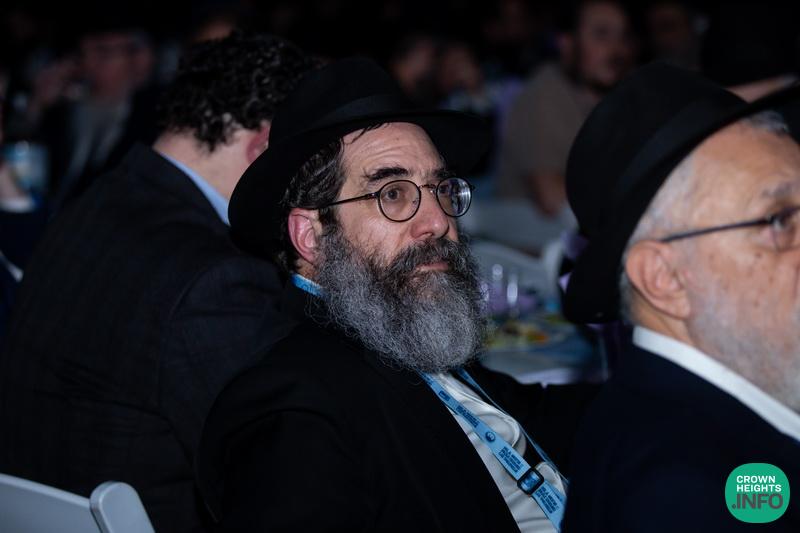
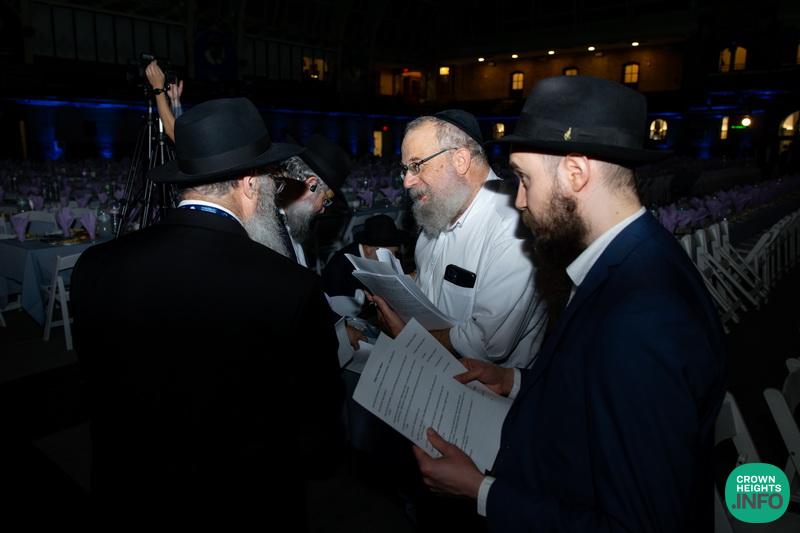
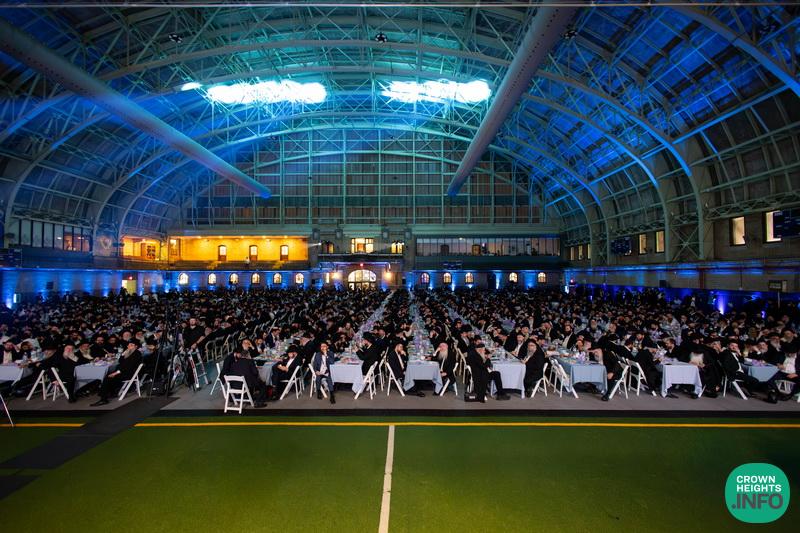
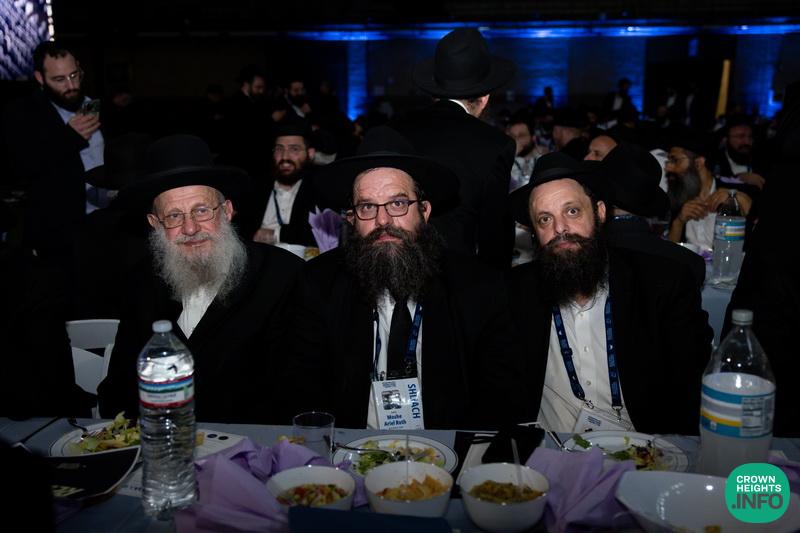
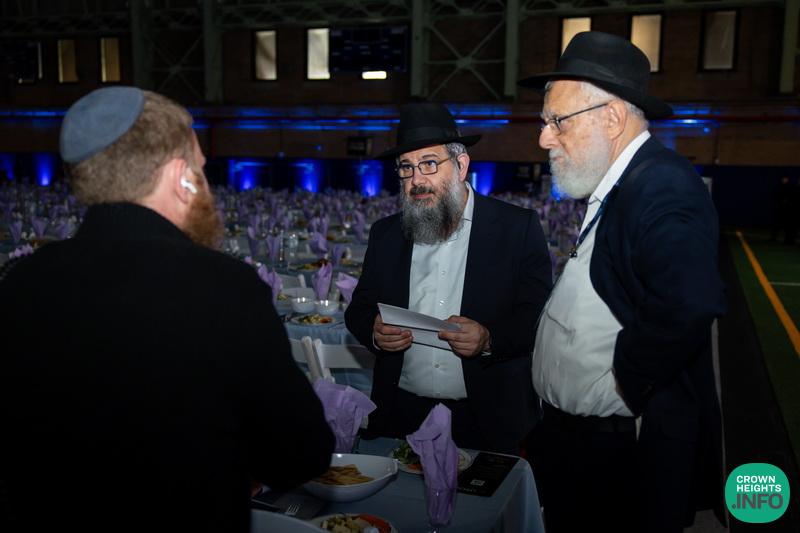
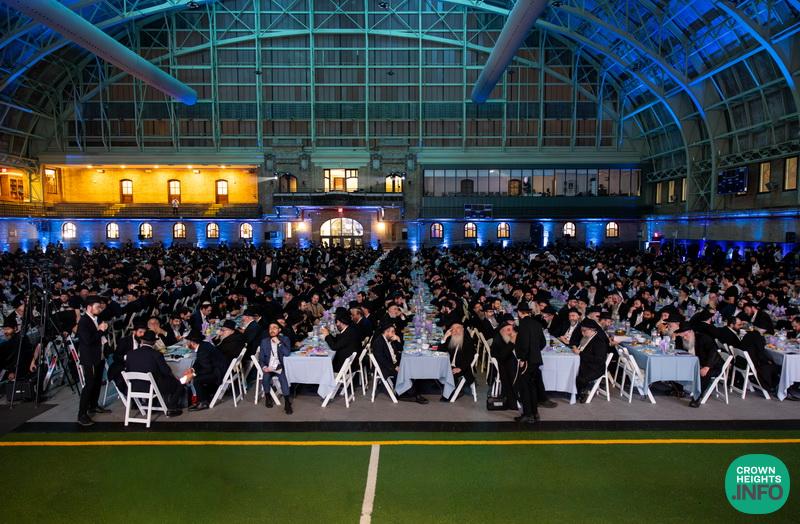
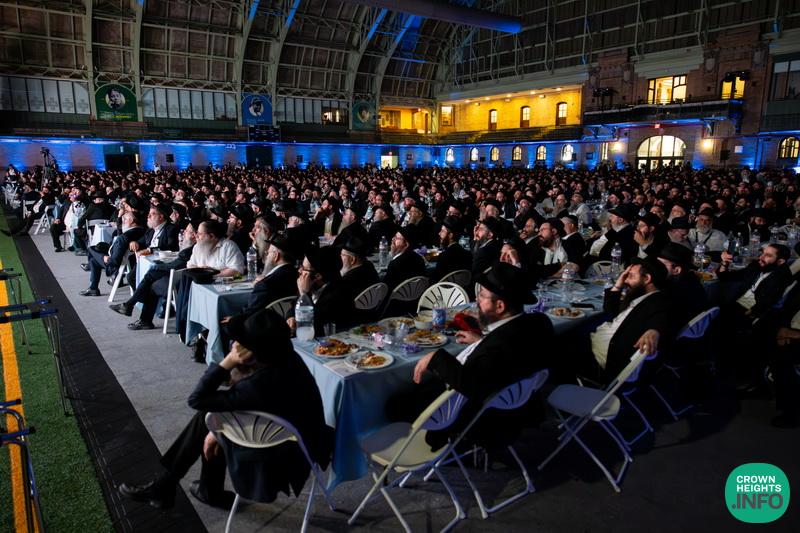
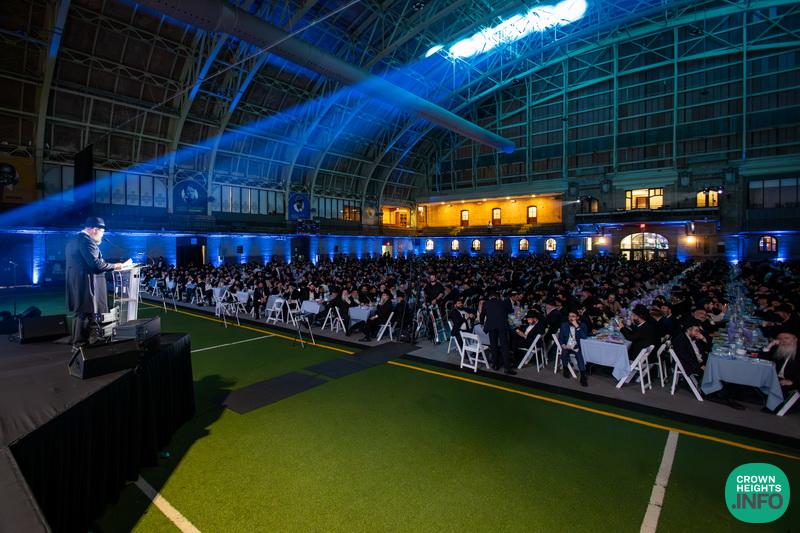
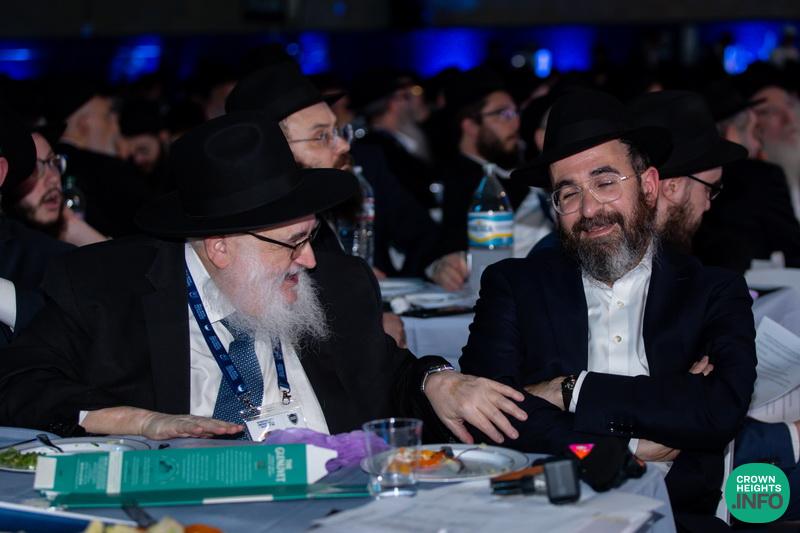
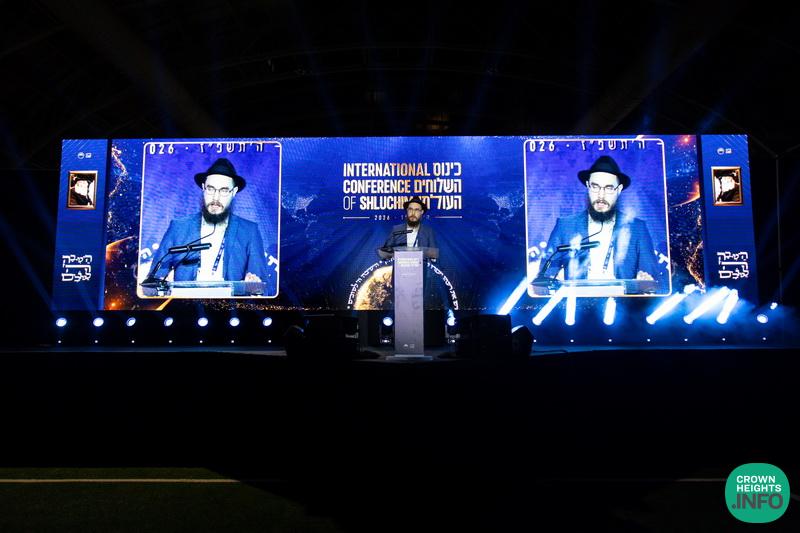
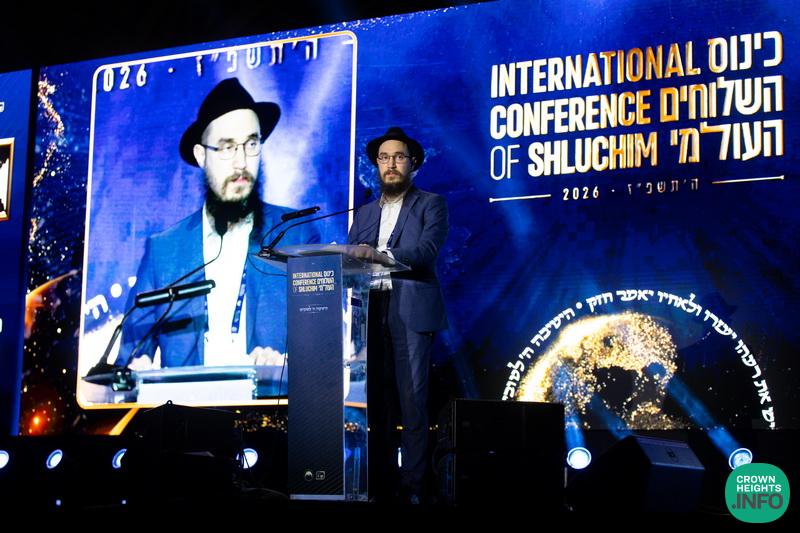
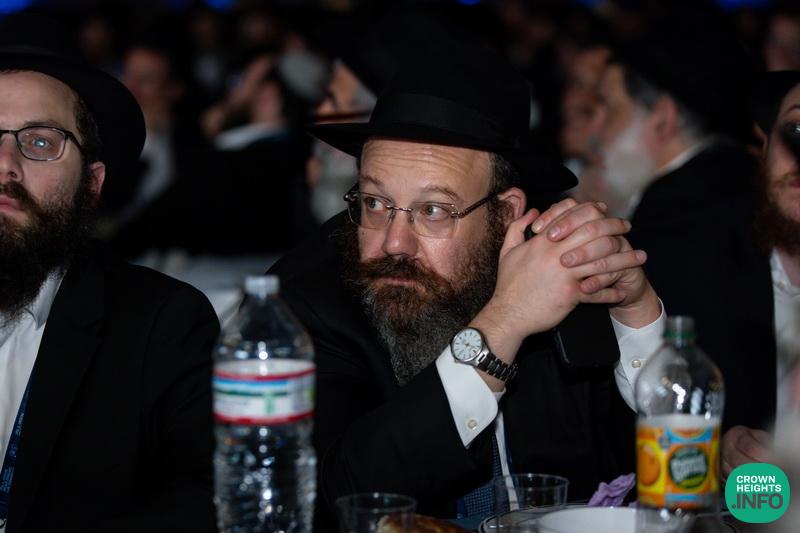
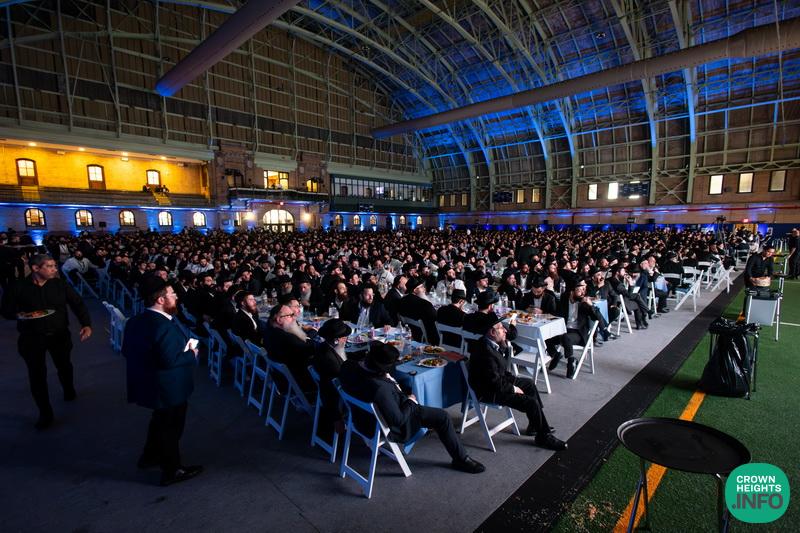
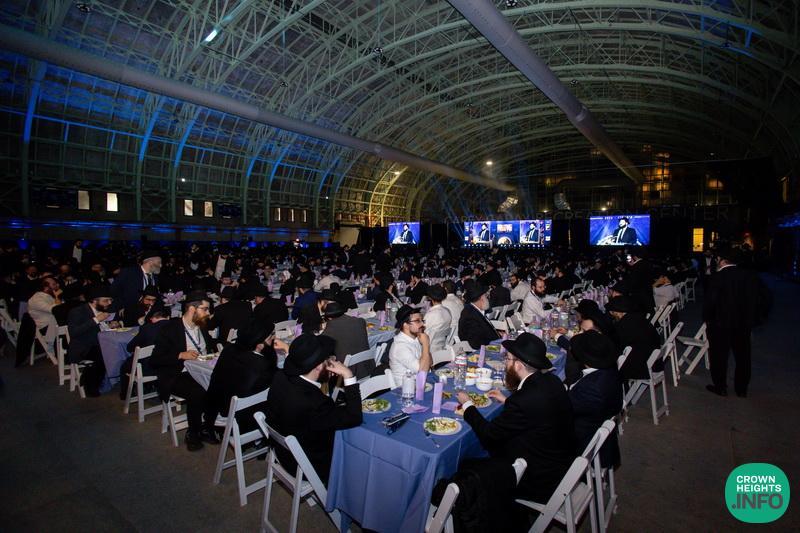
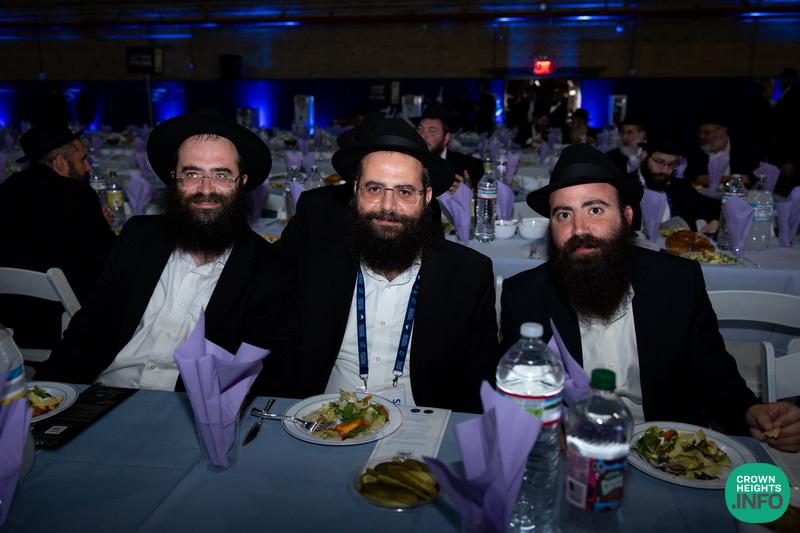
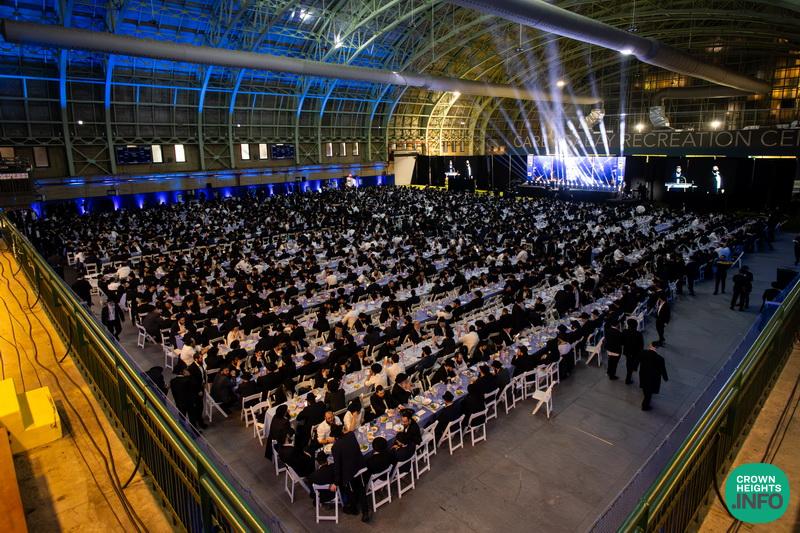
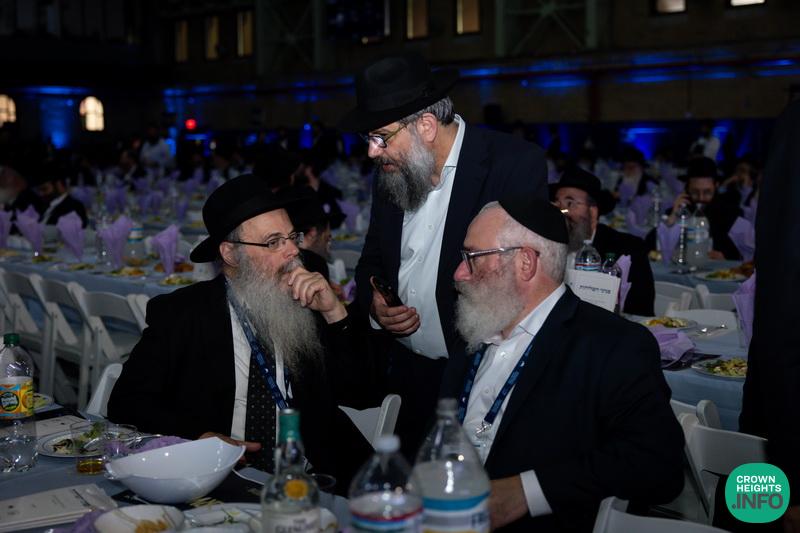
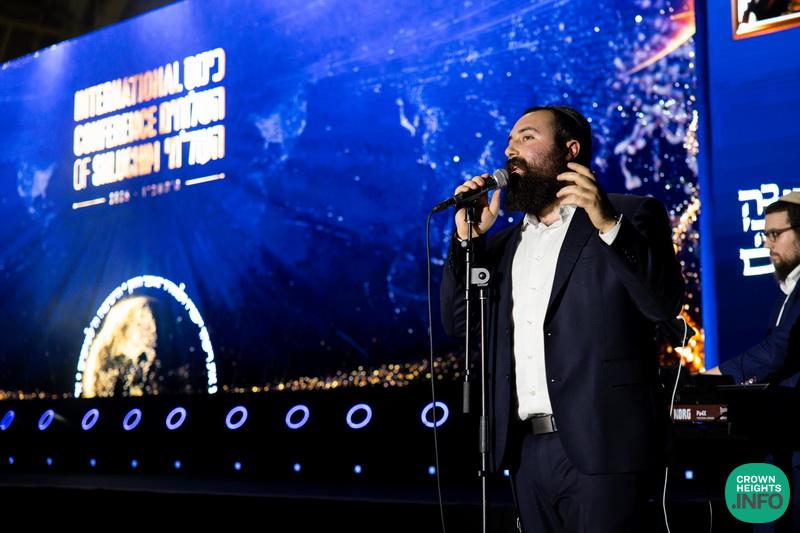
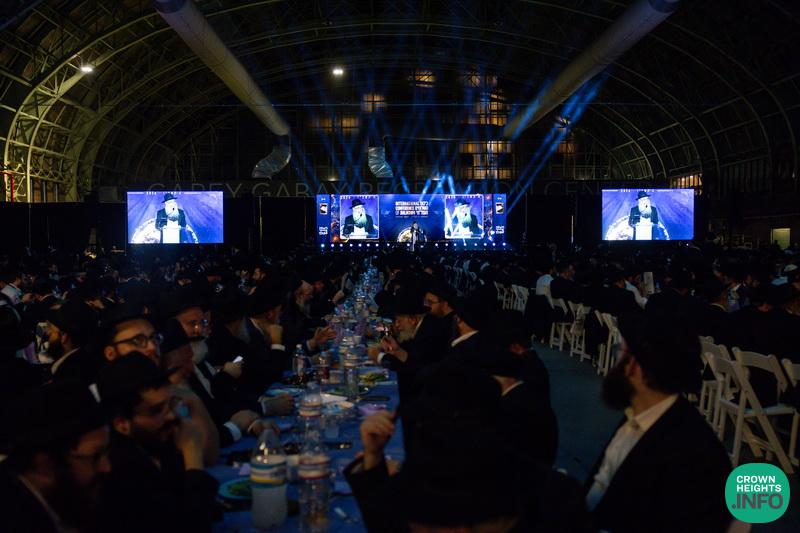
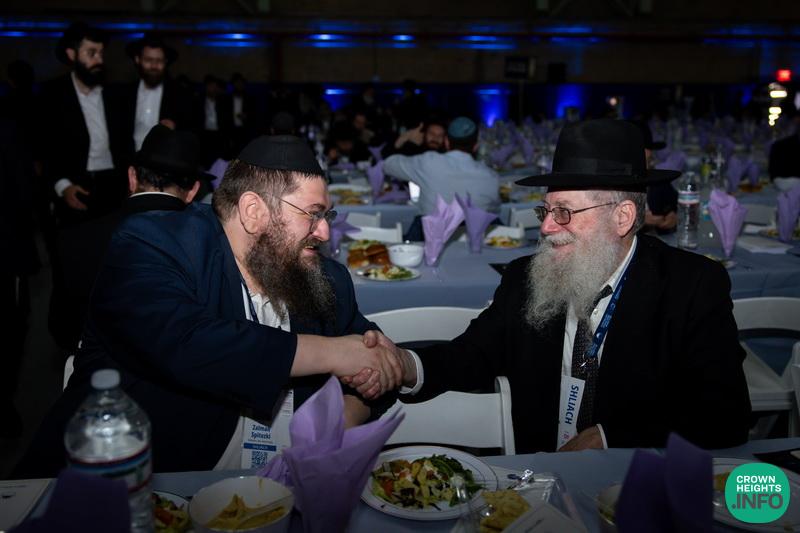
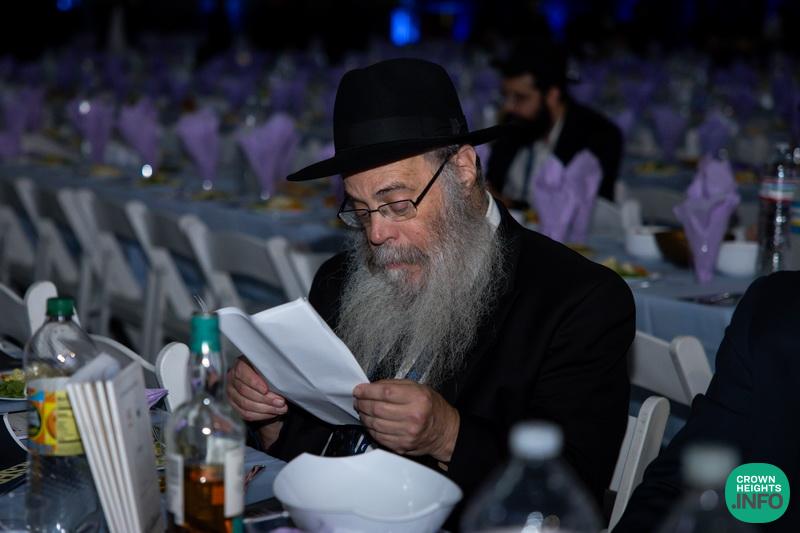
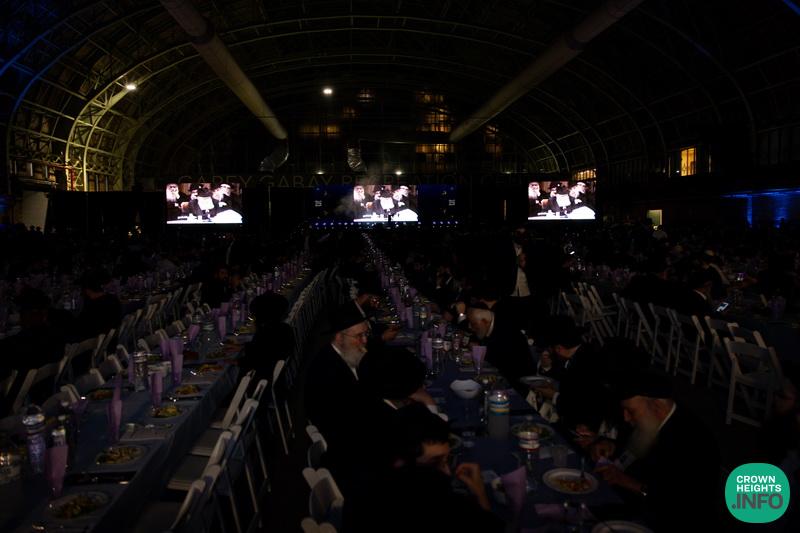
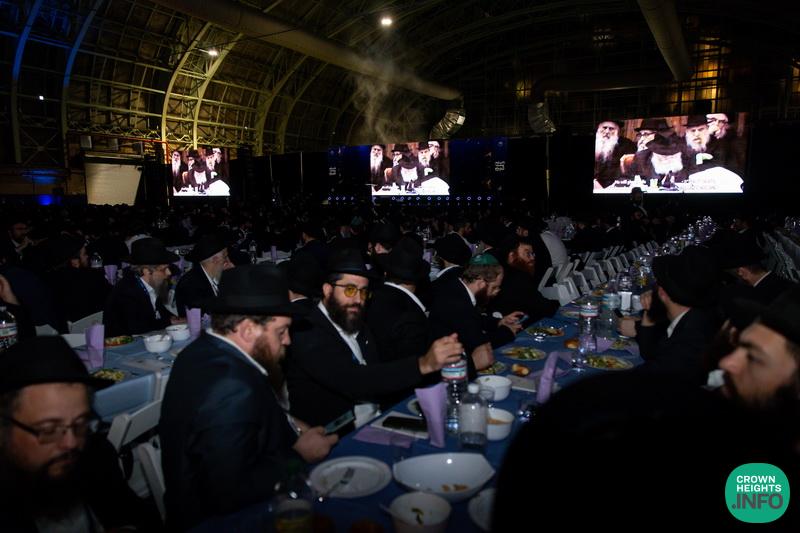
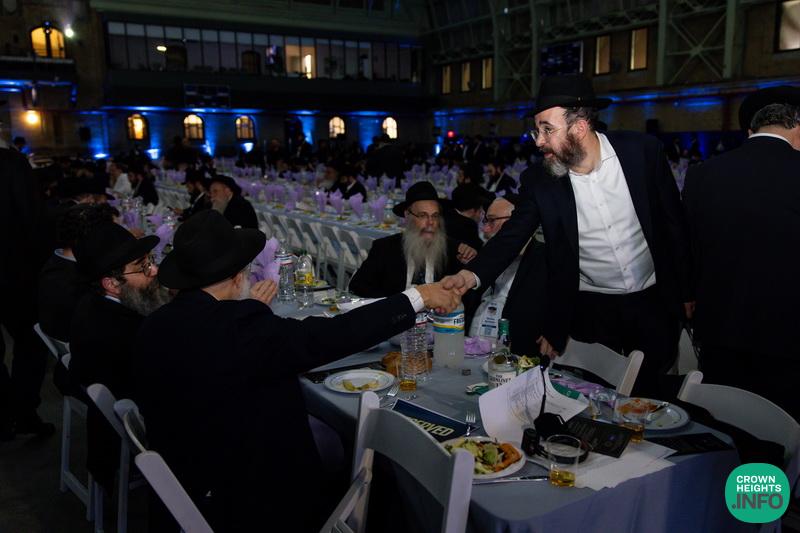
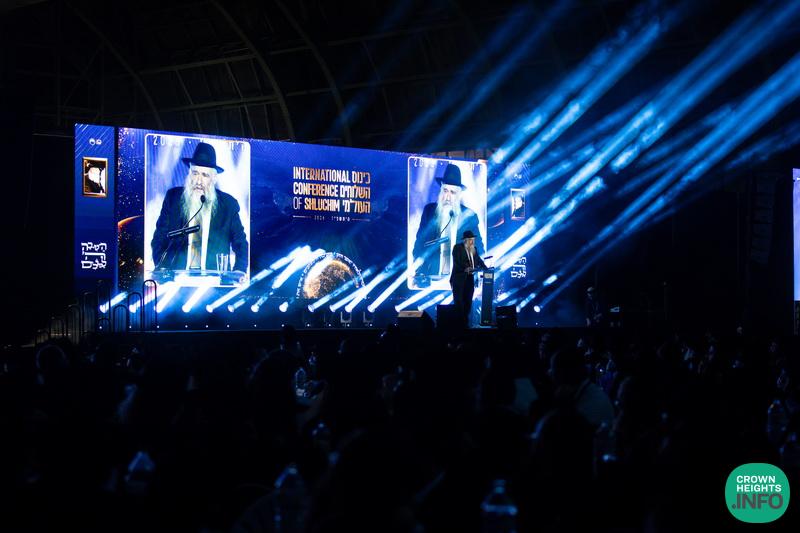
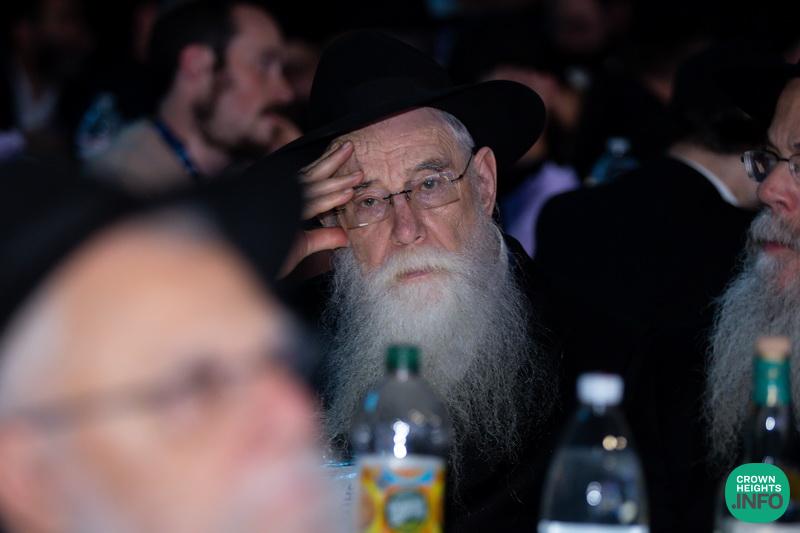
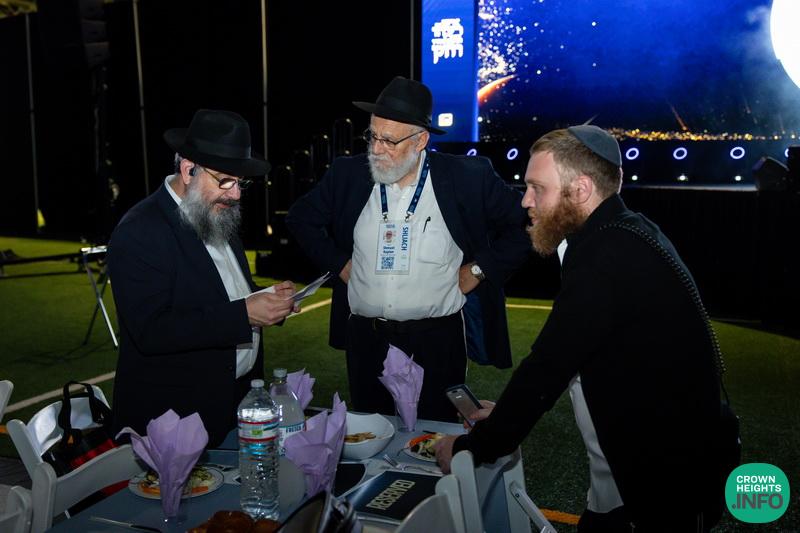
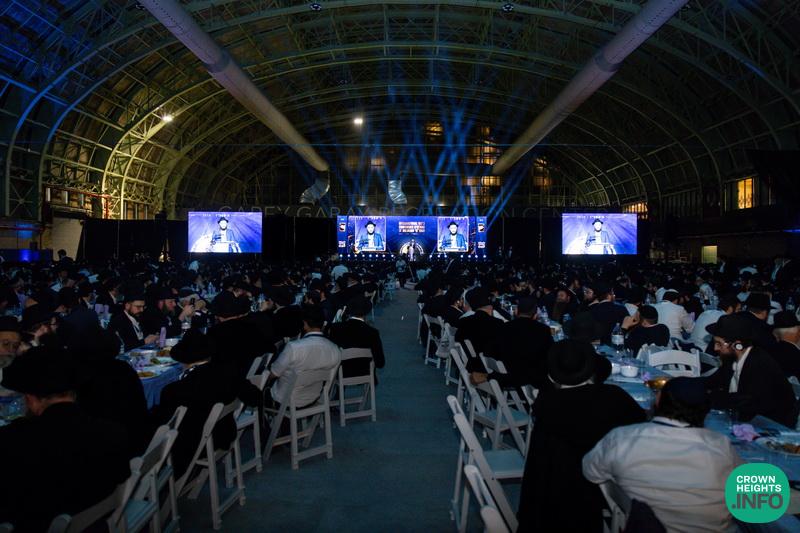
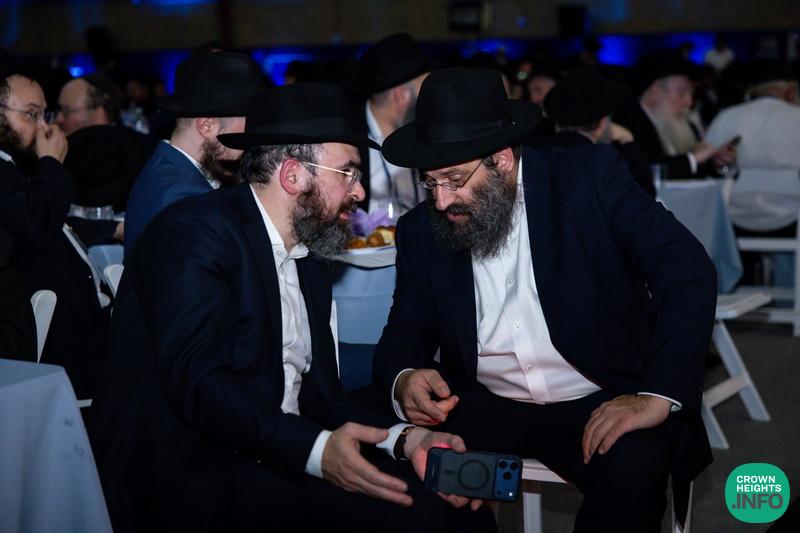
Thousands of shluchim from around the world filled Brooklyn’s Major R. Owens Community Center on Thursday night for dinner and a closed general session.
In a setting designed for open, internal reflection, the evening offered a rare opportunity for shluchim to speak candidly about the emotional and practical challenges they face, and to draw fresh strength, clarity, and joy from their shared mission of bringing the Rebbe’s vision to life around the world.
The evening opened with Tehillim, led by Rabbi Mendel Rubin of Albany, New York, and Rabbi Mendel Lipskier of Sherman Oaks, California.
The closed session focused on the realities facing shluchim today, including rising antisemitism and security threats, Jewish life after Oct. 7, and the persistence required to build Jewish communities in circumstances that can change overnight.
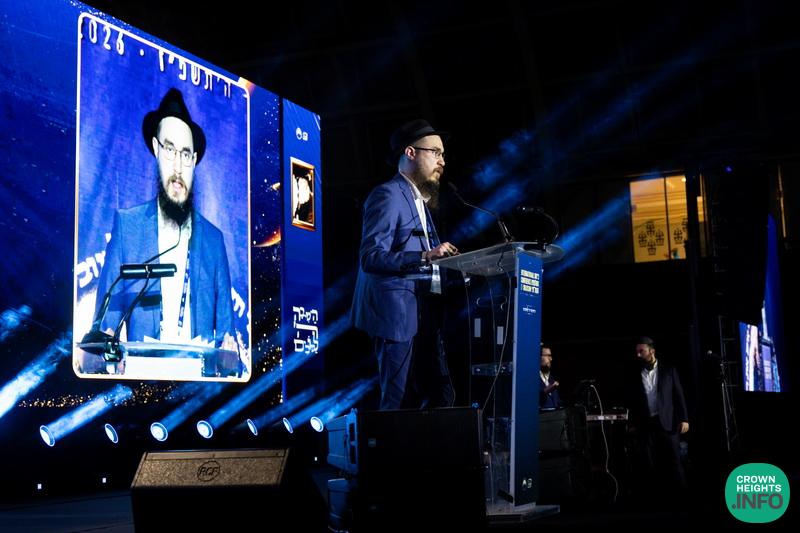
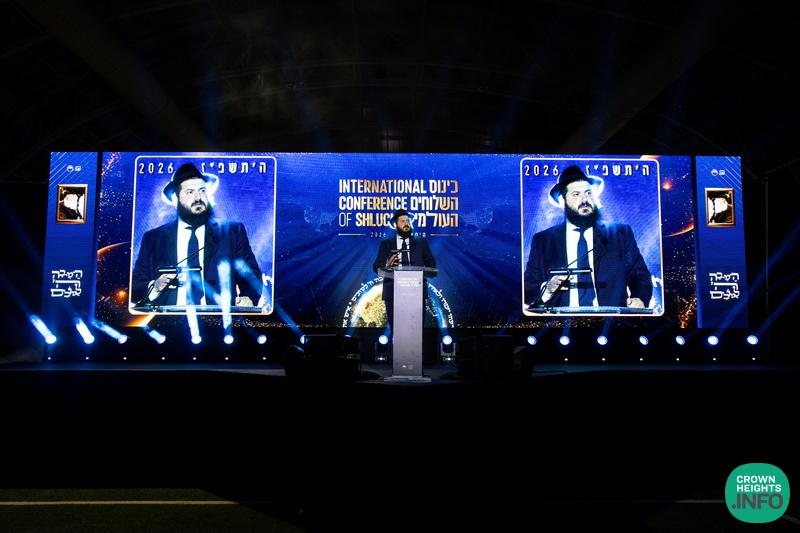
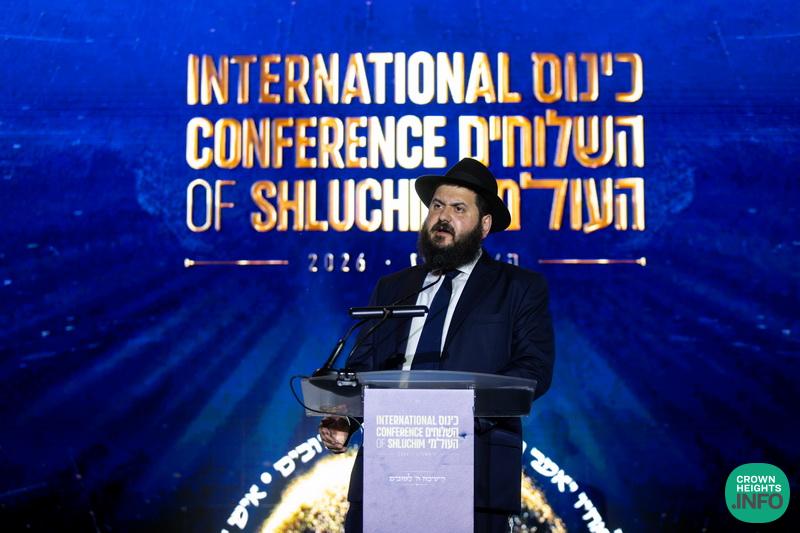
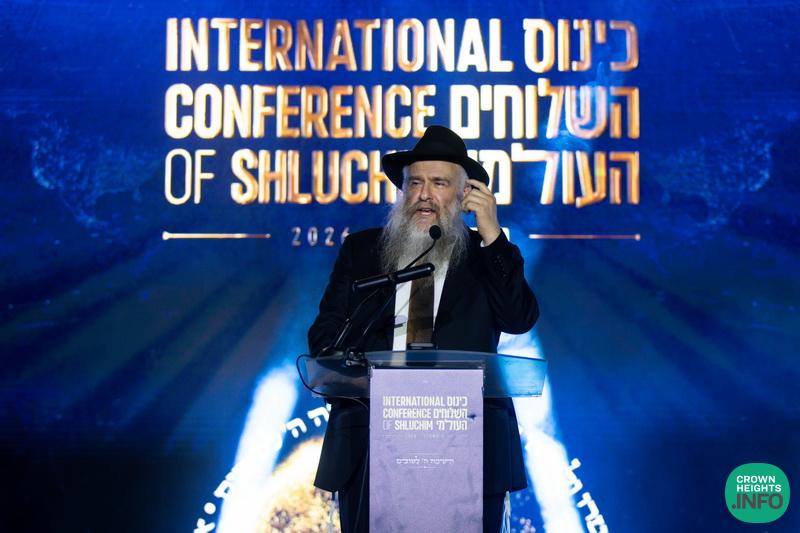
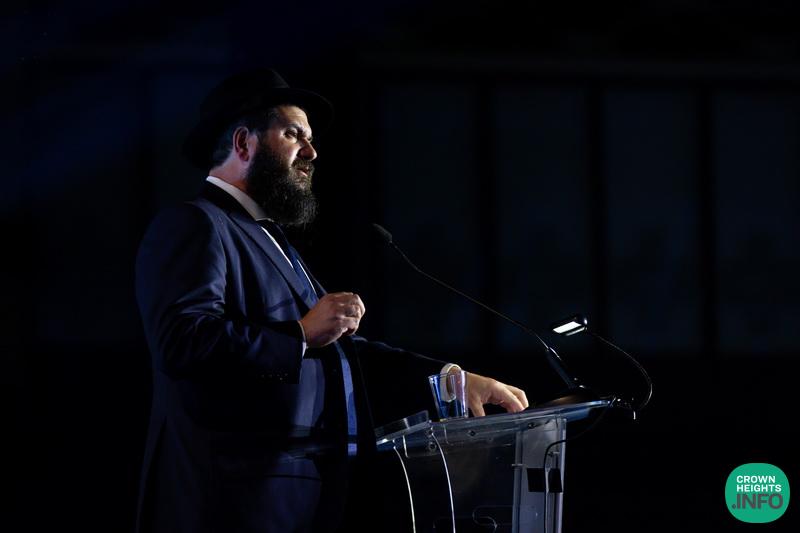
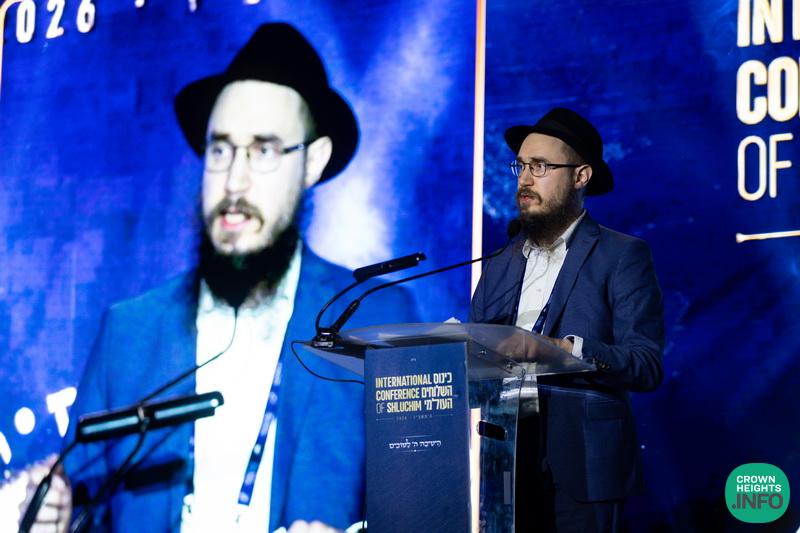
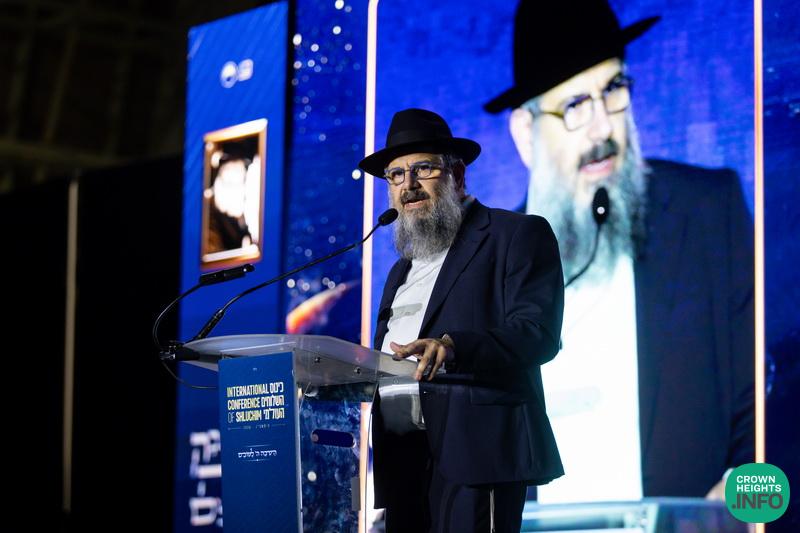
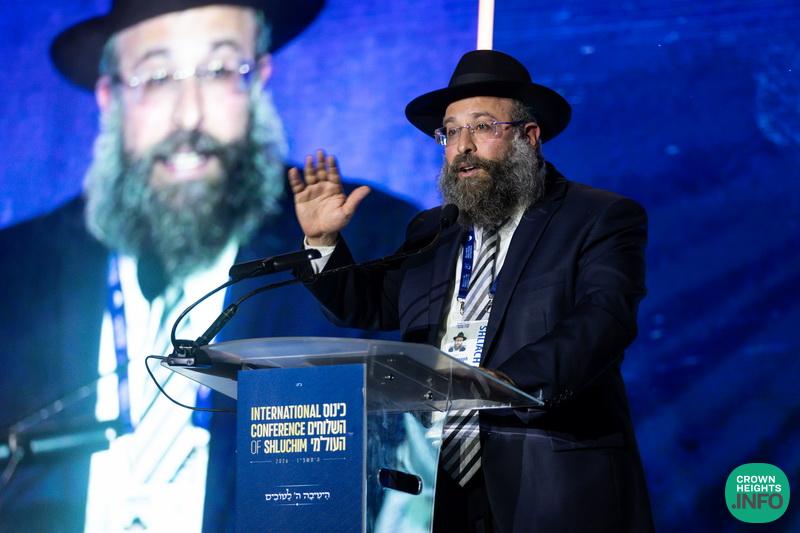
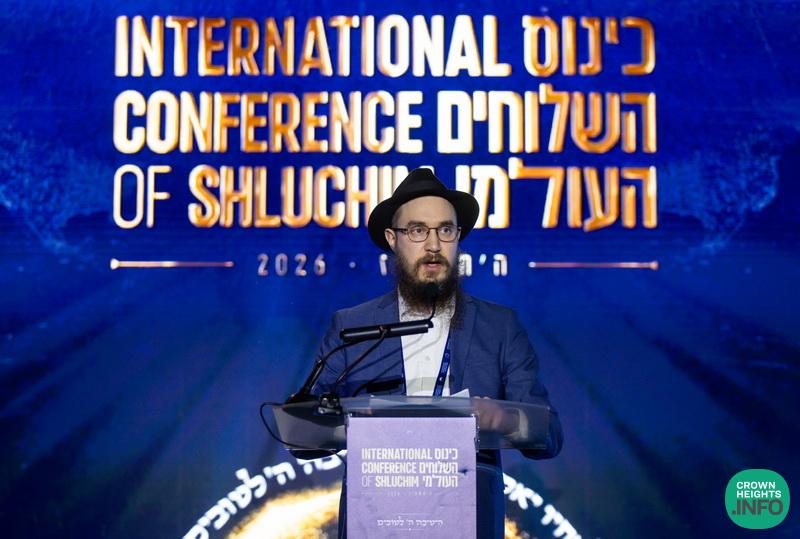
Rabbi Mendy Kotlarsky, Executive Director of the conference, opened the evening by focusing on the responsibility shluchim carry toward their communities, their mission and one another.
“Look for a friend, look for someone who you can do a favor for, a fellow shliach in your area that needs a hug, that needs you to be there to support them,” Rabbi Kotlarsky told the gathering.
He encouraged participants to leave the conference with concrete commitments rather than inspiration alone. “What are we going to take home with us? What are the important ideas?” he asked, calling on shluchim to strengthen their personal Torah study and establish regular chavrusas.
Rabbi Baruch Hertz of Chicago then delivered remarks on behalf of Vaad Rabbonei Lubavitch, reflecting on his father’s six decades of shlichus in London and the sense of responsibility and purpose that shaped his life.
The next segments brought shluchim from around the world to the stage to share personal stories of persistence, uncertainty and the unexpected turns that often shape shlichus.
Rabbi Gil Yosef Leeds of Berkeley, California, described the atmosphere facing Jewish students at UC Berkeley after Oct. 7, as protests and intimidation left some students afraid to openly display their Jewish identity.
“Now is your time to be the proudest Jew,” Rabbi Leeds recalled telling students.
He described how that message was followed by increased Jewish activity on campus, including a mezuzah campaign, daily tefillin, expanded Torah learning and a Mega Shabbos attended by 500 students.
Rabbi Yoav Arkish of Hadera, Eretz Yisroel, spoke about repeatedly pursuing opportunities for his growing community only to see one door after another close, before eventually receiving use of a 1,500-square-meter facility for one shekel a year.
Rabbi Zelig Ashkenazi of Ekaterinburg, Russia, shared the story of a young Jew he continued reaching out to for years despite losing contact. That young man, Rabbi Elijahu Shmorgun, eventually built a Jewish family and became a shliach himself in Tallinn, Estonia.
Rabbi Shmorgun then addressed the gathering himself.
“Every message you send to a Jew, every phone call, every invitation, every act of kindness, it makes a difference,” he said. “Even if that person doesn’t answer, even if he drifts away, even if years go by and you don’t hear from him, it doesn’t disappear.”
He added, “Just as we never give up on another Jew, we must never give up on ourselves.”
Rabbi Yosef Chaim Kantor of Bangkok, Thailand, reflected on more than three decades of shlichus and on moments of uncertainty that forced him to return to the foundations of his mission and recommit himself to the work ahead.
“Standing at the Ohel, I realigned with the Rebbe’s consistent, powerful and unrelenting message that we are at the final stages of preparing the world for Moshiach,” Rabbi Kantor said.
The evening also addressed practical challenges facing shluchim today. A video presentation from Chabad World Association focused on strengthening security at Chabad centers while maintaining the open and welcoming environment at the heart of their work.
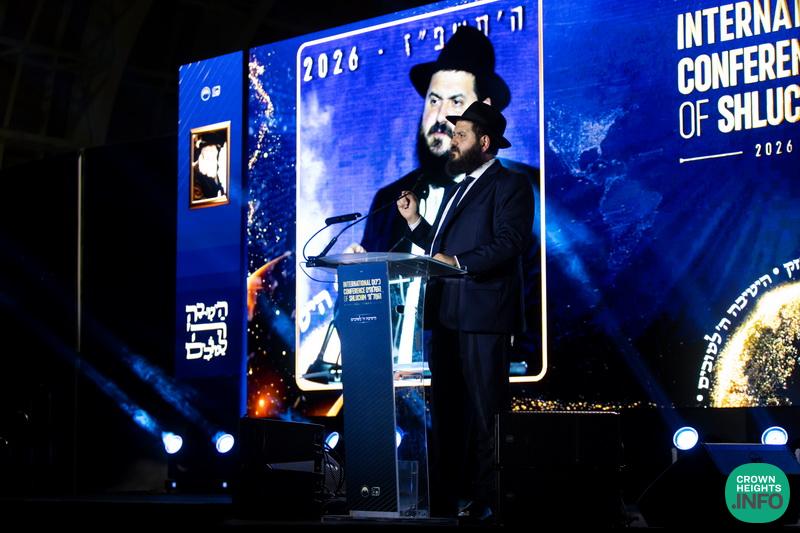
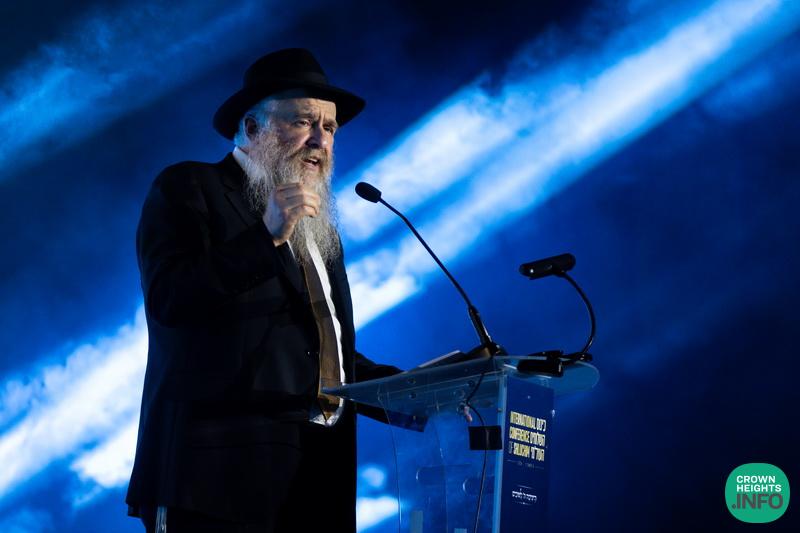
Rabbi Yossi Groner of Charlotte, North Carolina, urged shluchim to take a proactive approach to protecting their communities.
“This is no longer a luxury,” Rabbi Groner said. “Rather, it’s a necessity which obligates us to act and to be proactive in the best of our ability.”
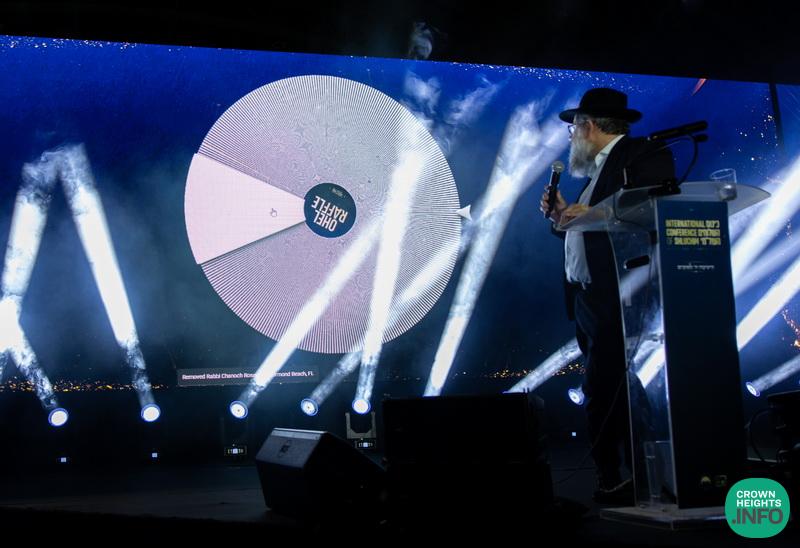
Throughout the evening, a variety of initiatives and resources available to shluchim were highlighted, encouraging them to make use of both new and existing tools to strengthen and expand their work.
The Kinus Hashluchim continues through the weekend, culminating in the grand banquet on Sunday afternoon, where nearly 7,000 leaders will come together to celebrate the shluchim’s work and give them the inspiration and momentum to carry it forward in the year ahead.
Photo credit: Itzik Belenitzki/Kinus.com