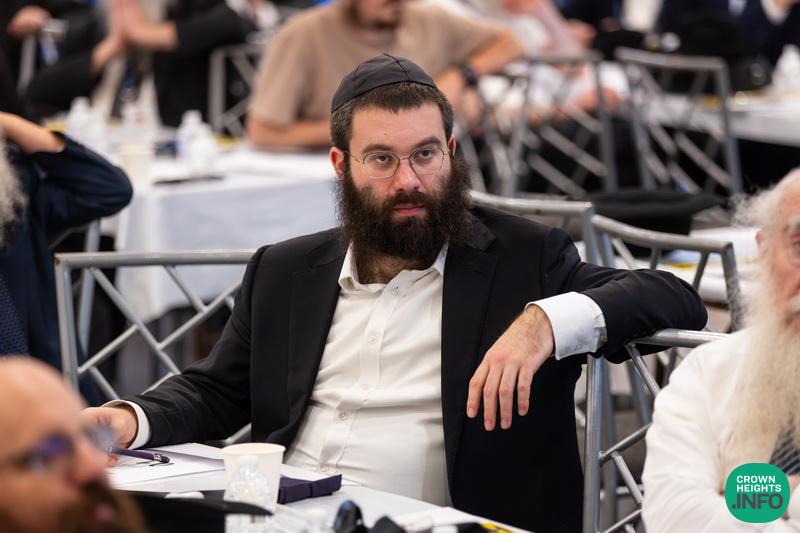
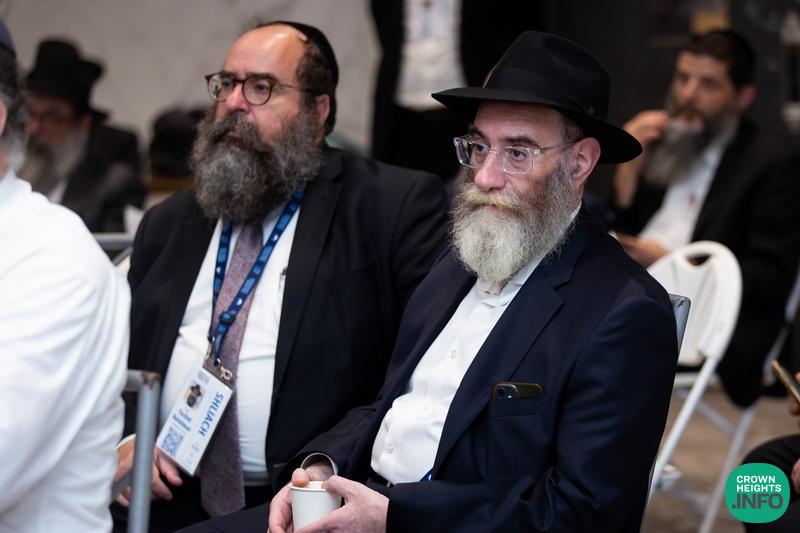
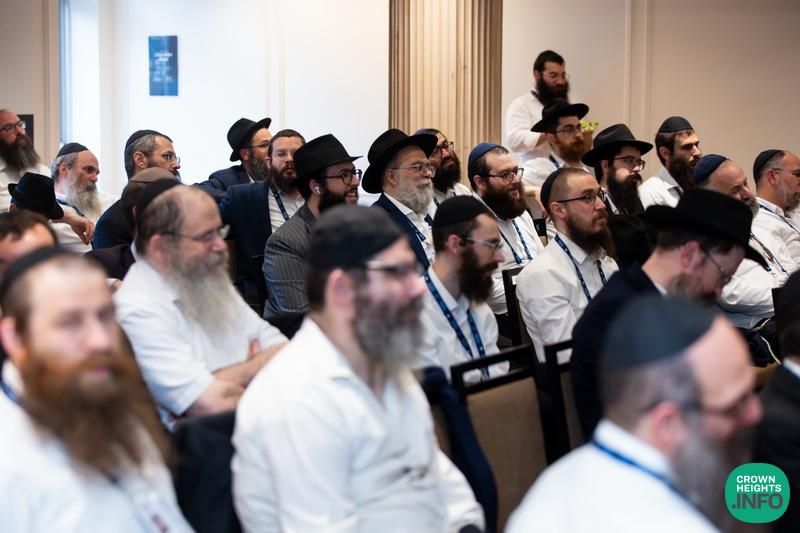
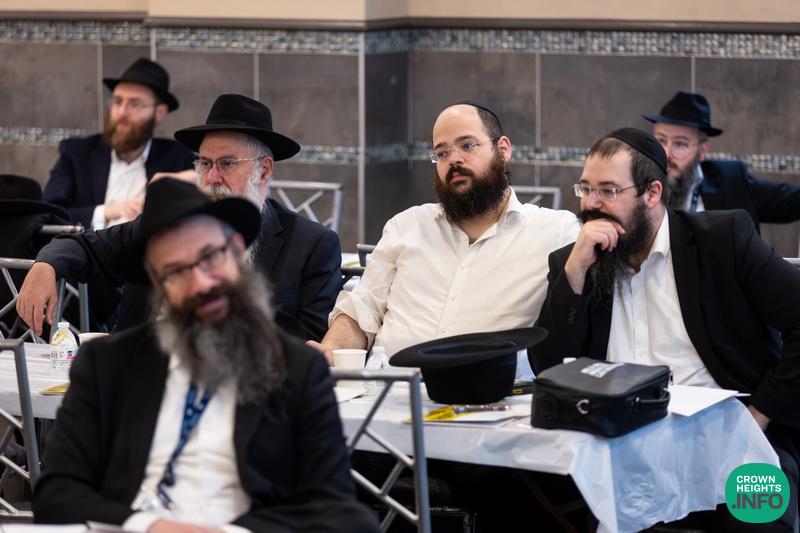
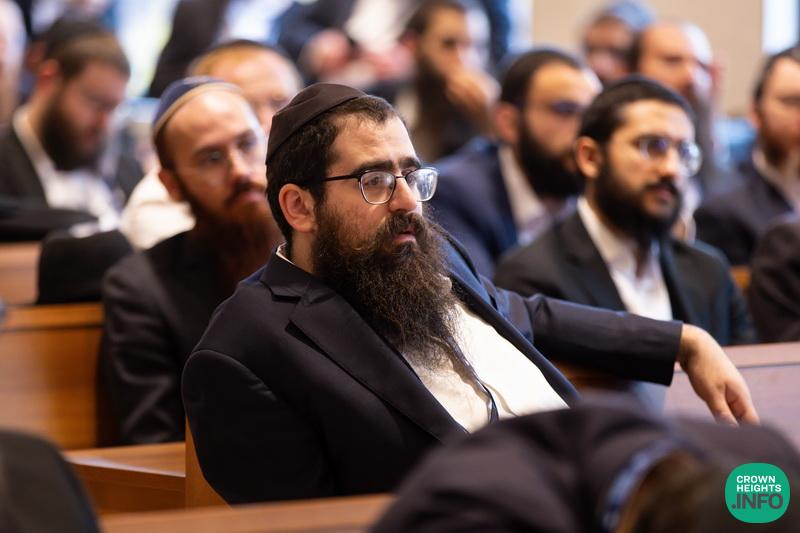
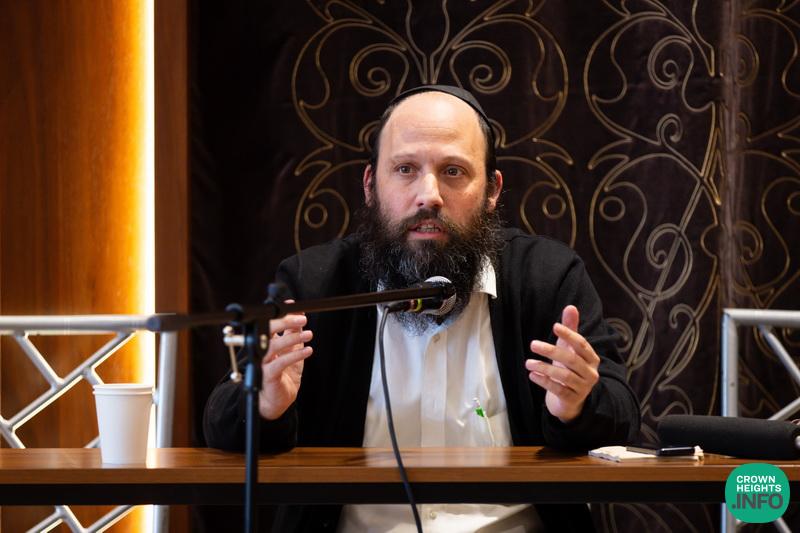
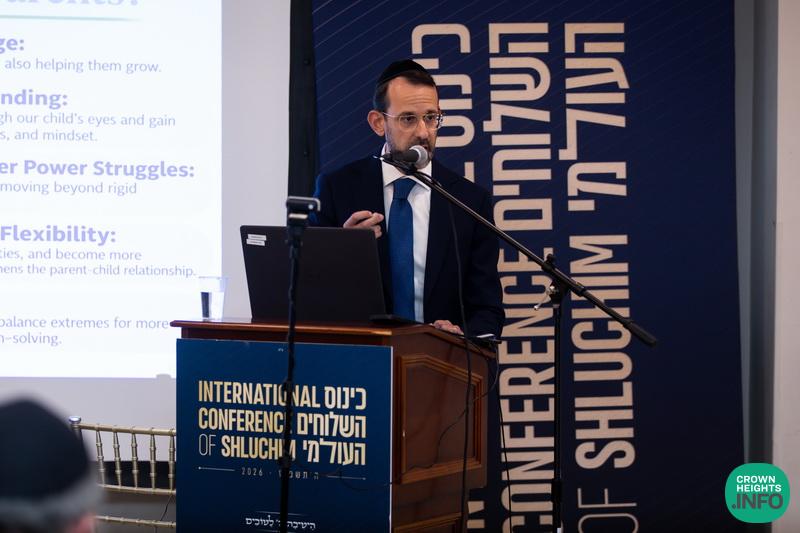
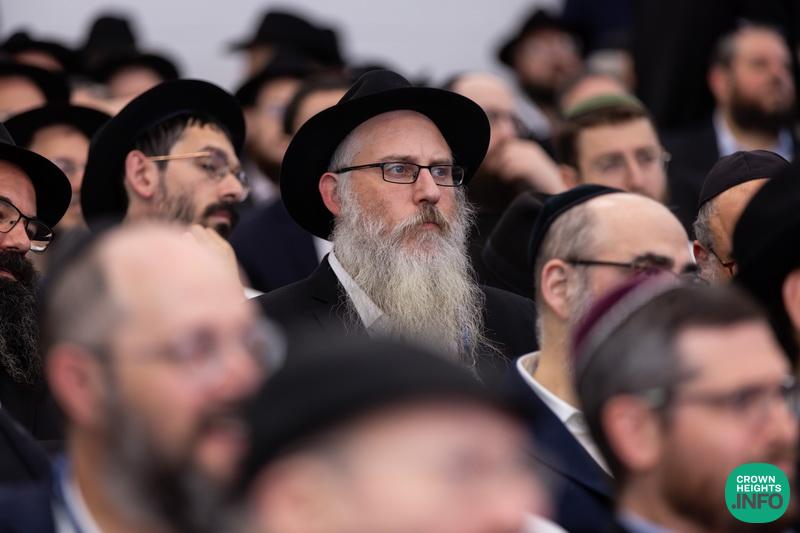
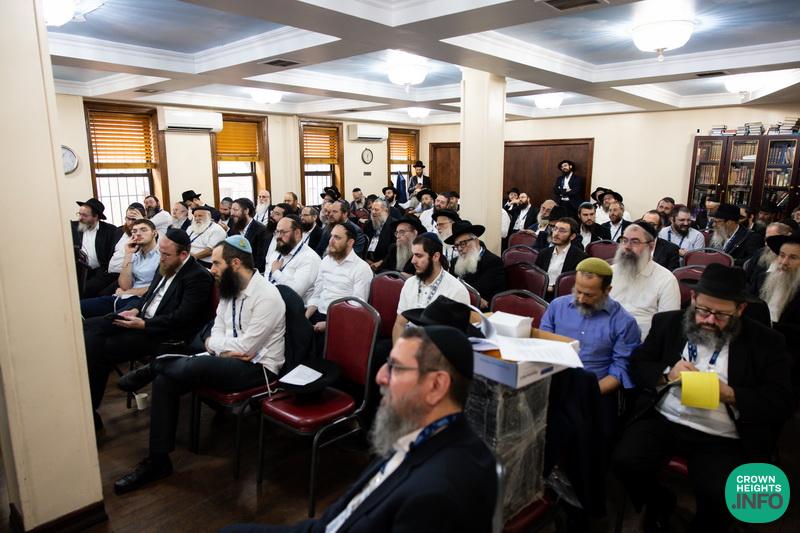
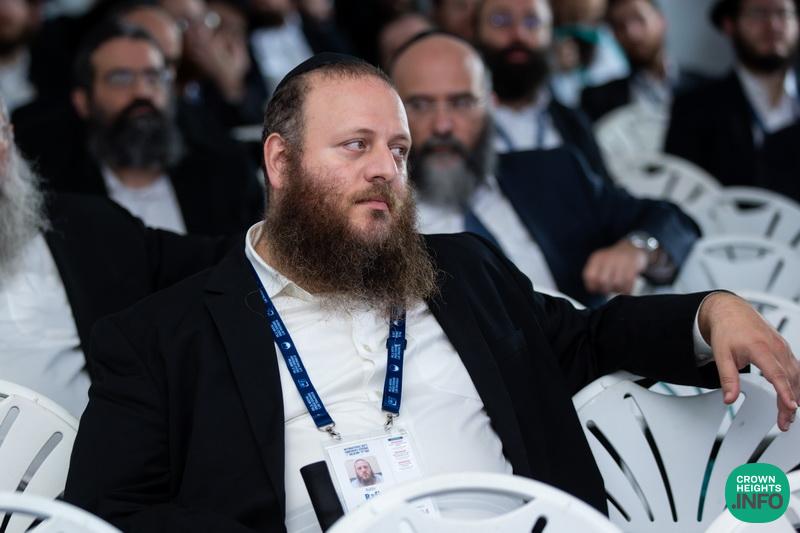
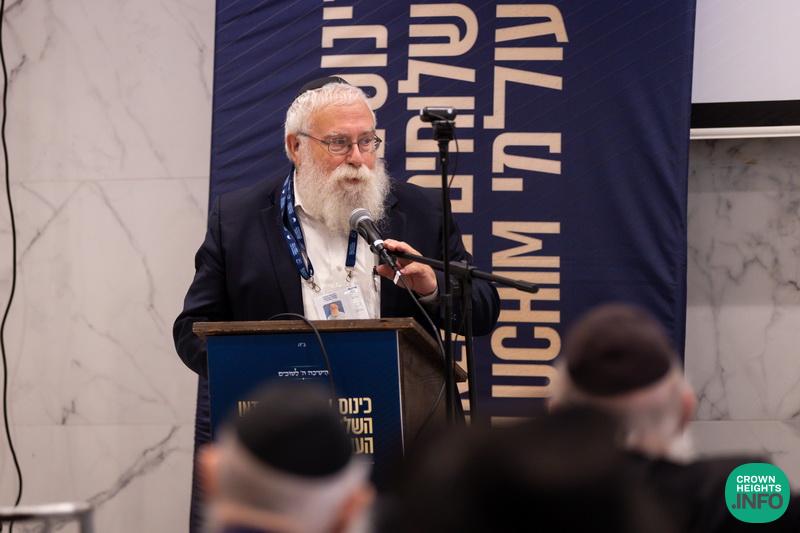
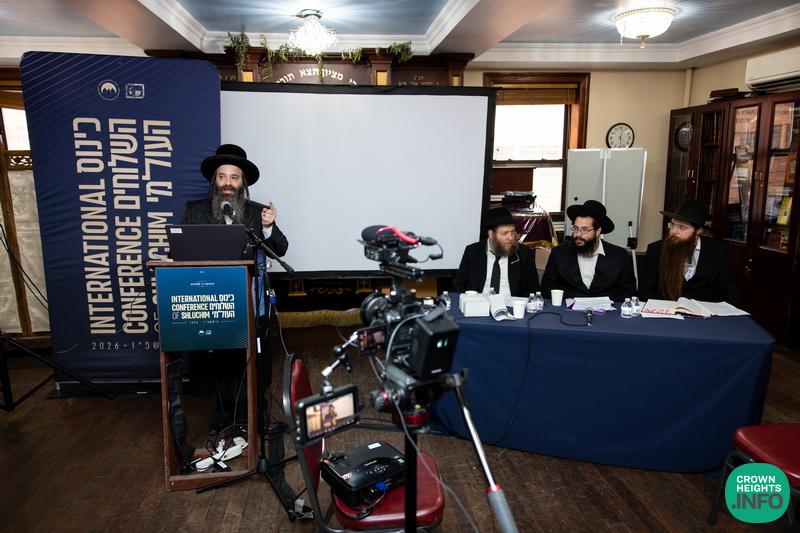
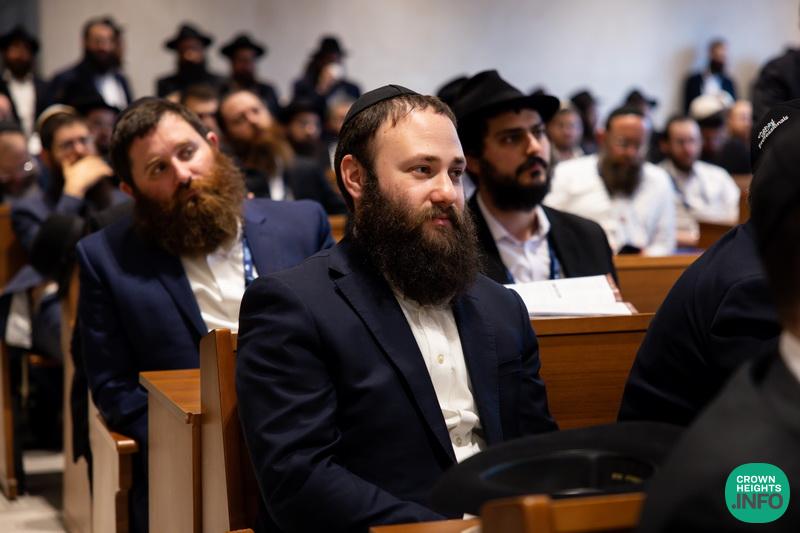
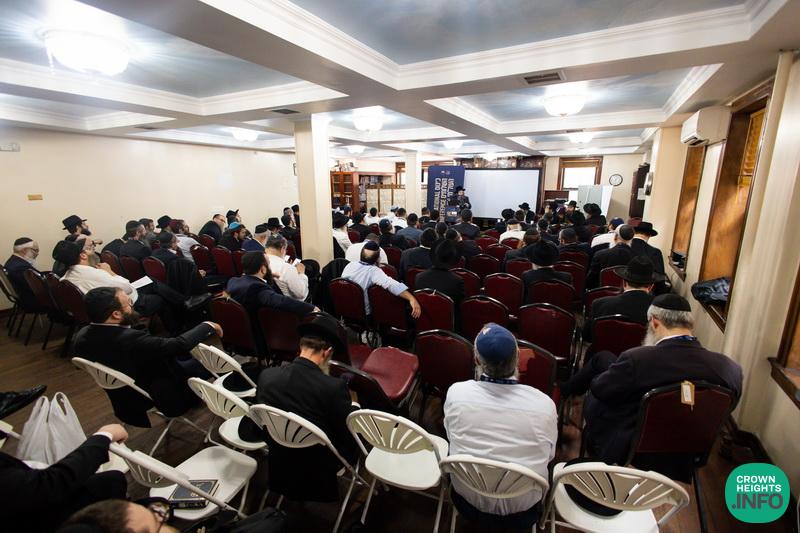
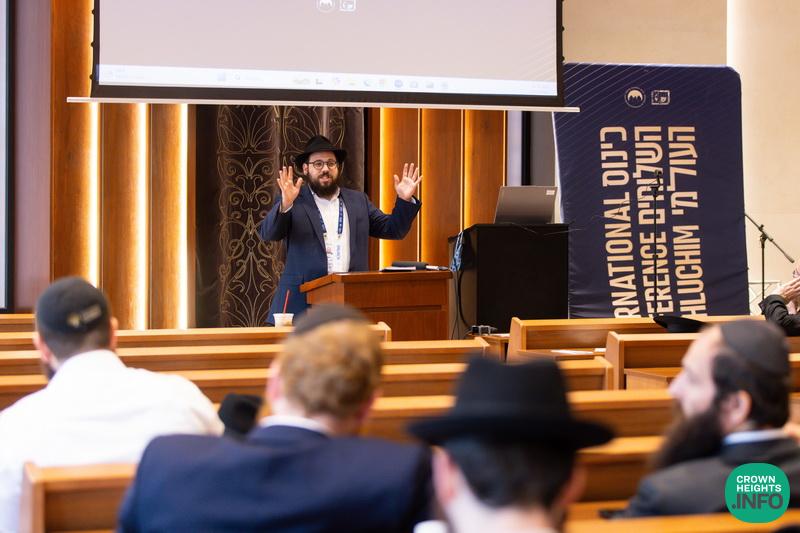
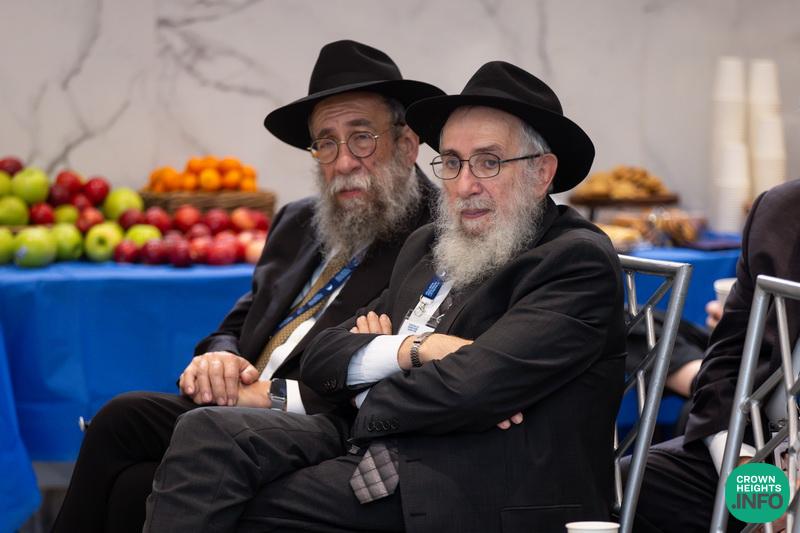
Gallery: At Closed-Door Sessions, Shluchim Share Notes on Ground-Tested Solutions
For young shluchim like Rabbi Mendy Blesofsky, who recently moved with his wife Breina to lead Chabad in Bromley, England, the first months can be a lot. Fundraising, creating programs, and managing admin work, all while balancing family responsibilities, can feel burdensome for a young shliach just finding his footing.
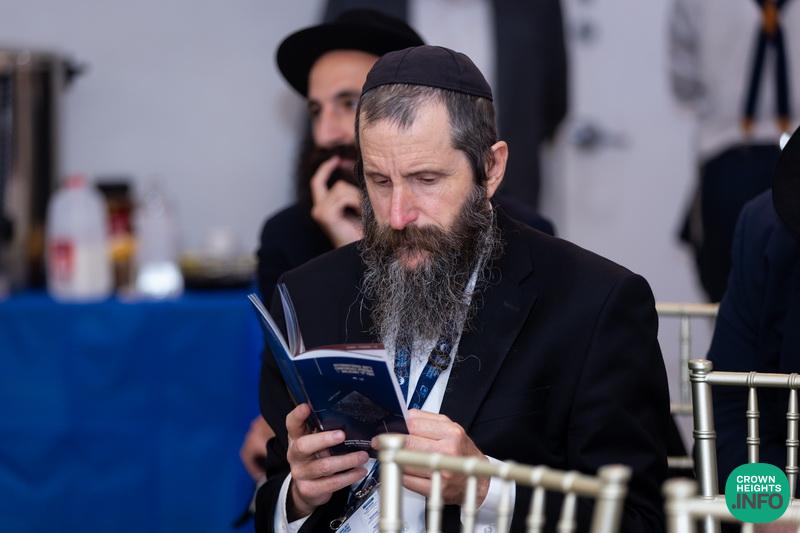
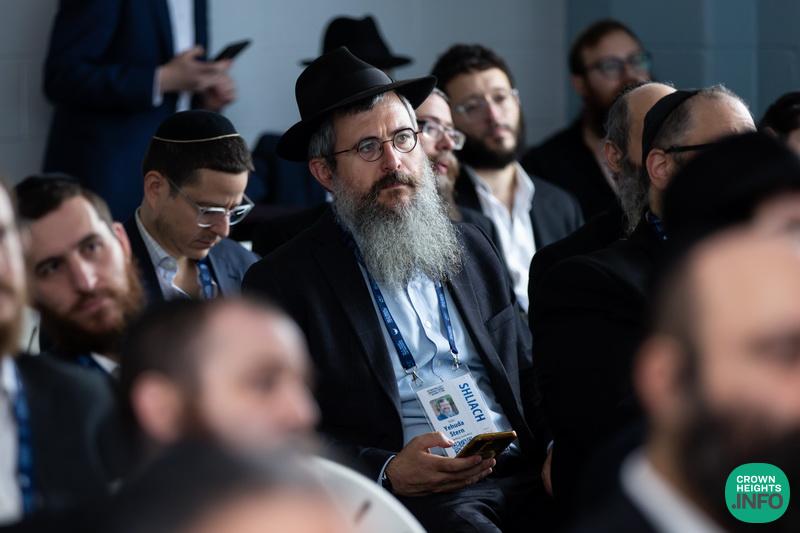
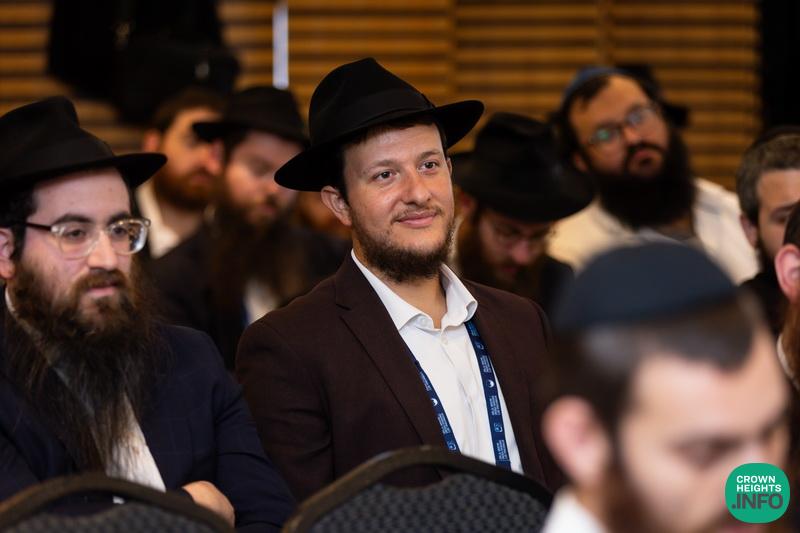
“In Bromley, there’s still so much we’re figuring out. Our community is small and spread out, and these focused sessions speak right to that. Here I sit with shluchim at the same stage, going through the same things, and with shluchim who have been doing this for decades. It shows me what to focus on and gives me the strength to keep building,” said Rabbi Blesofsky.
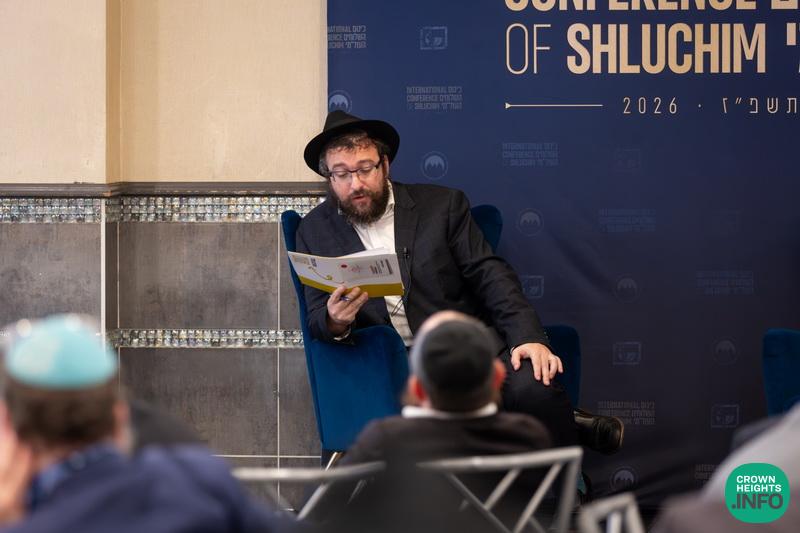
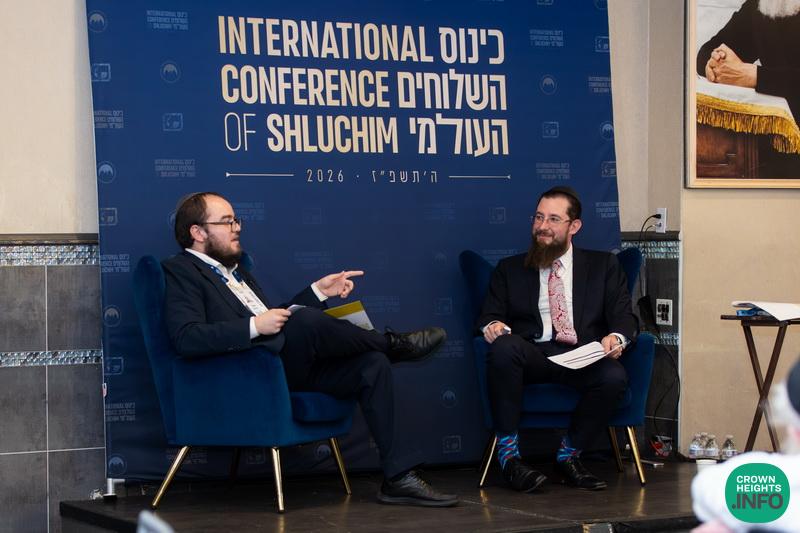
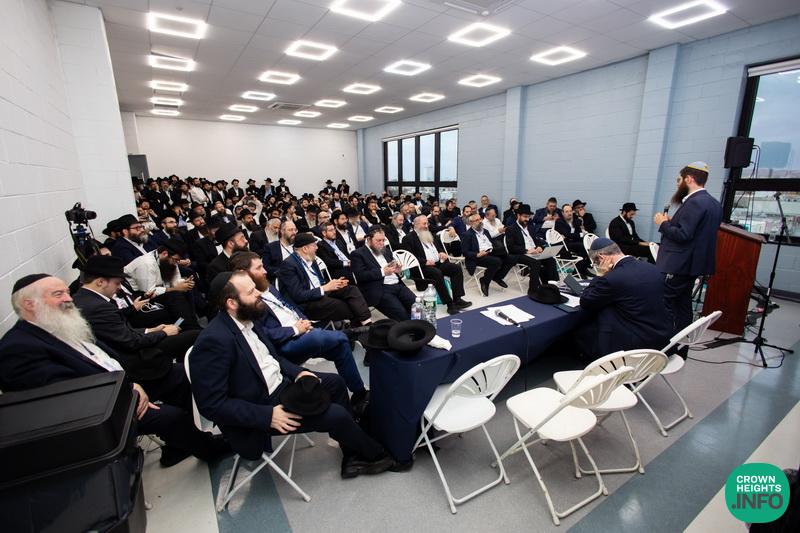
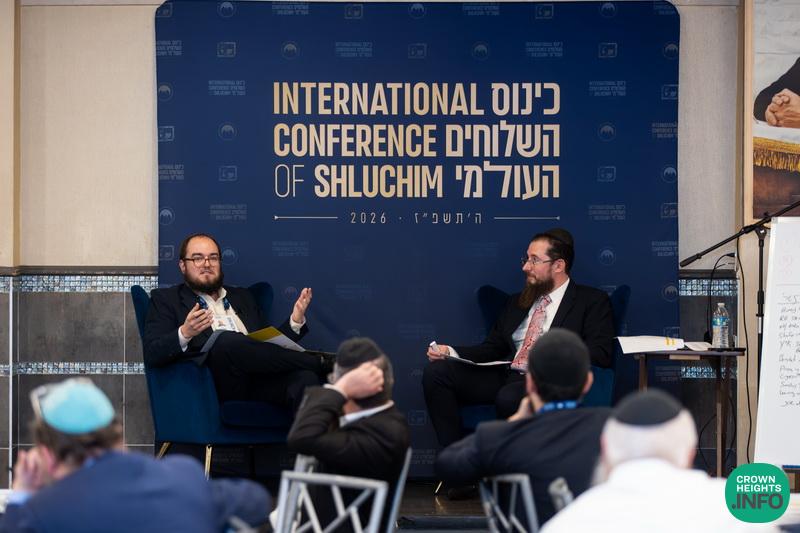
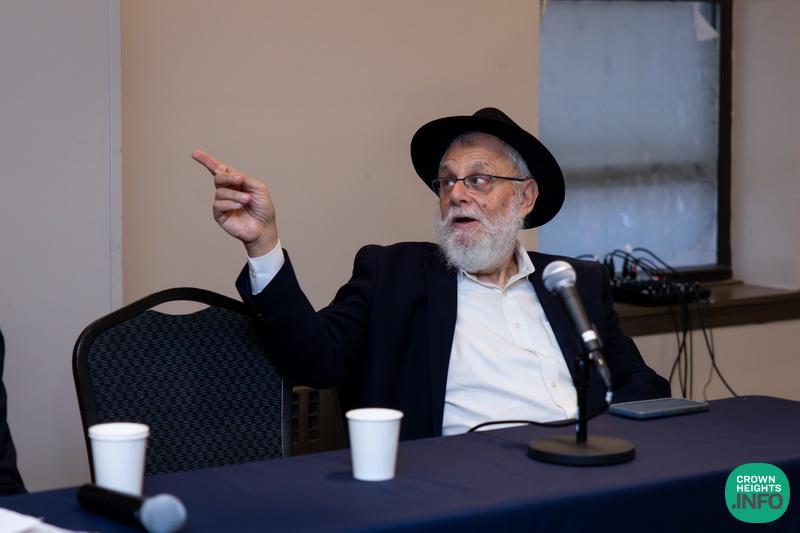
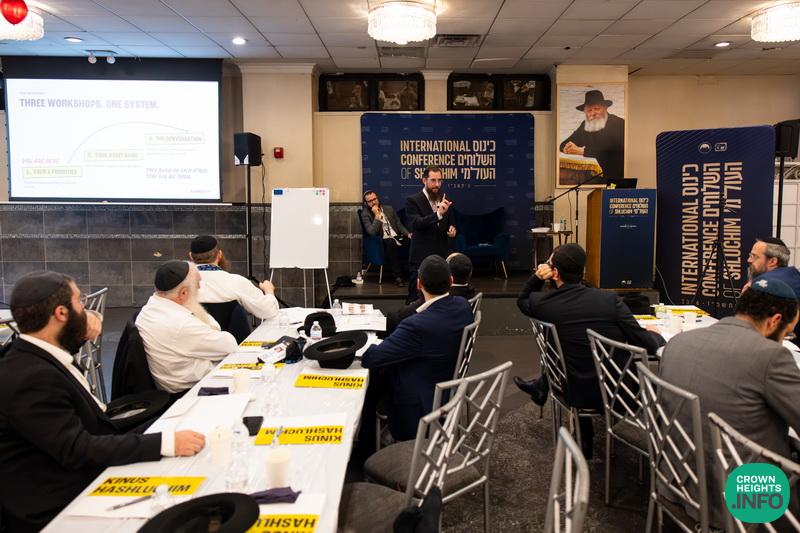
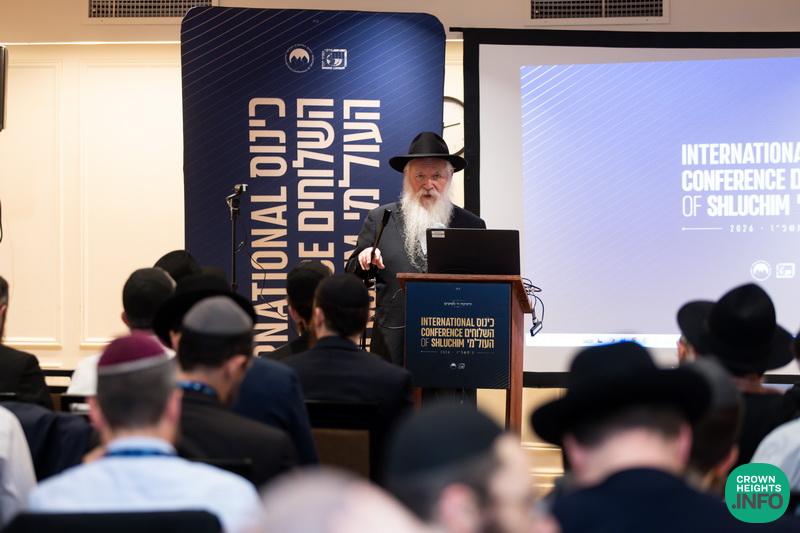
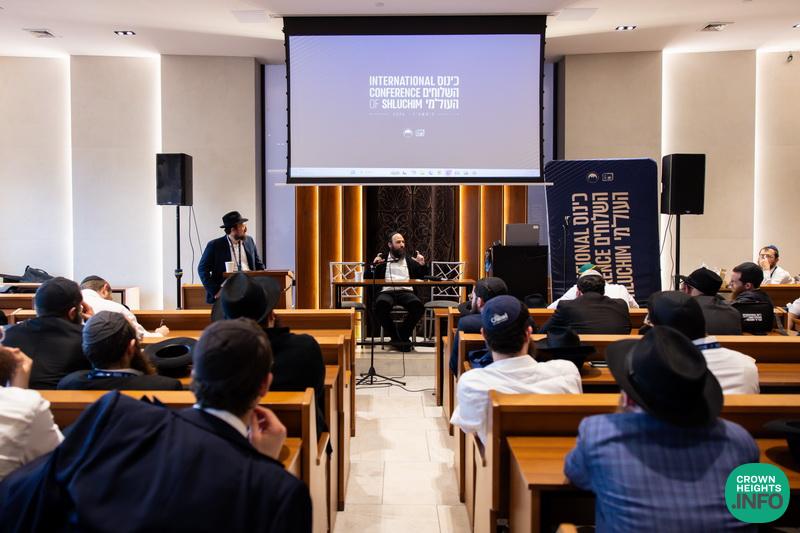
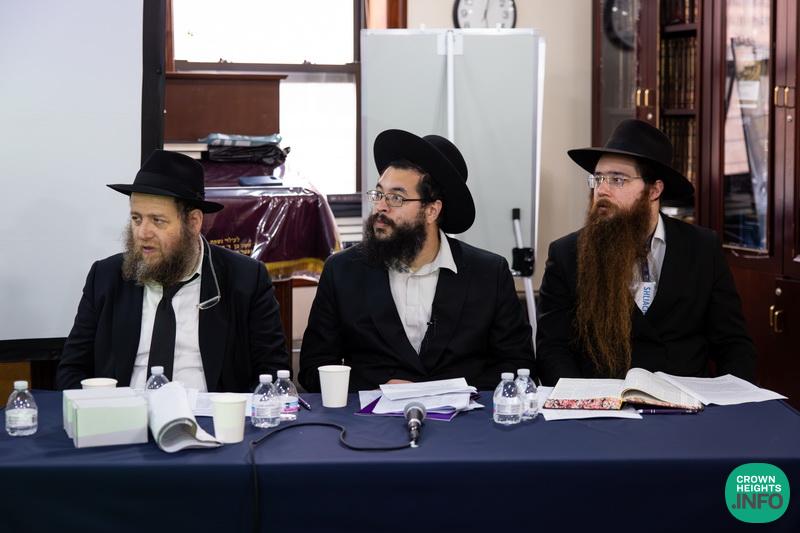
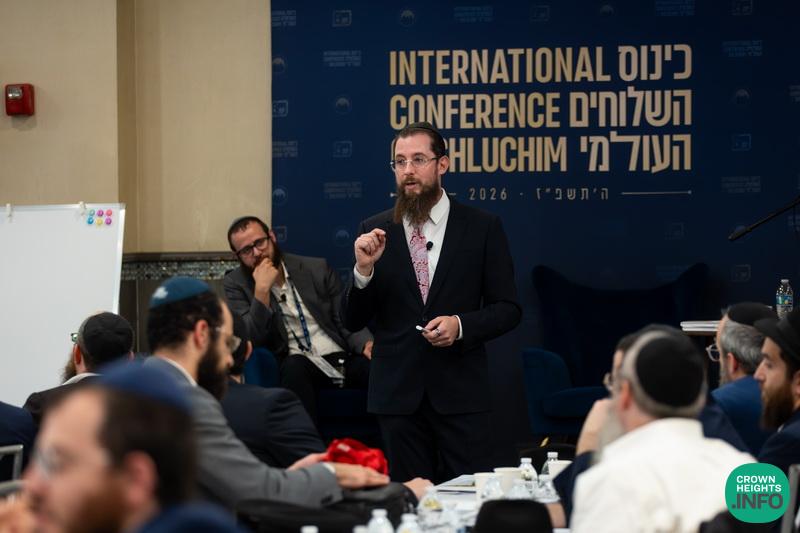
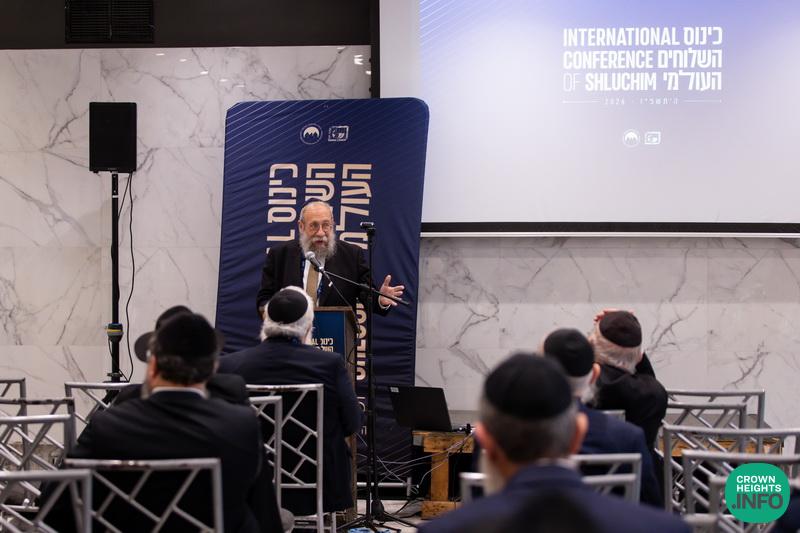
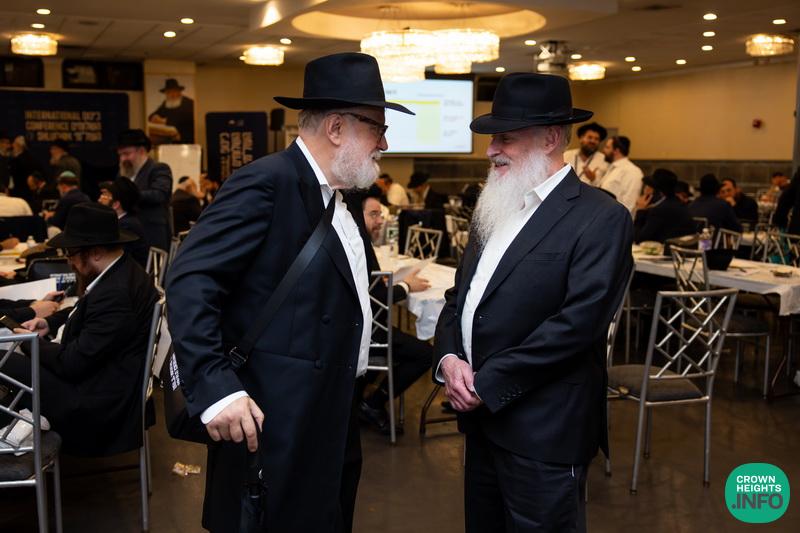
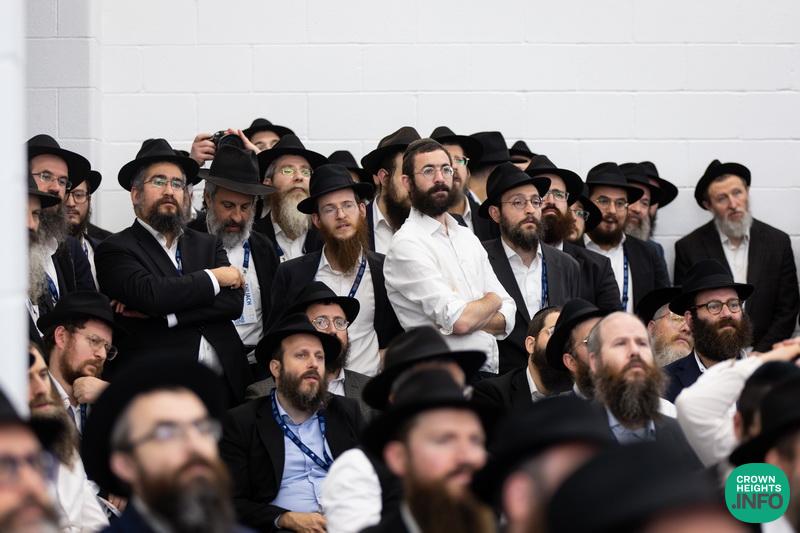
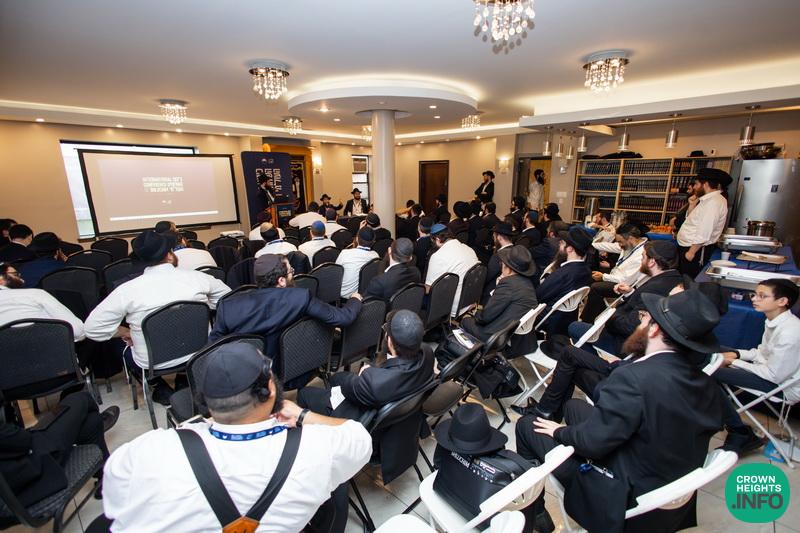
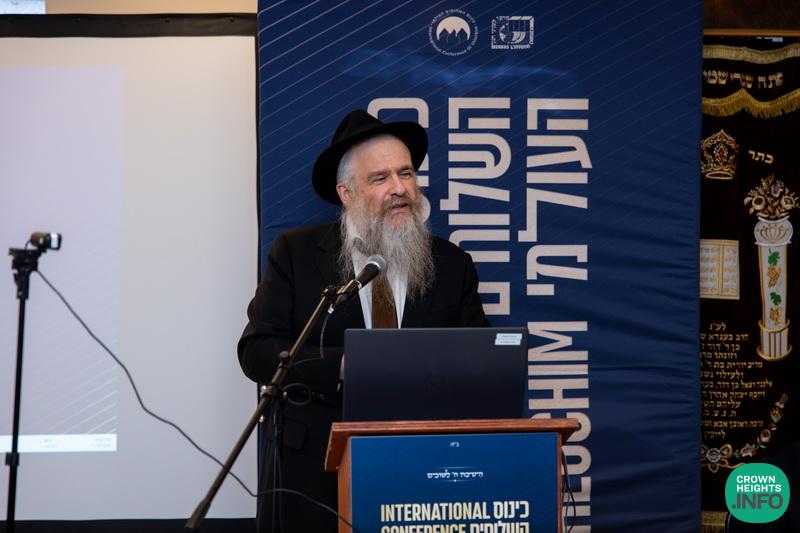
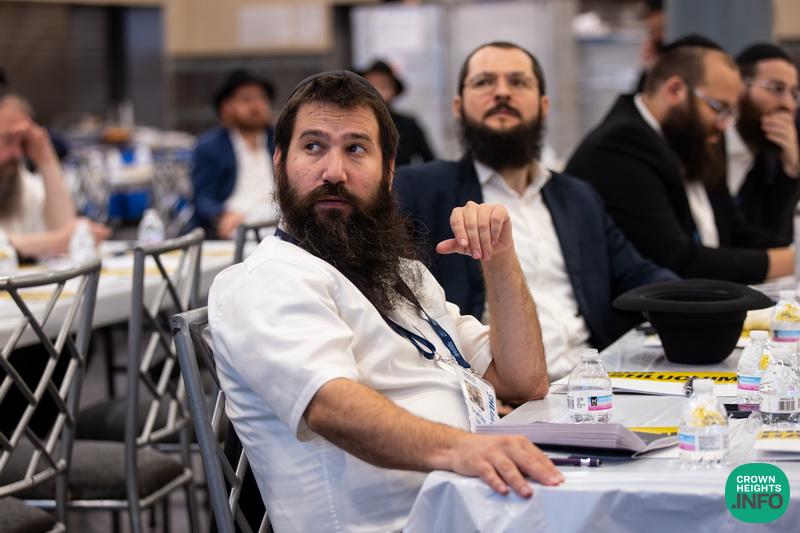
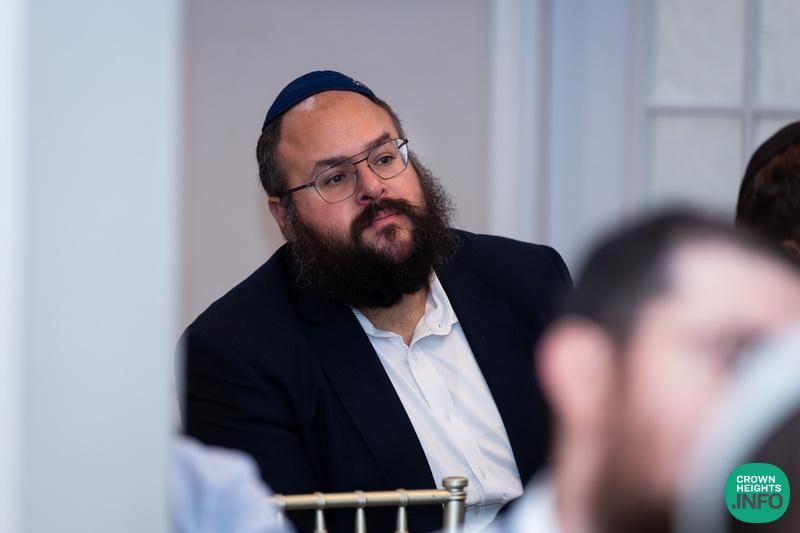
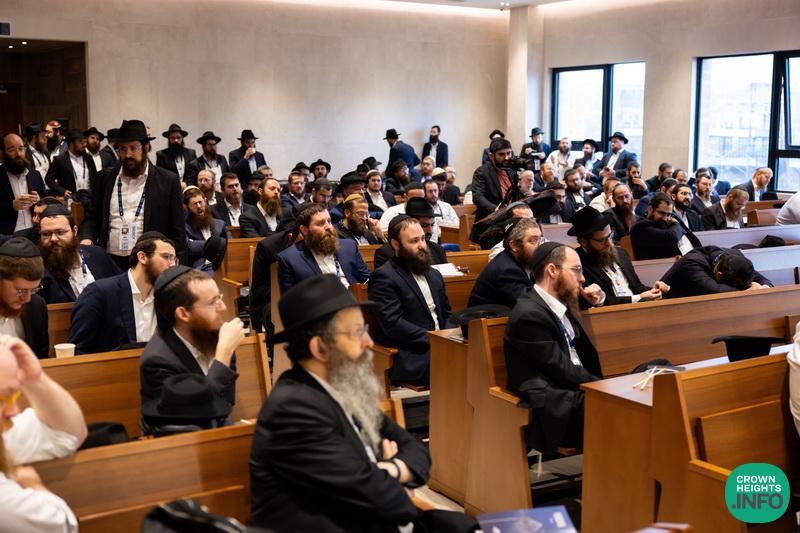
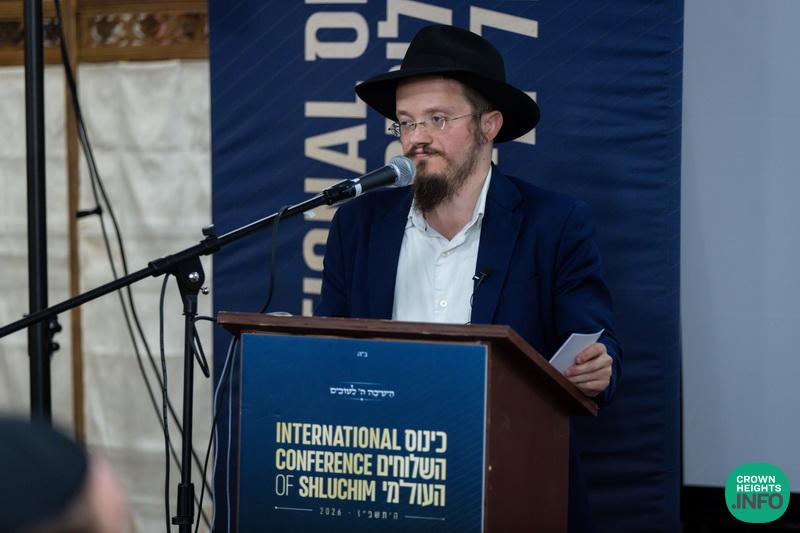
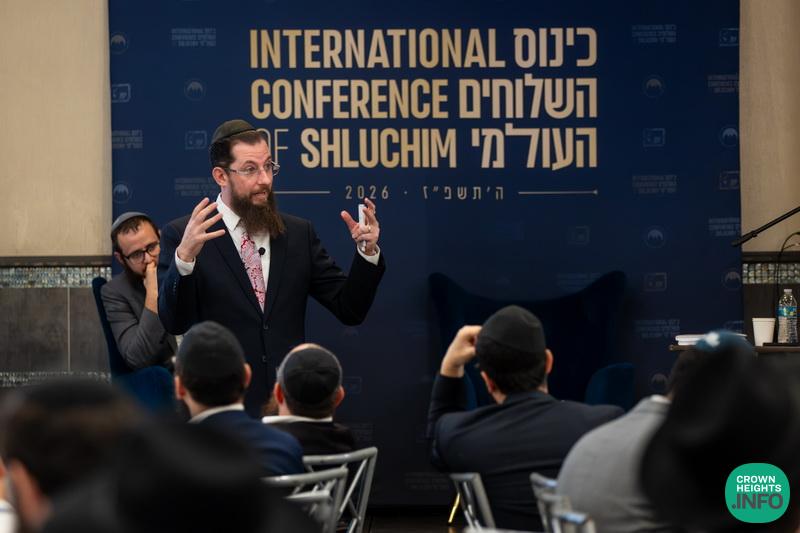
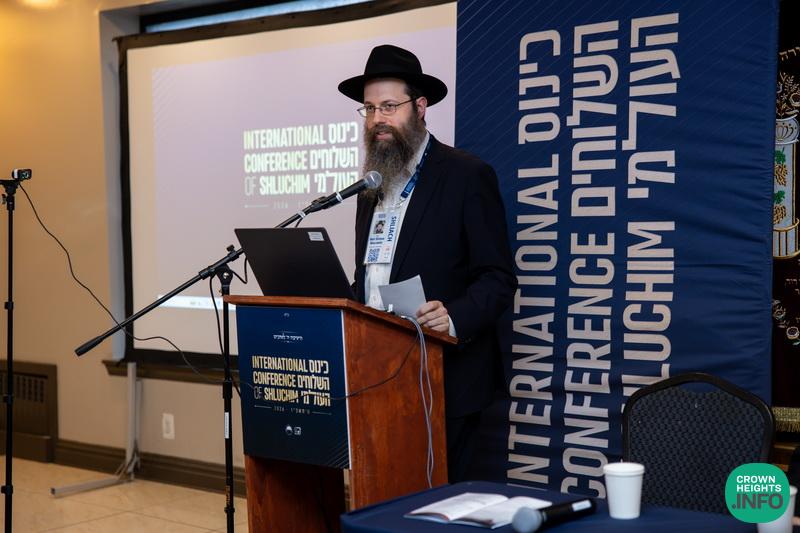
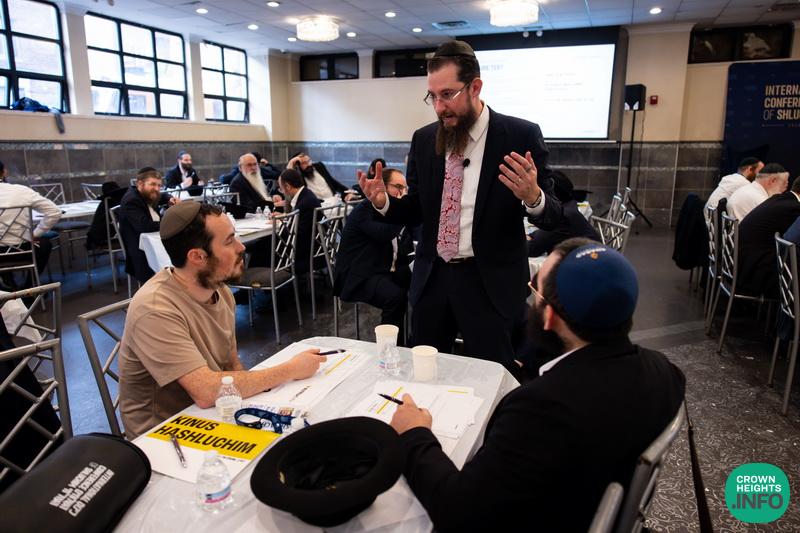
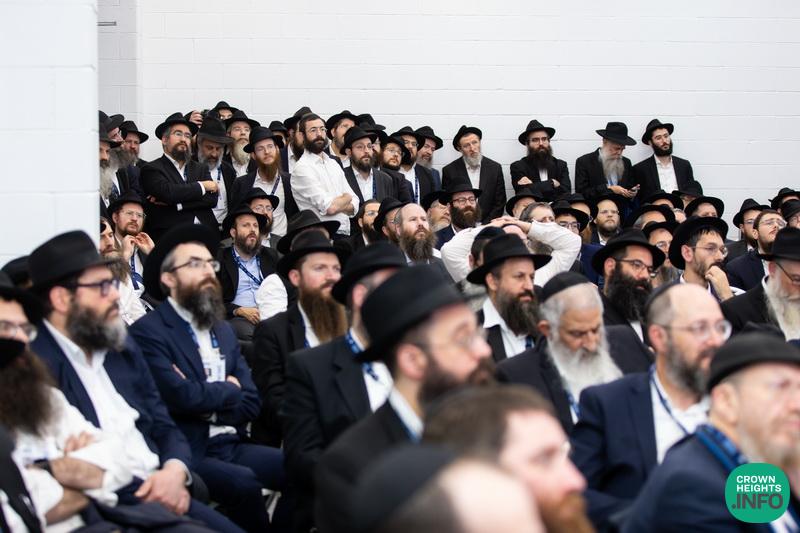
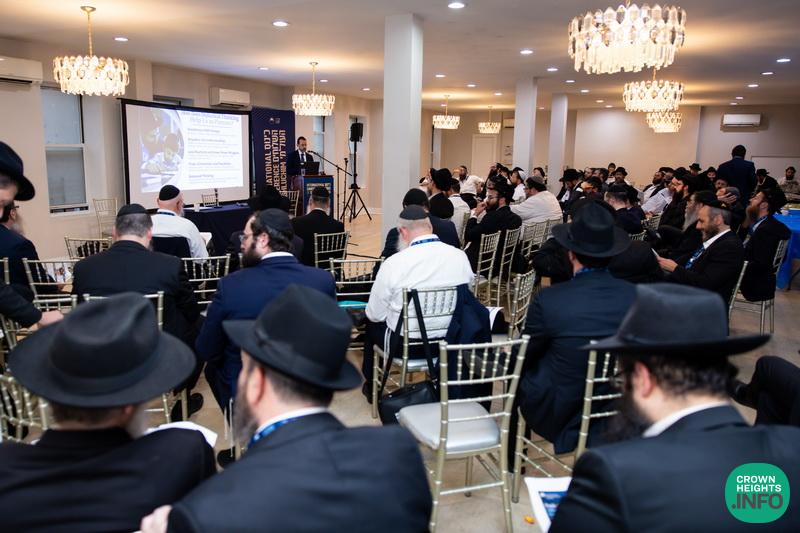
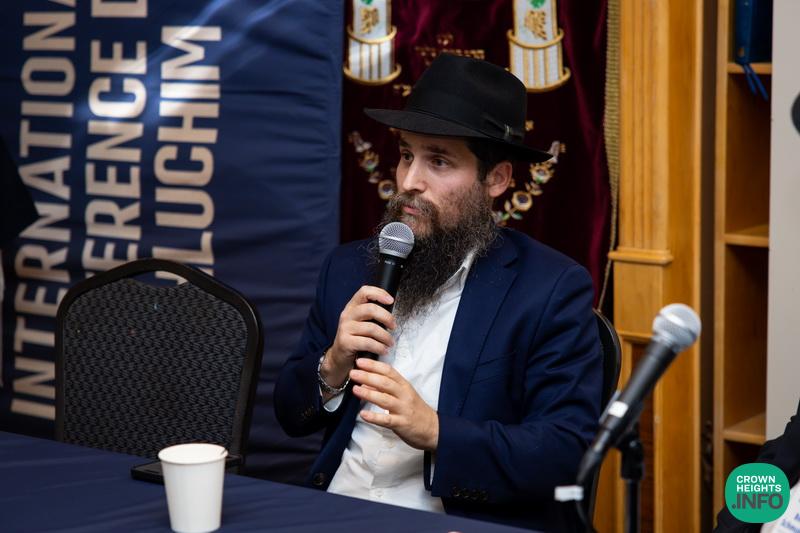
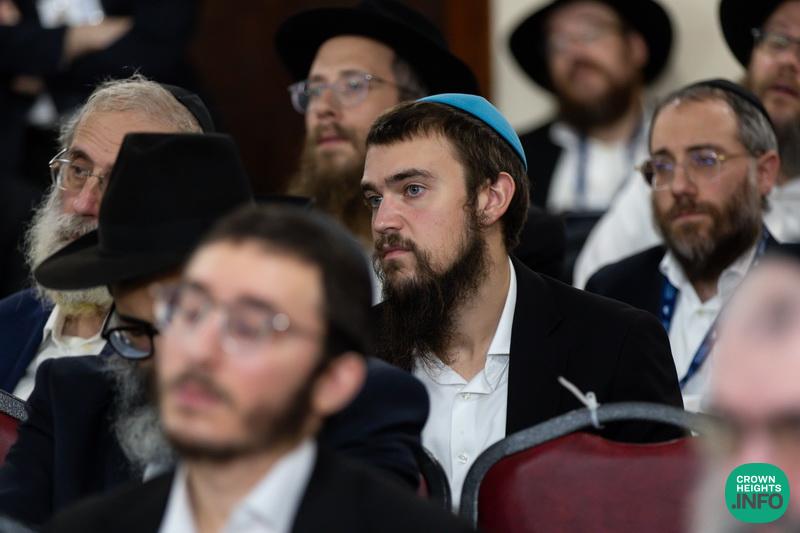
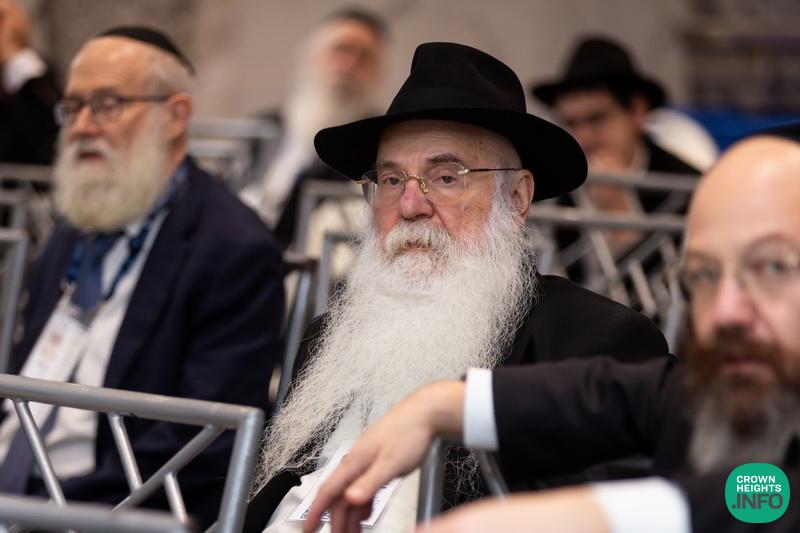
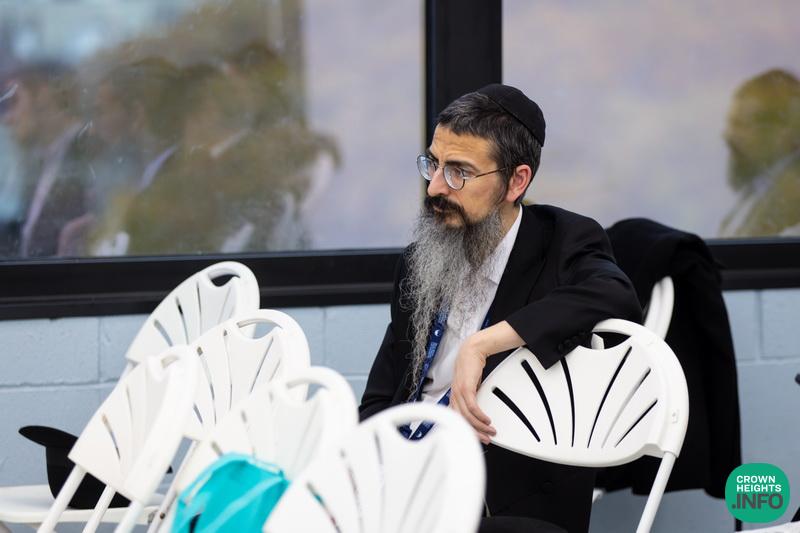
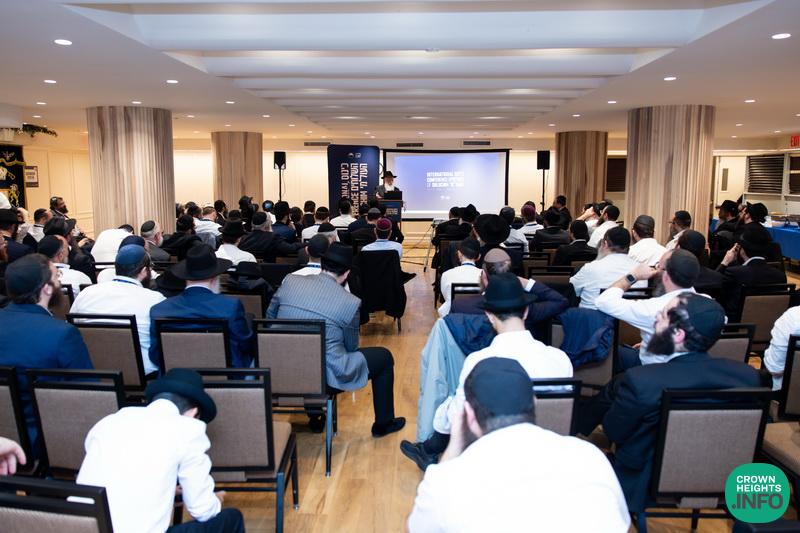
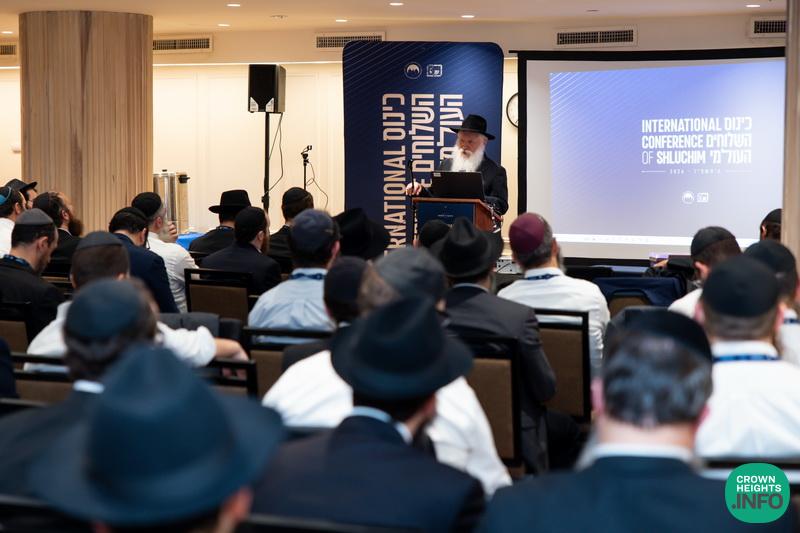
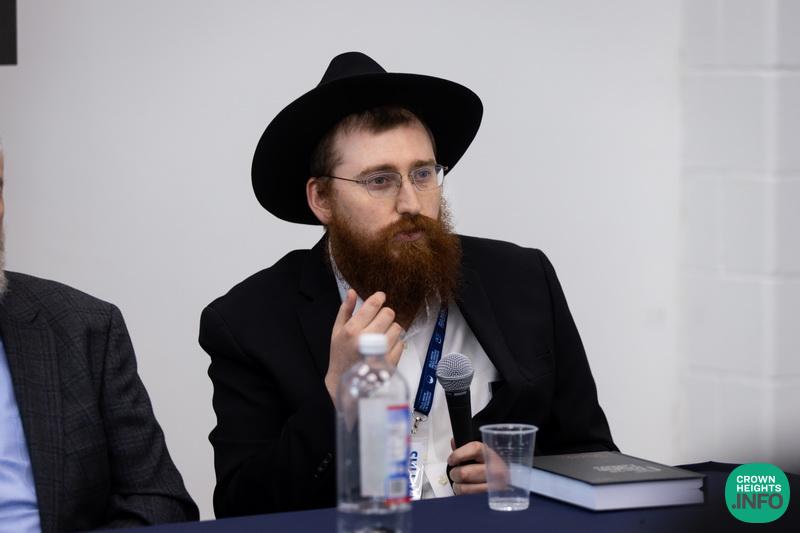
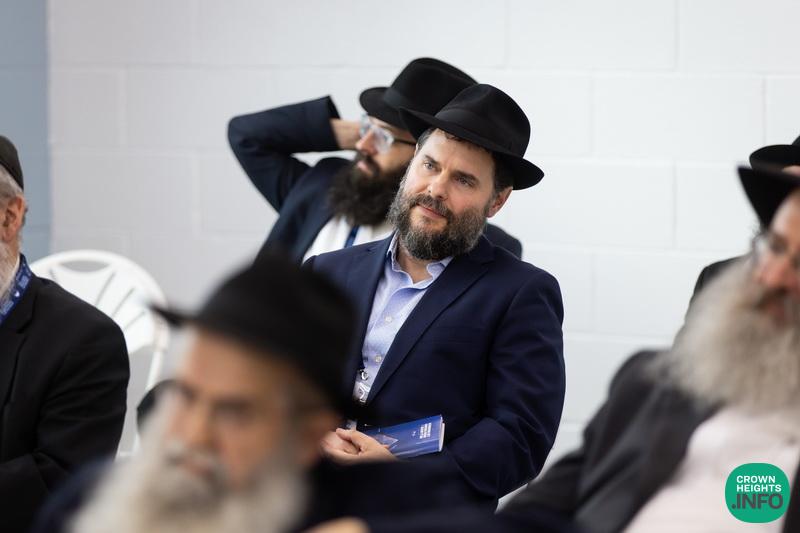
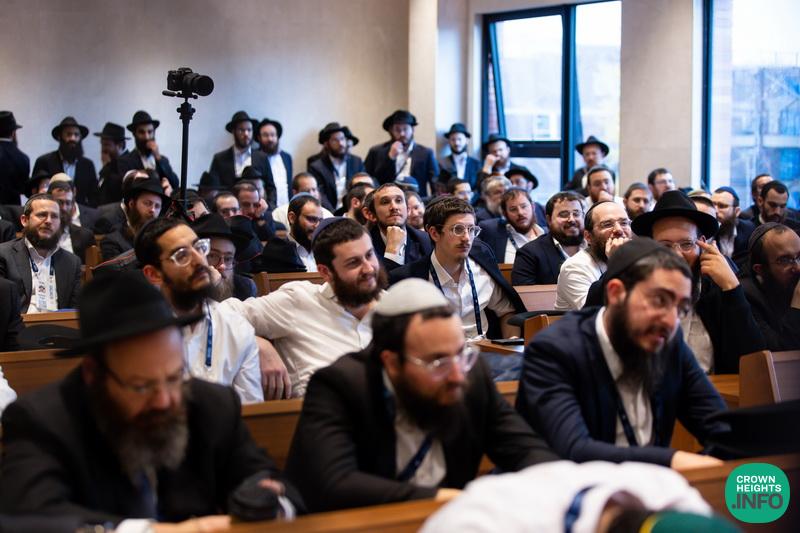
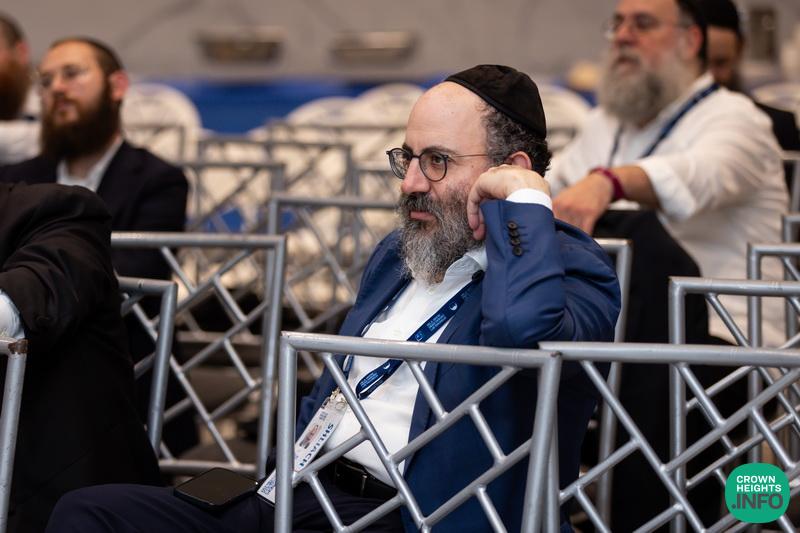
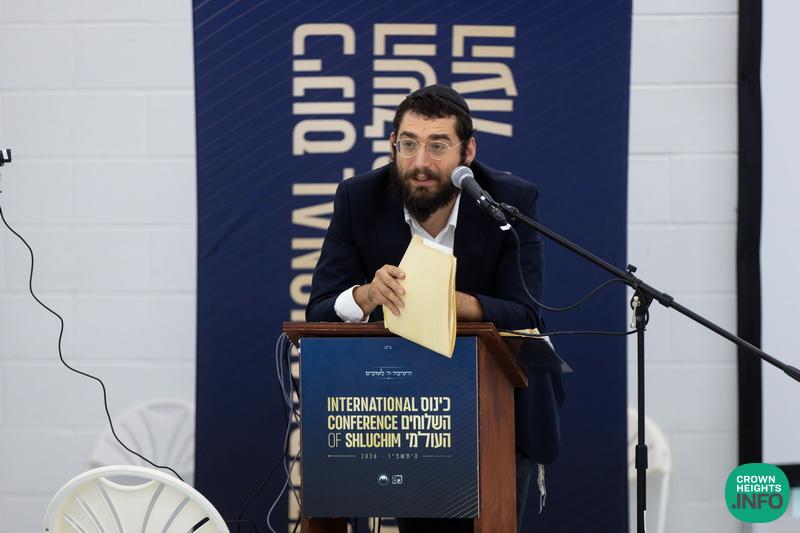
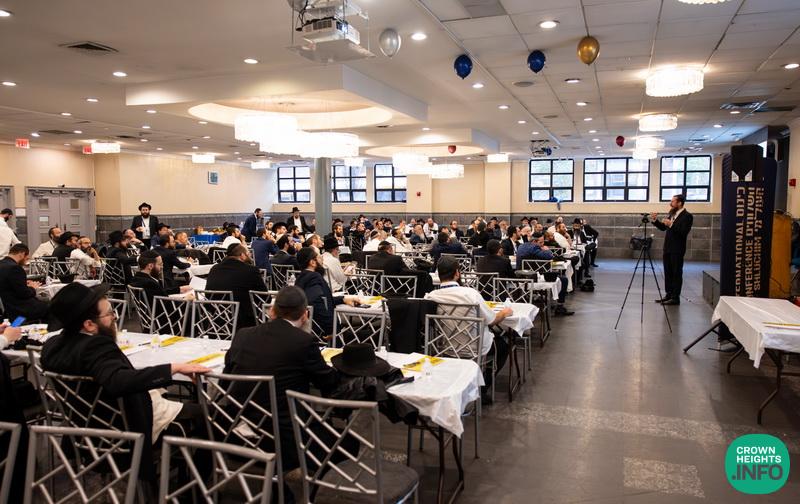
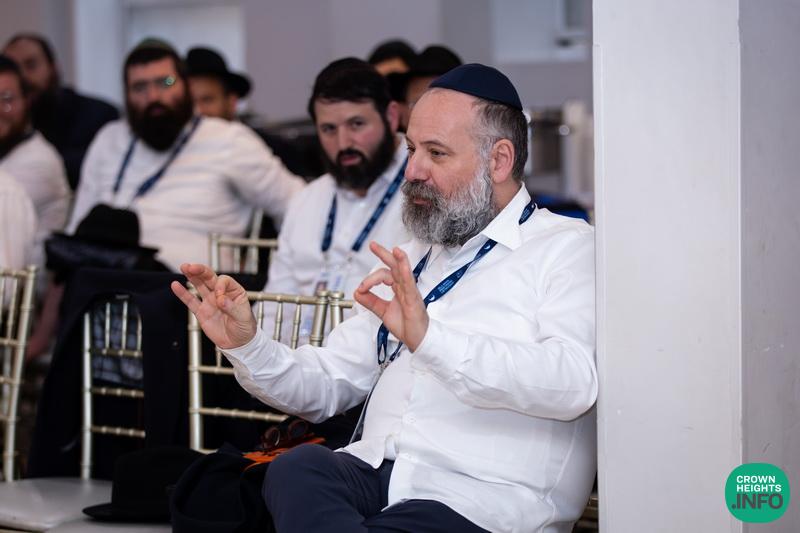
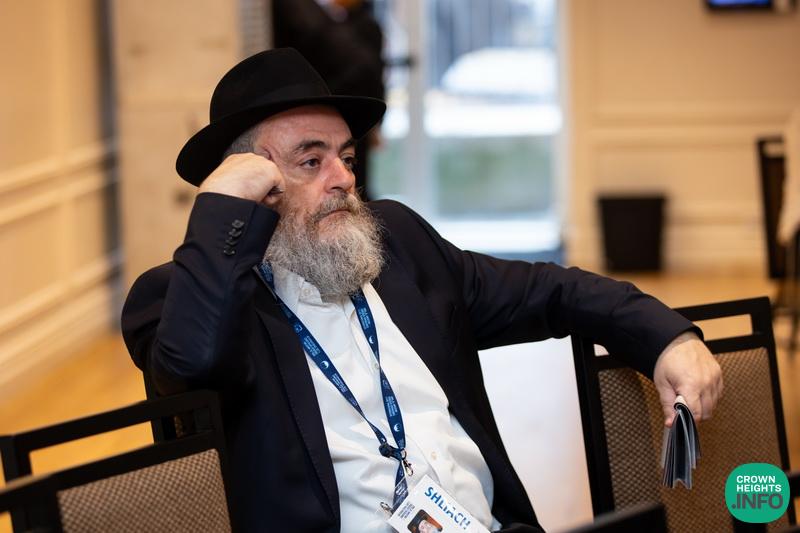
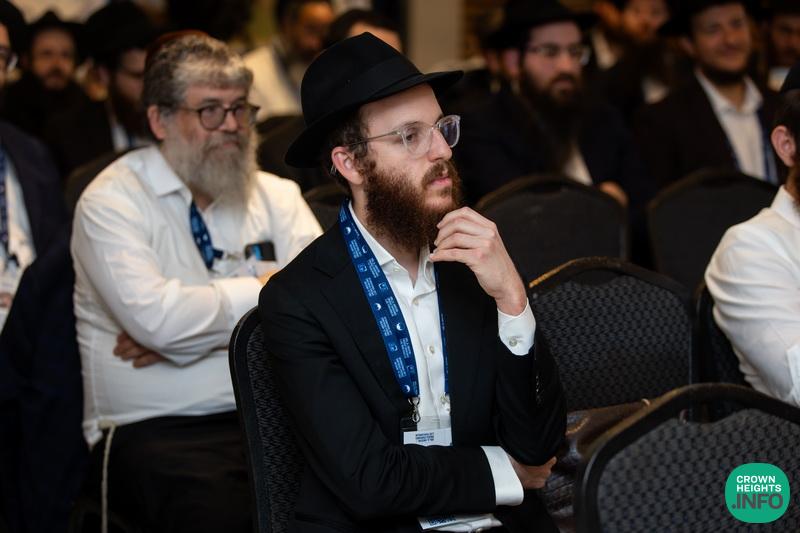
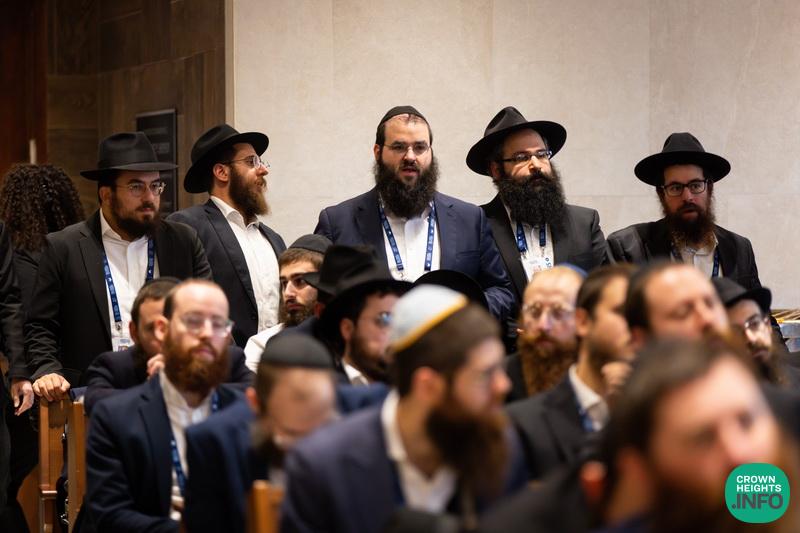
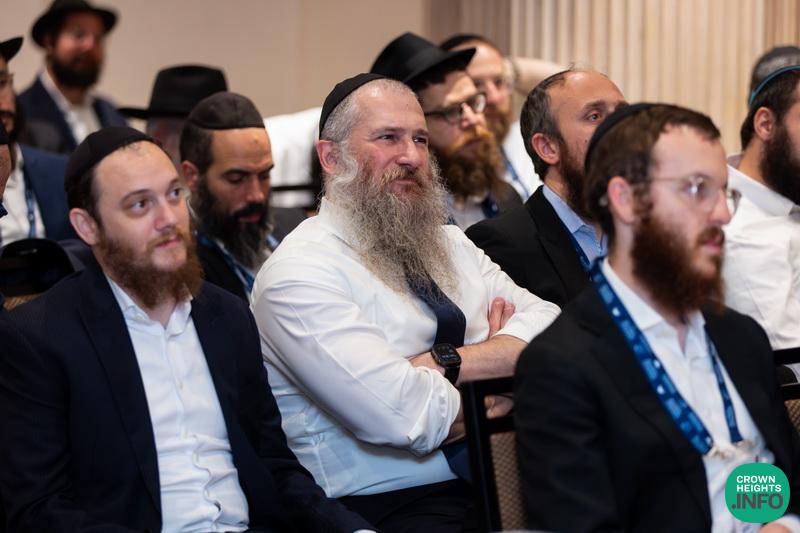
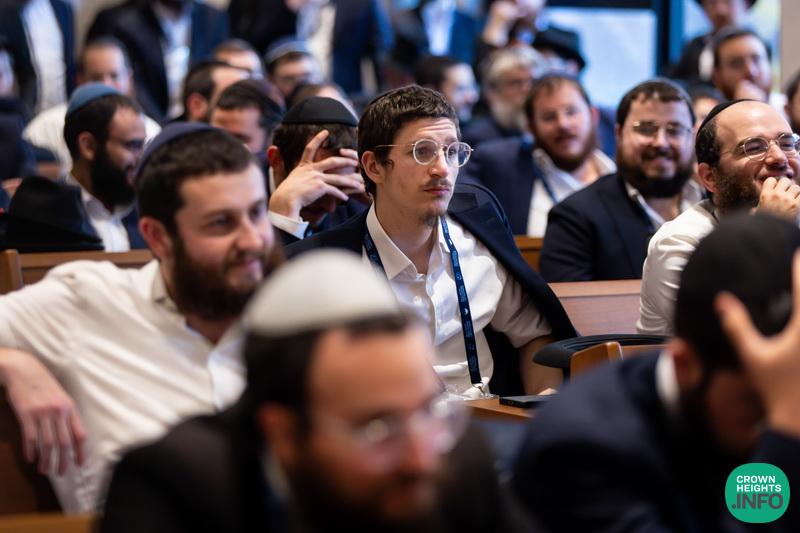
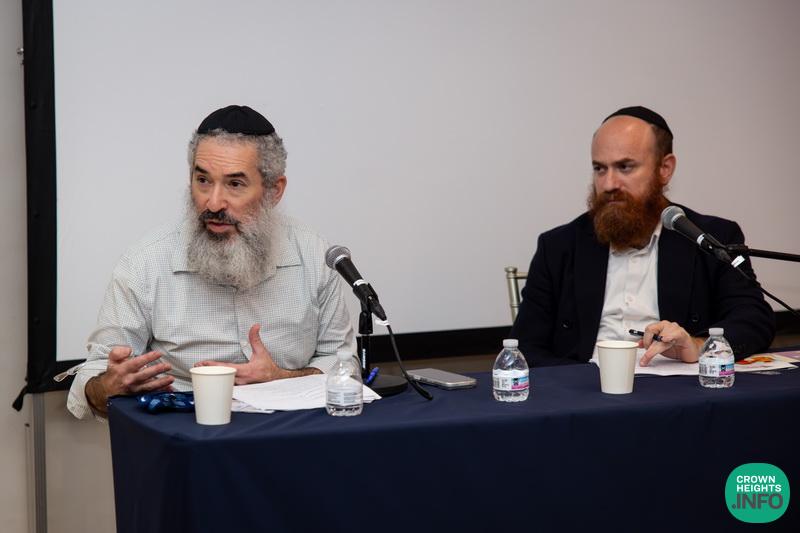
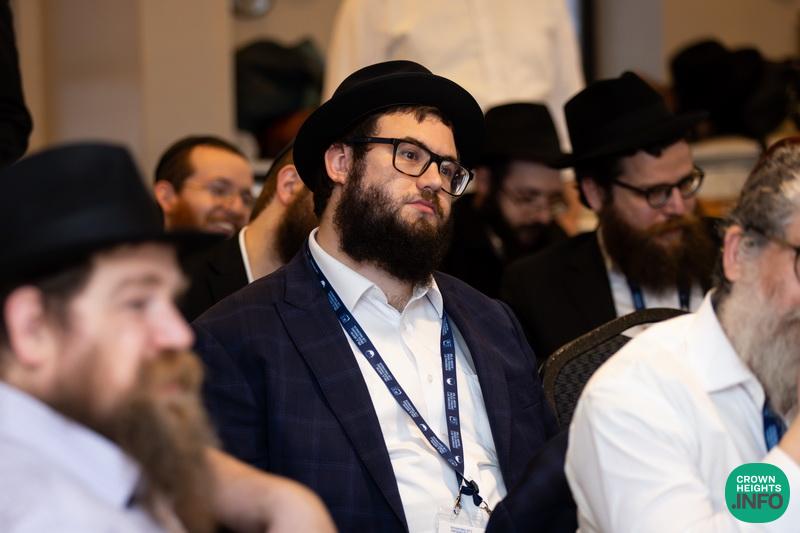
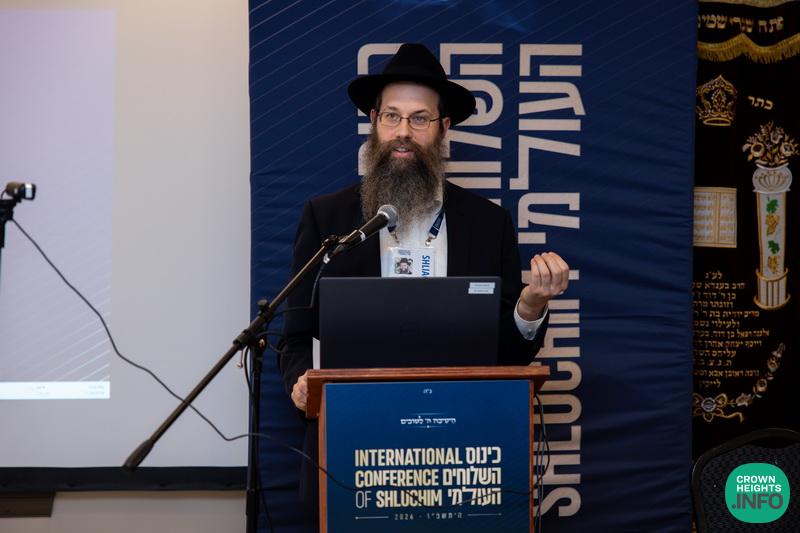
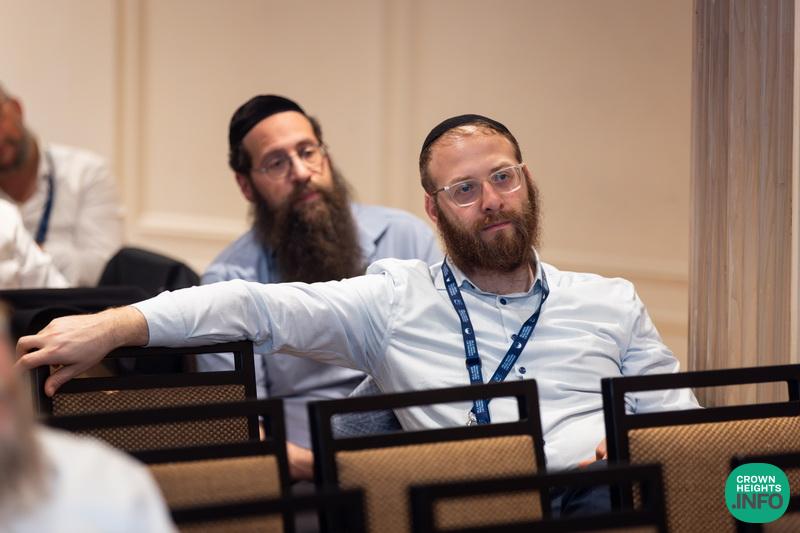
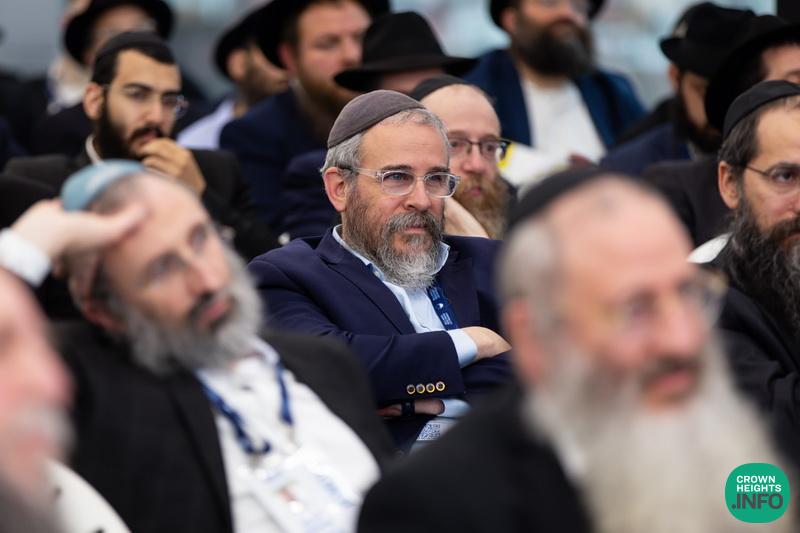
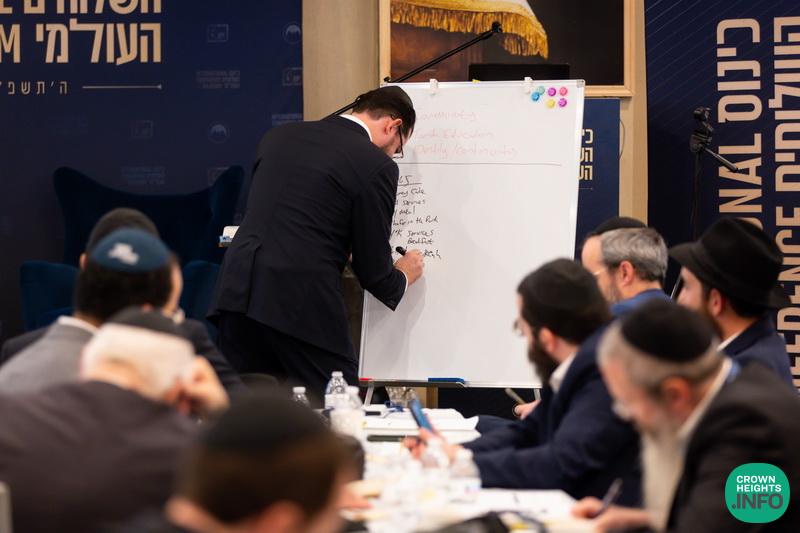
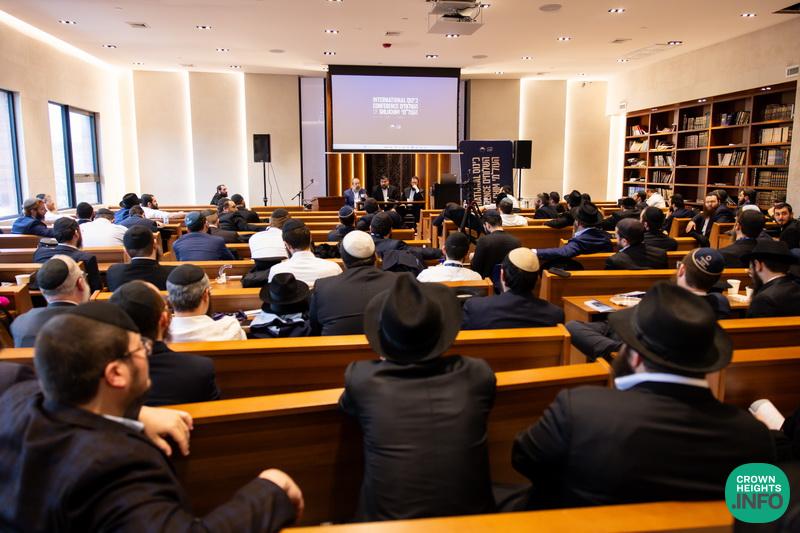
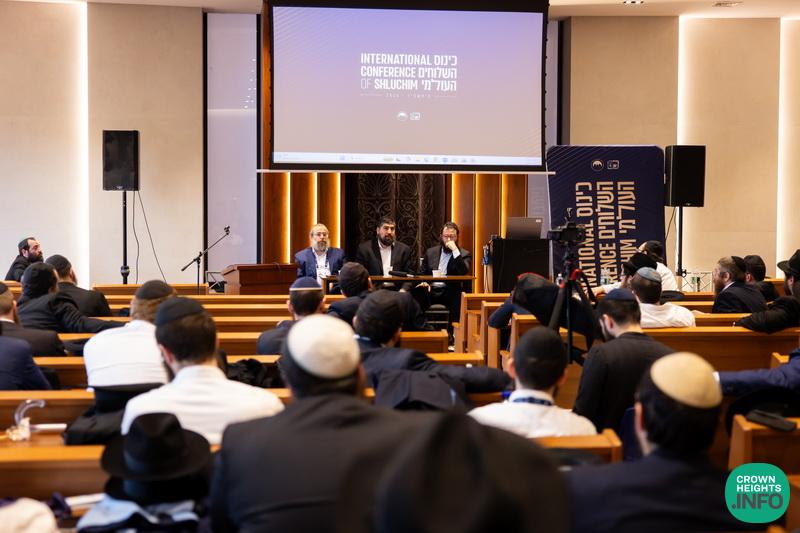
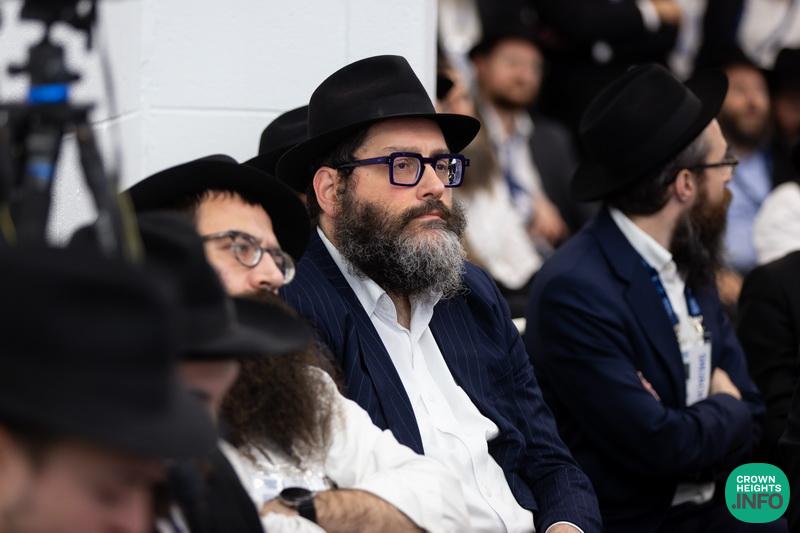
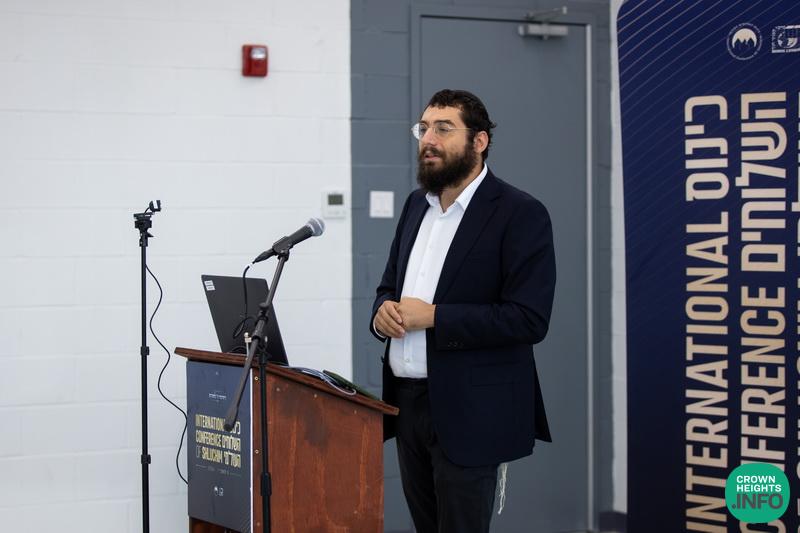
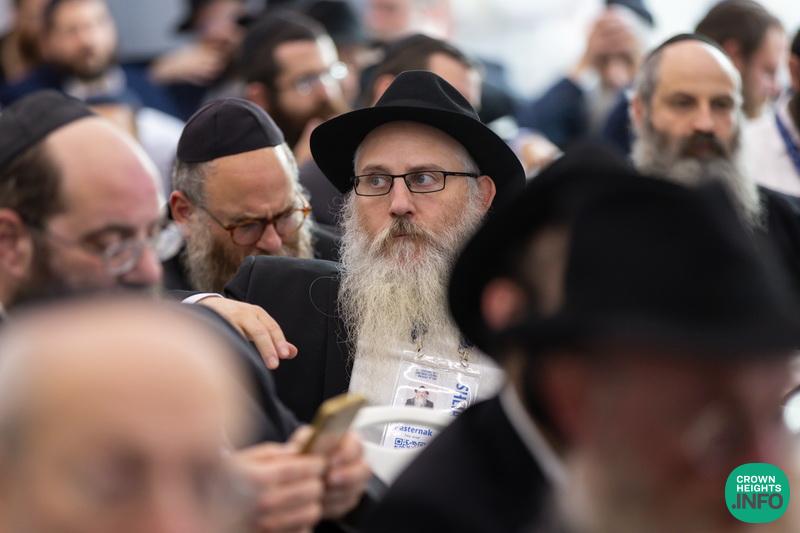
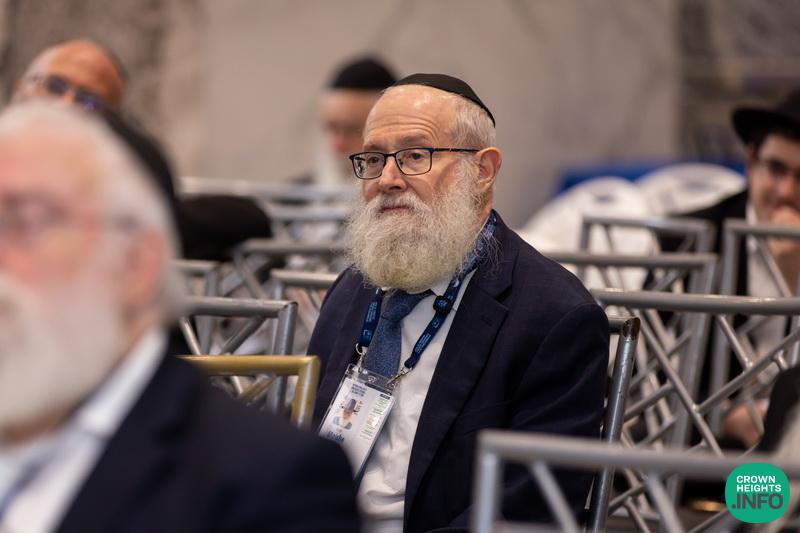
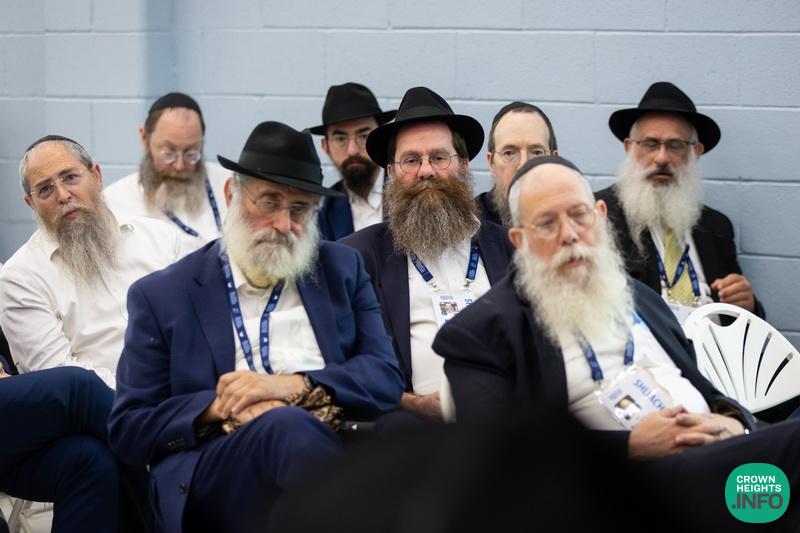
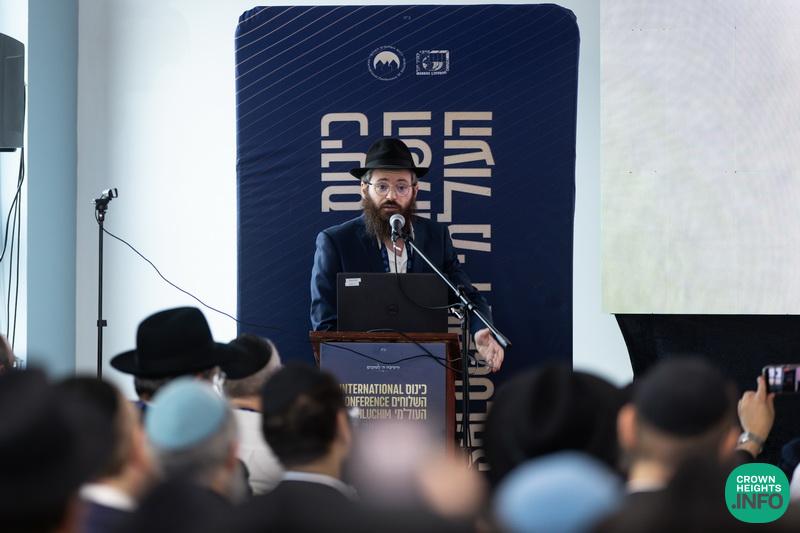
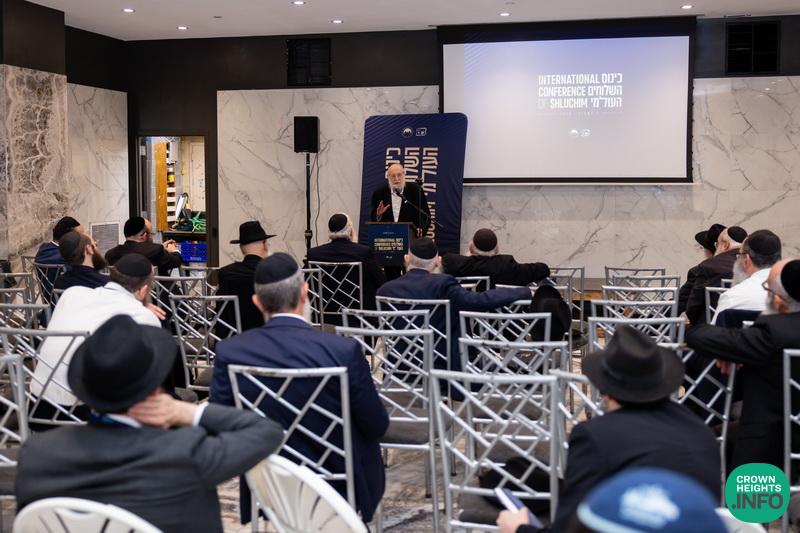
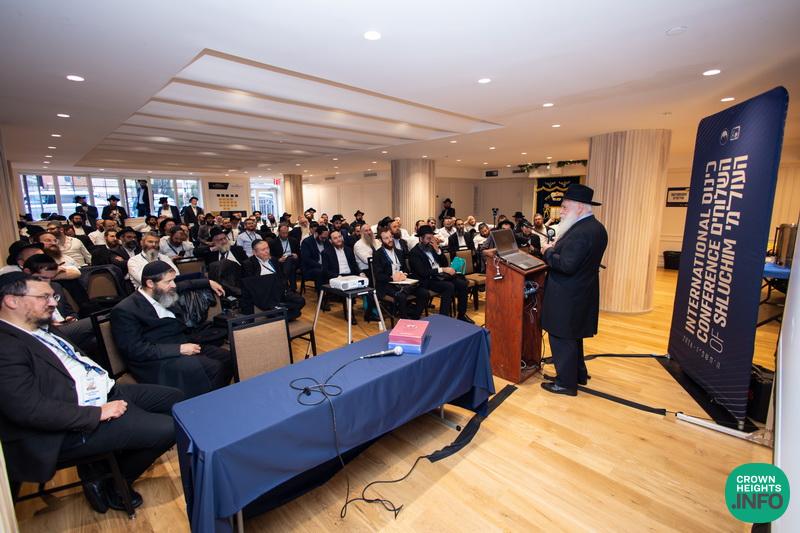
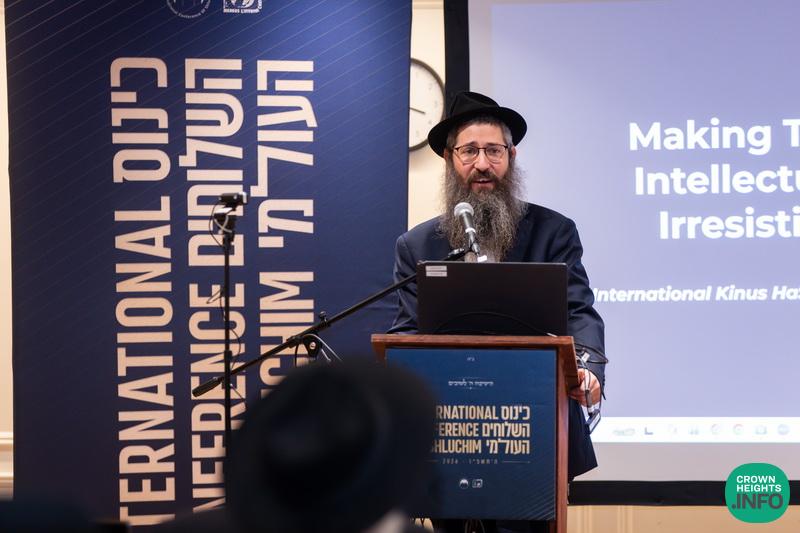
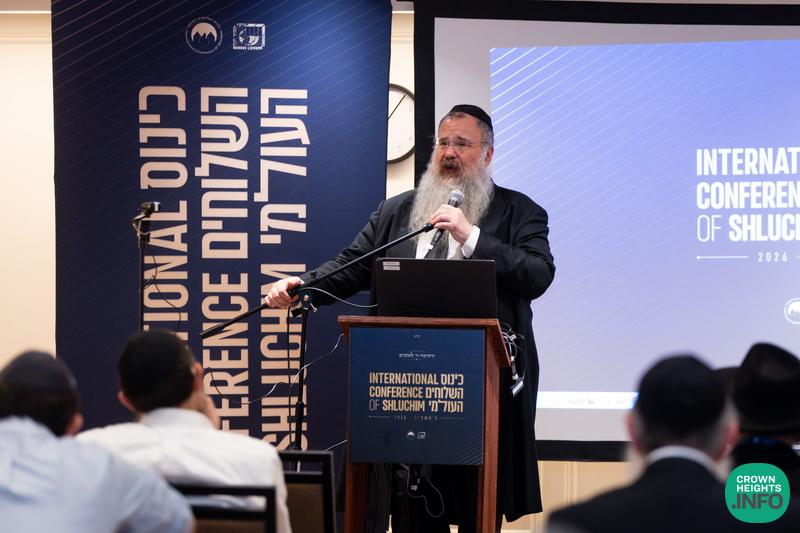
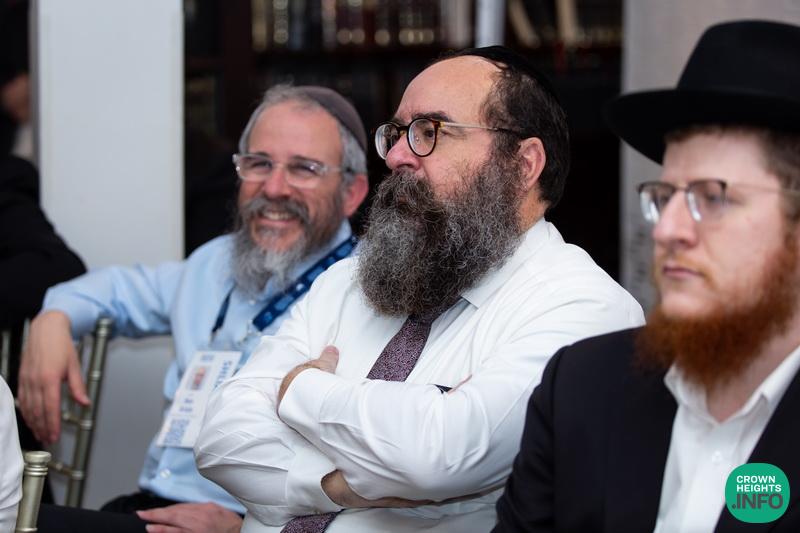
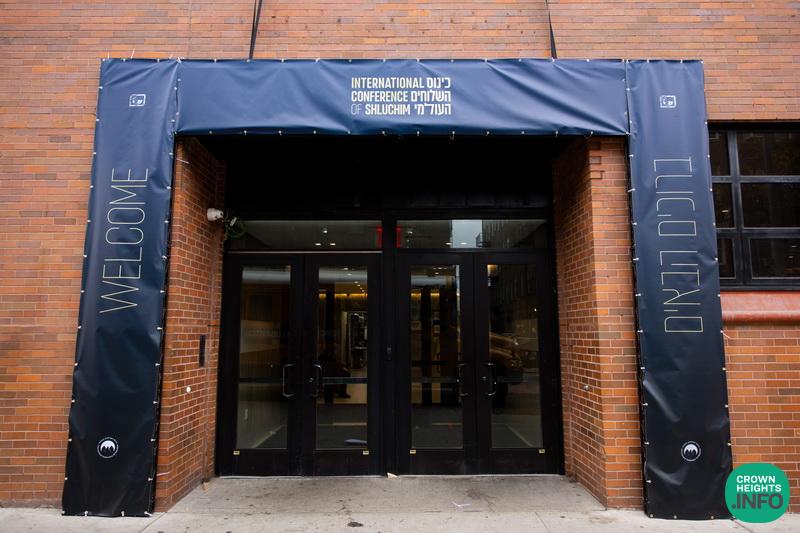
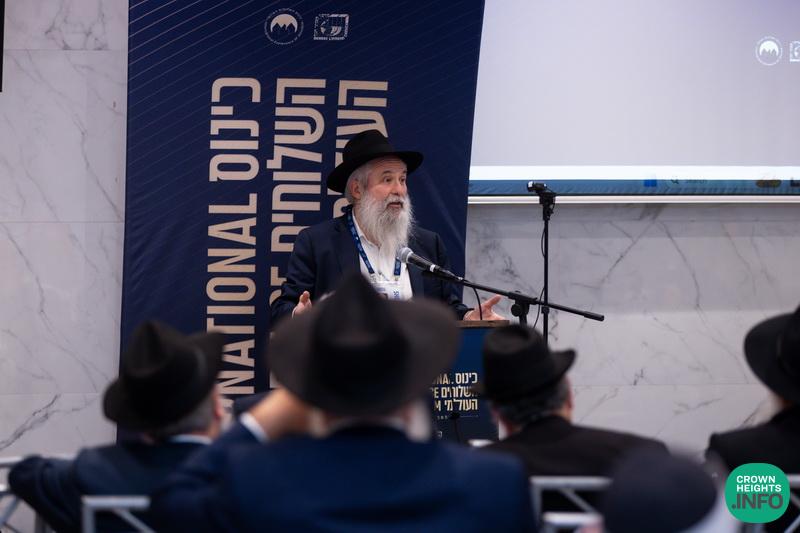
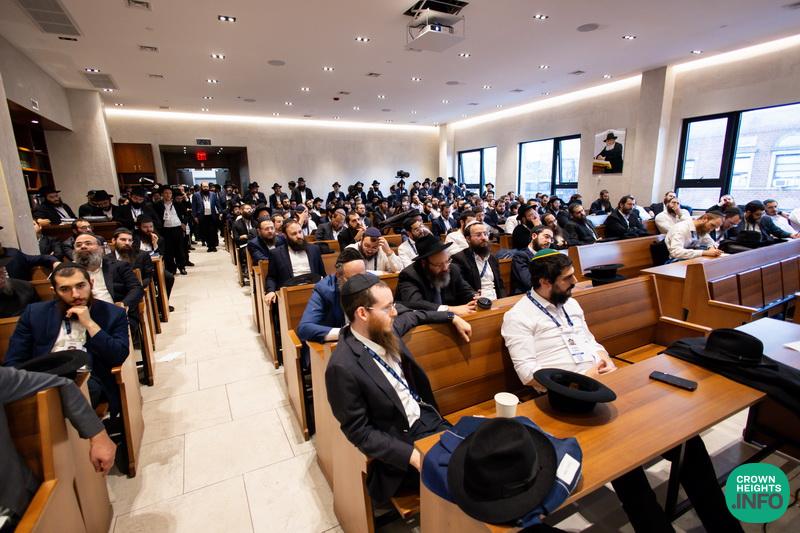
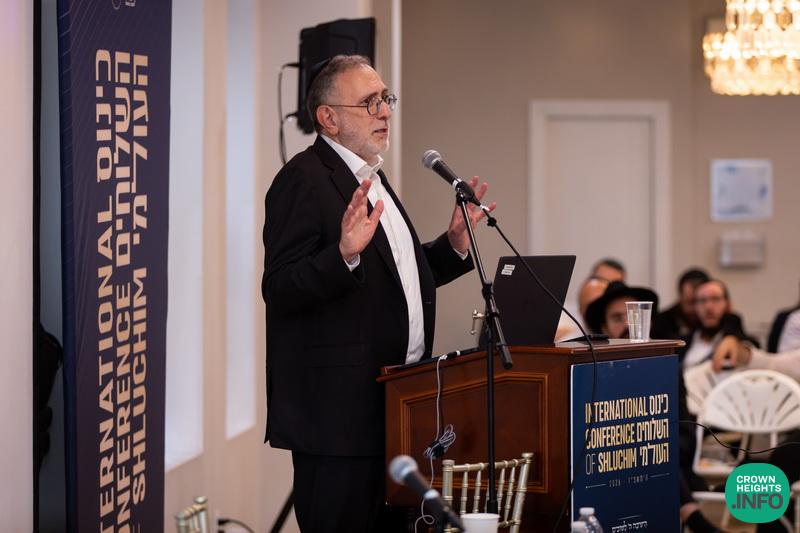
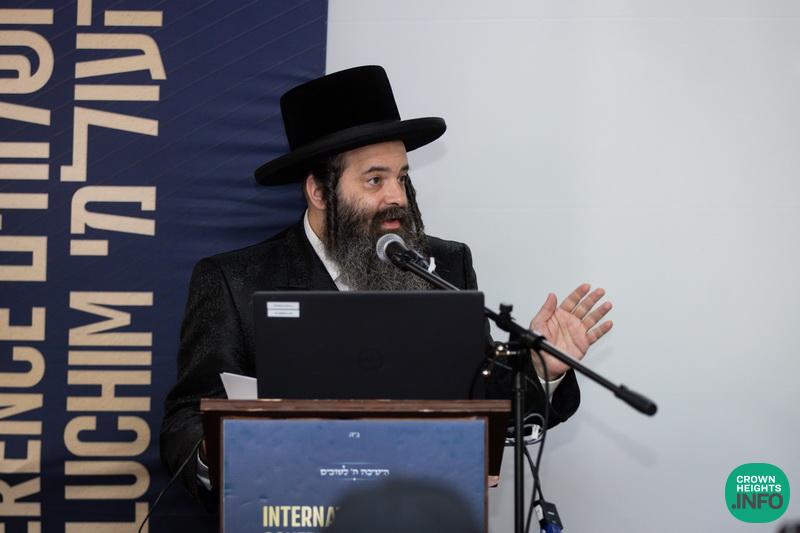
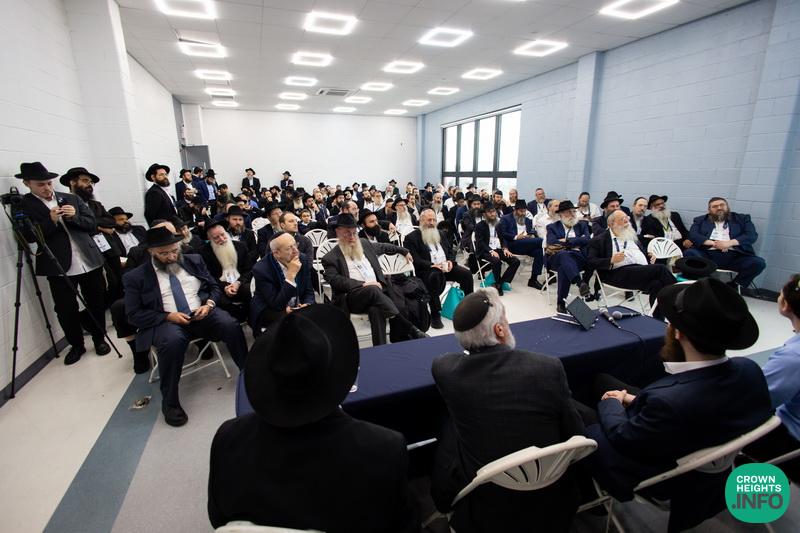
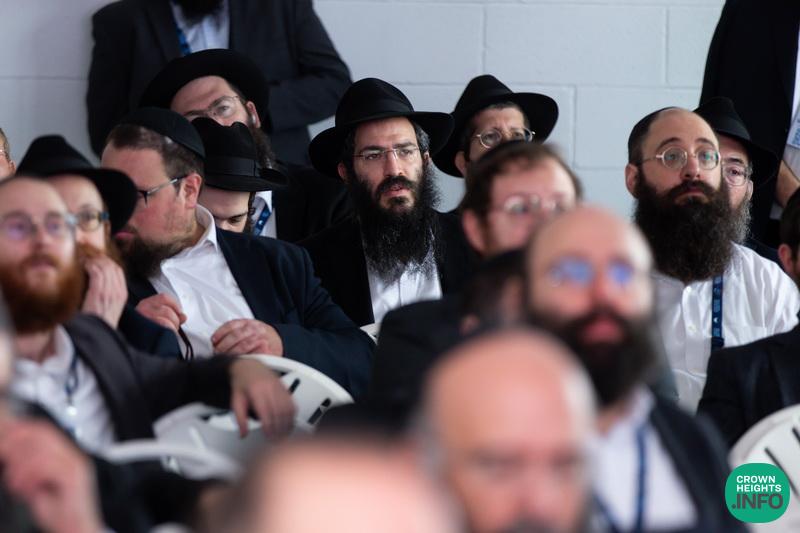
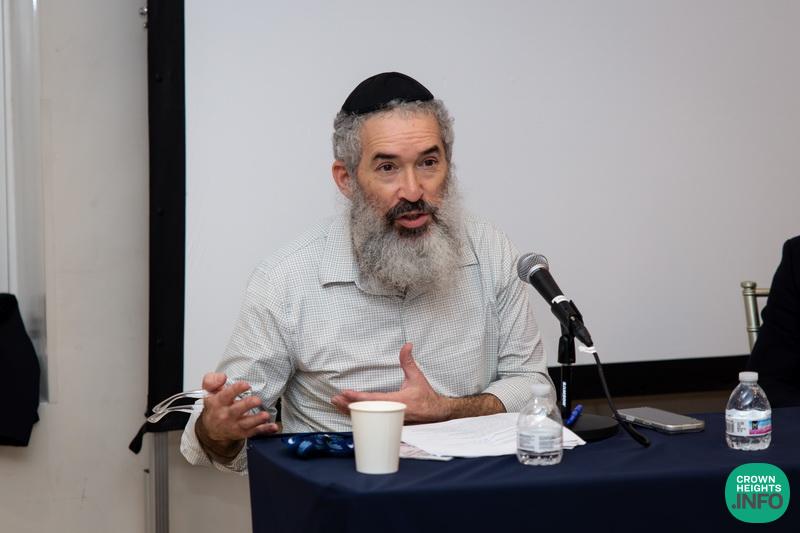
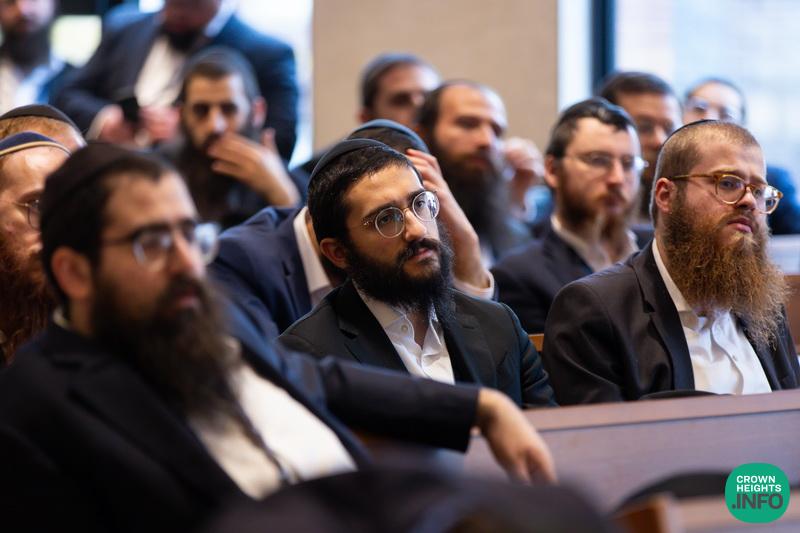
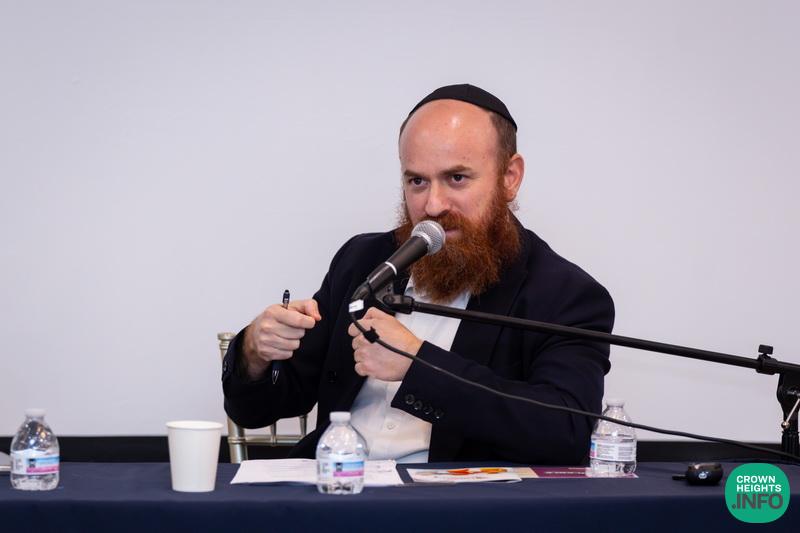
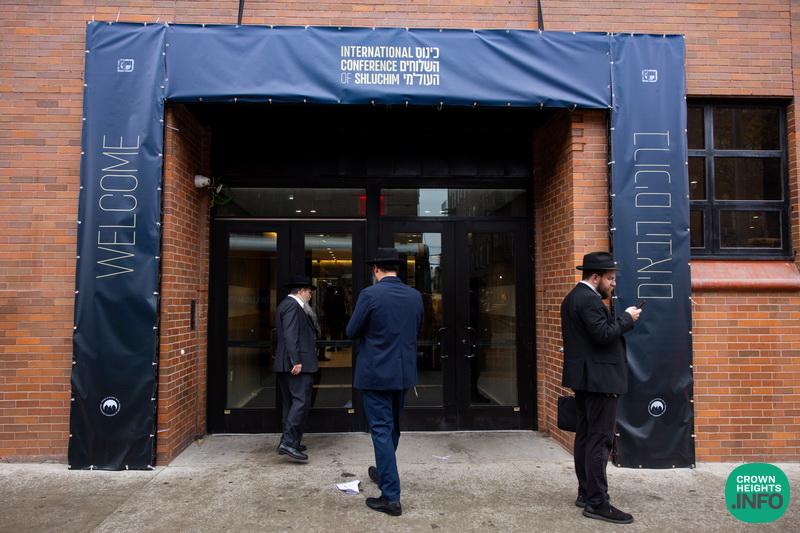
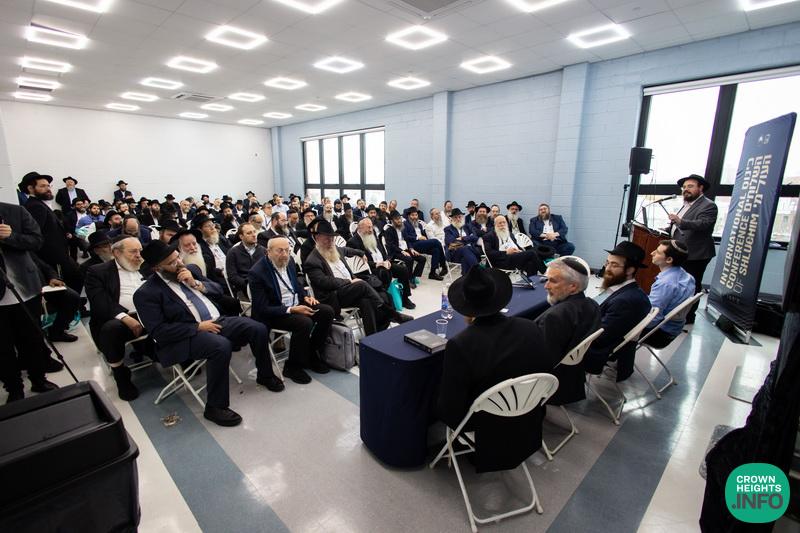
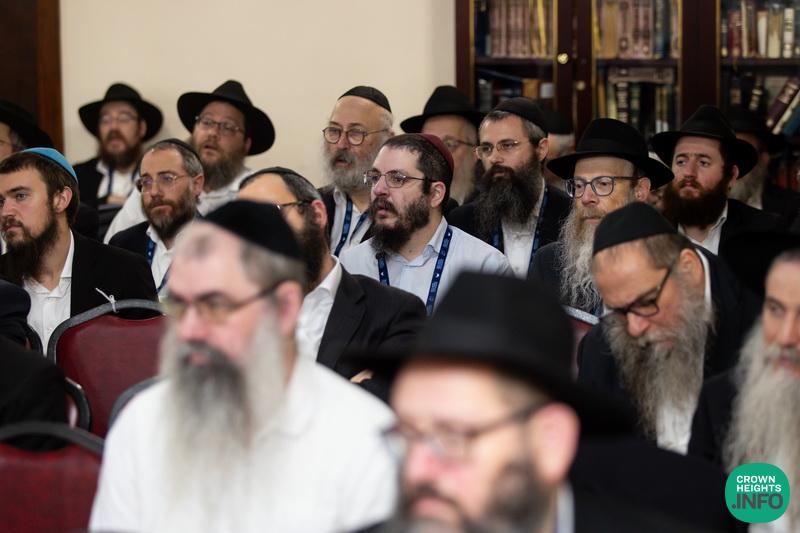
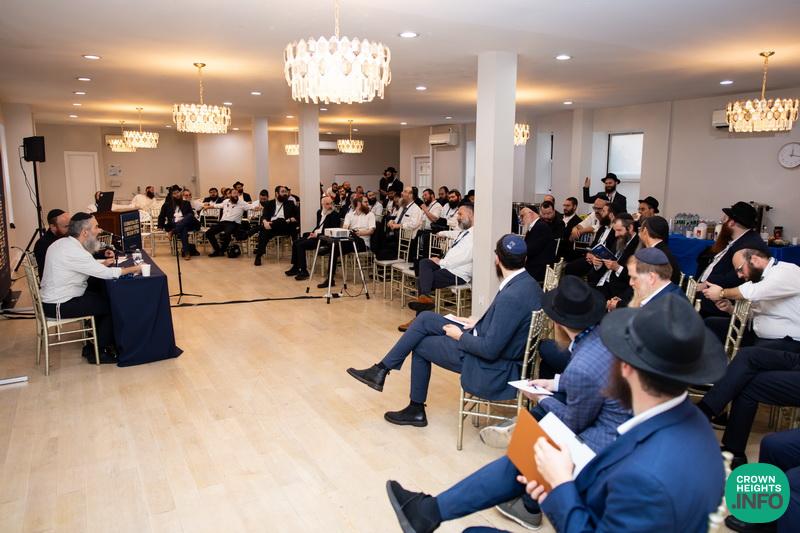
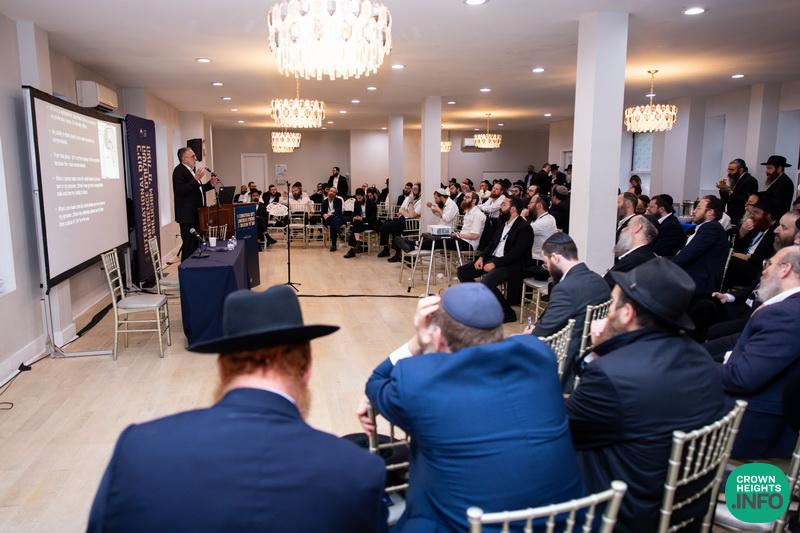
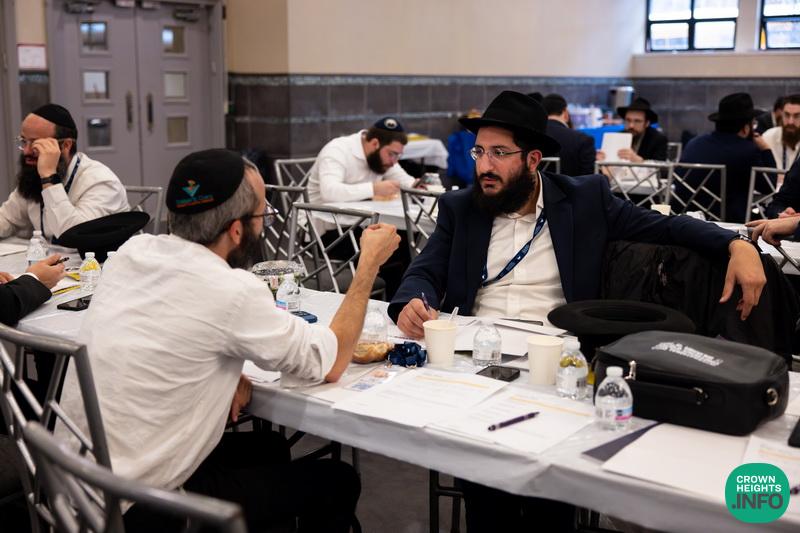
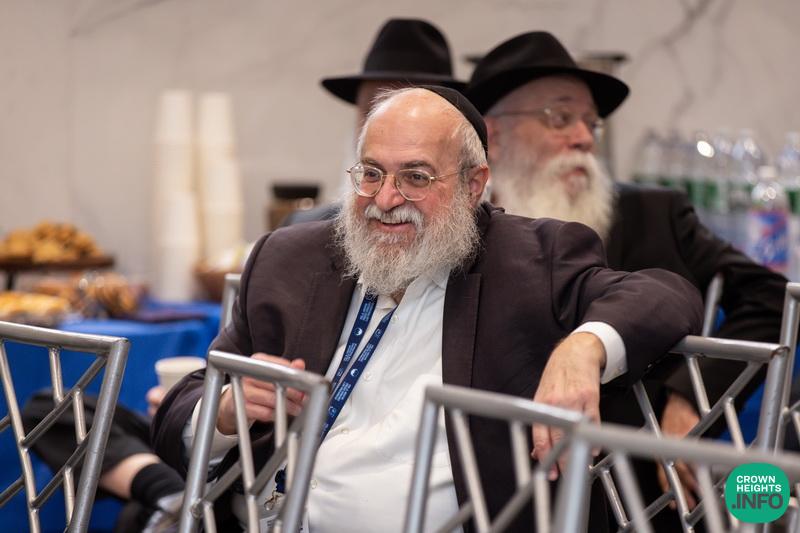
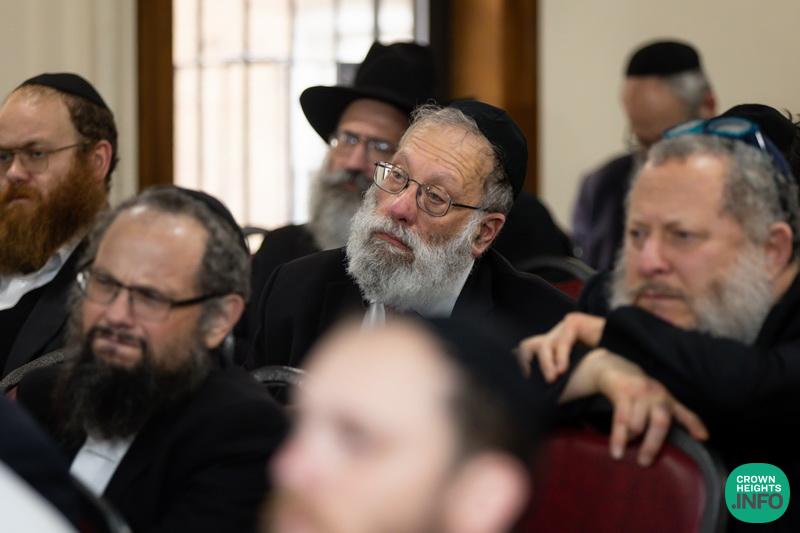
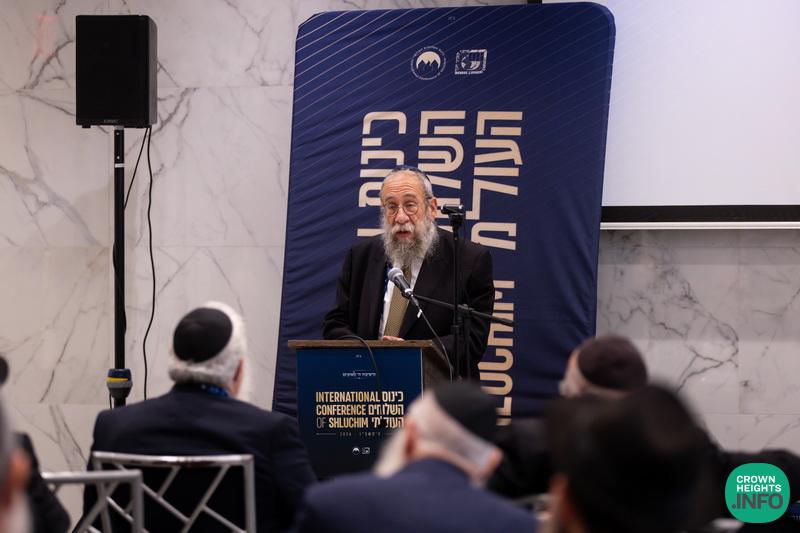
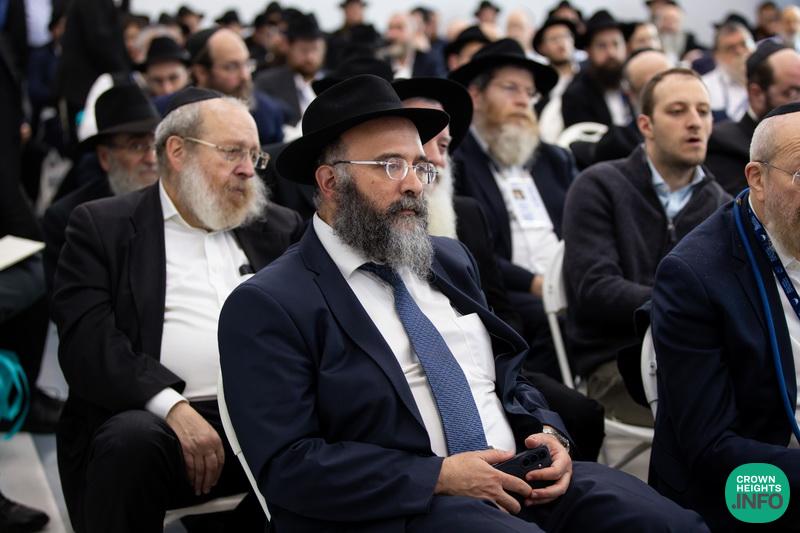
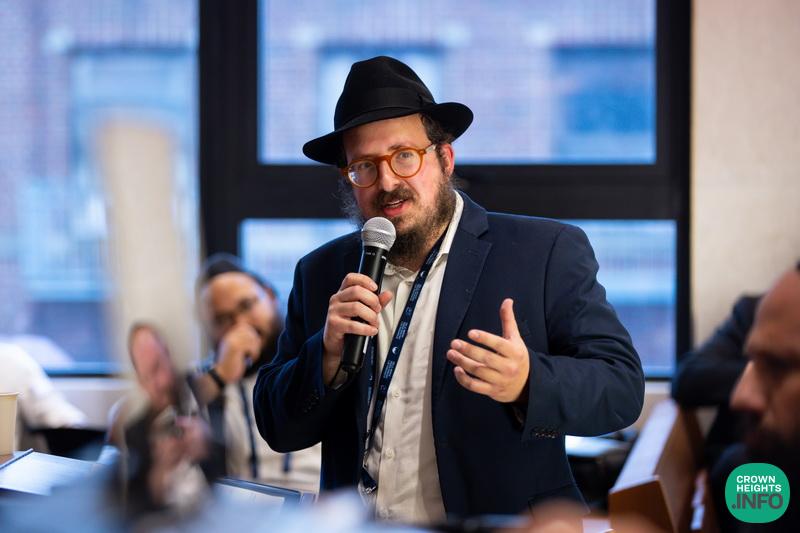
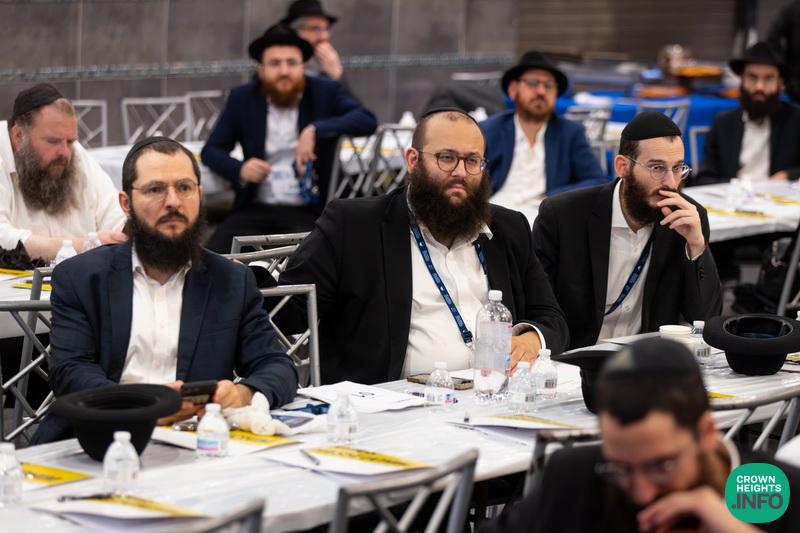
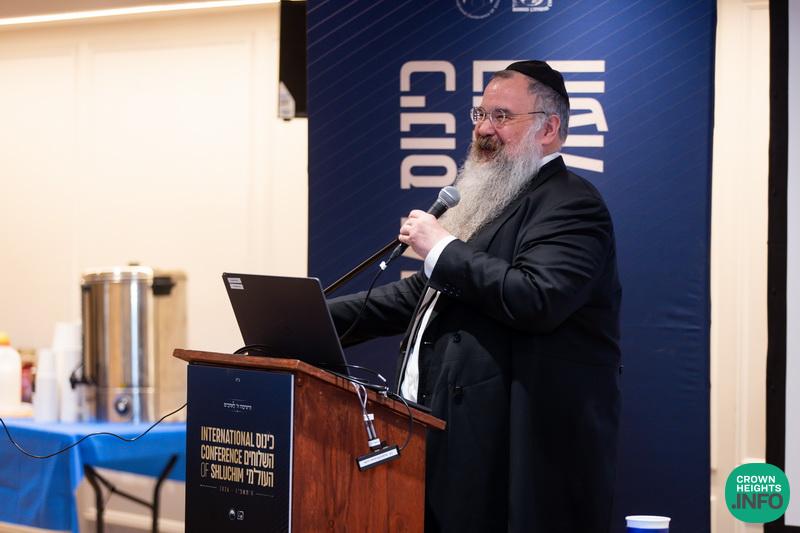
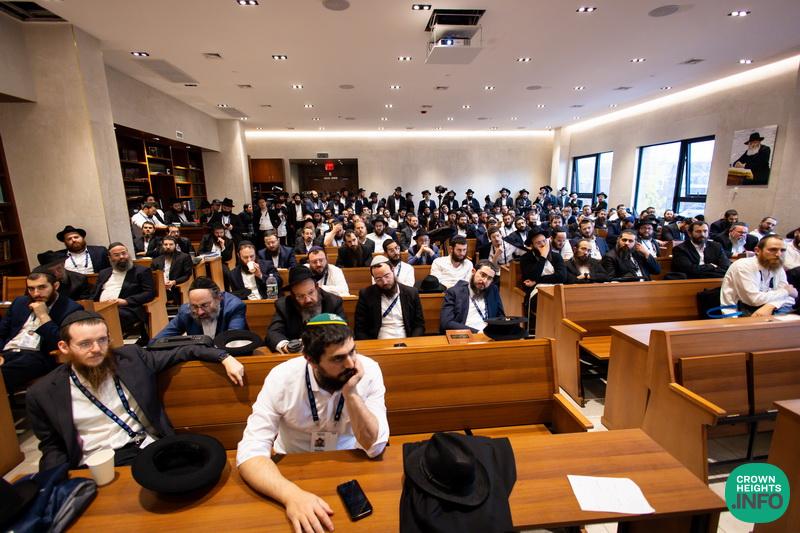
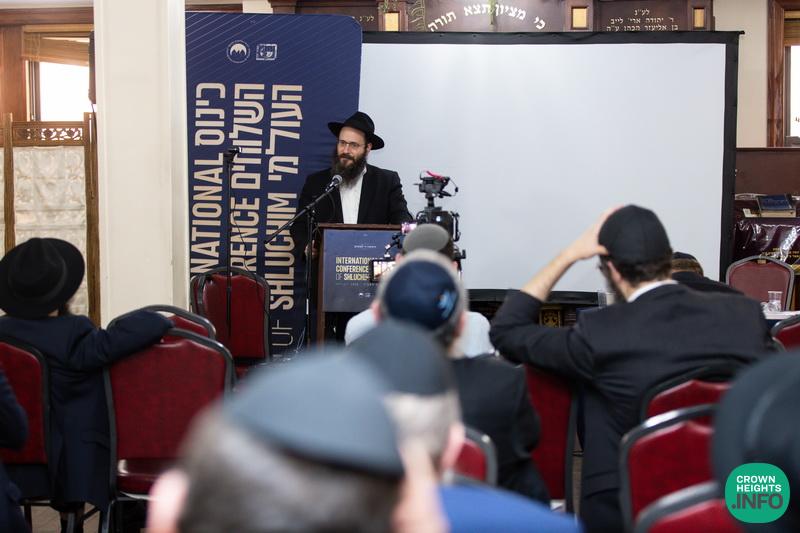
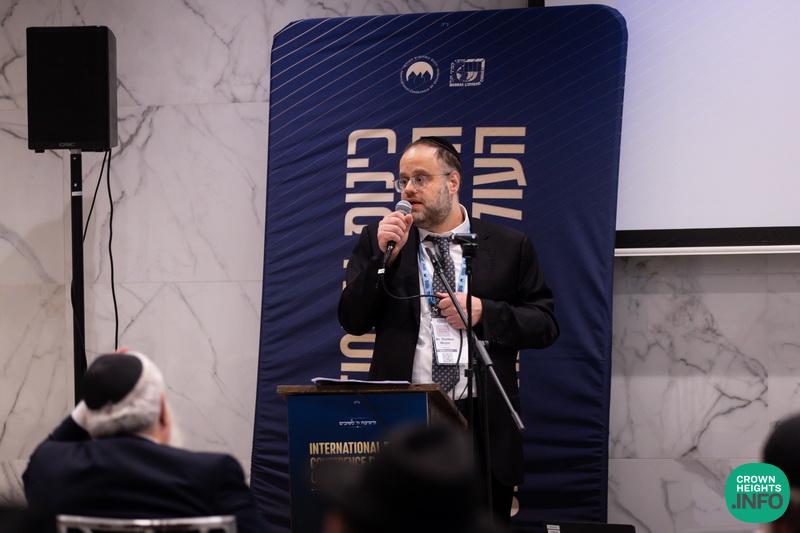
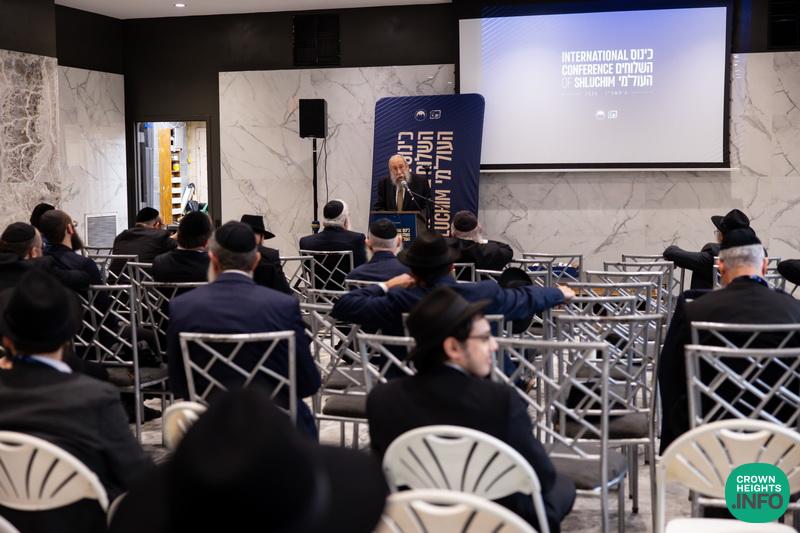
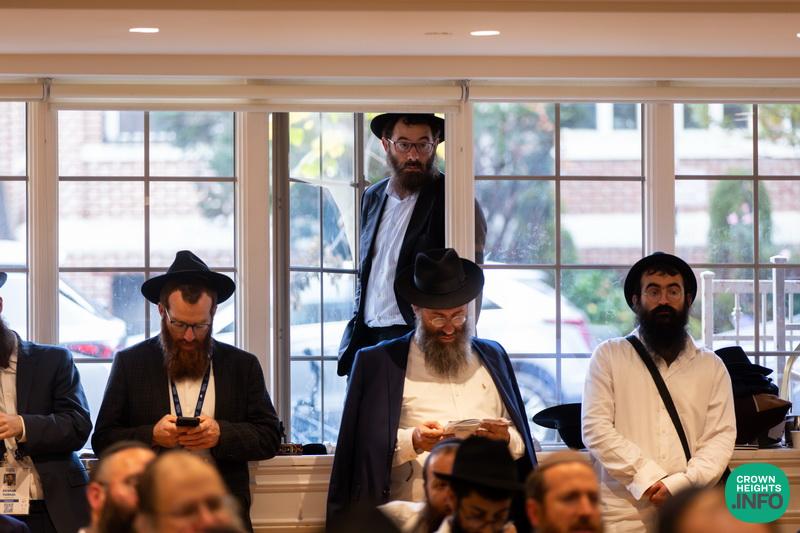
Yesterday’s sessions at the International Conference of Shluchim in Crown Heights offered Blesofsky and thousands of fellow shluchim a comprehensive day of camaraderie, learning, and growth. From cutting-edge AI tools to time-tested wisdom from veteran emissaries, it offered them practical strategies and meaningful connections to address their unique challenges and strengthen their vital role in building Jewish infrastructure around the world.
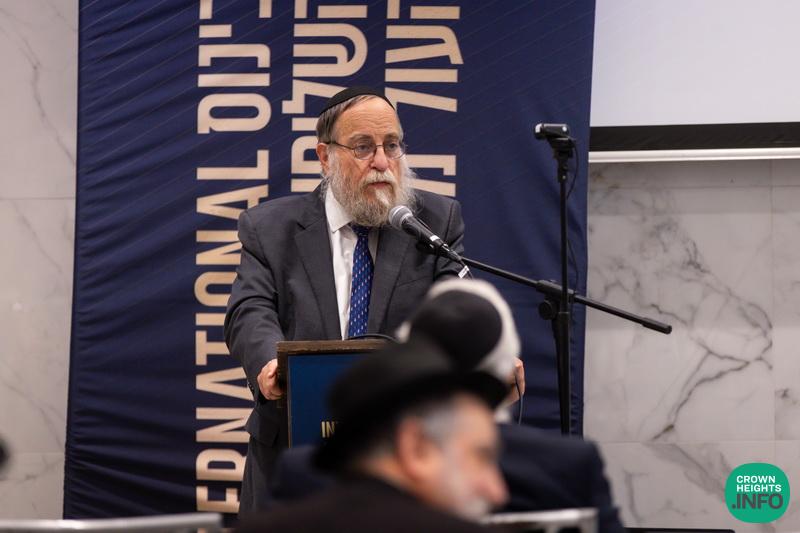
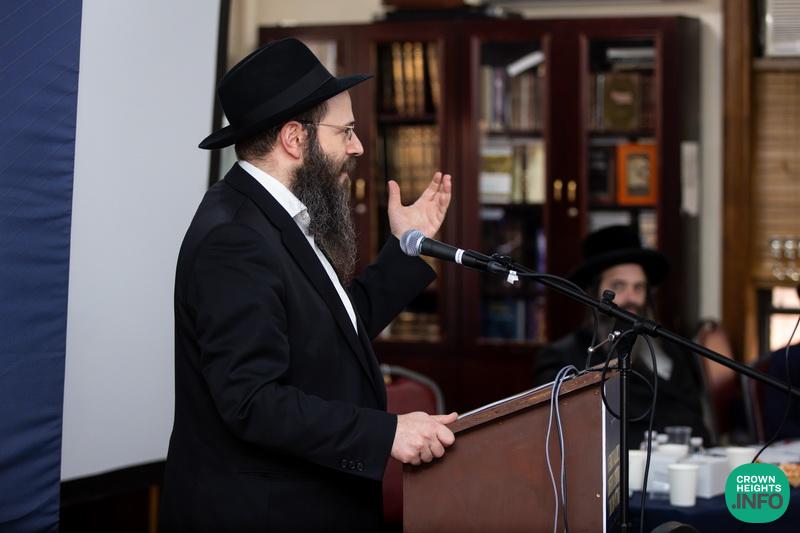
“The shluchim are on the front lines of Jewish life,” said Rabbi Mendy Kotlarsky, director of the International Conference of Chabad-Lubavitch Shluchim. “No think tank or study in the world can compare with the firsthand experiences of these leaders on the ground. The shared knowledge from the Kinus’s focused meetings and sessions reverberates across the globe.”
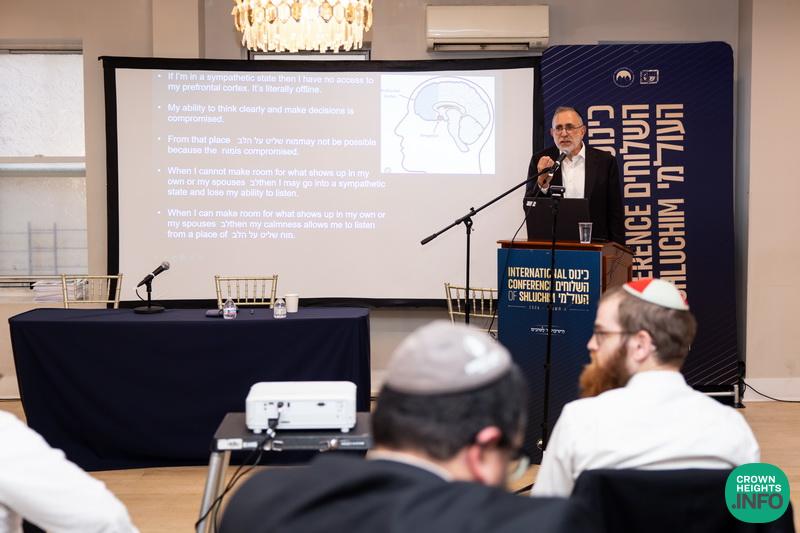
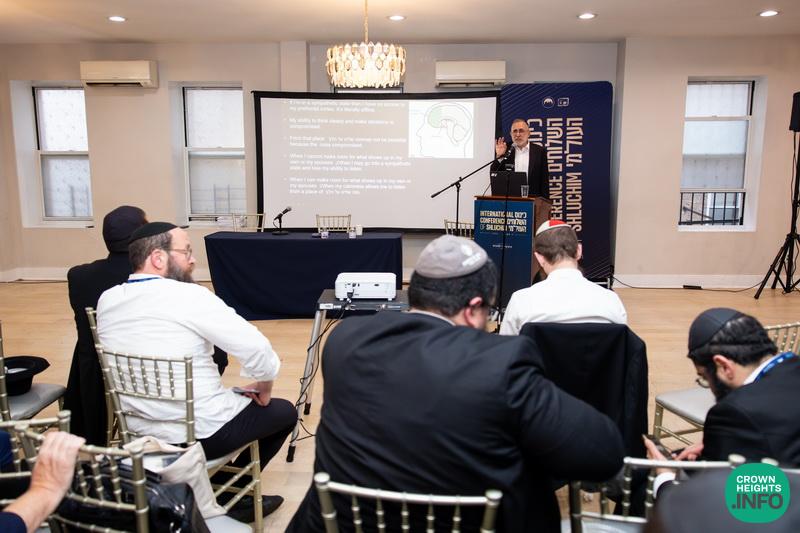
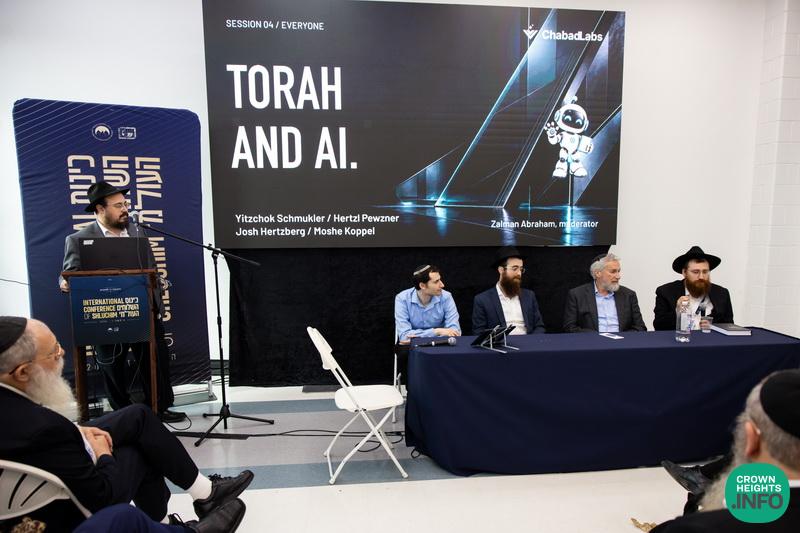
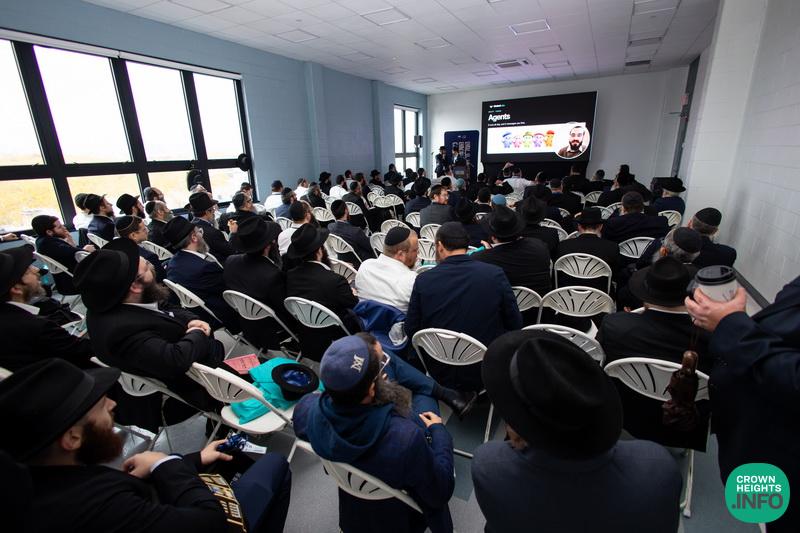
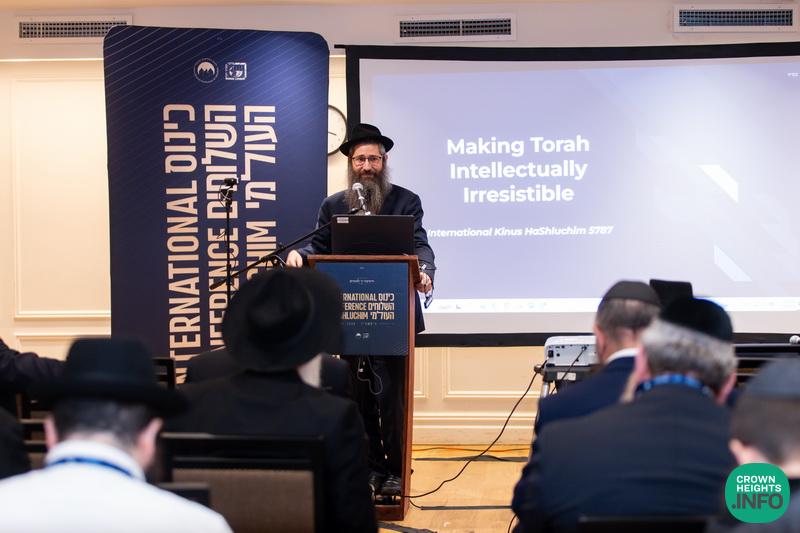
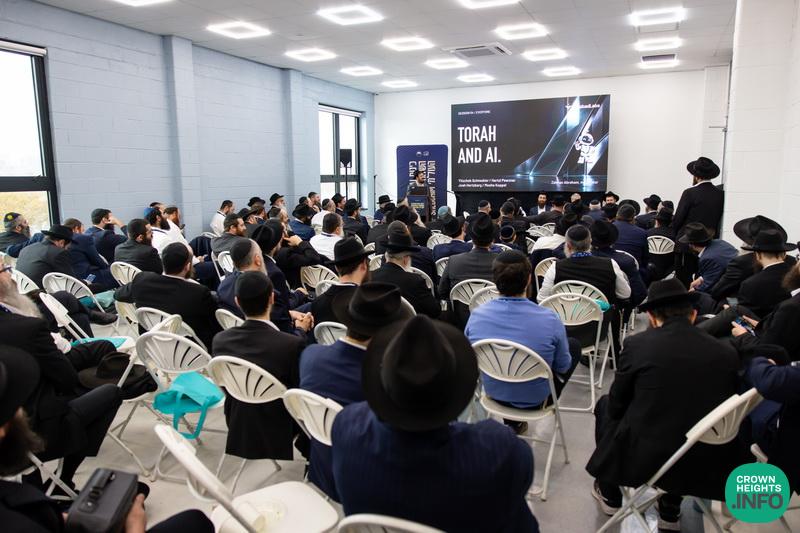
Back for a second year, the full-day track “AI: The Future Is Now” ran throughout Thursday, as shluchim discovered how artificial intelligence could revolutionize their daily operations while maintaining authentic Jewish values. The goal: to 10x productivity and free up more time in a shliach’s day so they can focus on what matters most. The day opened with a session for beginners on what AI can do for a shliach today. In “Torah, AI and a ChabadLabs Launch,” Professor Moshe Koppel of Efrat joined the teams building AI for Torah to show how their tools can help Torah study, and ChabadLabs unveiled its newest AI project for shluchim.
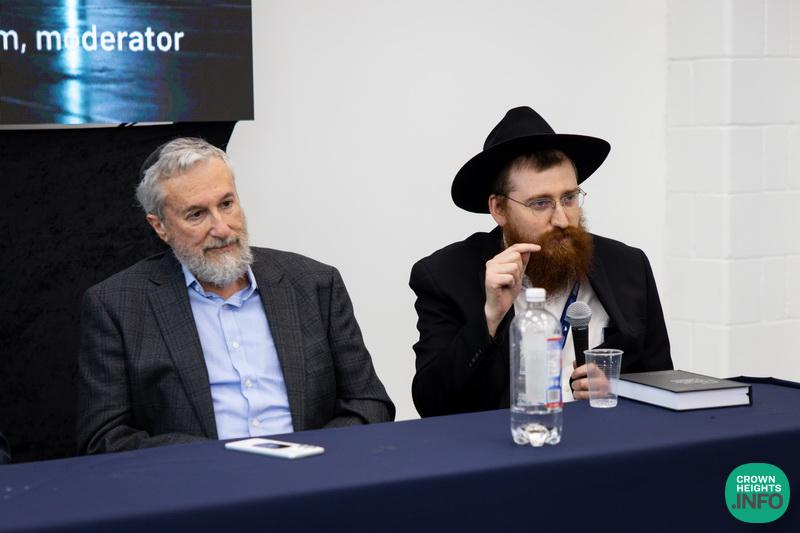
During the afternoon’s “AI in Your Life” session, Rabbi Shmully Litvin of Louisville, Kentucky, Rabbi Shmuly Haskelevich of Hamilton, New York, Rabbi Menachem Aron of Caulfield North, Australia, and Rabbi Mendy Elishevitz of Karmiel, Israel, shared how they use AI every day. The session also took on AI safety for children and “vibecoding,” building an app simply by describing what it should do. Rabbi Moshe Lieberman of Newton Center, Massachusetts, and Rabbi Mendy Shishler of Johannesburg, South Africa, closed the track with “The Big Questions,” weighing the good and bad of AI and how it can help bring the reality of Moshiach to more people than ever.
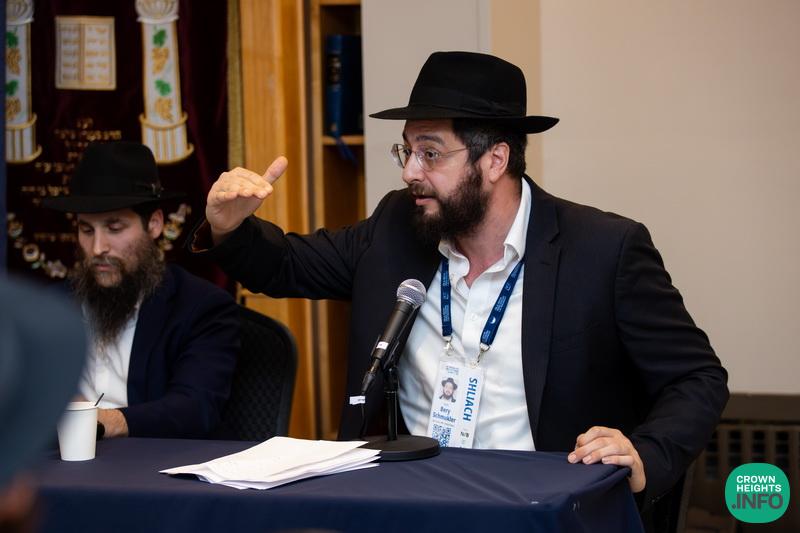
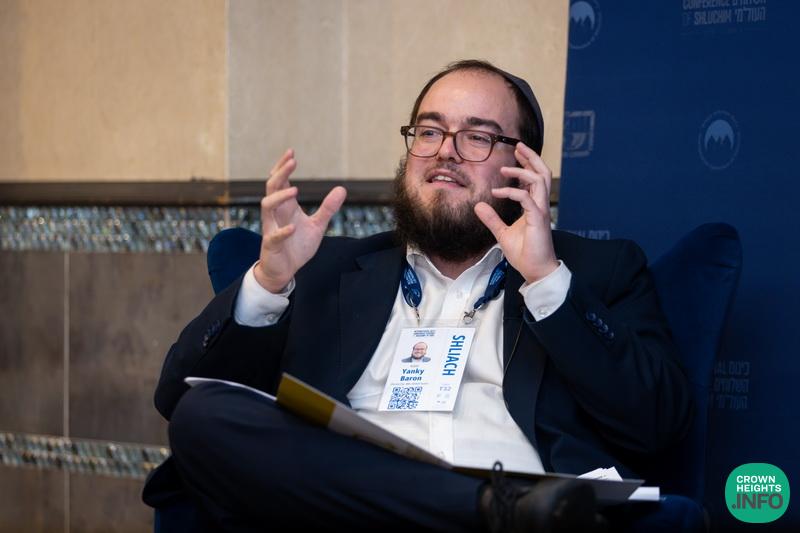
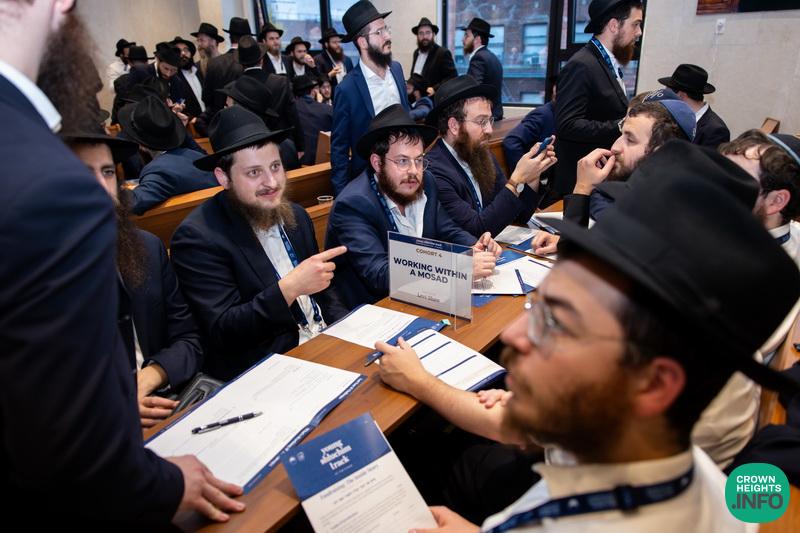
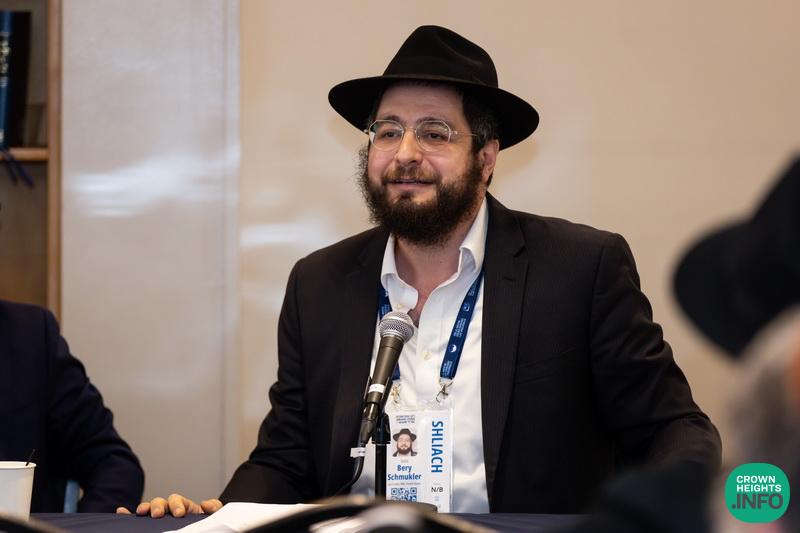
Elsewhere at Lubavitcher Yeshiva, the Young Shluchim track addressed the unique challenges of establishing and growing new communities. The day began at Merkaz Sefarad with “Small Town Shlichus,” where Rabbi Bery Schmukler of Las Cruces, New Mexico, and Rabbi Ephraim Zimmerman of Oro Valley, Arizona, spoke about building Jewish life where the pool of people is small.
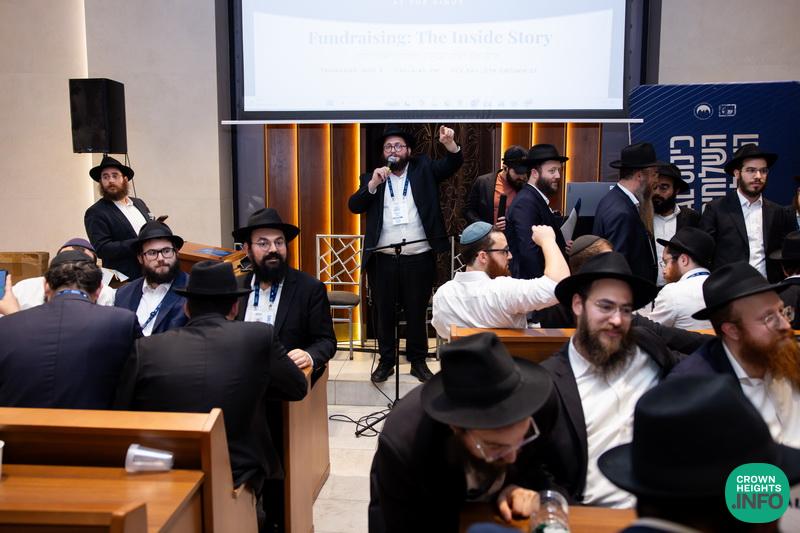
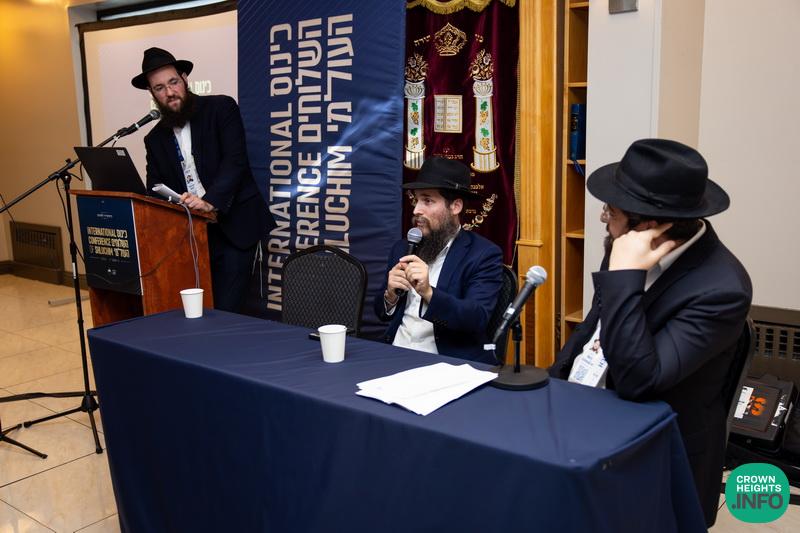
Rabbi Mordechai Richler and the Collective Kindness team led a session on preventing and managing debt. Rabbi Chaim Lazaroff of Houston, Rabbi Dov Greenberg of Palo Alto and Rabbi Raleigh Resnick of Pleasanton taught shluchim how to counsel community members through marriage, parenting and personal struggles. In an open conversation on fundraising, Rabbi Shalom Moshe Paltiel of Port Washington and Rabbi Zevy Geisinsky of Great Neck launched an ongoing support and accountability program for shluchim. The track culminated with Rabbi Tzvi Grunblatt of Buenos Aires, Argentina, leading a candid conversation on “Navigating the Shlichus Journey,” sharing insights from decades of building Jewish life across Argentina.
At The CTeen House, the Teen Impact track gave shluchim new ways to grow their chapters. In “Rapid Fire,” Rabbi Zevy Geisinsky shared with his fellow CTeen shluchim, 30 new ideas for their toughest challenges, and Rabbi Yosef Orenstein of Woodcliff Lake, New Jersey, showed how to bring CTeen alumni back as partners who help fund the future. As Jewish teens face increasing challenges in school and online, they’re turning to their CTeen chapters for community, belonging, and purpose.
The Halacha & Shlichus track at Bais Levi Yitzchok focused on mental health. Rabbi Zischa Ausch, Rabbi Baruch Hertz of Chicago and Rabbi Tuvia Kasimov presented the Rebbe’s approach to fighting depression, anxiety and OCD and the halachic questions they raise. Later sessions addressed internet addiction and a Rav’s obligations when someone is in crisis. Shluchim received clear direction for navigating the intricate questions arising in their communities today.
Meanwhile, the Shlichus Wellness track at Ulam Chana sessions covered helping communities manage overwhelm, strengthening marriages and helping children regulate their emotions. Shluchim are often the first ones community members turn to when facing emotional struggles. Rabbi Binyomin Babad of Relief Resources gave them the tools, language, and guidance to recognize when someone needs professional care and to guide them there with sensitivity and confidence.
At Merkaz Sefarad, the Leading Leaders track explored how to better support shluchim in each region, with Rabbi Shmuel Kaplan of Baltimore, Rabbi Zalman Aaron Grossbaum of Toronto and Rabbi Yosef Chaim Kantor of Bangkok sharing strategies for fostering harmony and sustainable growth across regions.
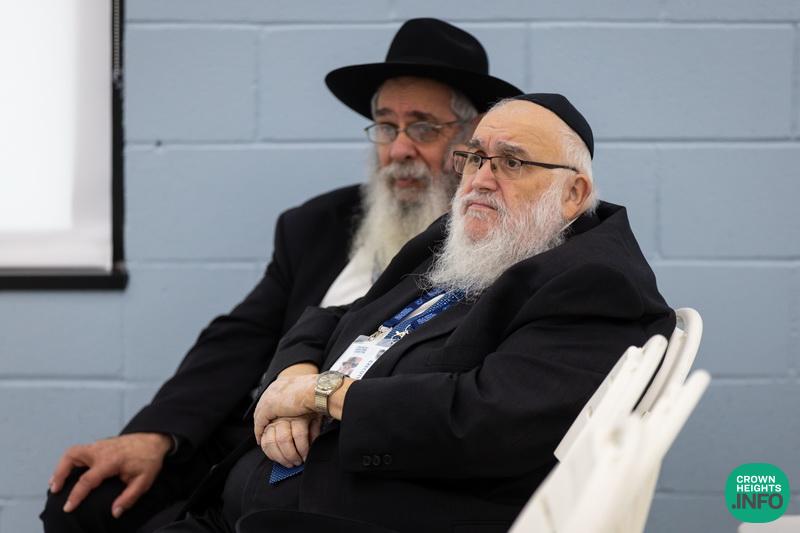
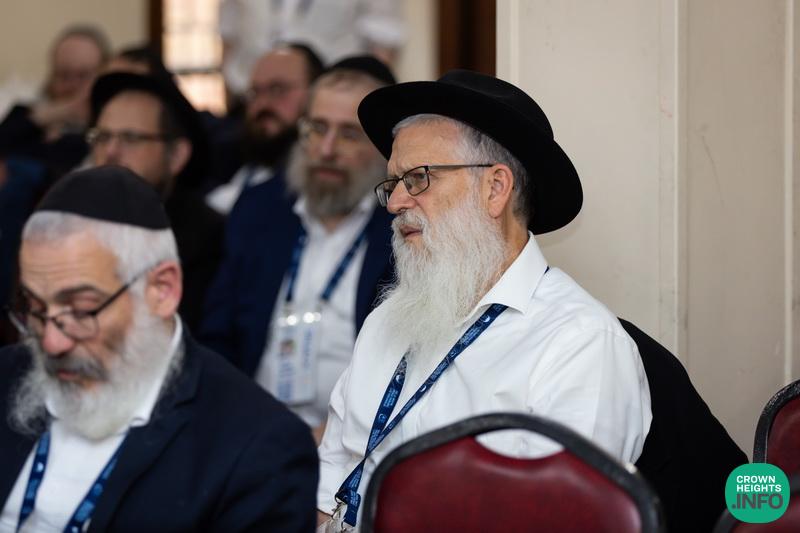
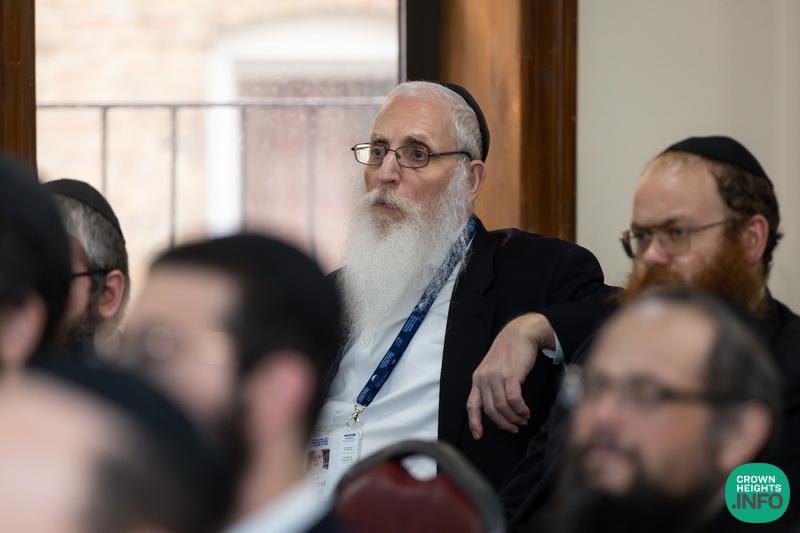
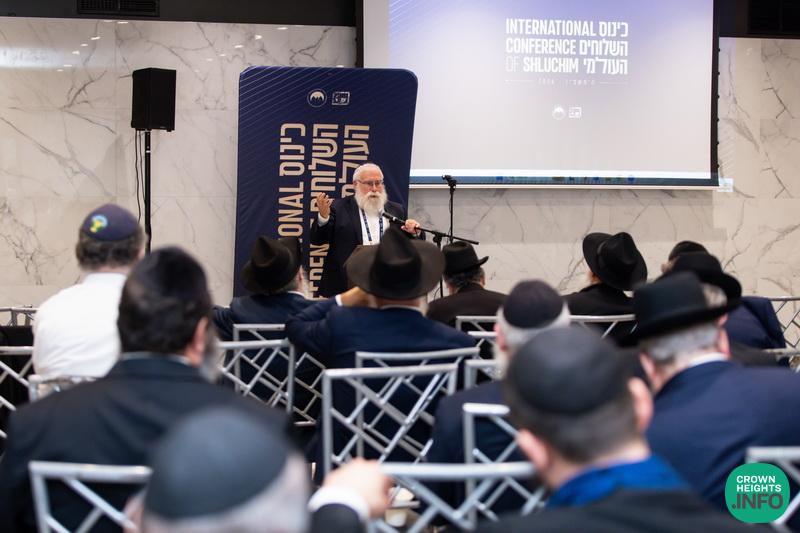
At Lubavitcher Yeshiva’s Small Hall, the Leadership & Legacy track honored the generation of shluchim who built the foundations of modern shlichus, with Rabbi Nechemia Vogel of Rochester, Rabbi Yosef Chitrik of Tzfas and Rabbi Yisrael Deren of Stamford. Later conversations turned to estate planning, succession and the senior shliach’s role in guiding younger shluchim.
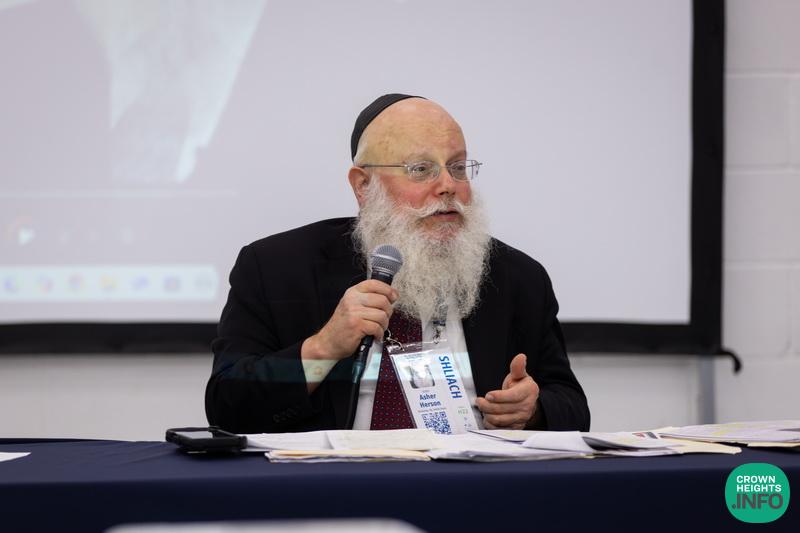
In the Guided by the Rebbe track, Rabbi Bentzion Pearson drew on the archive of Rabbi Dovid Raskin a”h to show how the Rebbe shaped the early years of Hafotzas HaYahadus. Rabbi Asher Herson and Rabbi Mendel Groner shared the Rebbe’s maanos to their fathers, Rabbi Moshe Herson a”h and the Rebbe’s mazkir, Rabbi Leibel Groner a”h.
Rabbi Manis Friedman and Rabbi Shais Taub led the Lifelong Learning track on teaching Torah to today’s audiences. Jonah Halper, author of Magnetic Mission, guided shluchim through a three-part Fund the Mission series on building lasting partnerships with major donors.
The Hebrew Seminar at the Jewish Children’s Museum ran twelve sessions for Hebrew-speaking shluchim. Rabbi Pinchas Vishedski of Kyiv told the story of rebuilding a shlichus after its collapse, and Rabbi Berel Lazar, Shliach and chief Rabbi of Russia, joined Rabbi Kantor to lay out a roadmap for young shluchim.
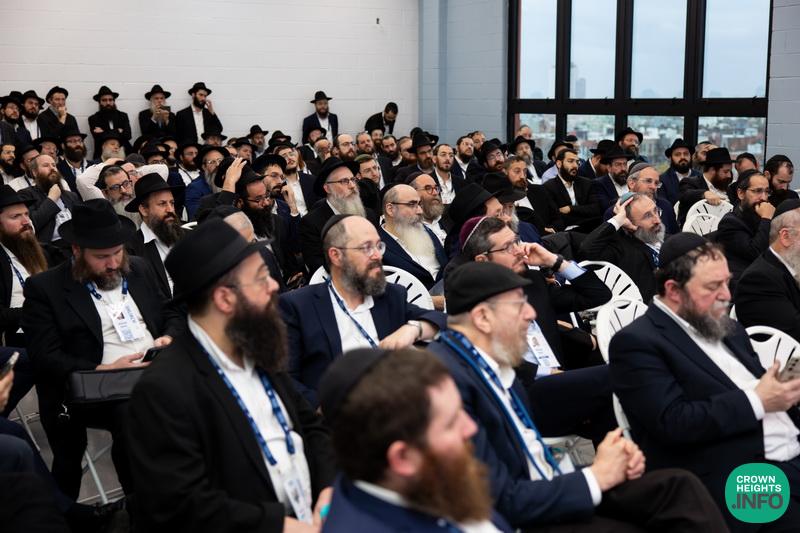
As the meetings concluded, the shluchim gathered for the general session at the Major R. Owens Community Center.
For the thousands of shluchim who will head back to their communities in 110 countries, they return with powerful tools to amplify their impact.
Photo Credit: Itzik Belenitzki/Kinus.com