As Kinus Begins, Rabbi Kotlarsky Announces 22 New Mikvah Grant Recipients in Nine Countries
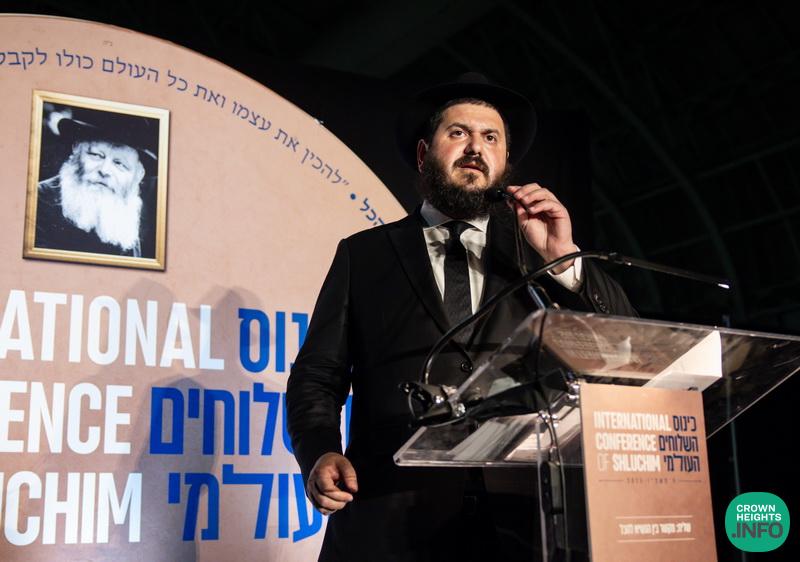
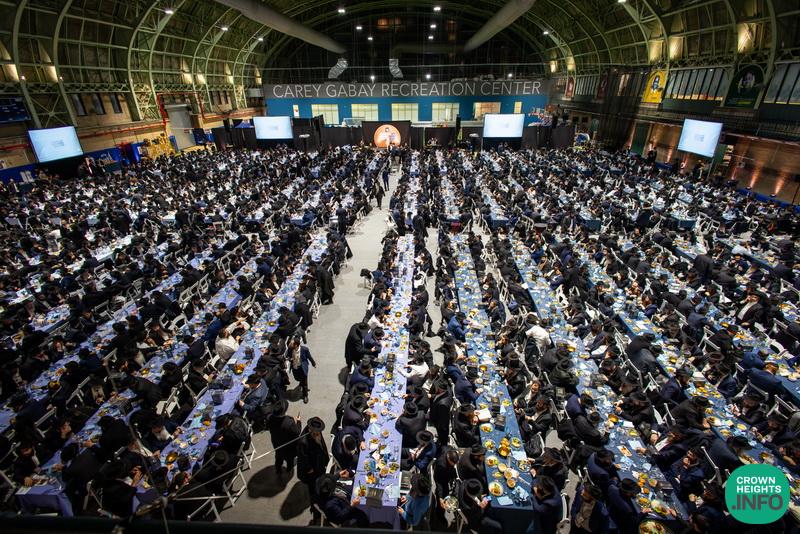
The Kinus is the world’s largest conference of Jewish leaders. They compare notes on what they see on the ground, and they look for ways to respond together. The Kinus serves as a think tank and launch pad for new initiatives to tackle the biggest challenges facing Jewish life worldwide.
This year, one of those pressing needs is mikvah infrastructure and access.
In response, the Shluchim Foundation-Keren Hashluchim, led by Rabbi Mendy Kotlarsky, executive director of the International Kinus Hashluchim, has announced new mikvah grants to 22 communities across nine countries.
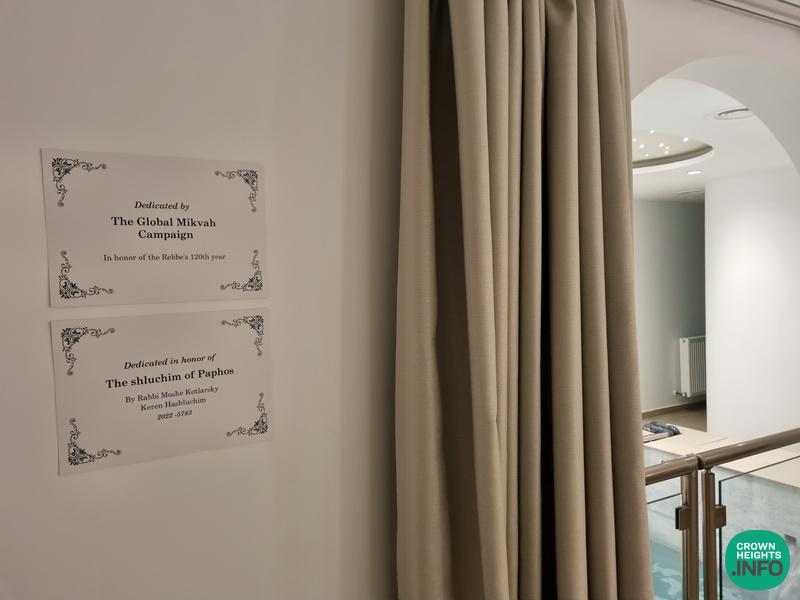
Inspired by the Rebbe’s call to build mikvaos in every city, the foundation has awarded grants to 123 mikvaos in the last four years alone.
The need is critical. In Lubbock, Texas, a family going to the mikvah can drive five hours in almost any direction. In Santa Teresa, Costa Rica, Auckland, New Zealand, and Tanzania, families have to get on a plane.
“The Shluchim are the global support system for the Jewish people,” said Rabbi Kotlarsky. “Sometimes that means a Torah class or a conversation. Other times it means building the Jewish infrastructure, such as the first mikvah for hundreds of miles. We are here to support them. We are deeply grateful to the group of visionary partners whose generosity made these grants possible.”
Since October 7th, as Jews “keep surging,” more are asking how they can connect with their roots and bring more Jewish practice into their homes.
In Bend, Oregon; Mar del Plata, Argentina; and San Miguel de Allende, Mexico, families face drives of three to six hours to reach the nearest mikvah.
Keren Hashluchim is gifting grants to shluchim in those communities so they can bring mikvah access closer to home.
Nearly 300,000 people live in Lubbock, Texas, and Rabbi Zalman and Chana Liba Braun estimate that several hundred of them are Jewish. For those Jews, a mikvah currently means driving roughly five hours in almost any direction.
“From the moment we moved here, we knew we needed to build a mikvah,” Rabbi Braun said.
But a community of several hundred Jews could not easily carry the full cost of building a mikvah.
They have already chosen a site in the backyard of a property they purchased last year. The Keren Hashluchim grant is helping them move ahead. When they complete the project, Northwest Texas will have its first mikvah.
In Traverse City, Michigan, where Rabbi Laibel and Chaya Shemtov are shluchim, families have traveled about two and a half hours to Grand Rapids to use the nearest mikvah. During the summer, someone who makes the round trip without staying overnight can arrive home at 2 a.m.
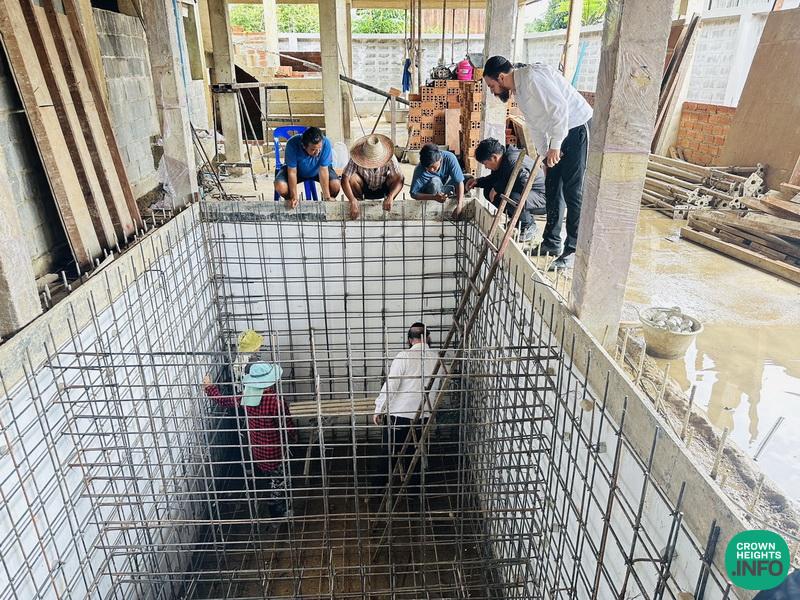
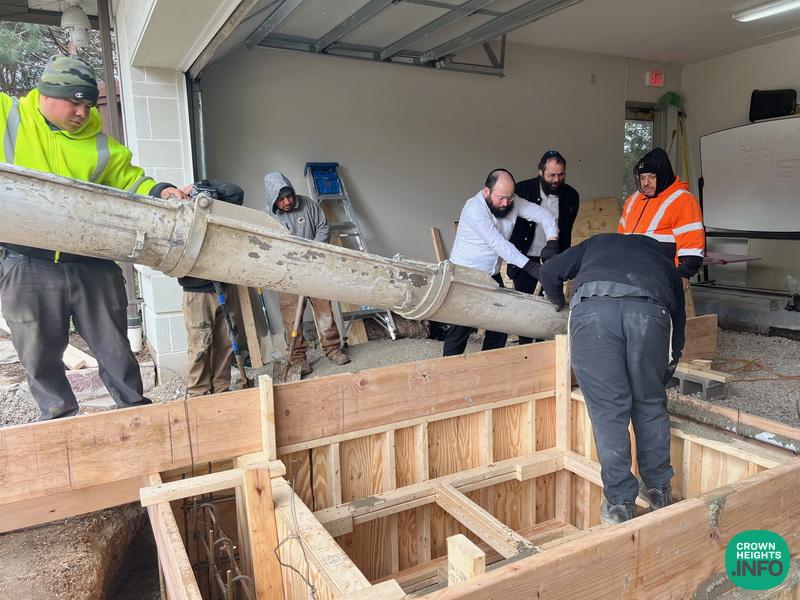
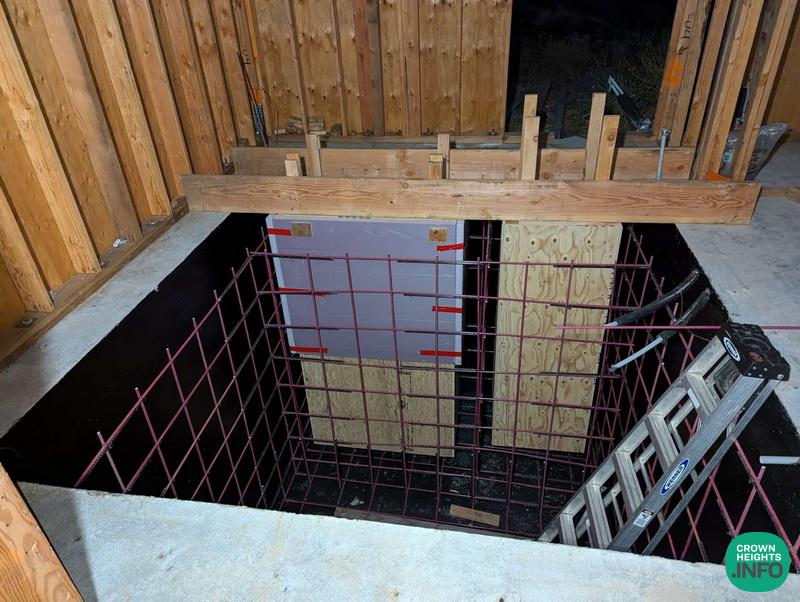
Seeing the tremendous need, the Shemtovs have already started building.
They are putting the mikvah inside the Chabad House and expect work on the boir to enter its final stages in the coming weeks.
“It’s a game changer,” Rabbi Shemtov said.
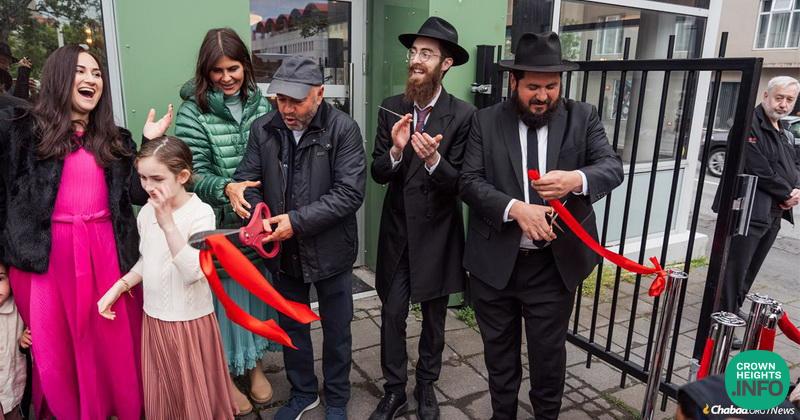
Keren Hashluchim’s current grants continue an effort that began years ago.
At a previous International Kinus Hashluchim, Rabbi Moshe Kotlarsky, OB”M, announced the 120 Mikvaos Initiative. The initiative gave grants to 120 communities, and more than 75 of them have since completed their mikvaos.
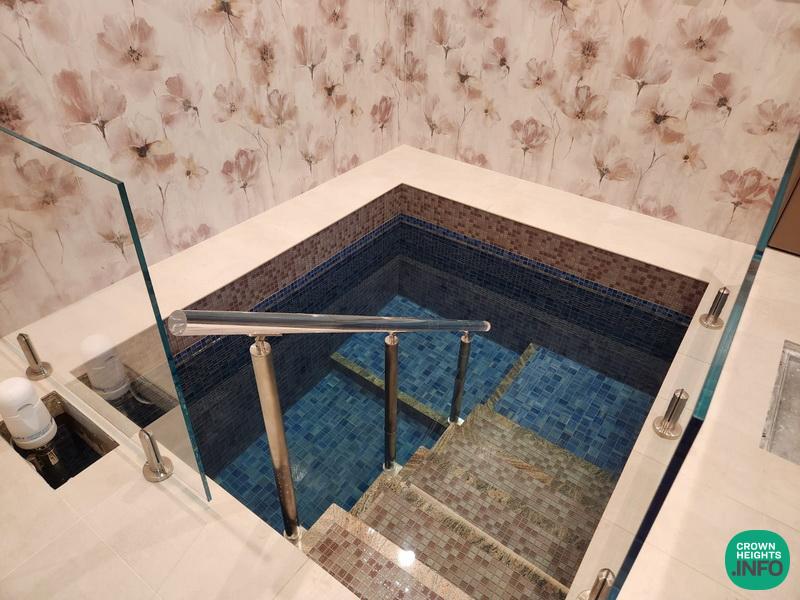
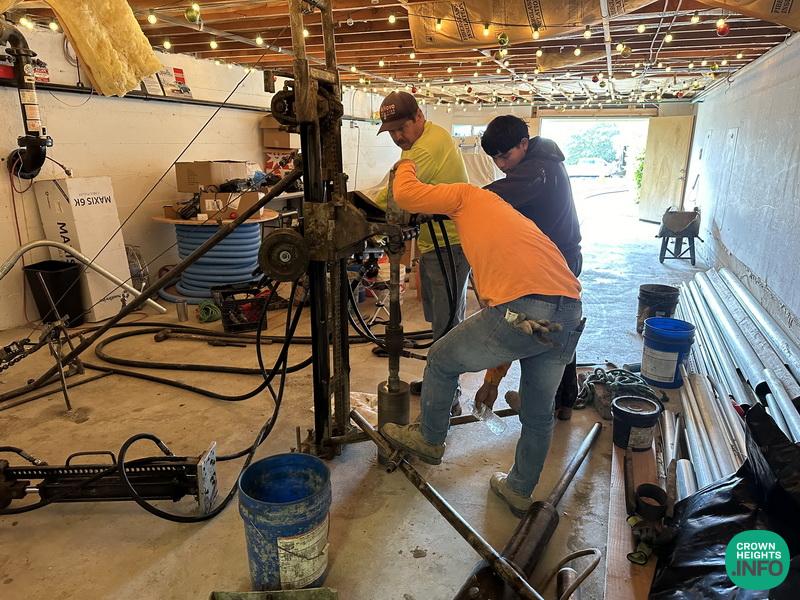
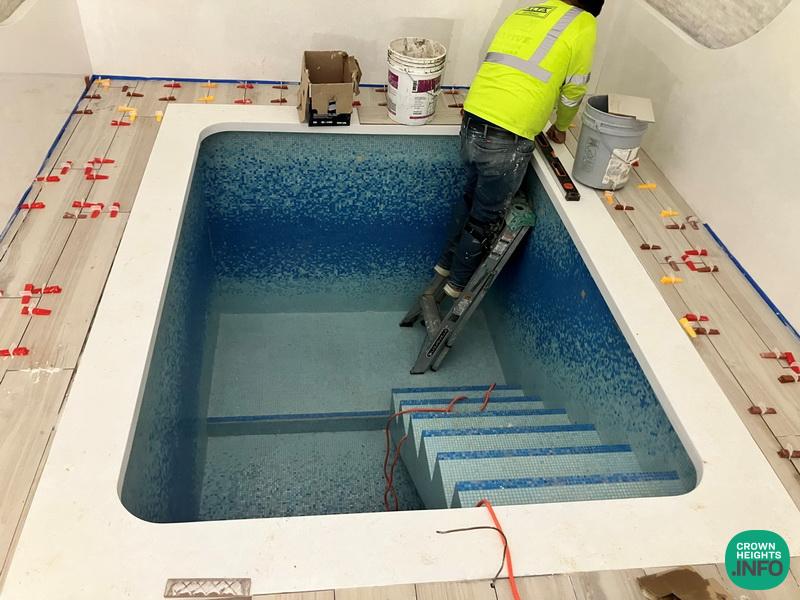
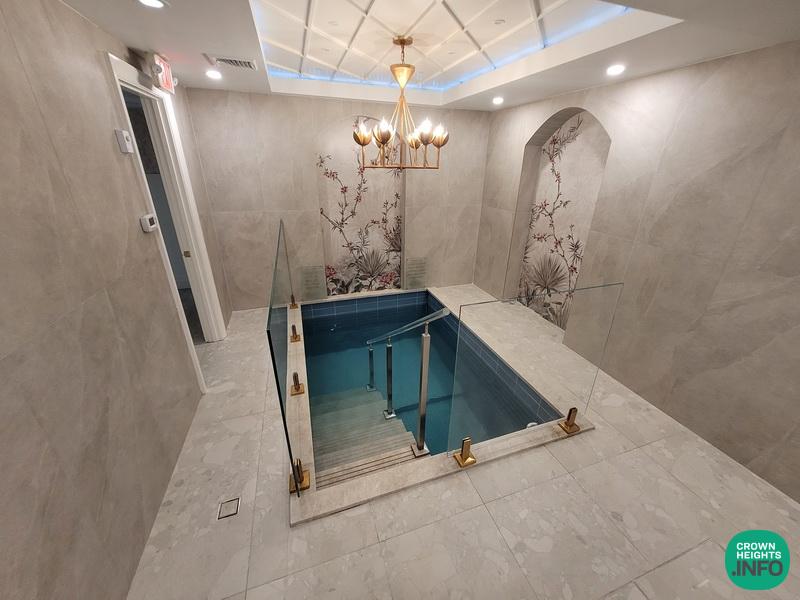
In addition to the financial barrier, Shluchim also have to work through planning, design, halachic requirements, mikva pool construction, heating and filtration systems. They can use the Merkos Mikvah Package for help with those parts of the project.
Shluchim planning or building a mikvah can apply for a Keren Hashluchim mikvah grant at mikvah.merkos302.com/grants or email mikvah@kerenhashluchim.org. Donors can support a specific community’s mikvah or the broader effort at mikvah.merkos302.com/support.
This round’s recipients
- Rabbi Mendy and Tirtza Ross, Duluth, Minnesota
- Rabbi Yitzchok and Mimi Feldman, Bend, Oregon
- Rabbi Laibel and Chaya Shemtov, Traverse City, Michigan
- Rabbi Naftoli and Nene Schmukler, Corpus Christi, Texas
- Rabbi Berel and Chana Dubinsky, Santa Teresa, Costa Rica
- Rabbi Yanky and Chanshy Majesky, North Orlando, Florida
- Rabbi Zalman and Chana Liba Braun, Lubbock, Texas
- Rabbi Yossi and Malki Rodal, Waratah, New South Wales, Australia
- Rabbi Mendel and Itta Super, Lake Havasu City, Arizona
- Rabbi Chaim and Esther Wilansky, Bangor, Maine
- Rabbi Shimon Menachem and Chana Aziza, Tanzania
- Rabbi Yisroel and Alizah Silberstein, Chernihiv Oblast, Ukraine
- Rabbi Menachem and Adina Landa, Novato, California
- Rabbi Yossi and Rochie Tiefenbrun, San Diego, California
- Rabbi Yakov and Chava Gitler, Freiburg im Breisgau, Germany
- Rabbi Berel and Rochel Slavaticki, Newington, New Hampshire
- Rabbi Menachem Mendel and Esther Naomi Hecht, Auckland, New Zealand
- Rabbi Schneur Zalman and Patsonia Rachel Lipinski, Mar del Plata, Argentina
- Rabbi Daniel and Raizel Huebner, San Miguel de Allende, Mexico
- Rabbi Avrohom and Zeldi Richter, Queens, New York
- Rabbi Levi and Faigy Meijers, Tracy, California
- Rabbi Yonasan and Natanya Abrams, Temecula, California