Amid Siberian Snowstorm, Irkutsk Jewish Community Honors Victims of Soviet Repression
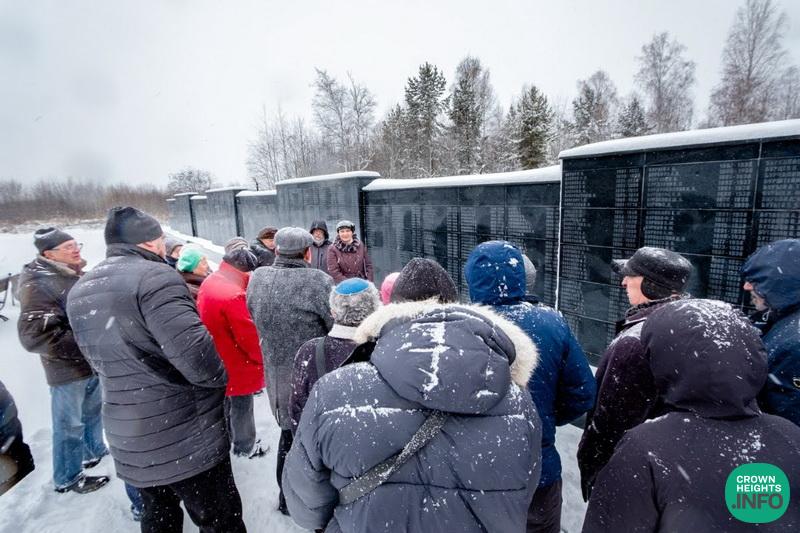
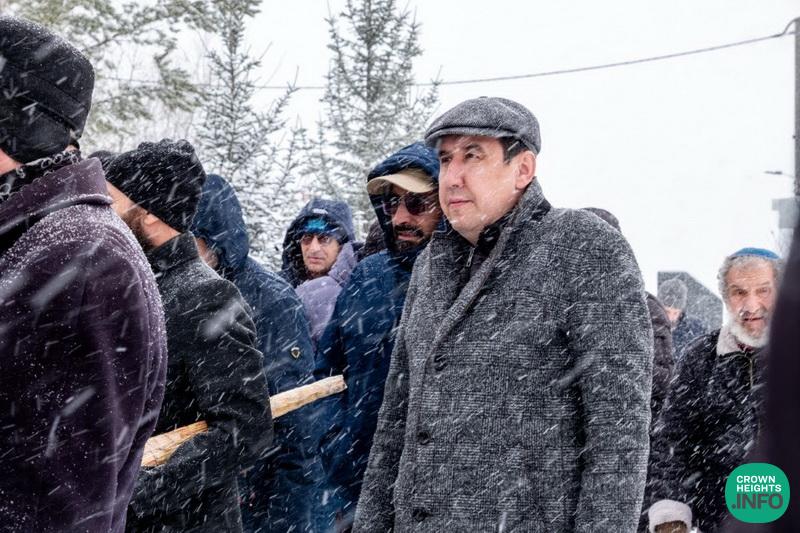
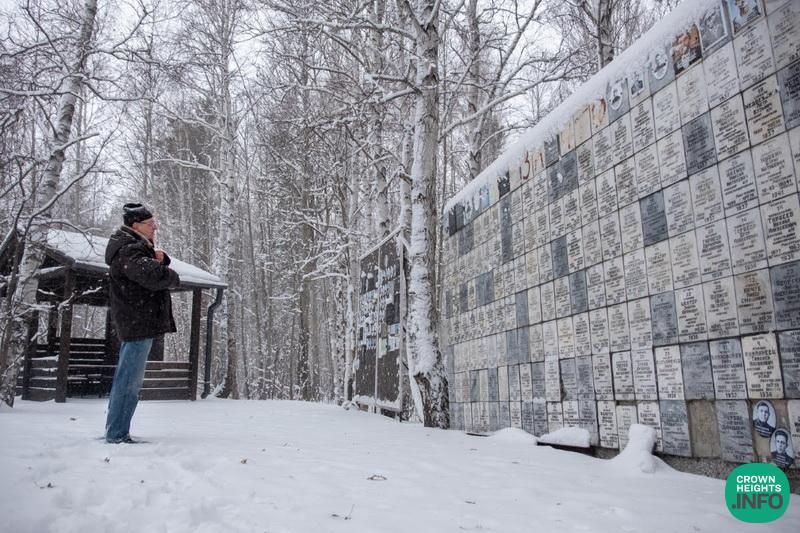
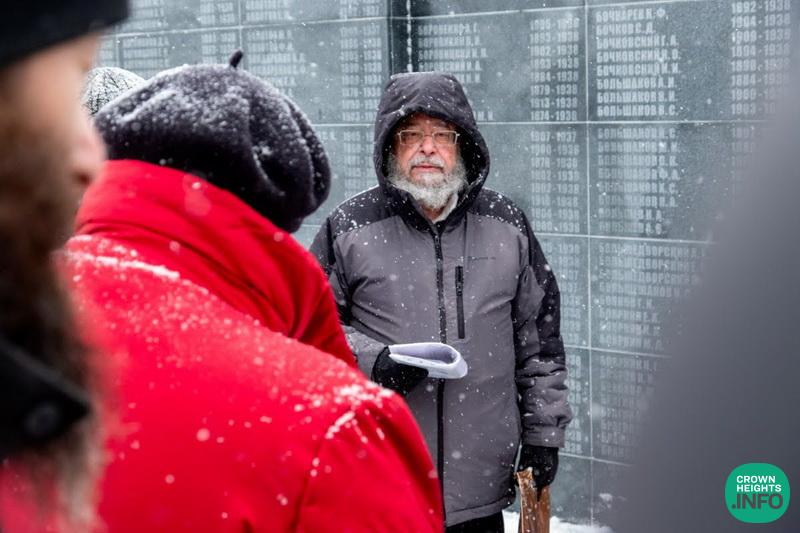
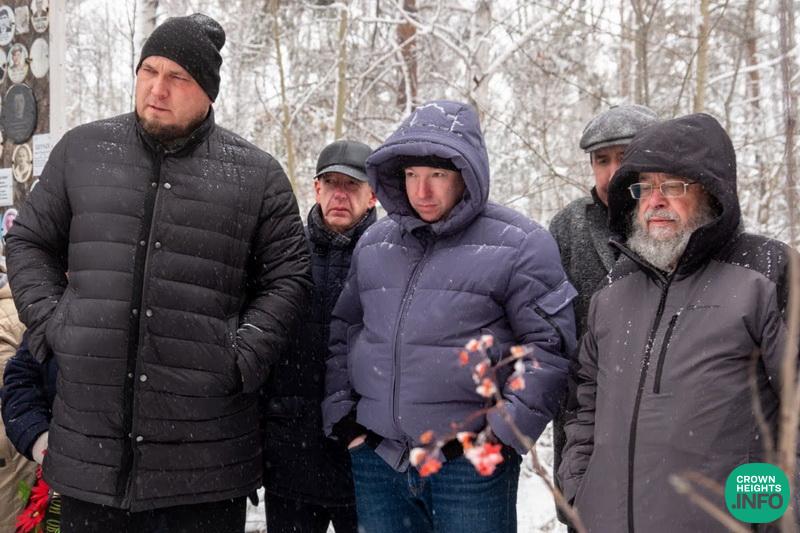
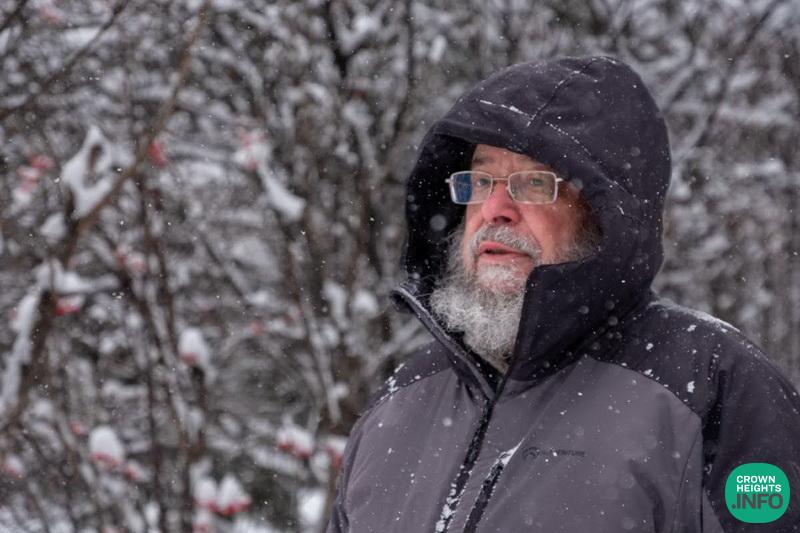
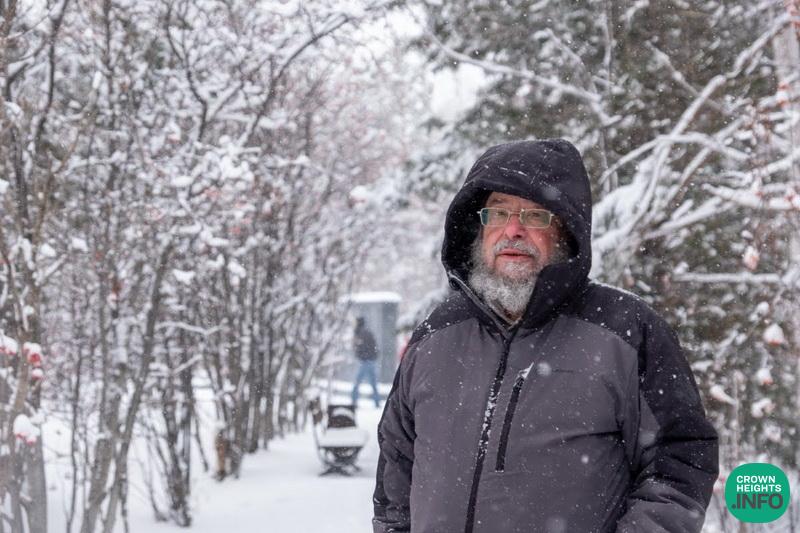
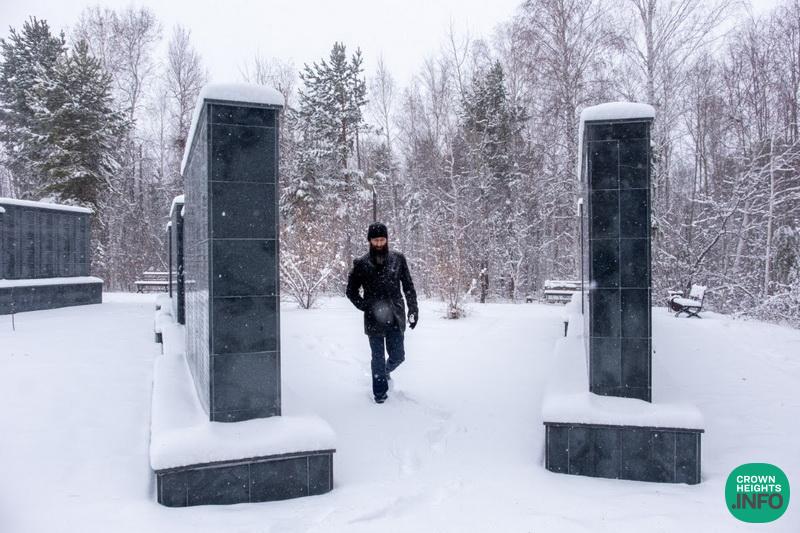
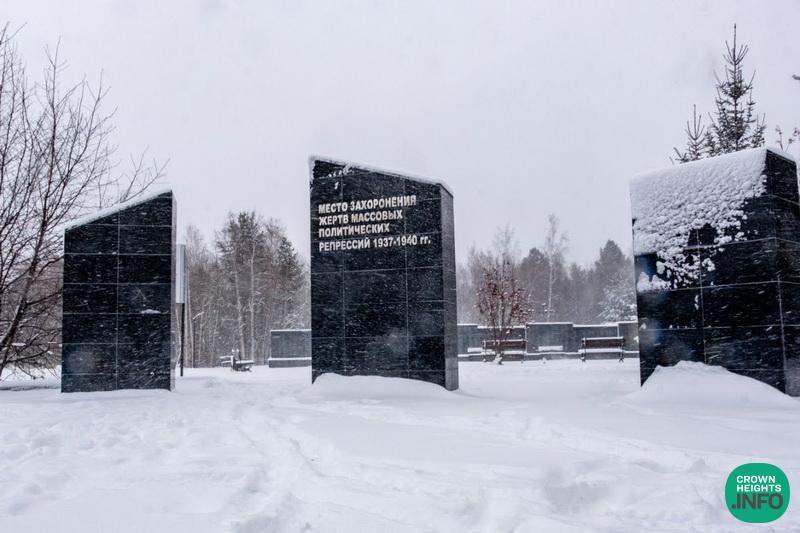
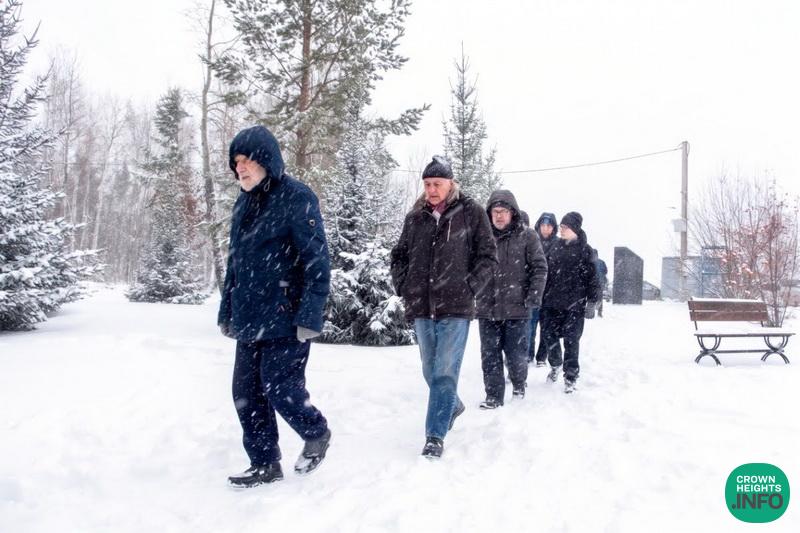
The bitter Siberian winds and heavy snowfall that swept through the Pivovarikha forest outside Irkutsk this week did not deter members of the city’s Jewish community from gathering at the site to honor the memory of Jews who were murdered during the years of Soviet persecution in the late 1930s.
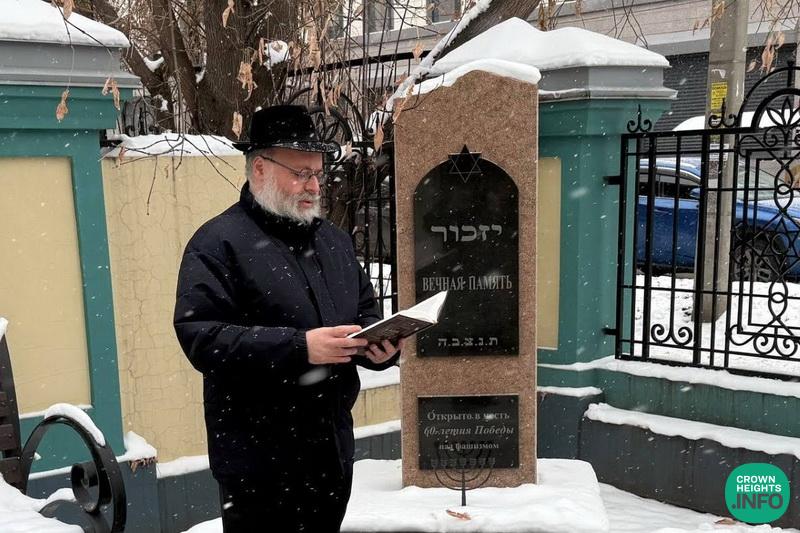
Despite the harsh weather and freezing temperatures, community members made the journey to the national memorial site to ensure that a minyan would be present for the recitation of Kaddish and tefillos in memory of the kedoshim, Hashem yikom damam, who were executed or perished under the Soviet regime for their Jewish identity, religious activities, or on the basis of false accusations.
The gathering marked the 20th consecutive year of this community tradition, with local Jews making the annual journey to the forest to remember those who lost their lives during the Communist regime’s campaign of repression.
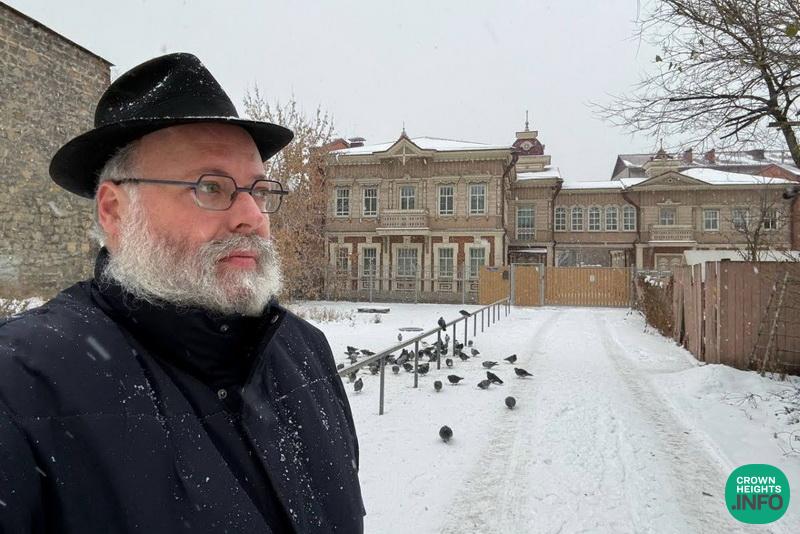
Ahead of the visit, Irkutsk’s Chief Rabbi, Rabbi Aharon HaKohen Wagner, who is a Kohen and therefore could not enter the burial area, shared words of chizuk and inspiration with the participants at the city’s central synagogue.
Rabbi Wagner spoke about the importance of Jewish remembrance, invoking the well-known idea that a person continues to live through the memories preserved in the hearts of others. He emphasized that the greatest response to those who sought to eradicate Jewish life in Siberia is the continued growth and flourishing of the Jewish community.
Every tefillah, Torah study session, and mitzvah performed in Irkutsk today, he explained, brings nachas ruach to the souls of those who were murdered for remaining faithful to their Jewish heritage.
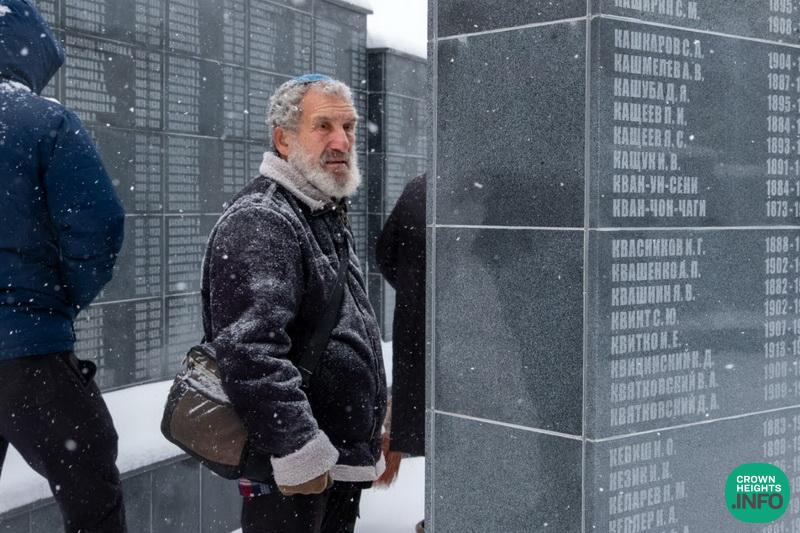
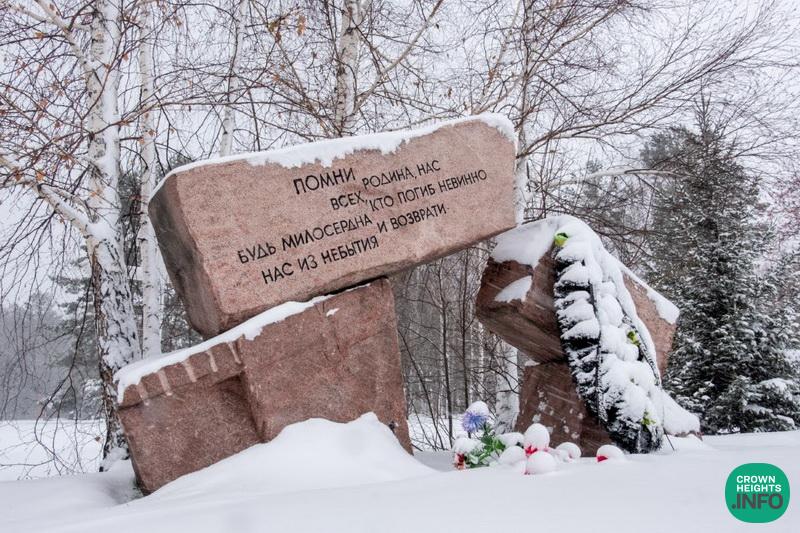
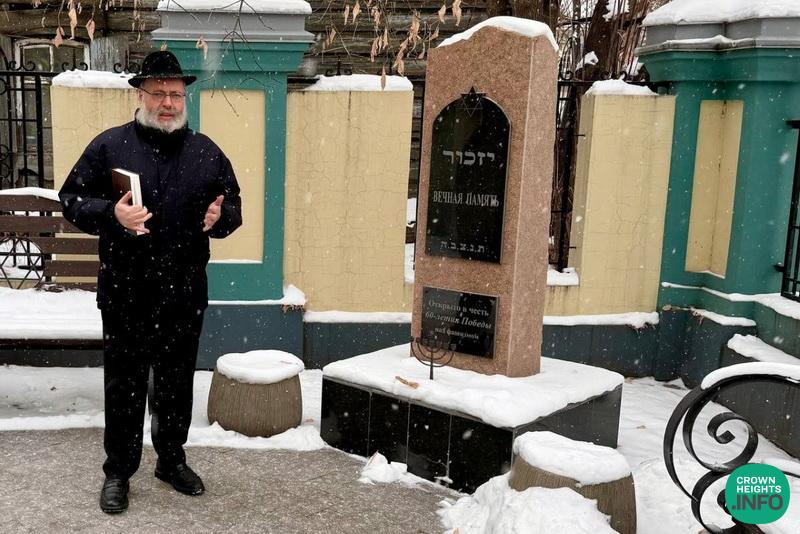
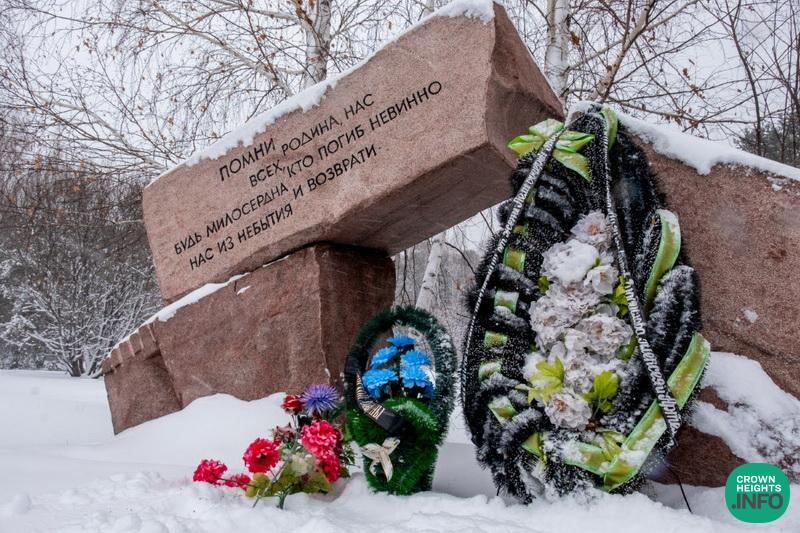
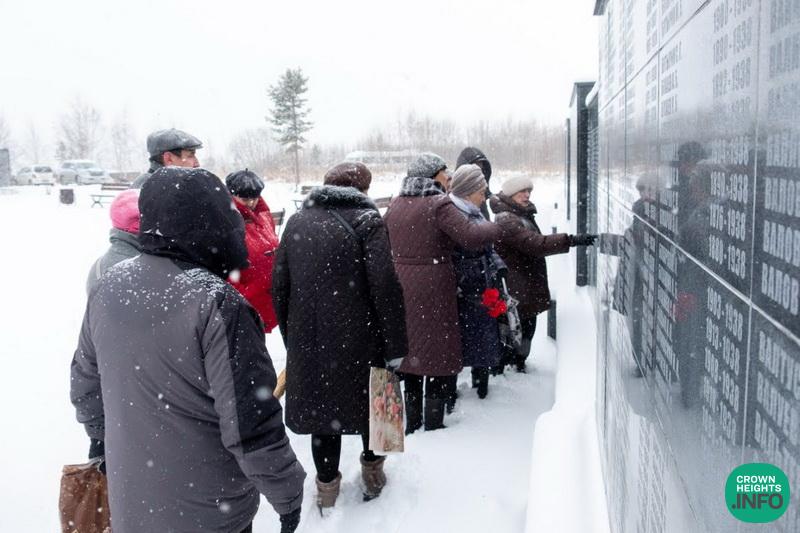
At the memorial site, participants walked along the snow-covered forest paths, stopping at several locations to recite prayers. They began at the memorial stone near the entrance, continued to the central Jewish monument, and gathered near the granite tombstone of the kadosh Reb Yitzchak Brodutzky, Hashem yikom damo.
Reb Yitzchak served as the shamash of Irkutsk’s historic synagogue and was also a distinguished talmid chacham. He maintained an extensive Torah correspondence with leading rabbonim of his time, including the renowned Gaon Rabbi Yosef Rosen, known as the Rogatchover Gaon.
In addition to his Torah scholarship, Reb Yitzchak was involved in raising and transferring funds to support the Tomchei Temimim and Mir yeshivos. He was eventually arrested by Soviet authorities and executed in 5698 (1938) at the Pivovarikha site.
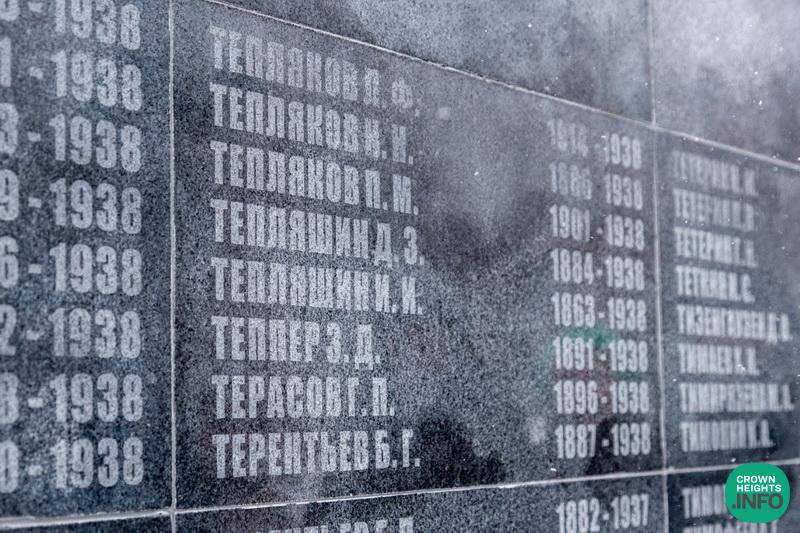
Another deeply moving moment came when community member Mrs. Yelena Ivanova approached a memorial plaque bearing the name of her grandfather, the kadosh Reb Z. D. Tepper, Hashem yikom damo, who was born in 5651 (1891).
Reb Tepper worked as a leather cutter in a shoemaking cooperative. He was arrested on a baseless accusation of spying for Poland and executed in the Pivovarikha forest during Tishrei 5699 (October 1938).
Participants lit memorial candles, laid wreaths, and recited chapters of Tehillim for the elevation of the souls of those buried at the site.
The annual memorial gathering, now marking two decades, reflects the ongoing efforts of the local Jewish community, under Rabbi Wagner’s leadership, to preserve its history and connect younger generations with the sacrifices of those who came before them.
A place that once symbolized fear, persecution, and the attempted destruction of Jewish identity has become a place where Jews gather openly to pray and affirm the continued vitality of Jewish life.
Following the recitation of Kel Maleh Rachamim and Kaddish, the participants returned to the central synagogue with a renewed sense of responsibility to preserve the memory of the victims. Community members resolved to strengthen their commitment to Torah, tefillah, and mitzvos in their merit, ensuring that their legacy and Jewish heritage will be passed on to future generations.
Photography: Community PR