


History in Kostroma: Holy Books Discovered Inside Building Walls and the Writing of a New Torah Scroll
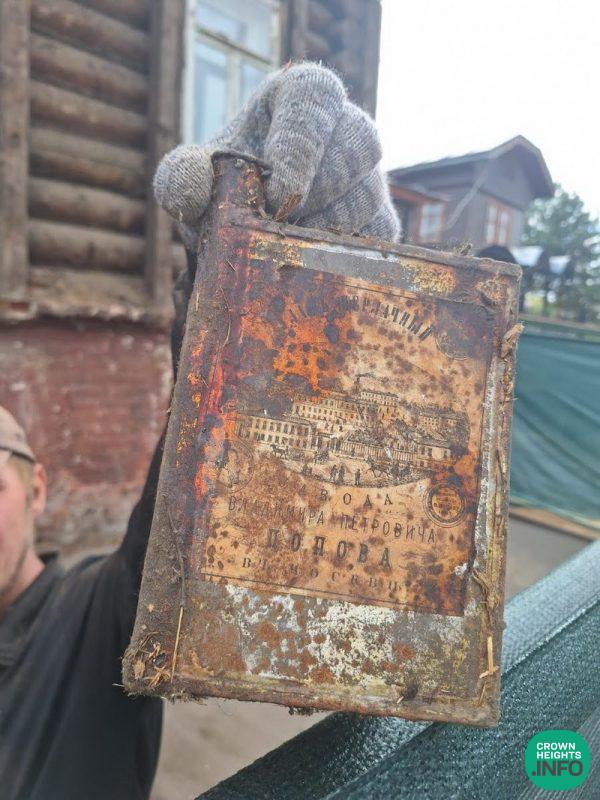
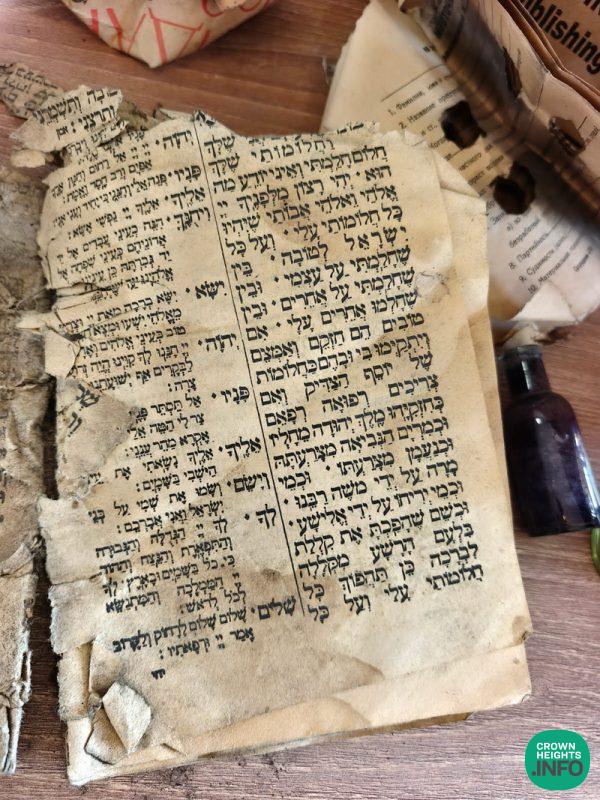
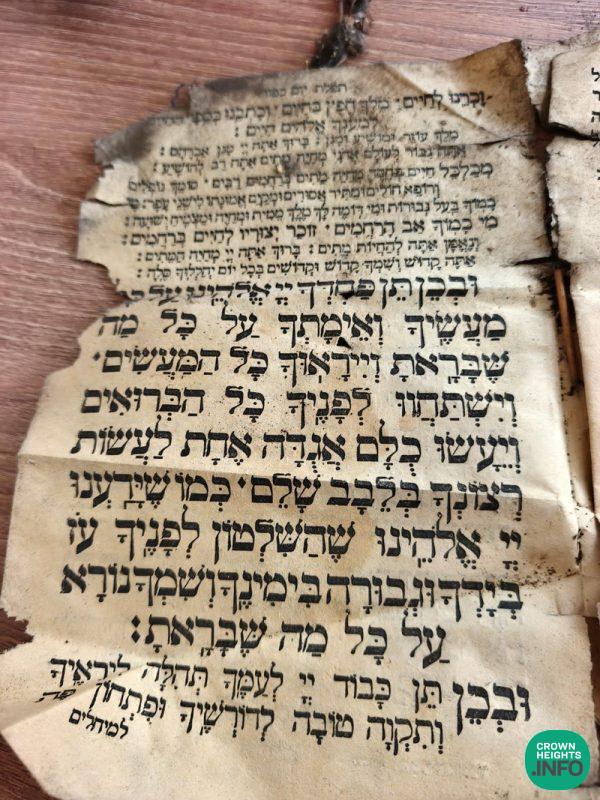
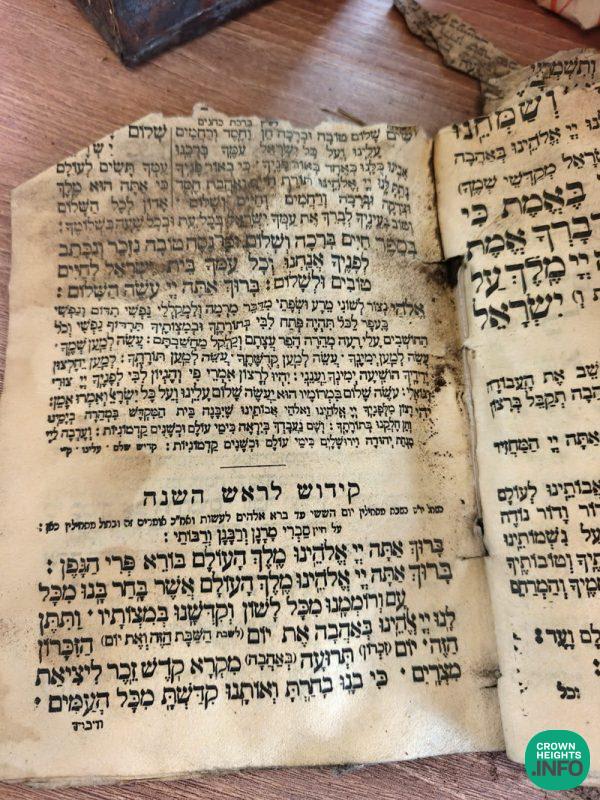
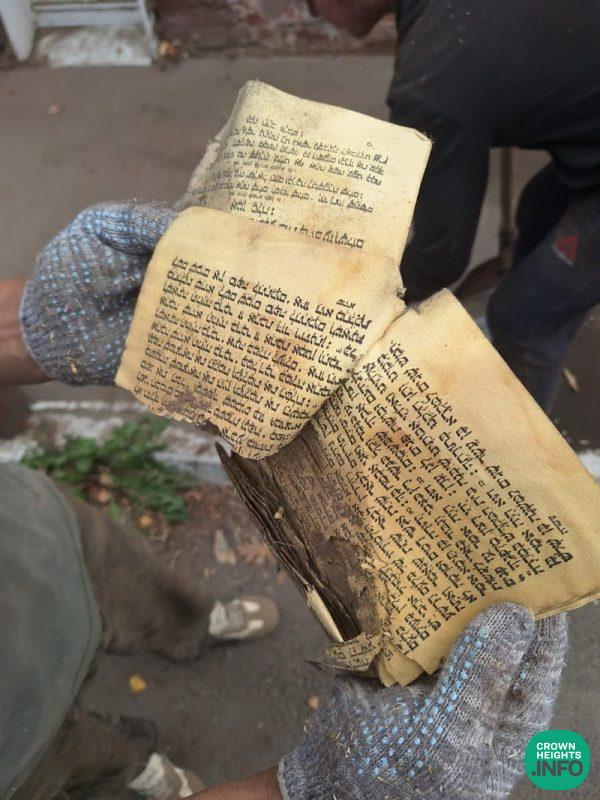
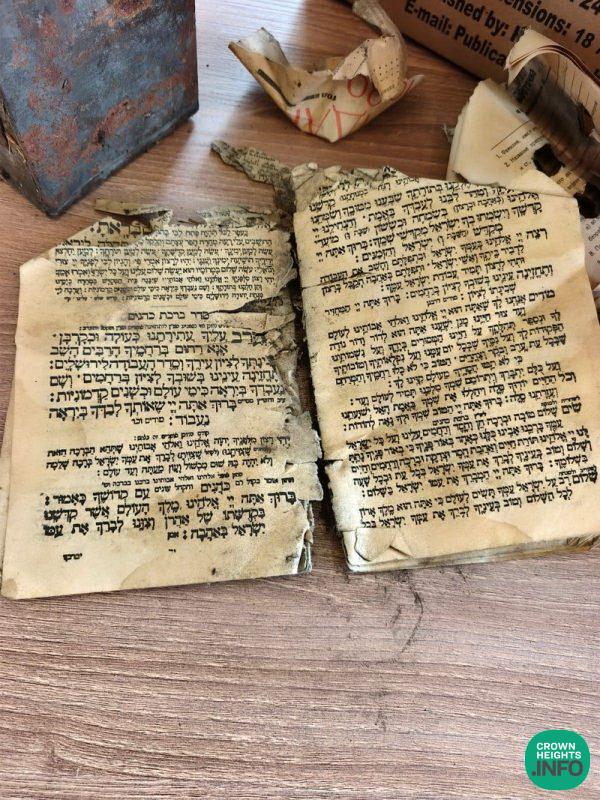
The powerful contrast between the days of terror under the Communist regime and the magnificent Jewish flourishing of today could not be more tangible. During ongoing exterior renovations at the Jewish educational center in the city of Kostroma, Russia, workers were surprised to uncover a moving historical treasure: prayer books and holy books that had been concealed within the building. One of them was even bound inside the cover of a secular book—a silent testament to the fear that prevailed at the time and the desperate desire to hide any connection to Judaism. The book was found open precisely to the chapters of Tractate Avot, symbolizing the Jewish pride that beats in this place today.
The historic building, established in 1880, was purchased in 1892 for the city’s rabbi at the time, the Gaon Rabbi Zvi Hirsch Schneiderman. Later, in 1903, the central synagogue was built in its courtyard. Miraculously, Rabbi Schneiderman’s granddaughter, who currently lives near the mother of the mara d’atra and Chabad-Lubavitch emissary to Kostroma, Rabbi Nissan Rupo, recently transferred the spiritual rights of the building in a symbolic manner to the emissaries, who proudly carry on her grandfather’s legacy.
The path to returning the buildings to the community was paved with perseverance and immense effort. Twenty-four years ago, in a complete leap year that begins on a Shabbat—exactly like the upcoming new year—the emissary arrived in the city and received the synagogue building, but the rabbi’s house remained in the hands of the authorities. Following tremendous efforts, the building was gradually returned, until, with the generous assistance of the philanthropist Mr. David Aminov, it was granted to the community free of charge for forty years.
The interior phase of the renovation was already completed in the past, and the inauguration of the mikvah and the kindergarten was graced by the presence of the Chief Rabbi of Russia, the Gaon Rabbi Berel Lazar. These activities echo the work of the Chassid Rabbi Michoel Dvorkin, of blessed memory, who arrived in the city, renovated the mikvah, and established a cheder for Jewish children, in order to prepare the way for the Rebbe Rayatz of Lubavitch, of blessed memory, who was exiled to this city following his miraculous rescue from his well-known imprisonment in Petersburg.
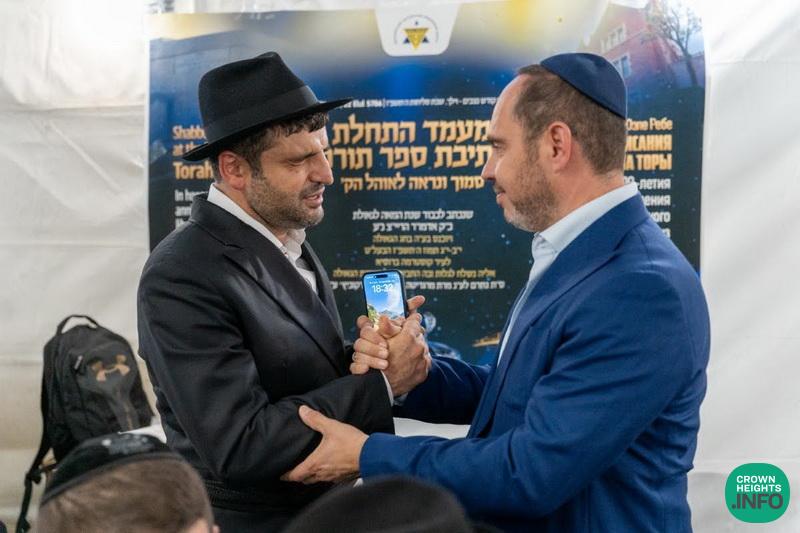
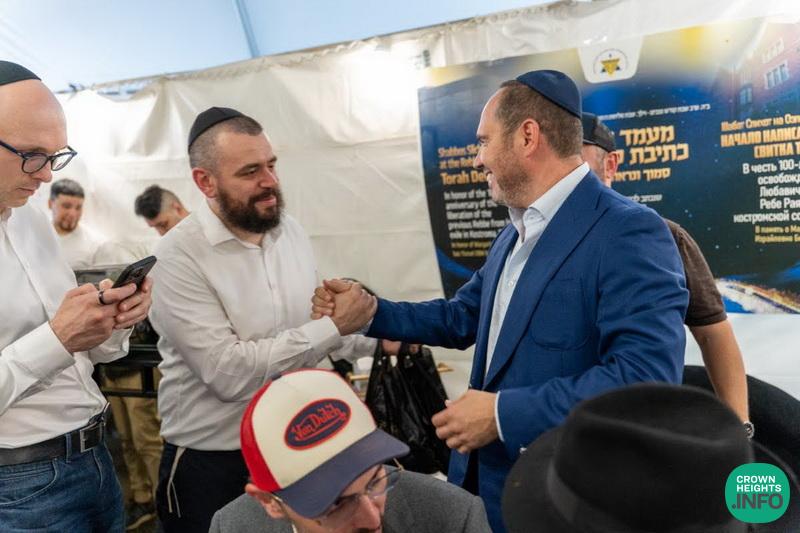
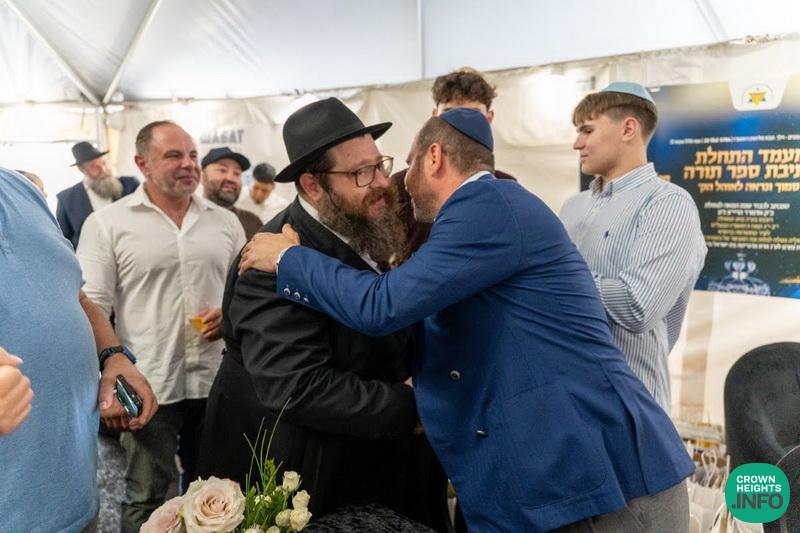
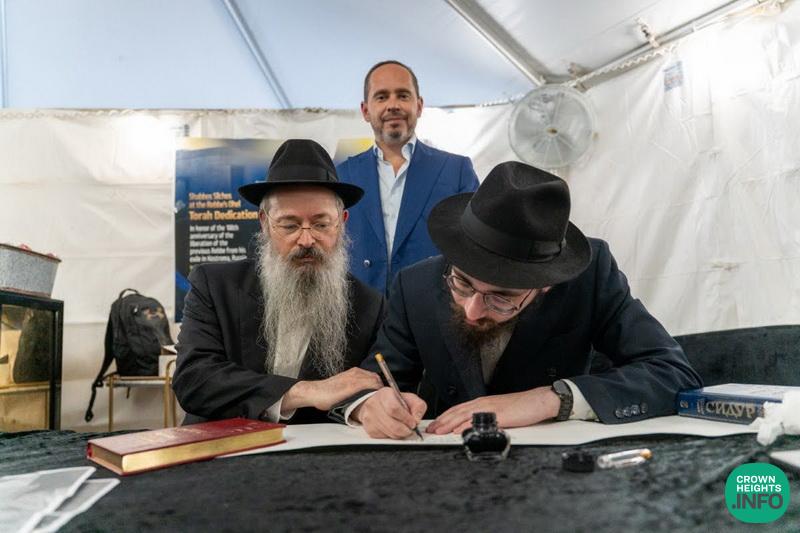
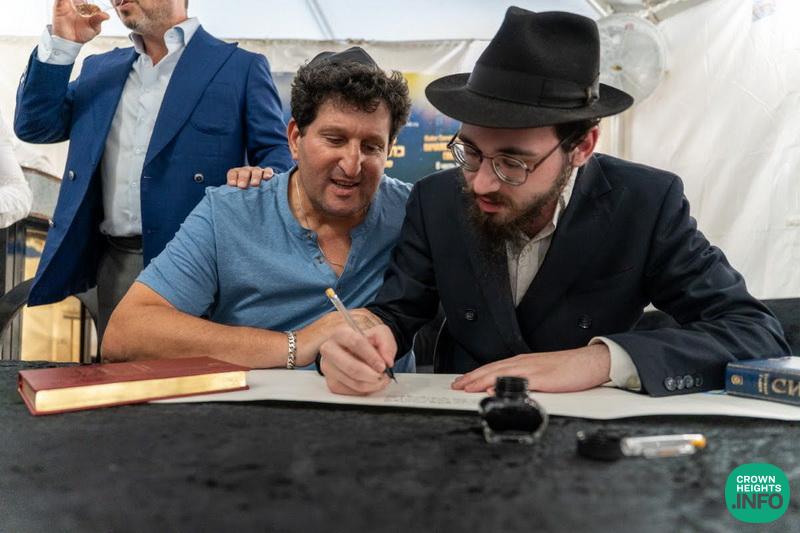
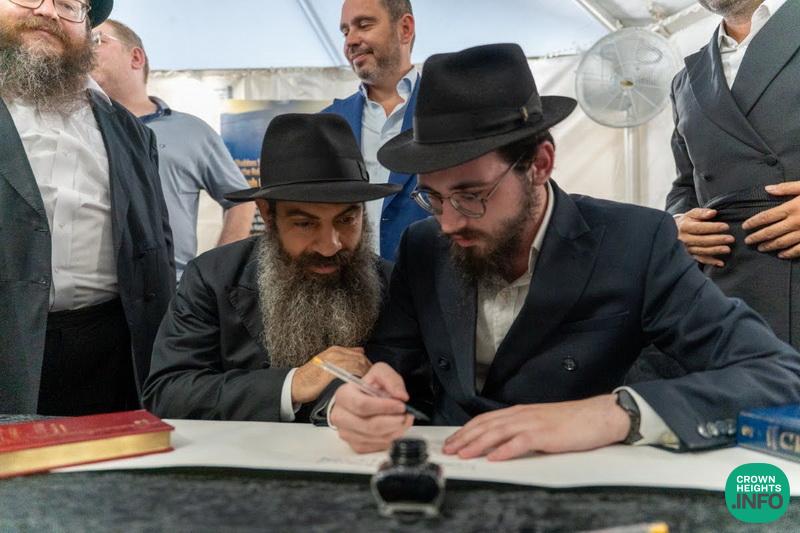
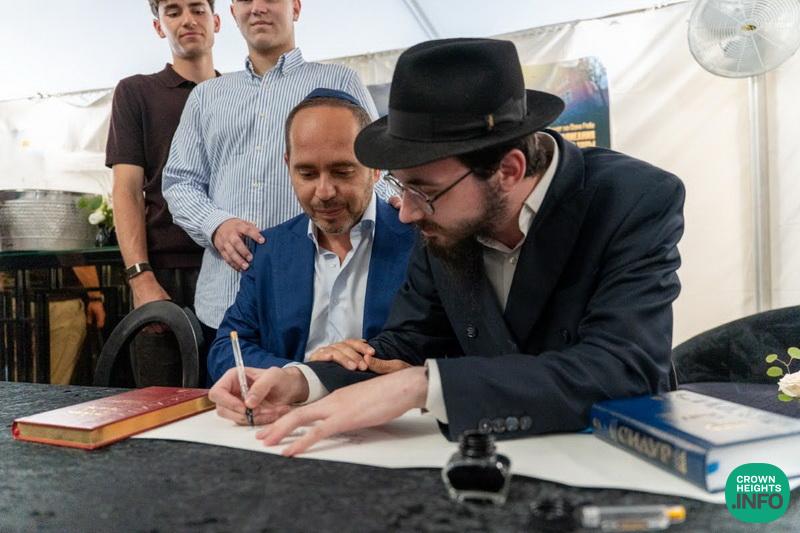
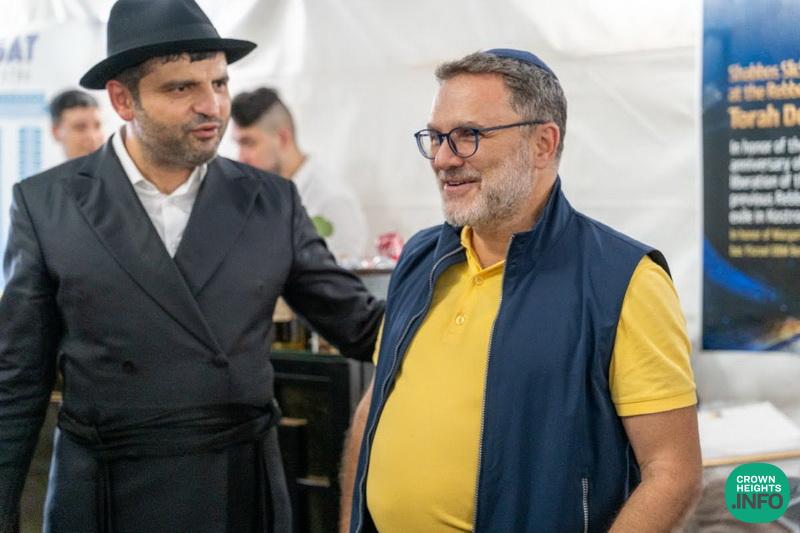
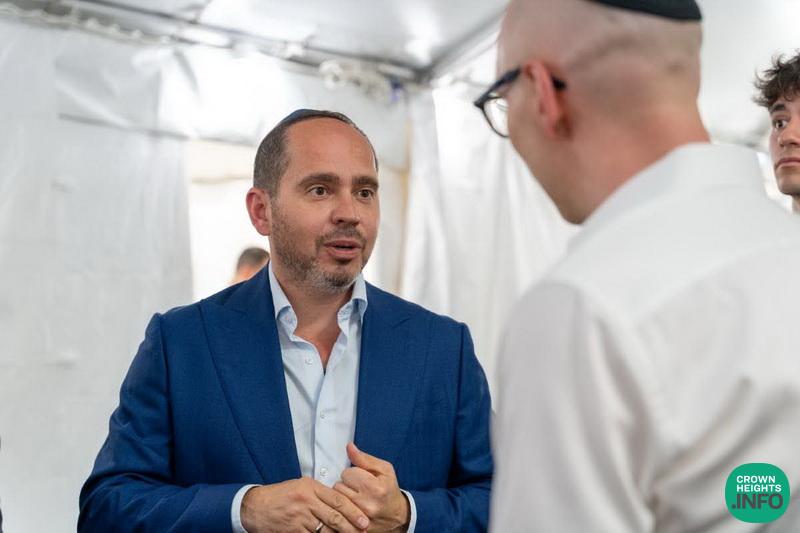
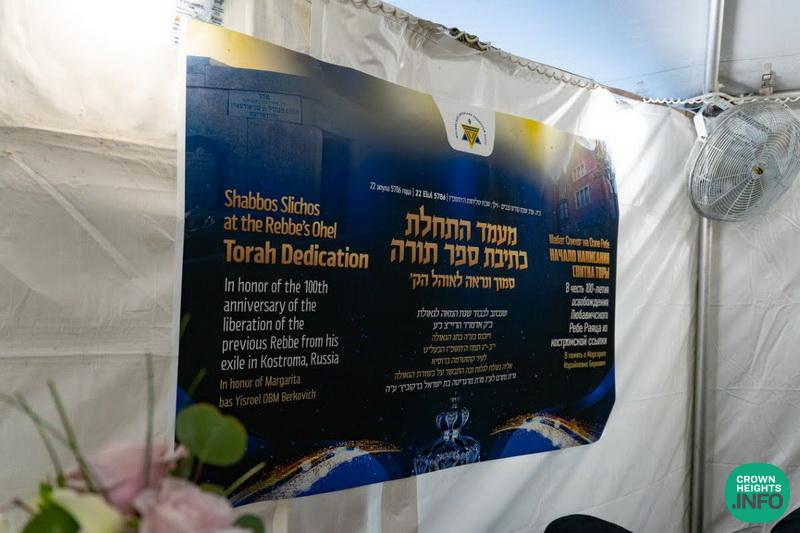
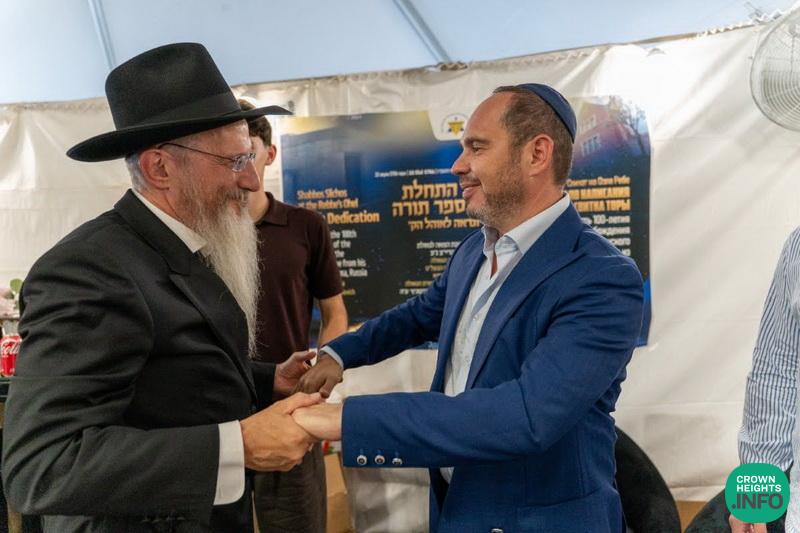
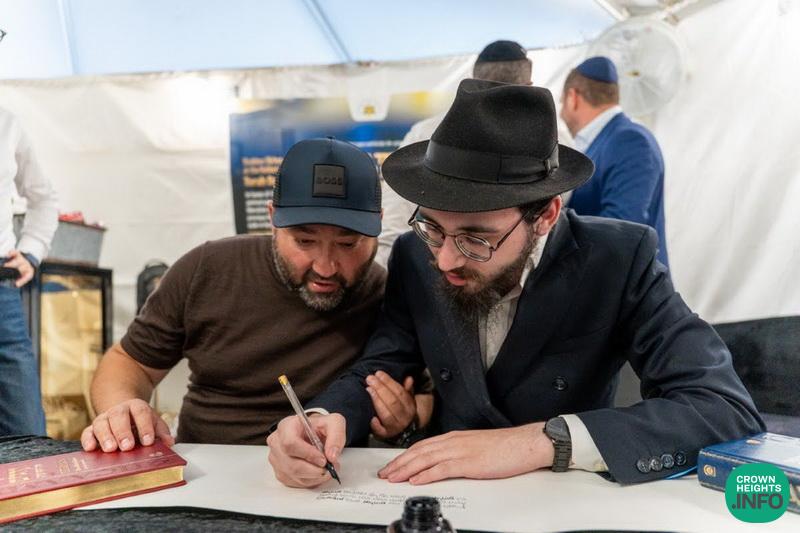
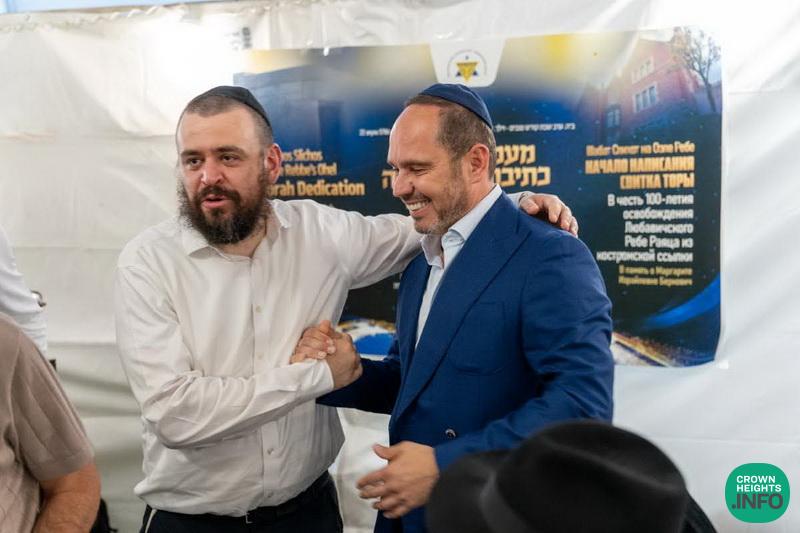
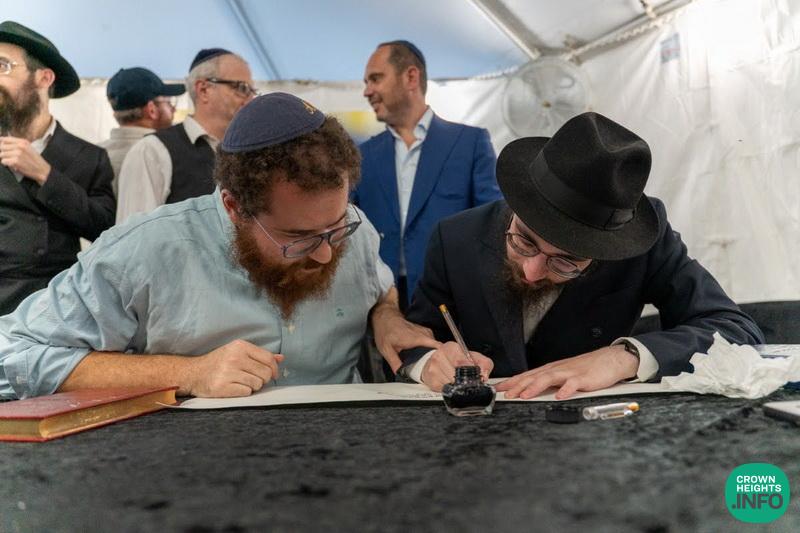
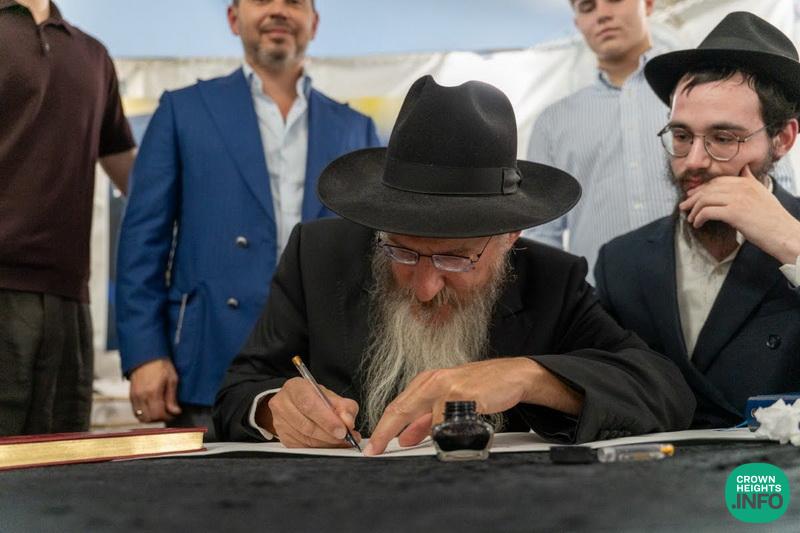
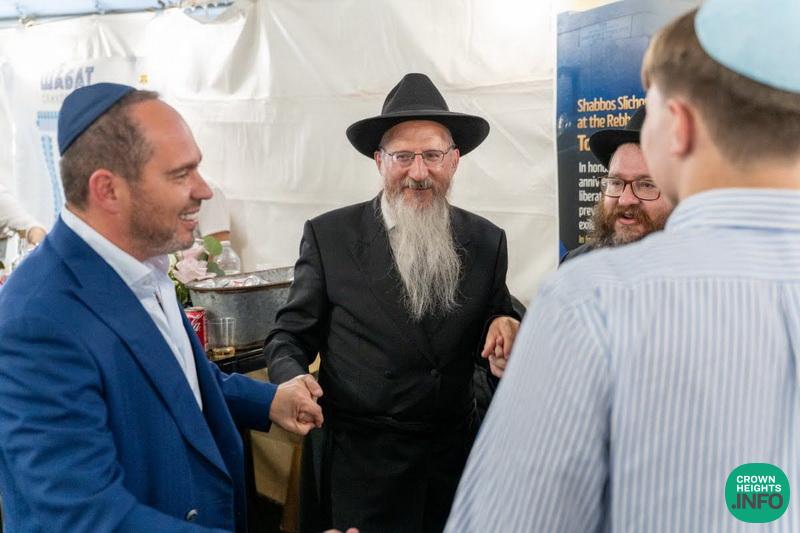
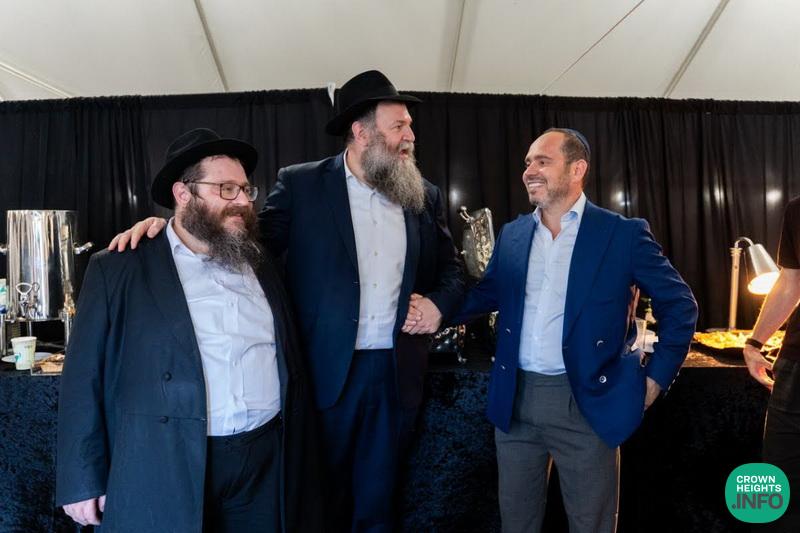
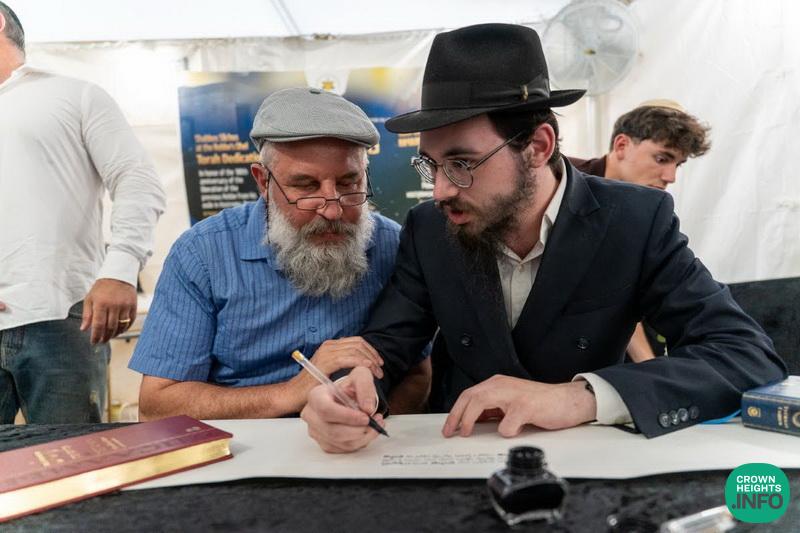
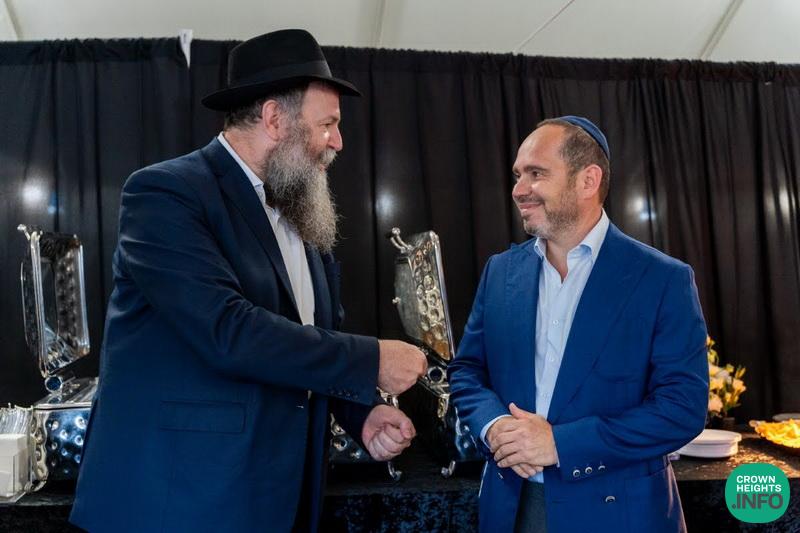
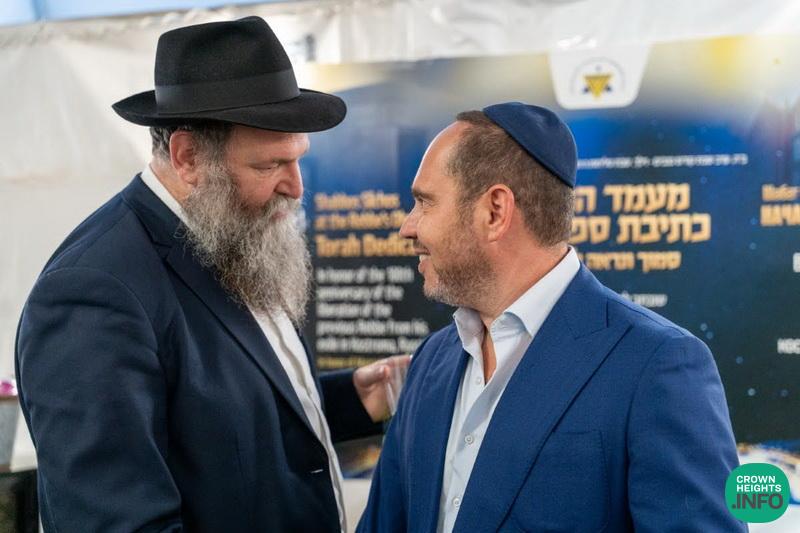
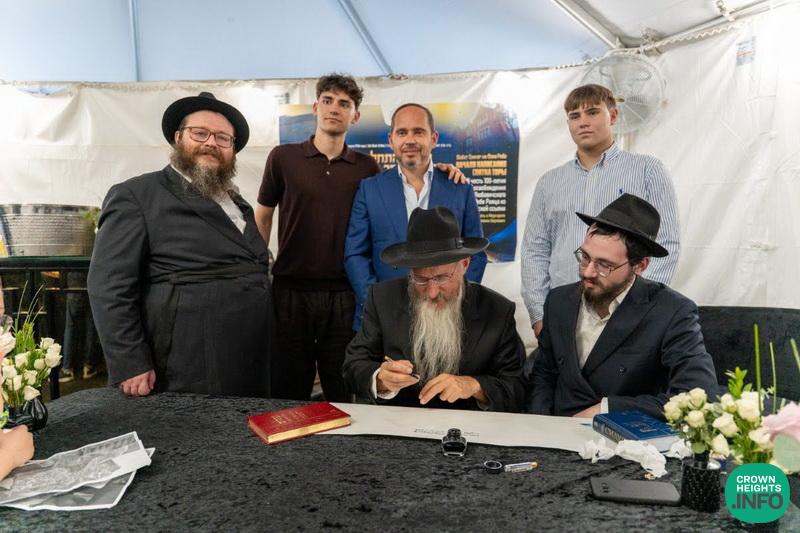
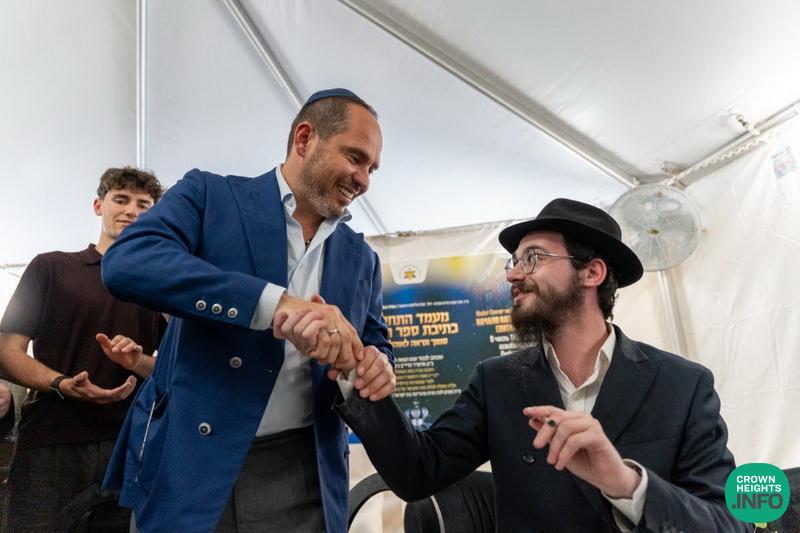
Now, alongside the exterior renovations intended to preserve the crumbling walls, another moving spiritual circle has been closed. On the eve of the holy Shabbat of the Torah portions Nitzavim-Vayeilech, when we read in the Torah “And Moses wrote this Torah,” a historic ceremony to commence the writing of a Torah scroll was held near the holy Ohel. The writing was initiated by the Chief Rabbi of Russia, with the participation of guests from the Torah and Education Fund of Russia who arrived for the annual “Shabbat Selichot with the Rebbe” journey. The magnificent scroll will, God willing, be welcomed on the Festival of Redemption, the 12th and 13th of Tammuz, 5787—the day the Rebbe Rayatz of Lubavitch was informed of his redemption—ahead of the centenary of that event.
The scroll was donated by the president of the community’s supporters committee, the philanthropist Mr. Netanel Berkowitz, in loving memory of his mother, Mrs. Margarita bat Yisrael, of blessed memory. The chain of kindness among the supporters is woven with awe-inspiring Divine providence: one of the donors for the renovation is the son of a Jew who was circumcised by the Chassidic shochet R’ Yerachmiel Kugel, in whose home the Rebbe stayed; and another donor, a bank manager and a Kohen by descent who assisted following a photo of the Priestly Blessing, reached the community through a professional connection with Mr. Berkowitz.
With the opening of the school year at the Sunday school under the dedicated management of the Shlucha, the Jewish community in Kostroma looks to the future with confidence and unprecedented momentum. The historic building, which will now stand in its full exterior beauty and house the new Torah scroll alongside the voices of learning children, stands as a beacon of light testifying more than anything that the Jewish heritage will continue to expand, flourish, and illuminate the entire city.
Photo: Mendy Mor Yosef