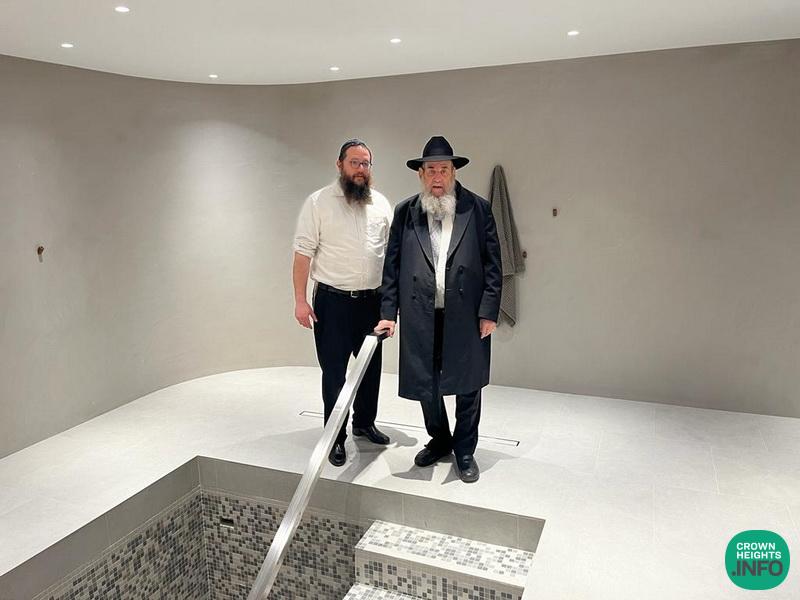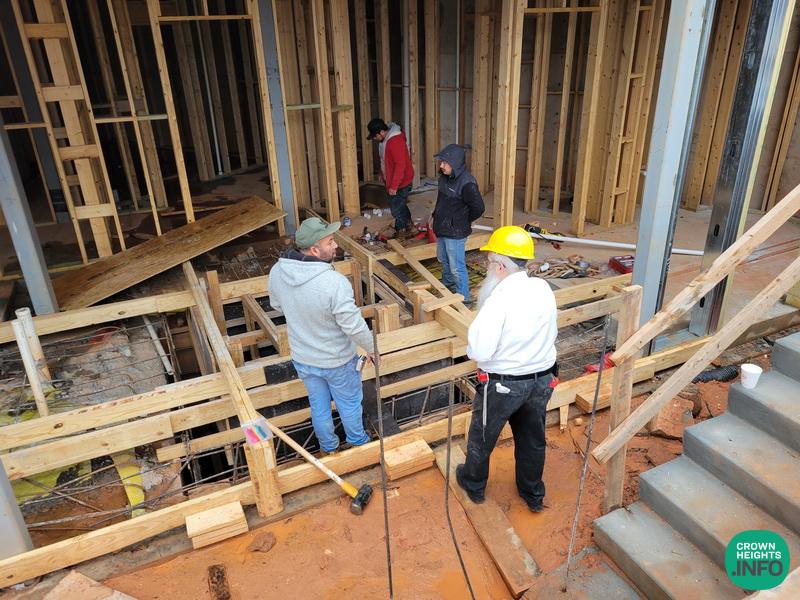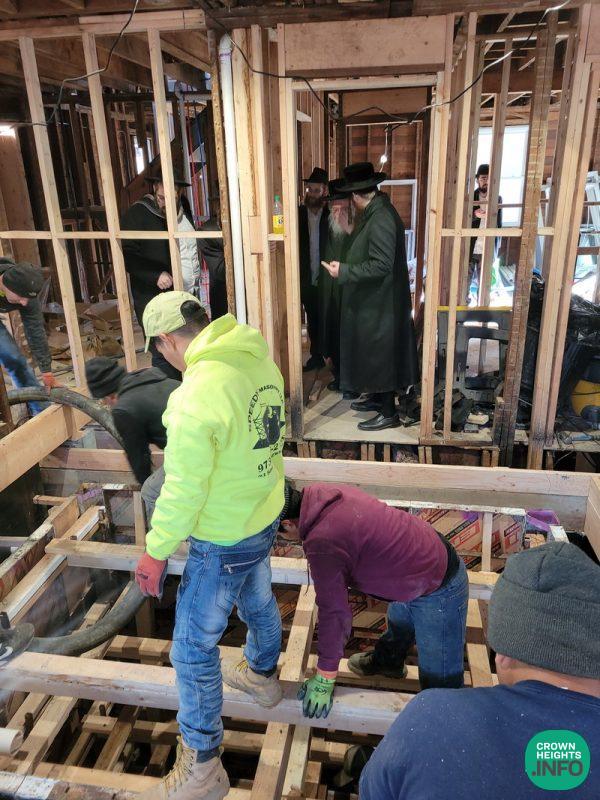


Merkos Introduces Mikvah Package, A Milestone In Making Mivtzah Taharas Mishpacha More Achievable and Accessible
For Rabbi Mendy Ross of Duluth, Minnesota, the need for a mikvah is very real. The closest mikvah to his community is several hours away.
“When the closest mikvah is hours away, it’s very hard to teach taharas hamishpacha,” said Rabbi Ross. “In the summer, a woman driving home from the mikvah may not arrive until 1 a.m. In the winter, driving for hours in a snowstorm can be dangerous. Baruch Hashem, now that we have a suitable property, we need to figure out how to make it happen.”
For decades, the Rebbe urged communities to make establishing a mikvah a priority. In fact, one of the conditions the Rebbe set for establishing a Chabad House was that there be a mikvah, or a viable plan to build one.
“In many communities across the globe, the Shluchim are the sole Jewish infrastructure,” said Rabbi Mendy Kotlarsky, executive director of Keren Hashluchim and Merkos 302. “Every Shliach understands that his community needs a mikvah, but building one is not necessarily his field. We are here to give them everything they need to make it happen.”
But getting from that goal to an actual mikvah can be complicated. It was a challenge Merkos 302 was hearing from Shluchim in communities around the world.
“You know you need a mikvah, but once you start getting into it, you realize how complicated the project actually is,” said Rabbi Levi Meijers, who has been working toward a mikvah for his own community in Tracy, CA. “There are architects, engineers, contractors, the halachic side, and so many decisions along the way. For a Shliach who has never built one before, it’s very difficult to know where to start and who to rely on.”
Working with experienced mikvah professionals, including Rabbi Gershon Grossbaum and Rabbi Pesach Sperlin, Merkos 302 began looking at how the process could be simplified and how costs could be reduced.
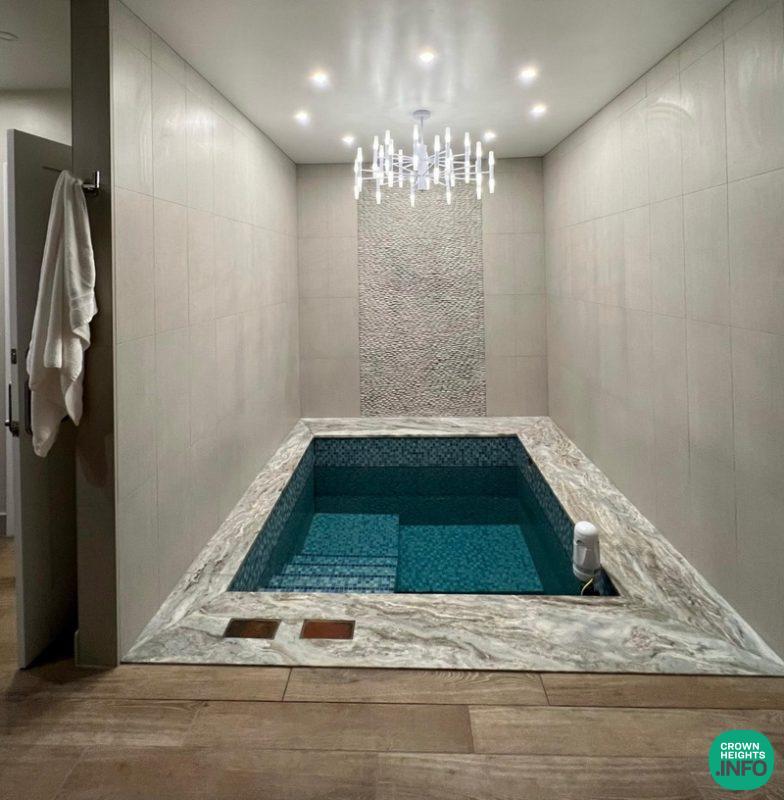
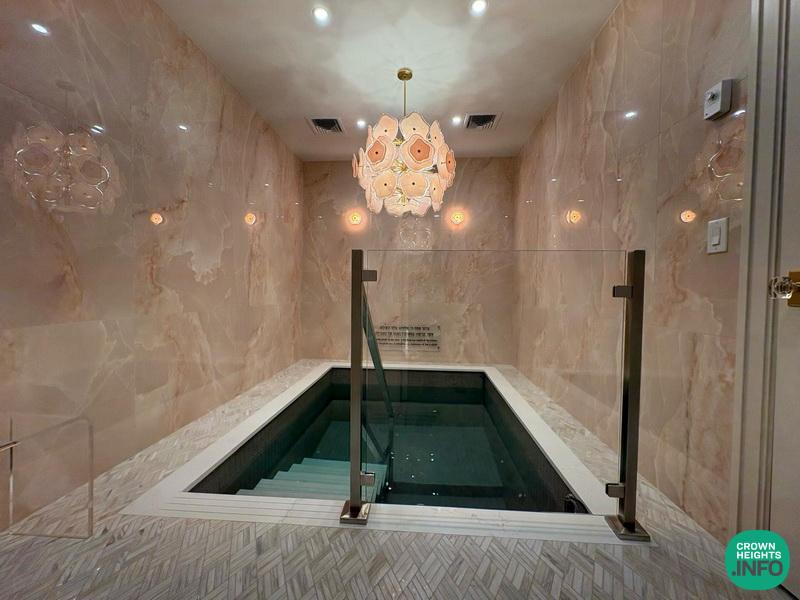
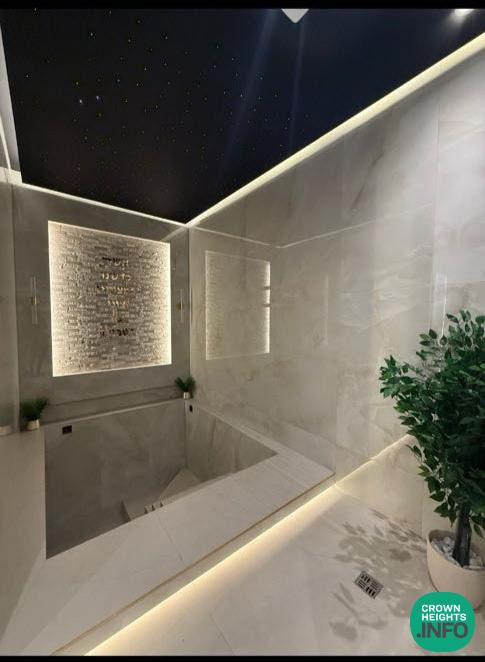
The result is the Merkos Mikvah Package, bringing together experienced professionals, turnkey plans, construction guidance and negotiated package rates into one coordinated process. By using the same experienced team and proven plans across multiple projects, the Package is designed to significantly reduce the cost of building a mikvah while making the process easier for the Shliach.
A major part of the Package is using the experience gained from previous mikvah projects instead of having every community begin from scratch.
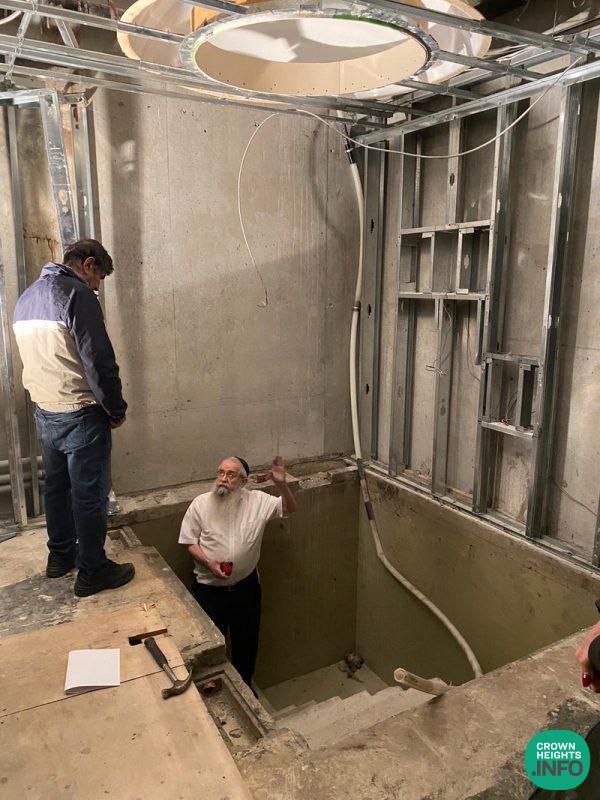
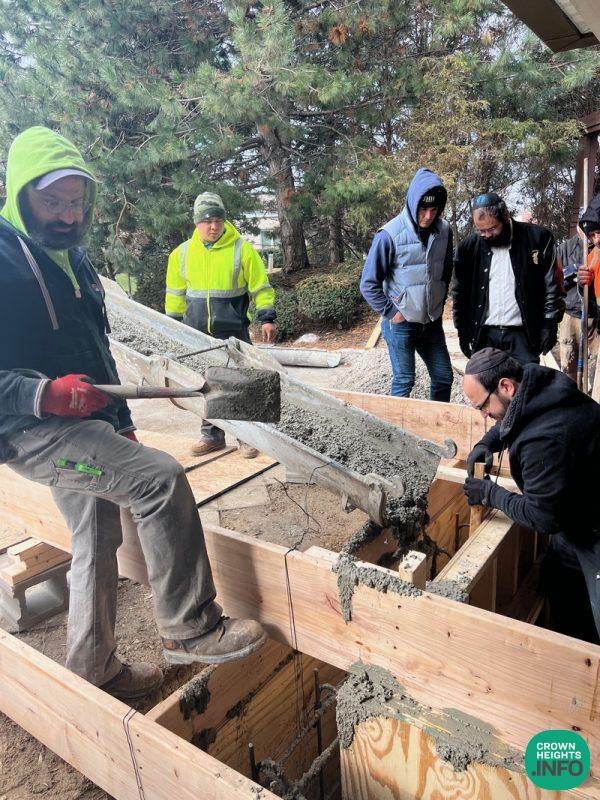
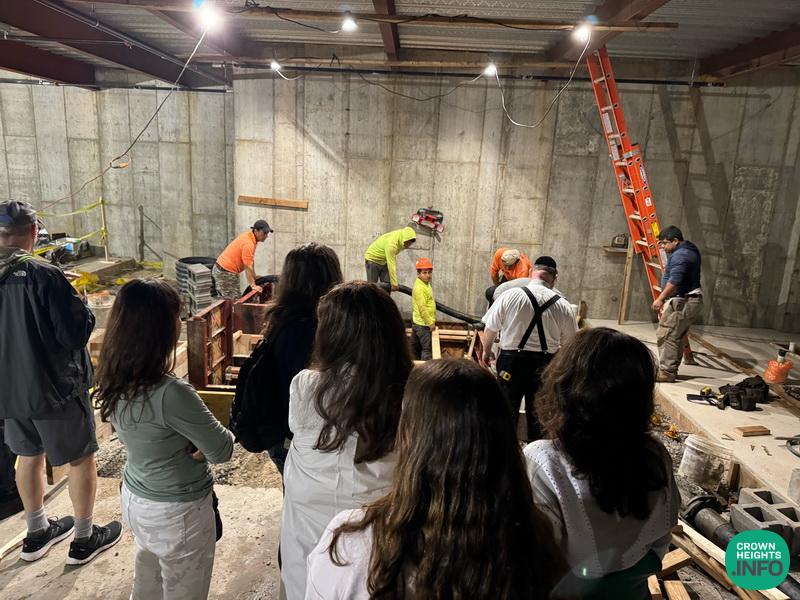
“A mikvah is not a regular construction project,” said Rabbi Grossbaum. “There are many details that are specific to a mikvah. When you’ve done this many times, you know what to look out for, what works and which mistakes can become very expensive later.”
Ready-made plans can be adapted to each property and its local requirements, while architects, engineers and other professionals can work across multiple projects. By coordinating the work and negotiating package rates, the goal is to reduce both unnecessary costs and time without compromising on quality or halachic standards.
Another part of the Package is helping a community get a functioning mikvah in place sooner, even if one does not yet have the funds to complete the entire project.
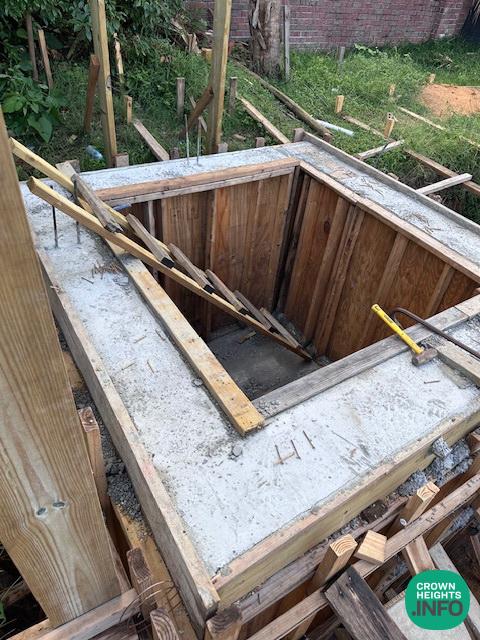
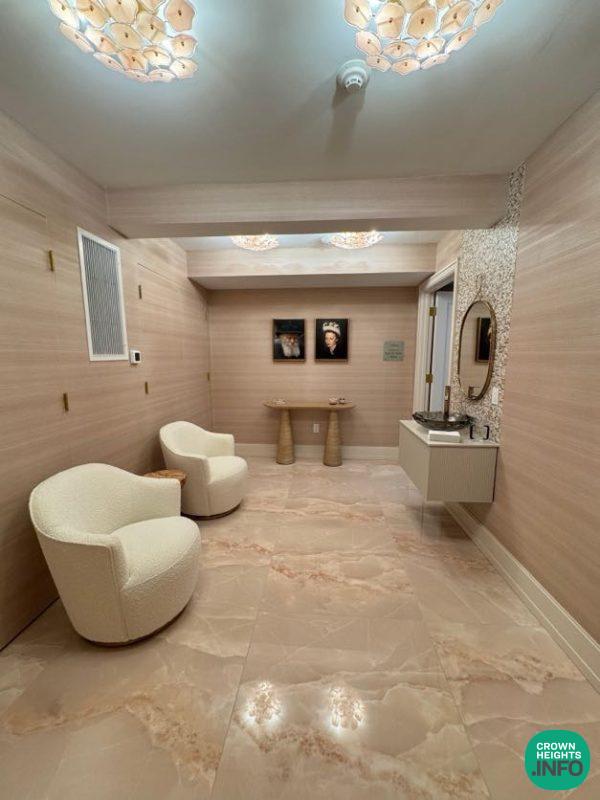
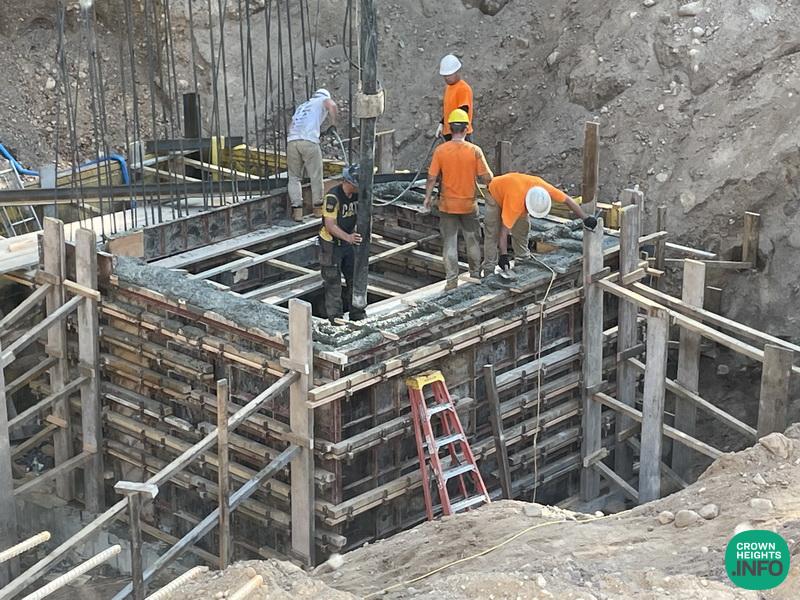
“Sometimes the full project can become so large that it feels out of reach,” said Rabbi Sperlin. “One approach is to start with the bor. Get the mikvah built properly and operational so the community has a functioning mikvah. Then, as more funding becomes available, you can continue with the rest of the building, the finishes and the amenities.”
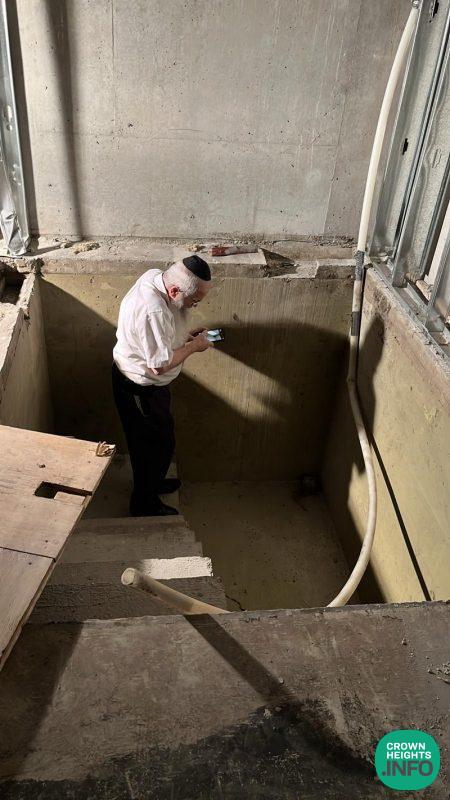
Throughout the process, mikvah experts and the appropriate halachic authorities are involved to make sure the mikvah is planned and built properly.
“The Shliach shouldn’t feel that he’s on his own trying to figure this out,” Rabbi Kotlarsky said. “There should be people he can call who understand mikvaos and understand the process.”
Merkos 302 has also developed a Mikvah Resource Library, available to any Shliach building a mikvah, with checklists, guides, videos, overviews and other practical resources covering different parts of the process.
For Rabbi Meijers, the goal remains the same as when he started.
“Having a mikvah here would make a tremendous difference for our community,” he said. “It’s something we’ve needed for a long time, and we’re looking forward to finally being able to make it a reality.”
The hope behind the Merkos Mikvah Package is to help many more communities do the same.
To learn more about the Merkos Mikvah Package, or to apply, visit Mikvah.Merkos302.com.
For questions or dedication opportunities, contact mikvah@kerenhashluchim.org.