

Four Decades Into Asia’s Jewish Renaissance, Shluchim Meet in Taipei to Build What Comes Next
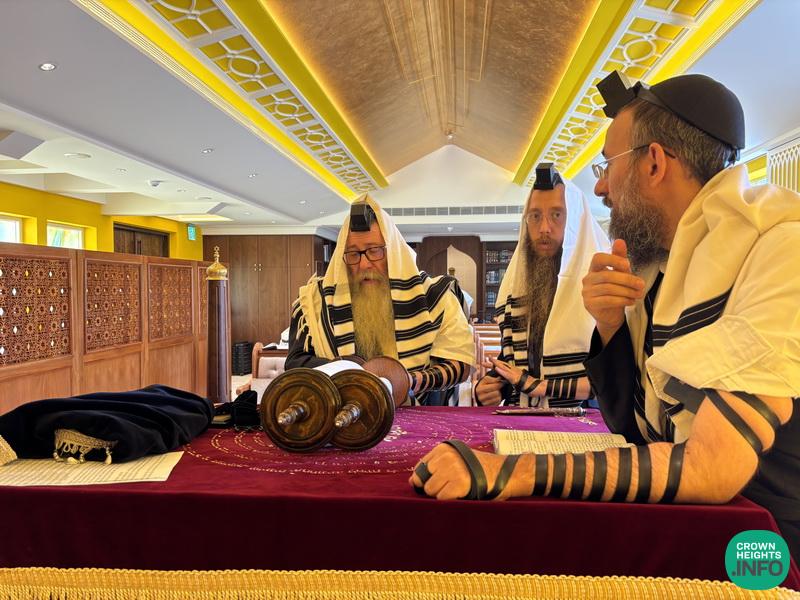
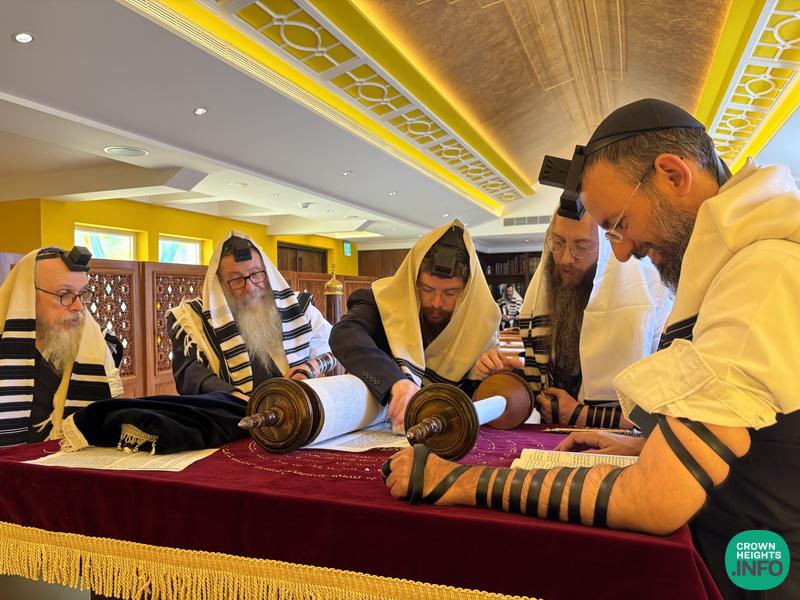
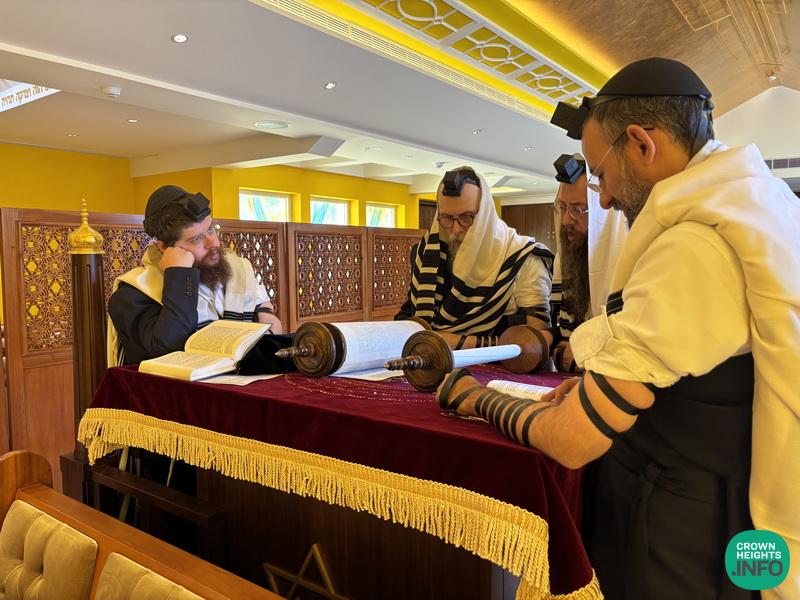
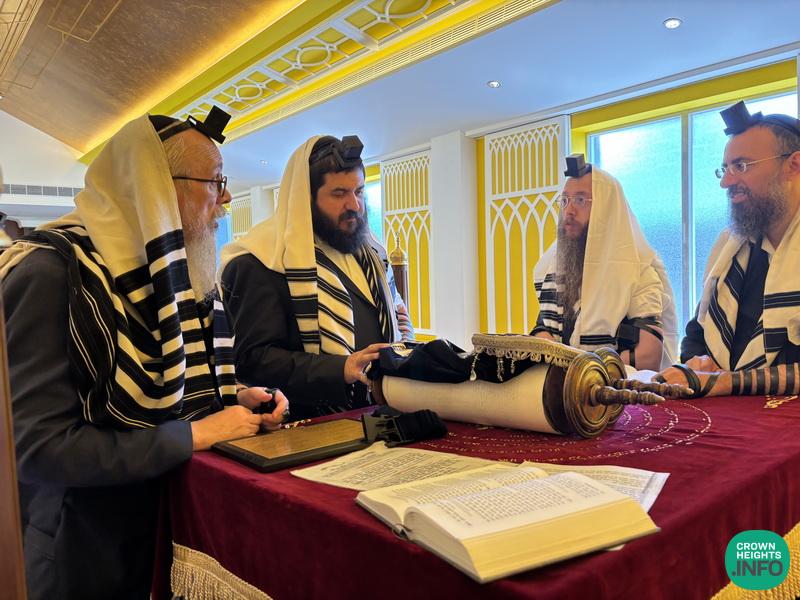
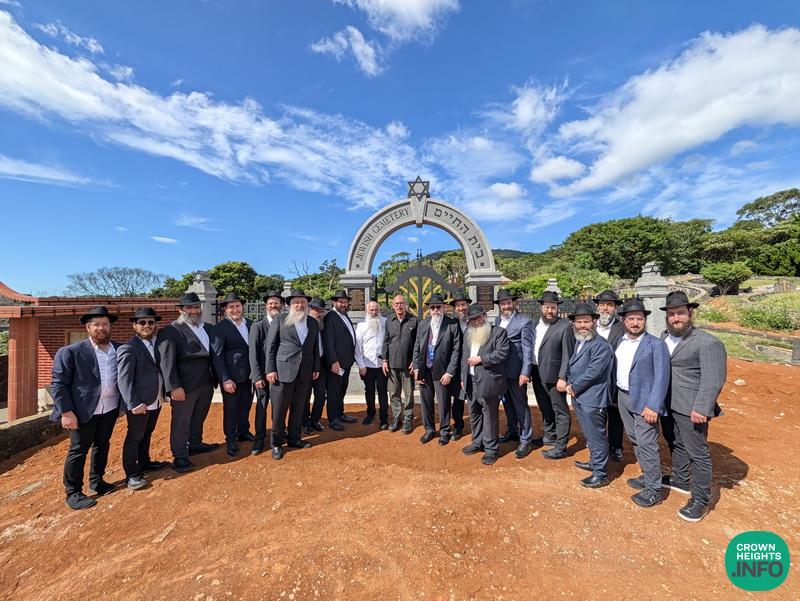
On a forested hillside outside the city, dozens of rabbis walked the grounds of Taiwan’s new Jewish cemetery, one of the last pieces of Jewish infrastructure the island was missing.
Until this summer, a Jew who died in Taiwan usually had to be flown abroad for burial. The cemetery, about 40 minutes from Chabad Jewish Center of Taiwan, held its first burial on June 23. To consecrate the ground, the community needed a delegation of rabbis. This week it had dozens.
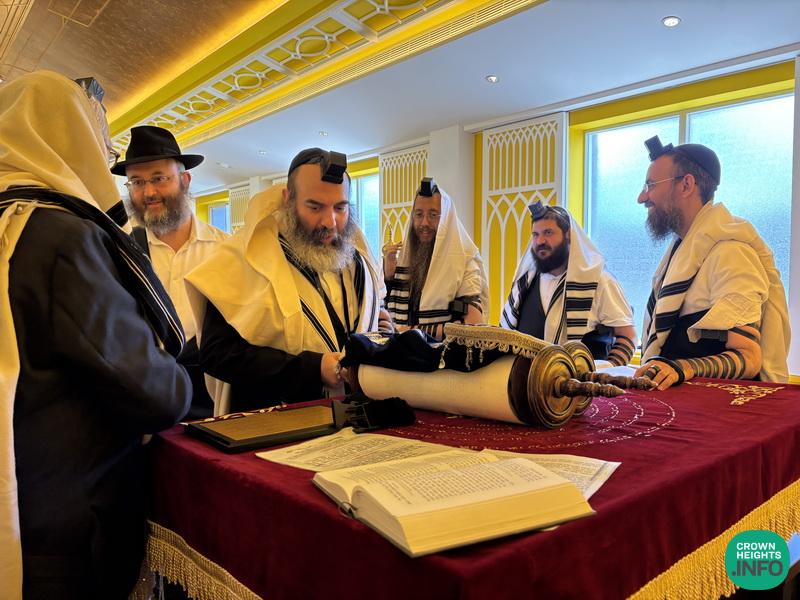
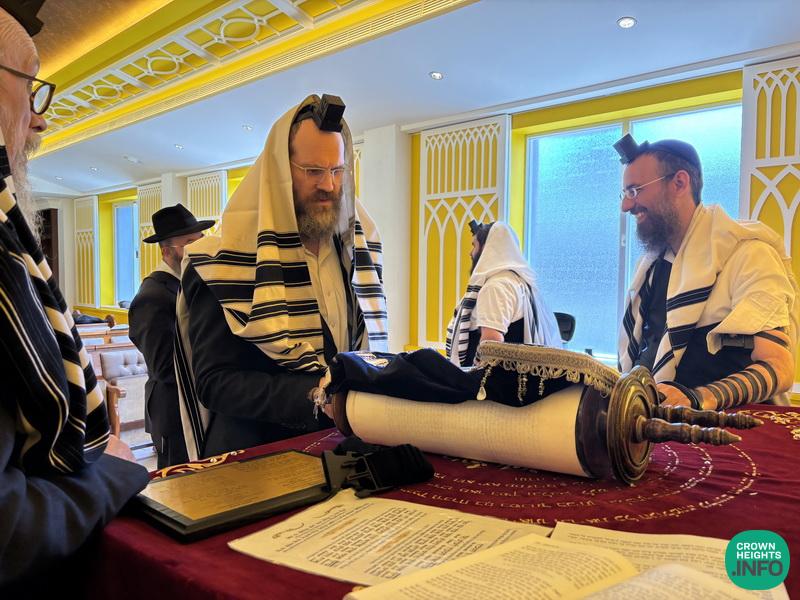
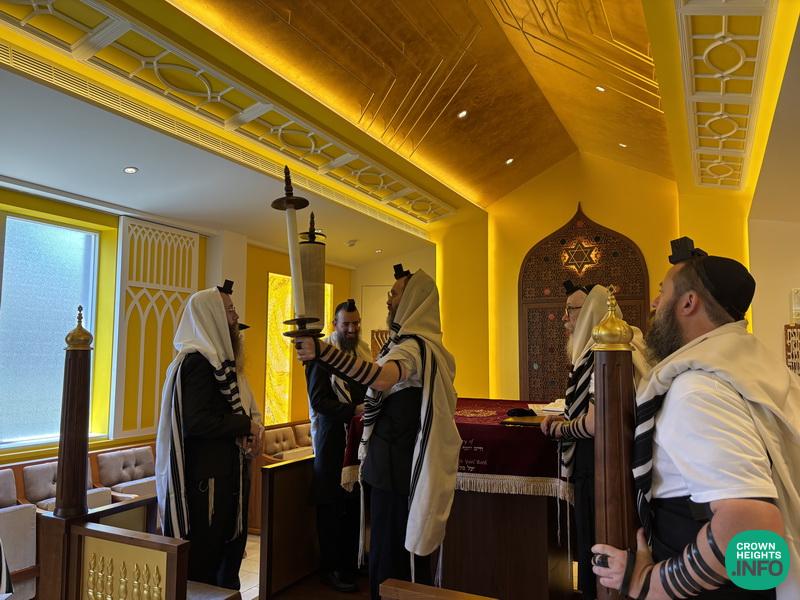
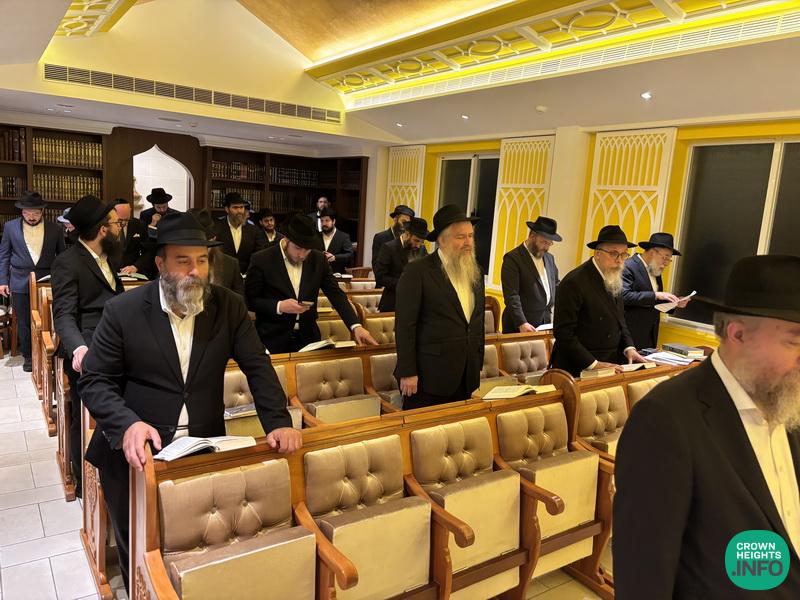
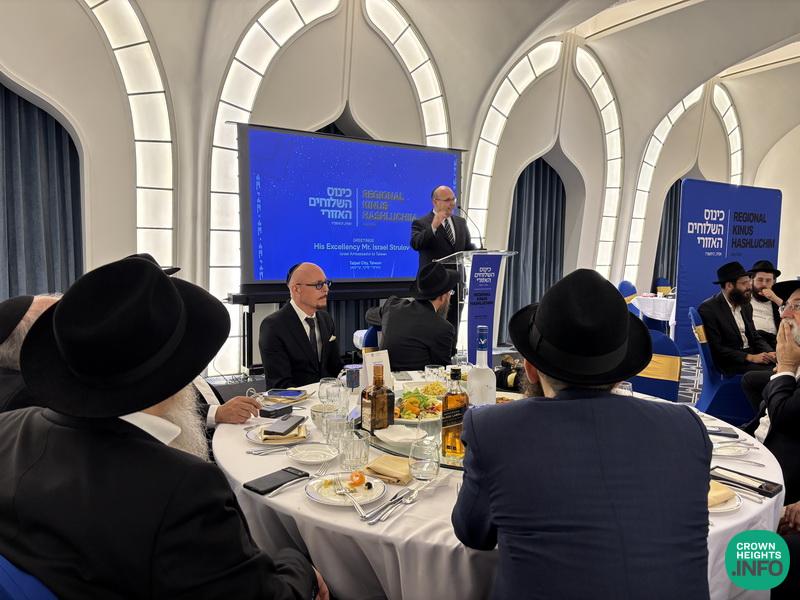
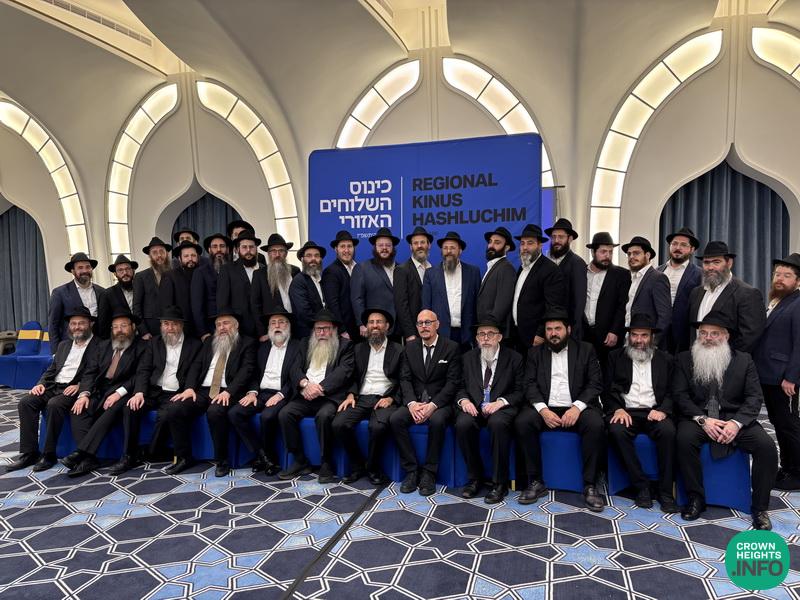
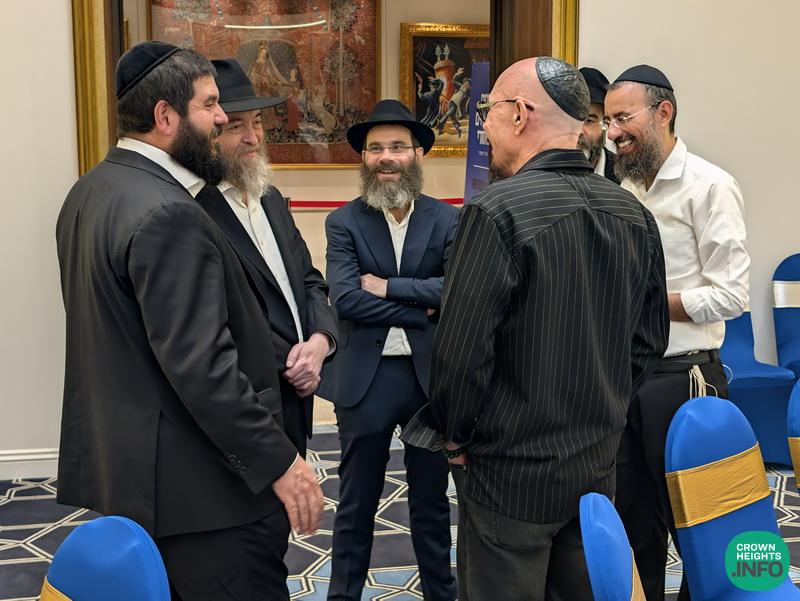
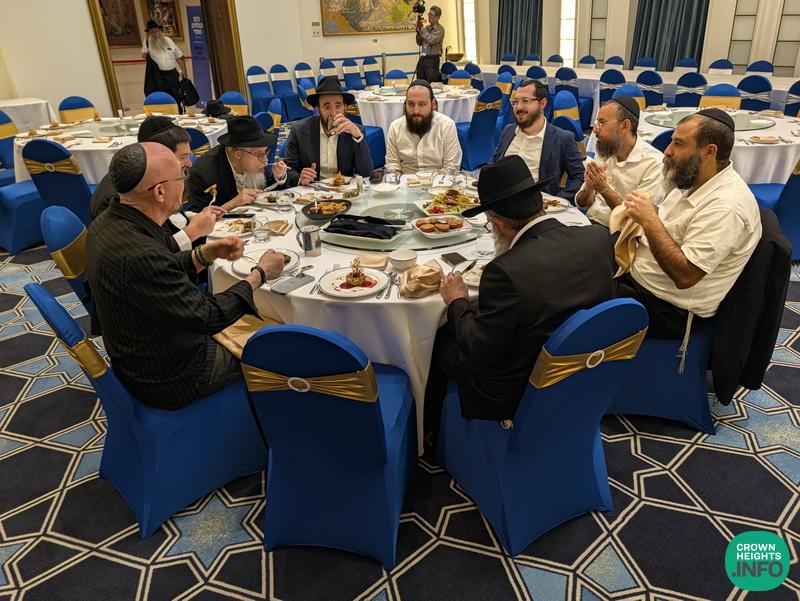
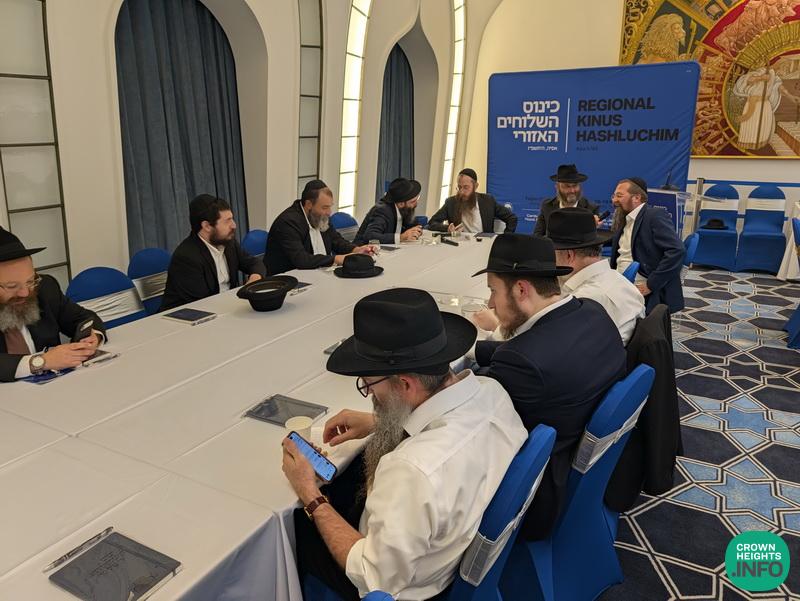
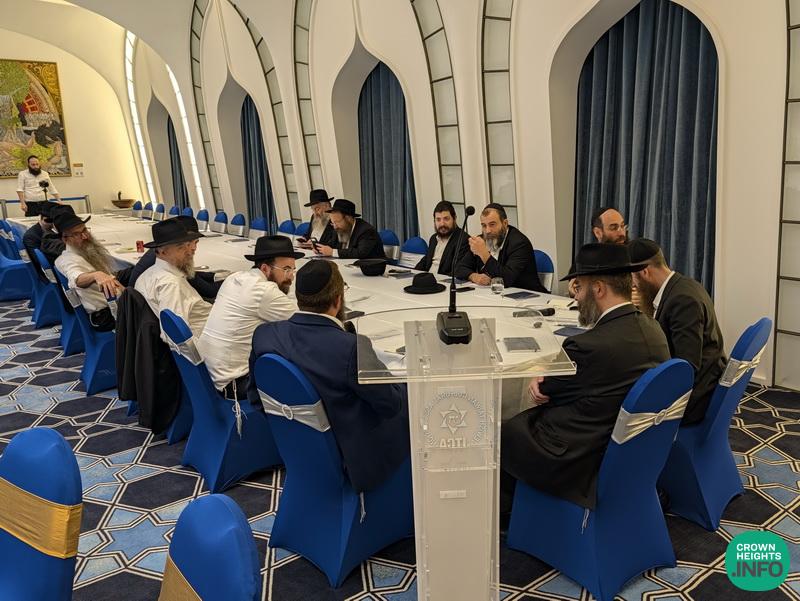
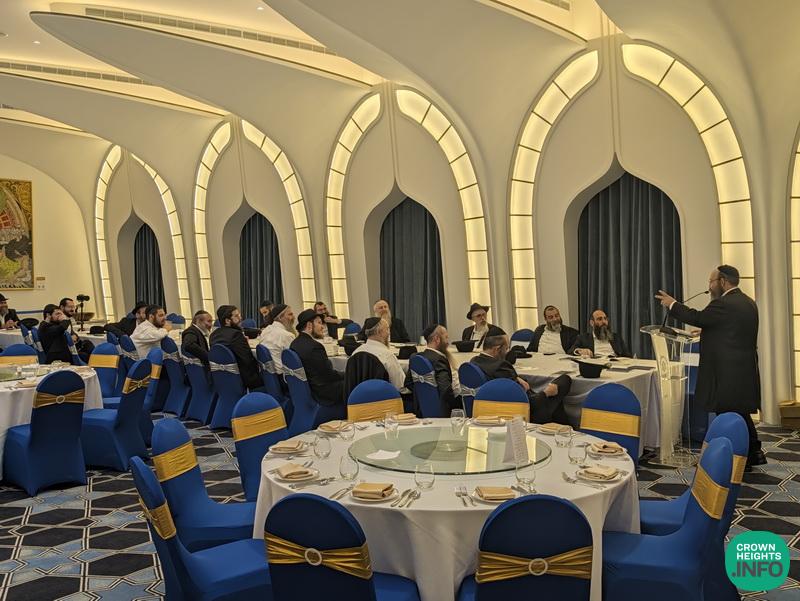
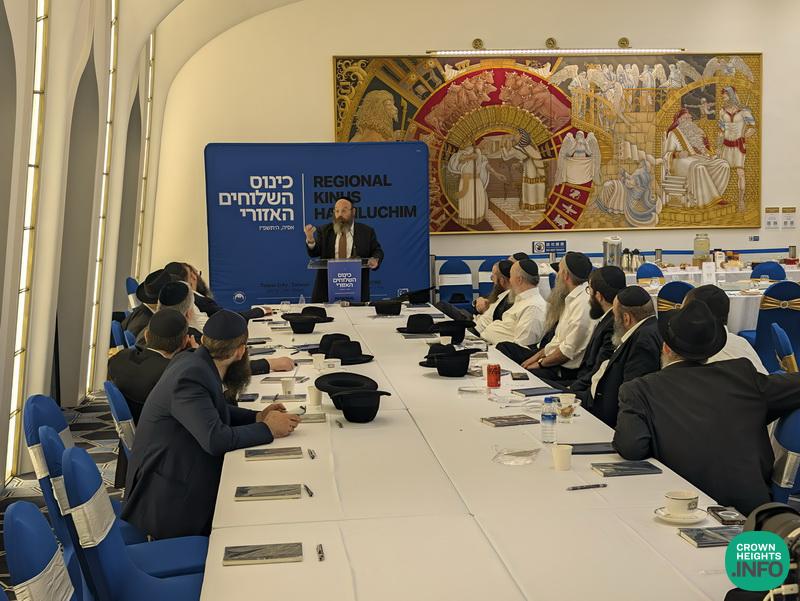
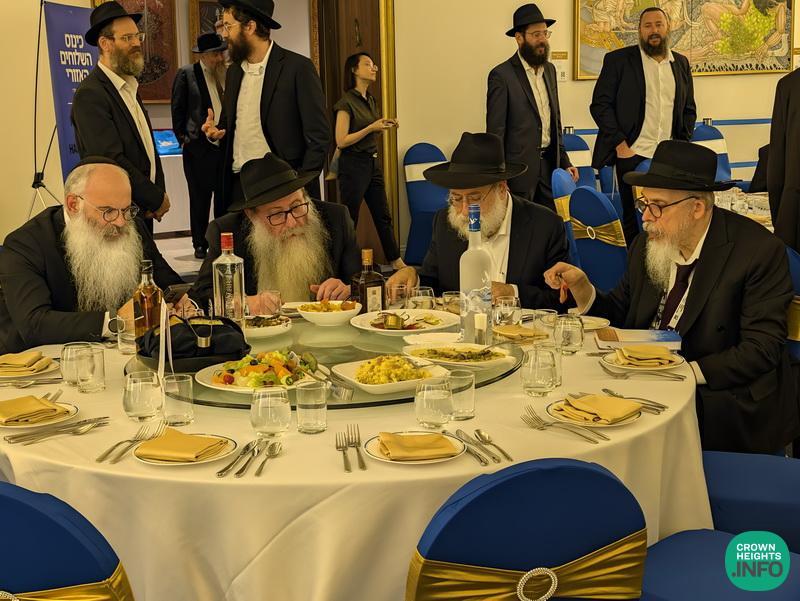
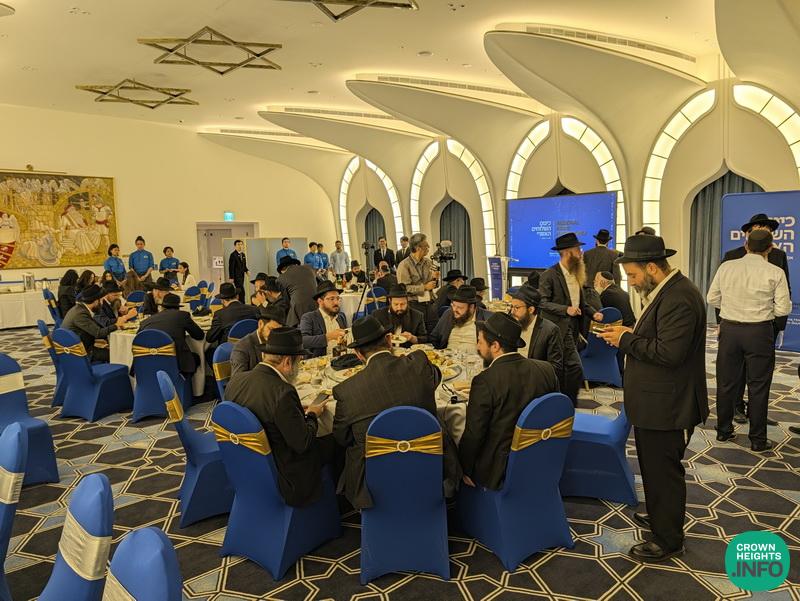
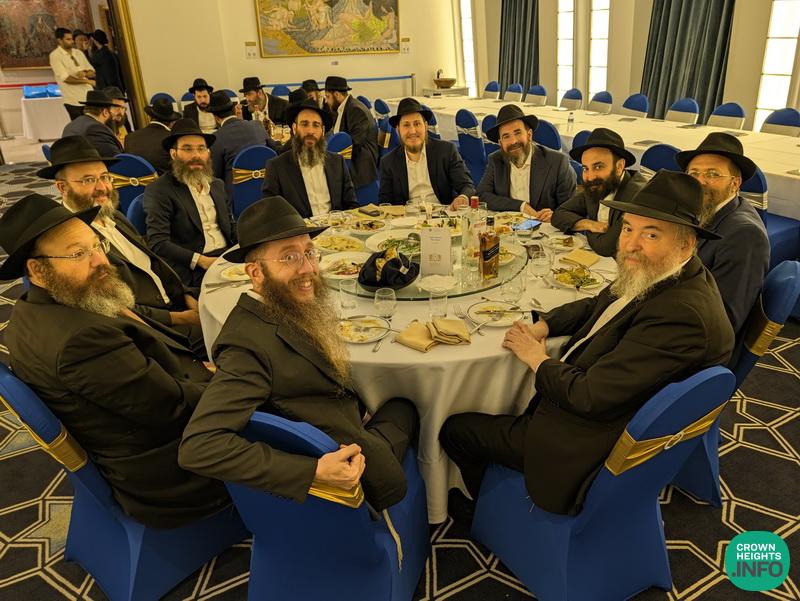
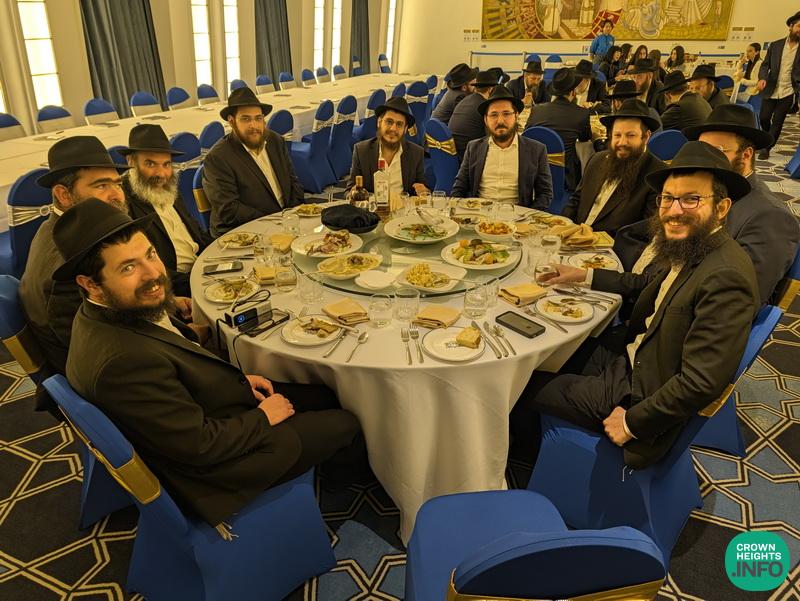
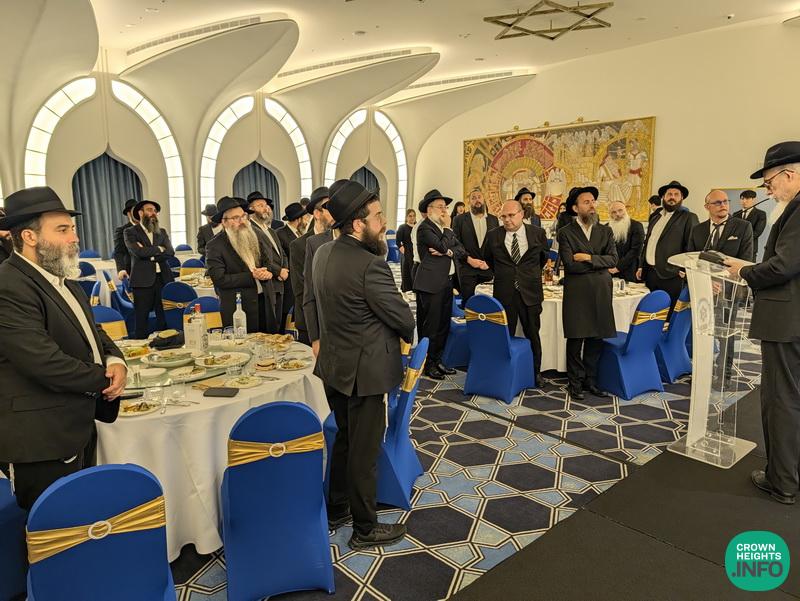
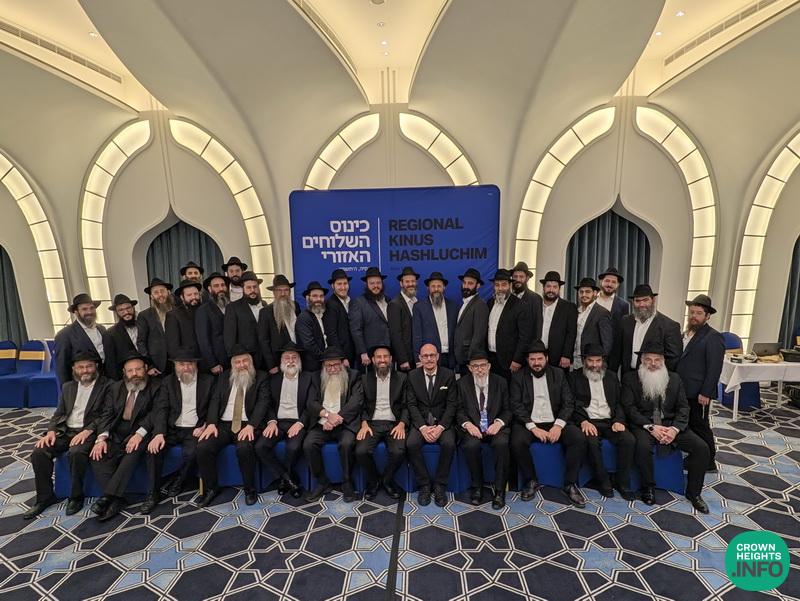
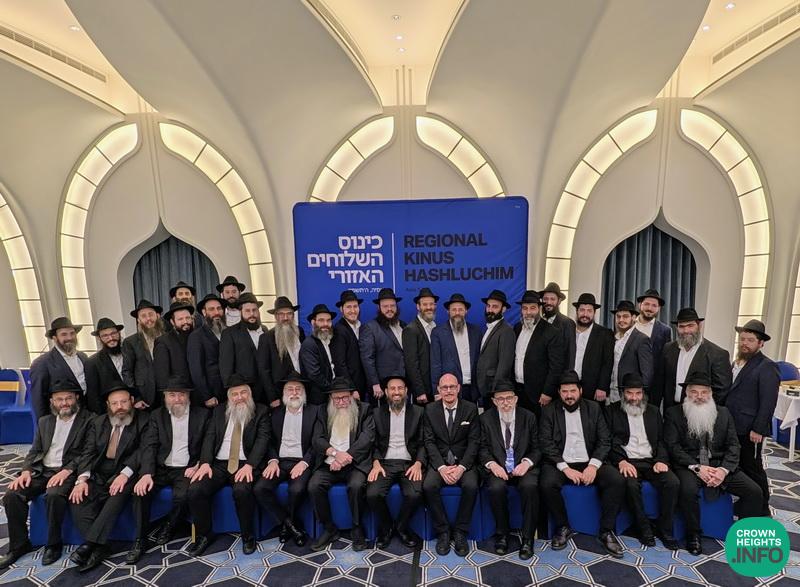
The scene captured the larger story unfolding in Taipei, where 75 Chabad emissaries from 15 countries converged for the regional Kinus Hashluchim
Forty years after the Rebbe sent Rabbi Mordechai Avtzon to Hong Kong as Chabad’s first emissary to Southeast Asia, one outpost has grown into a network of 60 centers.
“The renaissance of Jewish life in the region is nothing short of miraculous,” said Rabbi Mendy Kotlarsky, Executive Director of International Kinus Hashluchim. “Just a few years back, many predicted the end of Jewish life in Southeast Asia, yet thanks to the Rebbe’s vision and to these selfless families who sacrifice daily to be there, we’ve witnessed a complete transformation of Jewish life in the region.”
From the Himalayan towns of India to Seoul, Tokyo and Bangkok, those centers often serve as the local Jewish infrastructure. The emissary couples run schools, build mikvahs, host Shabbat dinners, CKids, CTeen and Chabad Young Professionals events, operate kosher restaurants and even certify food for the global kosher community.
As the sole Jewish infrastructure, they are also the phone call when a traveler disappears, a family faces a medical crisis or a young person lands in trouble thousands of miles from home.
Those communities kept growing through Covid-19, which halted travel and business across much of Asia, and through the surge in Jewish engagement since Oct. 7.
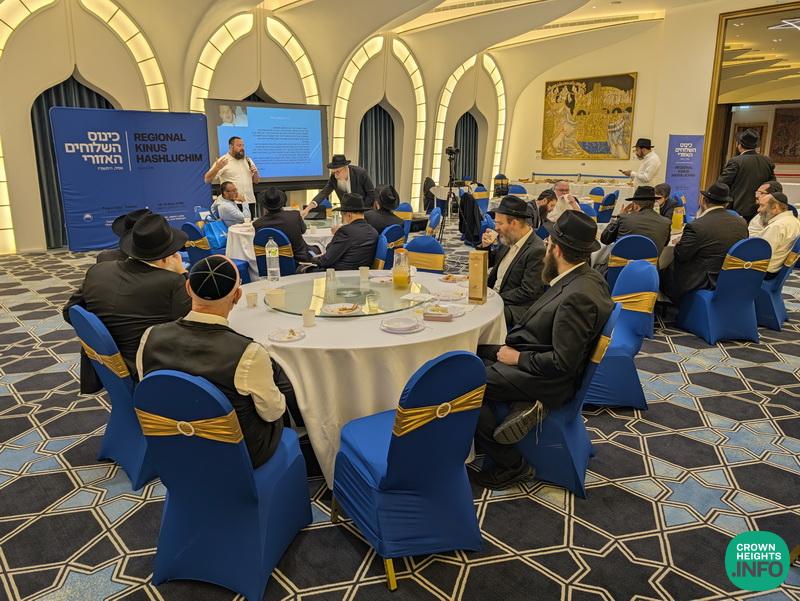
Sessions in Taipei focused on how to utilize tools like AI to meet that infrastructure growth without losing the personal care at the heart of the work. Emissaries discussed security measures, Jewish education, supporting young people in crisis, kosher certification and contemporary halachic challenges that they face on a daily basis.
“The discussions, shared experience and new partnerships will help us strengthen Jewish life in Seoul, expand educational and community programs, improve support for Jewish residents and travelers, and prepare for the continued growth of our community,” said Rabbi Osher Litzman of Chabad Korea.
“Serving a Jewish community far from the world’s major Jewish centers can sometimes feel isolating,” Litzman said. “Standing together in Taipei with fellow Shluchim who face similar challenges was deeply moving. I will return to Korea with renewed strength and a profound reminder that even the most distant Jewish community is never alone.”
For rabbis who are often the only Jewish address for hundreds of miles, the room itself is a resource. A crisis one emissary faces alone in Phnom Penh has usually already been handled in Tokyo or Mumbai. The conference is where that knowledge and tools get shared, and where the infrastructure gets built.
Nowhere was that growth clearer than in Taiwan itself. Rabbi Shlomi and Racheli Tabib arrived in Taipei in 2011 with contacts of just 70 Jews in a country of 23 million. Today they estimate about 1,500 live across the island.
At the center of the community is the $16 million, 22,500-square-foot Jeffrey D. Schwartz Jewish Community Center, with a synagogue, kindergarten and classrooms, a kosher restaurant, a 300-seat ballroom, a Judaica museum and a mikvah capped by a gold-leaf ceiling.
“This is really a sign of a thriving Jewish community which we have here,” Rabbi Tabib said.
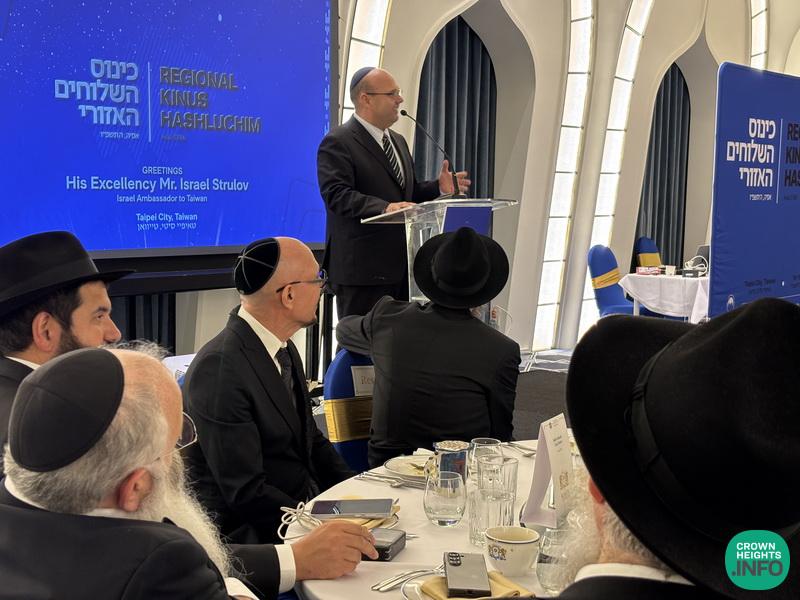
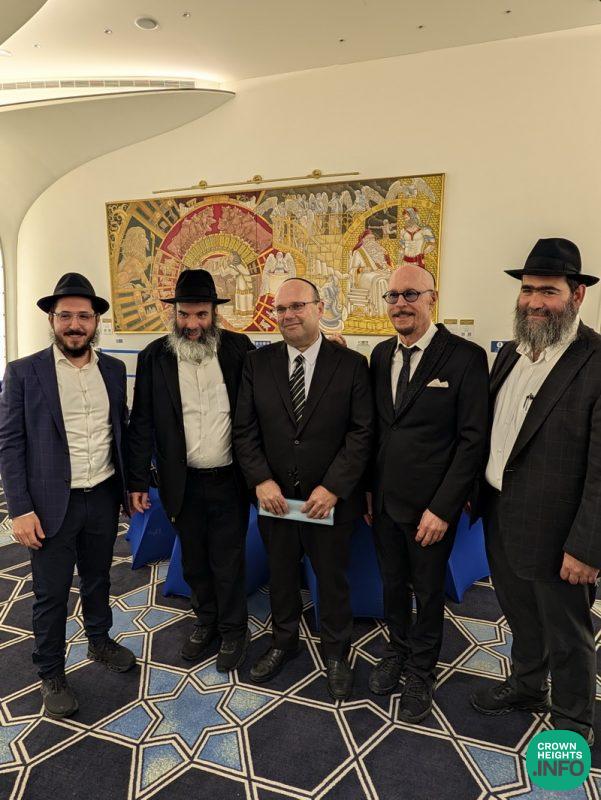
Mr. Israel Strulov, Israel’s Ambassador in Taiwan, told the emissaries that after decades working across Asia, he sees Chabad as a partner. Where Chabad is present, he said, Jews, including himself, already have a support system on the ground.
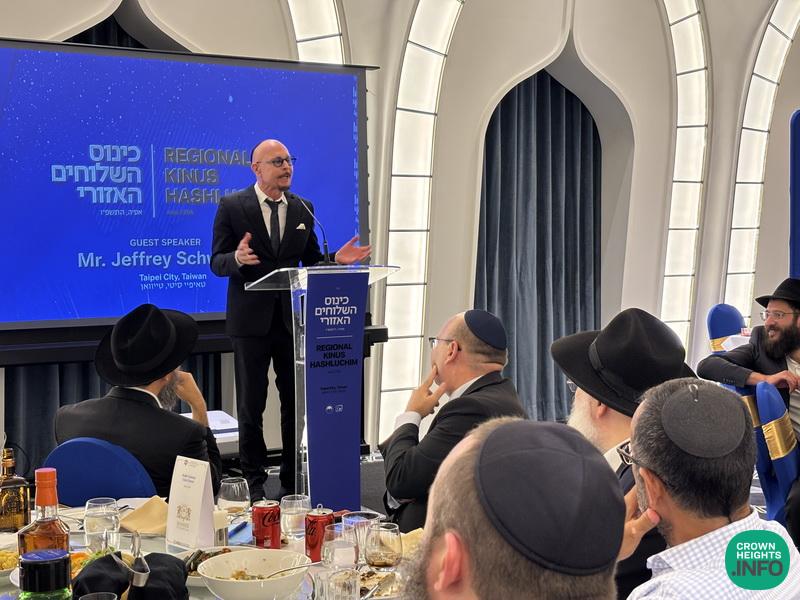
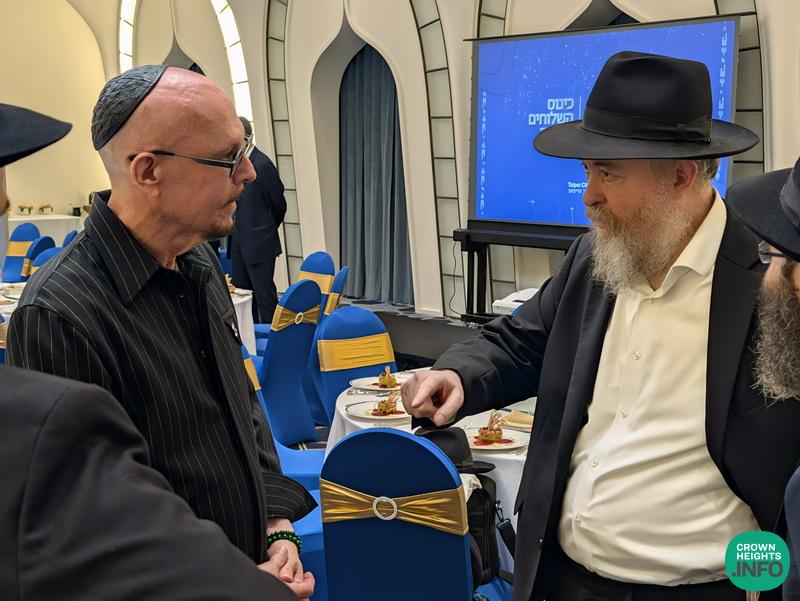
The highlight came from Jeffrey D. Schwartz, the Taiwan-based businessman whose own Jewish journey grew alongside Chabad’s presence in the region. After more than 50 years in Taiwan, Schwartz described how his relationship with Rabbi Tabib rekindled a connection to Judaism that had faded after his Bar Mitzvah.
That partnership led to the creation of the Chabad Taipei Jewish Center. Now Schwartz wants that to be a catalyst for what comes next across Asia. As he put it, “What’s next?”
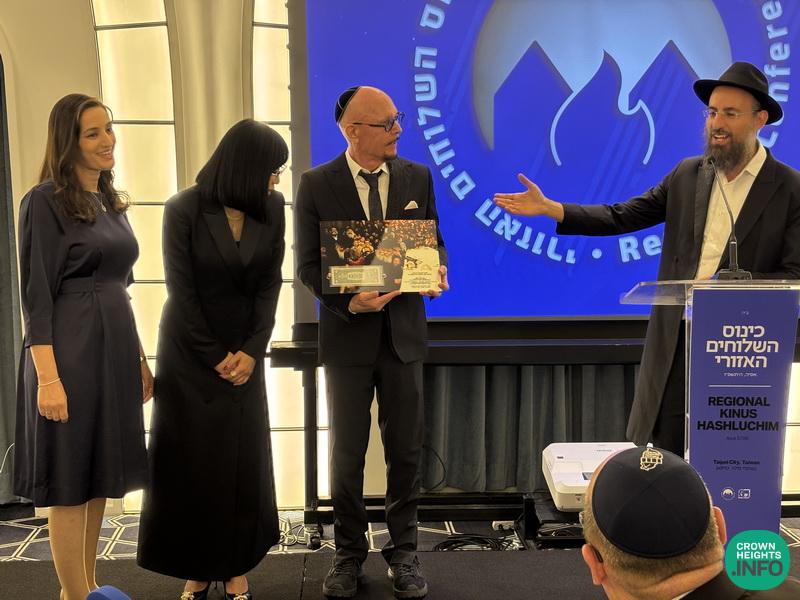
The answer came quickly at the conference; Mr. Schwartz and Rabbi Kotlarsky announced the Jeffrey D. Schwartz Asia Fund through Keren Hashluchim, the International Shluchim Foundation. The fund will help seed new Chabad centers, bring new emissary couples to the region, build mikvahs and other Jewish infrastructure, and support communities facing urgent needs.
“The ideas, themes, and resolutions of the regional conferences have been accompanying me and helping me in my work for years,” said Rabbi Benzion Butman of Chabad Cambodia. “I am looking forward to bringing the light of this conference home, and further infusing energy into our community.”
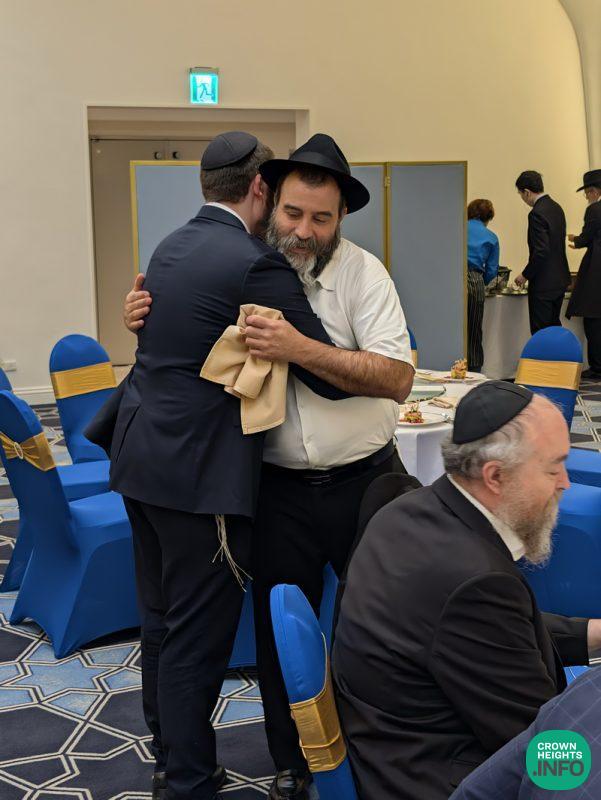
In Taipei, the response to “What’s next?” was obvious as the gathering culminated with the iconic spontaneous Rabbi dance. The joy filled the room, and the emissaries went back to Seoul, Phnom Penh, Mumbai, and a dozen cities in between, carrying the energy and the vision to build the next chapter of Jewish life in Asia.
Photos: Credit: Kinus Office