

Heritage Quest Ends, but Teens’ Global Impact Has Just Begun
When Abby Eskenazi of Wilton, CT goes back to school this year after spending her summer on the CTeen Heritage Quest trip, she plans to make a change: “I want to connect the small Jewish community in my school.”
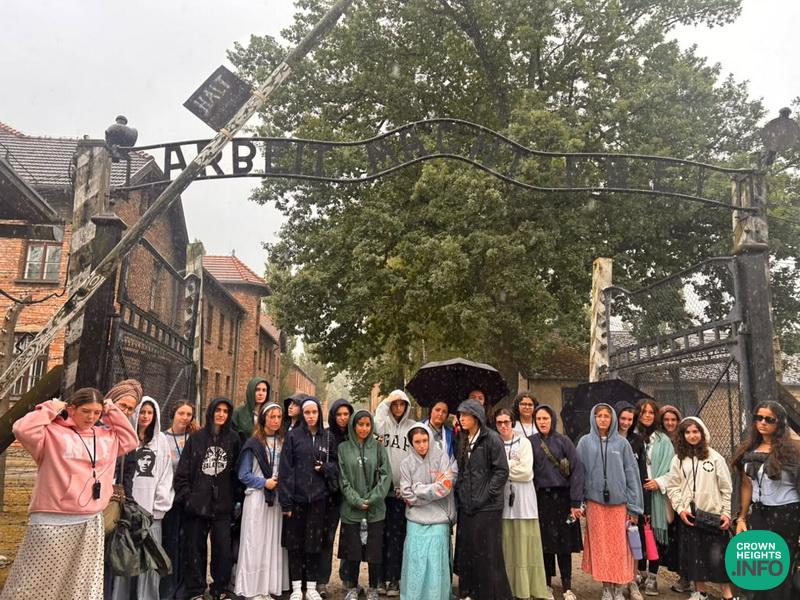
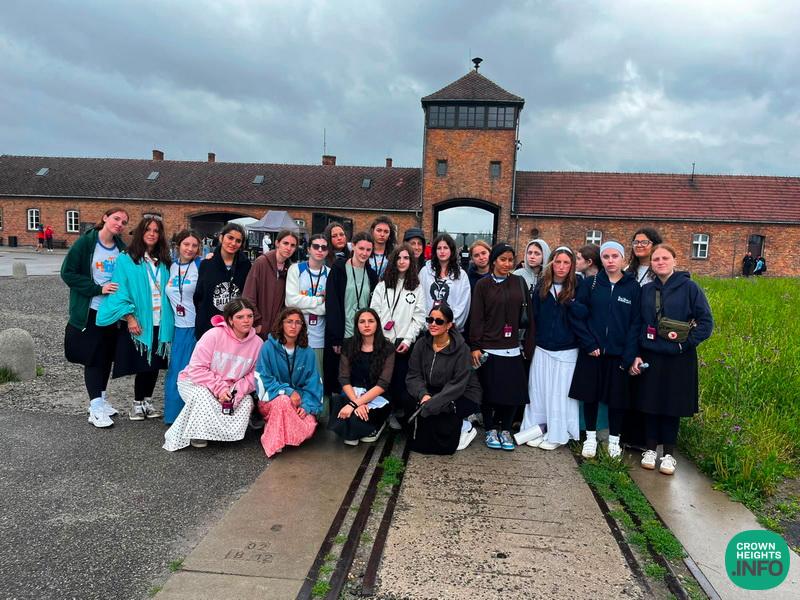
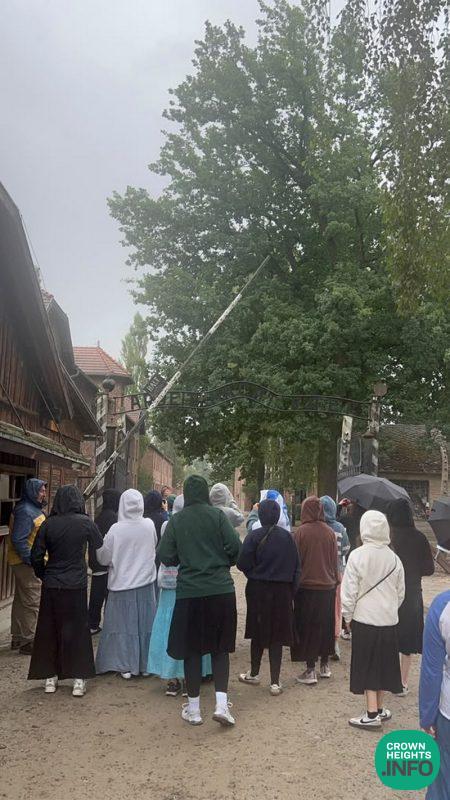
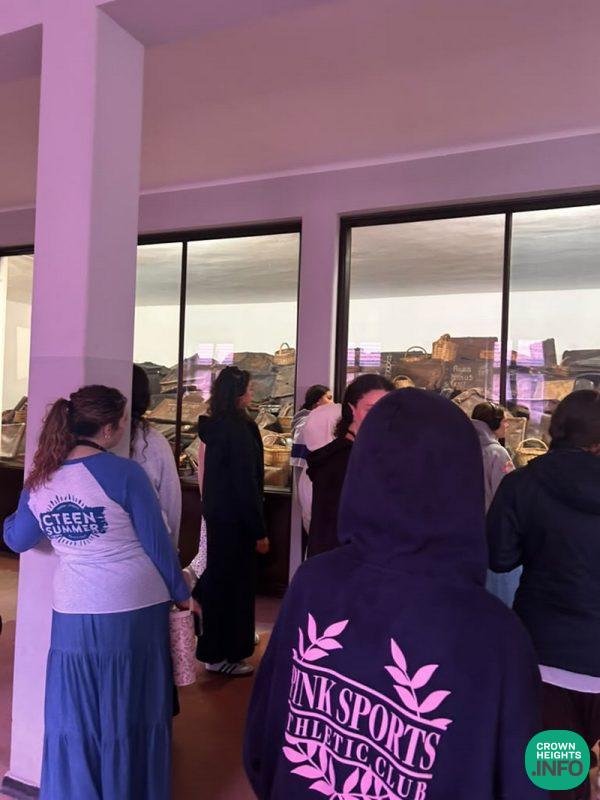
Eskenazi was part of a group of Jewish teenage girls, many of them the only Jewish students in their schools back home, who stood together one day this summer in Auschwitz-Birkenau, saying Shema together in a place where more than a million Jews were murdered.
“Standing together as a Jewish youth group and reciting the Shema was special,” said Rachel Rosenhouse, one of the participants from CTeen Coral Springs, FL, “for those who cannot anymore and for us who can.”
That moment sits at the center of CTeen’s Heritage Quest, a three-week summer program that takes teens from the sites of Jewish destruction in Poland to the vibrant Jewish life in Israel.
“Today, many Jewish teenagers are constantly dealing with antisemitism, whether on social media or even in school,” said Rabbi Mendy Kotlarsky, Chairman of CTeen International. “When they stand together at these important Jewish sites with fellow Jewish teens who know exactly what that feels like, they go home with the pride and strength it takes to be an advocate for their faith.”
The Poland leg of the trip covered five days, moving from Warsaw through the Lublin region to Kraków. The group walked through what remains of centuries of Jewish life: the Warsaw Jewish Cemetery, Yeshivas Chachmei Lublin, and the stunningly restored 18th-century shul in Łańcut.
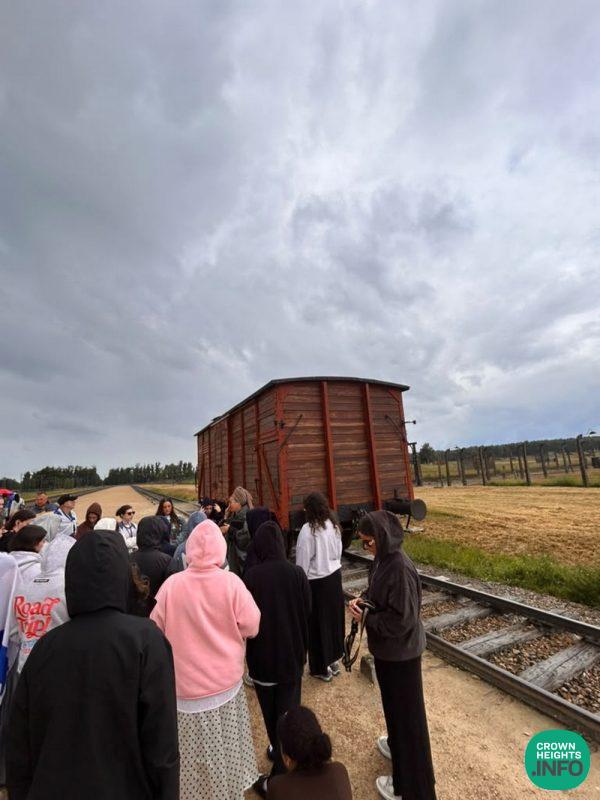
Then came the destruction: the Warsaw Ghetto, the Majdanek concentration camp, and the Auschwitz-Birkenau camps.
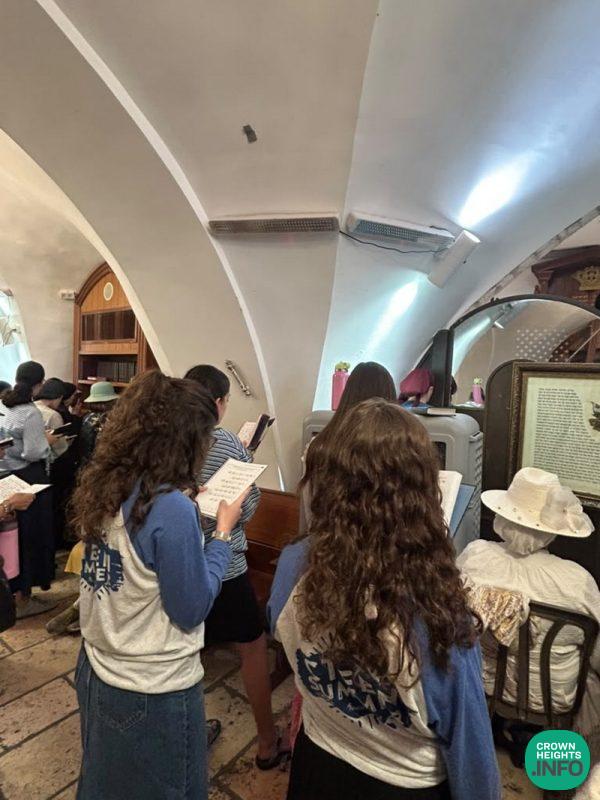
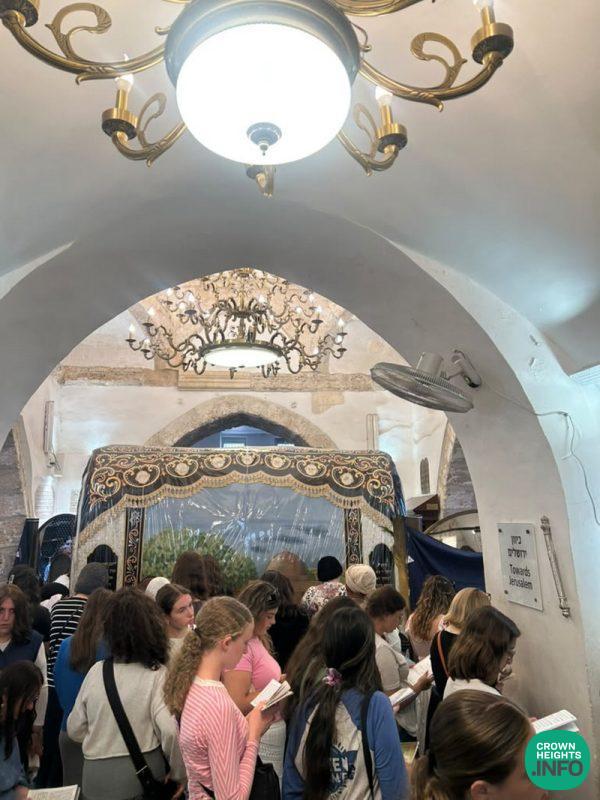
But Poland was not only about loss. At Lizensk, the group visited the gravesite of Reb Elimelech, one of Poland’s most important Chassidic pilgrimage sites, still active and still drawing Jews from around the world. On Friday afternoon, the group welcomed Shabbos in one of Kraków’s old shuls, davening in the same space where Jewish women had davened for generations. After Shabbos, they gathered at the site of the Kraków Ghetto for Havdalah.
“Havdalah in the ghetto was the most powerful moment on the whole trip for me,” said teen Bayla Miller. She also spoke about what Poland taught her about her heritage. “Judaism is so full of history, both sad and joyous. The trip also taught me about Jewish perseverance.”
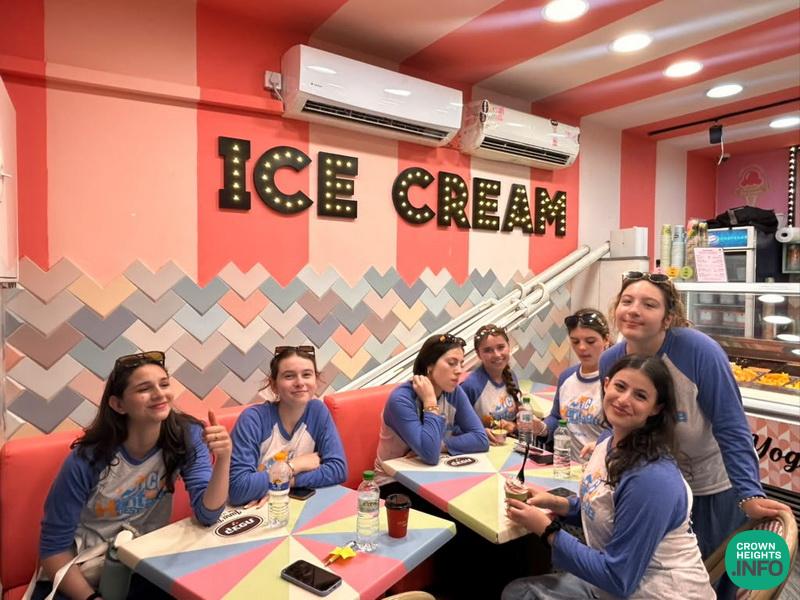
Teens admitted the all-girls format made it easier to process what they were experiencing. In a setting that demanded emotional honesty, the group became a kind of safety net for one another.
“One of the coolest parts of being a counselor on Heritage Quest was watching the girls connect not just to the places we visited, but to each other and to our Jewish heritage in such a real way,” said Sara Fajnland, one of the trip’s counselors.
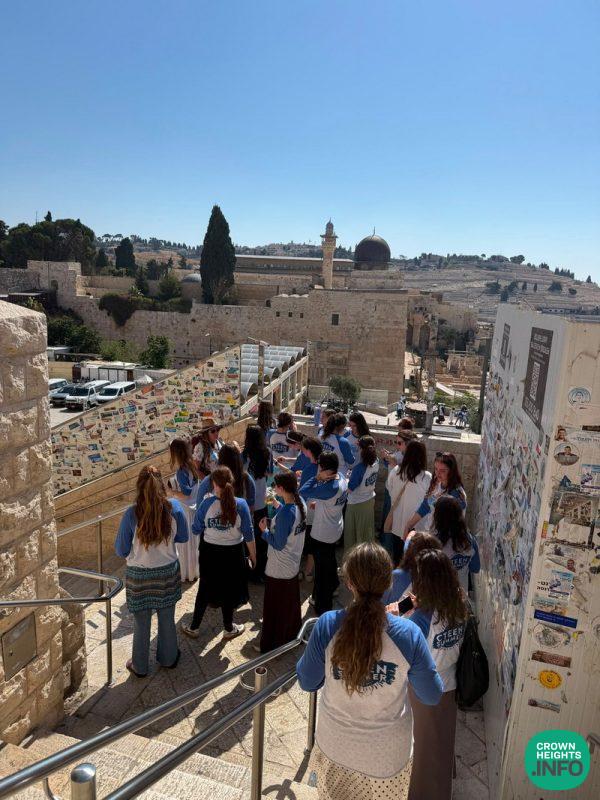
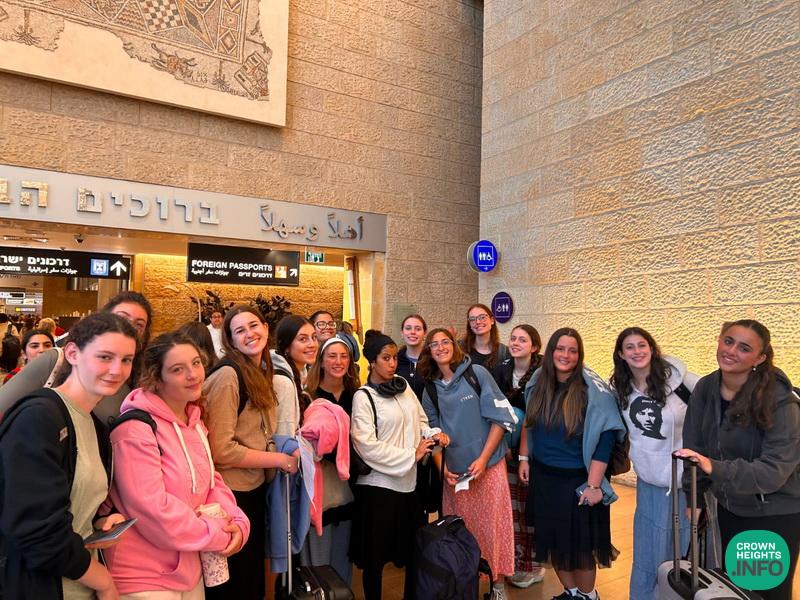
On Sunday night, the group boarded a flight from Kraków to Ben Gurion Airport. Hours after standing in Auschwitz, they were standing at the Haas Promenade, looking out over Jerusalem.
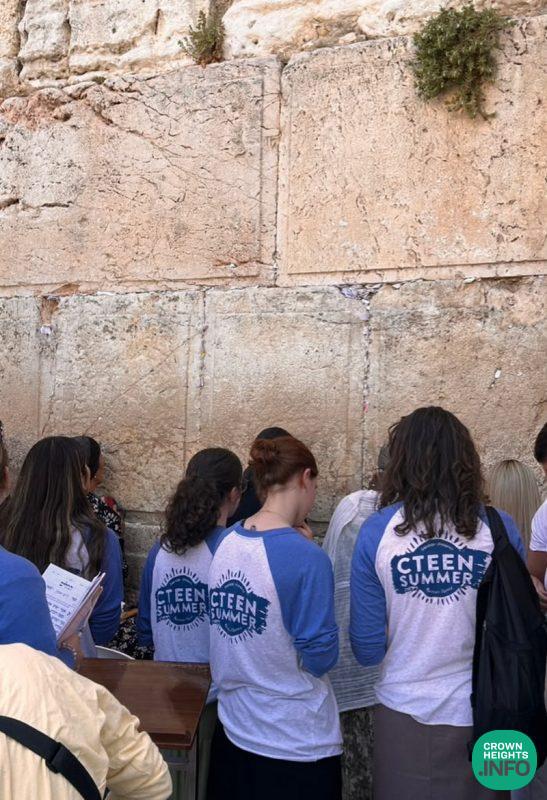
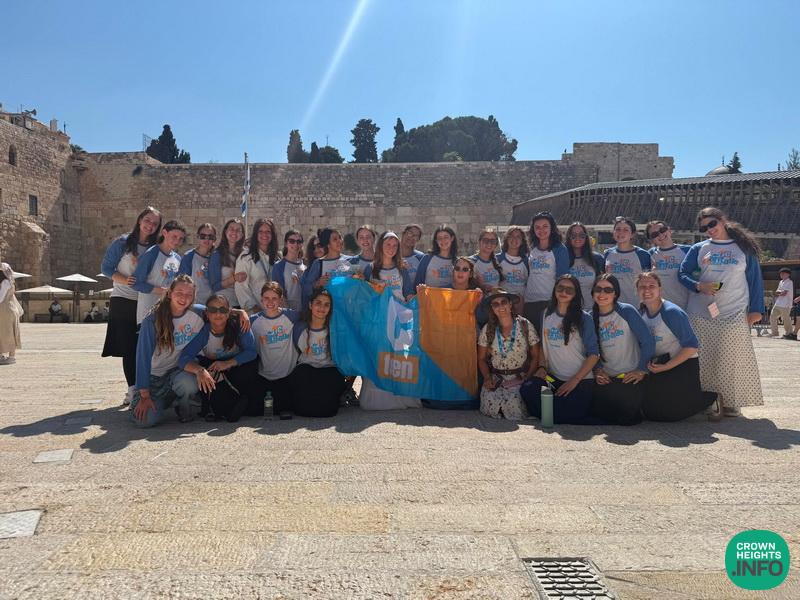
“Landing in Israel after a week in Poland was remarkable, especially seeing the girls’ excitement as we made our way to the Kosel to Daven,” said trip leader Mrs. Dinie Rapoport, Shlucha from Mequon, WI. “The sense of unity and homecoming was truly heartwarming.”
“Israel felt so safe,” said Sarah Tucker, who joined the trip from CTeen Newport Beach, CA. “I never once felt unsafe during my trip, and especially in Israel, in the middle of a war, I felt at home.”
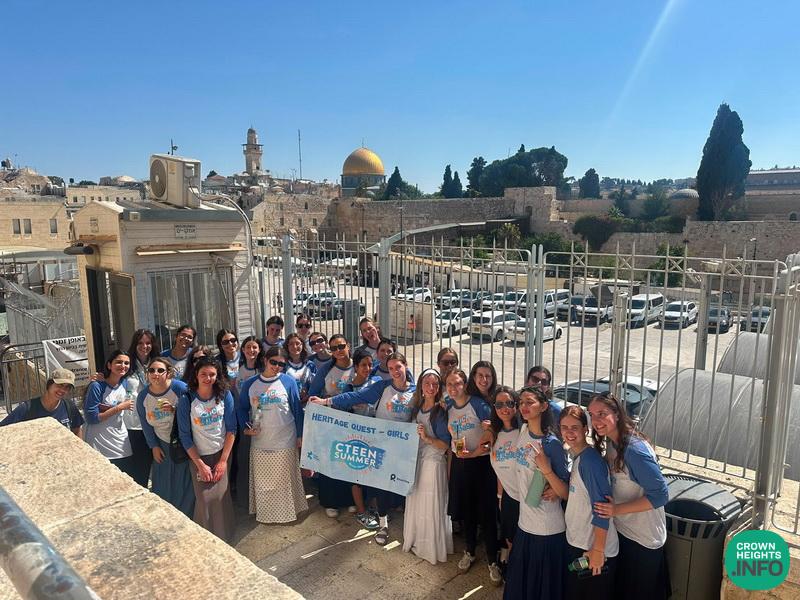
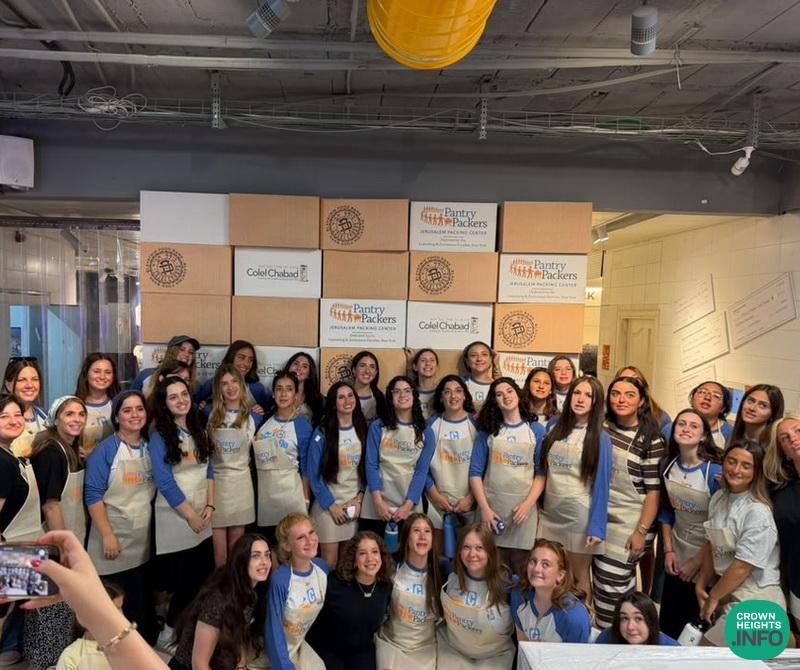
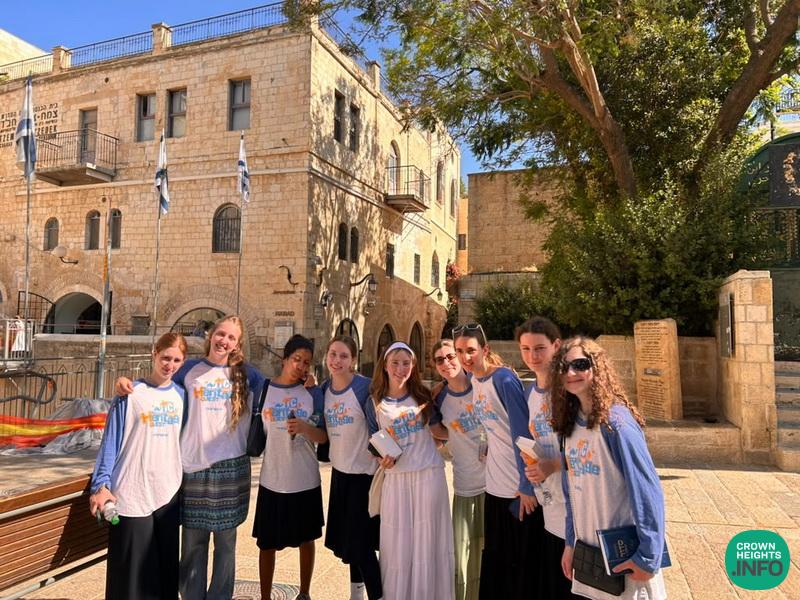
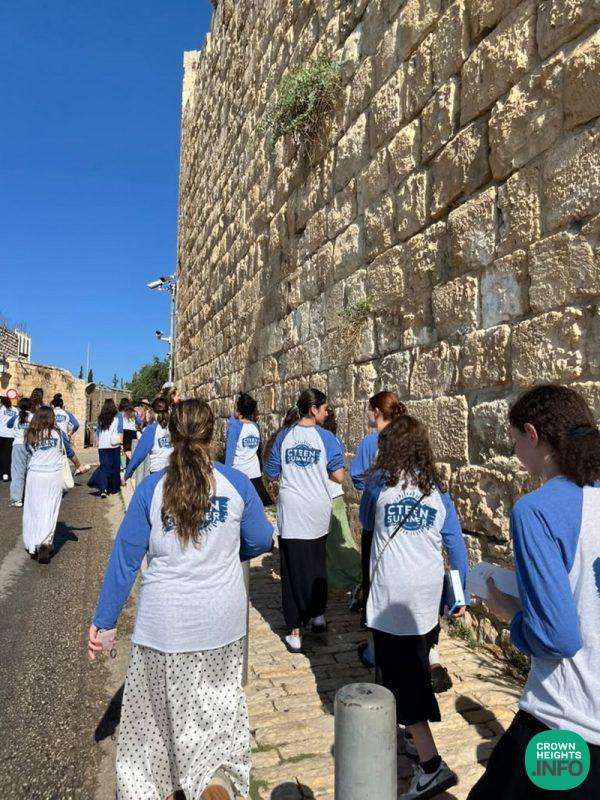
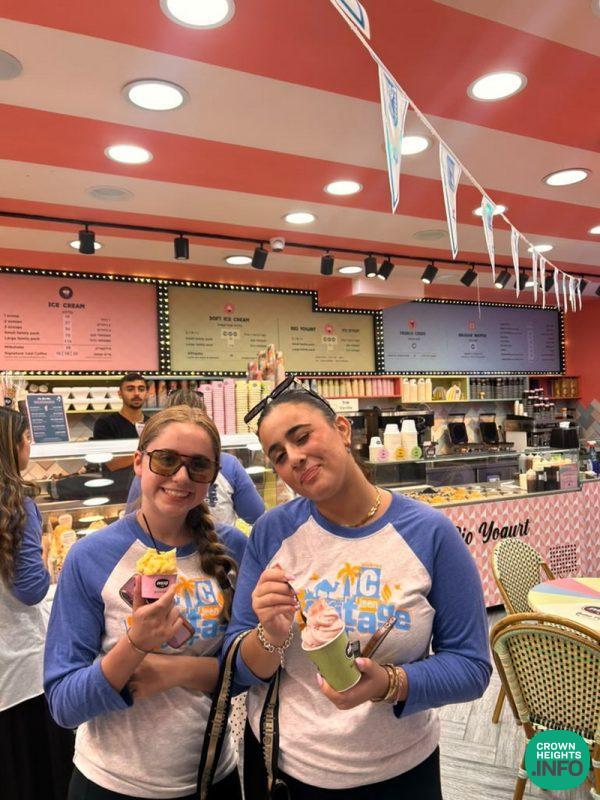
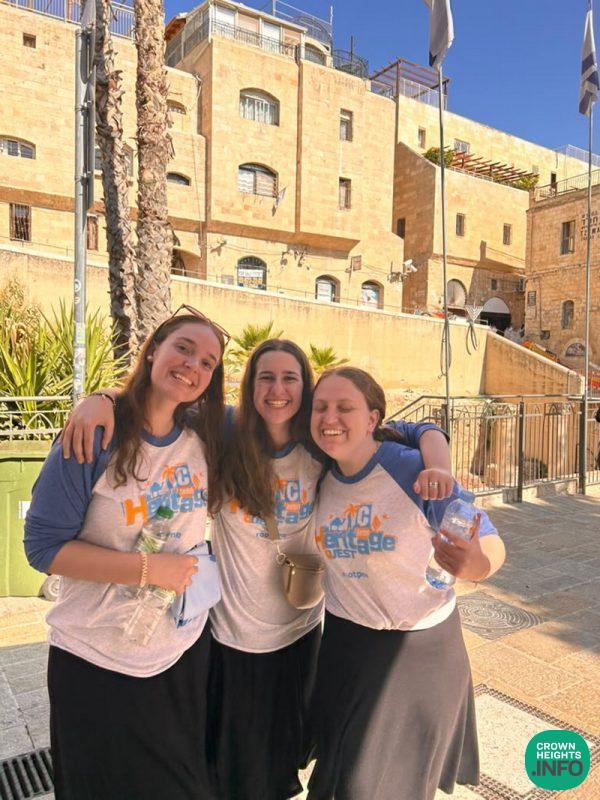
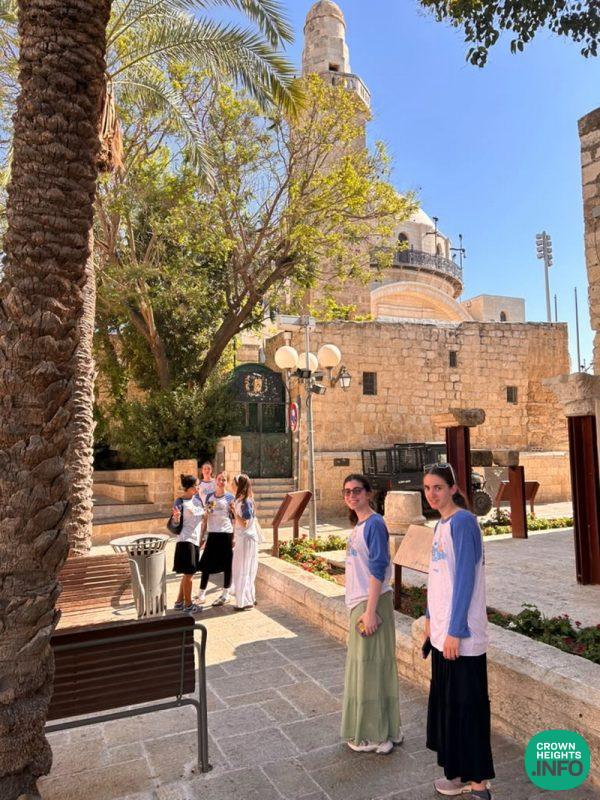
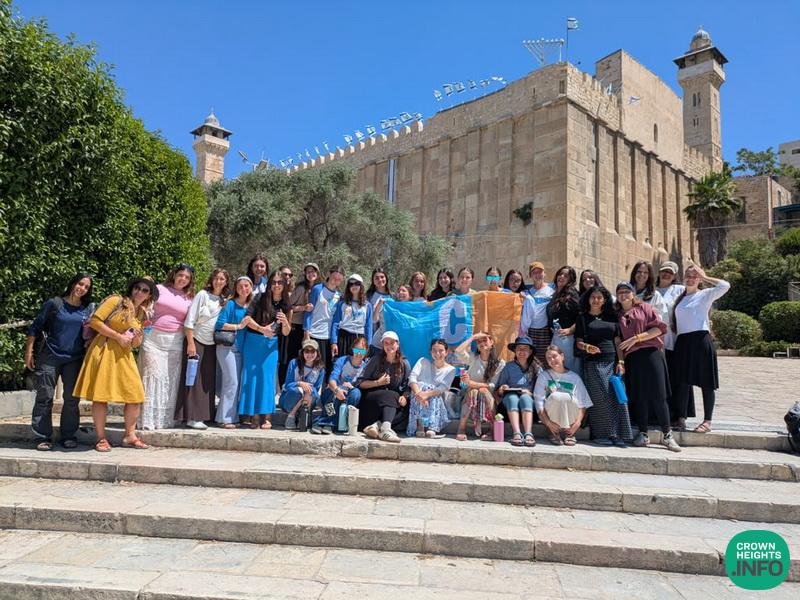
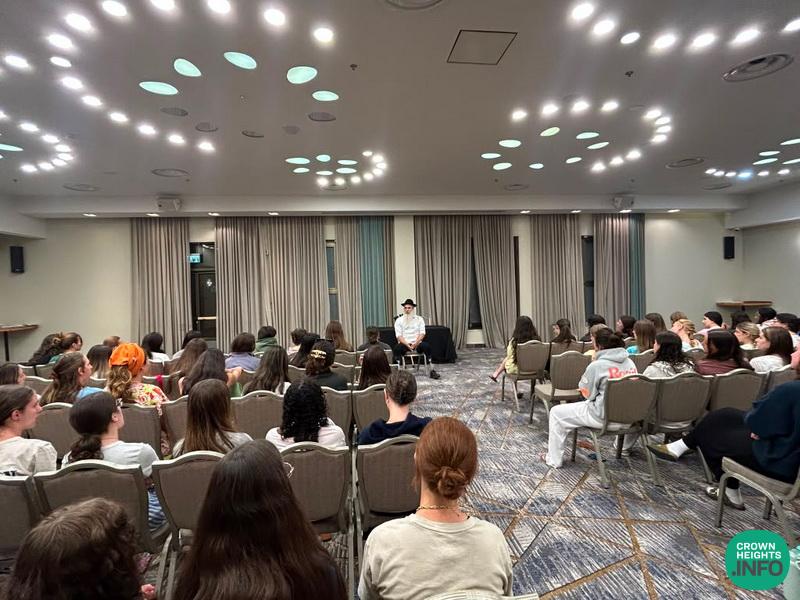
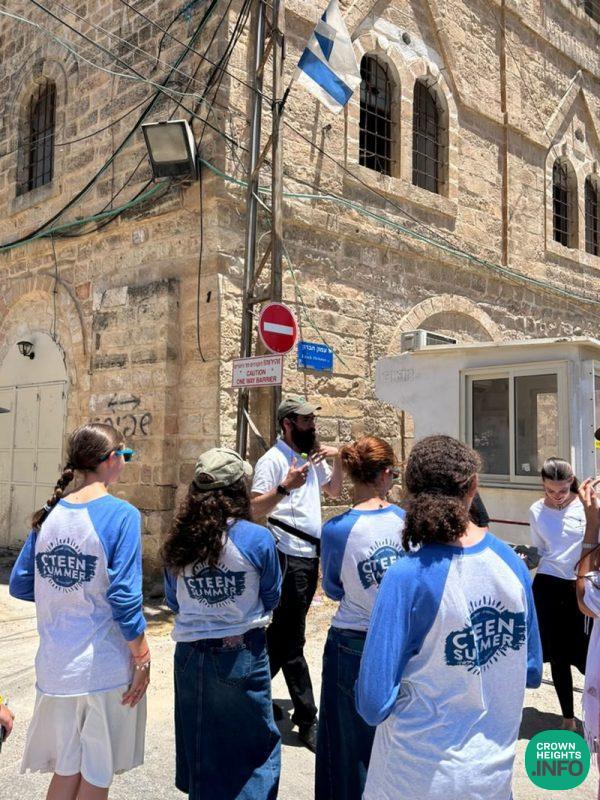
The Israel leg stretched over two weeks. There was a water day in the Galilee, rafting the Jordan River and swimming in the Kinneret. There were Bedouin tents in the desert, a sunrise hike up Masada, and evenings wandering Machane Yehuda with friends. The teens planted trees at Neot Kedumim. They baked challah in Jerusalem. They met Rabbi Liraz Zeira, a Chabad Shliach to Jerusalem college campuses who lost both legs during IDF reserve duty in Syria last year. He spoke to the group from his prosthetics, still doing the same work he did before the injury.
On Friday night, the group joined Kabbalas Shabbos at the Kosel, surrounded by thousands of Jews. It was a different world from the handful who had davened in that Kraków Shul just days before.
But Israel was not only celebration. The group traveled to the Gaza envelope, visited the city of Sderot, and spent time at the Nova Music Festival site in Re’im, where hundreds of young people were murdered on October 7th.
They also met with families directly affected by the war, and visited wounded IDF soldiers recovering at Tel Hashomer Hospital. The final day included a jeep ride along the Burma Road, the hidden route that kept Jerusalem alive during the War of Independence. The trip ended, as it had to, on a note of resilience.
The girls came home with more than memories. Many described specific commitments they plan to keep: davening daily, lighting Shabbos candles, saying Shema, studying Torah, making challah for Shabbos.
“I am going to buy a Siddur and pray more,” said Sarah Tucker, who also plans to continue learning Hebrew and seek out her Jewish community at home.
Rachel Rosenhouse reflected on what the trip taught her about being Jewish. “Jews come in so many different fonts, with various levels of knowledge, but overall we all come together and sing the same songs. Judaism is all about being a proud Jew and living by Am Yisroel Chai in every aspect of life.”
From Auschwitz to the Kosel, and back to their hometowns, that is exactly what these girls are doing.
The trip is supported by the RootOne initiative, which provides participants with a $3,000 voucher toward the cost of the program after completing eight hours of pre-trip learning. RootOne is seeded through a generous grant by The Marcus Foundation and powered by The Jewish Education Project. More information is available at RootOne.org.
Pre-registration for CTeen’s summer 2027 trips is now open at cteensummer.com