


Final Kinus Sessions Address Critical Chinuch Challenges and Solutions
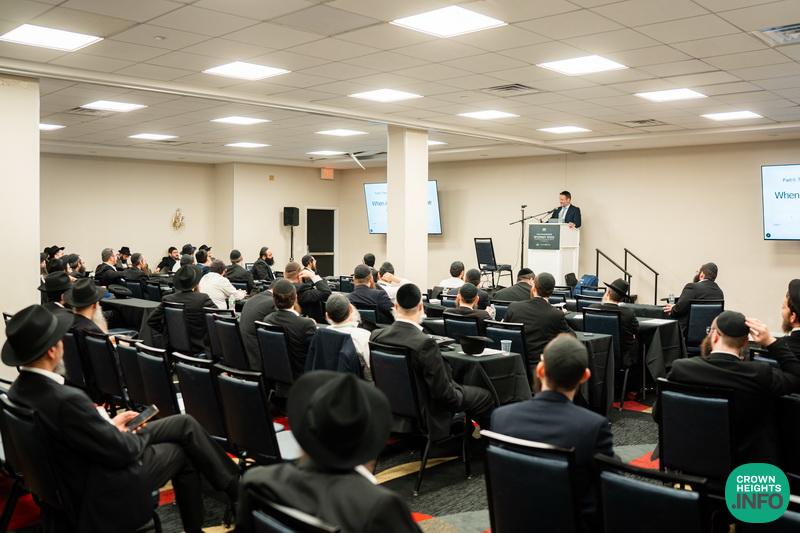
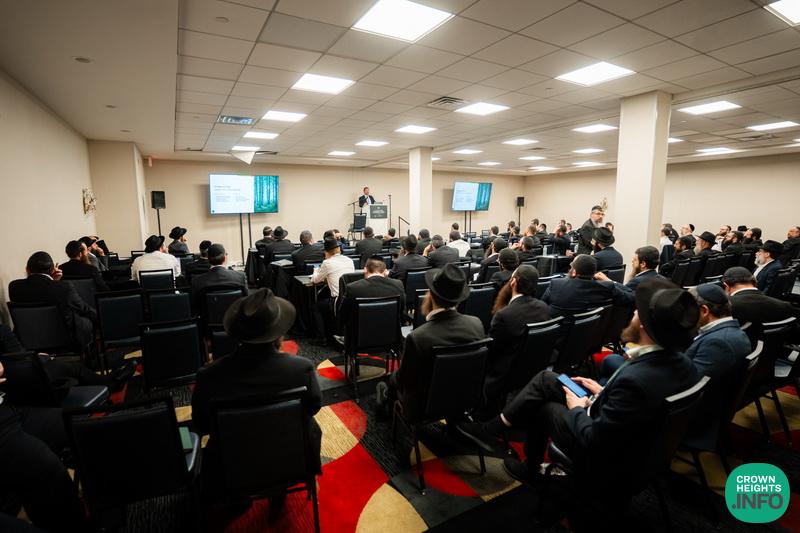
As the 26th Annual International Kinus HaMechanchim entered its final afternoon, the programming raised some of the most challenging questions surrounding chinuch with the Rapid Fire Chinuch Session
The Kinus had explored the work of chinuch from numerous angles, including classroom practice, leadership, curriculum, technology, student support, Chassidishe growth, and the individual needs of each talmid. The final sessions turned the focus toward how all of those areas come together in the daily decisions of a mechanech.
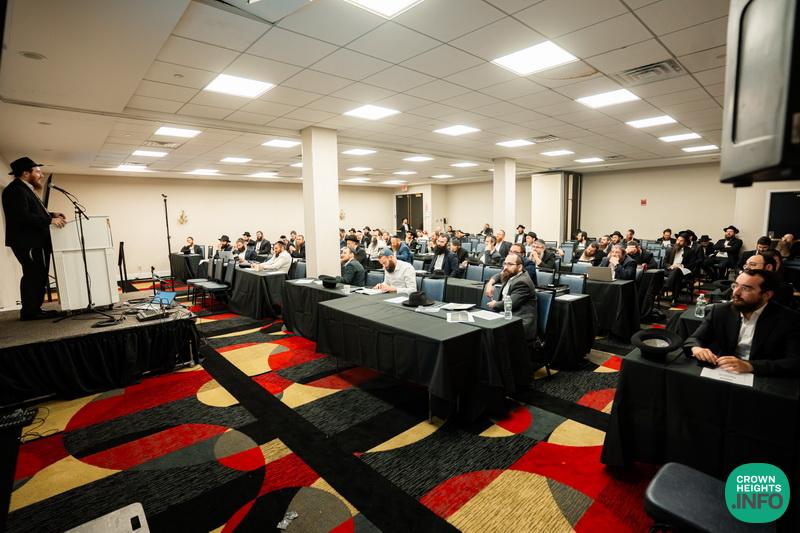
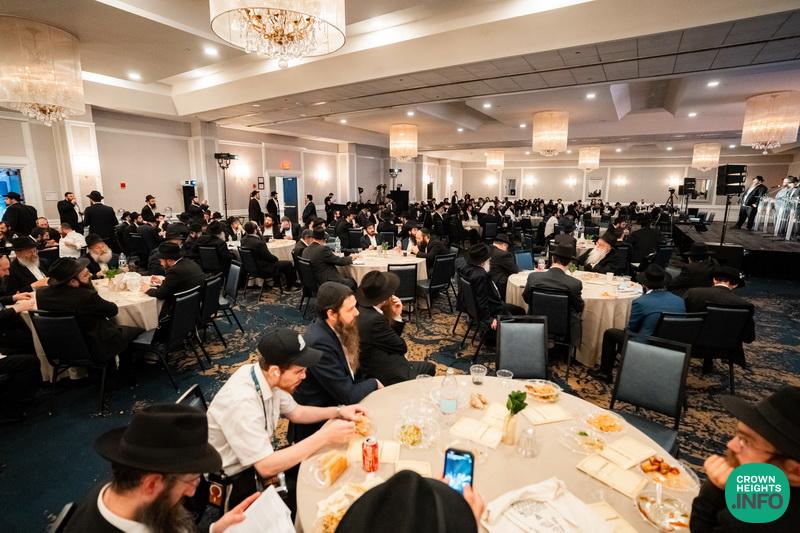
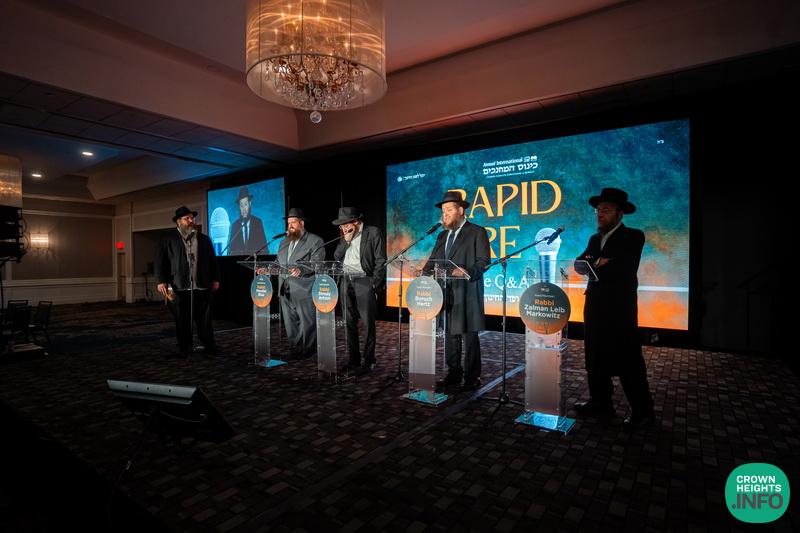
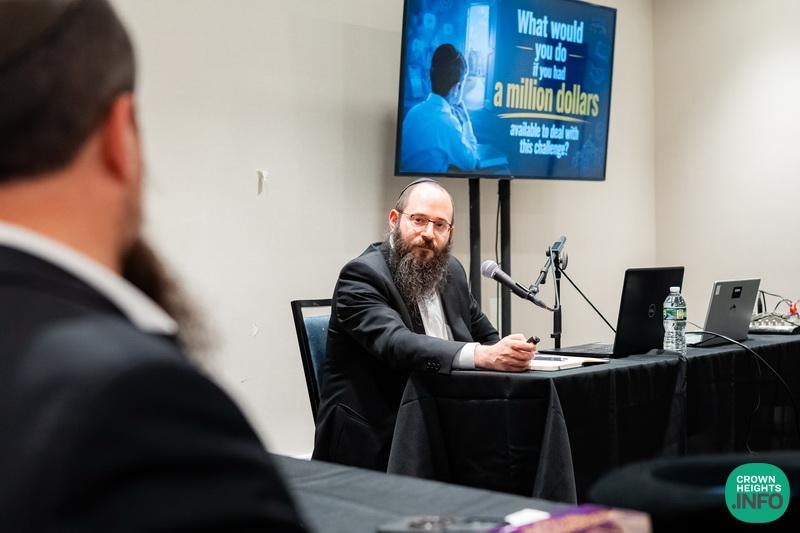
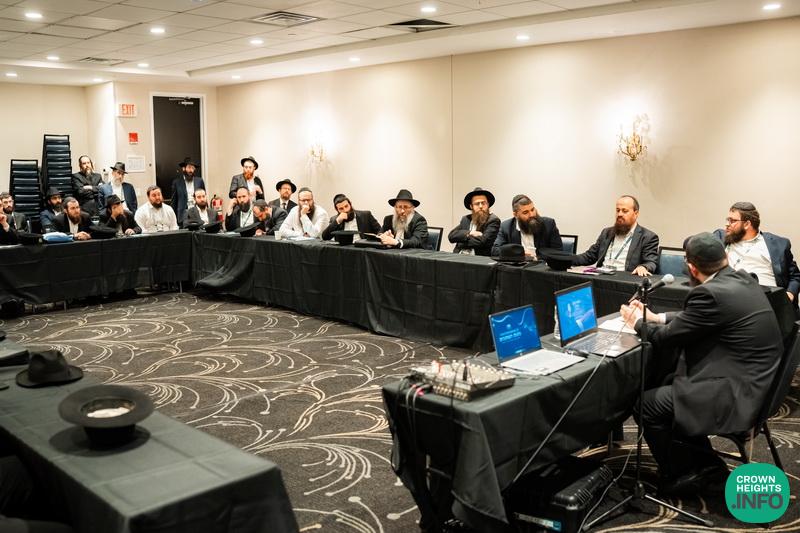
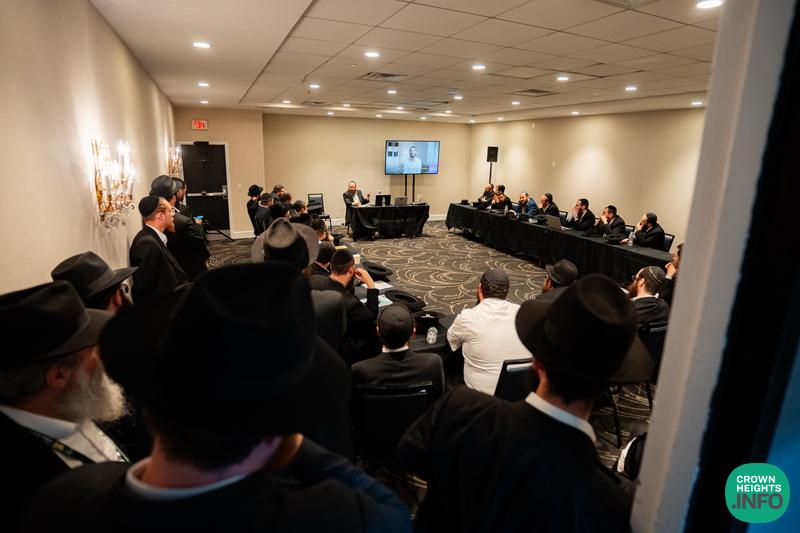
During lunch, the Rapid Fire Chinuch Session brought some of the most difficult and practical questions facing schools and classrooms directly to the table.
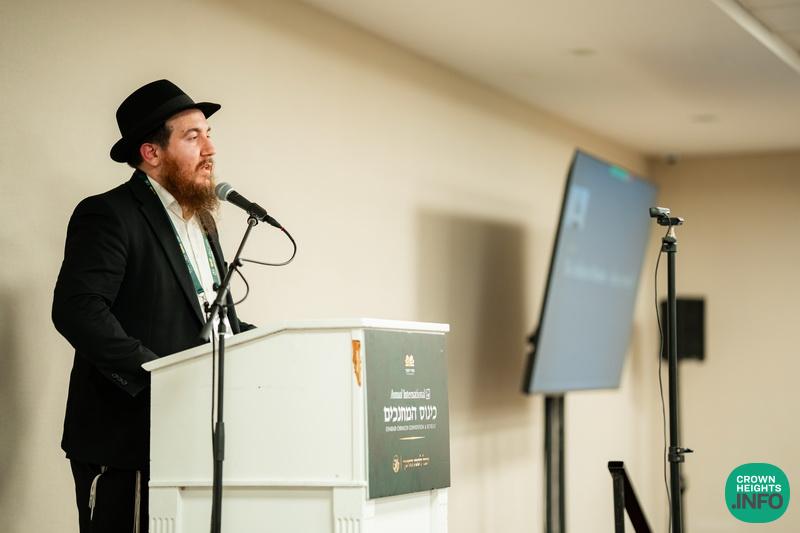
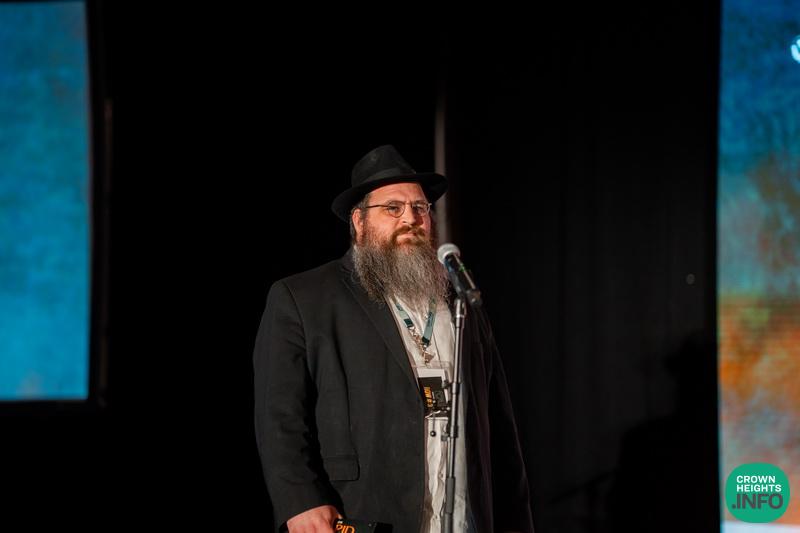
Moderated by Rabbi Mendel Majesky, a teacher at Cheder Menachem Kingston, the discussion featured the Vaad Hachinuch of the Merkos Chinuch Office: Rabbi Shmuly Avtzon of Sichos in English; Rabbi Mendel Blau, Rosh Mosad of Oholei Torah; Rabbi Boruch Hertz, Rav of the Chabad community of Chicago and Dean of Lubavitch Girls High School; and Rabbi Zalman Leib Markowitz, Educational Consultant.
The conversation touched on standards and acceptance, firmness and warmth, inspiring a geshmak in davening and Torah learning, technology, bullying, middos, hiskashrus, and the challenge of reaching the wide range of talmidim found in every classroom.
The afternoon sessions continued that conversation by focusing on several realities mechanchim and school leaders are confronting today.
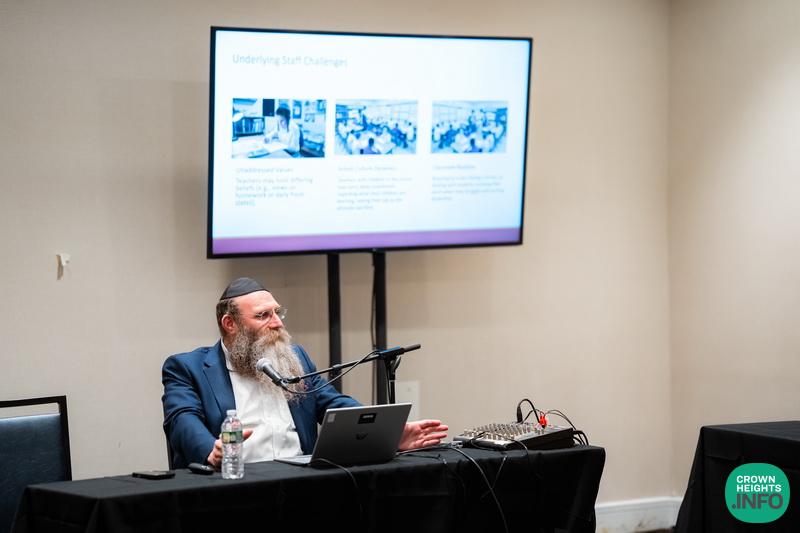
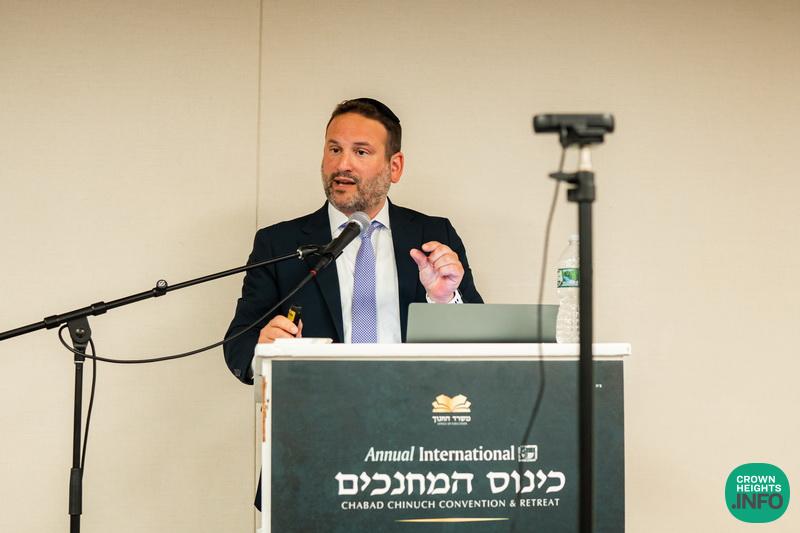
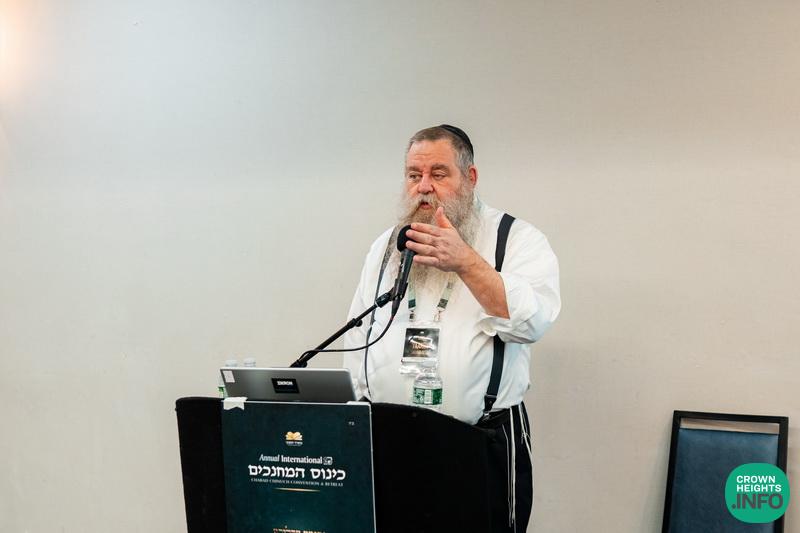
Rabbi Avi Landa, Director of Education at Amudim and Director of the Landa Counseling Center, addressed ADHD and Anxiety in the Classroom: Understanding and Supporting Your Students. The session helped educators better understand what may be taking place beneath a talmid’s academic, emotional, or behavioral struggles.
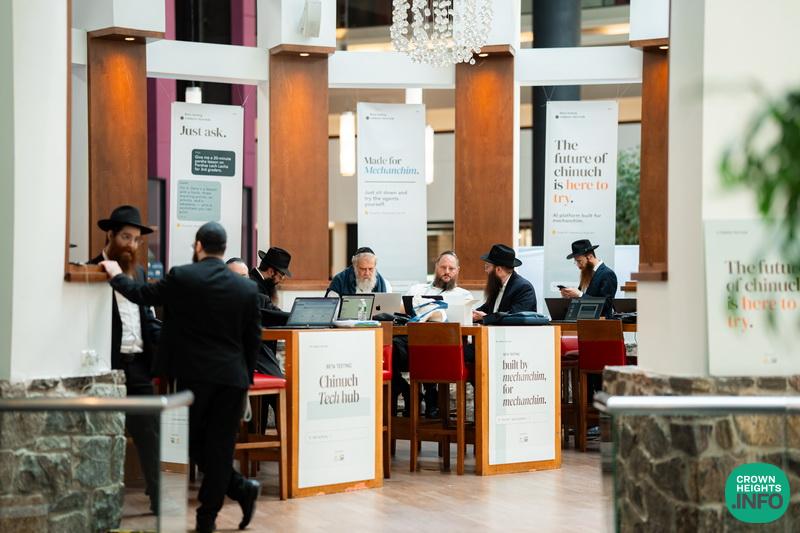
Rabbi Shloimy Sternberg, Menahel of Tomchei Temimim Chovevei Torah, led Kedusha and Technology: Practical Challenges, Policies and Solutions, addressing the reality of devices and internet access and the need for schools to respond with clarity, consistency, and practical direction.
For classroom educators, Rabbi Yaakov Sheinberger, Dean of Judaic Studies at Lubavitch Hebrew Academy, presented Teaching Every Learner: Mastering Differentiation in Today’s Classroom. The session focused on building lessons that can challenge stronger students while ensuring that those who struggle remain involved and continue to grow.
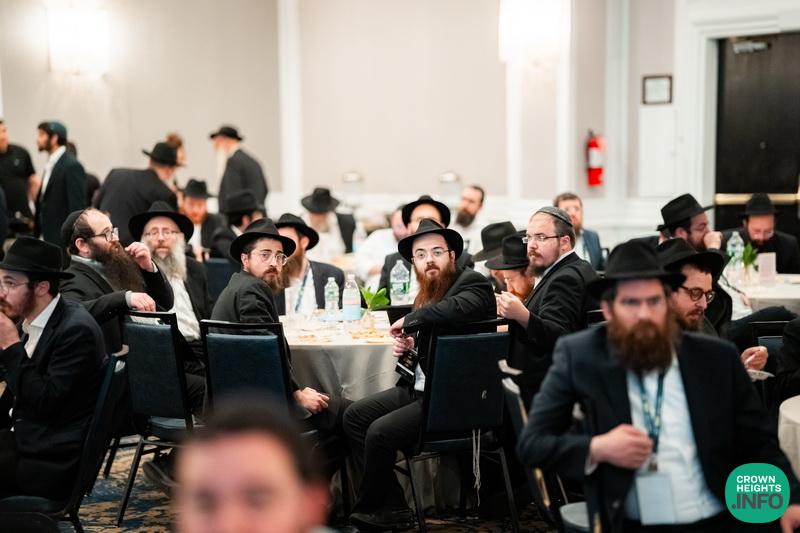
“Throughout the year everyone operates in their own world and in their own specific roles, so being able to exchange different perspectives and mindsets was invaluable,” said Rabbi Moishy Shapiro, Director of Development at Oholei Torah. “It was powerful to feel that sense of camaraderie and realize we’re all navigating the same challenges. Seeing such capable people working to help one another gives you a real sense of excitement for the future.”
Together, the Rapid Fire discussion and final sessions brought the larger message of the Kinus into focus. Chinuch involves strong curriculum, effective systems, professional tools, thoughtful policies, and practical strategies. But each of those must ultimately serve the same purpose: helping every talmid grow in his learning, his Yiddishkeit, his middos, and his connection to the Rebbe.
Photo Credit: Sholem Srugo/Chinuch Office