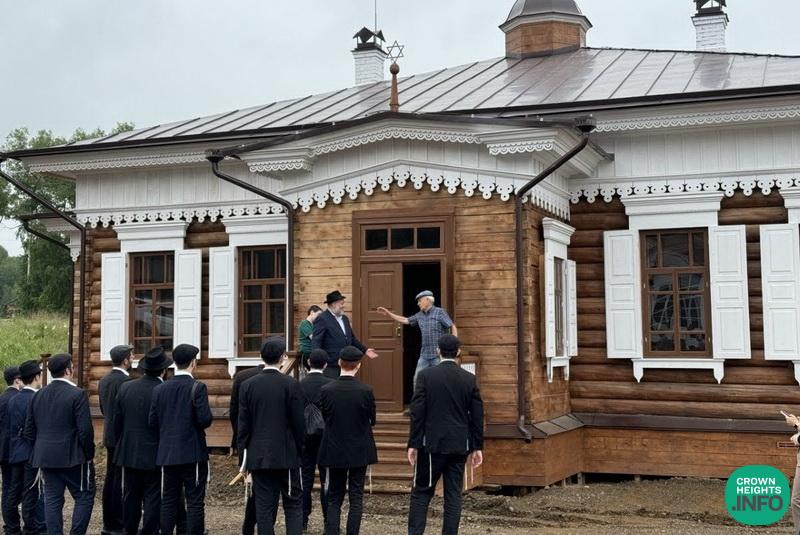



Breathtaking Historical Reconstruction of Ancient Synagogue in Siberia
In the vast expanses of Siberia, where wild landscapes stretch to the edge of the horizon near Lake Baikal, lies a glorious history of vibrant Jewish life that found its place at the edge of the world. These days, during the summer season, as hundreds of thousands of tourists visit the area, a moving Jewish heritage is coming back to life, serving as a silent testimony to the Torah and traditional life of previous generations.
Lake Baikal, north of the Russian-Mongolian border, is a World Heritage Site, being the largest and deepest freshwater lake in the world. The lake is 636 km long, about 80 km wide, and covers an area of approximately 31,500 square kilometers. With a maximum depth of 1,637 meters, it is the deepest lake globally, containing about 22% of the world’s unfrozen surface fresh water.
The lake is surrounded by mountains and is designated as a nature reserve. It contains 22 islands, the largest of which, Olkhon, is 72 km long. Olkhon is the third-largest lake island in the world. Over 300 rivers flow into the lake, and it is drained by the Angara River.
Hundreds of thousands of tourists visit the region across all seasons, including during Siberia’s harsh winter months, and are amazed by the great lake where water flows alongside the surrounding snow.
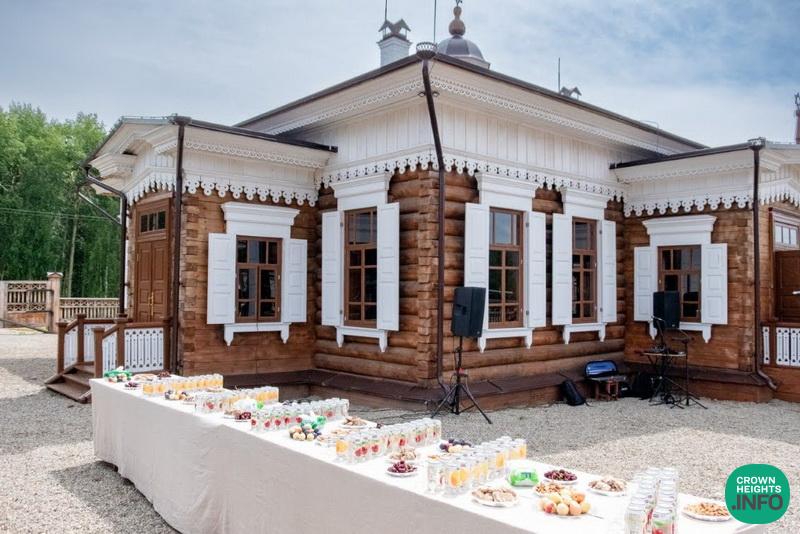
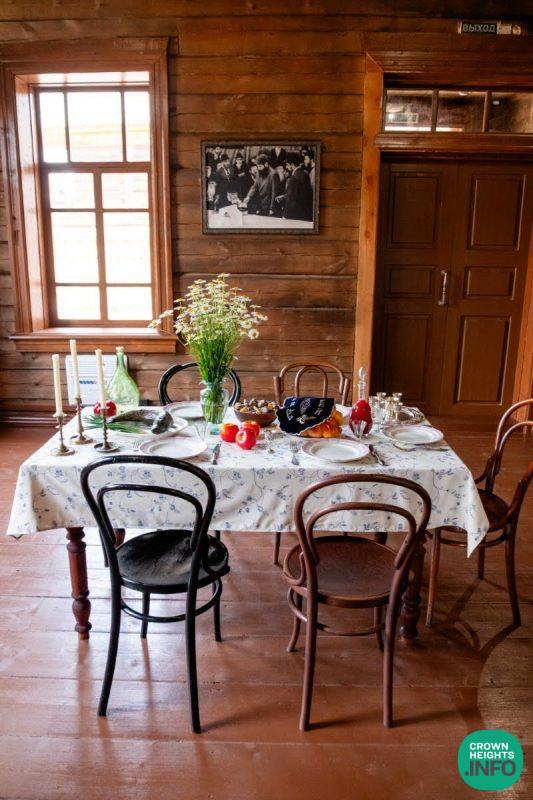
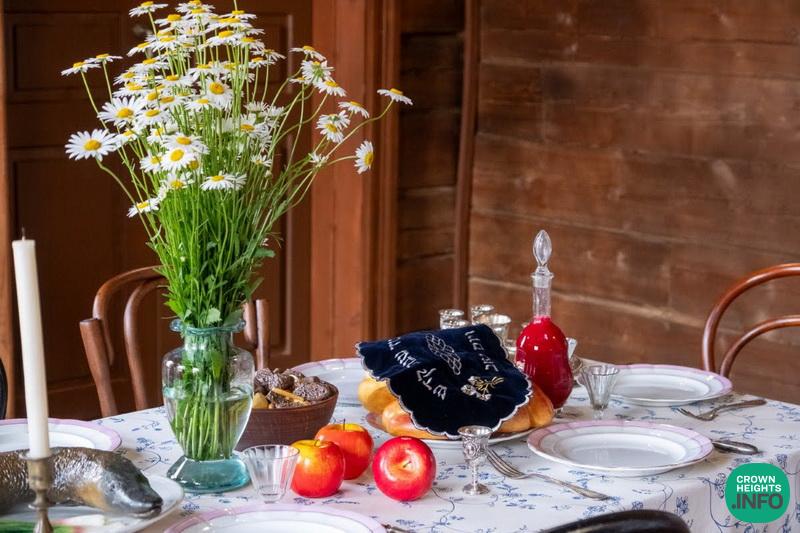
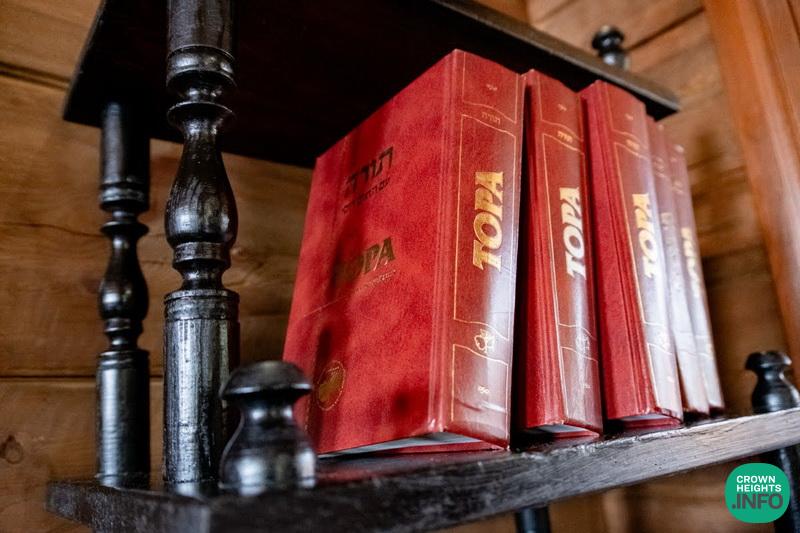
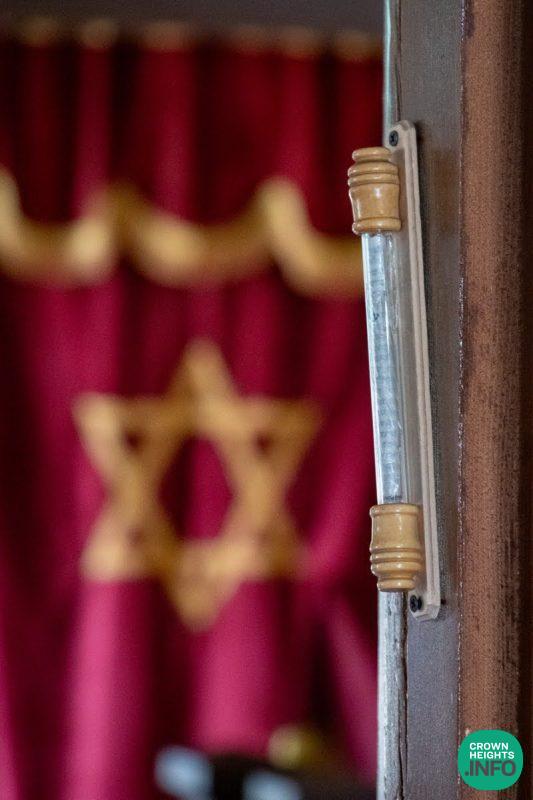
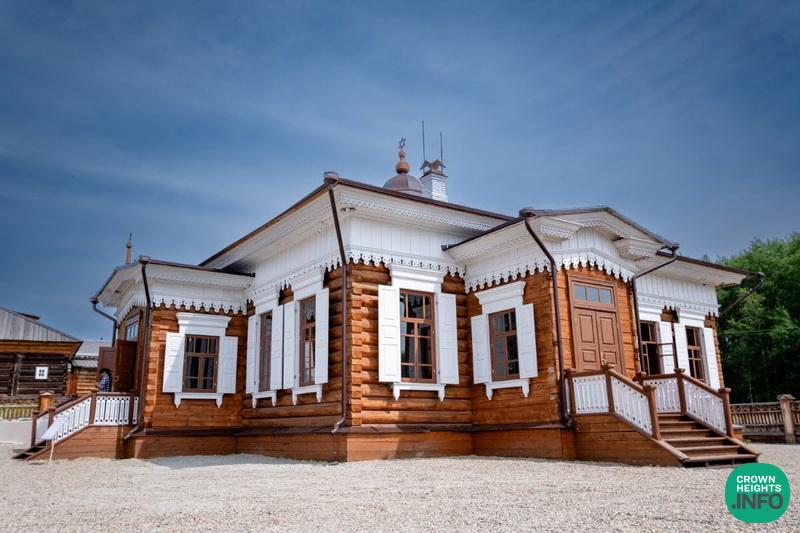
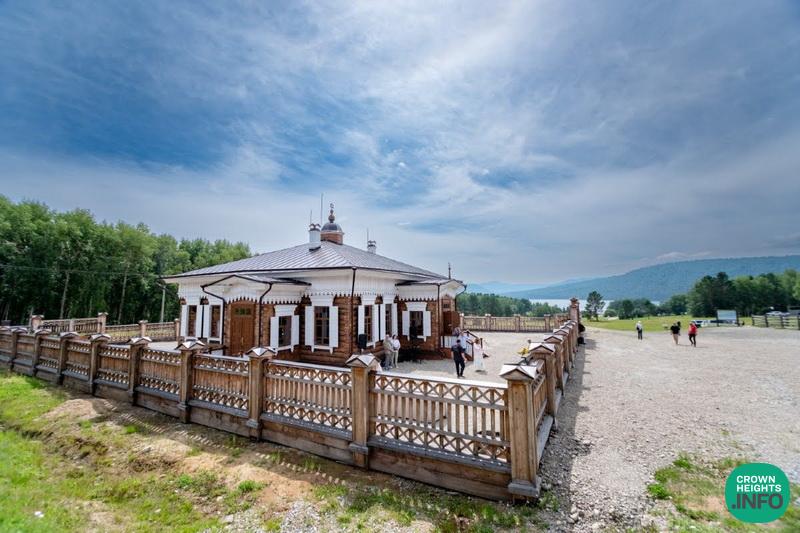
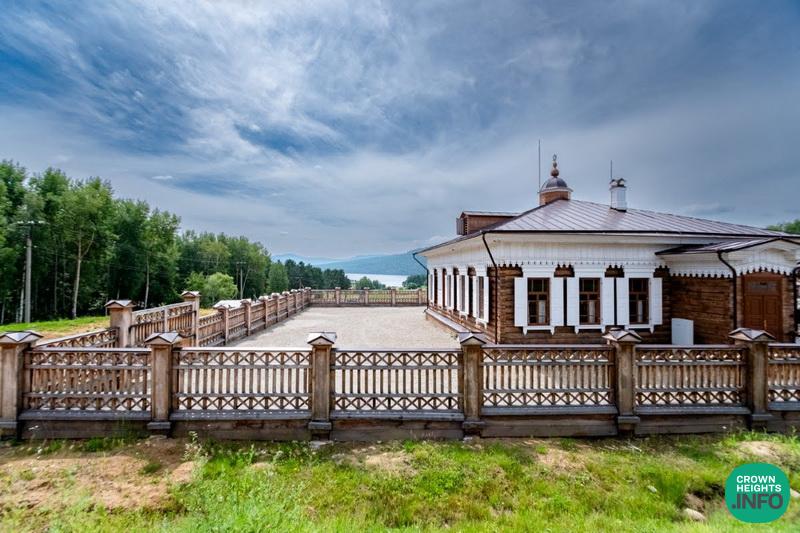
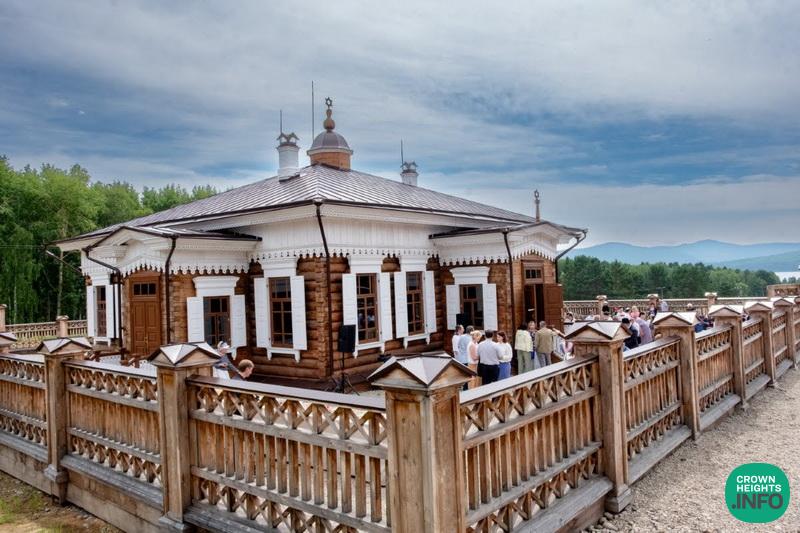
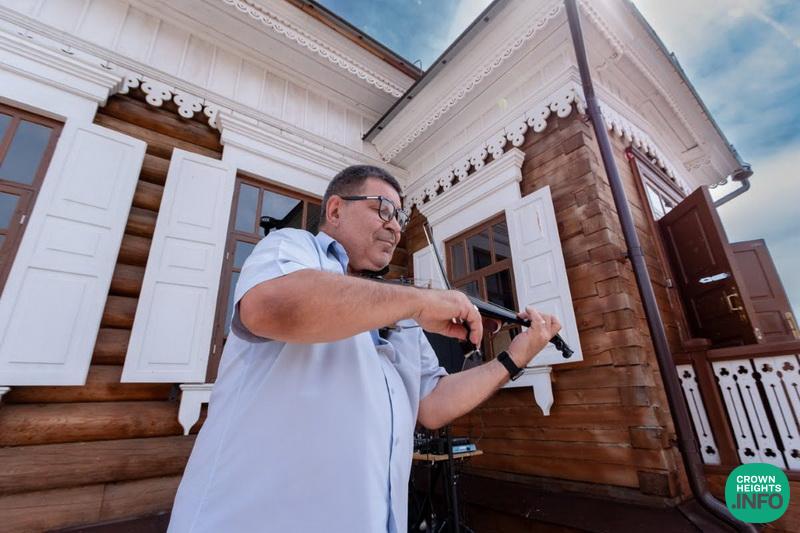
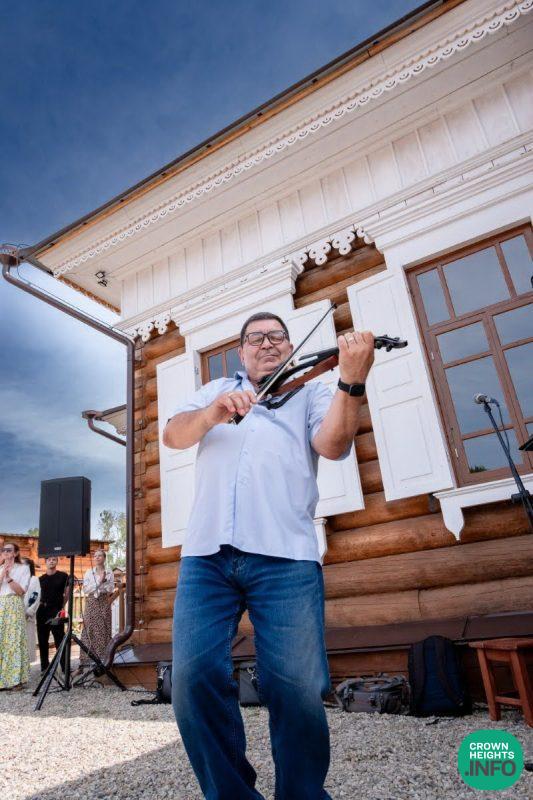
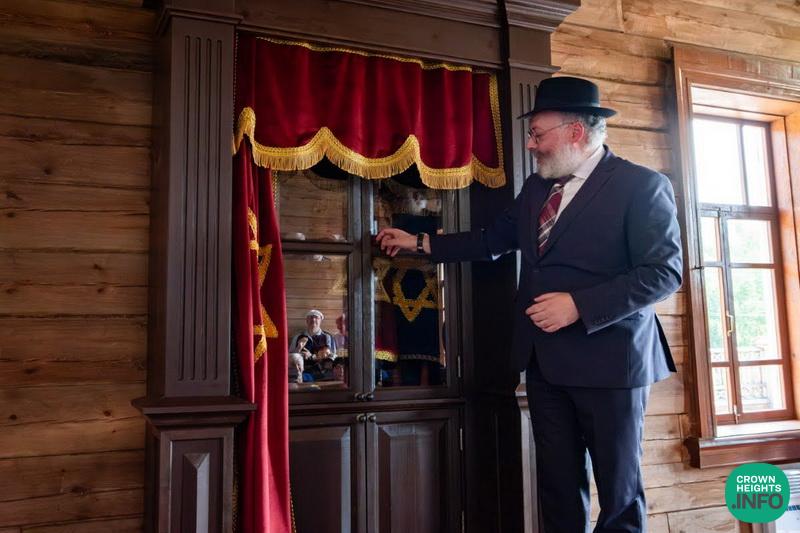
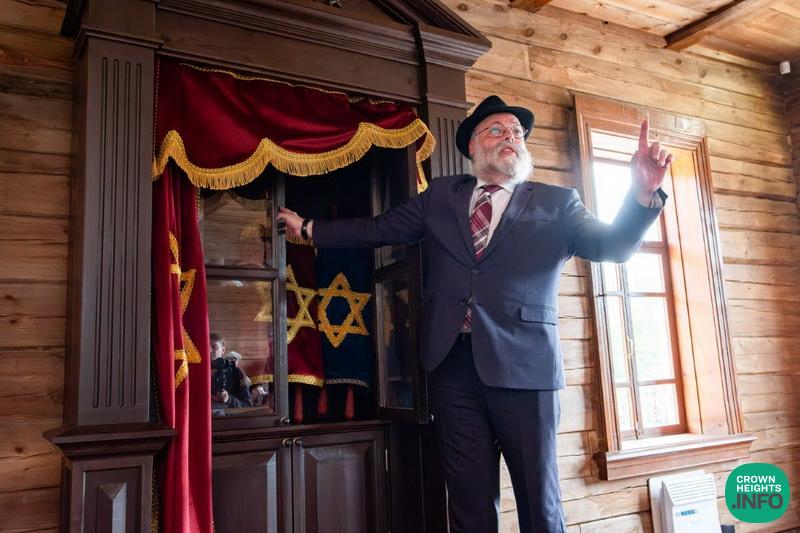
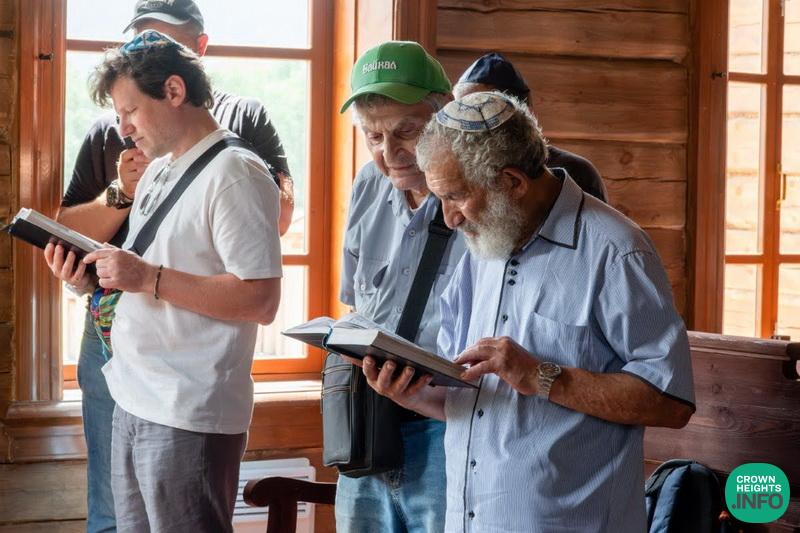
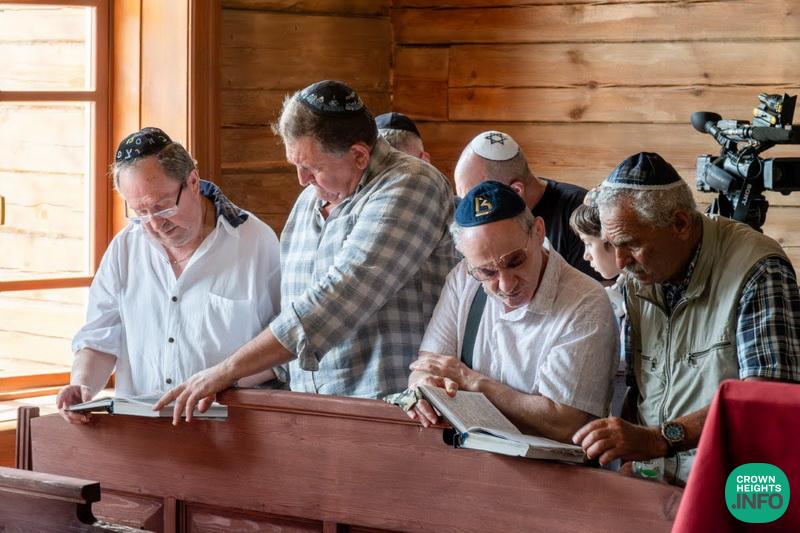
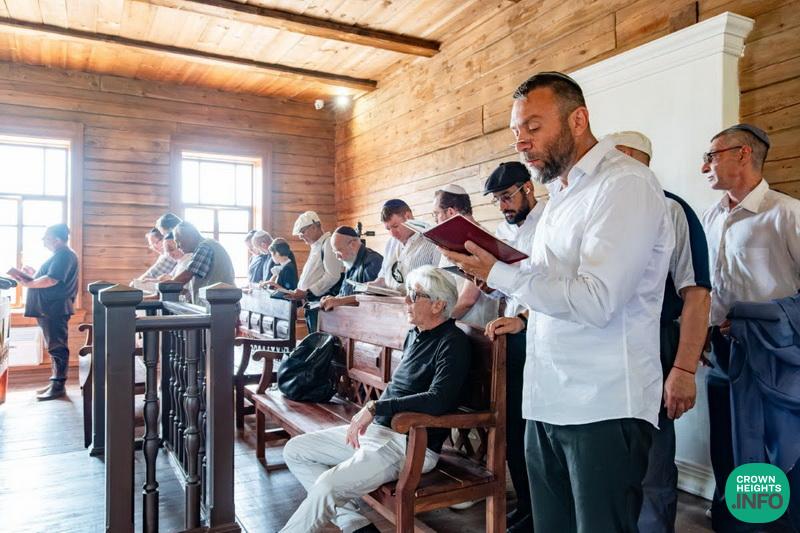
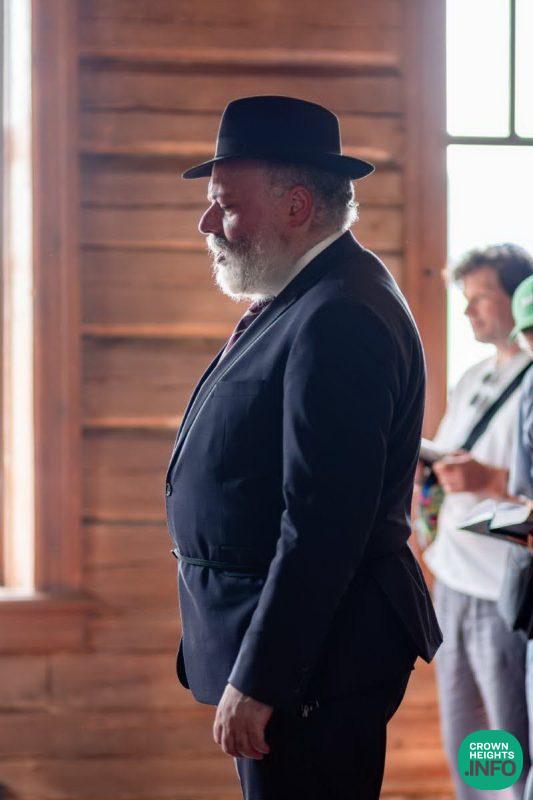
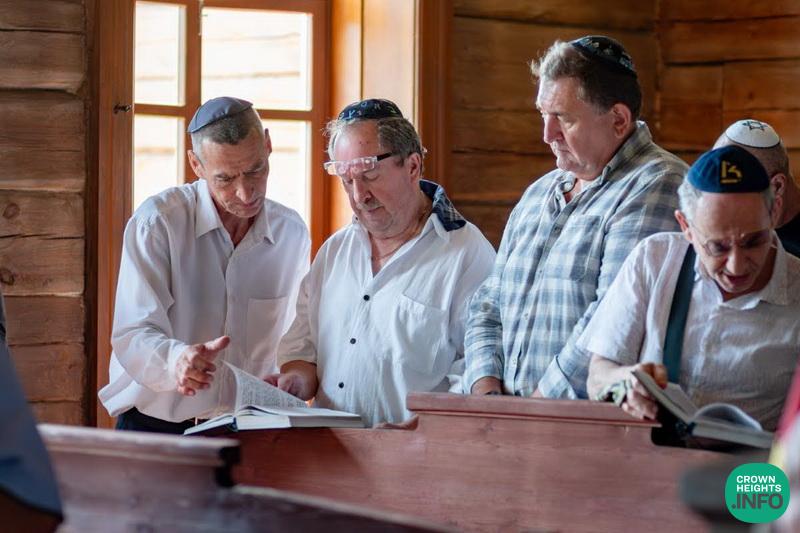
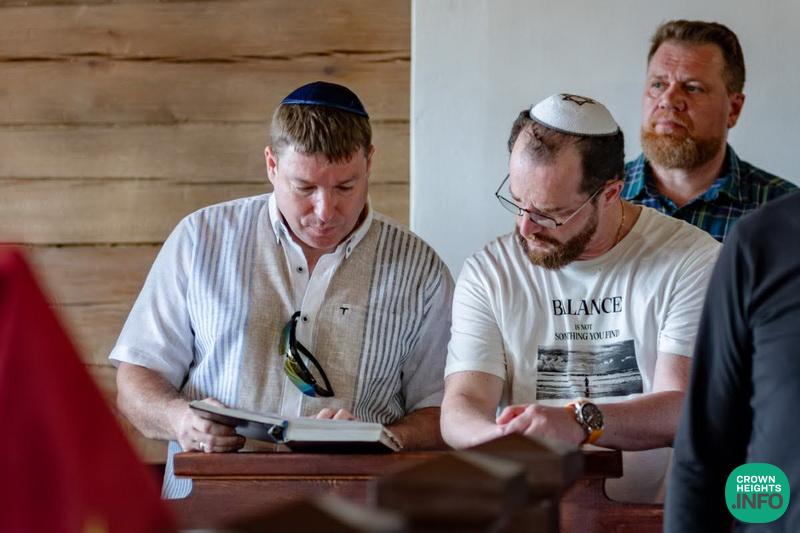
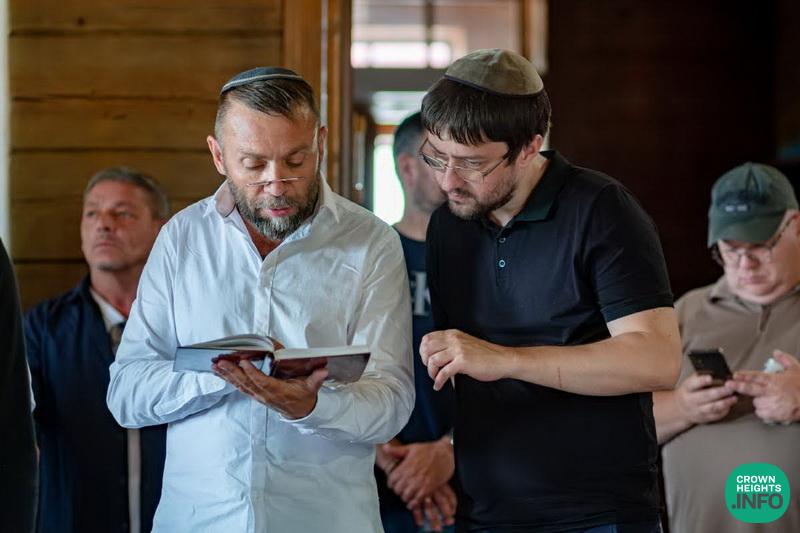
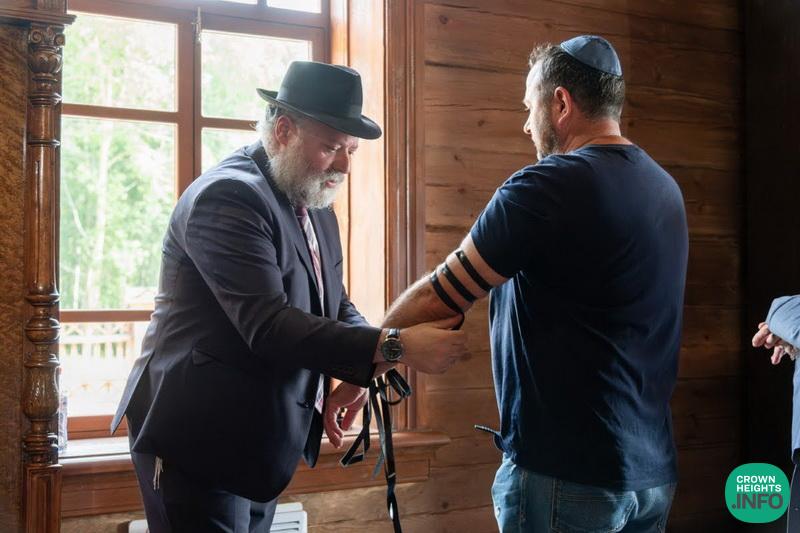
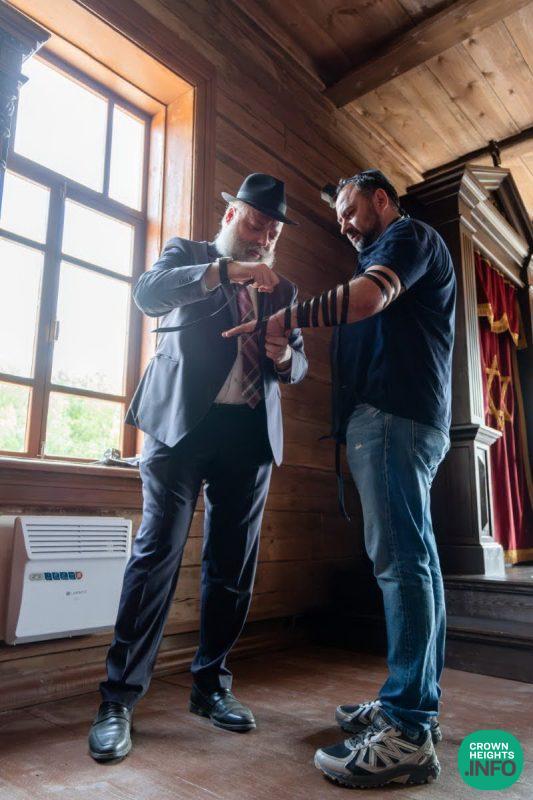
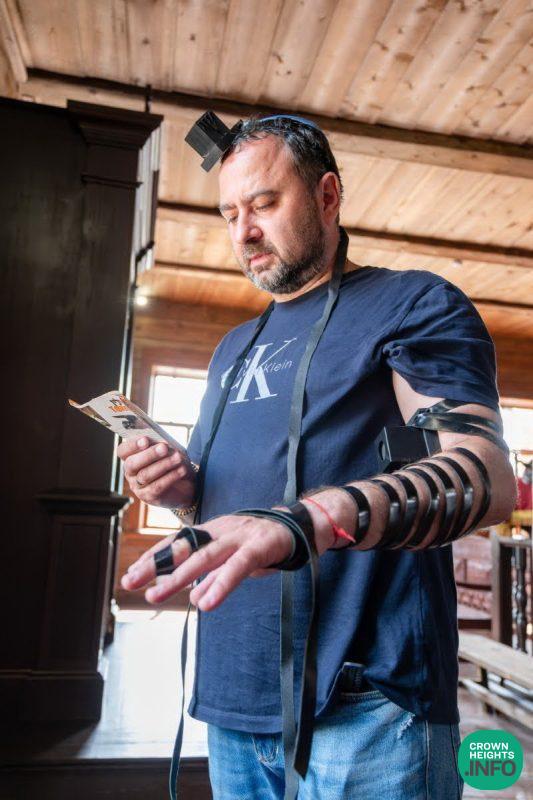
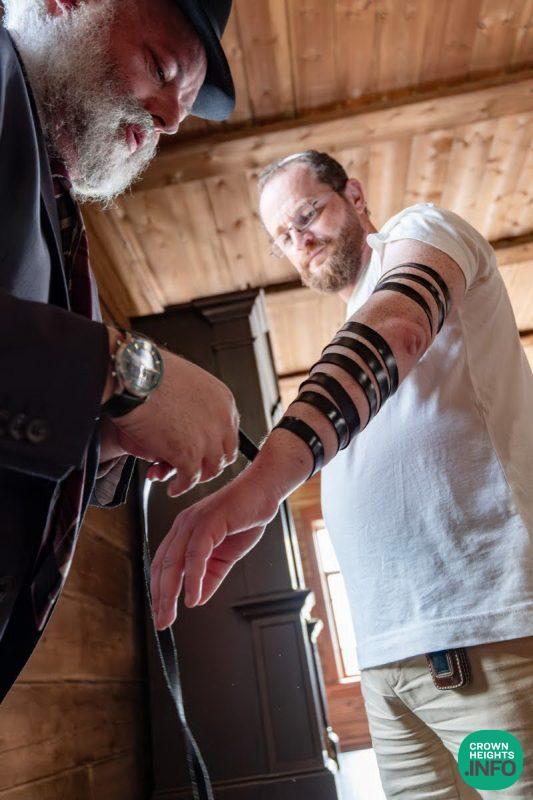
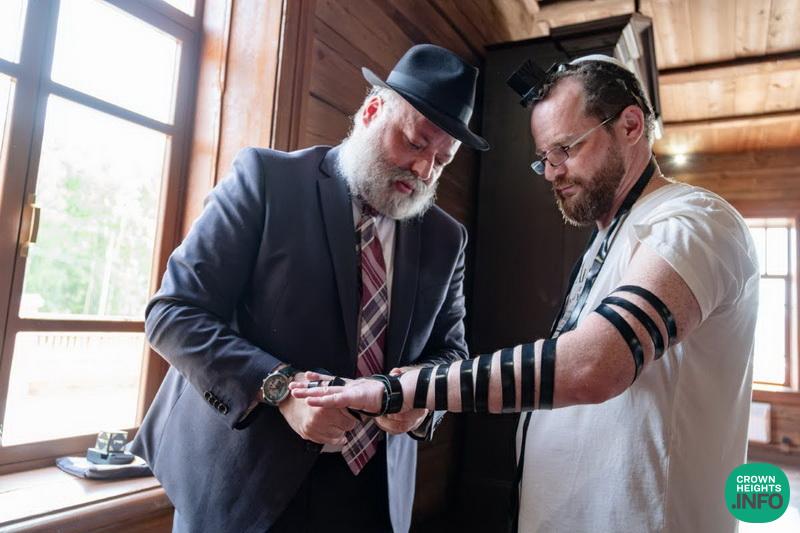
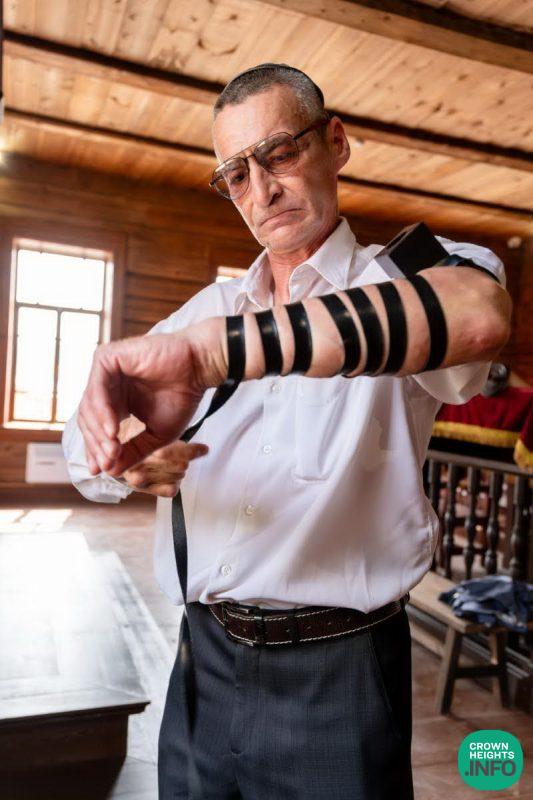
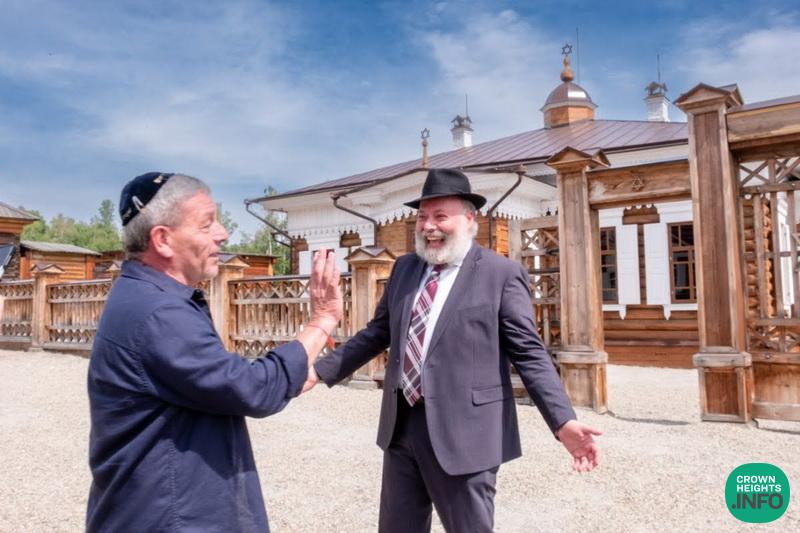
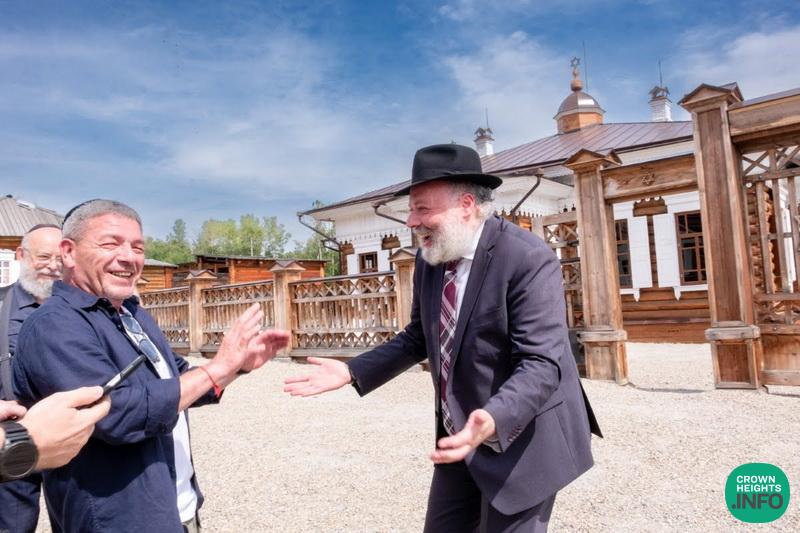
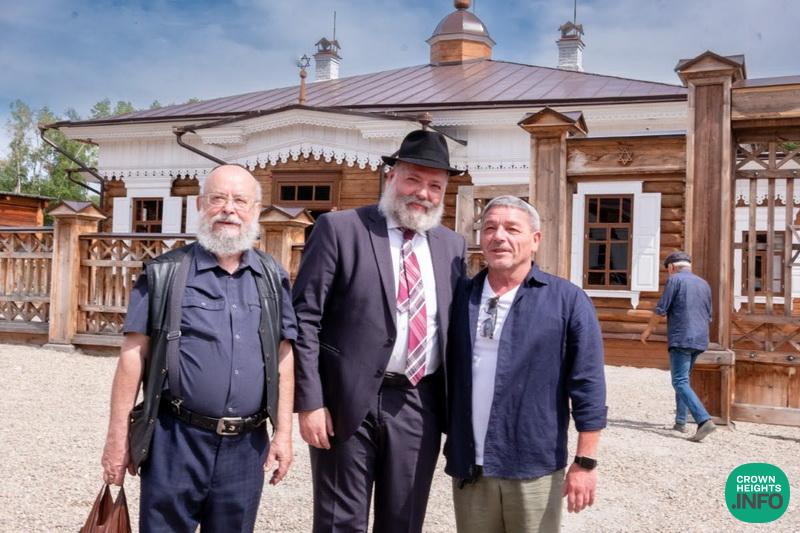
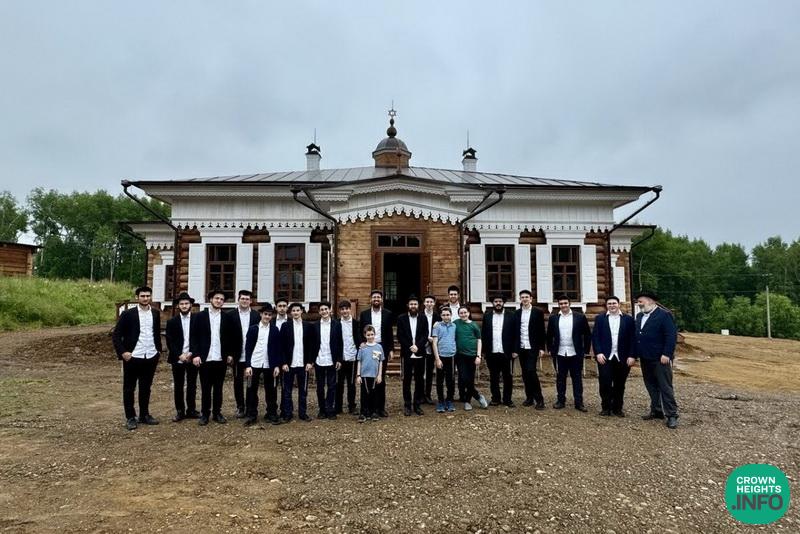
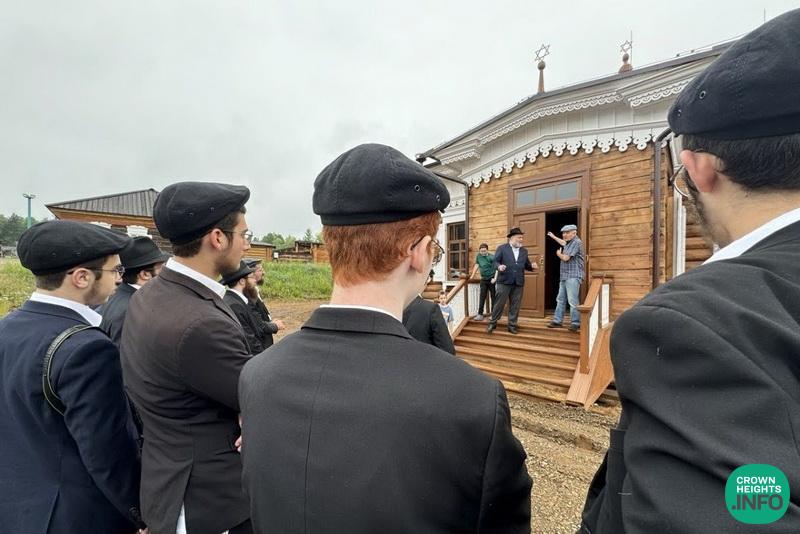
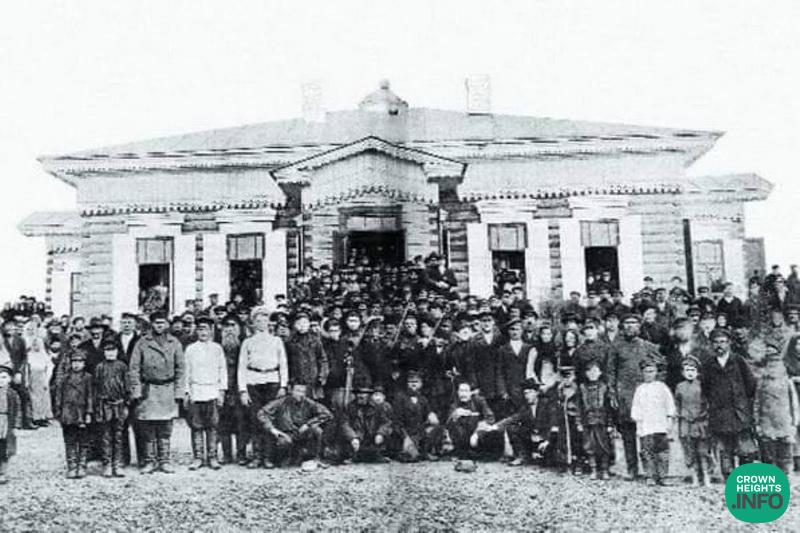
Near this lake lies the “Taltsy” museum, which has invested in a new and unique exhibit: an exact reconstruction of the historic wooden synagogue from the town of Zima. The original building, established in 1905, was the last surviving synagogue of its kind in the region. After it had to be dismantled in 2016 due to its dilapidated condition, museum experts spent about two years painstakingly recreating its exterior appearance, as well as its authentic early 20th-century interior, based on historical photographs and archival documents.
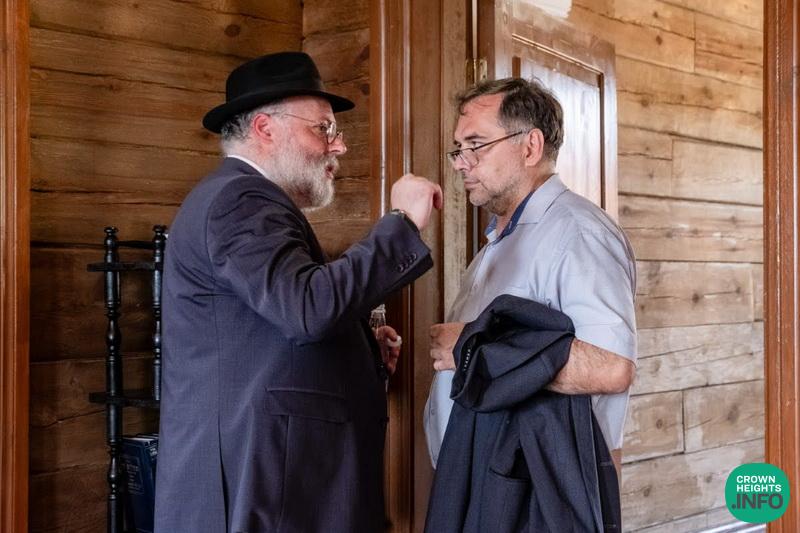
The complex project, funded by state money, required the utmost precision in its details. To this end, the work was carried out with the close accompaniment and consultation of the Rabbi of nearby Irkutsk, the Shliach Rabbi Aharon HaKohen Wagner, together with the heads of the Irkutsk community. All of them operated under the constant guidance and direction of the Chief Rabbi of Russia, Rabbi Berl Lazar, shlita, with the aim that it would also serve the many Jews visiting the nearby lake. Even during construction, many had already visited the site, standing amazed and moved by the breathtaking sight.
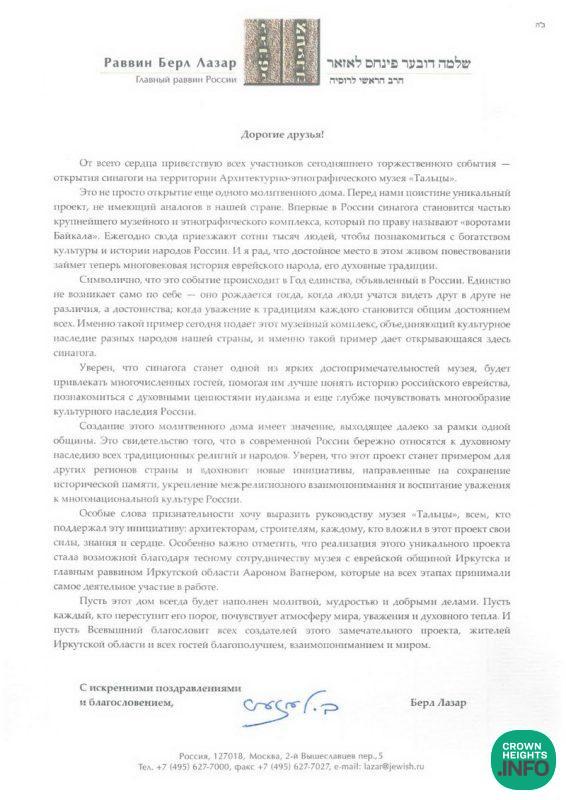
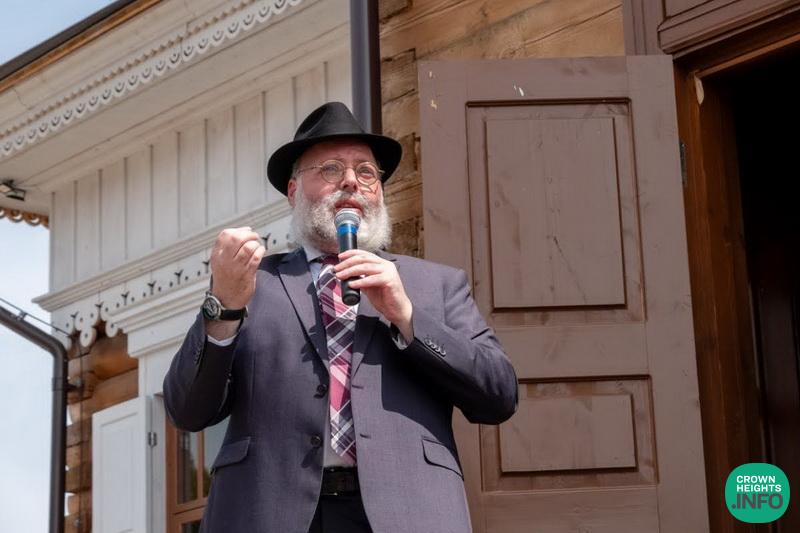
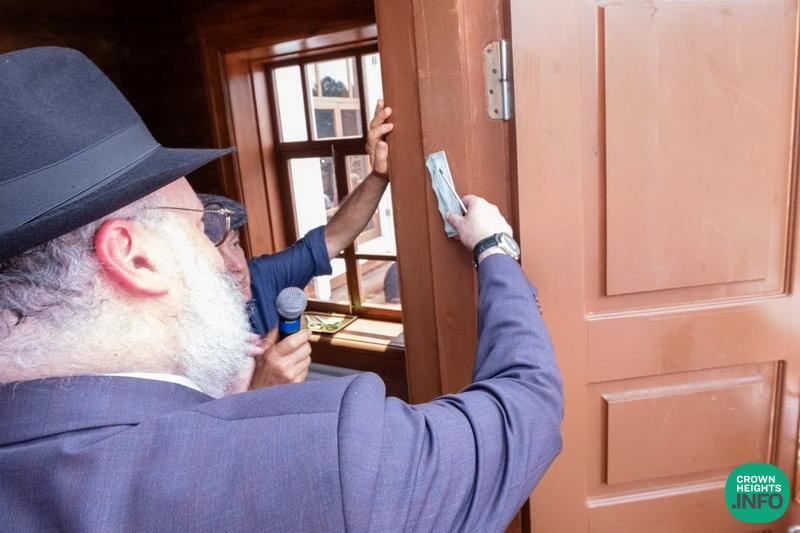
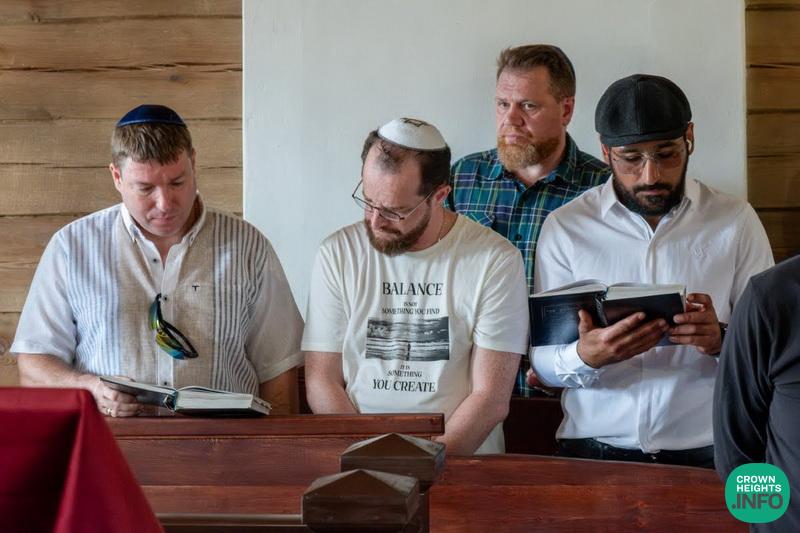
The official opening took place on the 15th of Av (Tu B’Av) and began with the reading of a greeting letter sent by the Chief Rabbi of Russia, which stated in part: “This is not merely the opening of another house of prayer. Before us is a truly unique project, unprecedented in our country. For the first time in Russia, a synagogue is becoming part of a major museum and ethnographic complex, rightfully known as the ‘Gates of Baikal.’ Every year, hundreds of thousands of people visit this place to learn about the cultural and historical wealth of the peoples of Russia. I am glad that a place of honor in this living story will henceforth be dedicated to the long-standing history of the Jewish people and its spiritual traditions. It is symbolic that this event is taking place during the Year of Unity being marked in Russia. Unity does not happen by itself; it develops when people learn to see the virtues in one another rather than the differences, and when respect for every person’s tradition becomes public domain. This complex, which brings together the heritage of the various peoples of our country, provides a shining example of this today, and this is exactly the example radiated by the synagogue opening here. I am confident that the synagogue will become one of the museum’s pearls, attracting many guests and helping them better understand the history of Russian Jewry, learn about the spiritual values of Judaism, and deeply feel the mosaic of Russia’s cultural heritage.
The establishment of this house of prayer carries a significance that goes far beyond the boundaries of a single community. It is a testament to the fact that in modern-day Russia, the spiritual heritage of all religions is treated with respect. I am confident that this project will serve as a role model for other regions as well, inspiring new initiatives to preserve historical memory and strengthen mutual understanding. I would like to express special words of appreciation to the management of the ‘Taltsy’ museum and to everyone who supported this initiative: the architects, the builders, and all who poured their energy and heart into the project. It is especially important to note that the realization of this unique venture was made possible thanks to the close collaboration of the museum with the Jewish community in Irkutsk, and with the Mara D’asra (local Rabbi) Rabbi Aharon HaKohen Wagner, who took a highly active part in all stages of the work. May it be His will that this house always be filled with prayer, wisdom, and good deeds. And may everyone who crosses its threshold feel an atmosphere of peace, respect, and spiritual warmth. May the Holy One, blessed be He, bless all those involved in this wonderful project, the residents of the Irkutsk region, and all the guests with goodness, peace, and understanding.”
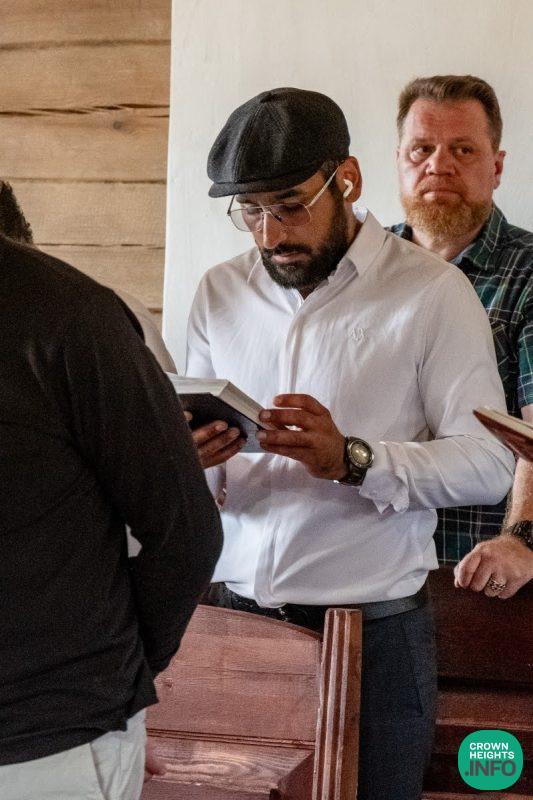
The President of the Federation of Jewish Communities of Russia, Rabbi Alexander Boroda, noted that the exhibit is not just the preservation of an architectural pearl, but a memorialization of the faith and way of life of the Jewish people. He added that the exhibit will help thousands of visitors deeply understand the community’s contribution to the region’s development. The new exhibit is already serving as a beacon of Judaism for hundreds of thousands of visitors, with the hope that projects of this kind will continue to empower and enhance the prosperity of Jewish communities across the country.
Photo: Community Spokesperson