


In the Light of Petersburg’s White Nights: The Kinus Hashluchim of Russia’s Rabbis Captivated the Great City at a Pinnacle of Strength and Innovation
There are places in the world where history is not merely a distant memory, but a blazing fire that can be felt in the air. The city of Petersburg (formerly ‘Leningrad’), the imperial capital of Russia, is one such place. Here, among the magnificent palaces and wide rivers, the most harrowing chapters in the history of Russian Jewry, and of Chabad Chassidus in particular, were written in tears, blood, and supreme mesiras nefesh.
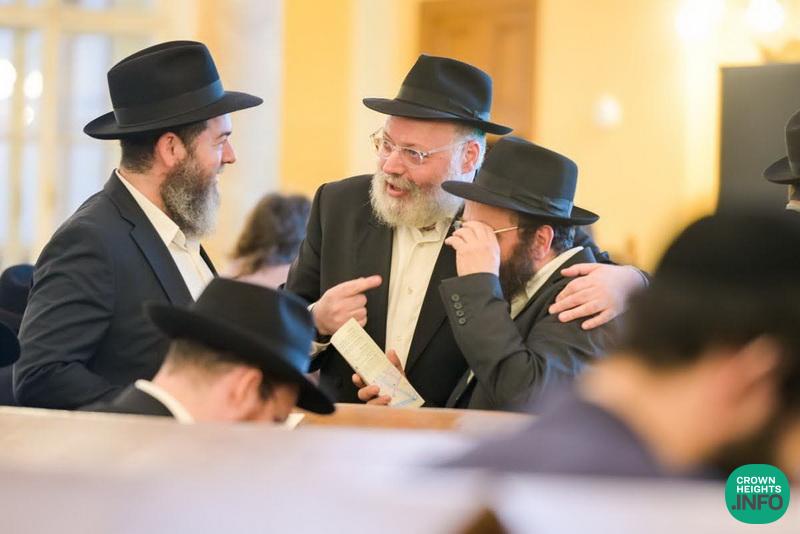
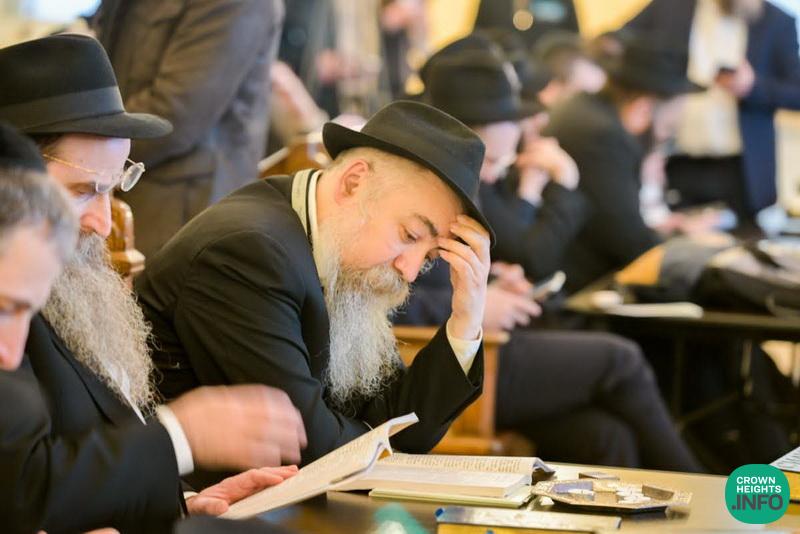
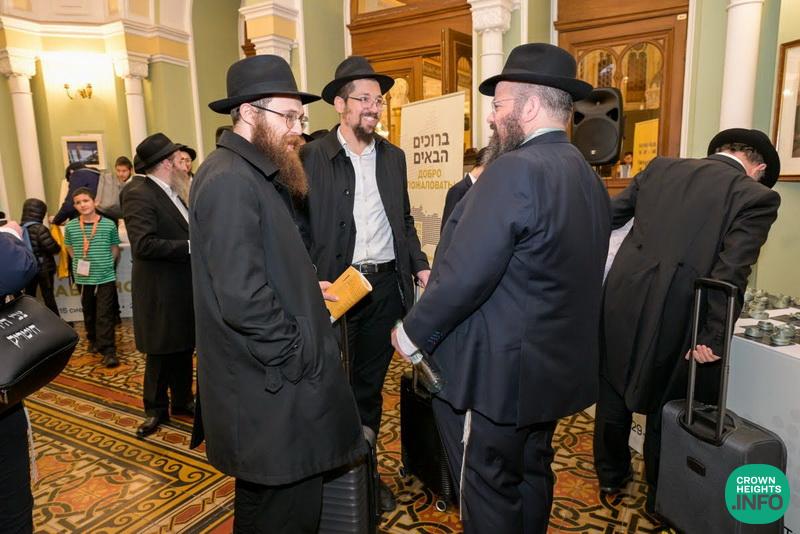
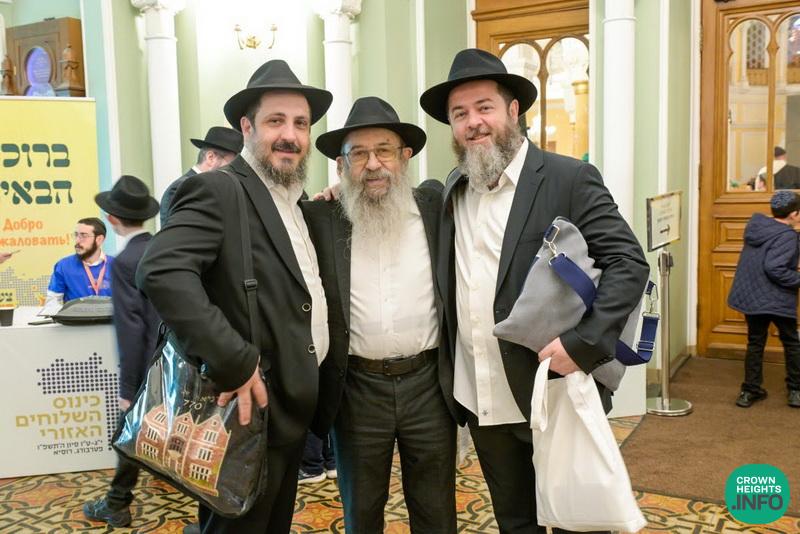
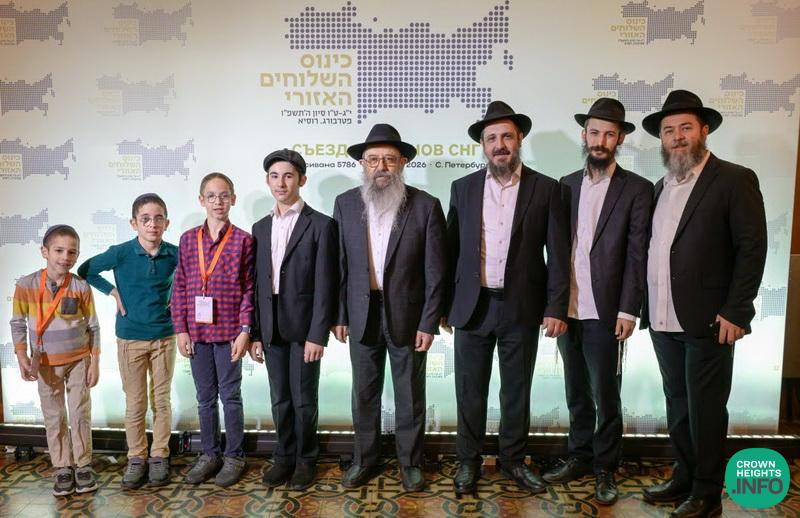
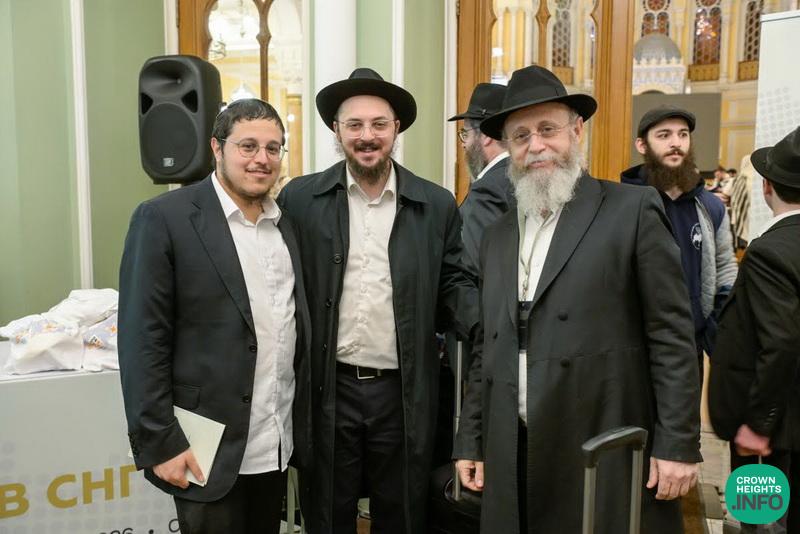
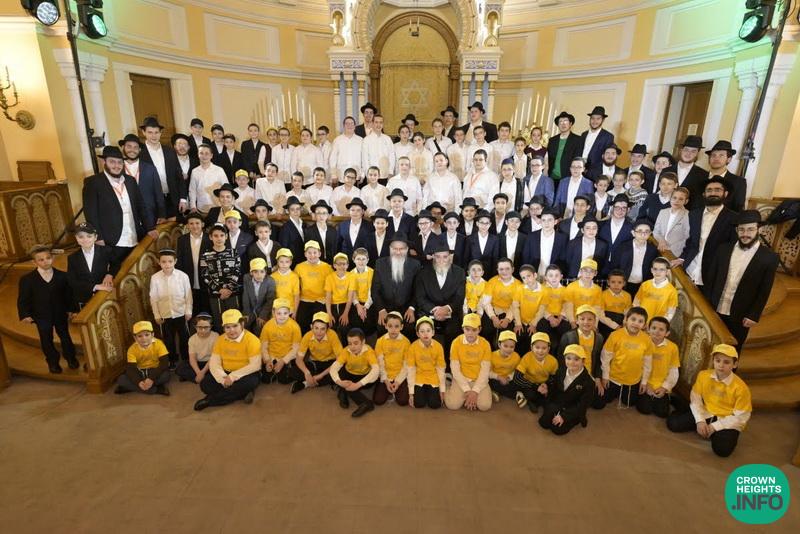
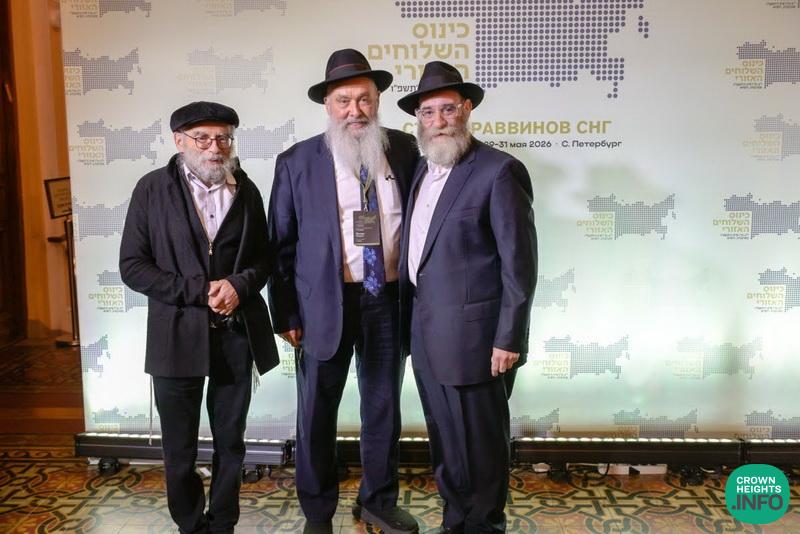
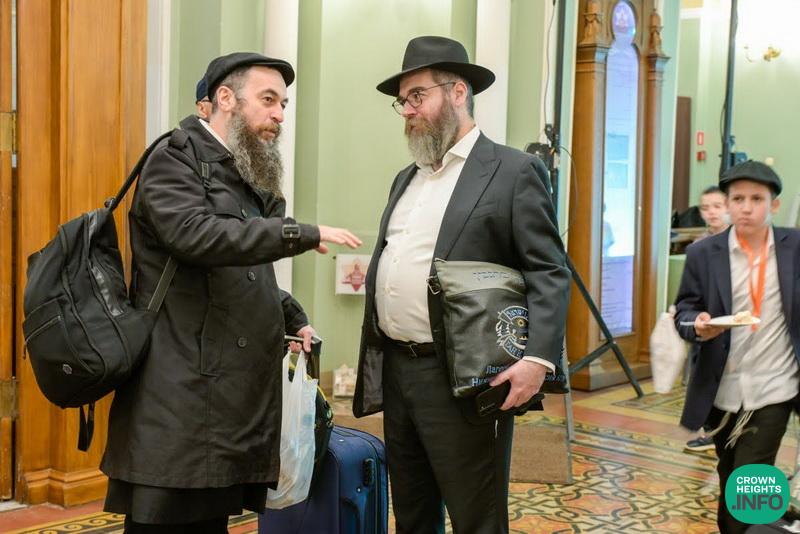
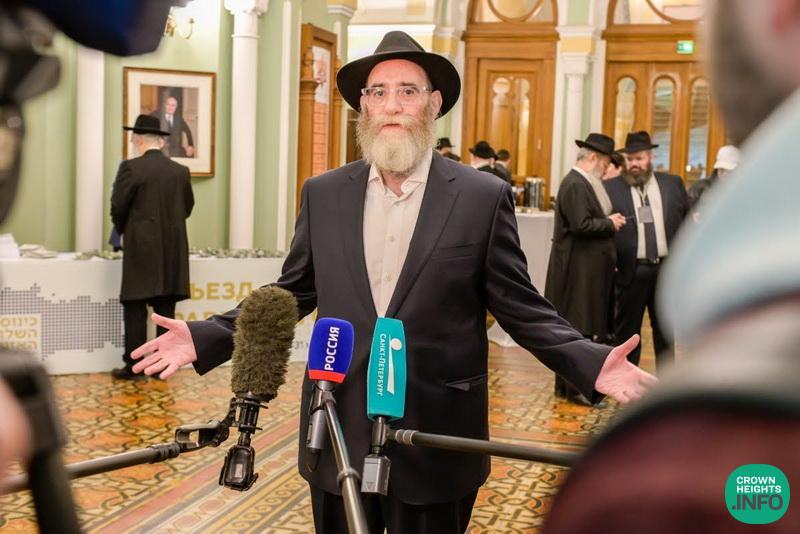
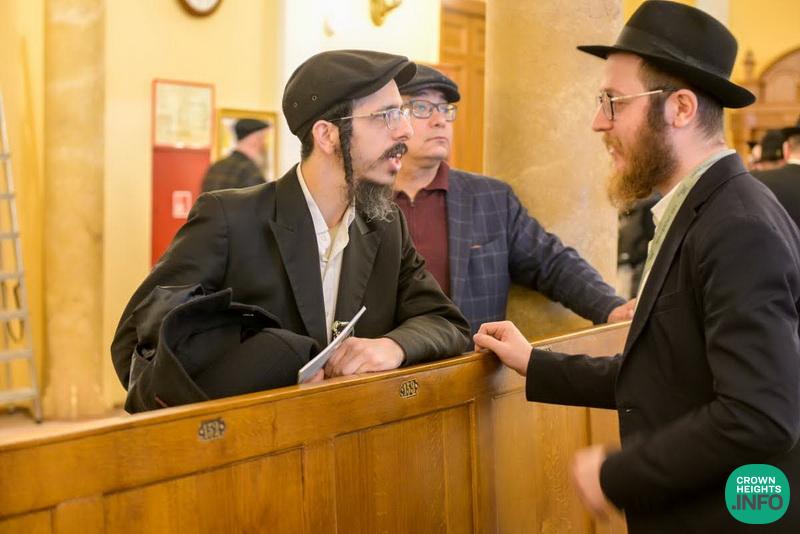
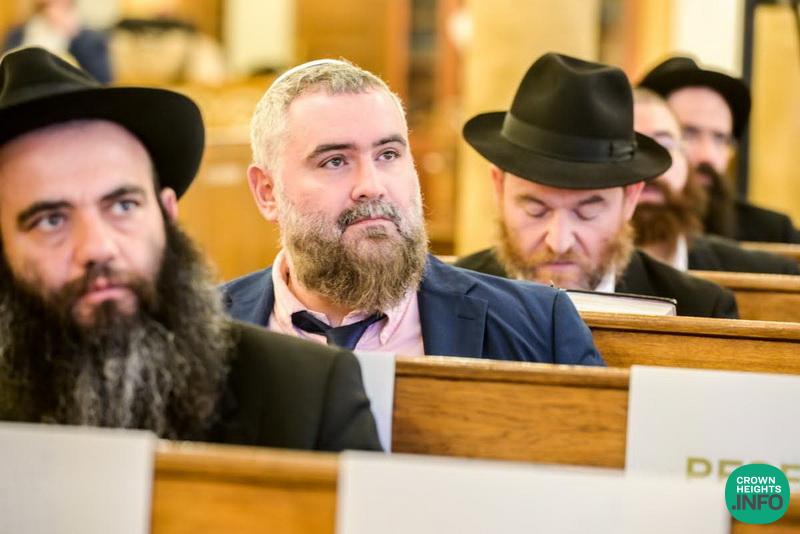
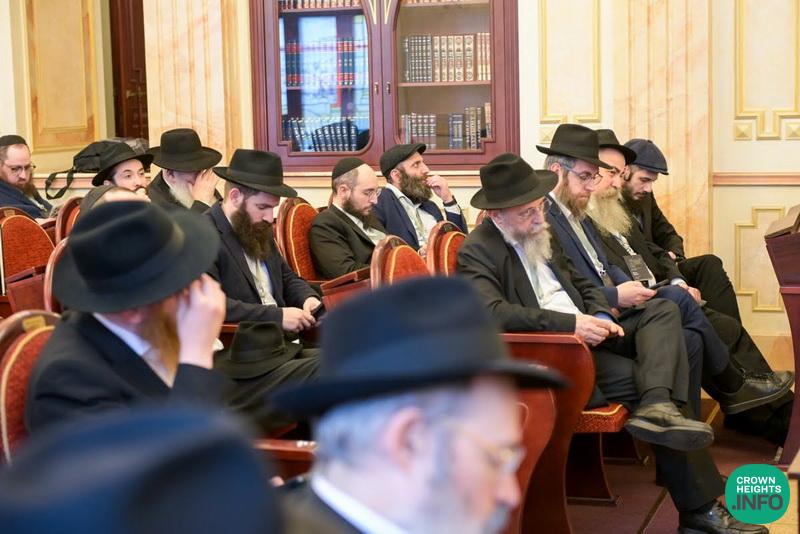
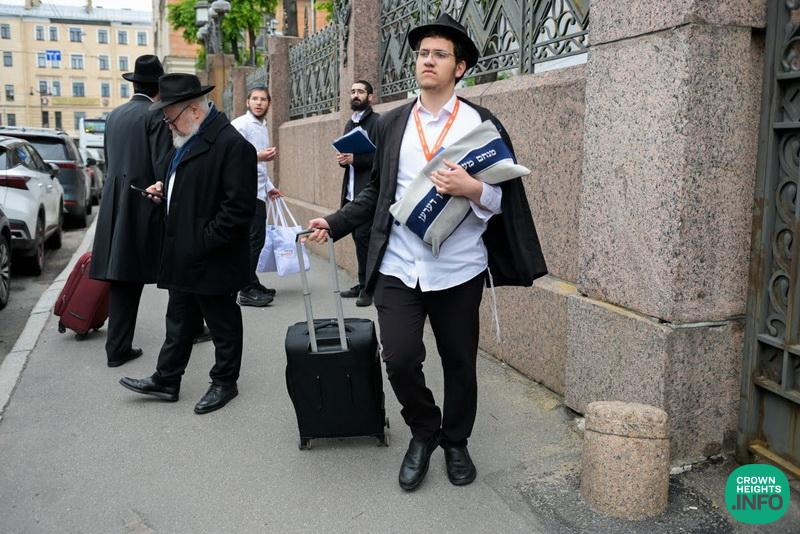
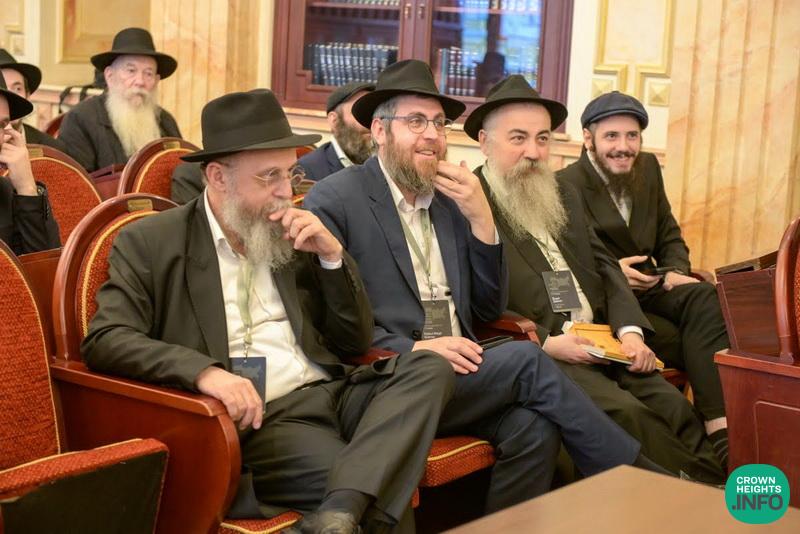
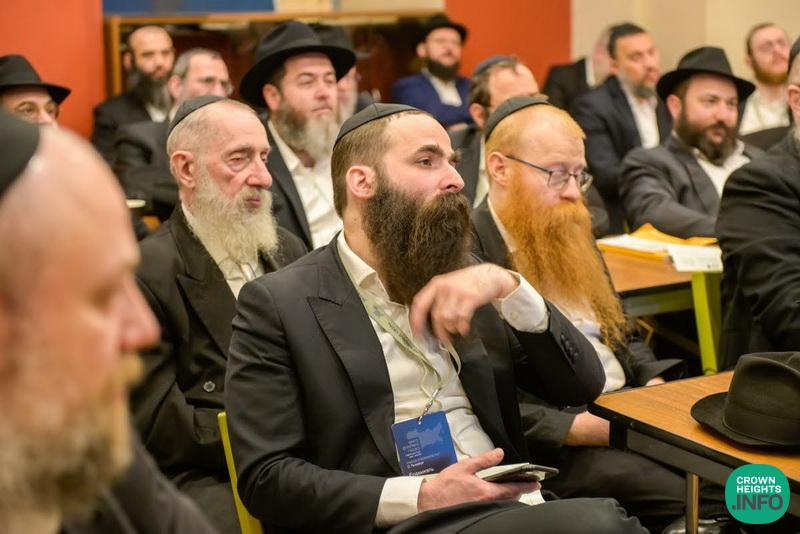
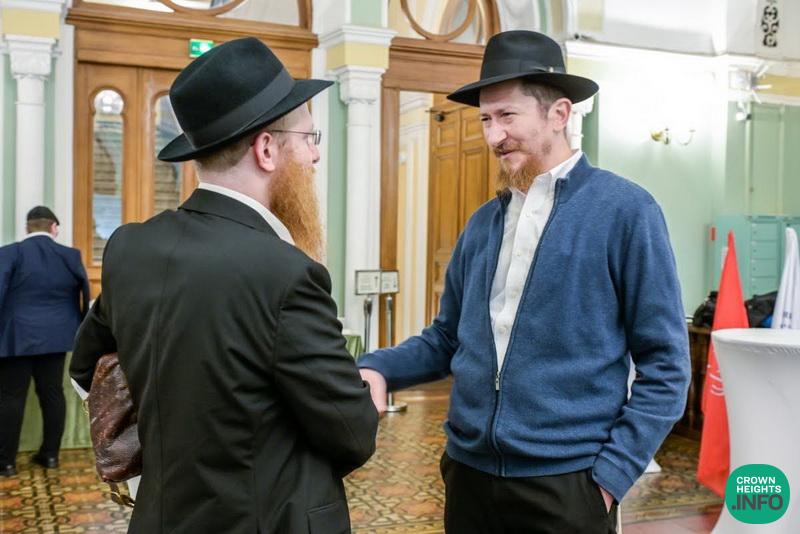
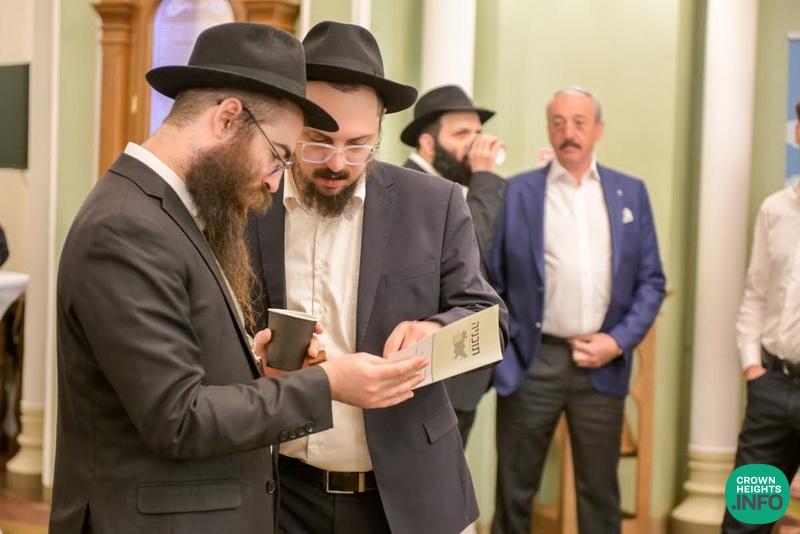
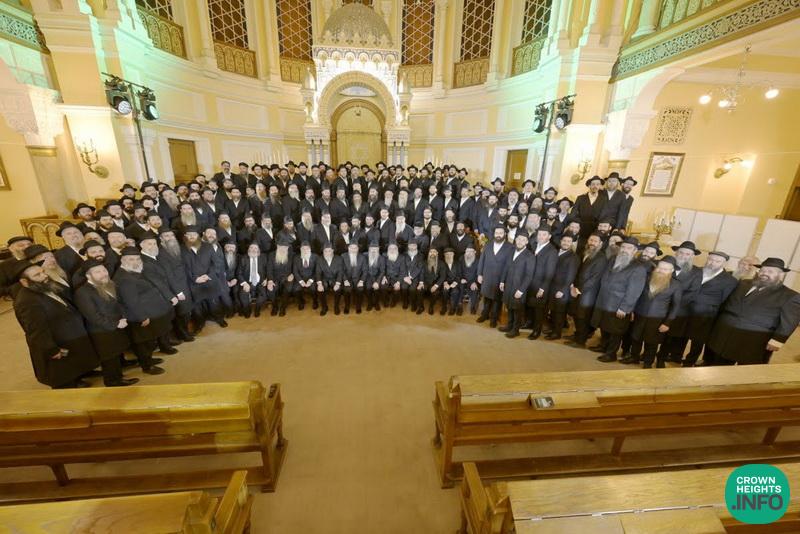
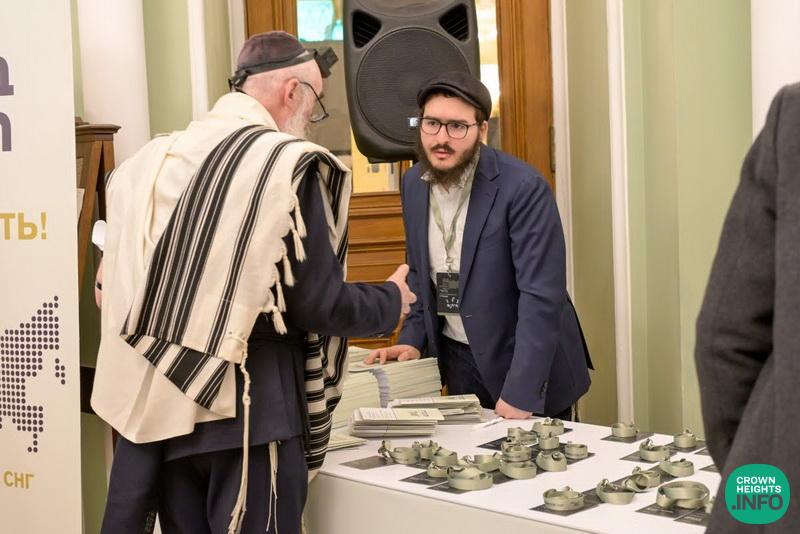
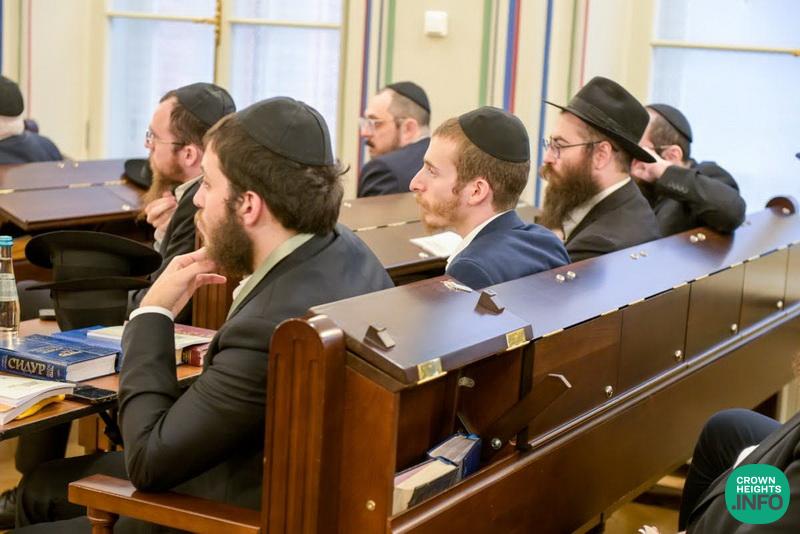
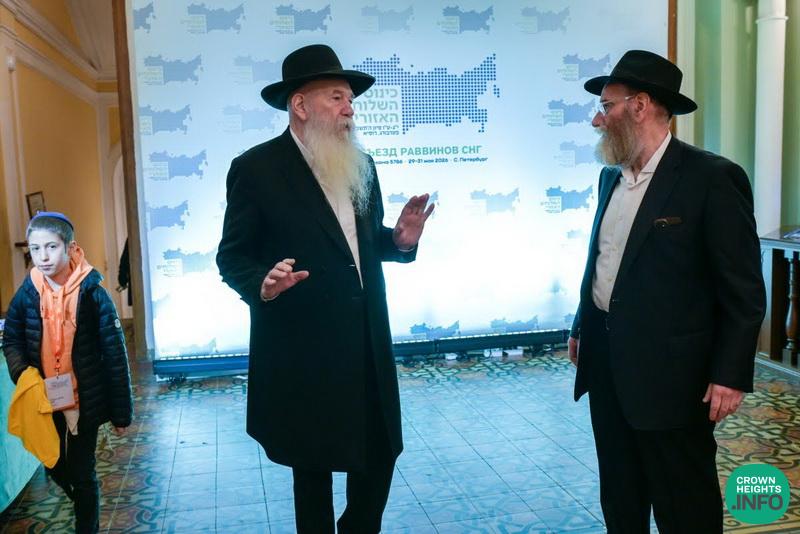
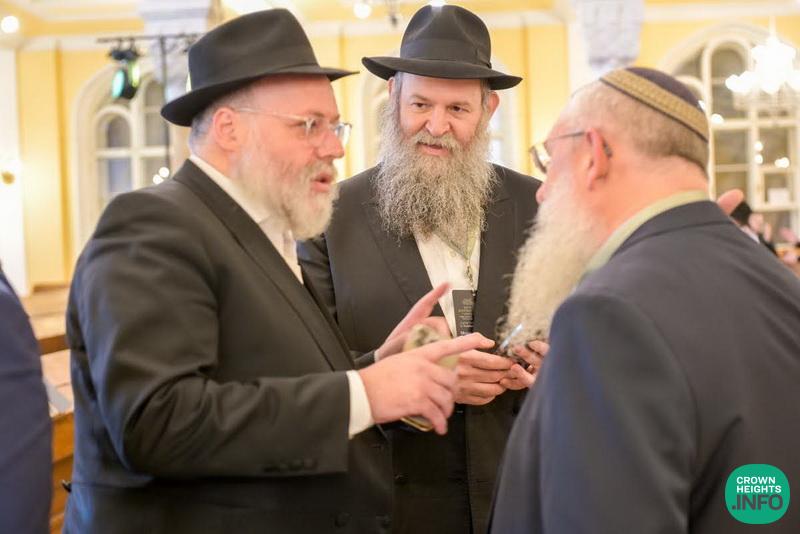
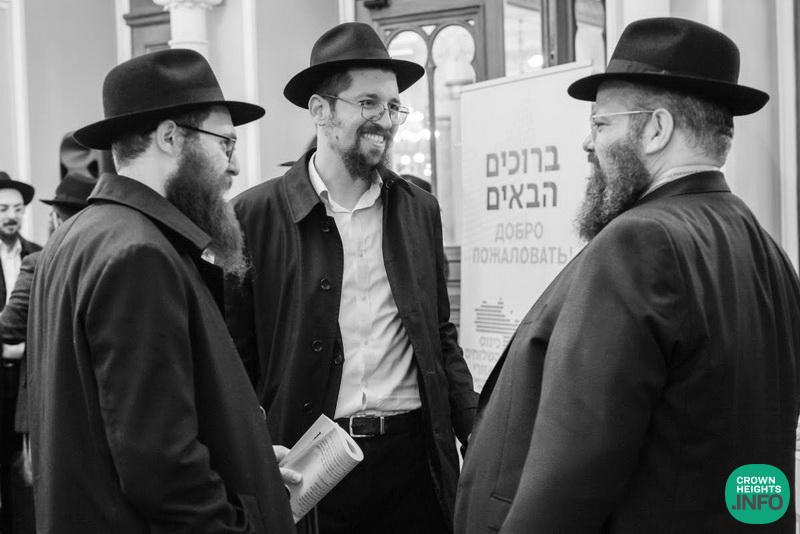
This past Shabbat, the city experienced an extraordinary event as some two hundred city rabbis and Chabad shluchim from all across Russia and the former CIS countries gathered for the regional “Kinus Hashluchim.” They did not arrive here as persecuted individuals or prisoners of the state, but as proud leaders, bearers of the torch of light, under the banner of “Shevet Achim Gam Yachad” (brethren dwelling together). The goal of the convention was clear: team building, strengthening, and providing spiritual and practical tools to continue their holy work with strength and Jewish pride, in direct continuation of that same mesiras nefesh of previous generations.
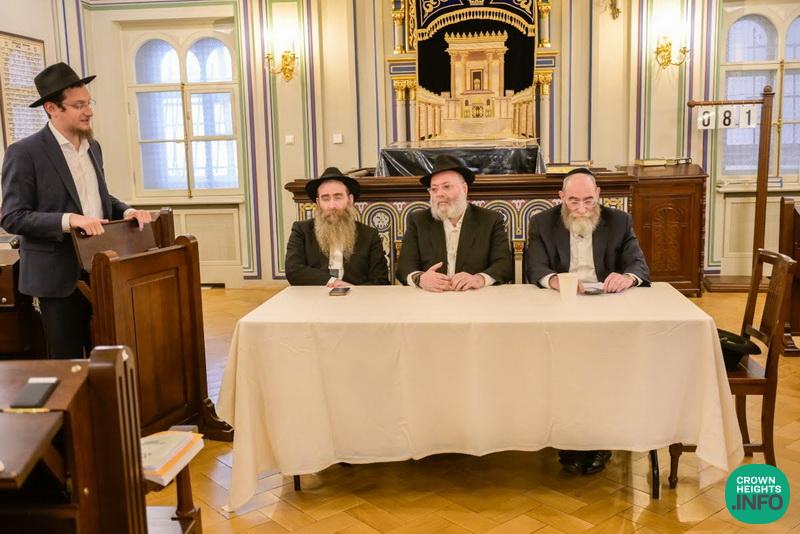
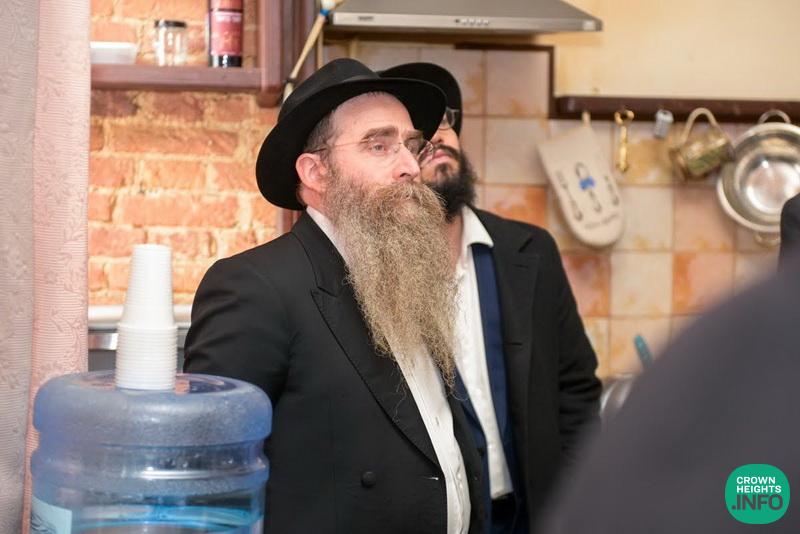
Already on Friday morning, the halls of the grand and magnificent synagogue of Petersburg were filled with holy bustling. The convention officially opened with the warm and meticulous hosting of the city’s rabbi, the shaliach Rabbi Menachem Mendel Pewzner, and the exemplary organization of the Director General of the institutions in Petersburg, the shaliach Rabbi Chaim Shaul Brook, who left not a single detail unattended.
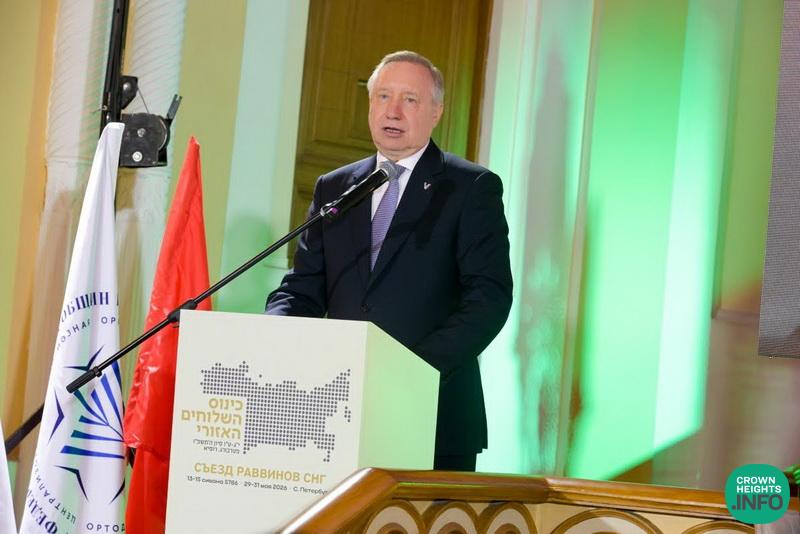
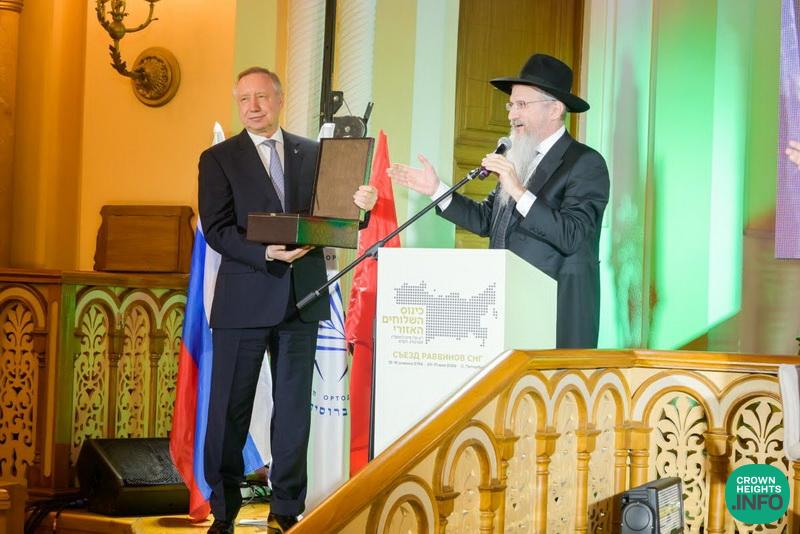
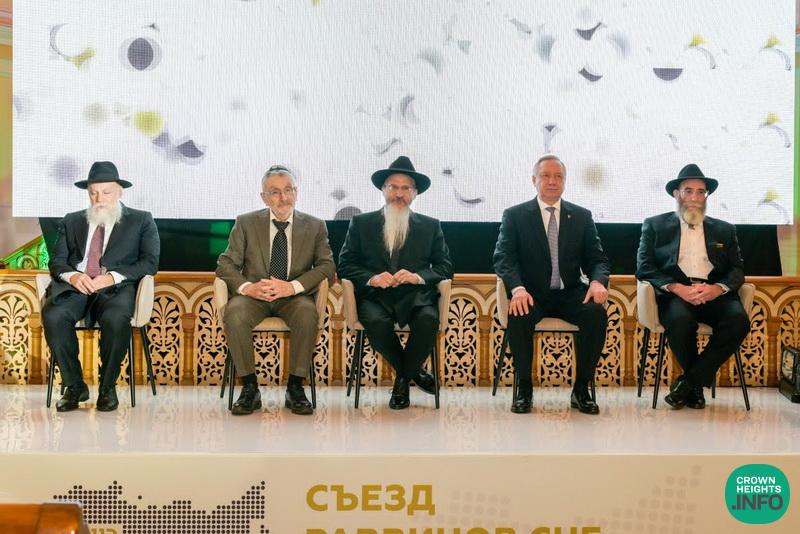
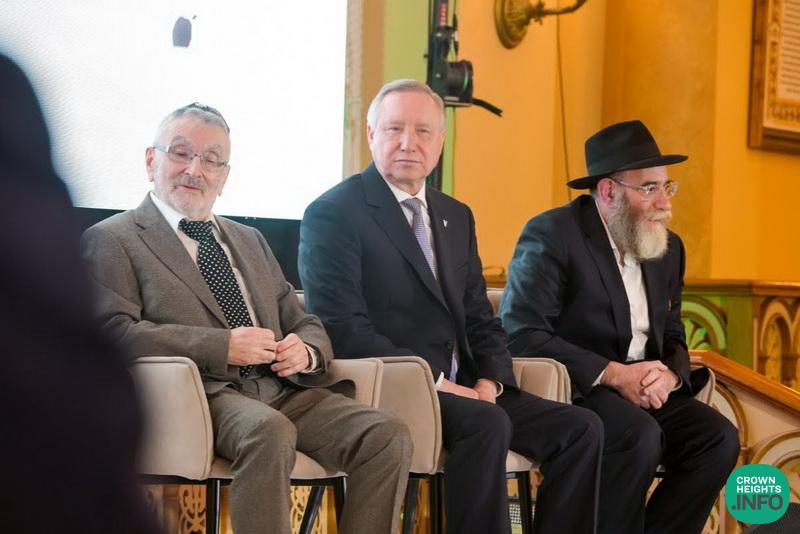
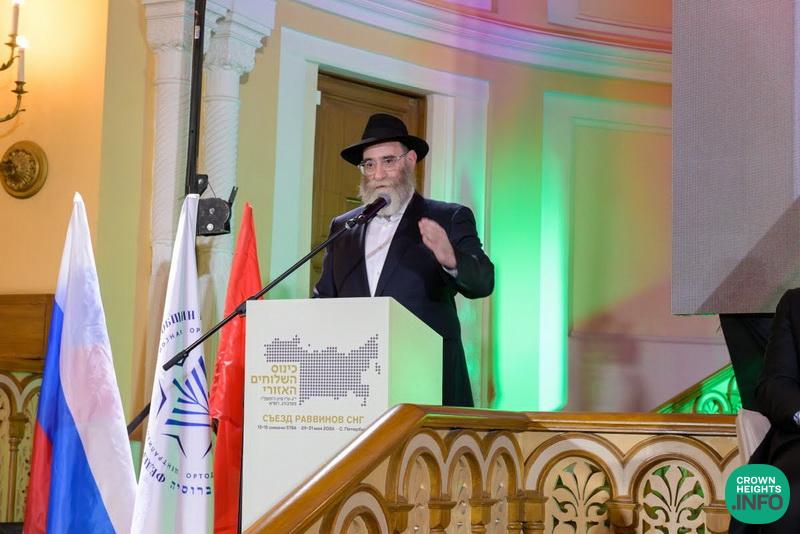
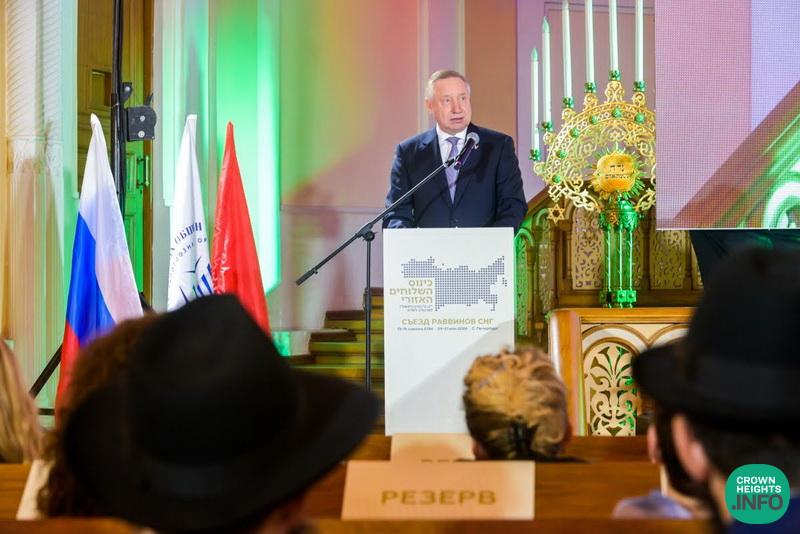
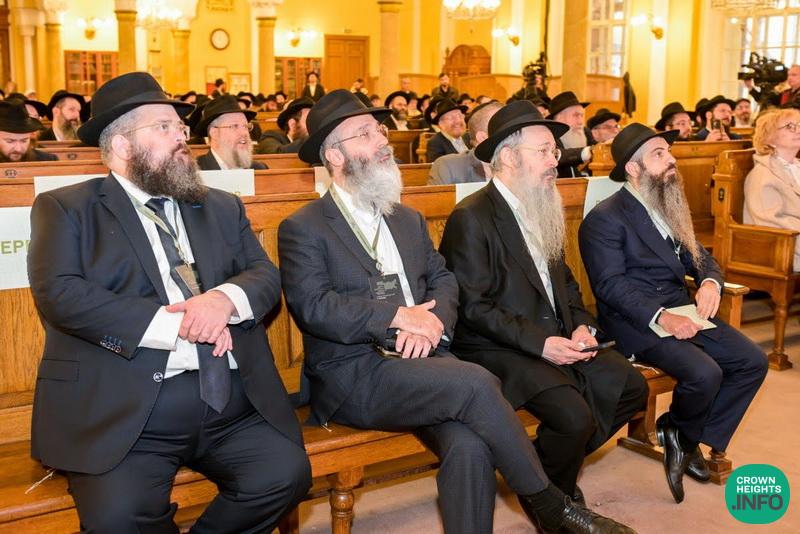
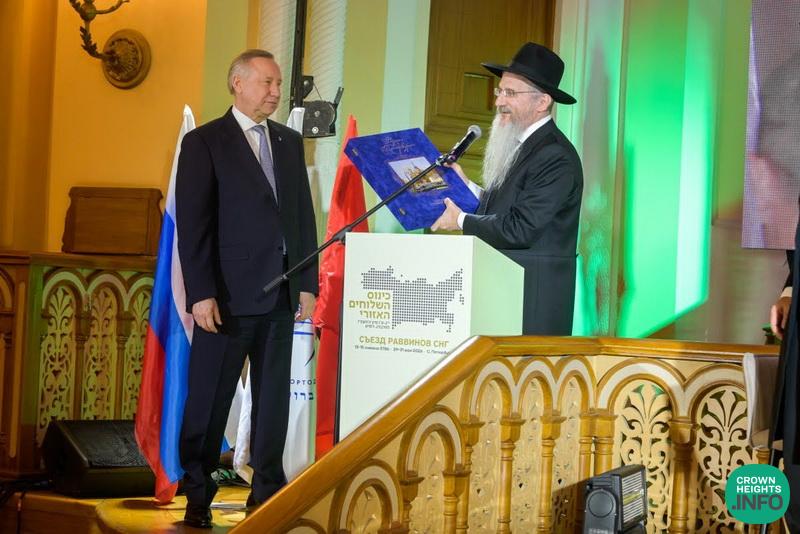
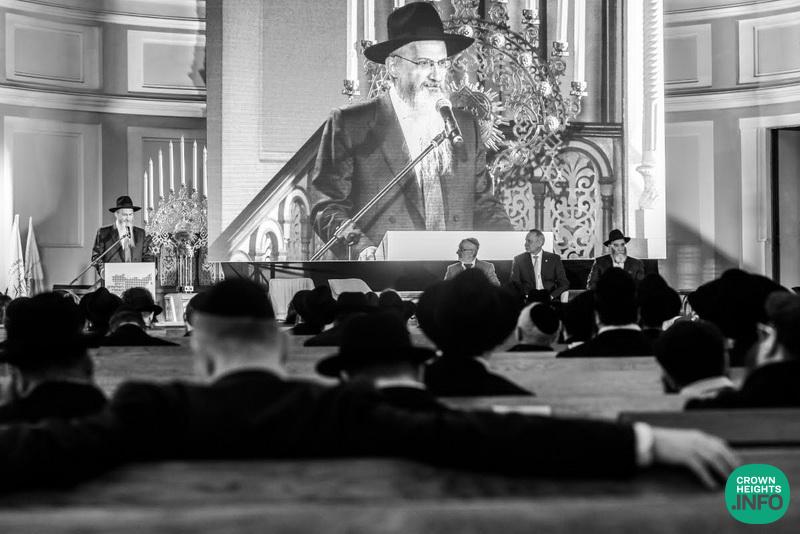
The head table at the opening session was graced by numerous public figures, led by the city’s governor, Mr. Alexander Beglov. In a moving gesture, the Chief Rabbi of Russia, the Gaon Rabbi Berel Lazar, presented him with a prestigious gift in honor of his 70th birthday, acknowledging his assistance to the large Jewish community in Petersburg and for hosting the special convention. Also seated at the head of the event were the President of the Federation of Jewish Communities of Russia, Rabbi Alexander Boroda, and the head of the Petersburg community, Mr. Mark Gruberg.
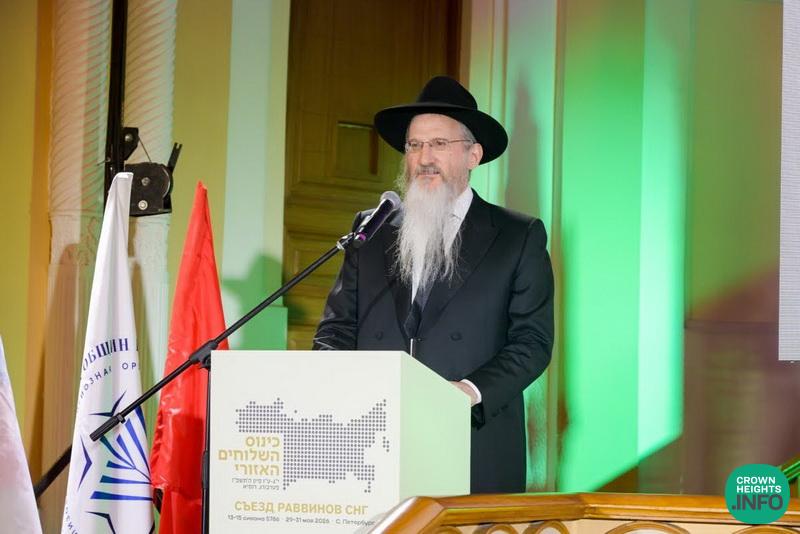
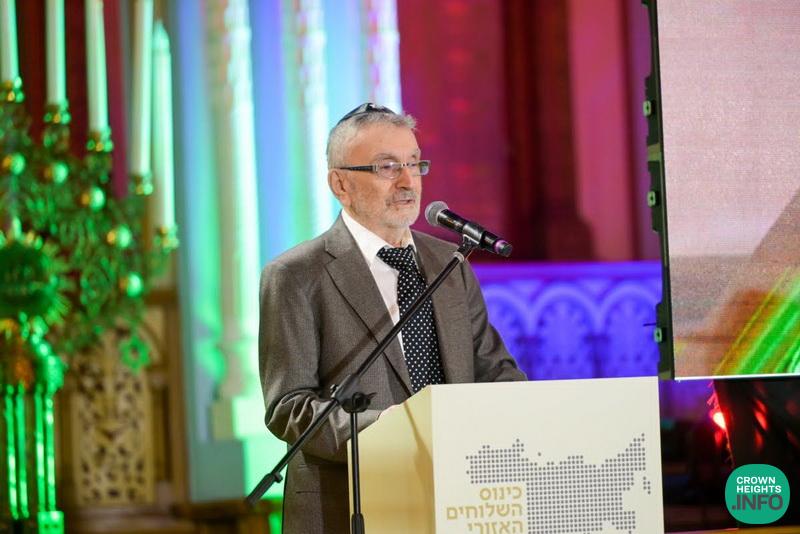
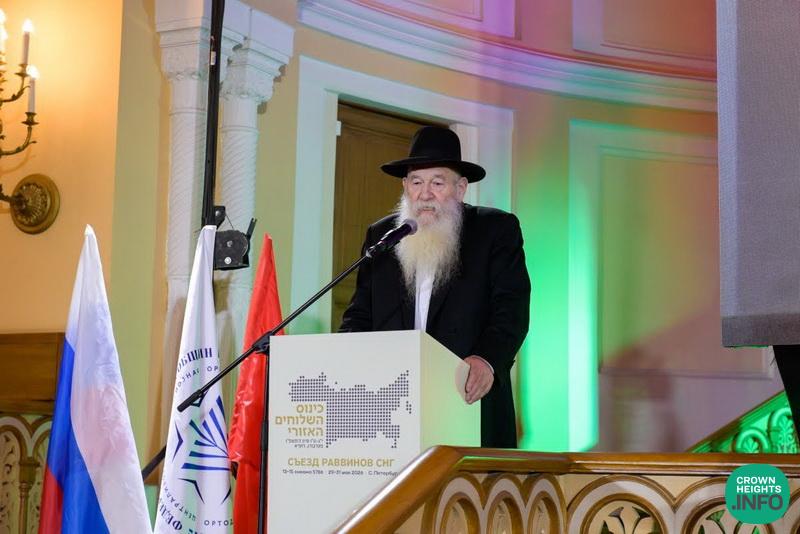
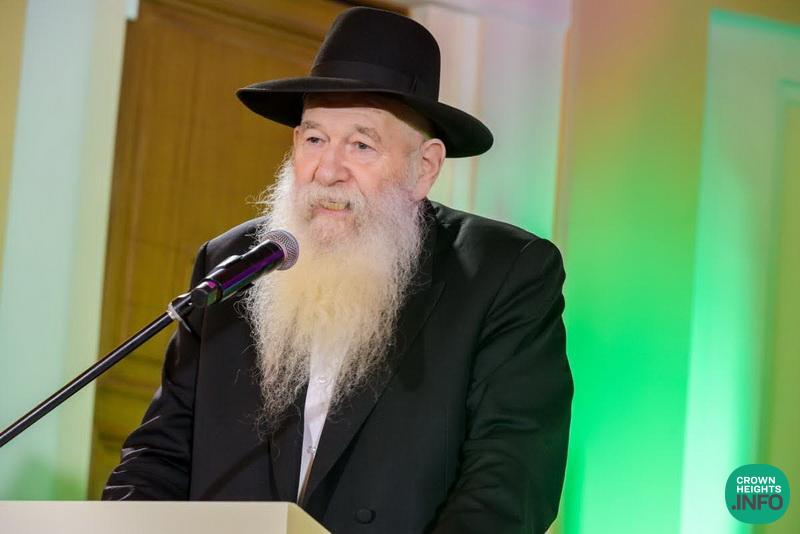
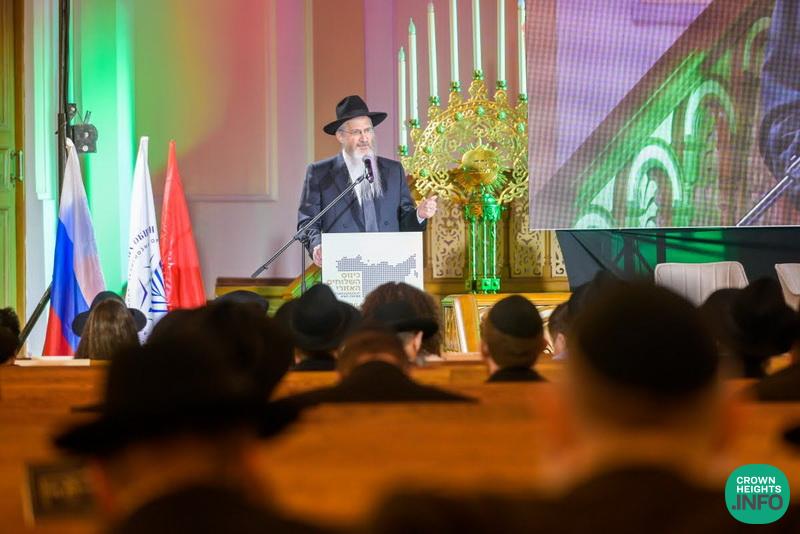
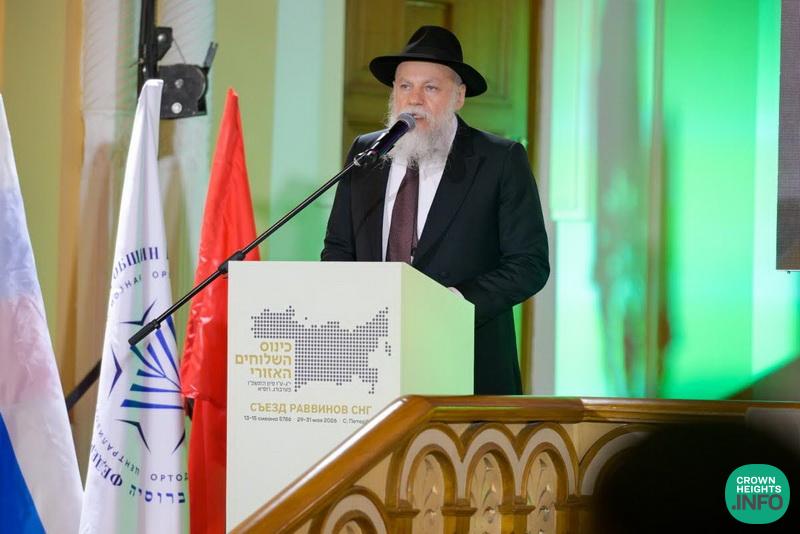
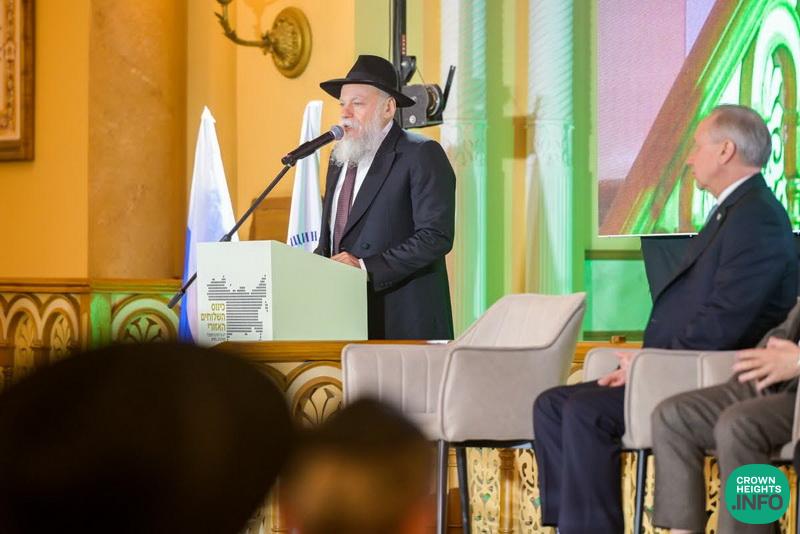
The focal point of the day was the annual rabbinical assembly. In his prominent keynote address, the Chief Rabbi of Russia intertwined the harrowing past with the momentum of the future. Referring to the 99th anniversary of the imprisonment of the Rebbe Rayatz, he said: “As the Rebbe noted many times, the moments of imprisonment were actually the ‘beginning of the redemption.’ The authorities’ goal in those difficult days was to paralyze the activities, but the Rebbe’s resolute decision was exactly the opposite—to increase with even greater vigor and strength.”
In the silence that fell over the hall, the Chief Rabbi quoted the immortal words of the Rebbe Rayatz delivered right here, at the Petersburg train station, prior to his departure into exile: “Only our bodies were given over into exile, but our souls were not given over into exile.” Drawing from these words, Rabbi Lazar issued a resolute call to the two hundred rabbis: “This is a moral lesson for all of us—difficulties are meant only for us to overcome them and accomplish more. Especially today, when conditions are much more favorable, it is our duty to act with mesiras nefesh and ensure that not a single Jewish child is left without a foundational Jewish education.” Toward the end of his address, Rabbi Lazar revealed the massive plans for launching the centennial year of the Rayatz’s redemption, which include preparations for an unprecedented expansion of educational institutions and the establishment of summer camps for a thousand children as early as the coming year. “Your tremendous work in every corner of Russia is the most decisive answer. The success we are seeing only obligates us to do more, until we all merit the true and complete redemption, immediately.”
In the welcoming remarks delivered by the host, the city’s rabbi, Rabbi Pewzner, he shared a moving historical memory with the audience: “Twenty-four years ago, on the 75th anniversary of the Rebbe Rayatz’s imprisonment, the President of the United States at the time, George W. Bush, visited here. We told him then about the Torah scrolls that were hidden in the synagogue’s attic during the difficult years of the blockade, and the President was moved and said, ‘This is a prophecy being fulfilled.’ Today, as those same Torah scrolls have been restored and distributed to the new communities that have blossomed around Petersburg, we are seeing the complete fulfillment of that prophecy.” Rabbi Pewzner concluded his words with a practical message in the spirit of the verse ‘Let each man help his fellow’: “True help is rejoicing when another shaliach and rabbi succeeds. Leaders and personalities come and go, but we have remained here to help one another and continue the work.”
A chilling moment of closure was recorded when the Chassid, Rabbi Yitzchak HaKohen Kogan, stood before the emotional crowd and delivered a trembling Birkat Kohanim, a full 40 years after he departed from the straits of Petersburg with his well-known mesiras nefesh. He had now arrived to spend Shabbat in the city for the first time, looking at the future generation operating there fearlessly. Immediately afterwards, every shaliach had the privilege of receiving a personal and valuable gift from the Chief Rabbi, shlit”a—the book “Shlichus K’hilchasa,” as spiritual provisions for the rest of their journey.
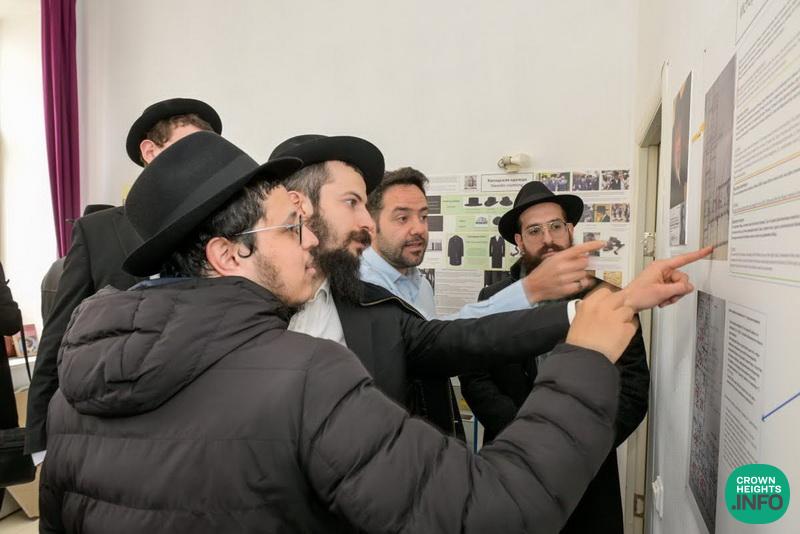
The second part of the opening demonstrated how historic mesiras nefesh dons innovative tools today, as the time was dedicated to groundbreaking professional work. The shluchim dispersed into a series of panels and workshops: from strengthening educational institutions and tackling kashrus challenges, to a fascinating workshop by Dr. Gil Yosef Shahar on the medicine of body and soul as a critical foundation for a shaliach’s success in community development, all the way to a highly sought-after session focusing on the integration of Artificial Intelligence (AI) in the service of shlichus—a revolutionary technological tool that enables rabbis to streamline lesson preparation and daily community management without any prior programming knowledge.
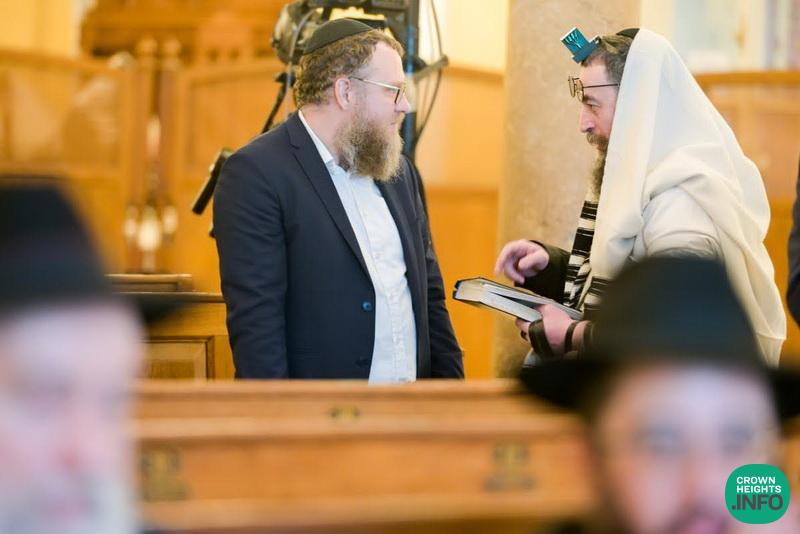
As evening approached, the Kabbalat Shabbat prayer in the sanctuary of the Grand Synagogue shook the foundations. The Chassidic niggunim that burst from the throats of the two hundred rabbis blended with the history absorbed in the walls.
The uniqueness of the city of Petersburg during the months of Sivan and Tammuz is the phenomenon of the “White Nights,” when the sun refuses to set and the sky remains illuminated. This amazing fact meant that the conclusion of Shabbat was set for 12:56 AM (!). This detail granted the shluchim long, endless hours of the delight of Shabbat. From early morning classes to Shabbat meals that turned into fiery, sweeping farbrengens deep into the night. The spiritual climax was recorded during ‘Ra’ava Deravin’, when the shluchim sat down for a soul-stirring seder niggunim that recharged their hearts with a payload of Jewish-Chassidic pride.
With the conclusion of Shabbat and Havdalah held in the dead of night, the joy erupted. At 1:15 AM, as the special light of the White Nights enveloped the city, the rabbis went out to the piers of the famous Neva River for an extraordinary bonding experience. Aboard two massive ships crossing the river facing the opening bridges, the shluchim sat down for the ‘Seudata D’David Malka Meshicha’. During the soul-elevating cruise, the famous Chassidic story was recounted about the Alter Rebbe, author of the Tanya and Shulchan Aruch, who on this very river miraculously halted his prison boat in order to sanctify the new moon, alongside fascinating overviews by rabbis native to the city about the Jewish history interwoven in the waves of this mighty river.
Sunday, the 15th of Sivan, was not just another day on the calendar. It was the exact day on which, 99 years ago, the ordeal of the Rebbe Rayatz, may his soul rest in Eden, began, with his harrowing arrest due to his courageous stand to preserve the embers of Judaism in the Soviet Union.
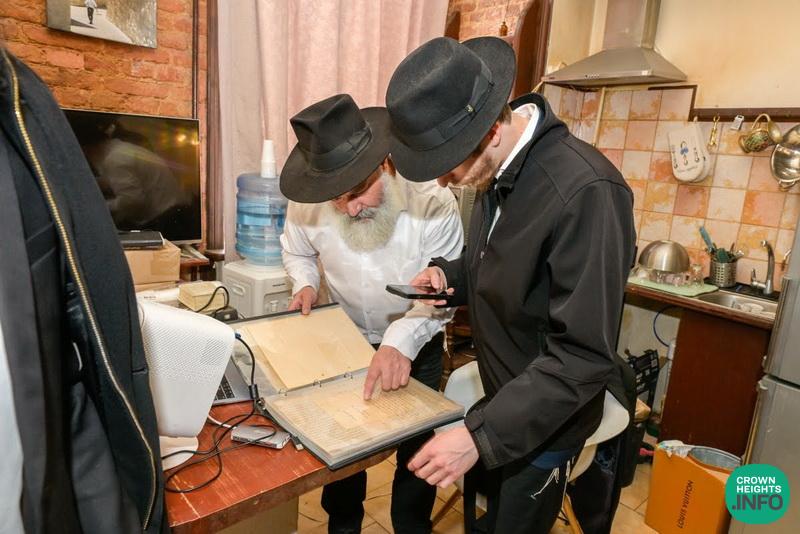
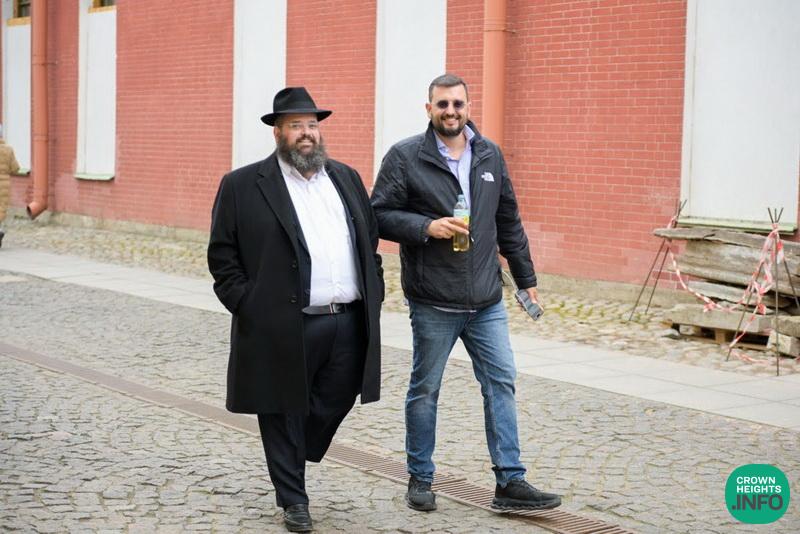
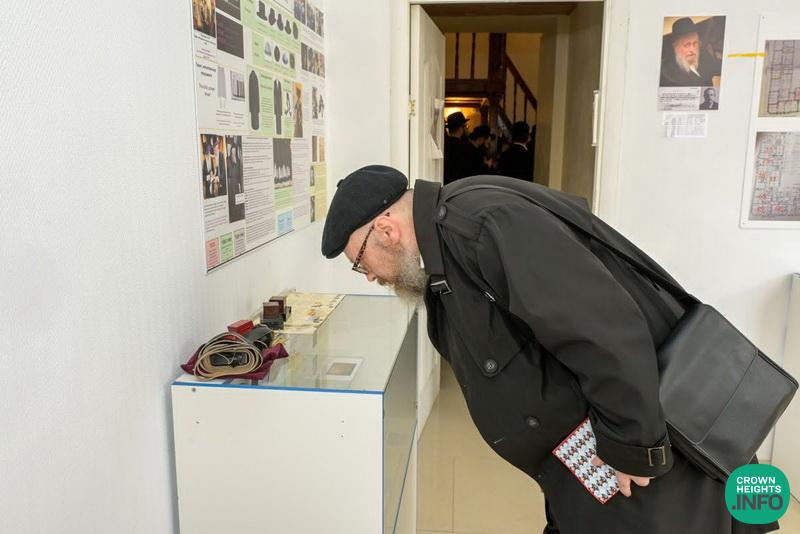
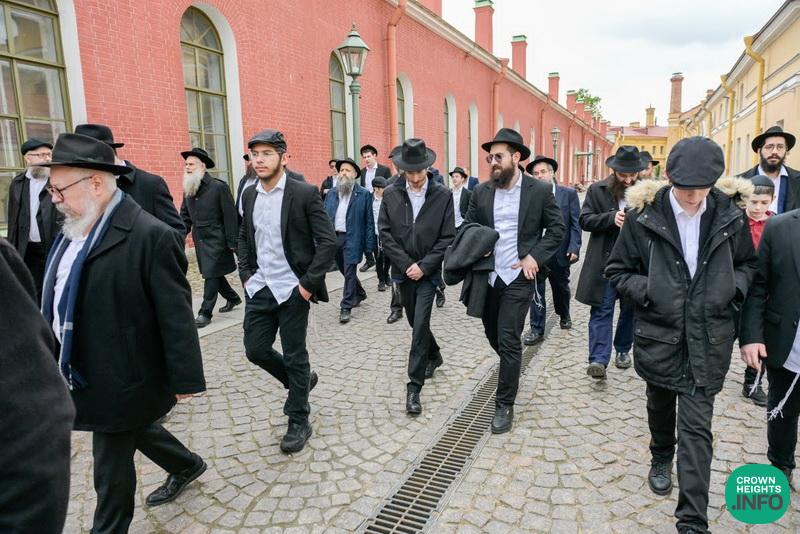
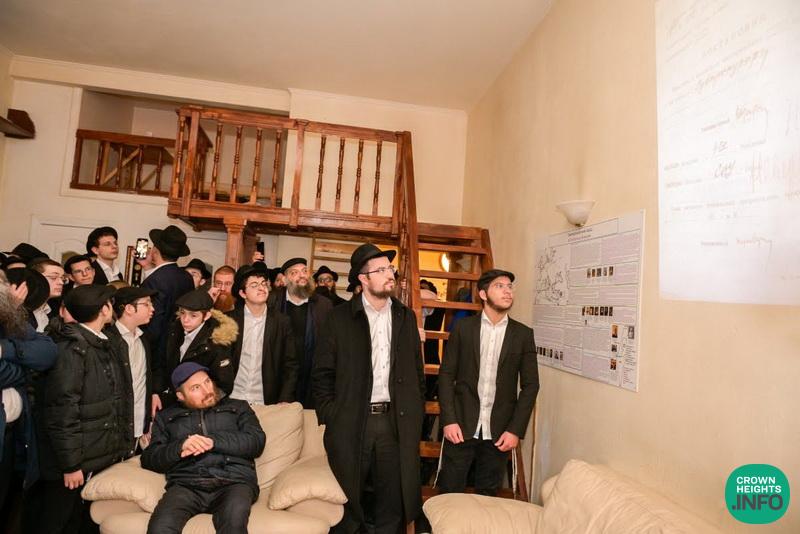
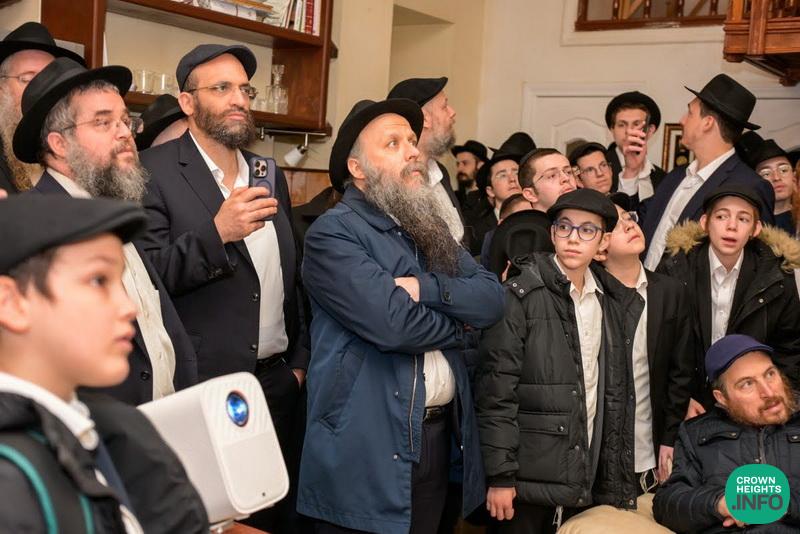
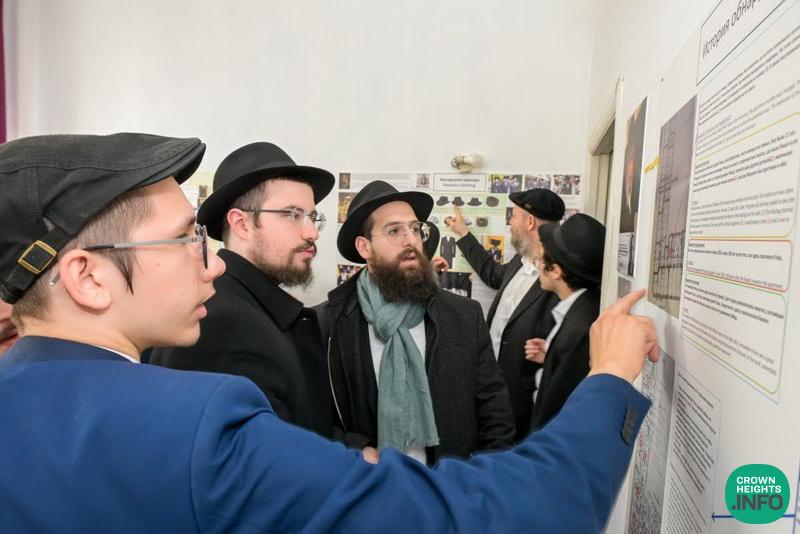
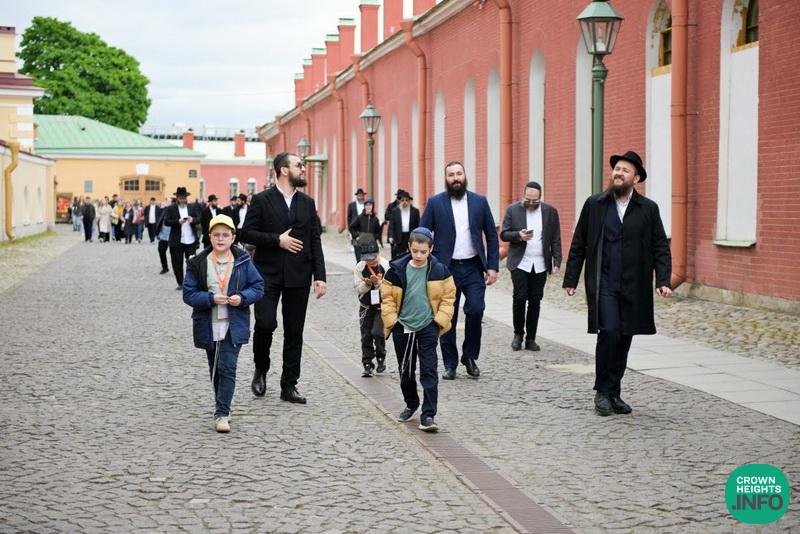
Entering the centennial year of that famous imprisonment, the rabbis walked with holy awe through the apartment from which the Rebbe was taken by secret agents to his harsh imprisonment. From there, the historic and breathtaking journey continued across from the palace of Paul I, who signed the release of the Alter Rebbe on the 19th of Kislev, and into the thick walls of the Peter and Paul Fortress—where the author of the Tanya and Shulchan Aruch was imprisoned for 53 days in a dark, windowless cell.
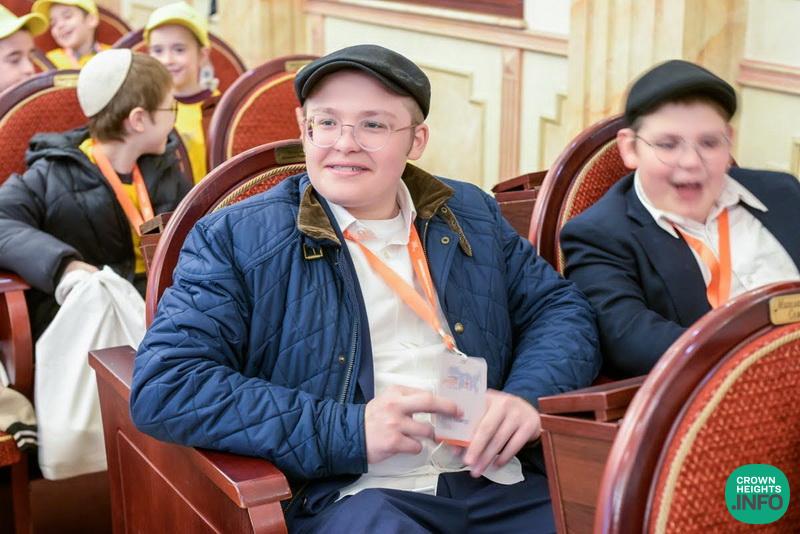
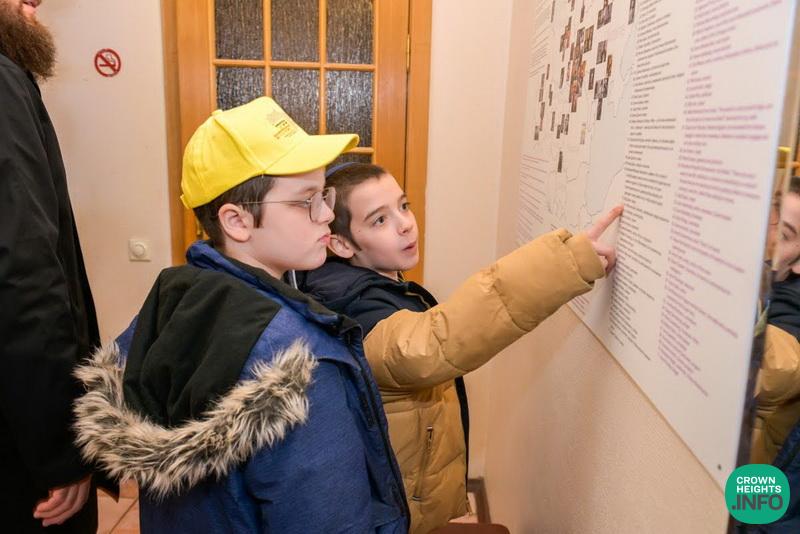
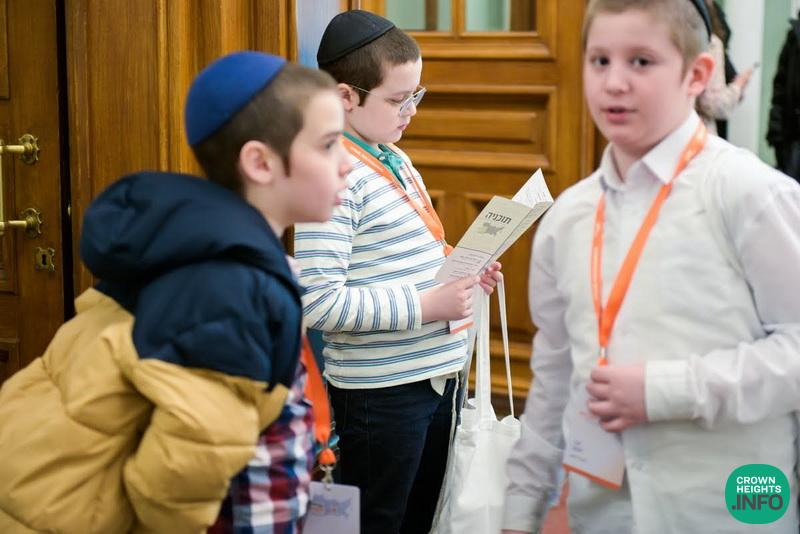
While the emotion swelled opposite the prison cell, nearly a hundred children of the shluchim stood outside, participating simultaneously in a rich and invested educational program with counselors. The image of the pure children, the future generation of the Chabad empire, marching with smiles and Jewish pride between the walls of the dark fortress, was the most crushing victory of all.
At the conclusion of these packed days, the shluchim returned, each man to his tent and his city. They traveled back by cars, trains, and flights, but this time—stronger and more united, carrying with them the flame that will never be extinguished, to continue the revolution and to perfect the world under the sovereignty of the Almighty.
Photo: Maria Istomina