


From Dharamkot to Tenerife: Pesach Merkos Shlichus Reaches Jews in 250 Cities
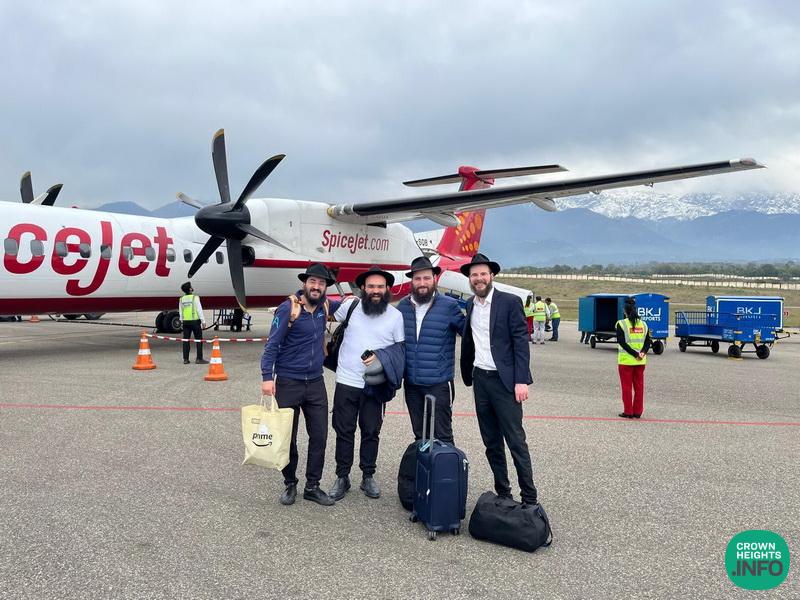
One day during Pesach, a woman stopped Rabbi Mendy Broner on a dirt footpath in Dharamkot, a mountain village in northern India, crying. She had had a dream about a neighbor from back home, an Israeli reservist who had died in an accident shortly after returning from duty, and she felt the need to talk to someone. Broner promised her to meet over coffee.
On Friday afternoon, forty-five minutes before Shabbos, Broner and his chavrusa, Rabbi Yaakov Weiss, sat down with the woman.
After she described the dream, Broner asked when the soldier had been buried.
“The 25th of Iyar,” she replied.
They were sitting with her on the 24th of Nissan. That night would be the final day of Kaddish, which no one had been reciting in his memory.
“We had a minyan that Friday night,” said Broner, “the only one that week. At the last opportunity, we were able to say Kaddish for his Neshama.”
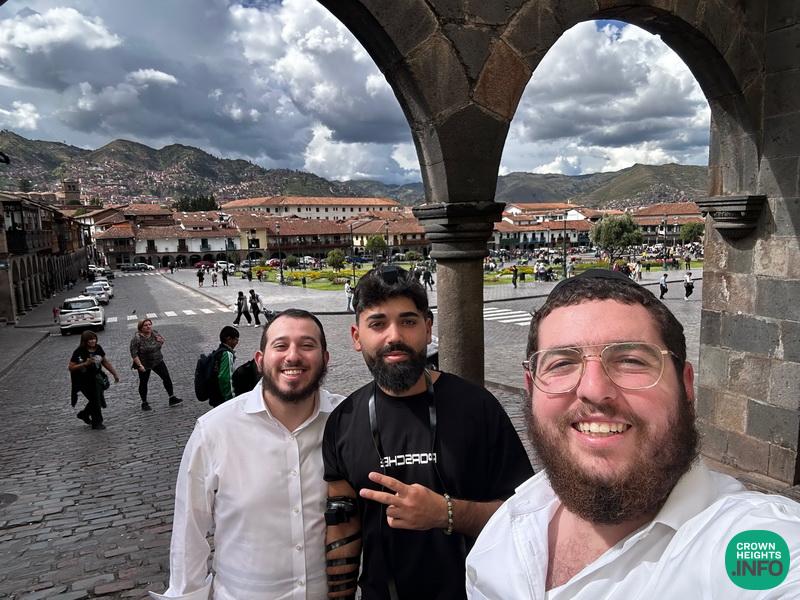
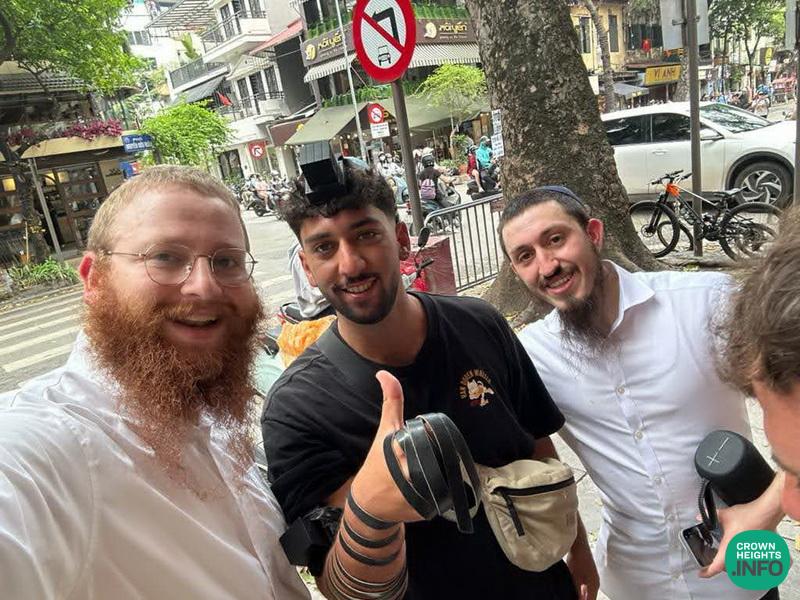
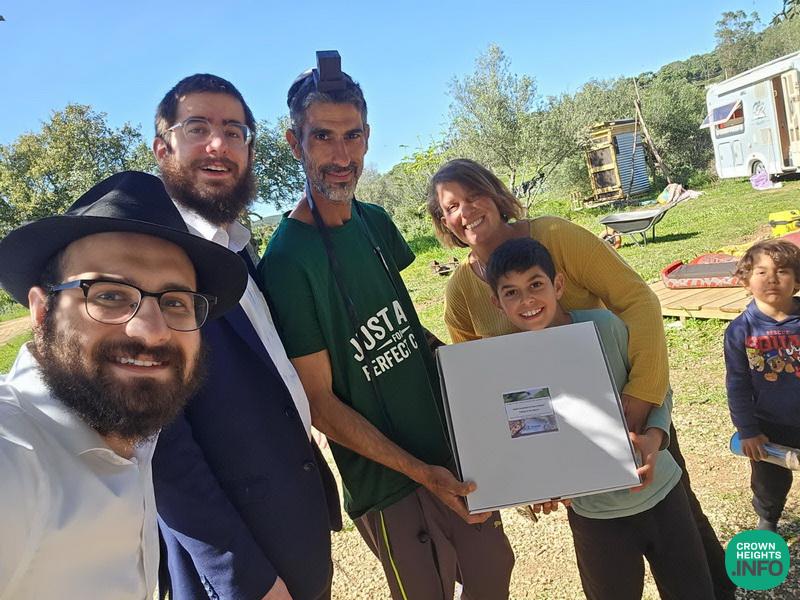
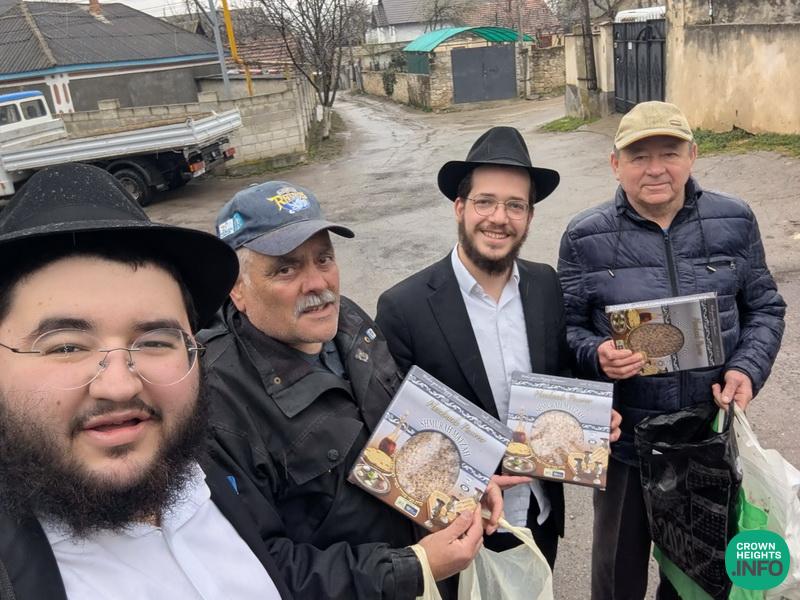
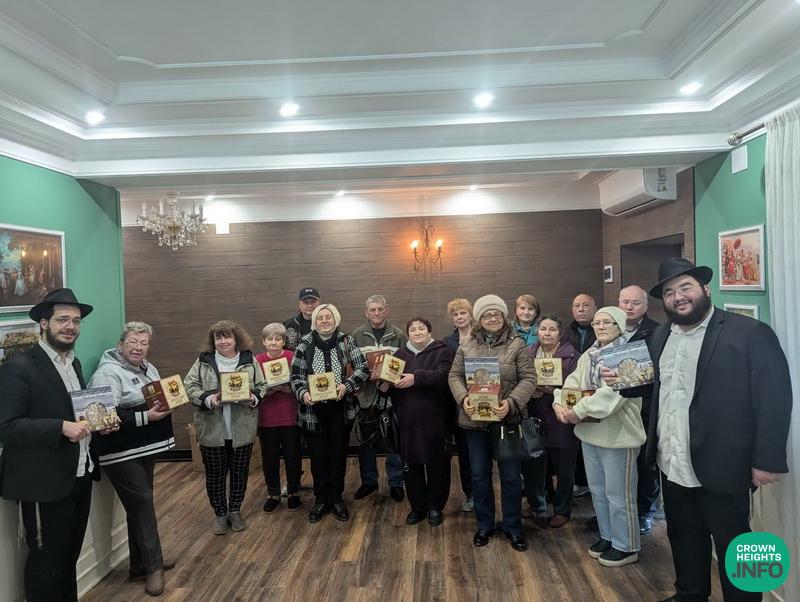
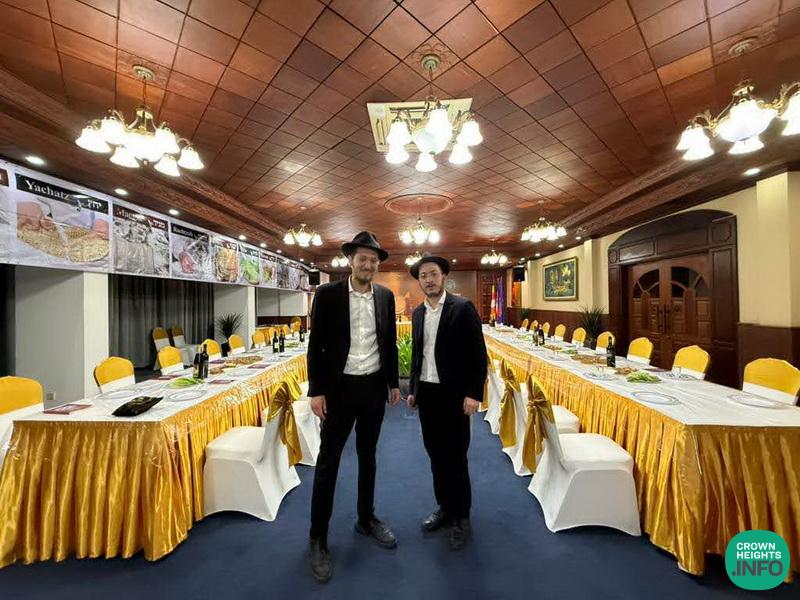
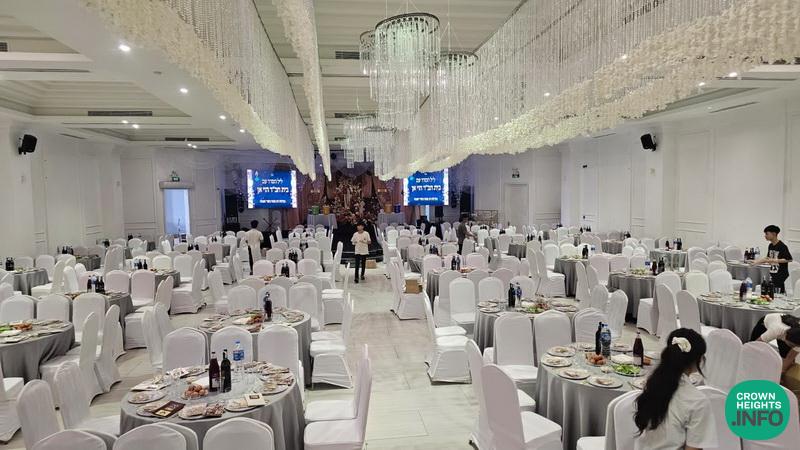
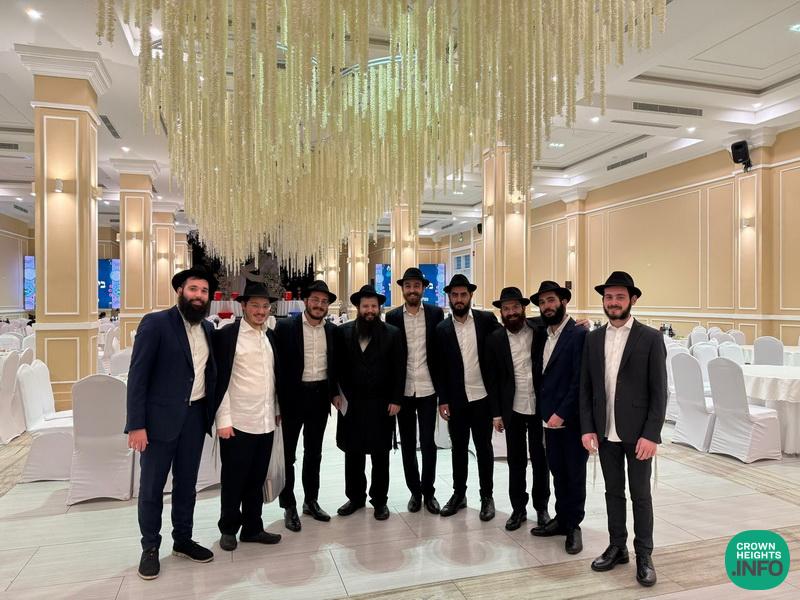
Broner and Weiss were just two of seven-hundred yeshiva students dispatched this Pesach by the Merkos Shlichus “Roving Rabbis” program, the international Chabad-Lubavitch organization that sends students abroad to lead public Seders. This year’s deployment reached roughly 250 locations across six continents, from Kathmandu, which hosts the world’s largest Seder, to Pacific islands where a public Seder may be the only Jewish gathering for hundreds of miles.
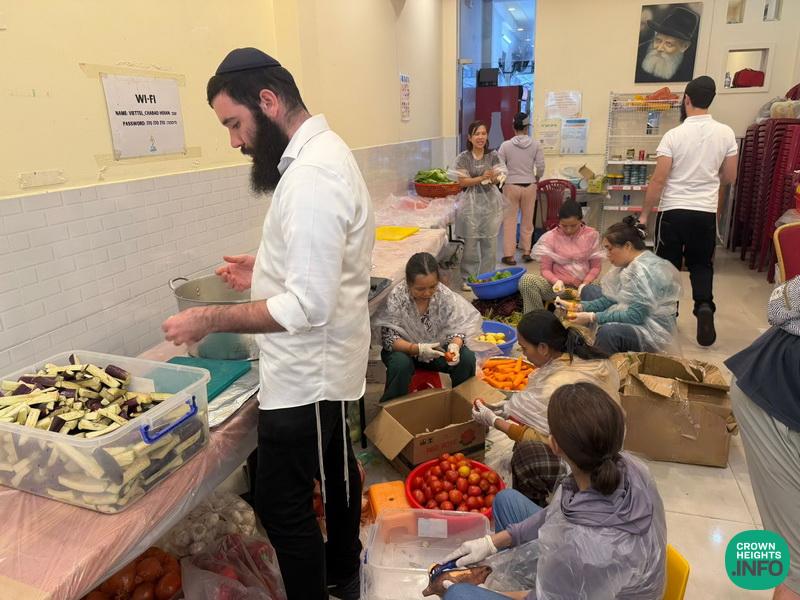
Each pair travels with everything a Pesach operation requires: boxes of Shmurah matzah, kosher wine, kosher meat and poultry, Haggados, and the items for the Seder plate. Most of these items are unavailable locally. In some towns, the students reinforce the local community during the busiest stretch of the year. In others, they are the entire Jewish infrastructure for the week.
“The Rebbe’s directive is that every Jew, no matter where he finds himself, should be able to celebrate Pesach with all of its traditions,” said Rabbi Mendy Kotlarsky, Chairman of the Merkos Shlichus initiative. “That call leads yeshiva students to towns that have never had a Seder, and they make it happen.”
Before fanning out across the globe, the students gathered for a day of preparation at the Jewish Children’s Museum in Crown Heights. Rabbi Kotlarsky, Rabbi Chaim Shapiro, Rabbi Menachem Posner, and Rabbi Ahrele Loschak walked them through the practical laws of Pesach, fielded questions, and shared guidance on the logistics of running a public Seder.
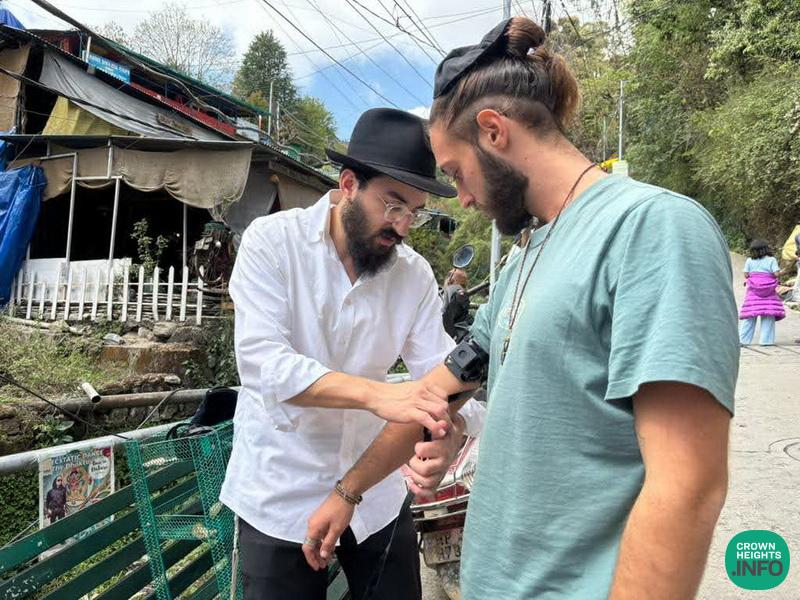
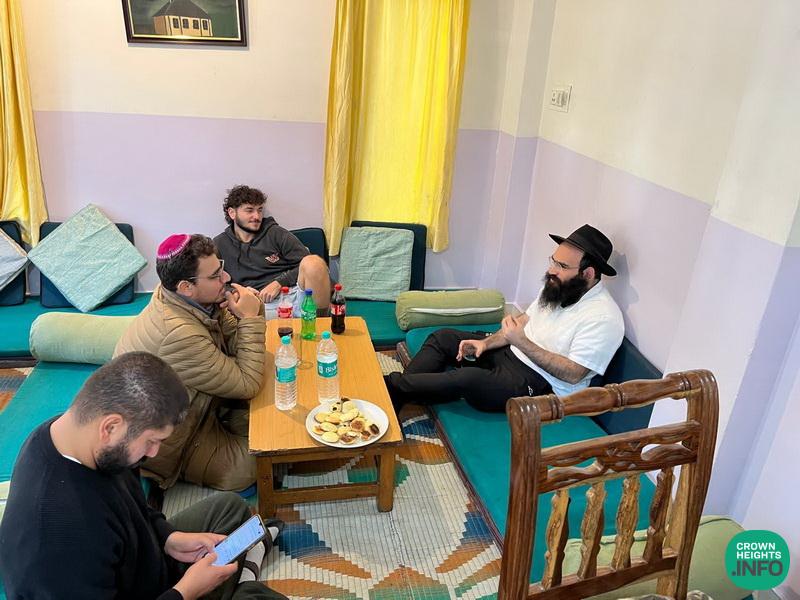
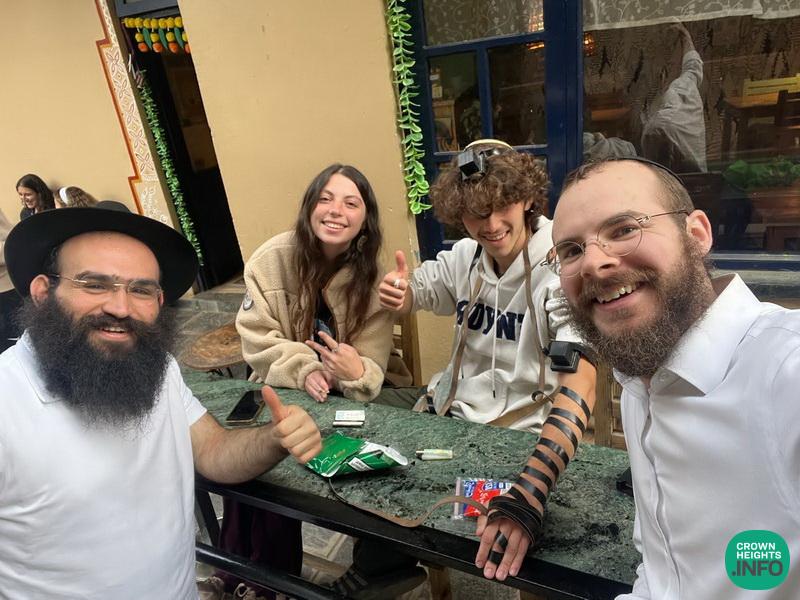
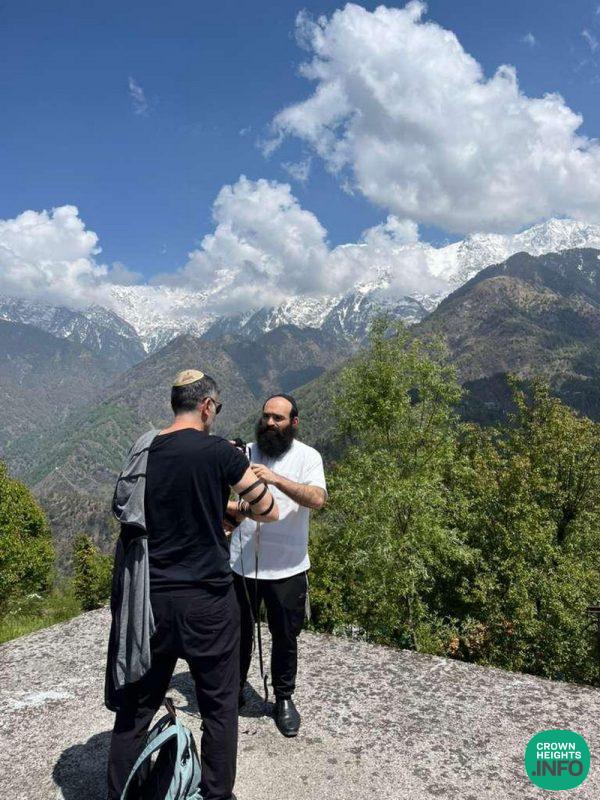
The Dharamshala region of northern India, an area often dubbed “Hippie Village,” draws young travelers who stay for months at a time, many of them working through the aftermath of military service or a life transition. In Dharamkot, Broner and Weiss ran the existing Chabad House themselves, as the local shliach had been stuck in Israel because of the war. In nearby Bhagsu, Rabbis Avi Winner and Yossi Elberg ran a second Seder while also operating a hostel for Jewish travelers passing through.
“People come here searching,” Broner said. “They come to ask about mistakes they’ve made. They come to ask what life is supposed to mean. You sit down with them over coffee, and the conversation goes somewhere neither of you expected.”
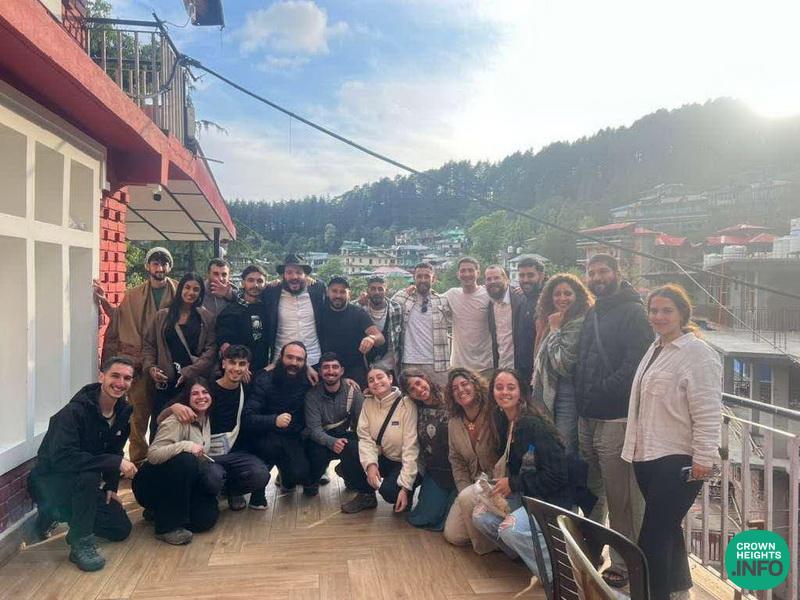
Power outages and water shortages shaped each day, but that did not stop them. Fifty people had signed up for the Friday night dinner on the Shabbos before Pesach. One hundred and forty walked through the door. “The crowds just kept growing,” Broner said. “We made it work. We sat around the Shabbos table singing and talking until the early morning. That was our welcome to town.”
After days of kashering, cooking, and preparing, they were ready for the Seder in Dharamkot. Over 150 people from dozens of countries sat shoulder to shoulder, and, as Broner put it, “the singing stretched well past midnight.” The Seder had its fair share of memorable moments, including when one attendee, whose parents were both deaf, led Chad Gadya in sign language.
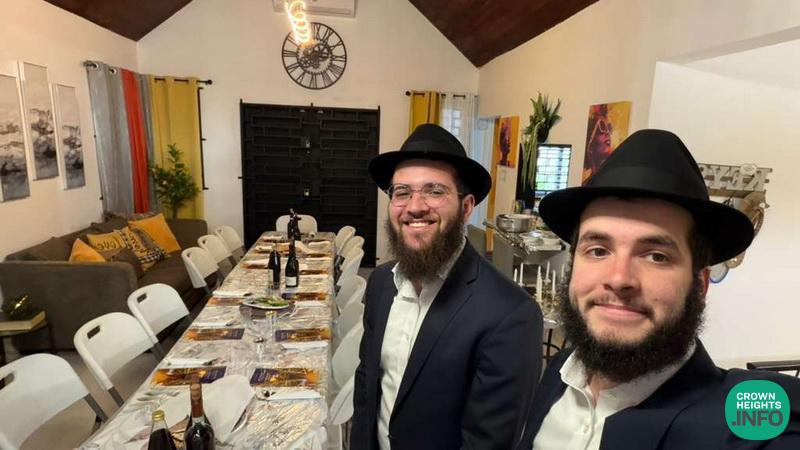
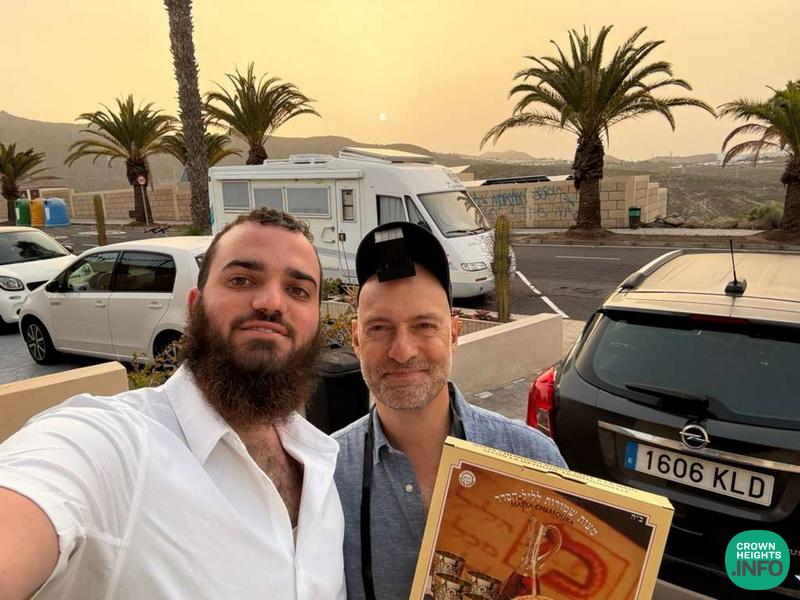
Nearly 5,000 miles west of Dharamkot, on the volcanic island of Tenerife, Eitan Libersohn and three friends ran one of the two Seders held on the island. The Spanish island, located off the coast of Morocco, has no permanent Jewish infrastructure, and Jewish activity there is overseen from afar by Rabbi Dovid and Nechama Libersohn, directors of Chabad of Barcelona. The group traveled with matzah, kosher meat, and all the necessary Pesach supplies.
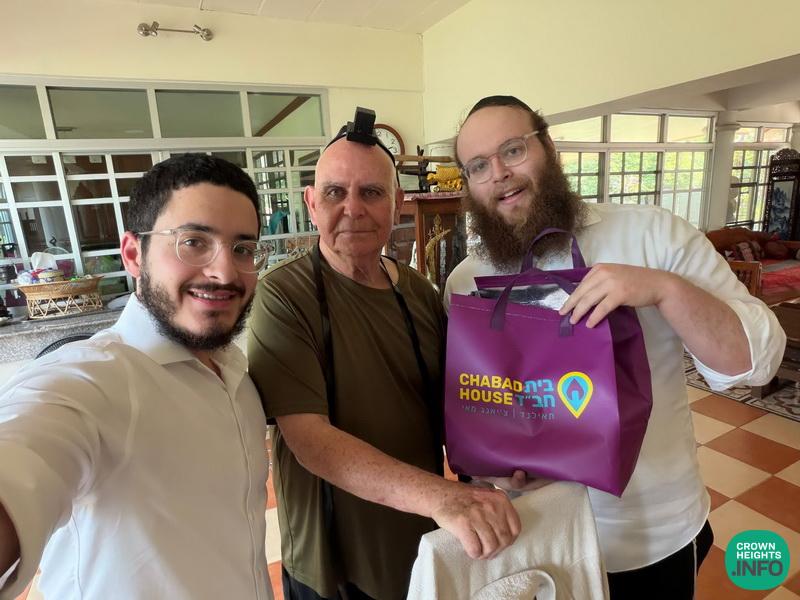
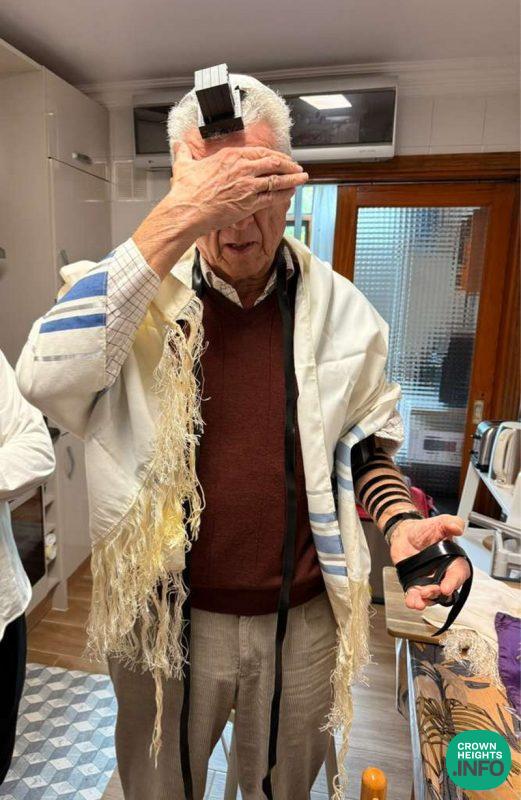
Upon arriving, an 80-year-old man, who lived in Tenerife for nearly 50 years, reached out requesting matzah. The pair stopped by his home the next morning with matzah in hand. During their conversation, it was revealed that the gentleman had never put on tefillin in his life. The students wasted no time and helped him wrap tefillin for the first time, a Bar Mitzvah at 80 years old.
120 guests joined the Seder on the first night of Pesach, including longtime island residents, Israeli and European expats, tourists, and a group of American trade students.
“It was a beautiful Seder,” Libersohn said. “We had Jews from all over the world, from completely different backgrounds and different levels of observance, all celebrating together.”
Similar scenes played out across the globe. Rabbi Shneur Nejar, director of Merkos Shlichus, said the written reports each pair submits following their trip are still coming in.
Against a backdrop of rising antisemitism and a broader Jewish awakening that has swept communities worldwide since October 7, more Jews than ever are looking for authentic and unapologetic Jewish life. They are finding it at Chabad Houses on every continent, and this Pesach, at the added Merkos Shlichus destinations.
“The numbers themselves are remarkable,” Nejar said. “But what matters more is the lasting impact left behind, the seeds planted in each of those 250 locations that will keep growing long after Pesach is over.”
For Broner, the clearest sign came after the holiday ended. On the final Shabbos in Dharamkot, a group of Israelis kept Shabbat for the first time in their lives. They held out until havdalah and were looking forward to doing the same next week.
Registration for Summer Merkos Shlichus is open now for Bochurim at https://www.merkosshlichus.com/