

NY Bill Would Require Outreach to Chevra Kadisha Before Disposing of Unclaimed Bodies
by CrownHeights.info
A newly introduced bill in the New York State Senate aims to ensure that unclaimed Jewish bodies are treated in accordance with halachic burial practices, requiring institutions to notify a local Chevra Kadisha before any final disposition.
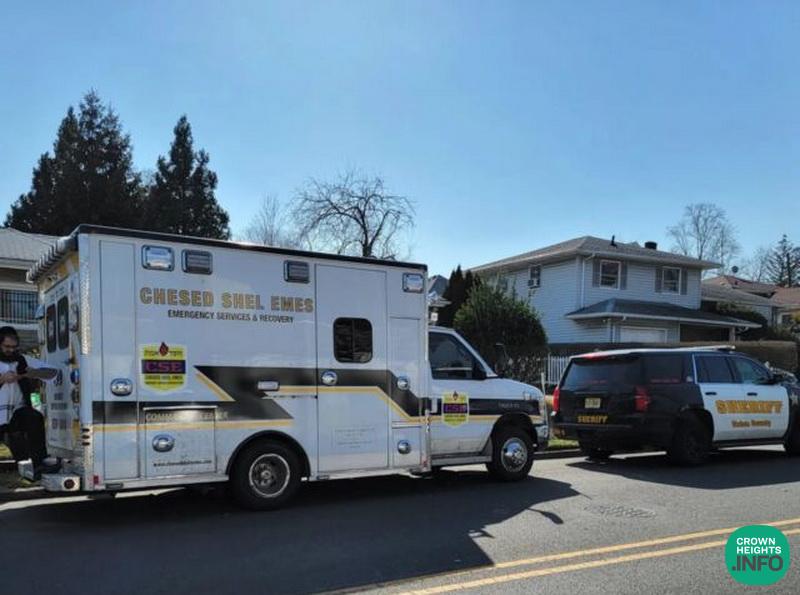
The legislation, S.9930, was introduced on April 16 by State Senator Sam Sutton. The bill would mandate that hospitals, morgues, and similar institutions contact organizations such as Misaskim and Chesed Shel Emes when a deceased individual of Jewish descent remains unclaimed, giving them the opportunity to arrange for proper burial and assume associated costs.
According to Sutton’s office, the legislation was inspired in part by a similar law recently passed in Kentucky. Communications Director Noam Abrahams explained that the bill emerged following discussions with constituents and a review of that model, which requires officials to consult with religious groups before proceeding with cremation after efforts to locate next of kin have been exhausted.
The New York proposal makes clear that it would not override any prior written directives from the deceased, including those related to organ donation.
Supporters say the bill reflects a broader commitment to respecting religious traditions. Sutton’s office noted that the measure “reaffirms New York’s commitment to accommodating religious practices and cultural traditions,” while also establishing clearer, more consistent procedures for institutions handling human remains. Officials also expressed hope that the legislation will strengthen trust between faith communities and public agencies, and potentially reduce public burial costs.
Rabbi Shlomo Litvin, a key figure behind the Kentucky law and director of Chabad of the Bluegrass, praised the initiative, calling it “a living example” of the teachings of the Menachem Mendel Schneerson. “One mitzvah in one place helps a Jew across the world,” he said.
The bill has been referred to the Senate Health Committee for further consideration.