
Impressive Section From the Wall of Yerushalayim Dating To The Time of Chanukah Unburied
An impressive section of Jerusalem‘s Hasmonean period city wall – from the longest and most intact segments ever discovered — was unearthed in the Tower of David Jerusalem Museum
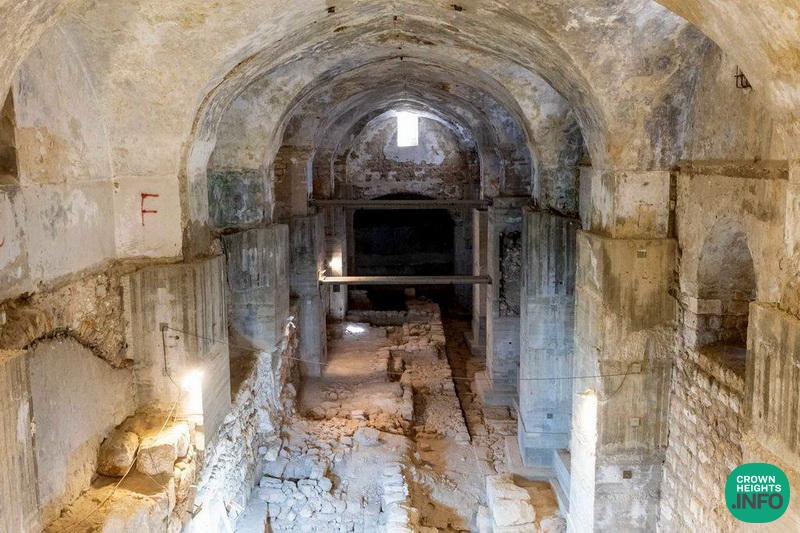
In recent days, the uncovering of an impressive Hasmonean (Maccabean) period Jerusalem city wall was completed, built in the late 2nd century BCE. Discovered on the grounds of the Tower of David, adjacent to the citadel, within the historic complex known as the Kishle, and exposed during an Israel Antiquities Authority archaeological excavation, this wall is one of the most complete and longest sections discovered in Jerusalem to date.
The work has been done in preparation for the new “Schulich Wing of Archaeology, Art and Innovation” which will be located in the Kishle complex at the Tower of David Jerusalem Museum.
According to Dr. Amit Re’em and Dr. Marion Zindel, Excavation Directors on behalf of the Israel Antiquities Authority, “The newly uncovered section, known in ancient historical sources as the ‘First Wall’, is particularly impressive in both its size and its degree of preservation – over 40 meters long, and about 5 meters wide. The wall is meticulously built of large, heavy stones, with a chiseled boss typical of this period. Originally, the massive wall rose to a height of more than ten meters! But today, only a stump remains. During the Second Temple period, the Hasmonean city wall also surrounded Mount Zion, where sections of it have been found, as well as in the City of David, in the Citadel of David courtyard, and alongside the outer façade of the western city wall of Jerusalem’s Old City.”
The history of this imposing wall is described in detail in historical sources. Josephus, the 1st century CE historian, details its course and its gates, and contended that it was “impregnable”; with 60 towers standing along its length. “There is much more to this wall than meets the eye,” say Dr. Re’em and Dr. Zindel. “It is clear that it was systematically destroyed and razed to the ground. This is predetermined destruction – not the result of the ravages of time, nor of a random enemy attack, but a deliberate execution of a well-planned action. This raises questions about who was responsible for the wall’s destruction.”
The researchers offer two main explanations for who may have commanded this destruction, and in what circumstances:
One possibility is that the wall was dismantled by the Hasmoneans themselves, as part of a settlement with Antiochus VII Sidetes. This Antiochus – one of the heirs of Antiochus IV
Epiphanes, known from the events of Hanukkah, sought to conquer Jerusalem and besieged the city in 134-132 BCE. Josephus writes that in response to the siege, the Hasmonean leader John
Hyrcanus I reached a peace agreement with Sidetes, aided by treasures he took from the tomb of King David. In the armistice agreement, Sidetes demanded that Jerusalem dismantle its fortifications as a precondition for lifting the siege. Possibly, the destruction of this newly discovered wall is a testament to and a vestige of that agreement.
Alternatively, perhaps King Herod, in seeking to distinguish his rule from that of the Hasmonean kings, deliberately destroyed their construction projects, including their monumental city wall, as a political statement: “The days of the Hasmonean kings are over, and I am their successor.” Its systematic demolition could well fit this Herodian policy, evinced in other manners as well.
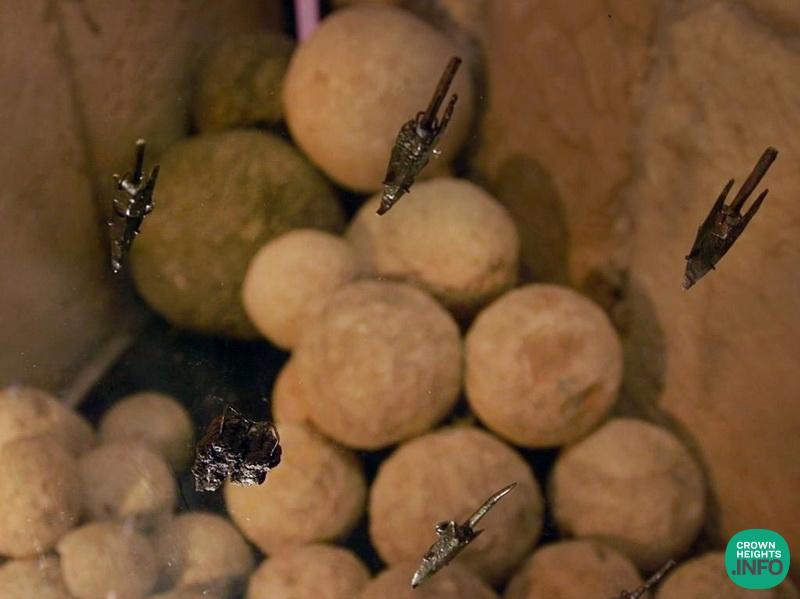
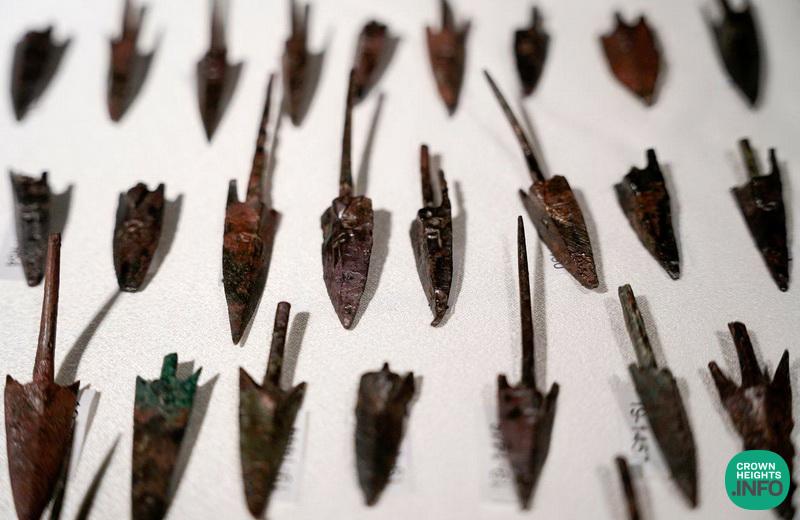
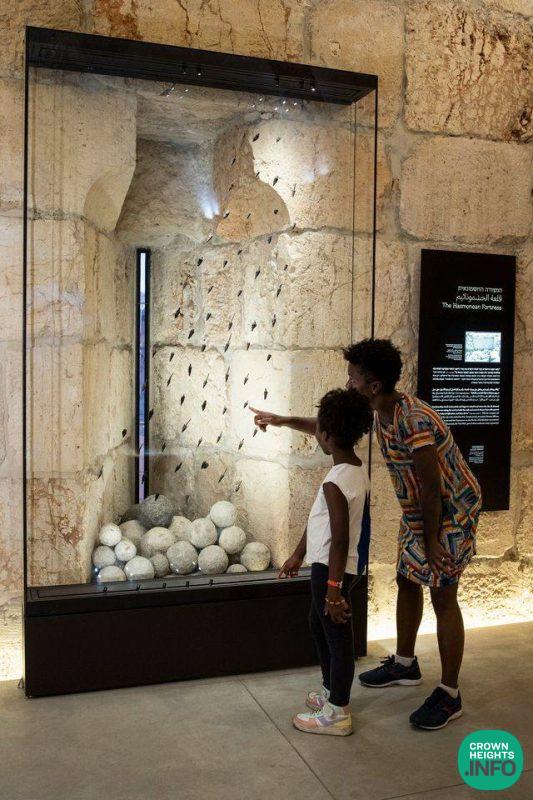
Impressive material evidence of the struggles between Jhon Hyrcanus the Hasmonean and Antiochus Sidetes the Seleucid Greek was discovered very close to this newly uncovered section. In excavations conducted in the 1980s at the base of the “First Wall,” Renee Sivan and Giora Solar discovered a large Hellenistic period cache of hundreds of catapult stones, arrowheads, slingstones, and lead bullets. The researchers identified them as clear evidence of Antiochus VII’s siege. The heavy weapons of destruction raining down on the city failed to penetrate the mighty Hasmonean wall, and fell at its base. Some of these weapons are now displayed in a new Tower of David Jerusalem Museum exhibition.
Photo: Emil Aladjem, Israel Antiquities Authority