
Ukraine’s Jews Gather for Passover Seder Nights Amid Drones and Missiles
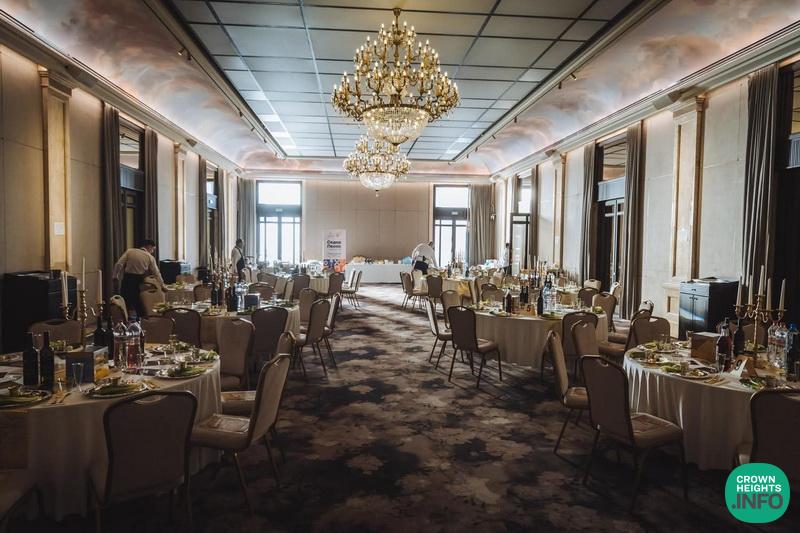
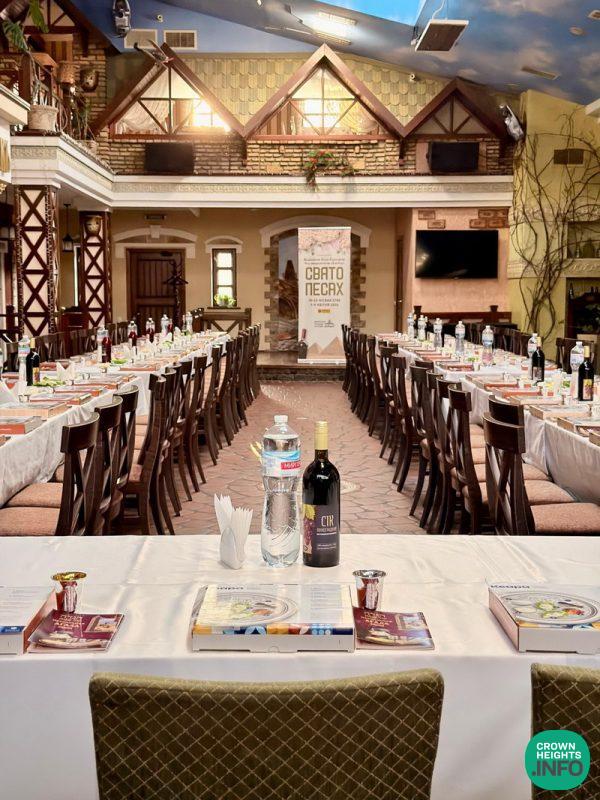
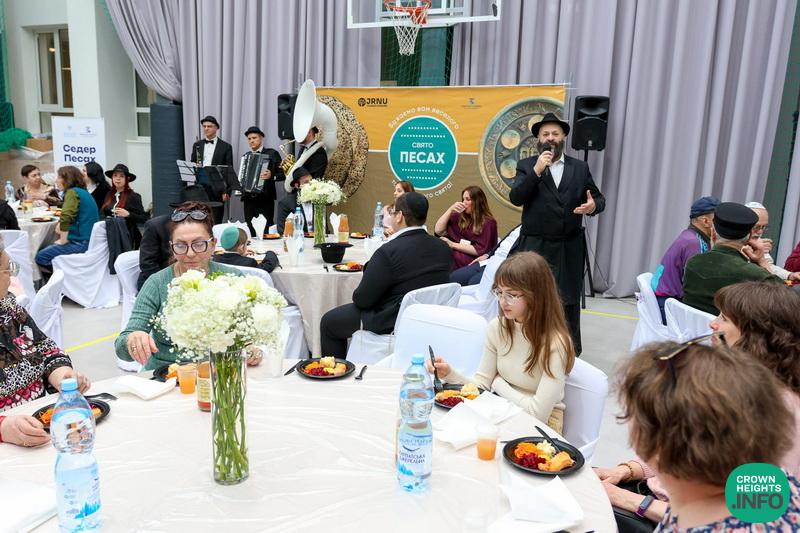
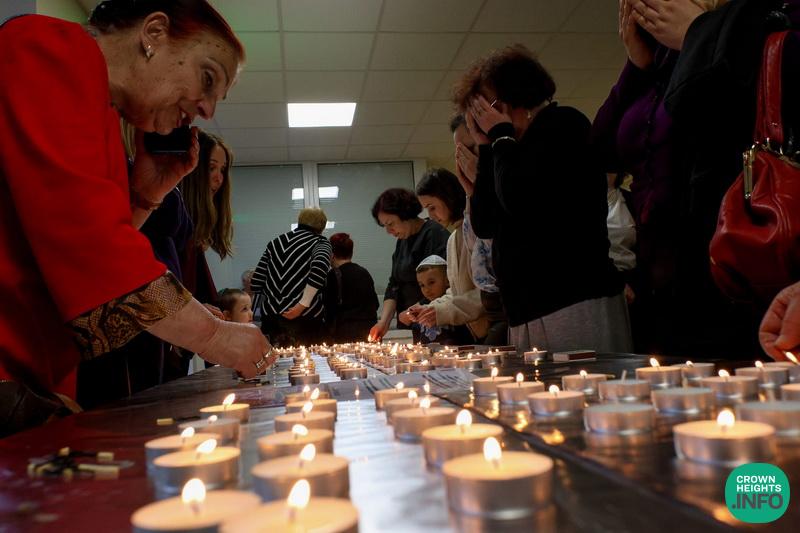
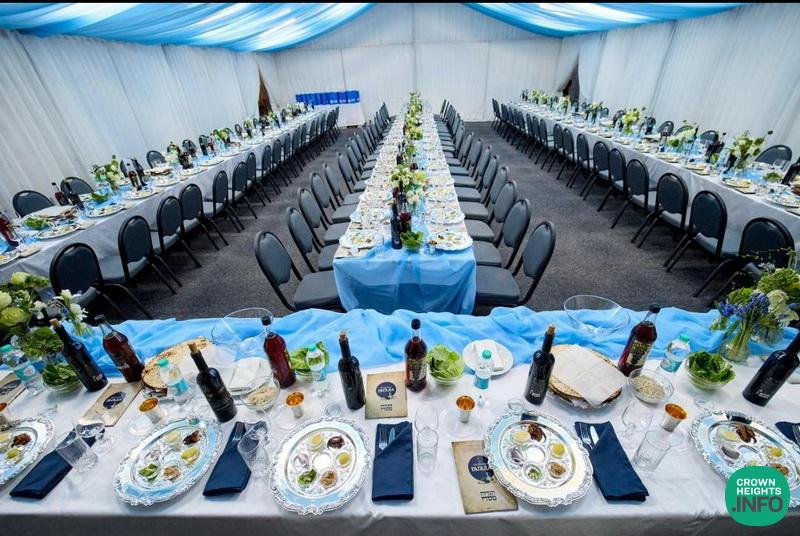
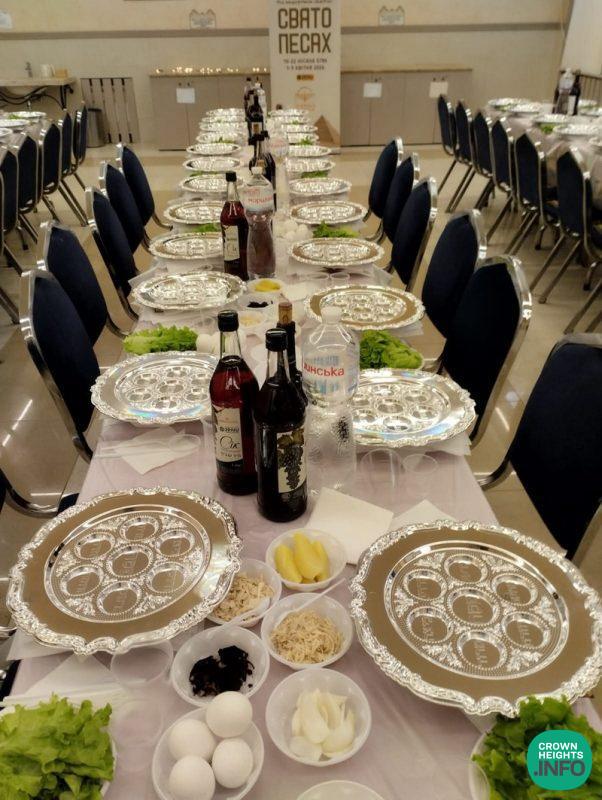
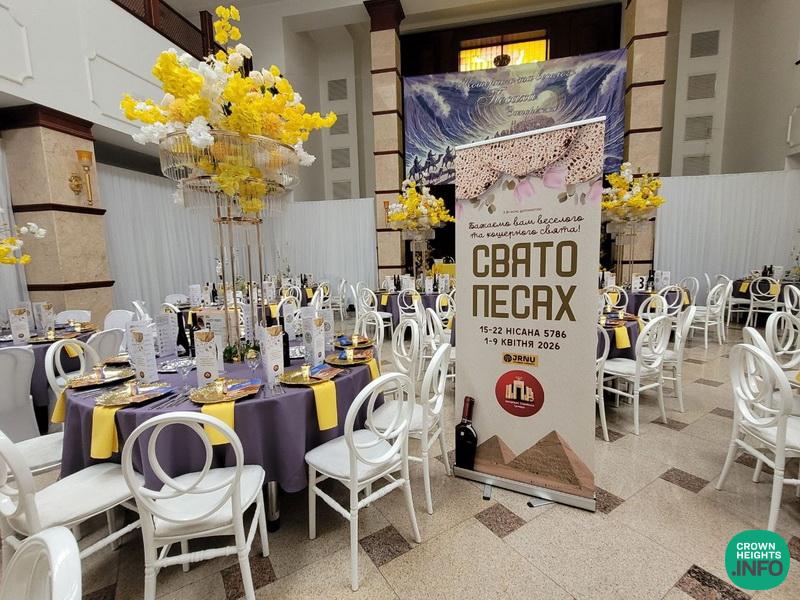
As Jews around the world sat at calmly set Seder tables, Ukraine’s Jewish communities marked Pesach under drastically different conditions. Now in the fifth year of ongoing crisis, the concept of freedom carried a sharper, more complex meaning, as tens of thousands gathered for dozens of public Passover Seder nights amid drone strikes, missile fire, and nightly curfews.
The large-scale effort, coordinated by the Chabad emissaries and local rabbis together with JRNU, enabled widespread participation despite the ongoing conflict.
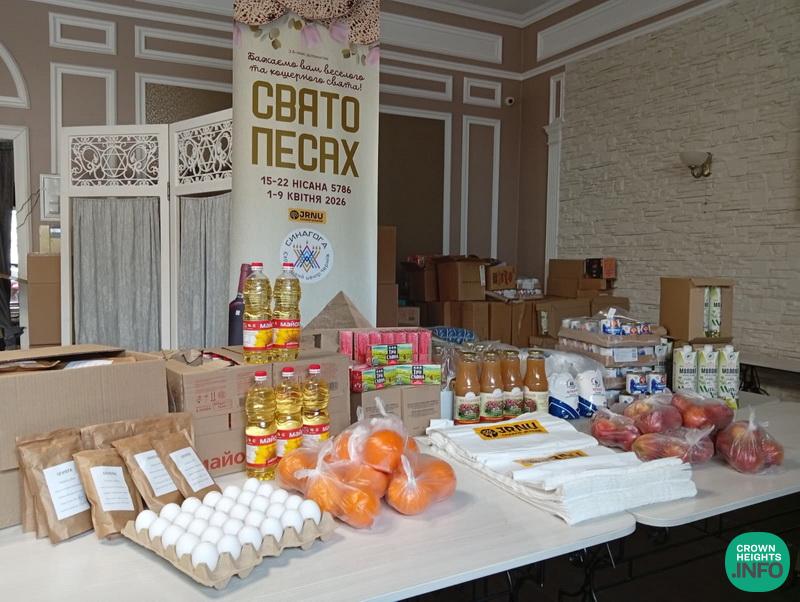
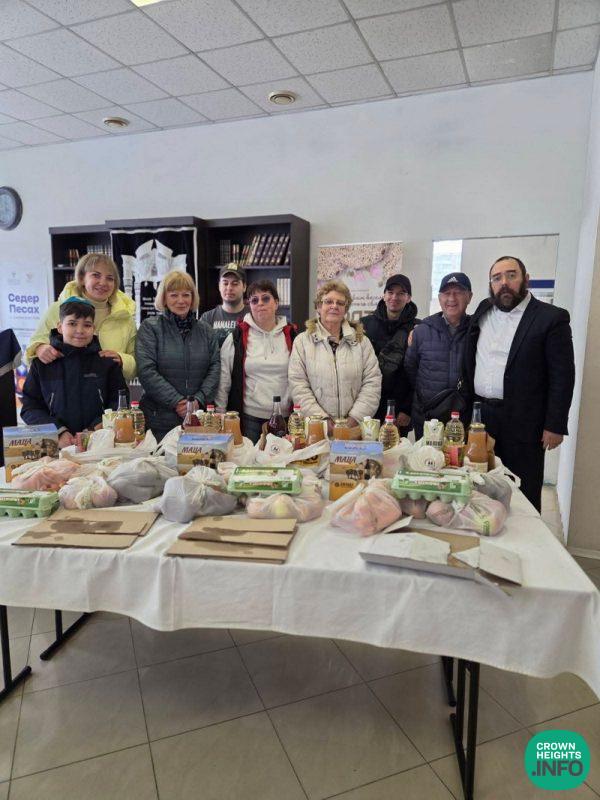
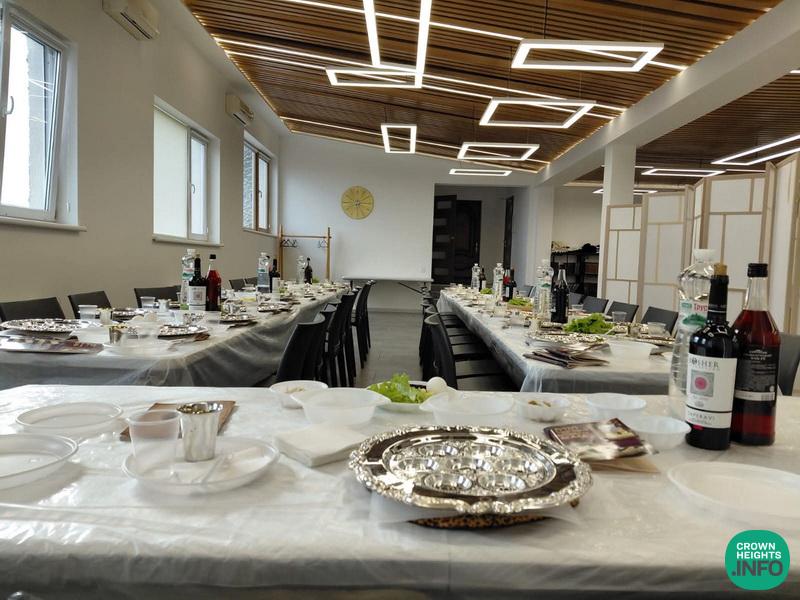
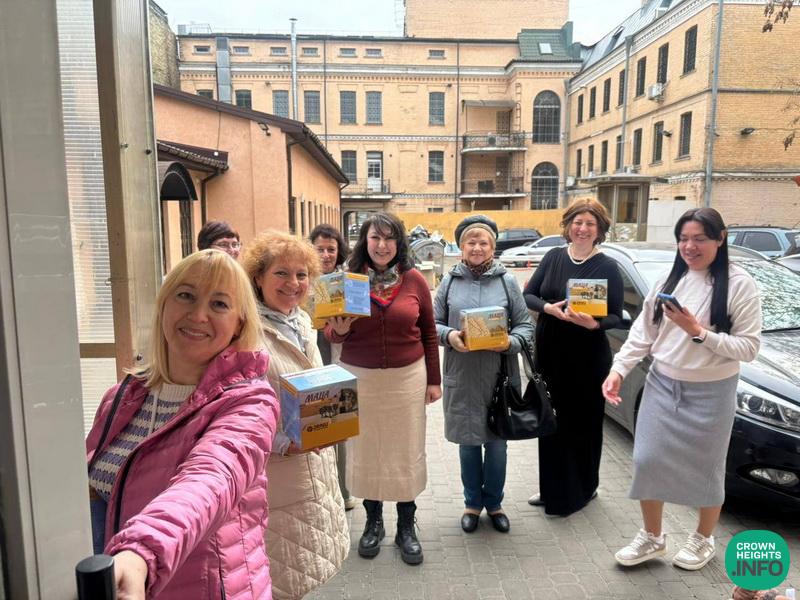
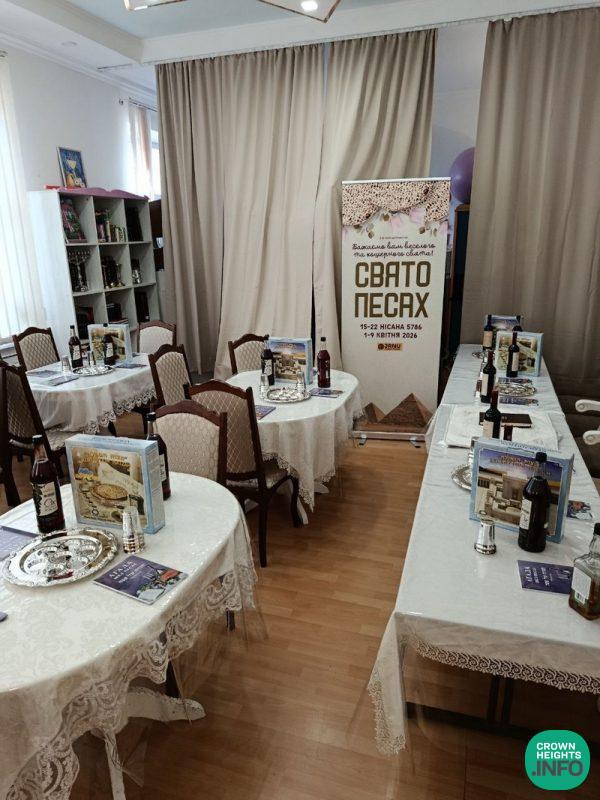
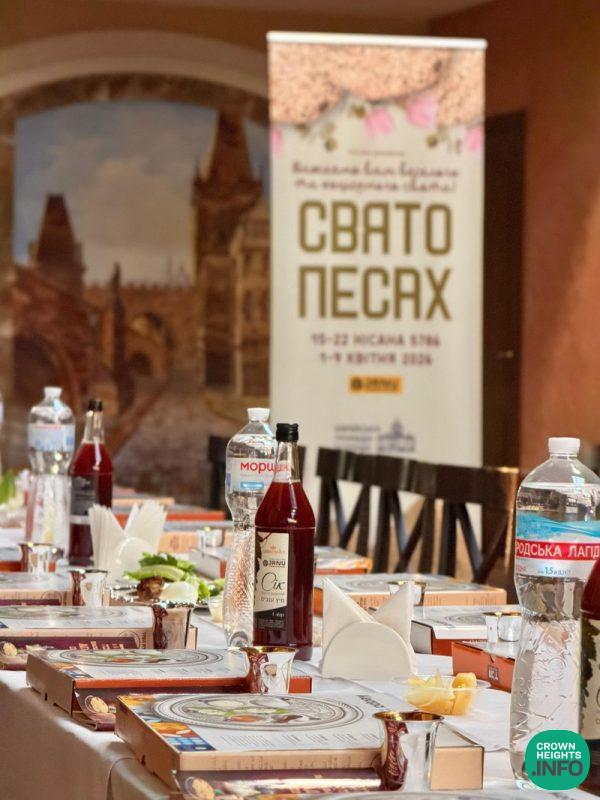
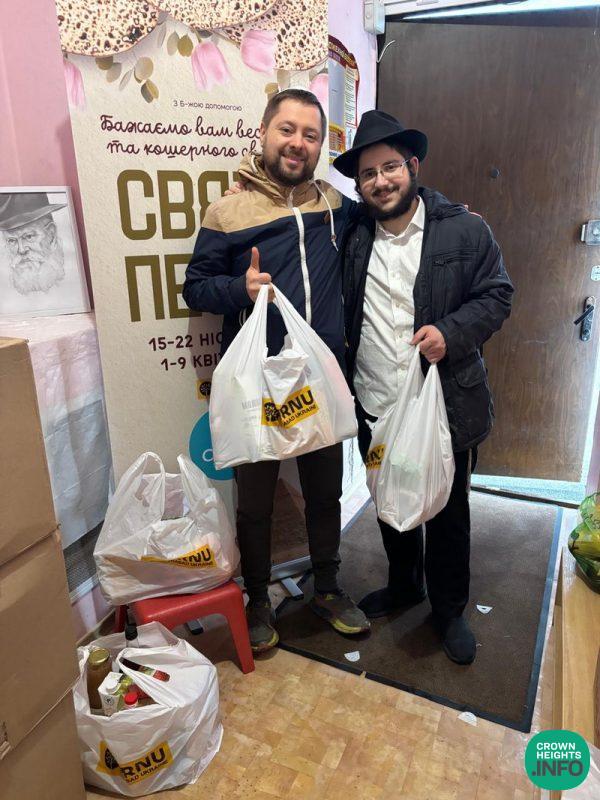
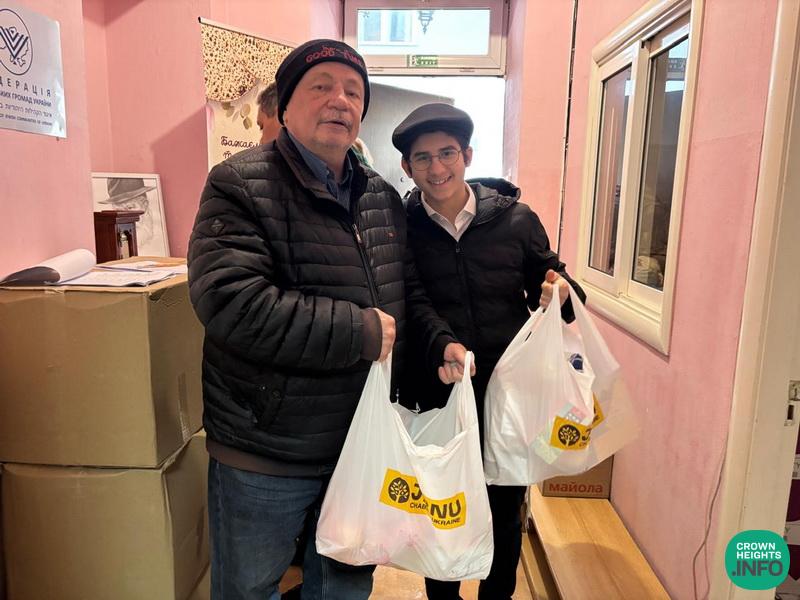
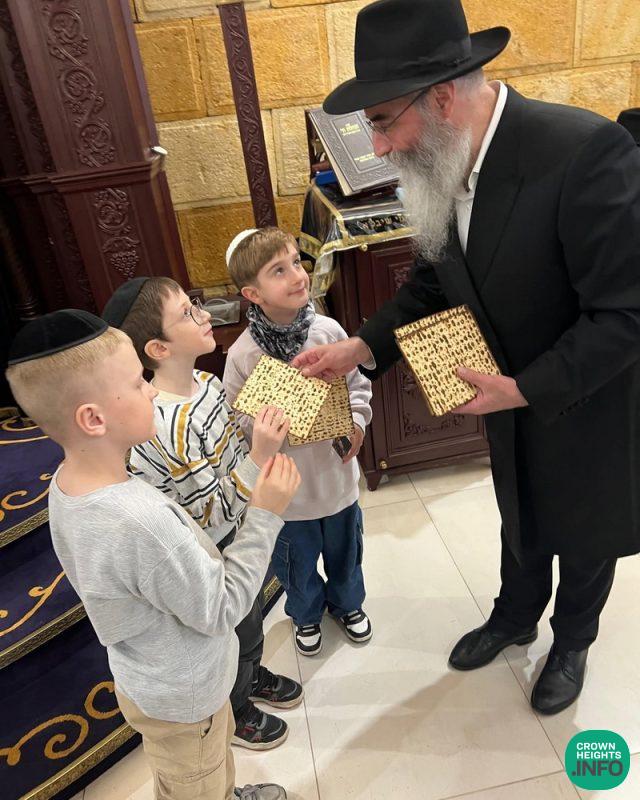
Massive logistical operations ensured the delivery of tons of Shmura matzah, wine, poultry, meat, and essential staples across the country. “This extensive support system allowed communities to enter Passover fully prepared, even under fire,” said Rabbi Simcha Levenhertz, and executive director of the distribution network.
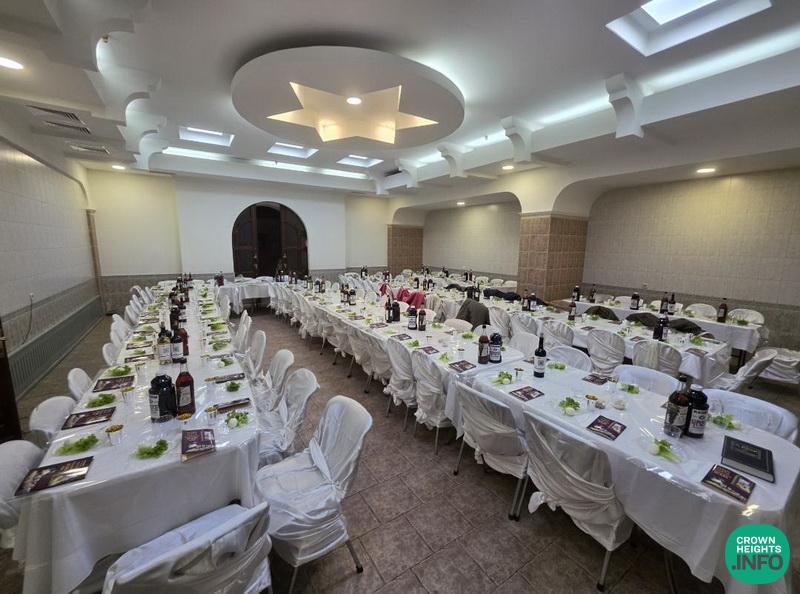
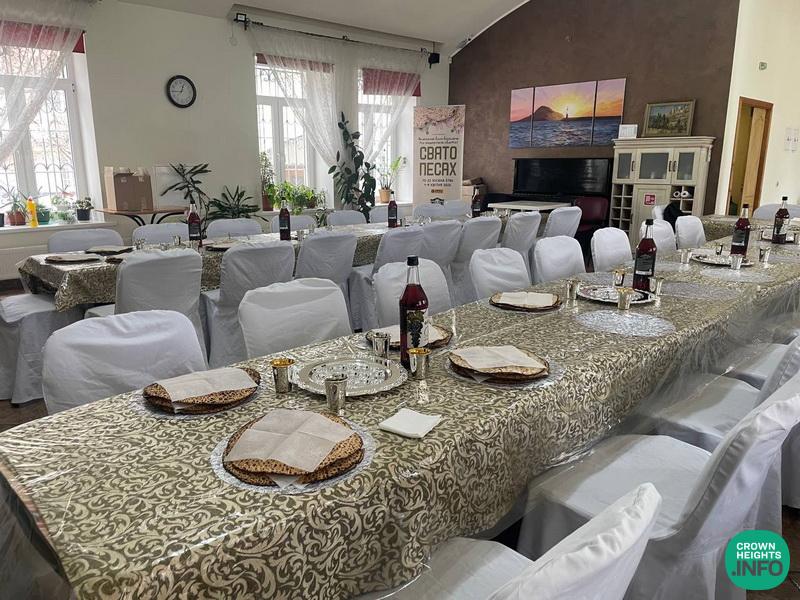
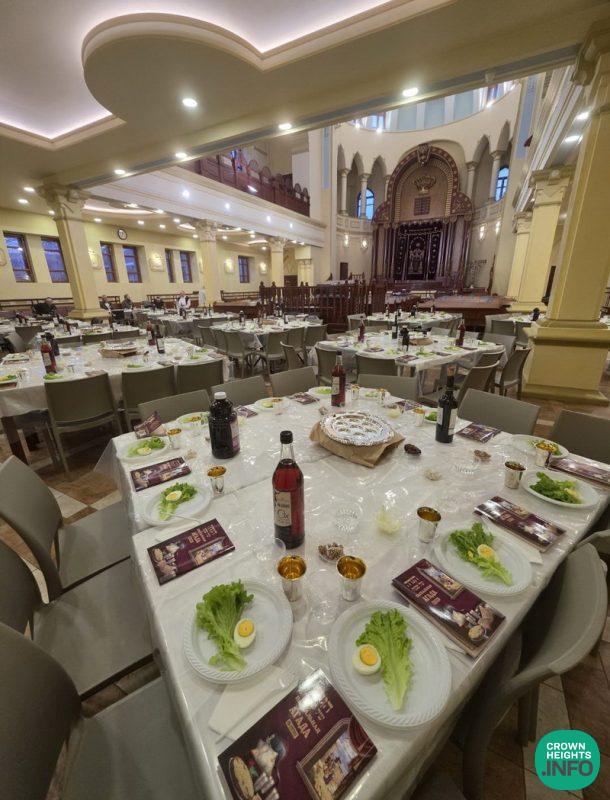
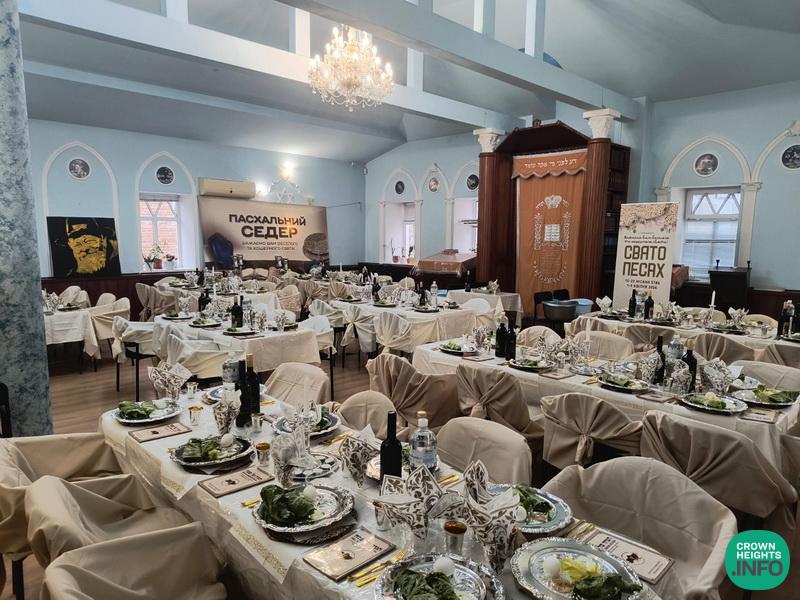
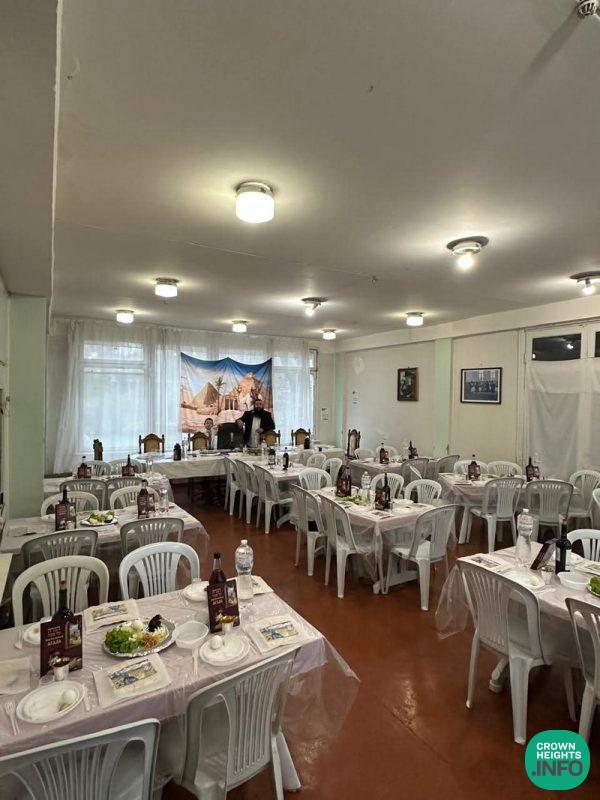
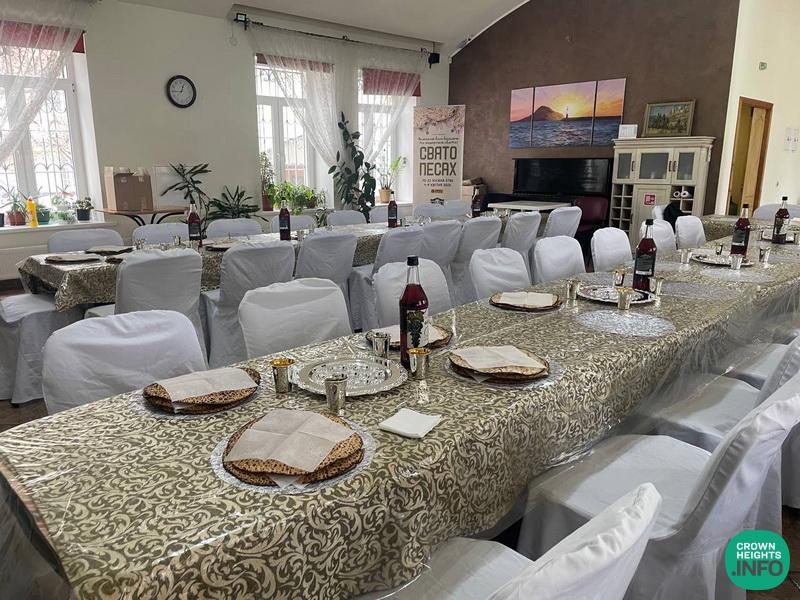
In Zhytomyr, the central Seder led by Chief Rabbi Shlomo Wilhelm drew approximately 180 participants, just hours after the city endured a significant drone attack. Despite the circumstances, the event proceeded in a dignified setting, with additional Seders organized for children in age-appropriate groups. “The children experienced something meaningful and uplifting,” Rabbi Wilhelm reported.
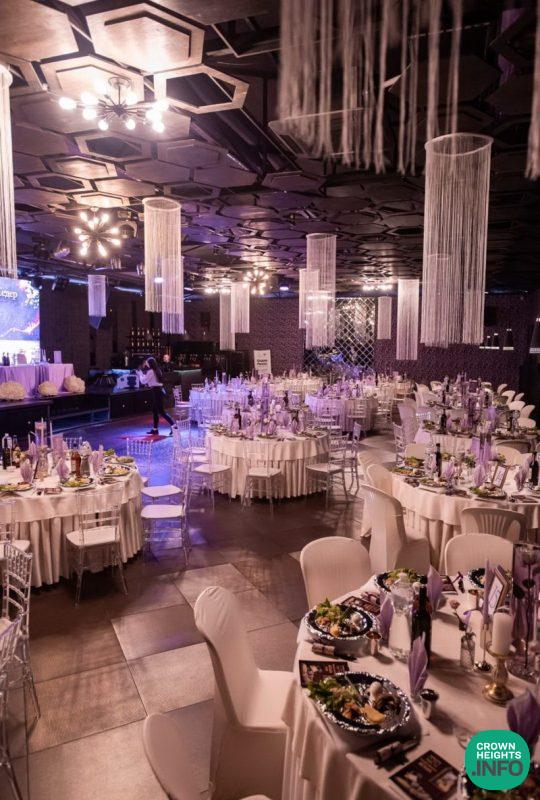
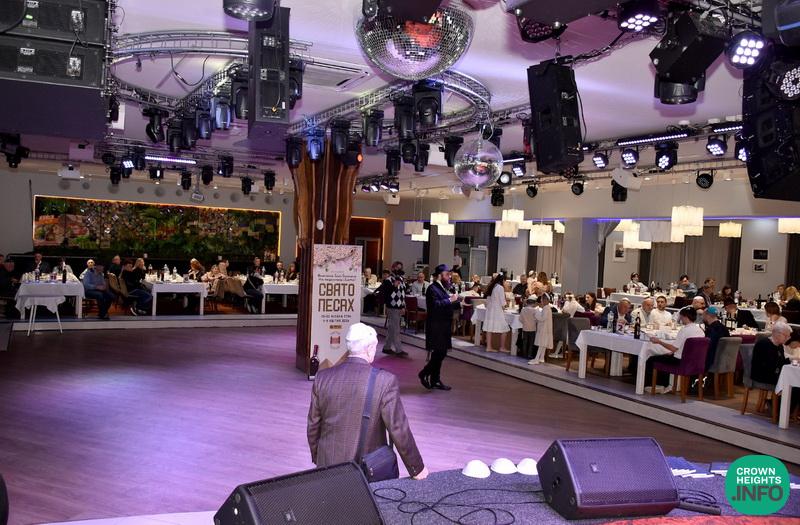
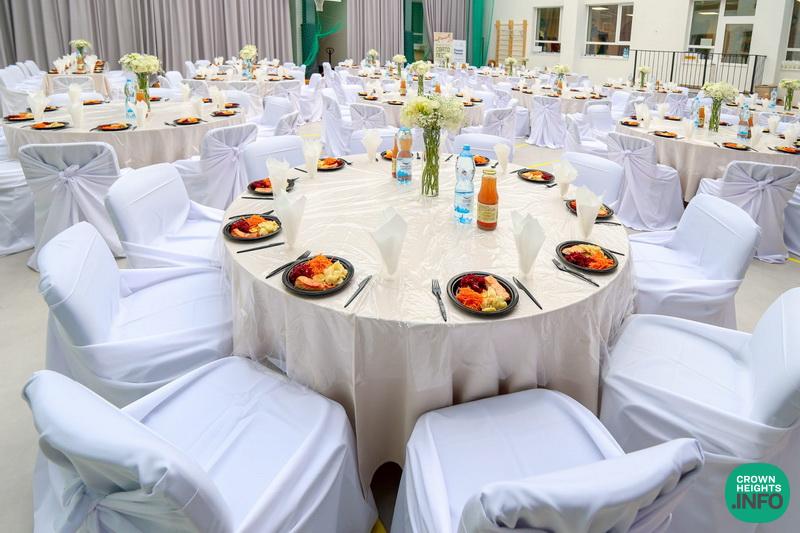
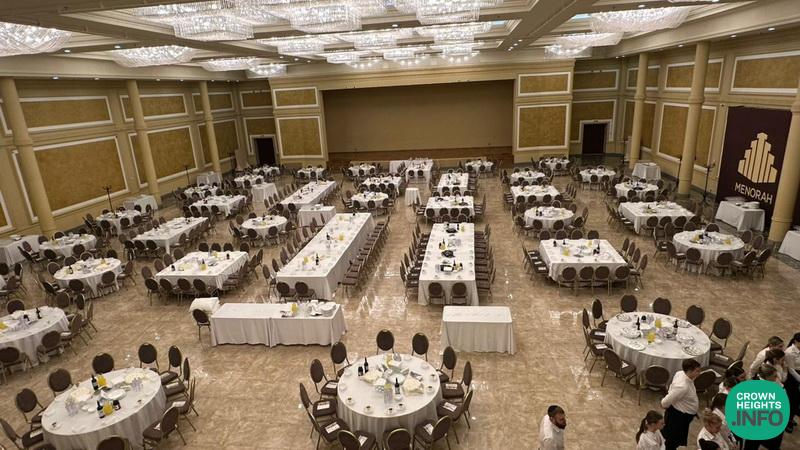
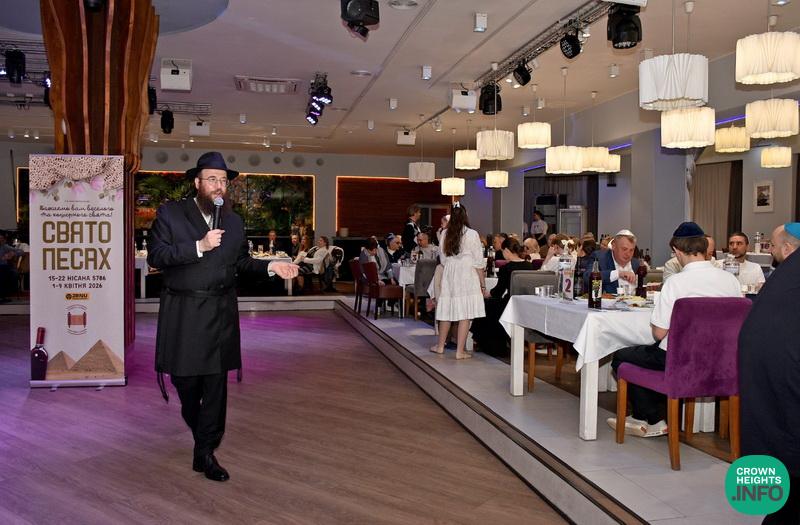
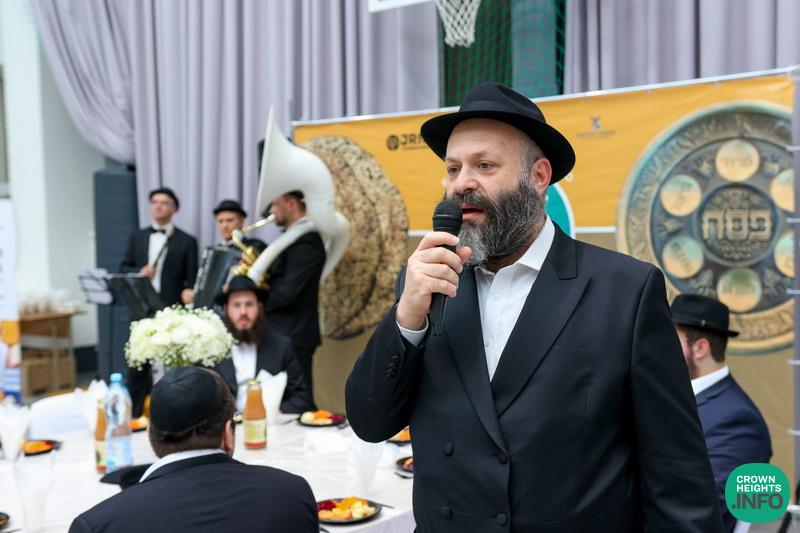
In Odessa, the scale was even larger. Under the leadership of Chief Rabbi Avraham Wolff, roughly 1,000 participants attended communal Seders despite ongoing attacks. During the evening, sirens sounded, and children from the “Mishpacha Ukraine” orphanage were forced to move to shelters in the middle of the Seder. There, inside the protected space, they continued reciting the Haggadah and singing Pesach songs until late into the night.
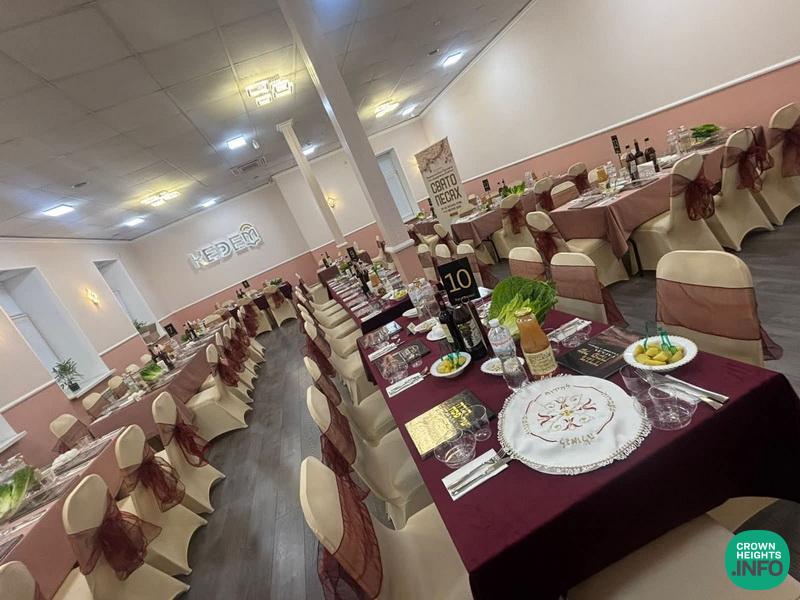
In Sumy, missile and artillery impacts were reported in close range to the local synagogue during the holiday. “By the grace of Heaven, no one was harmed,” said Rabbi Yechiel Shlomo Levitansky, noting that attendance at the second-night Seder filled the hall to capacity.
A similar pattern was seen in Poltava, where a strike occurred on a nearby street shortly before Yom Tov. Despite the incident, community members turned out in large numbers for the Seder led by Rabbi Yosef Yitzchak Segal.
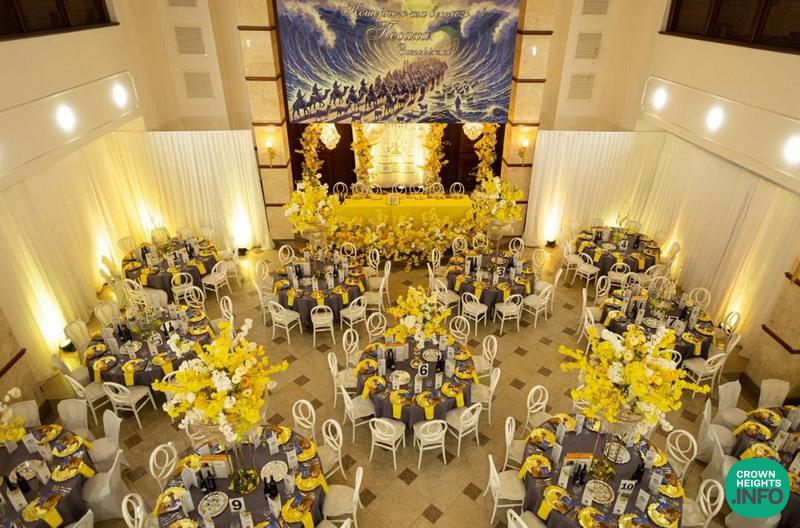
In Chernivtsi, which has absorbed many displaced families, approximately 300 participants joined the Seder hosted by Rabbi Menachem Mendel Glitzenstein. One account stood out: a senior local physician, who had long claimed he had no time for Judaism, attended for the first time and became visibly emotional during the recitation of “Mah Nishtanah.” He later said the moment made him realize what he had been missing for years. Due to the city’s midnight curfew, participants on the second night remained at the venue, continuing until 4 a.m., when restrictions were lifted.
Across Ukraine, a consistent pattern emerged: despite active crisis conditions, participation remained strong, and in many cases increased. As one rabbi summarized, the guiding principle remained unchanged: no Jew is left behind, regardless of circumstance.