
International Holocaust Remembrance Day Marked at the Jewish Museum in Central Moscow
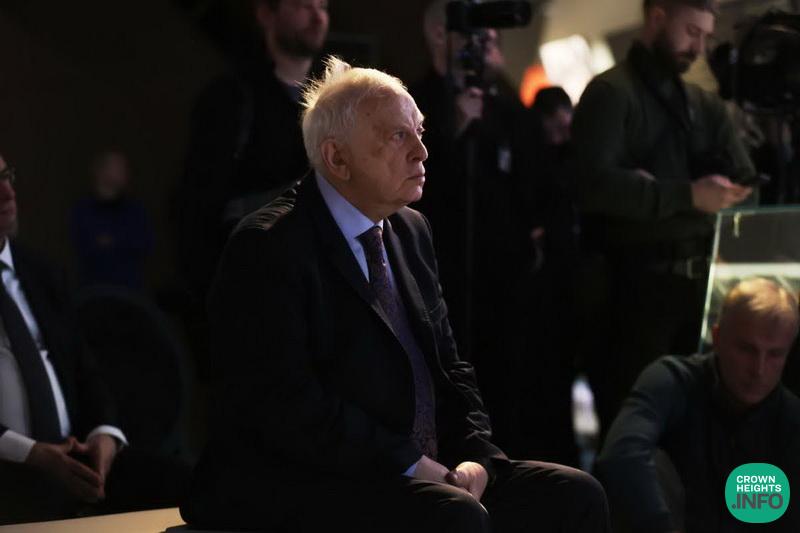
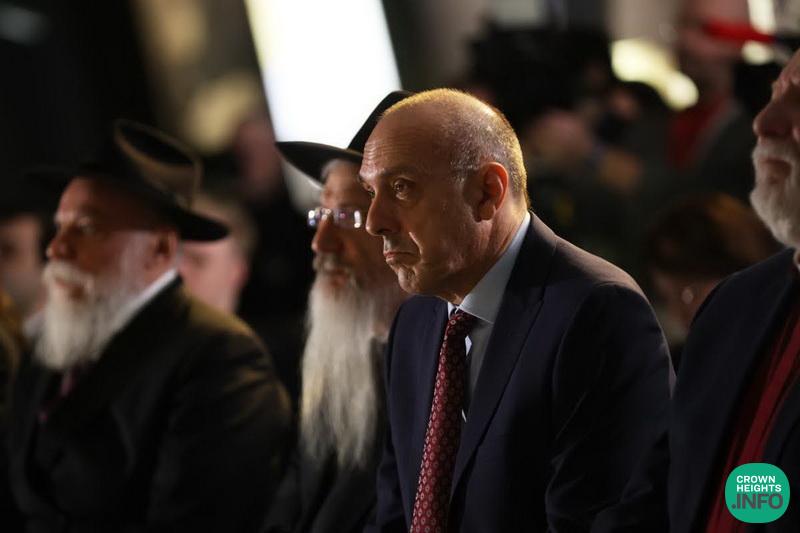
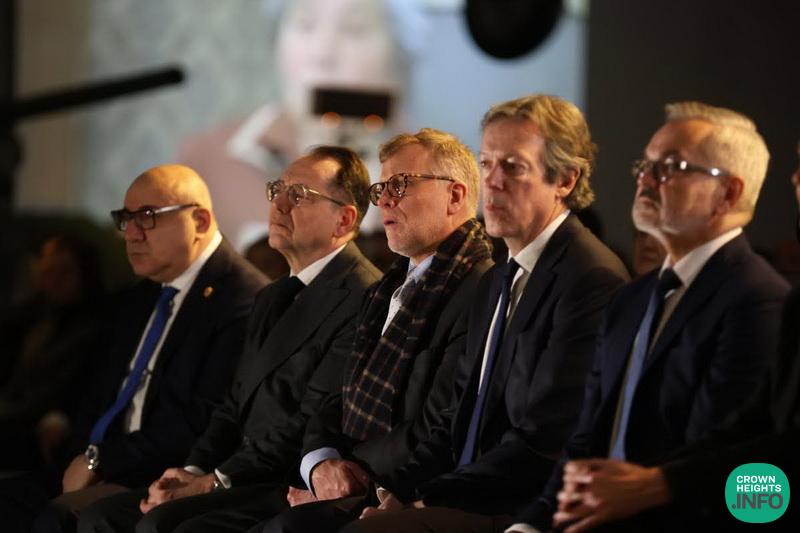
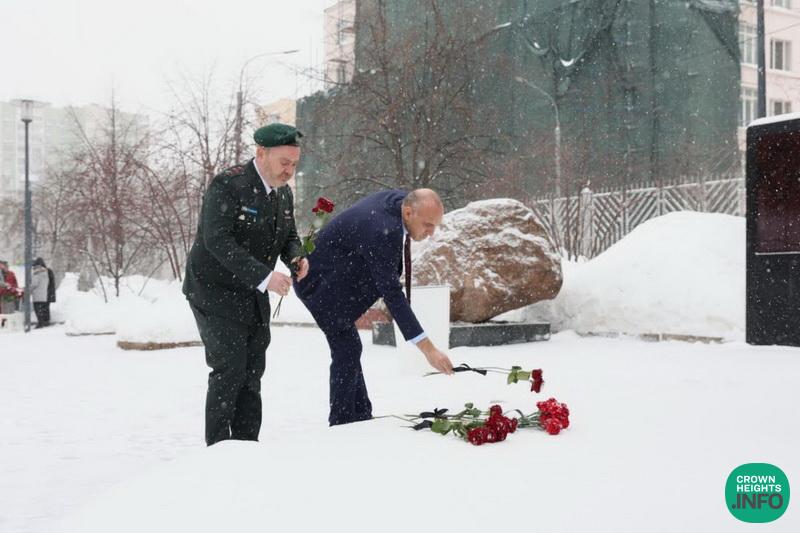
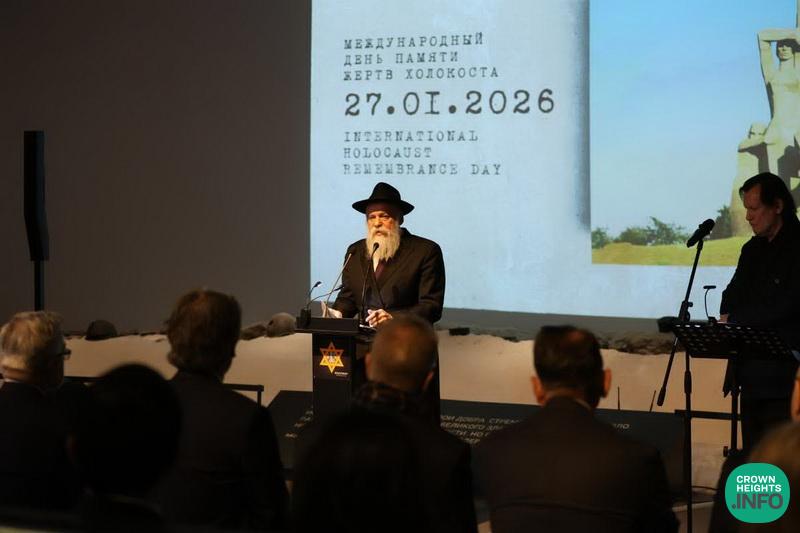
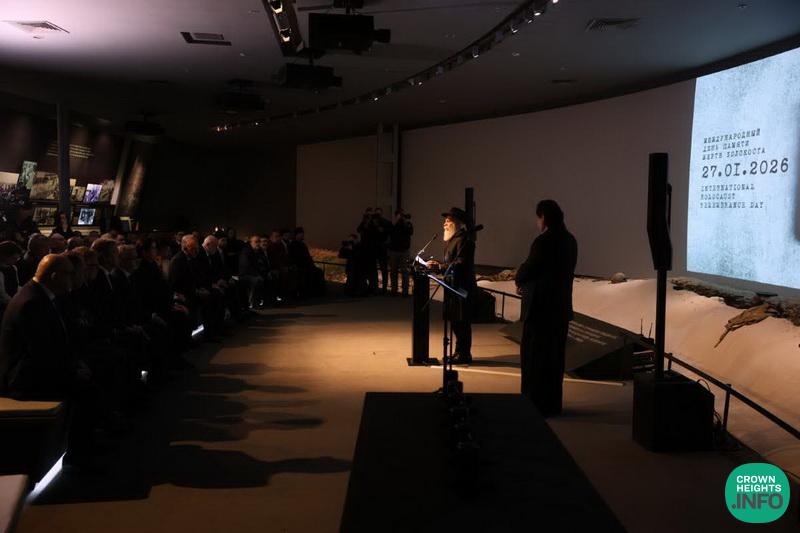
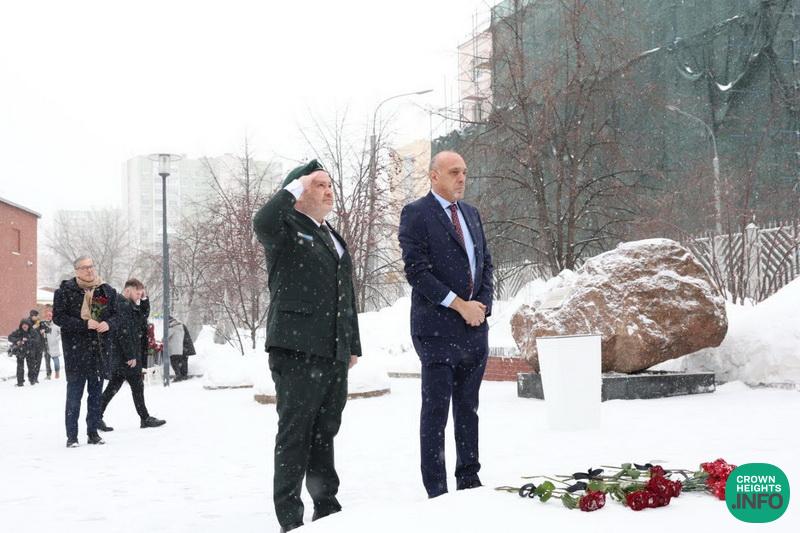
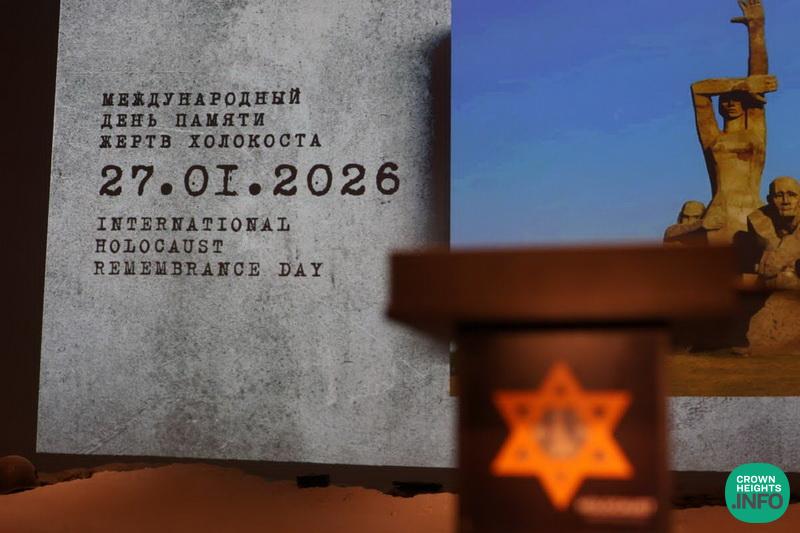
Since the United Nations designated January 27—the date of the liberation of Auschwitz—as the International Holocaust Remembrance Day, Russia’s central commemoration ceremony has been held annually at the Jewish Museum and Tolerance Center in Moscow. Each year, the event brings together senior government representatives, numerous ambassadors, and leading public figures.
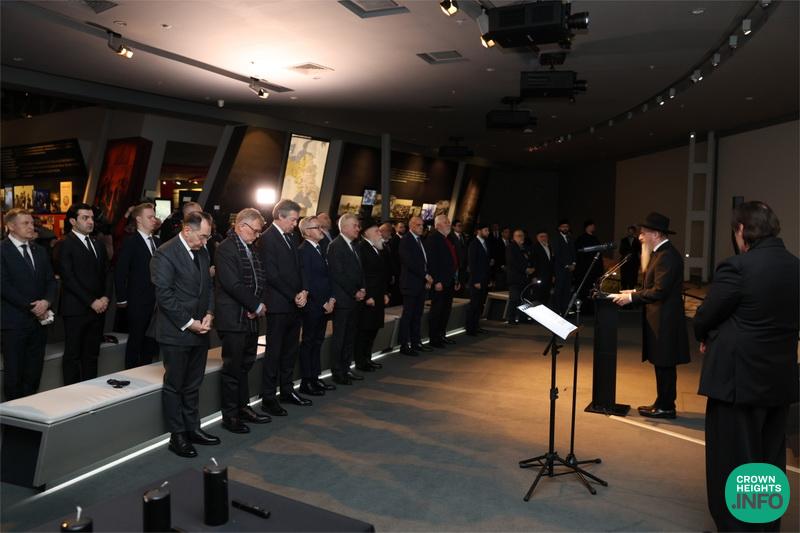
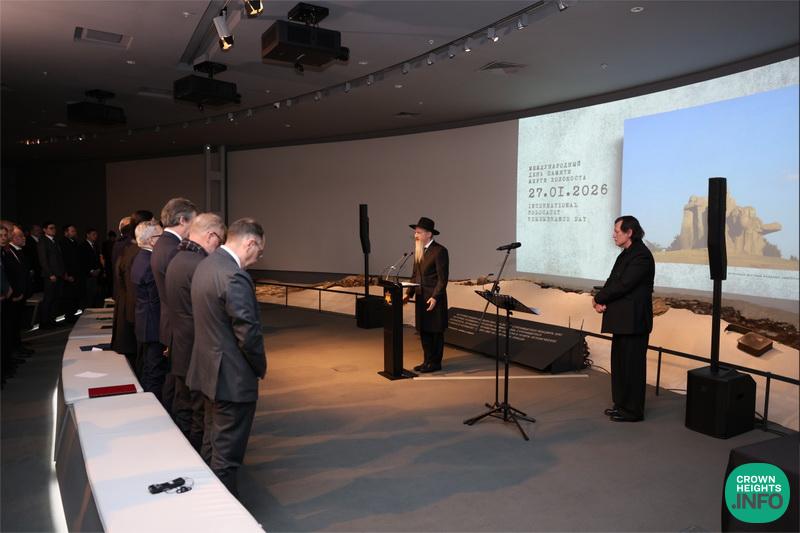
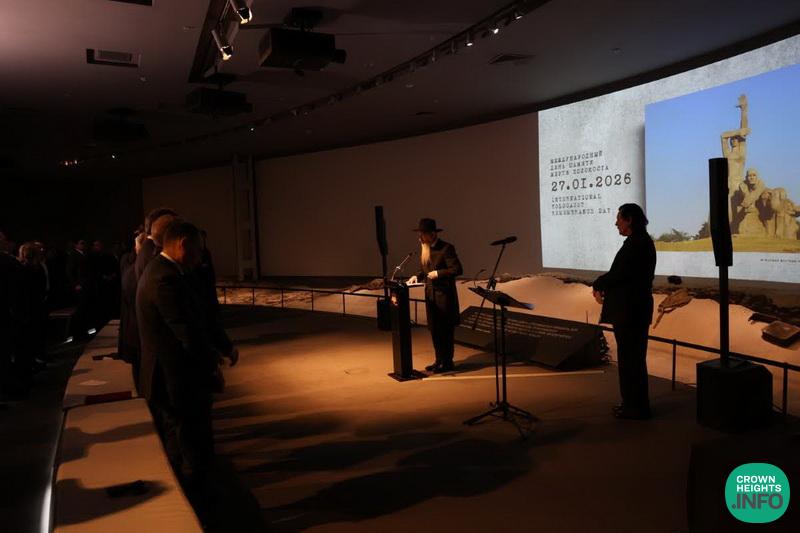
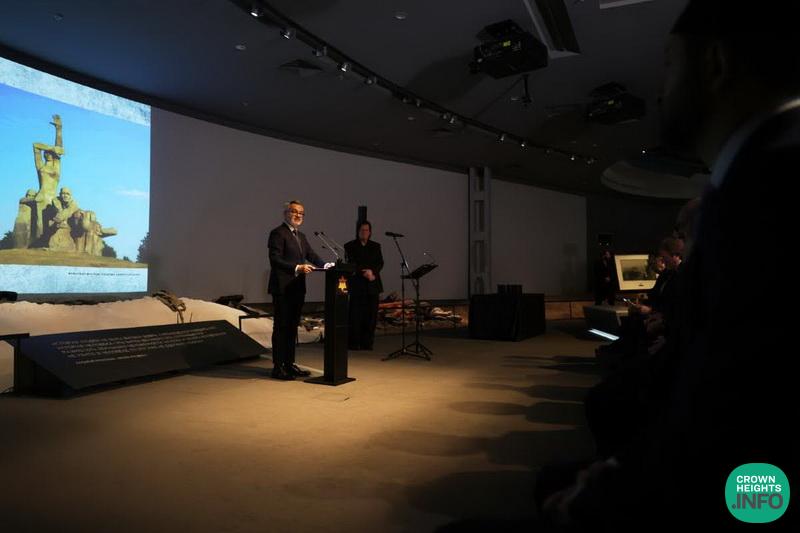
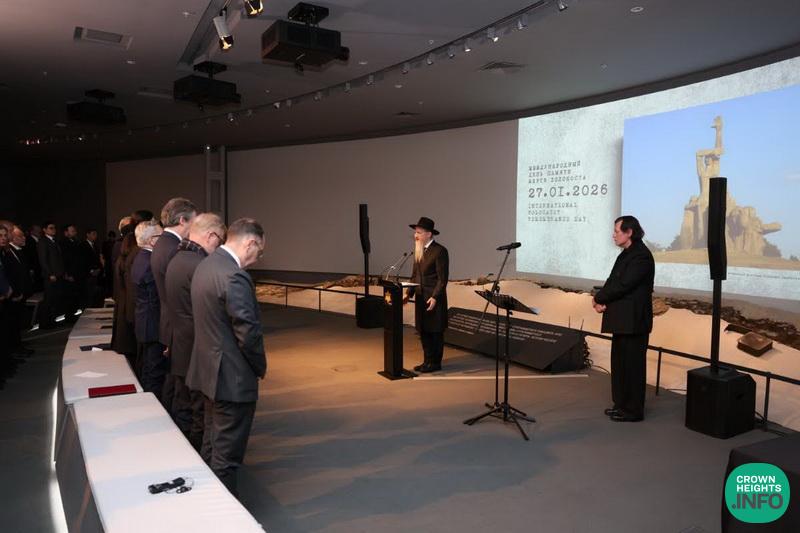
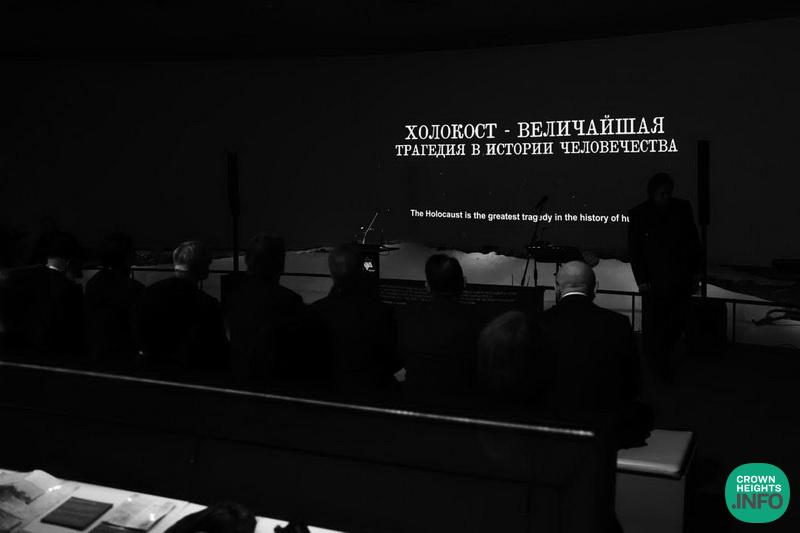
The ceremony takes place in the southern wing of the museum, in a hall entirely dedicated to the memory of World War II. Thousands of visitors pass through this space daily, where they are exposed to the self-sacrifice of the holy martyrs of the Holocaust, of blessed memory, and to the immense hardships endured throughout the war in general—and in Russia in particular—until its conclusion with the advance of the Red Army to Berlin and the liberation of the Auschwitz concentration camp.
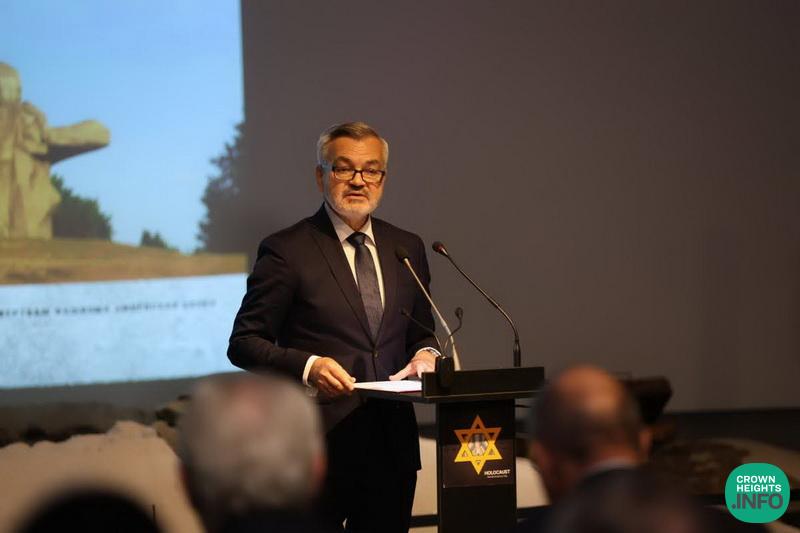
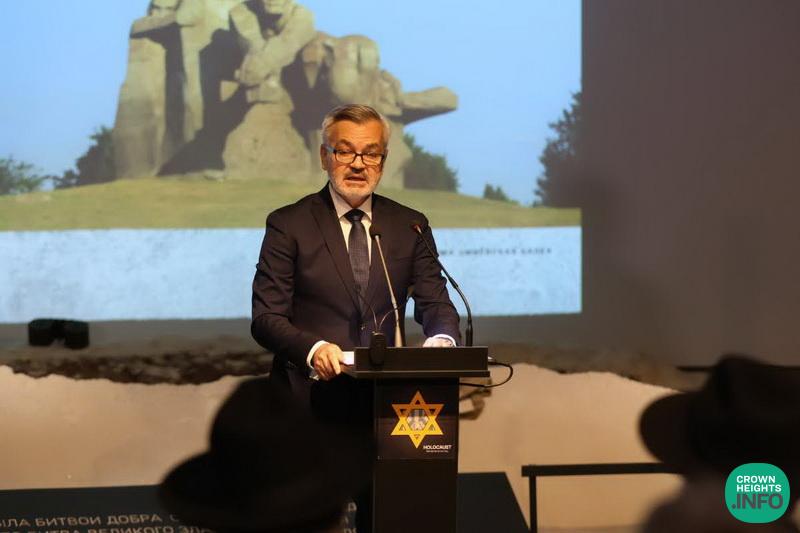
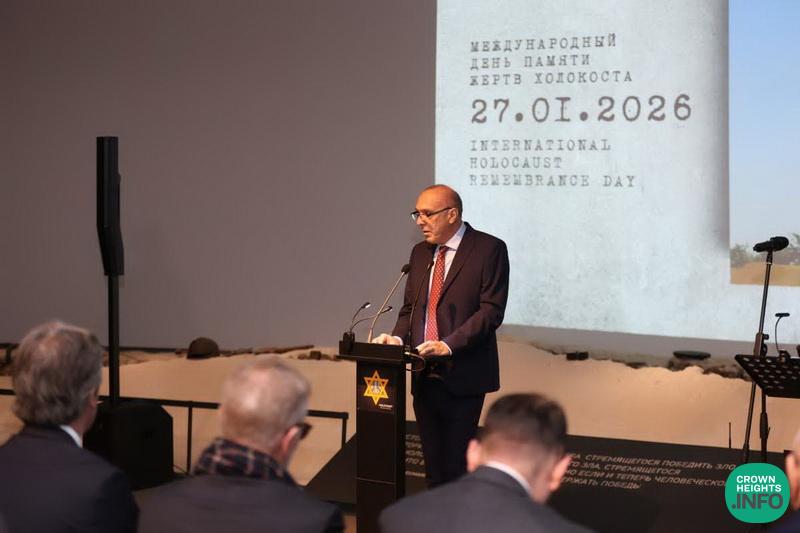
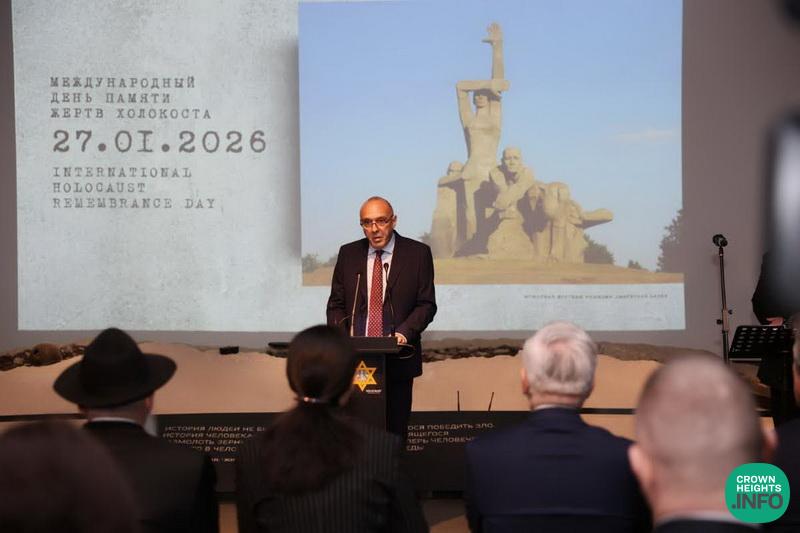
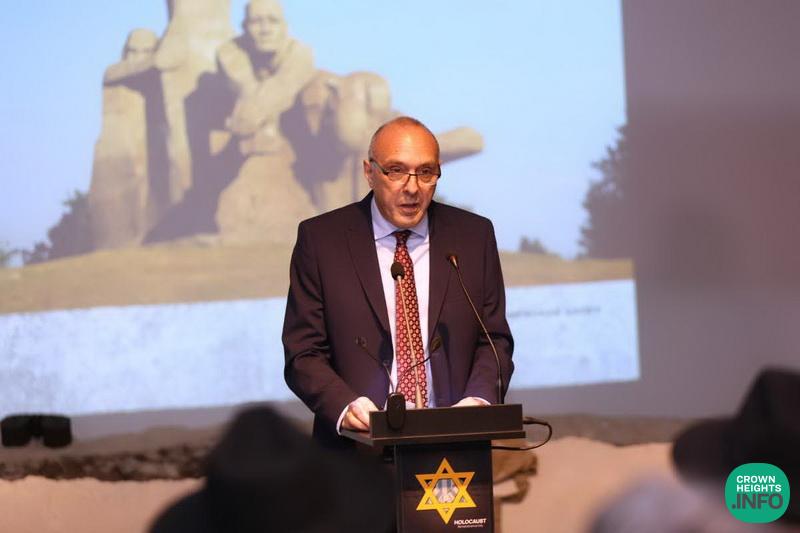
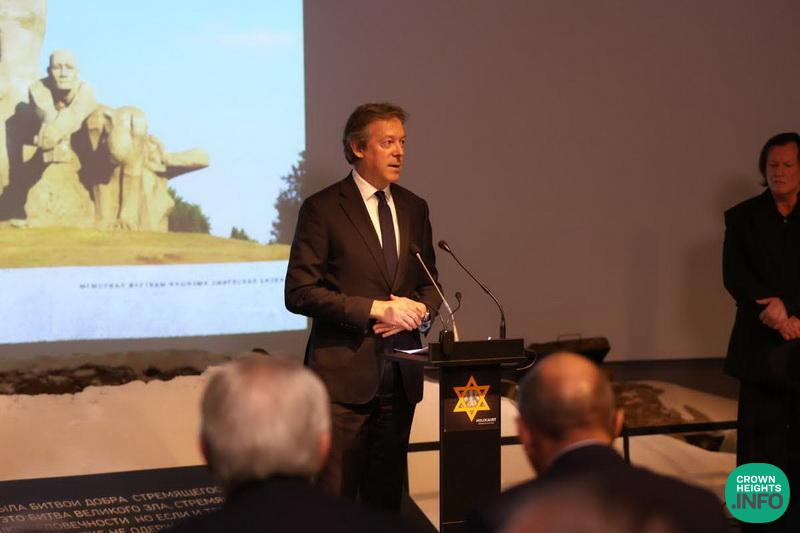
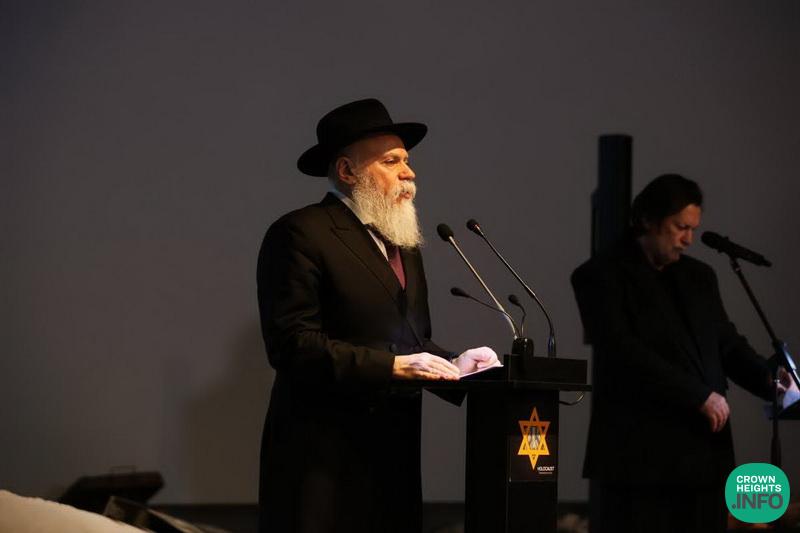
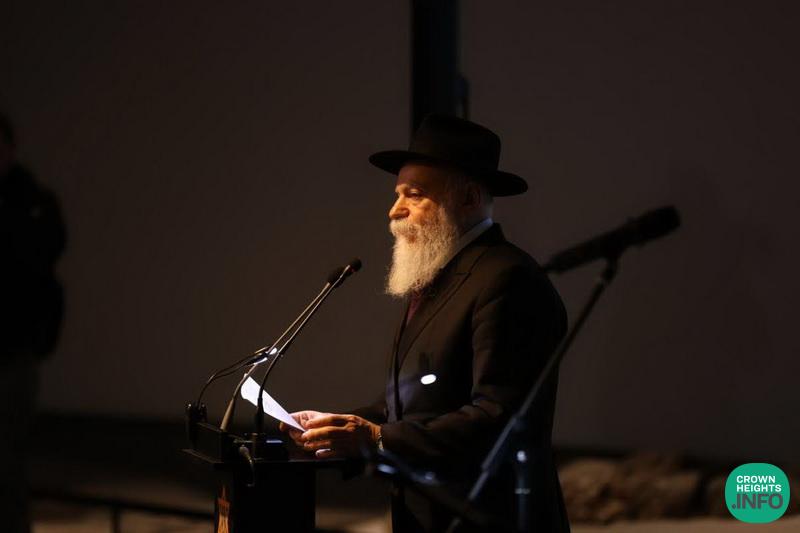
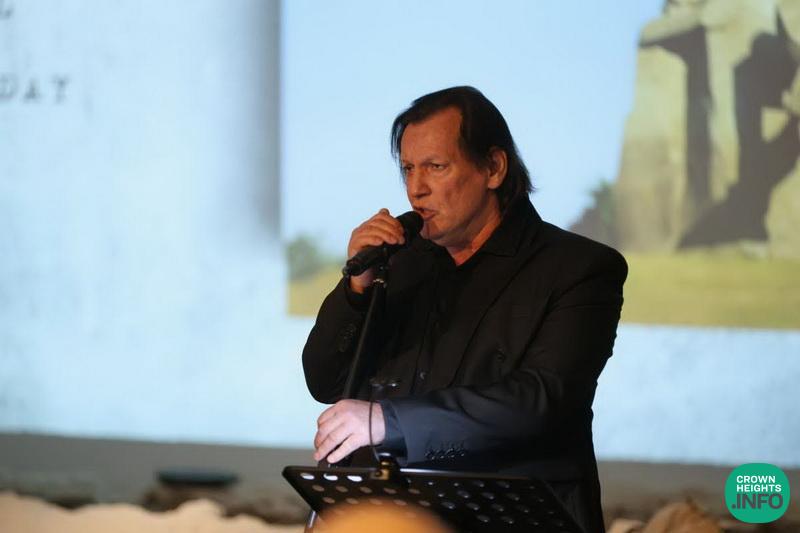
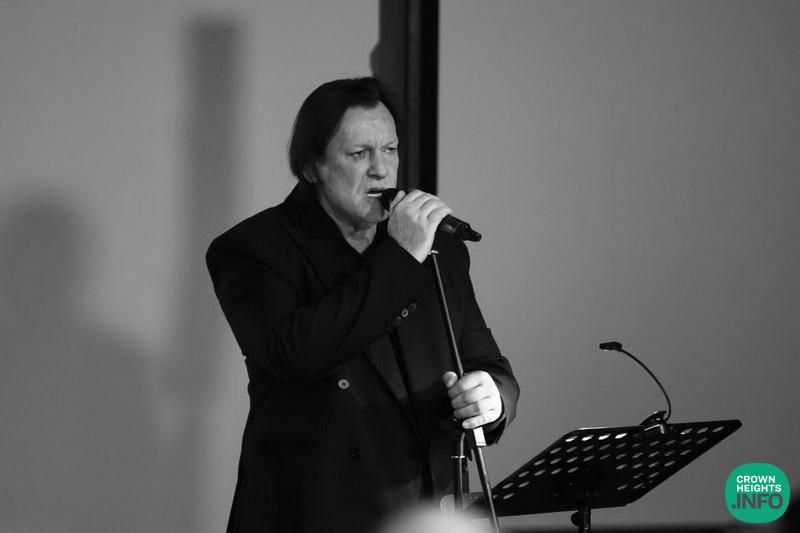
This year’s memorial event was moderated by the well-known Russian public figure Igor Mirkurbanov and was opened by the President of the Federation of Jewish Communities of Russia, Rabbi Alexander Boroda. Moving addresses were delivered by the ambassadors of Israel, Germany, Poland, and Great Britain.
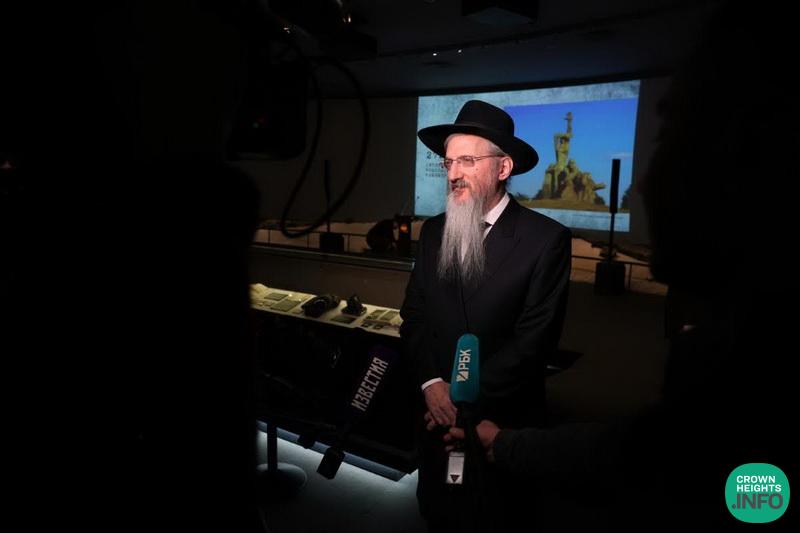
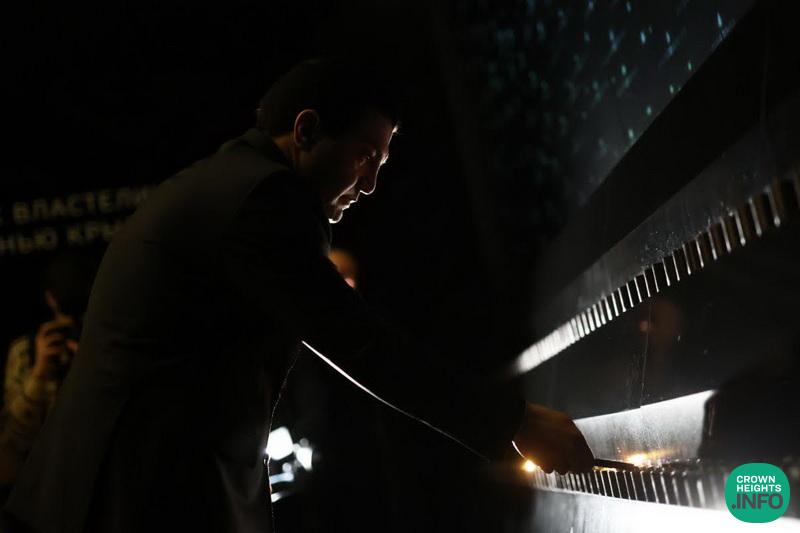
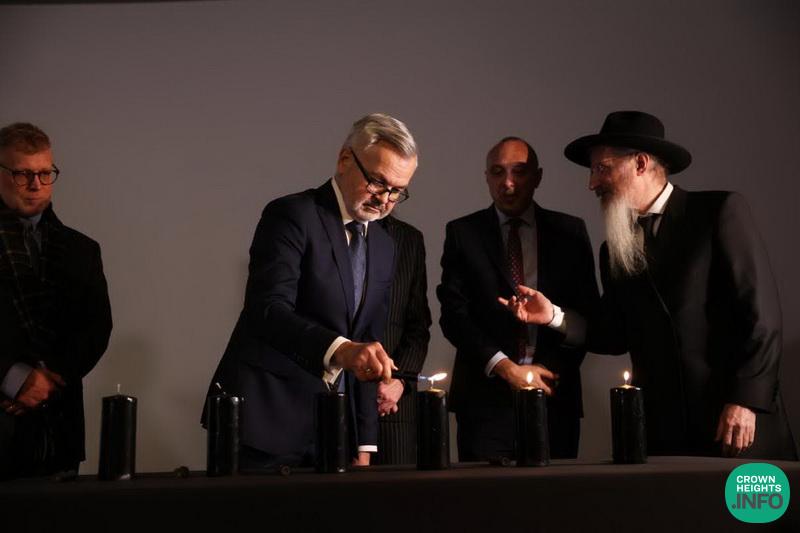
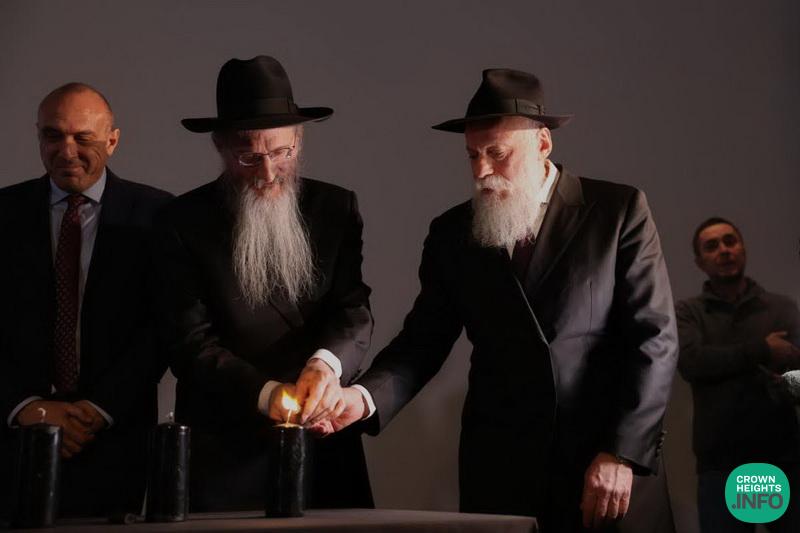
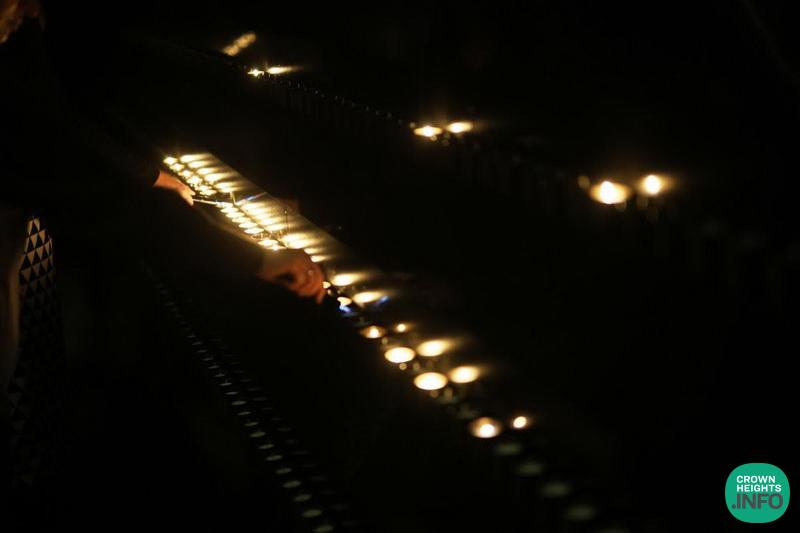
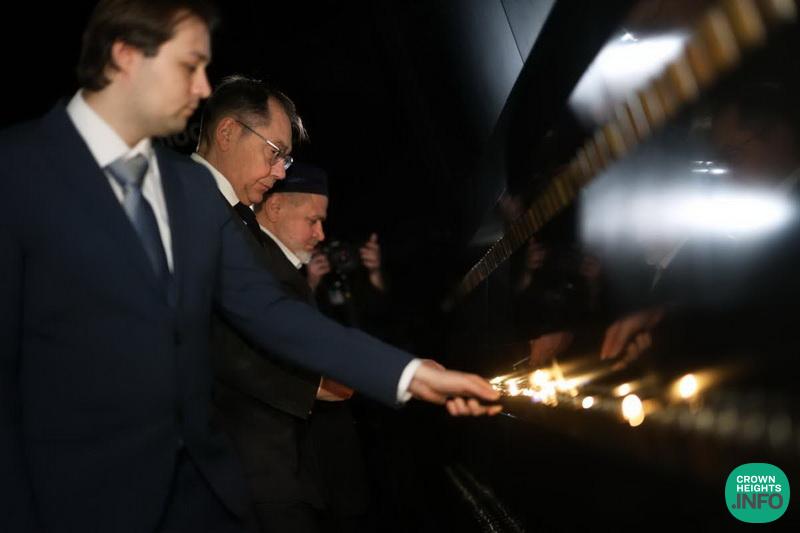
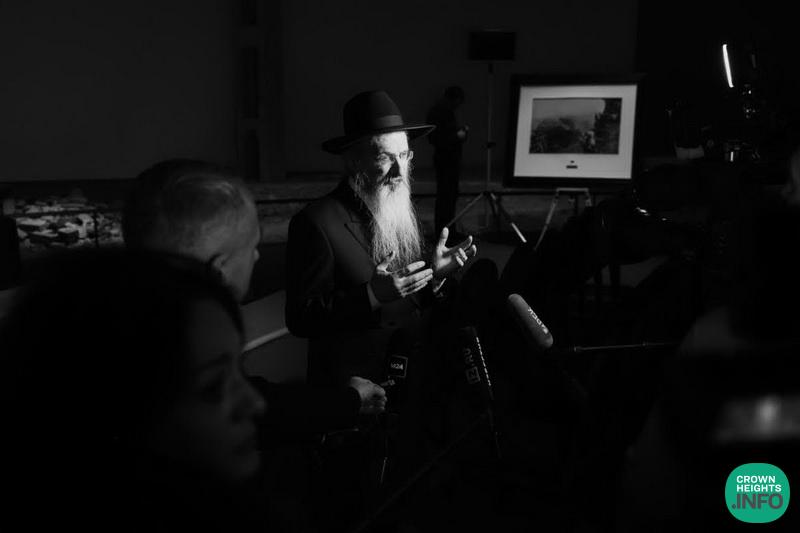
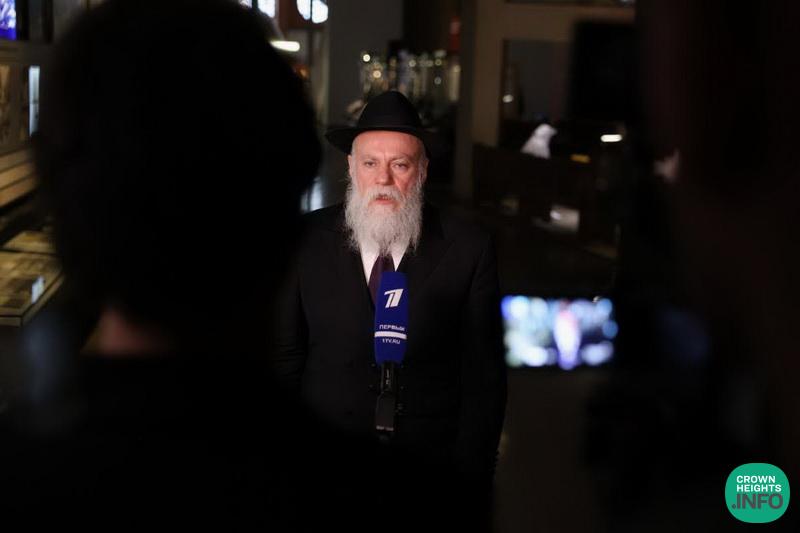
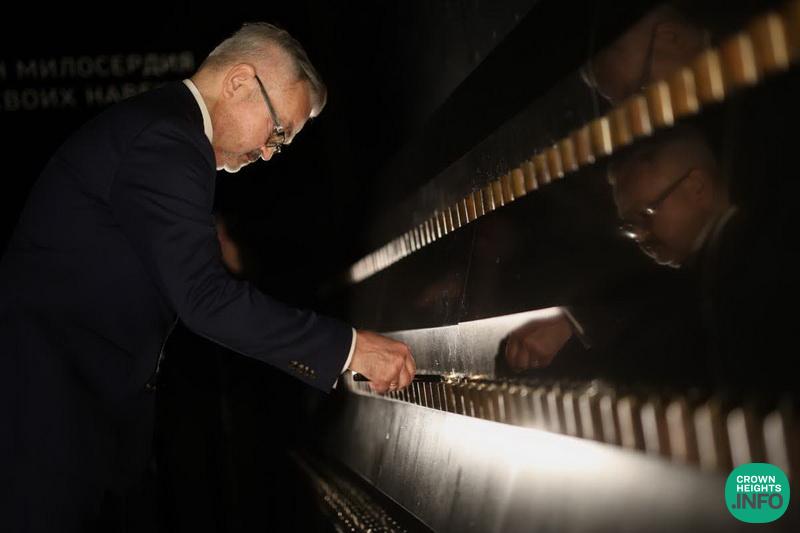
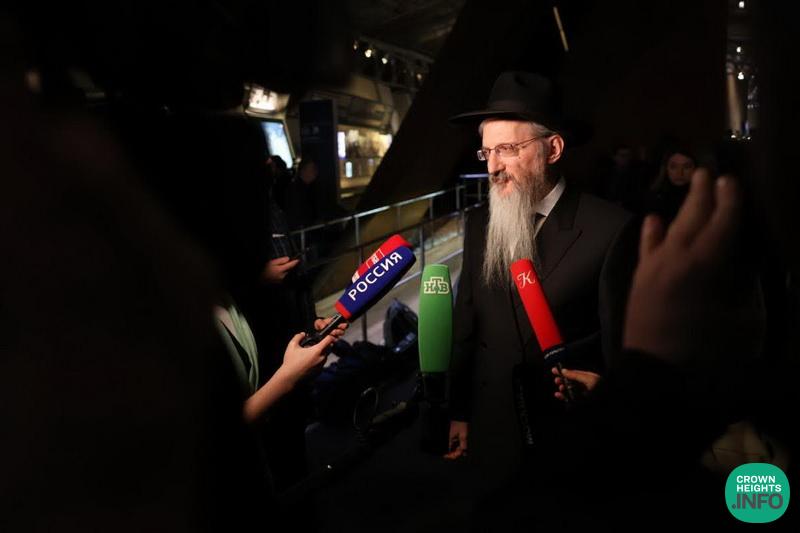
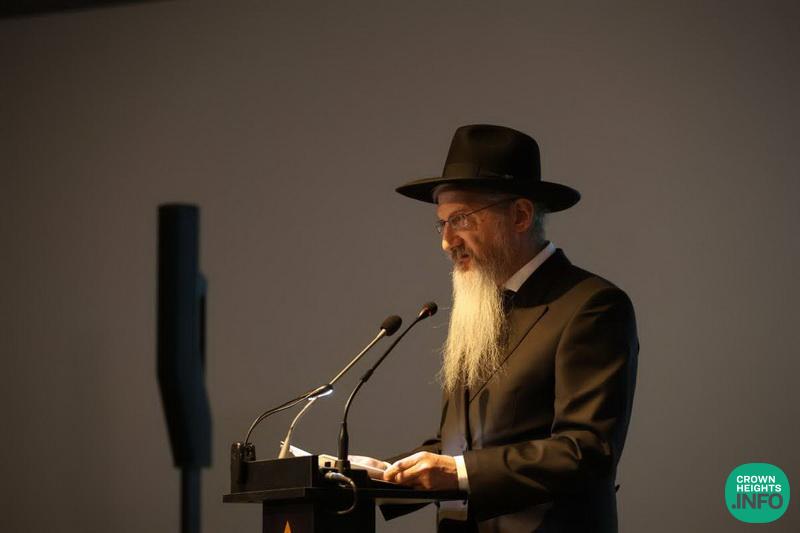
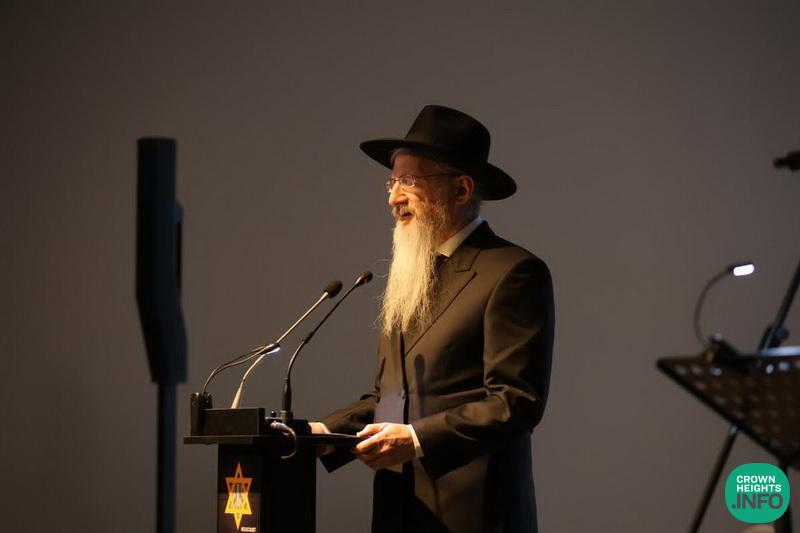
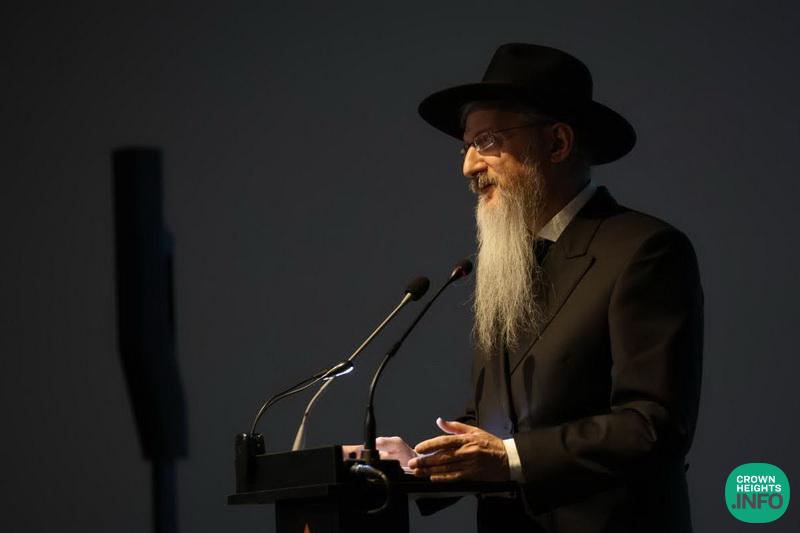
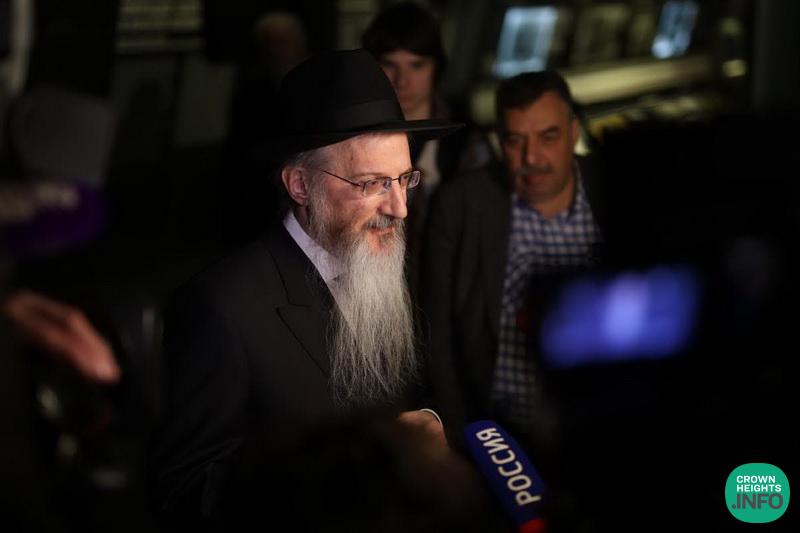
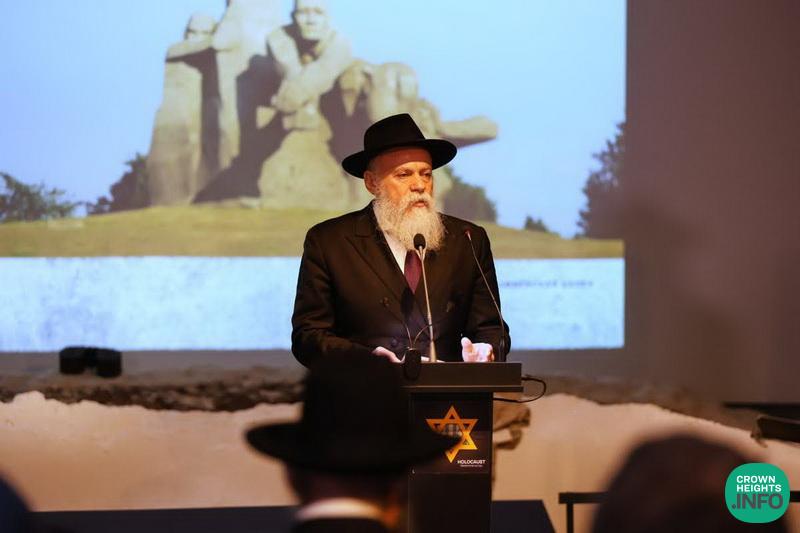
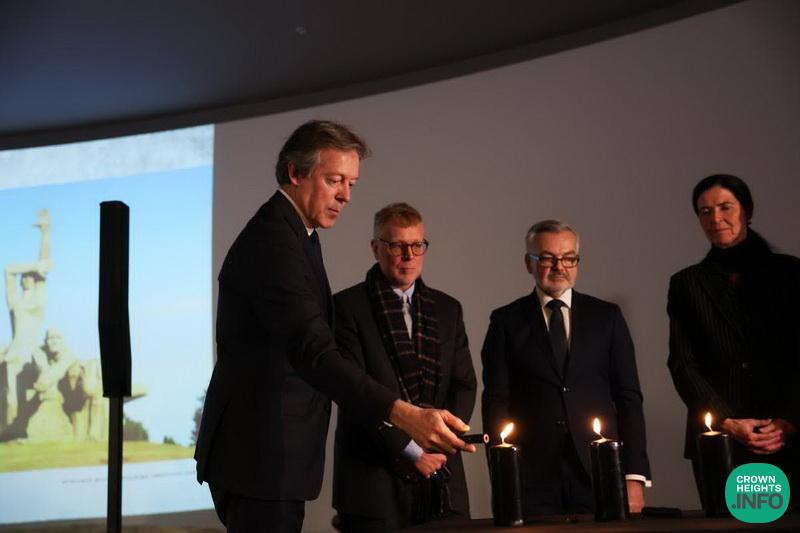
After reciting the Kel Malei Rachamim prayer in memory of the six million holy martyrs, the Chief Rabbi of Russia, Rabbi Berel Lazar lit six memorial candles in their honor. The Chief Rabbi then delivered the central address of the ceremony, after which he read aloud a letter from the President of the Russian Federation, Mr. Vladimir Putin, who in previous years has also personally participated in this annual memorial event.
In his remarks, Rabbi Lazar said:
“We have gathered today to unite in remembrance of the six million—the most horrific tragedy in the history of our people, and a bleeding wound in the history of all humanity. I thank everyone who chose to come and be here today.
“The Holocaust was not a war between armies, but a carefully planned industry of death against civilians—elderly people, women, and children—whose only ‘crime’ was being Jewish. In the face of such horror, the question arises: why continue to reopen these wounds? Why expose our children to this evil in a world that seems, at least on the surface, to have changed?
“The answer lies in our holy Torah. The Torah warns us: ‘You shall not oppress a stranger, for you know the soul of the stranger, having yourselves been strangers in the land of Egypt.’ The message is clear: one who knows suffering is obligated to do everything in their power to prevent it from others.
“The Holocaust occurred not only because of Nazi evil, but also because of the silence of the world. Nations believed, ‘This is not our problem,’ and that indifference paved the way to genocide and to a world war that claimed tens of millions of lives. The lesson for us is sharp and unmistakable: indifference to the suffering of others is a gateway to catastrophe.
“Remembrance is especially vital today, when we see that evil has not disappeared. There are those who deny the Holocaust out of a desire to recreate it. We have witnessed this with deep pain in recent times, with the murder of innocent hostages, and in the deafening silence of the world in the face of events unfolding today in Iran. In the face of such evil, there is no room for tolerance—it must be fought decisively.
“And yet, within the darkness, we must also remember the points of light. We salute the Righteous Among the Nations, who risked their lives to save Jews. We express our profound gratitude to the soldiers of the Red Army, the liberators of Auschwitz and of all of Europe, who, through their bravery and sacrifice, stopped the Nazi extermination machine. Thanks to them, many of us are standing here today.
“Our mission now is education. We must pass on to the next generation not only the memory of pain, but the moral commandment: to add light, to fight hatred, and to build a world founded on mutual responsibility and compassion. This is our duty—to the victims, to the rescuers, and above all, to our children, so as to ensure them a future of peace and security.”