
Jerusalem of Stone: A Massive Quarry and a 2,000-Year-Old Key
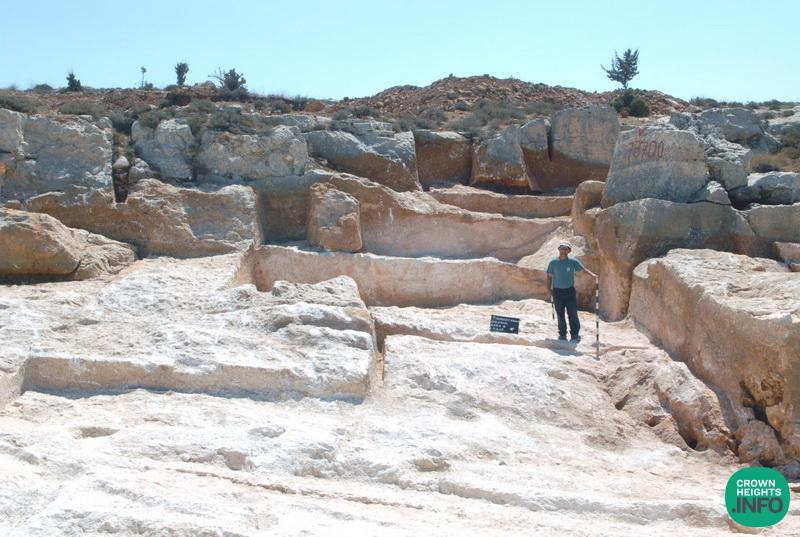
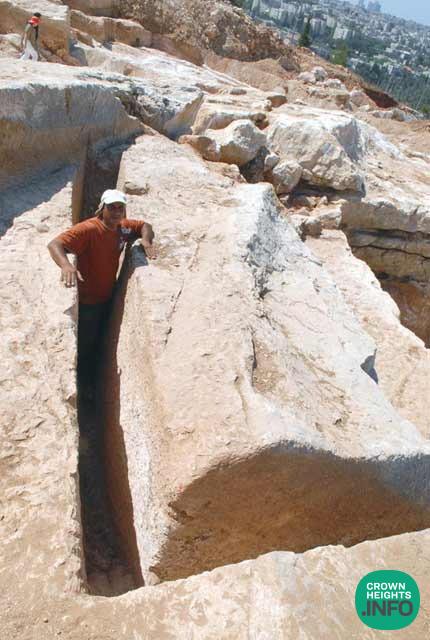
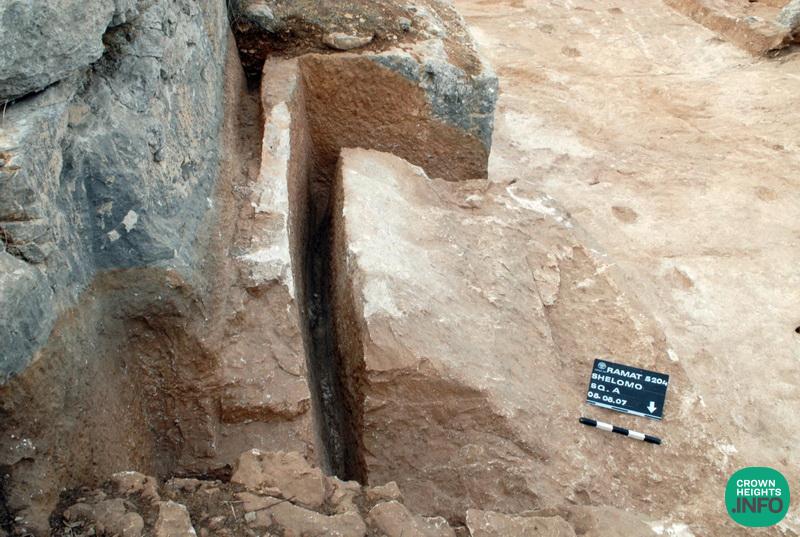
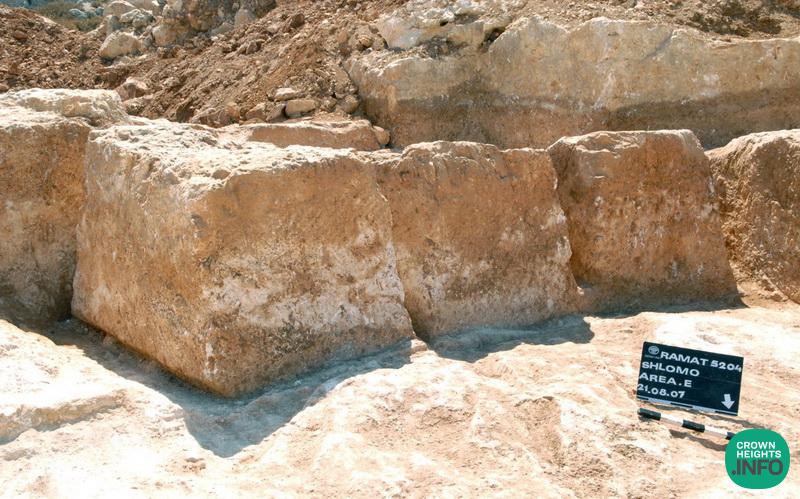
During excavations conducted by the Israel Antiquities Authority in 2007 in the Ramat Shlomo neighborhood of Jerusalem, ahead of development works, a massive quarry from the Second Temple period was uncovered, dated to the 1st century CE.
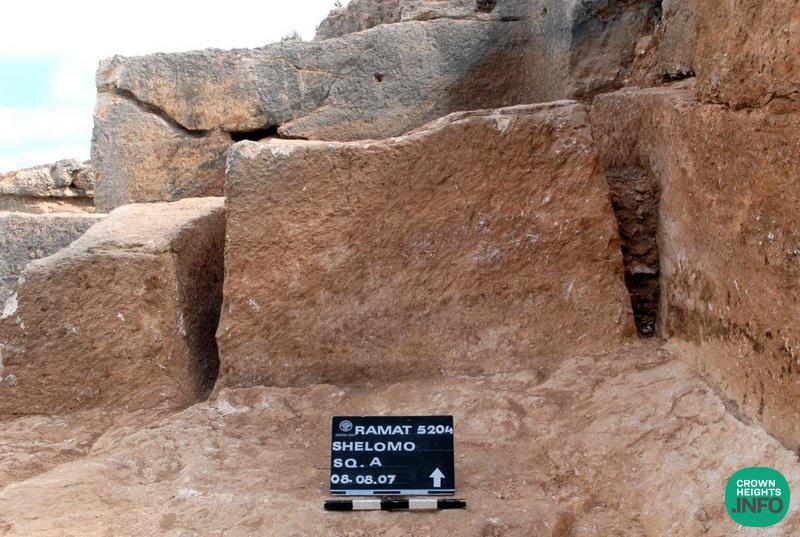
In the quarry, depressions created as a result of quarrying were discovered, along with rock pillars and rock-cut steps, and stone blocks at various stages of work, including stones in a preliminary stage before being detached. Some stones quarried at the site reached a length of more than two meters, and were most likely used for the construction of magnificent public buildings in Jerusalem during the Second Temple period.
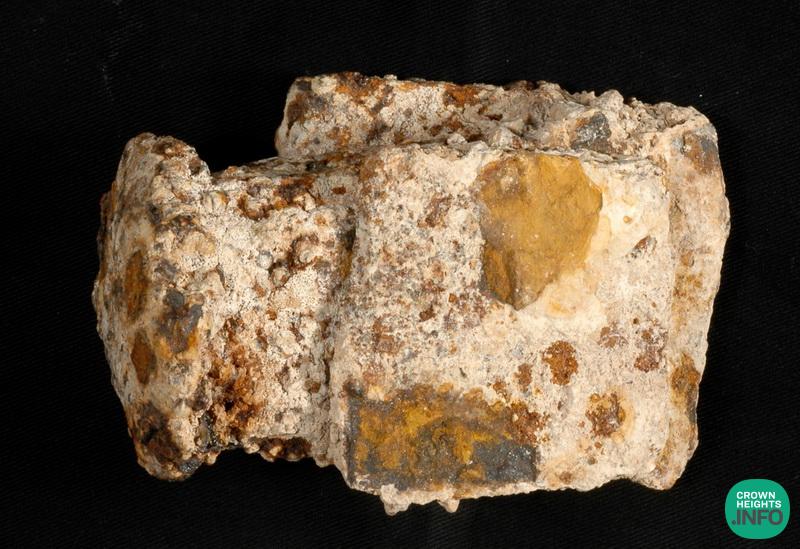
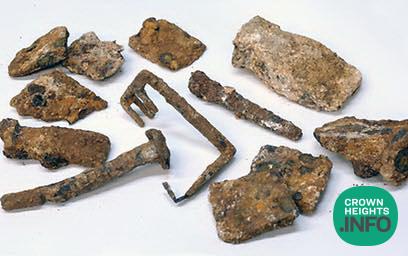
In the excavation, directed by archaeologist Irina Zilberbod, metal work tools were discovered: axes used to cut the detachment channels of the stone block from the bedrock surface, and a splitting wedge intended to detach the base of the stone from the rock using hammer blows. A curved ancient key with protrusions (a crank key) was also uncovered, which may have fallen from the pocket of one of the quarriers during work.
At the site, rock-cut auxiliary installations were also discovered, probably used to store water for use in the quarry, as well as more than 200 hollows carved into the quarry floor. The systematic arrangement of the hollows indicates that they were probably used to anchor wooden beams for lifting stones.
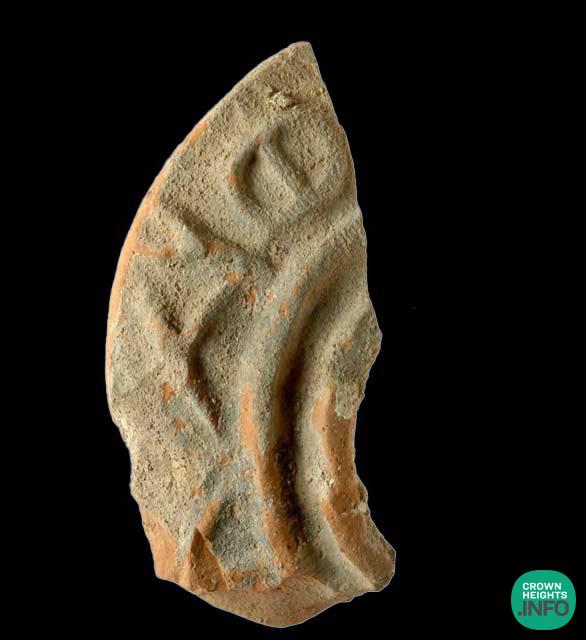
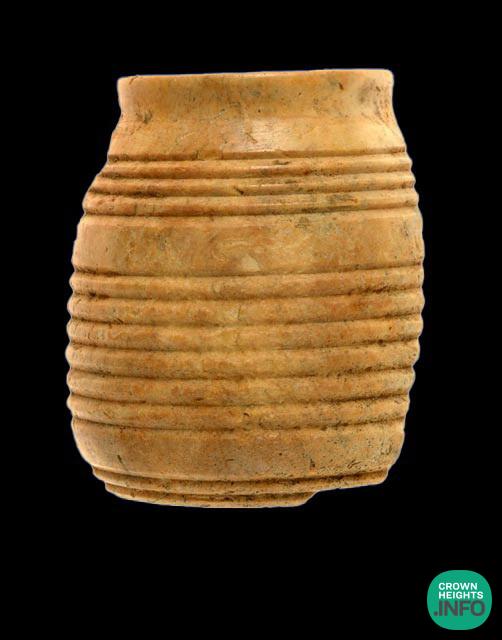
Finds from other periods were also discovered: a small number of jar fragments from the Early Roman period, three coins from the time of the rule of the Roman prefects in Judea, as well as a lamp fragment with an inscription from the Late Byzantine period and a bone tool, evidence of later activity in the quarry or its surroundings.
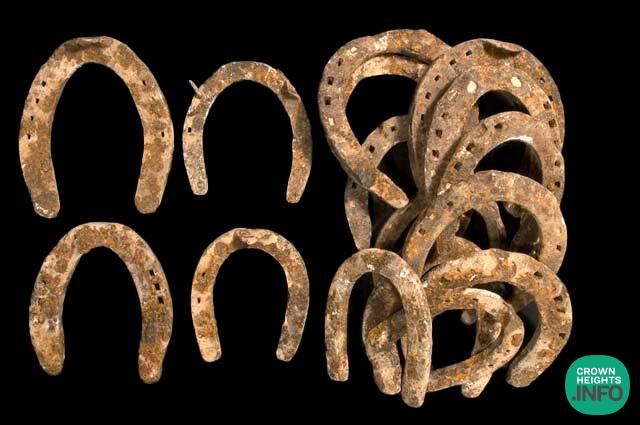
In the excavation area, 17 metal horseshoes were also found, some of which still retained the nails. They appear to date to the modern era.
What do you think was more difficult – quarrying, or transporting the stones?
Photo: Zila Shagiv and Clara Amit, Israel Antiquities Authority