
Impressive Avos U’Bonim Gathering at Moscow’s Central Shul
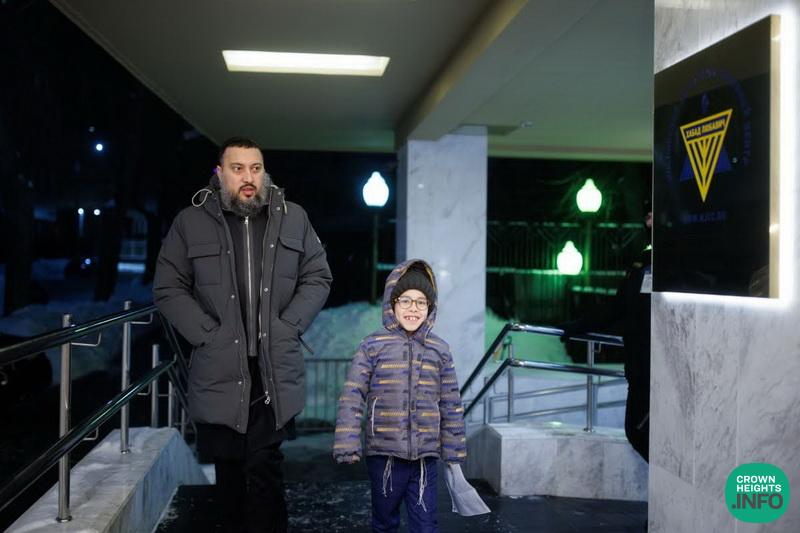
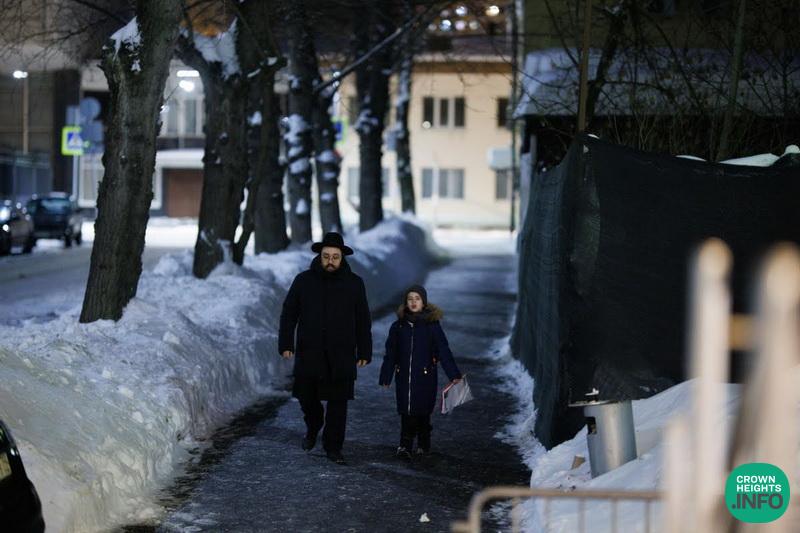
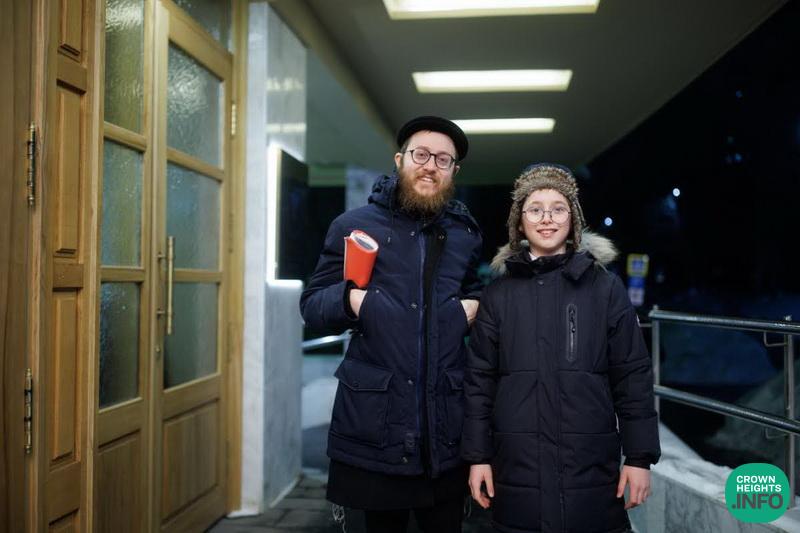
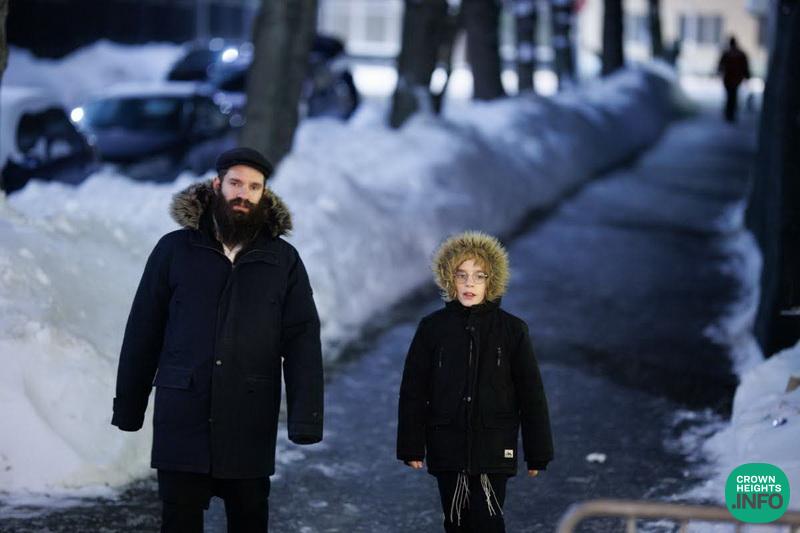
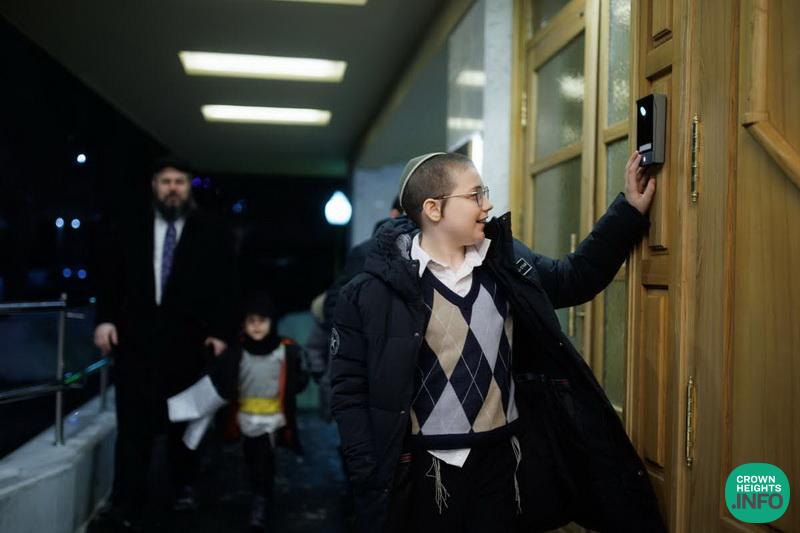
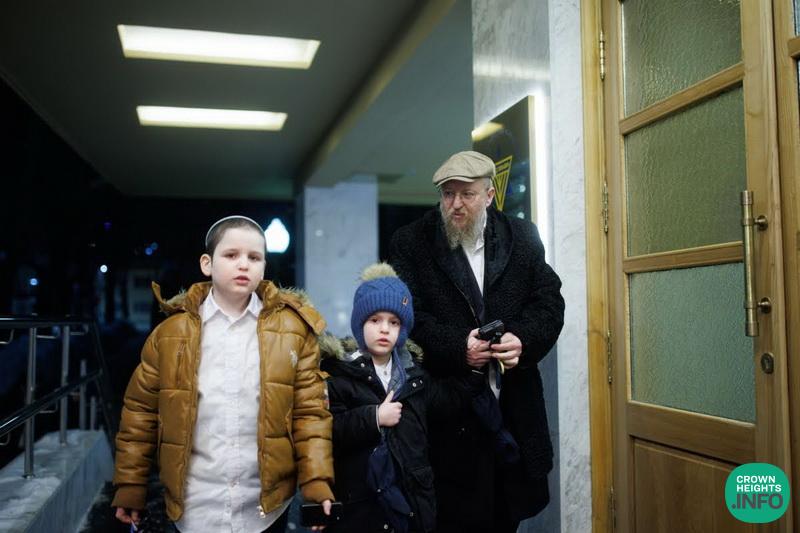
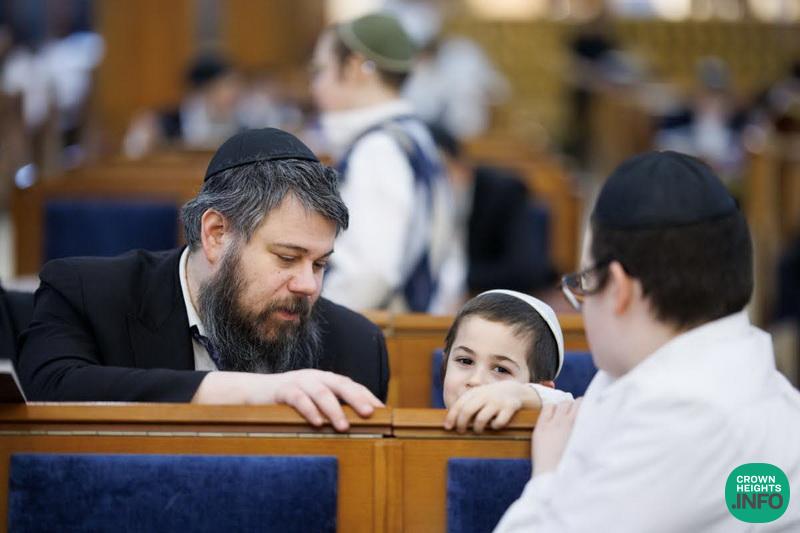
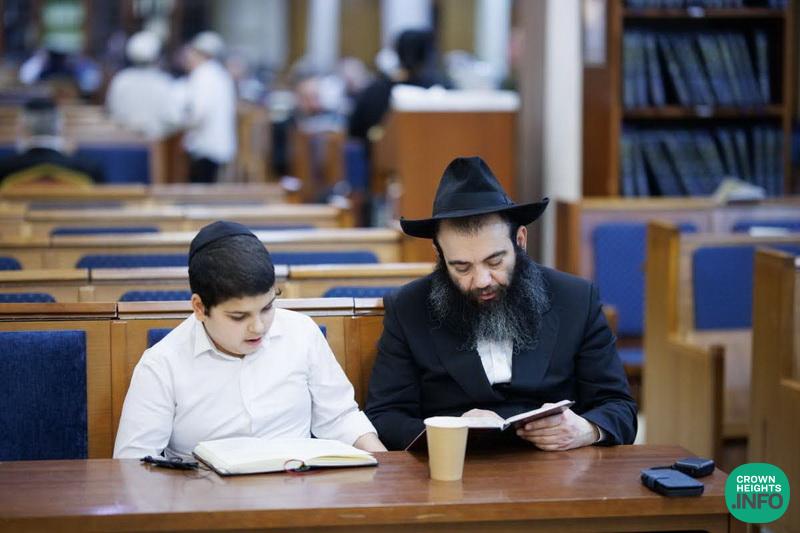
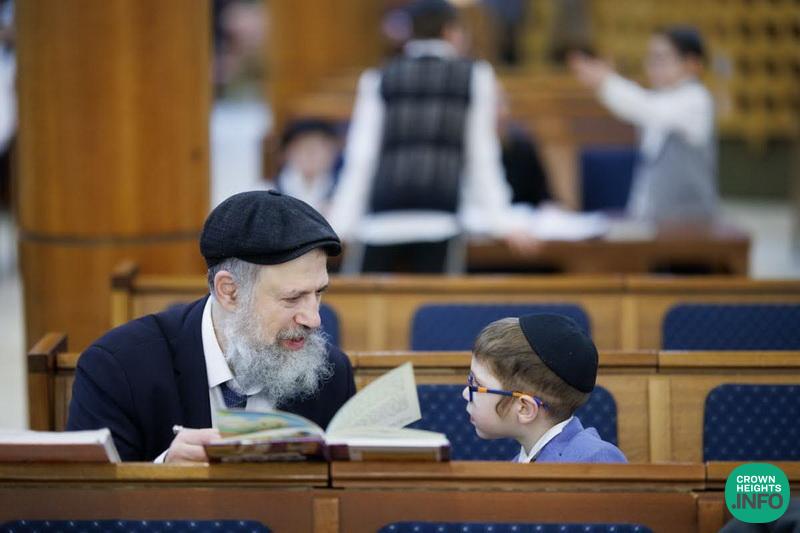
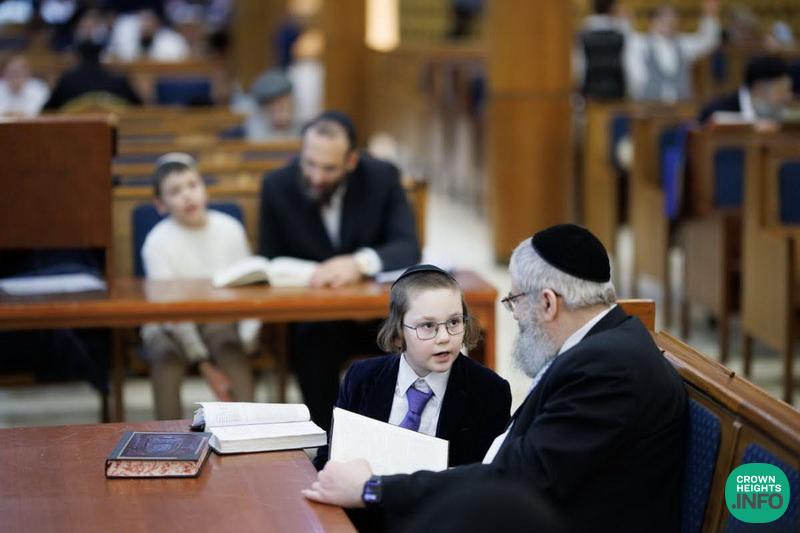
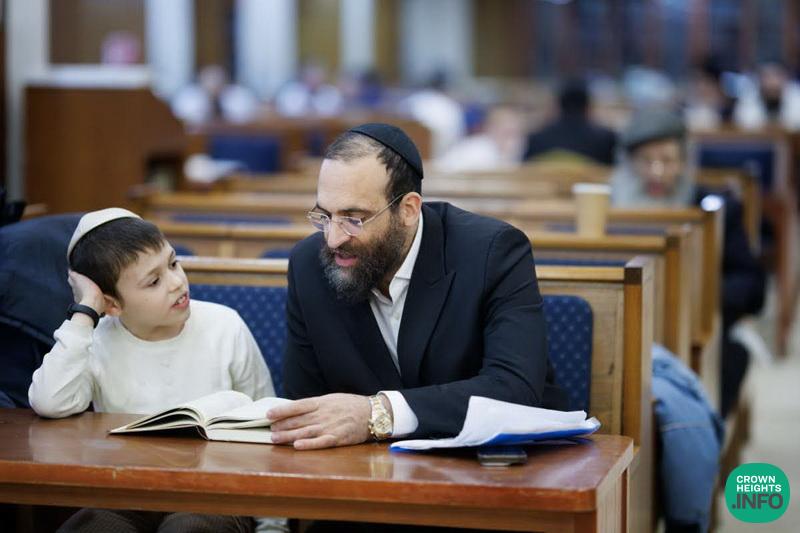
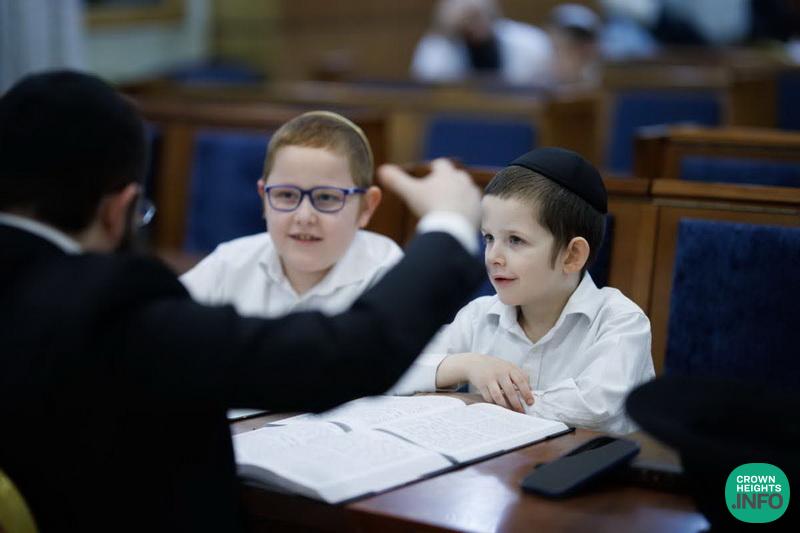
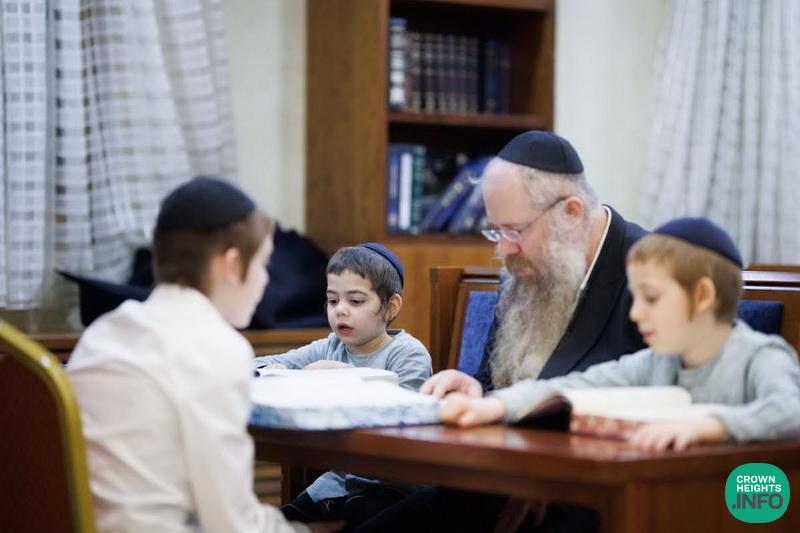
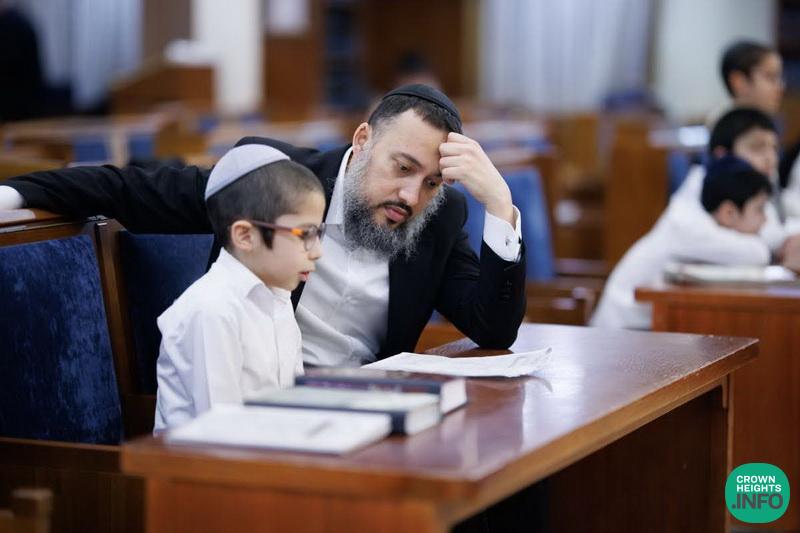
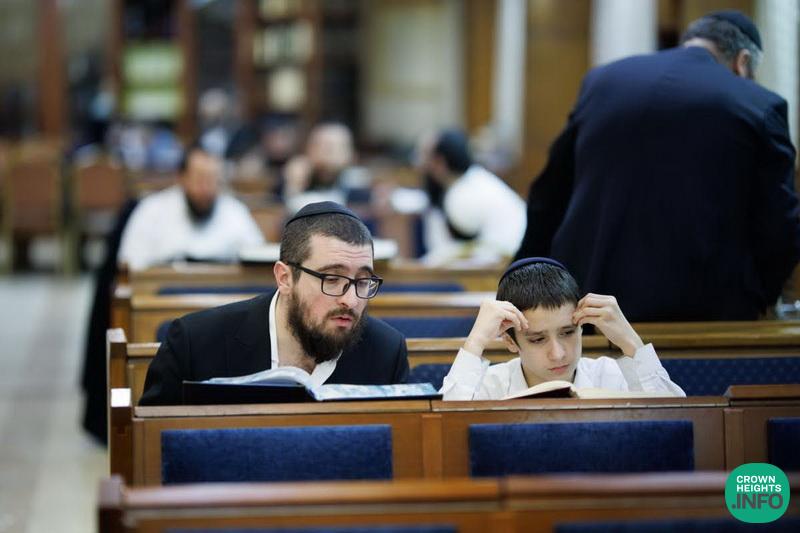
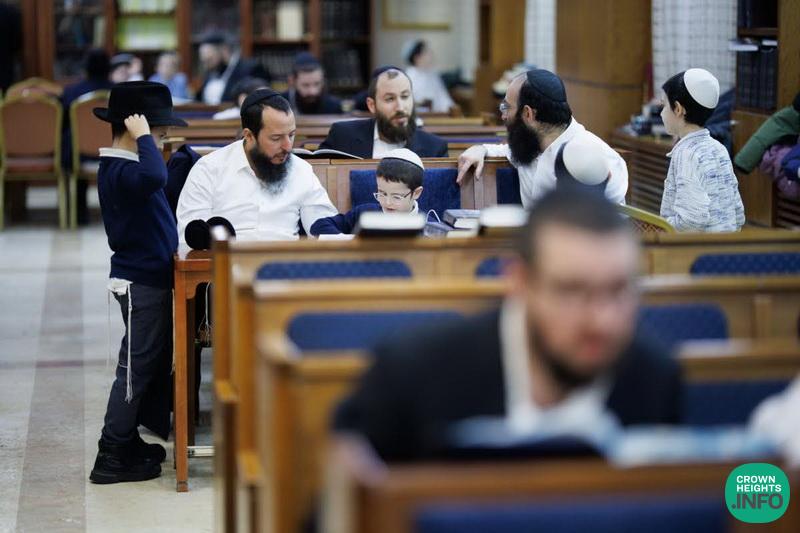
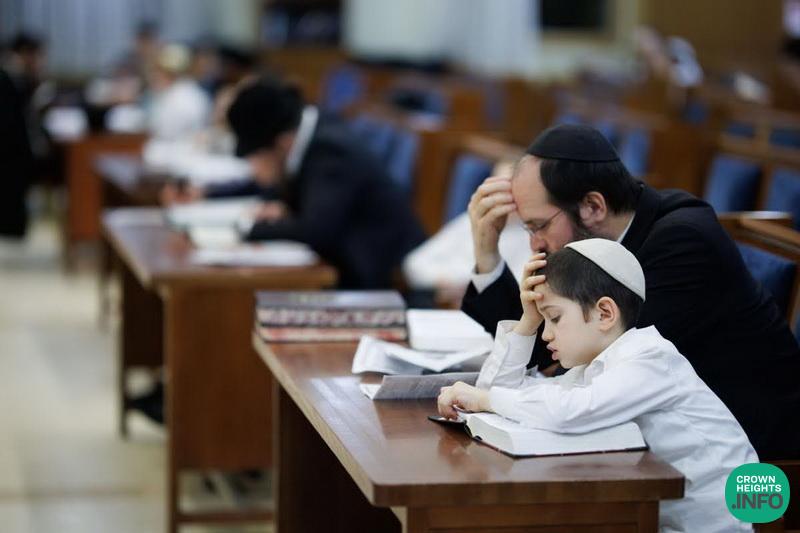
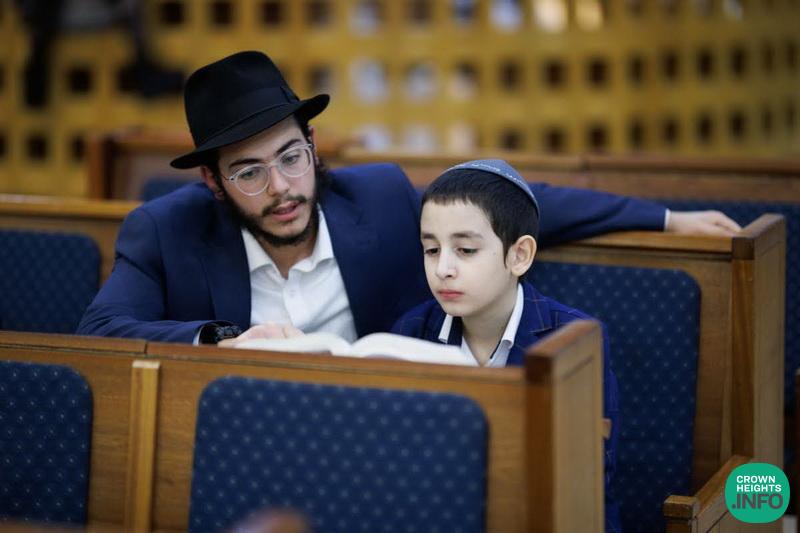
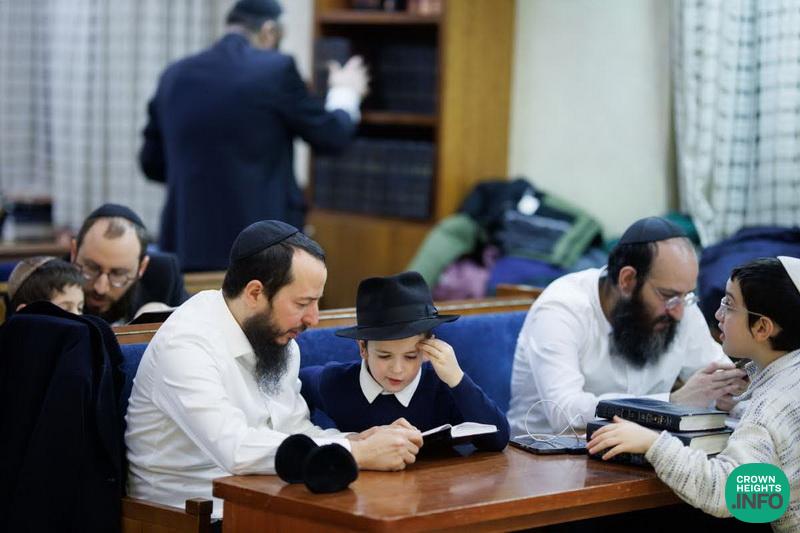
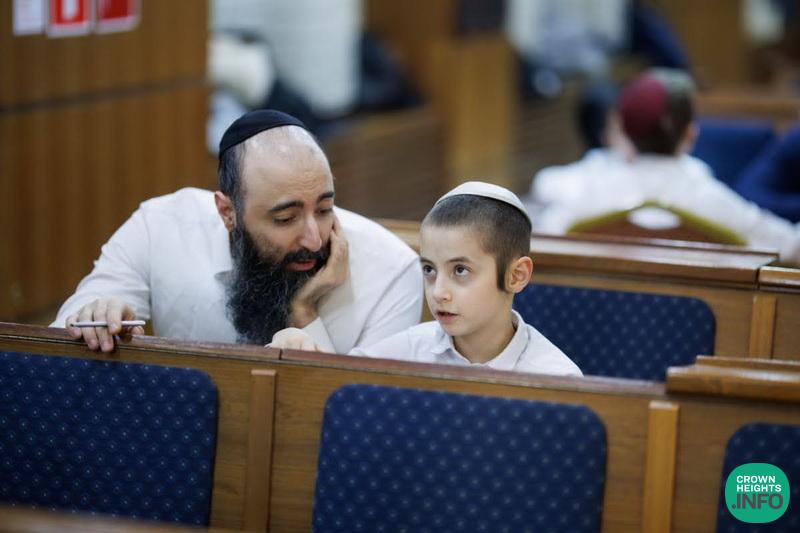
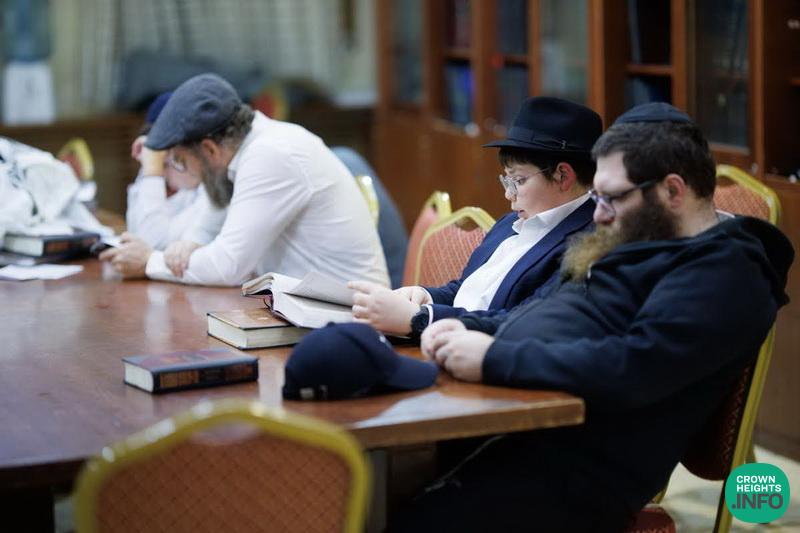
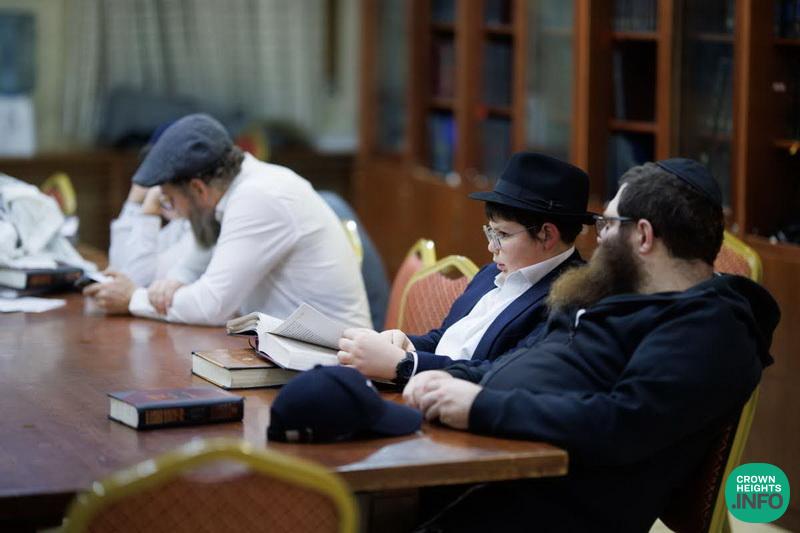
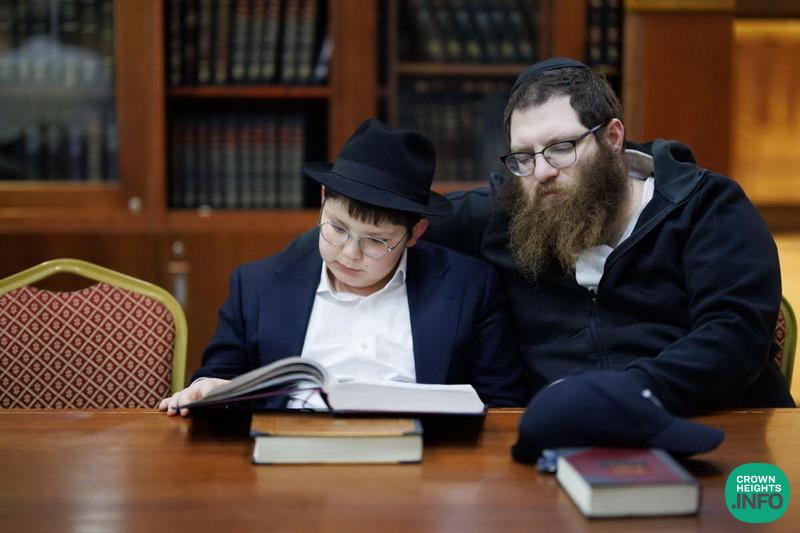
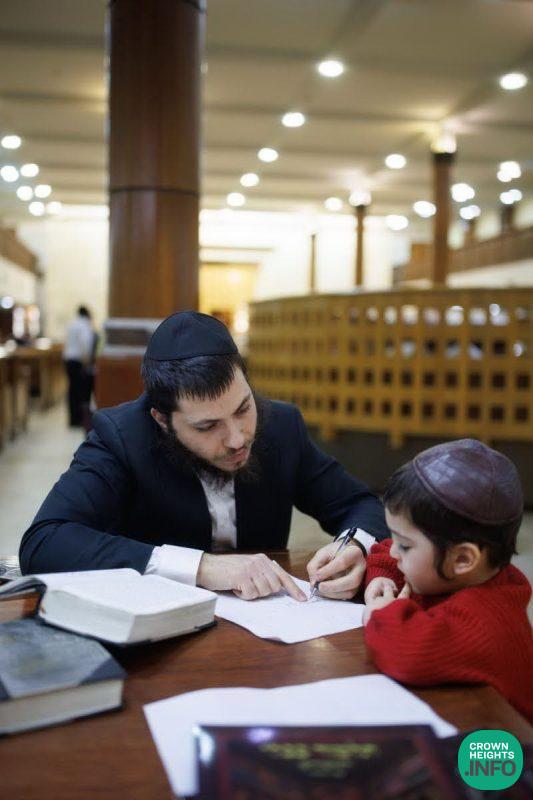
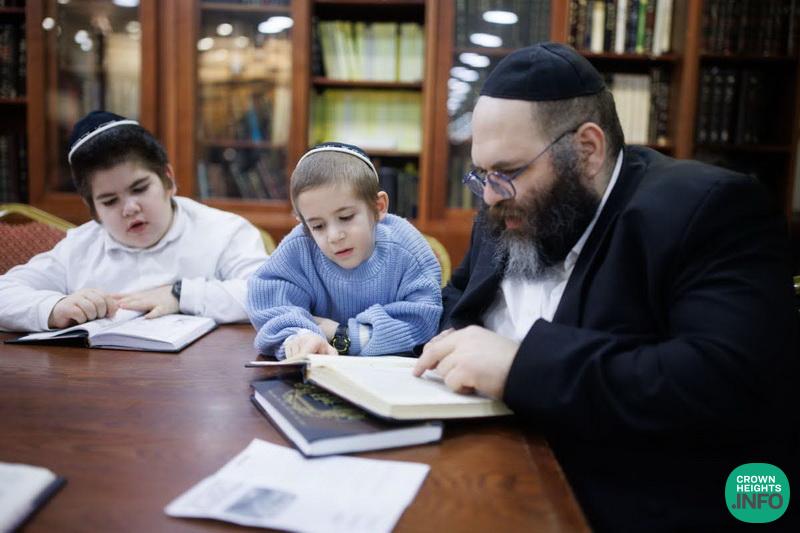
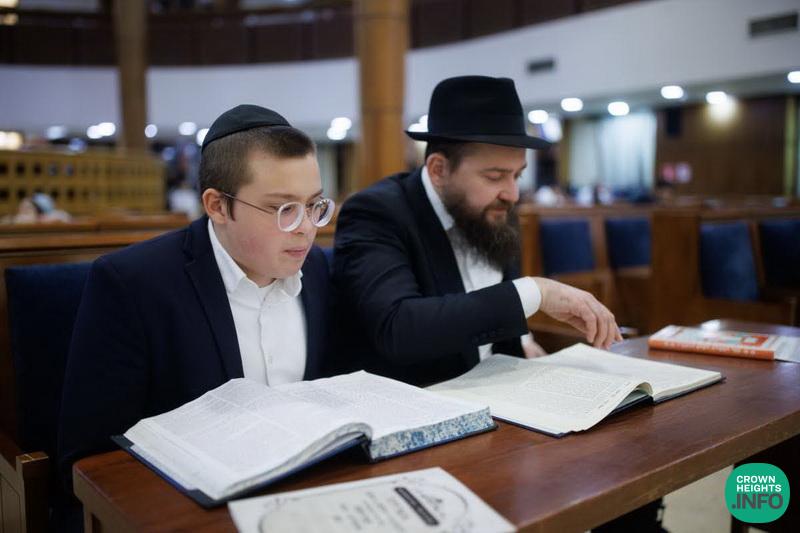
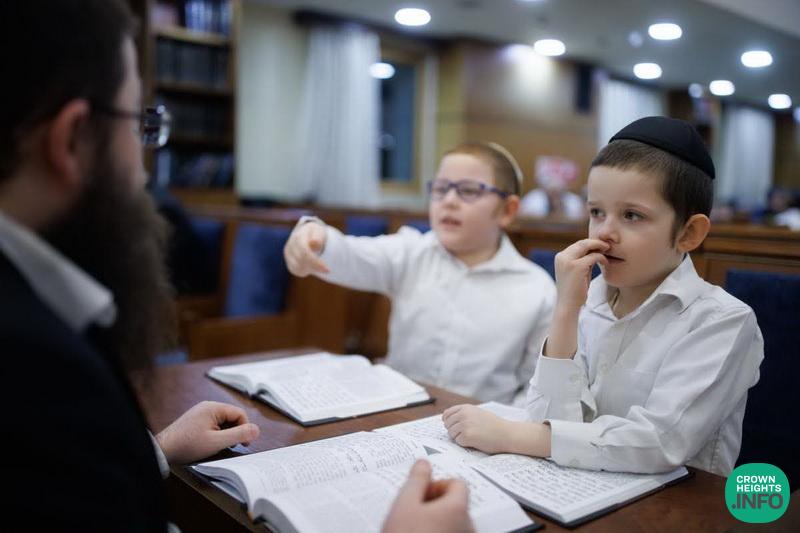
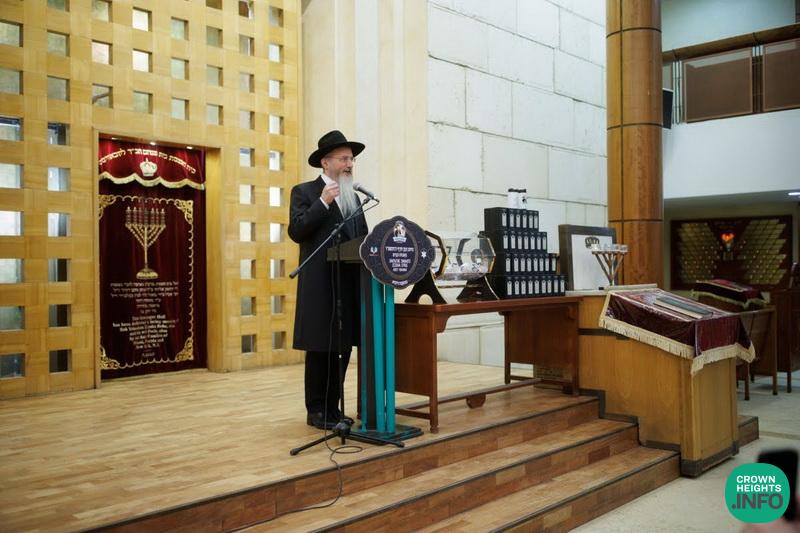
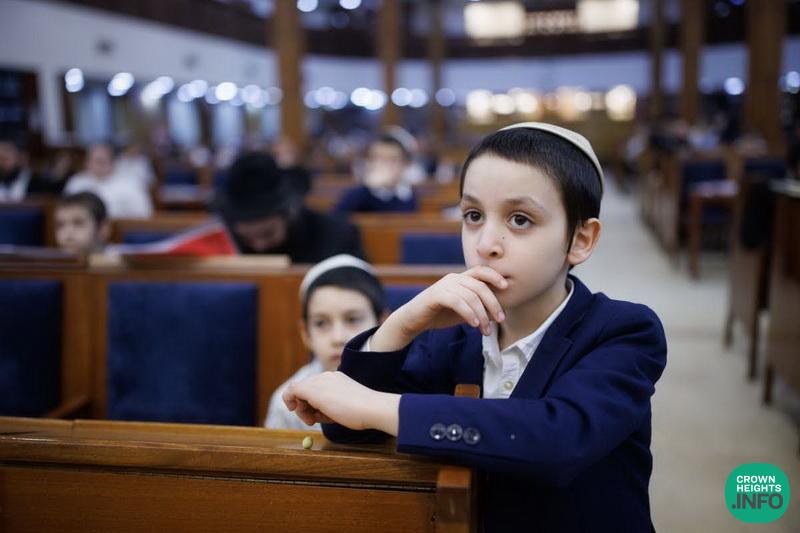
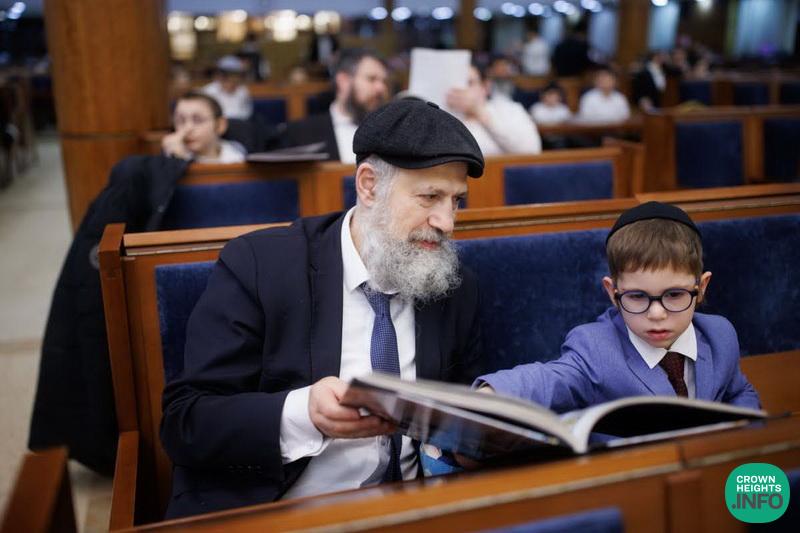
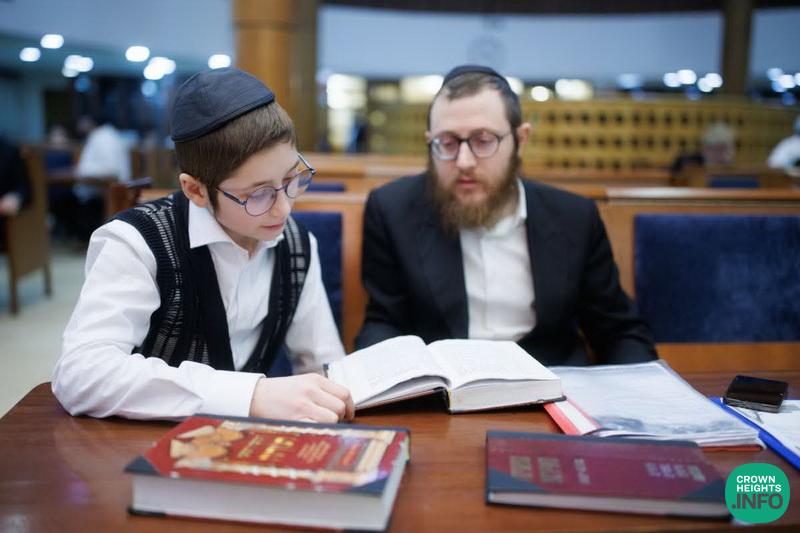
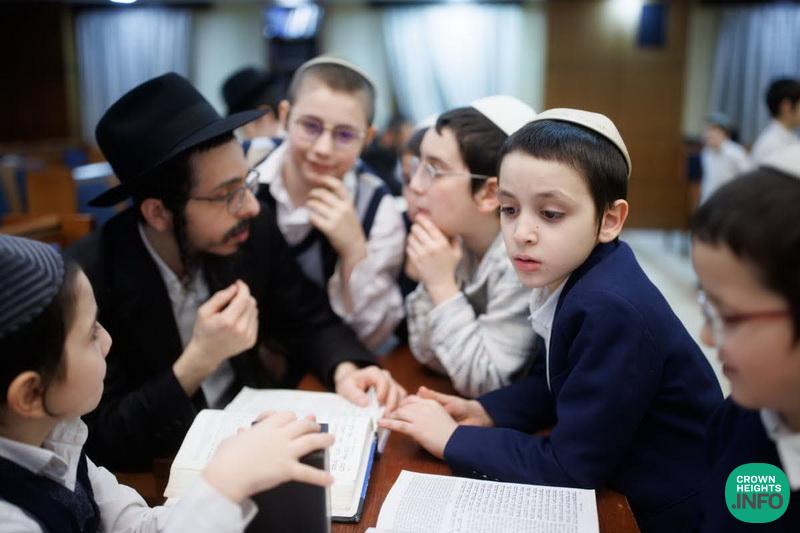
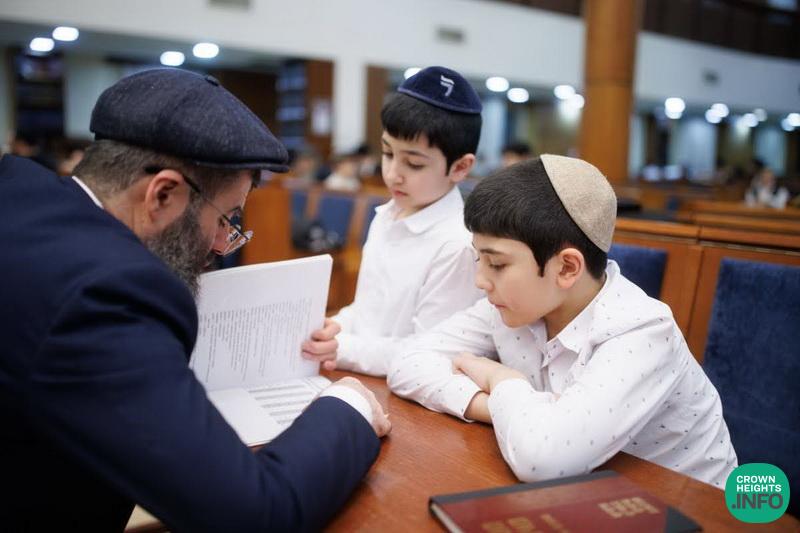
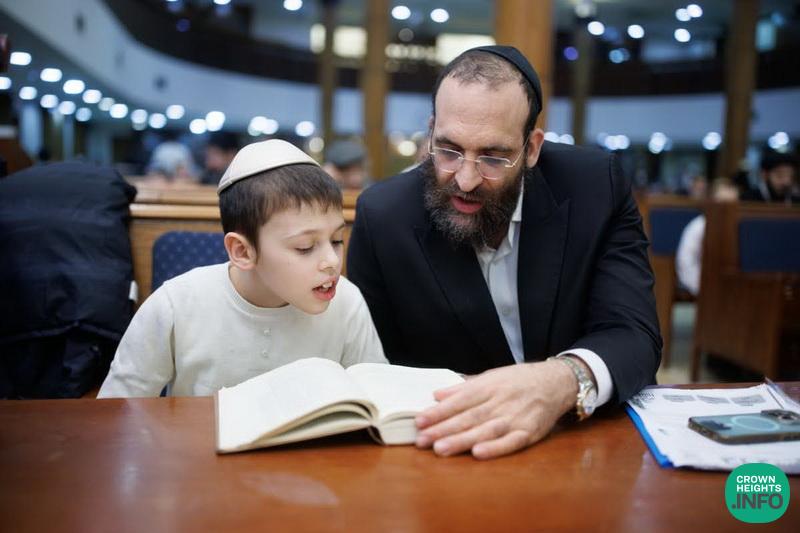
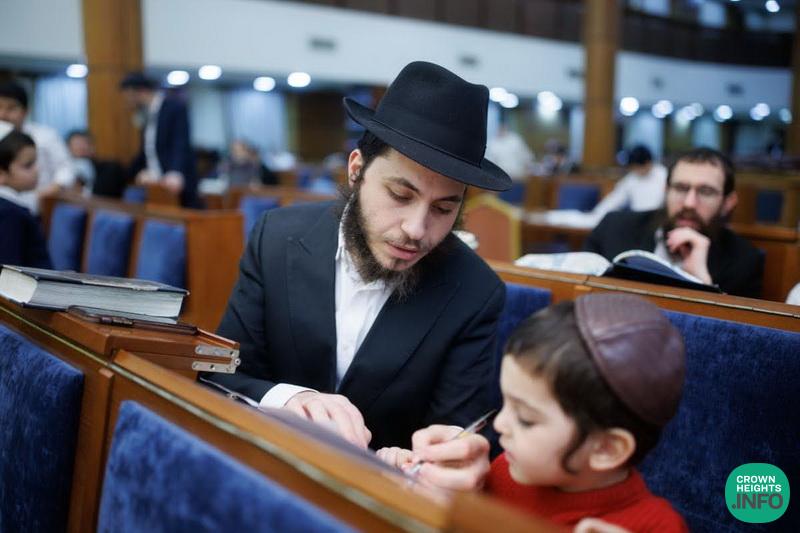
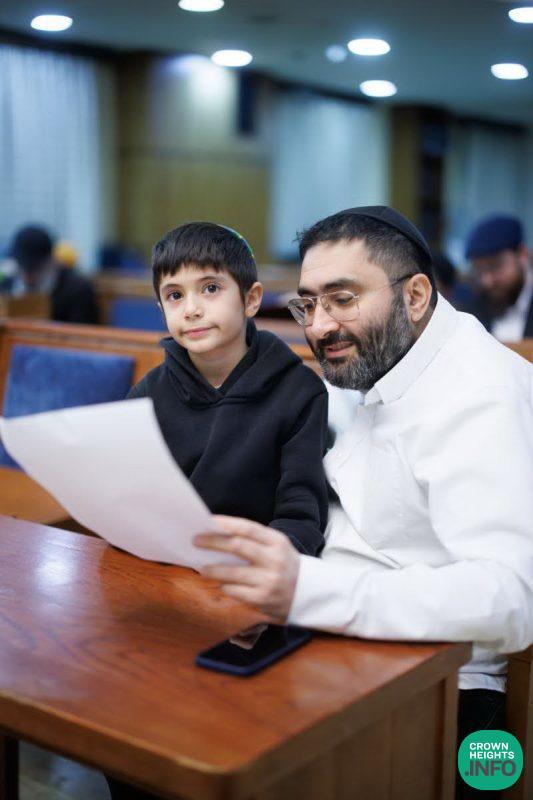
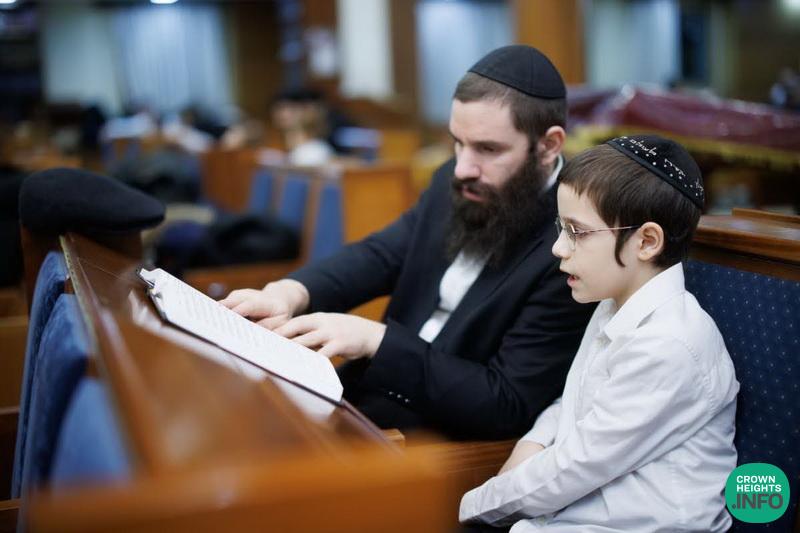
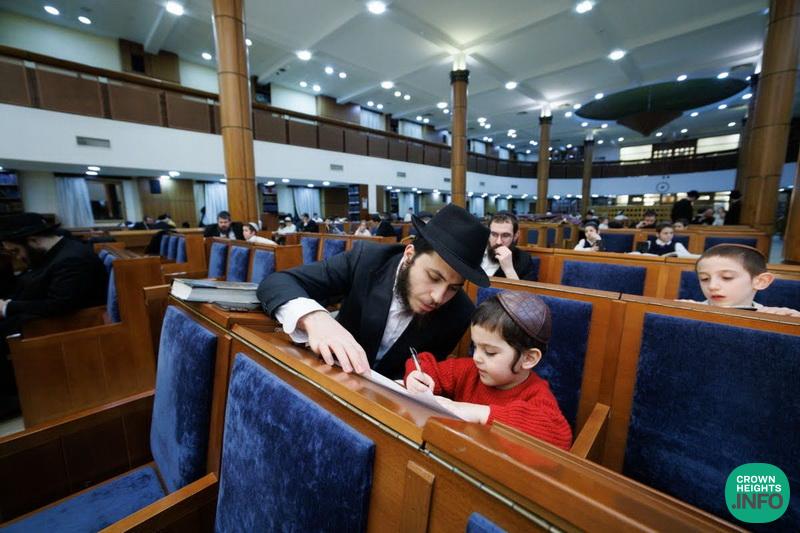
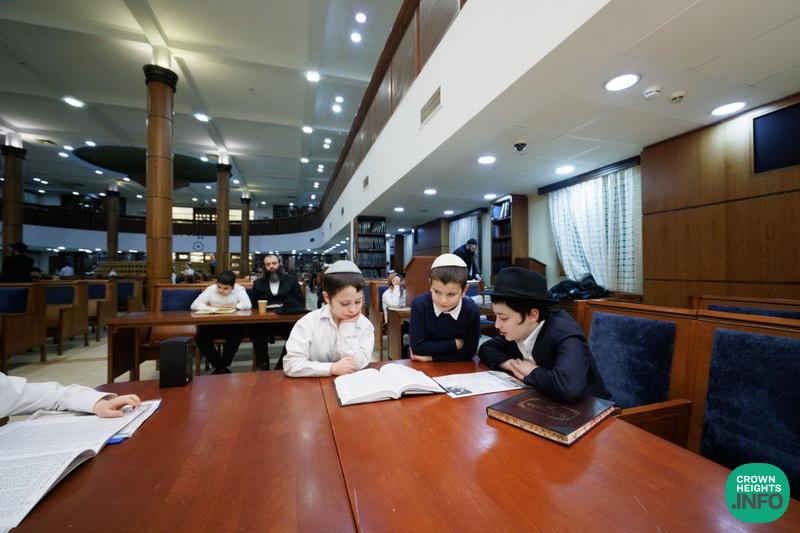
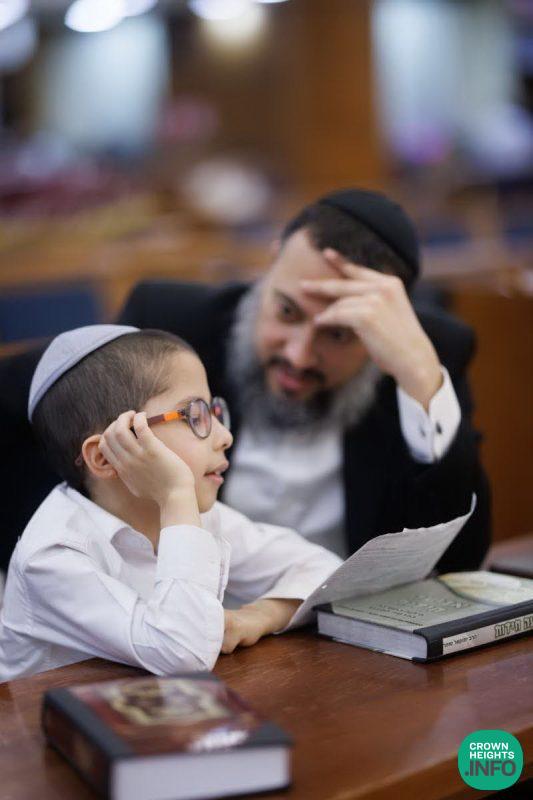
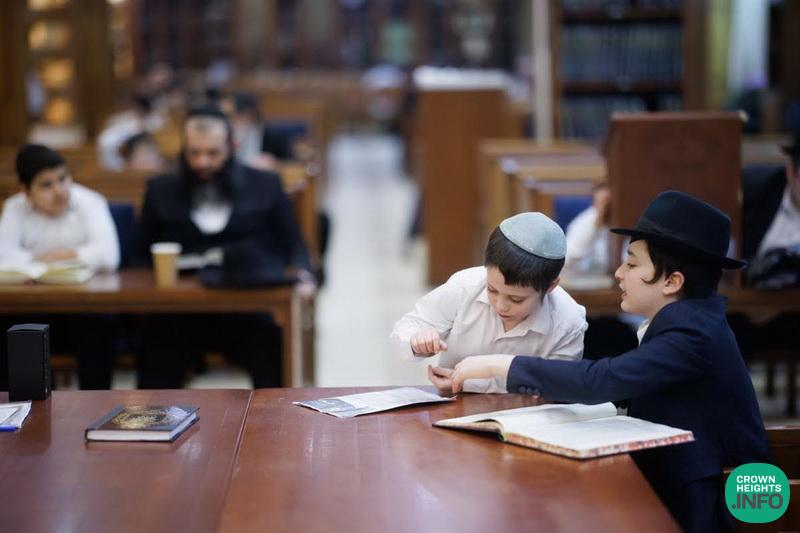
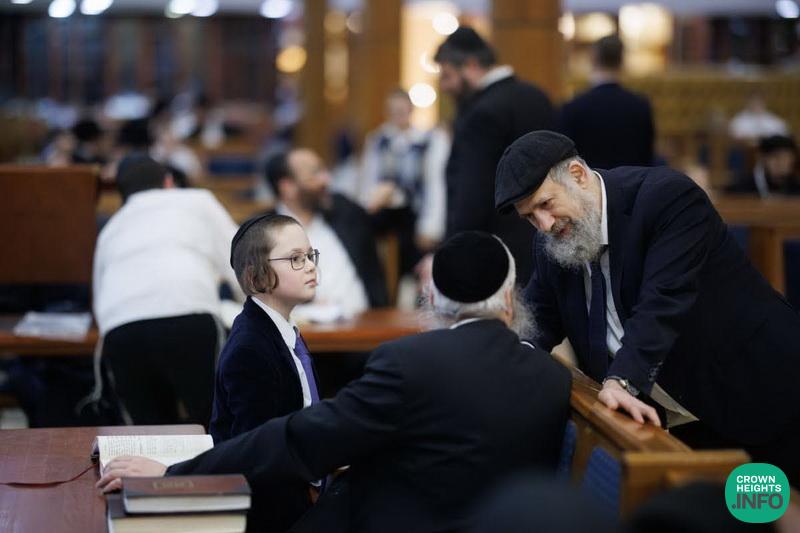
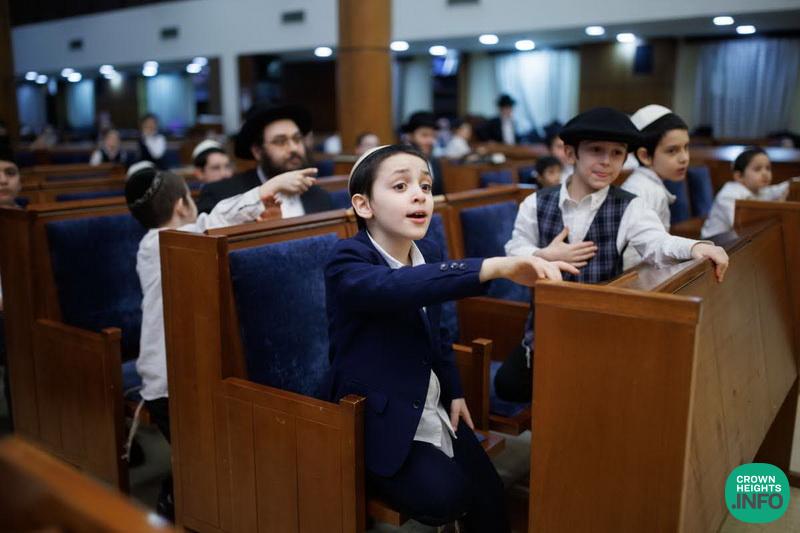
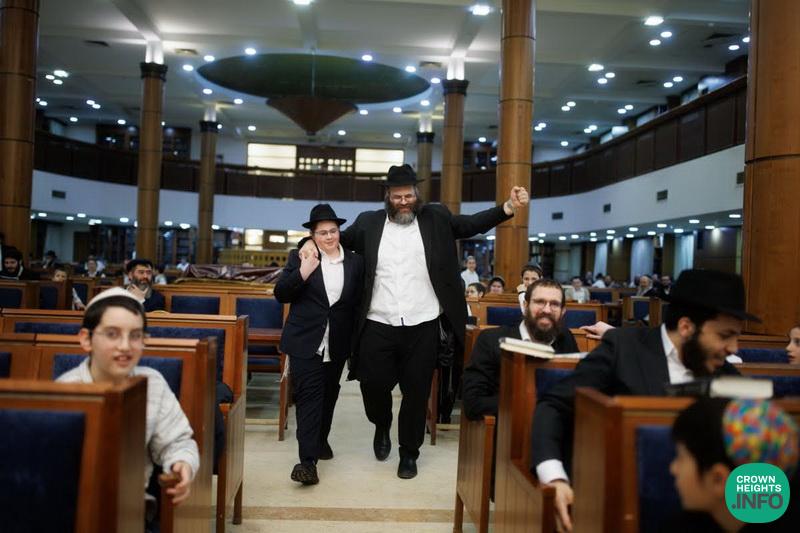
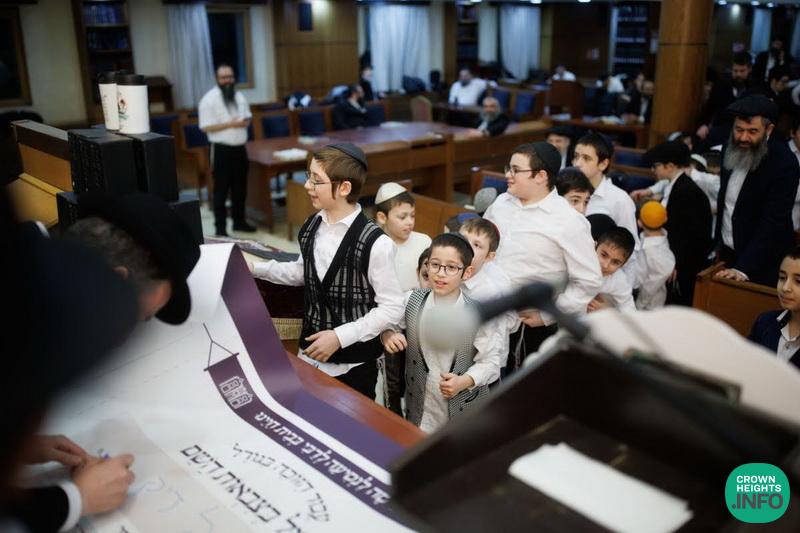
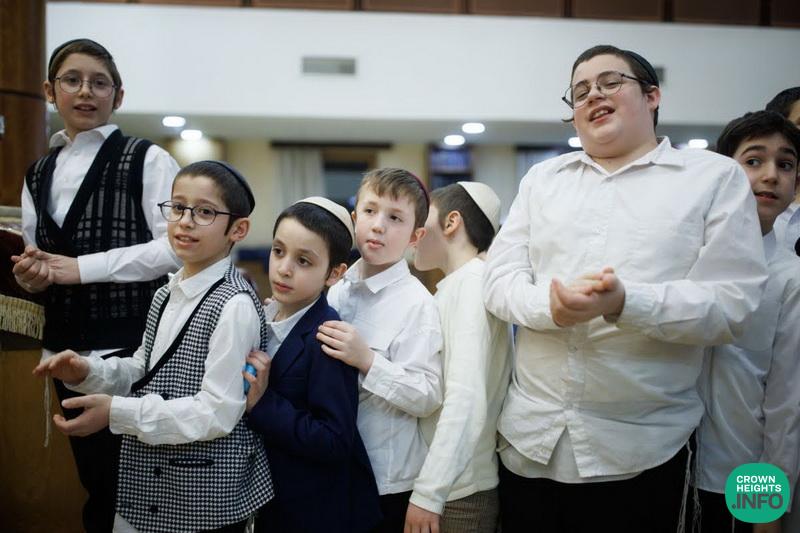
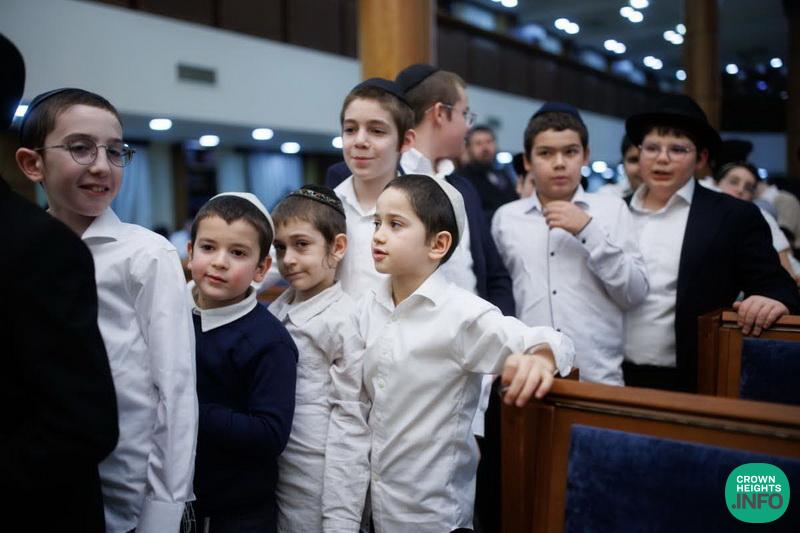
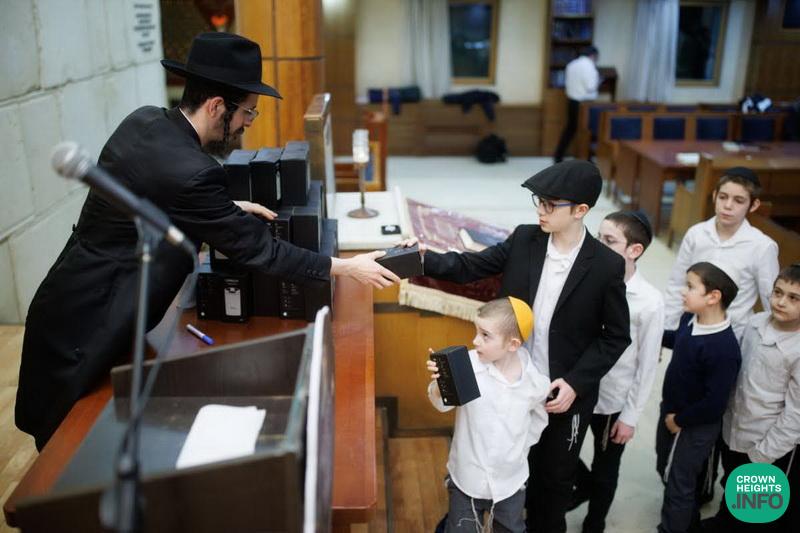
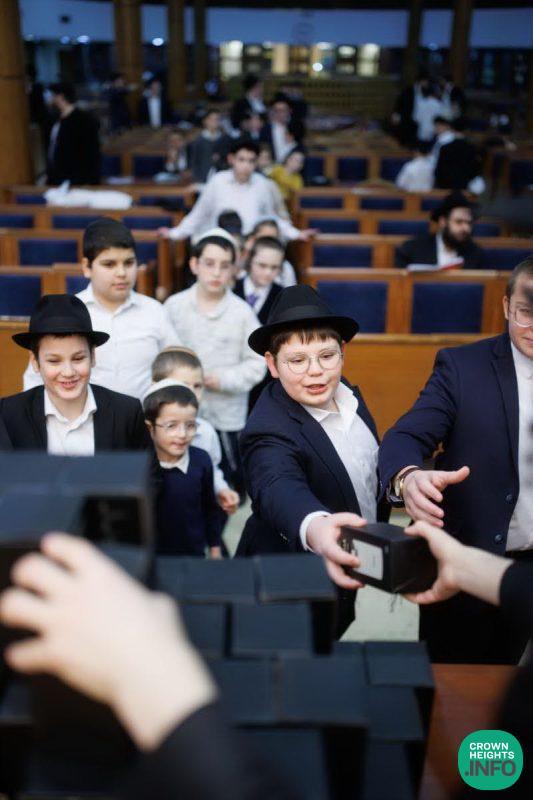
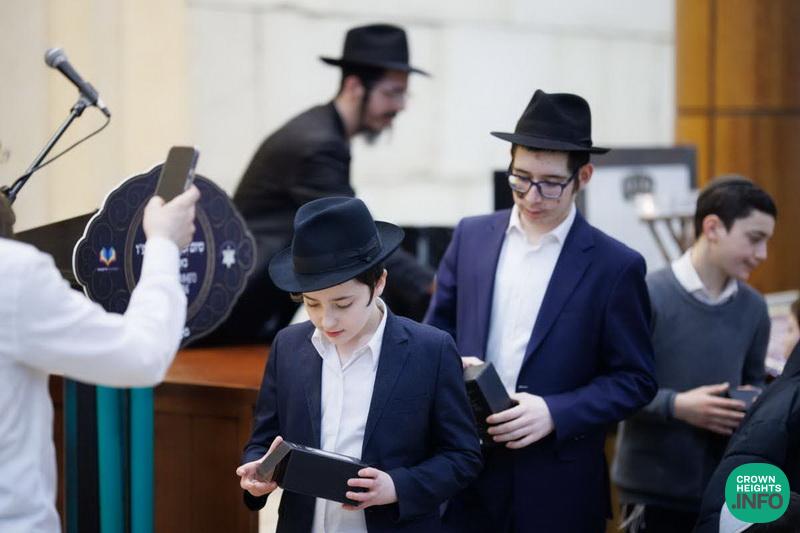
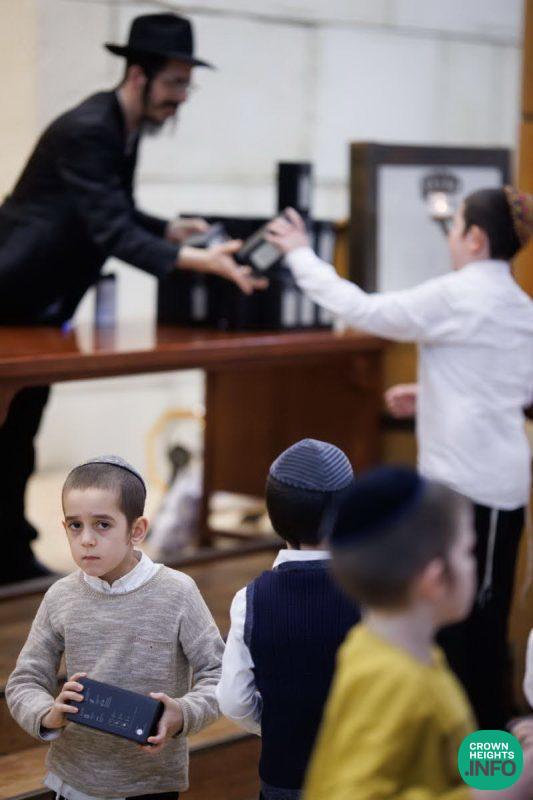
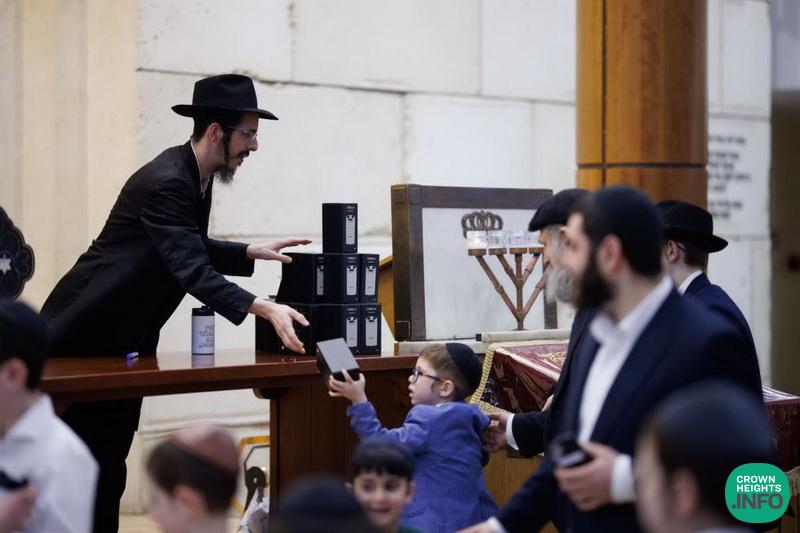
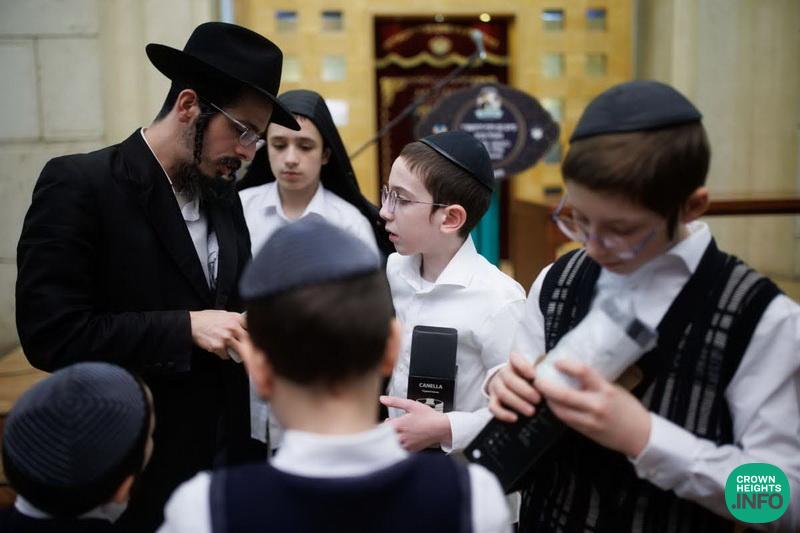
An hour after Shabbos concluded on Motzaei Shabbos Parshas Terumah, a steady stream of fathers and sons could be seen making their way to Moscow’s central Marina Roscha Shul. As has become the custom throughout the winter months, the popular “Avos U’Bonim” learning program brought together Jewish boys from across Moscow, representing many segments of the community.
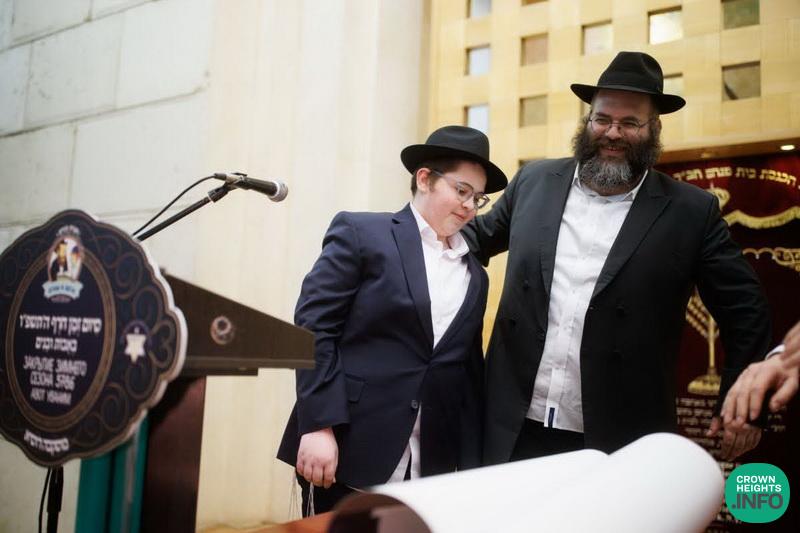
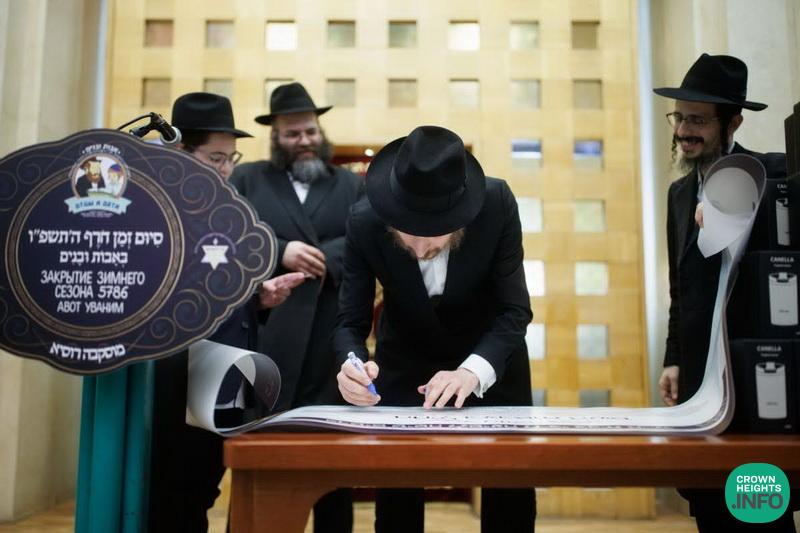
With Motzaei Shabbos now coming later, and many families traveling significant distances, this year’s program concluded with a beautiful and uplifting siyum celebration. Fathers and sons were encouraged to continue dedicating this special hour of joint Torah study—whether at home, in shul, or at their local Chabad House—ensuring that the flame ignited over the winter months continues to burn brightly.
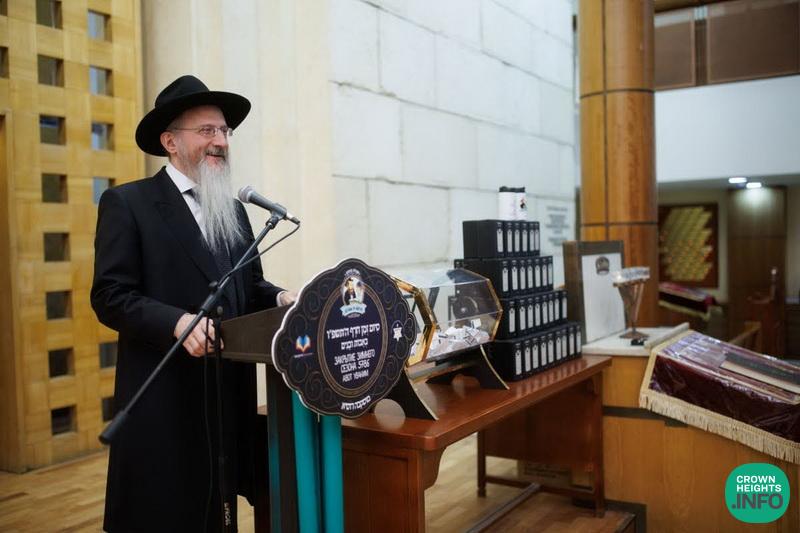
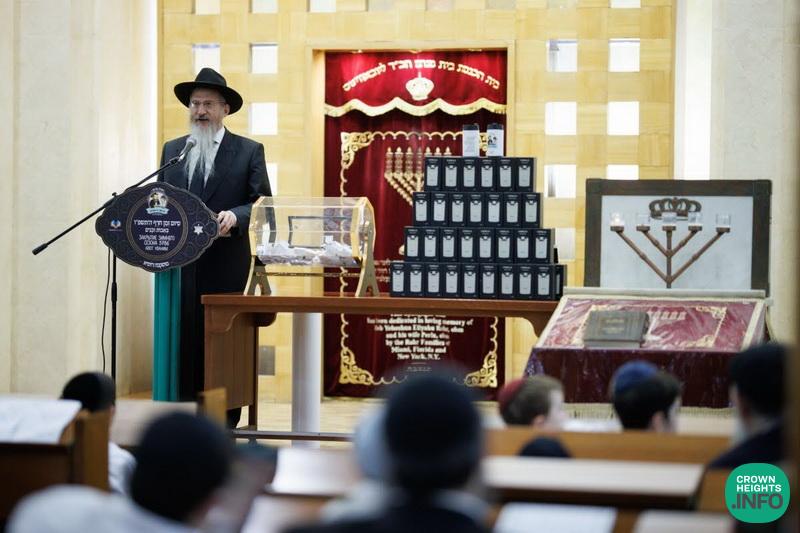
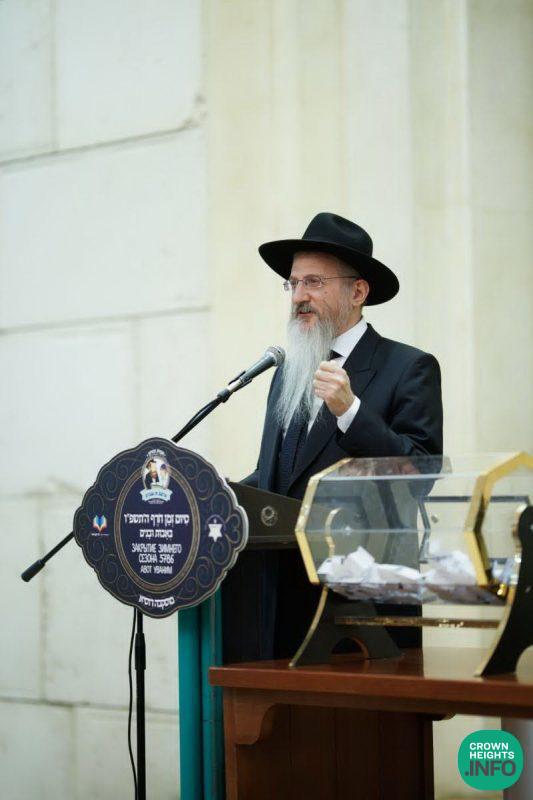
The gathering was graced by the Chief Rabbi of Russia, Harav Berel Lazar shlita, who noted that these days mark the beginning of the centennial year of the famous Maamar delivered in Moscow itself by the Frierdiker Rebbe, Rabbi Yosef Yitzchak Schneersohn, zy”a. That historic discourse became a cornerstone of the spiritual resistance against the oppressive Soviet regime—and ultimately led to the death sentence that was later issued against him.
The Maamar, known by its opening words “Vekibel HaYehudim,” was delivered at a Purim Katan farbrengen in 5687 (1927) at the Arkhipova Synagogue in Moscow. In those days of terror and fear, when the regime sought to uproot every trace of Yiddishkeit, the Rebbe spoke openly and unequivocally about the sacred obligation to strengthen Jewish education—even at the cost of literal mesirus nefesh. There was to be no surrender, no compromise, no sending children to the Yevsektsiya schools, regardless of the consequences. “One must be prepared to jump into the fiery furnace,” he declared.
The maamar emphasized mesirus nefesh in the observance of Torah and mitzvos, and especially in the chinuch of Jewish children—olalim v’yonkim—regarding whom the possuk states: “From the mouths of babes and nursing infants You have established strength… to silence the enemy and avenger.” Chaza”l teach: “There is no strength other than Torah.” The Torah study of tinokos shel beis rabban is the power that silences all who seek to harm the Jewish people.
So it was in the days of Mordechai. He was not intimidated by Haman’s decree. He gathered twenty-two thousand Jewish children and learned Torah with them until they cried out, “Amcha anachnu—we are Your people!” When Haman heard their voices, he knew his decree was null and void. For when Jewish children proclaim “Al tira,” “Utzu eitzah v’sufar,” “V’ad ziknah Ani Hu”—no force in the world can prevail against them.
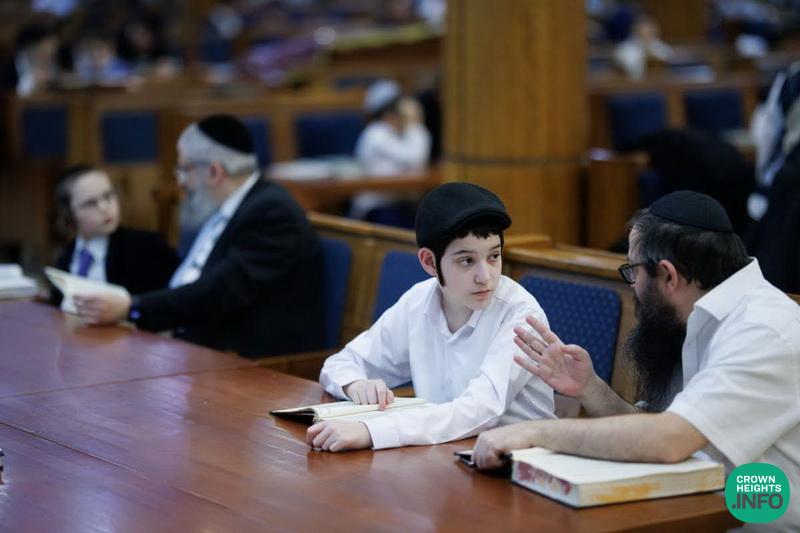
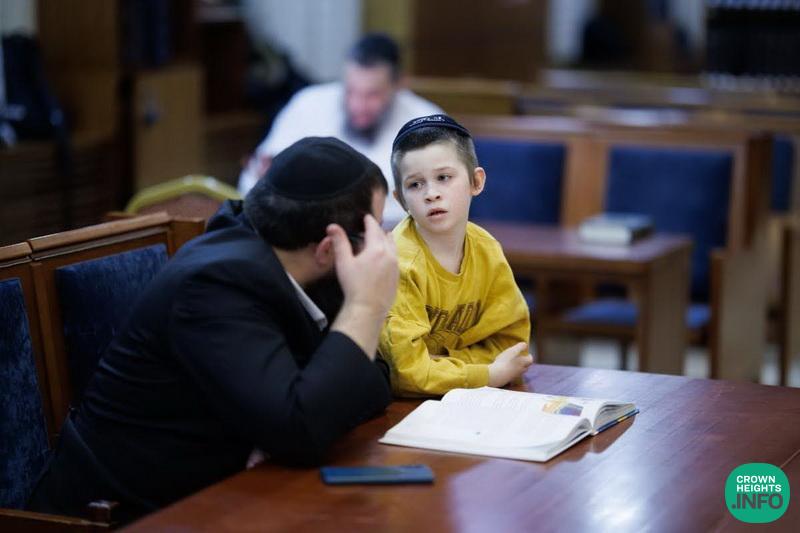
Nearly one hundred years have passed. And here we stand—in Moscow. Not far from the very site where that bold Maamar was delivered, hundreds of fathers and sons now sit together. Not in hiding. Not in fear. But openly, proudly, with light and with joy—learning a sugya together, reviewing what they have studied, singing a Chassidishe niggun, and strengthening their kvius in Torah.
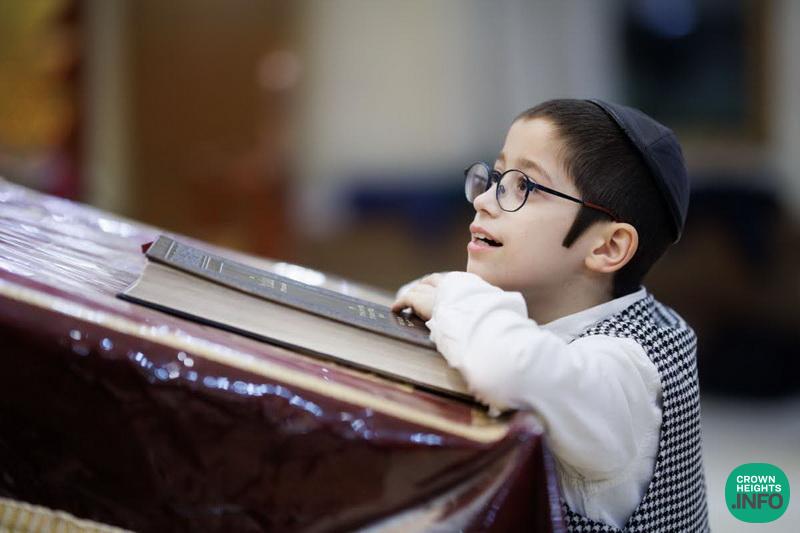
Anyone who has studied what Moscow was like in 5687 can scarcely comprehend the scene. The very city where melamdim were persecuted, chadarim shuttered, rabbanim arrested, and shluchim exiled—is today filled with the clear, resonant sound of Torah emanating from children in yarmulkes sitting beside their fathers.
This is the “Kiymu V’Kiblu” of our generation—fulfilling what was accepted then with mesirus nefesh. Fulfilling the promise that the flame of Klal Yisrael would never be extinguished, no matter how fiercely it was trampled.
With the opening of this centennial year—and with the voice of Torah not merely surviving but growing ever stronger—the Chief Rabbi proclaimed that this year will be marked by increased Torah study and expanded efforts in Jewish education for Moscow’s children. New programs and major initiatives are being launched to further strengthen Torah learning and to magnify the voices of tinokos shel beis rabban.
On behalf of the entire congregation, the synagogue’s gabbai expressed heartfelt appreciation to the program’s director, shliach and mechanech Rabbi Yeshaya Gross, for his tireless dedication to the program’s success.
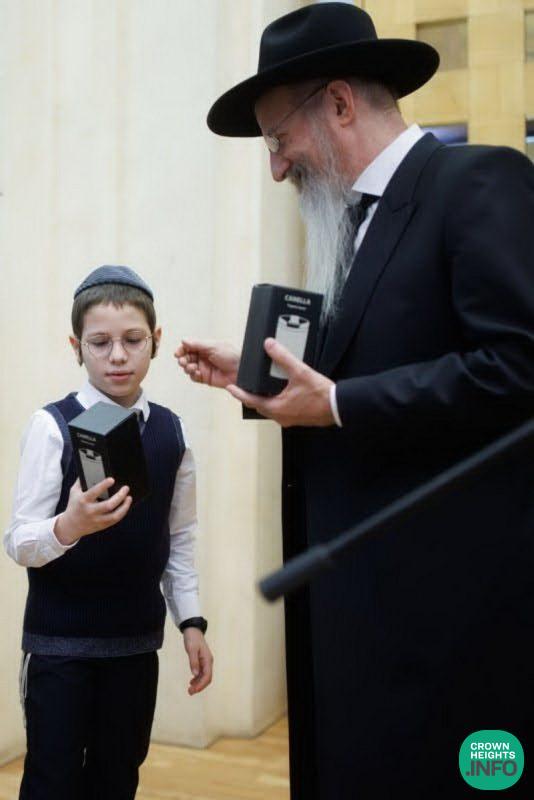
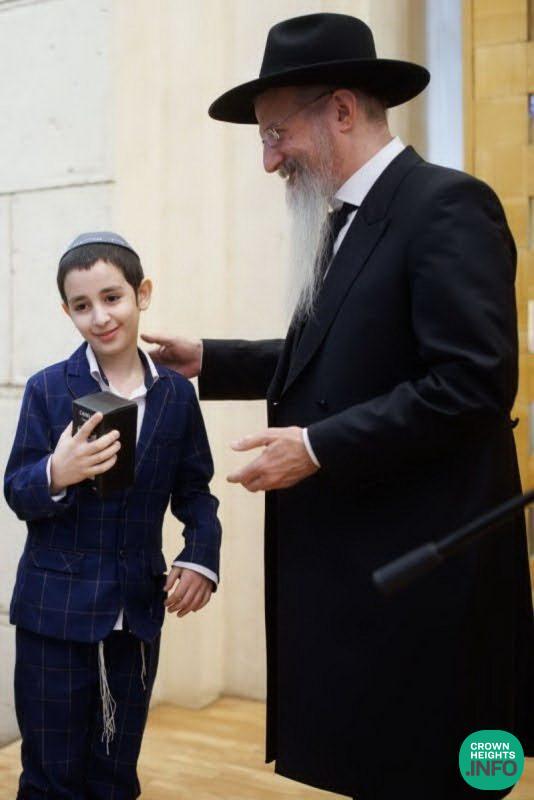
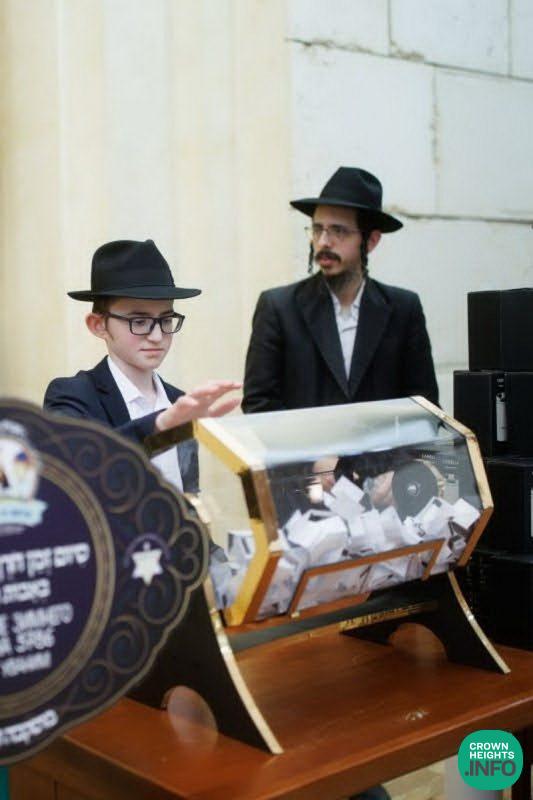
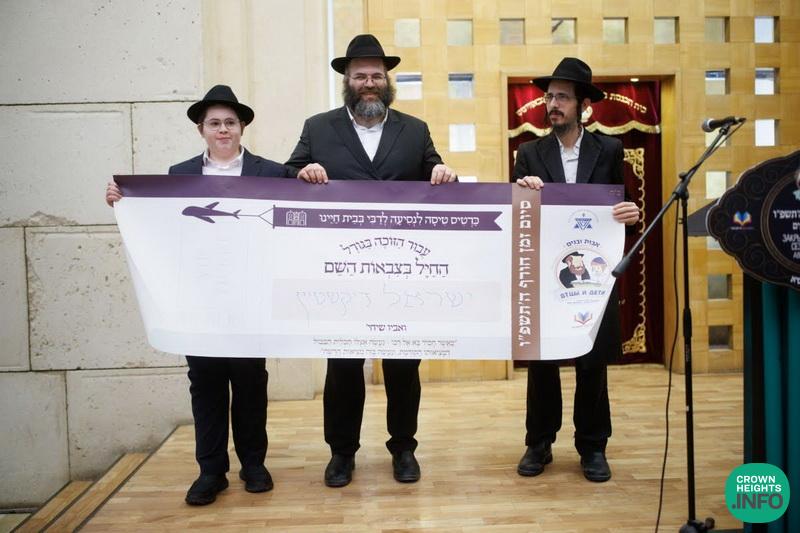
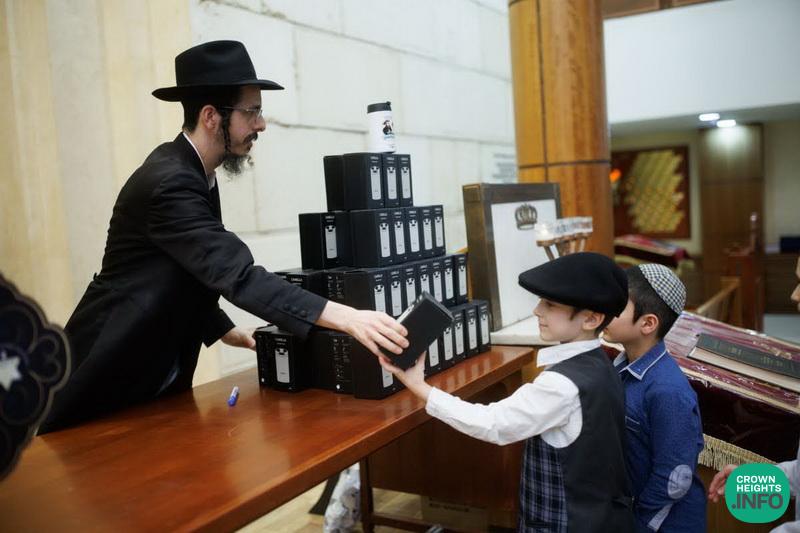
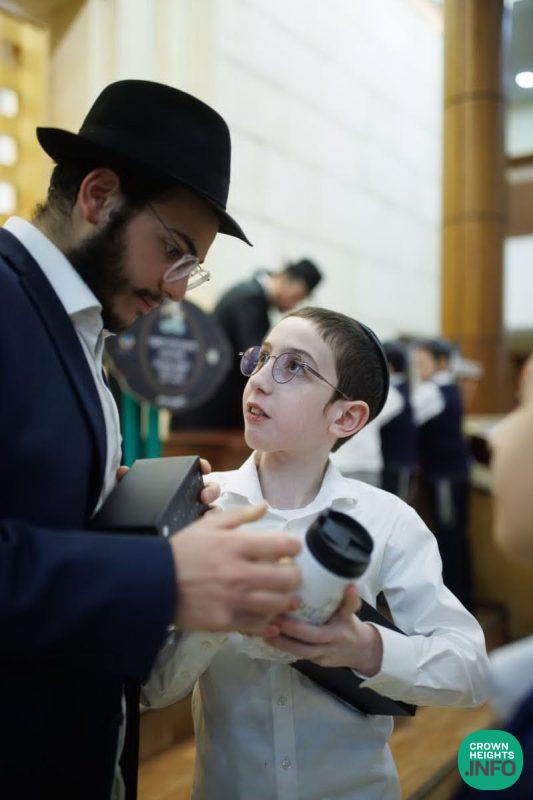
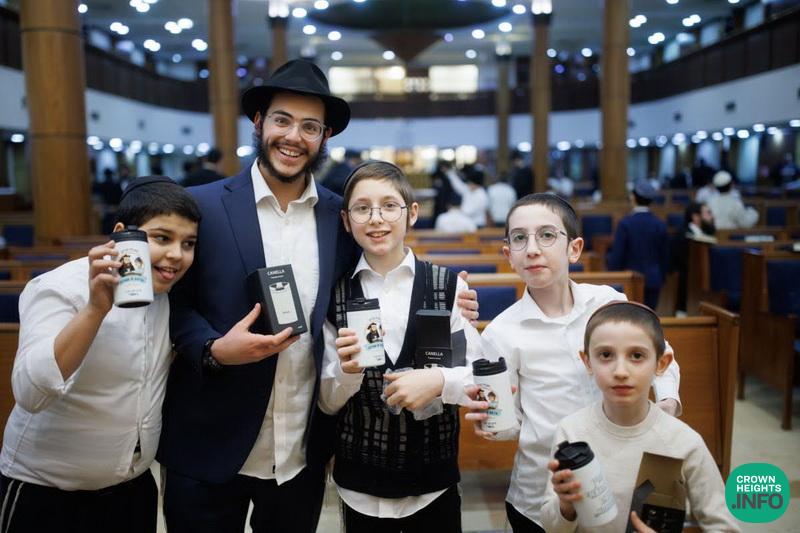
Each child received a personalized, branded thermos as a token of appreciation—encouraging the beautiful custom of enjoying something hot on Motzaei Shabbos after learning. In addition, the coveted raffle prize—a ticket to travel to the Rebbe—was won by the outstanding student Yisrael Diktshtein.
Photo Credit: Sergei Klatskin