
Head Shluchim To Mark 70 Years Since The Founding Of Gan Yisroel with Major CKids Overnight Camp Grant
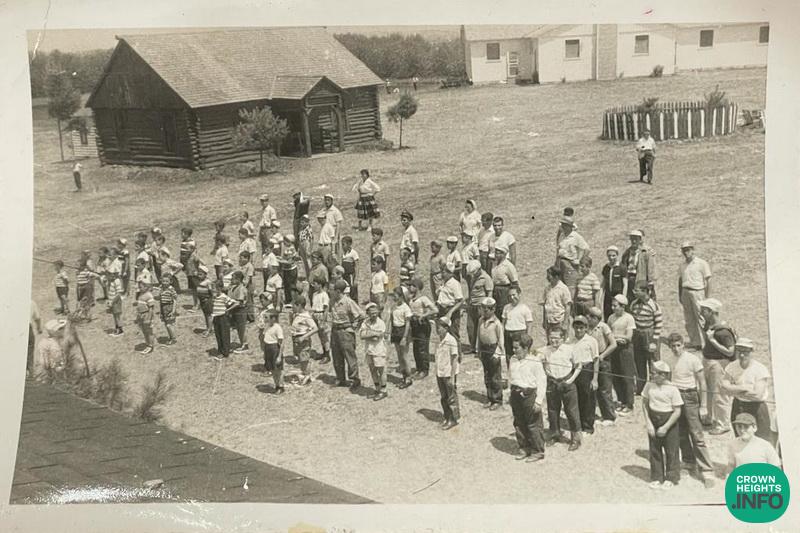
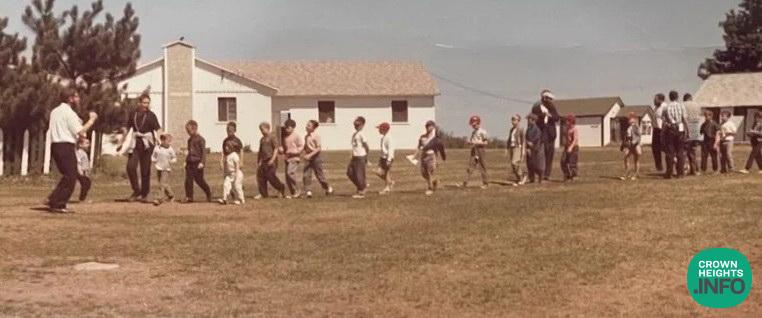
This year marks 70 years since the founding of Camp Gan Yisroel in 1956, a milestone that head Shluchim together with CKids International at Merkos 302, is celebrating by expanding the CKids Gan Israel Overnight Camp experience to more children than ever before. A new scholarship grant, matched by Mr. George and Pamela Rohr, will give every Jewish child the opportunity to attend a CKids overnight camp.
The story of Gan Yisroel began in the mid-1950s, when Lubavitch arrived in America and faced a new challenge. Unlike in Europe, where Jews dealt with persecution, here the issue was assimilation, the slow pull of American culture that was drawing many families away from Jewish life.
Two young Chassidim, Rabbi Moshe Lazar and Reb Yosef Weinbaum, saw a real problem: many Jewish kids went to public schools and spent summers in regular camps with no Jewish content. They wanted to start a camp where children could live in a full Jewish environment all day and hopefully continue in yeshiva afterward.
They wrote to the Rebbe about the idea. The Rebbe guided them step by step, telling them to bring in an older person to lead it. In a private Yechidus, the Rebbe inquired about the necessity of the camp, approved the plan after hearing the reasons, and established a committee to handle the details.
The Rebbe gave the camp its name, Machane Gan Yisroel, and explained the vision in a Sicha on Shavuos 5716. He said too much vacation time was hurting Jewish education, with kids getting breaks all year and long summers off. The answer was a camp that looked like a regular summer camp on the outside, with good food, activities, and fun, but was like a yeshiva inside, full of Torah learning and Yiddishkeit.
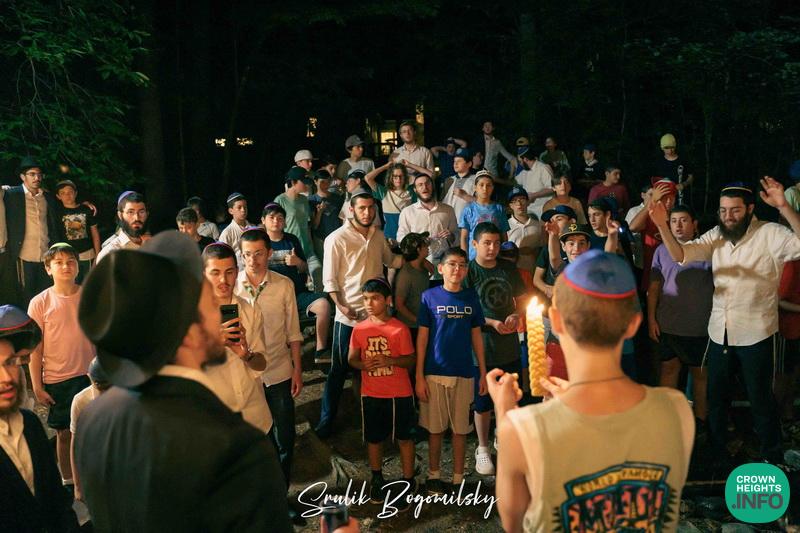
The Rebbe highlighted many times the unique advantages of overnight camp: a place where children enjoy a fully immersive experience in a joyful, warm, and friendly atmosphere, free from everyday distractions. In this positive and uplifting environment, they experience Yiddishkeit as natural and inspiring, very different from the more structured setting they’re used to in school.
The Rebbe often noted that just a few weeks in this immersive setting can accomplish more for a child’s Yiddishkeit than many months of regular school.
Over the years, as many overnight Gan Yisroel camps began serving many children from frum homes and cheder backgrounds, Shluchim in communities across the world opened local Gan Izzy day camps. These day camps brought the Gan Yisroel spirit closer to home, giving public school children in their areas a taste of immersive Yiddishkeit during the summer.
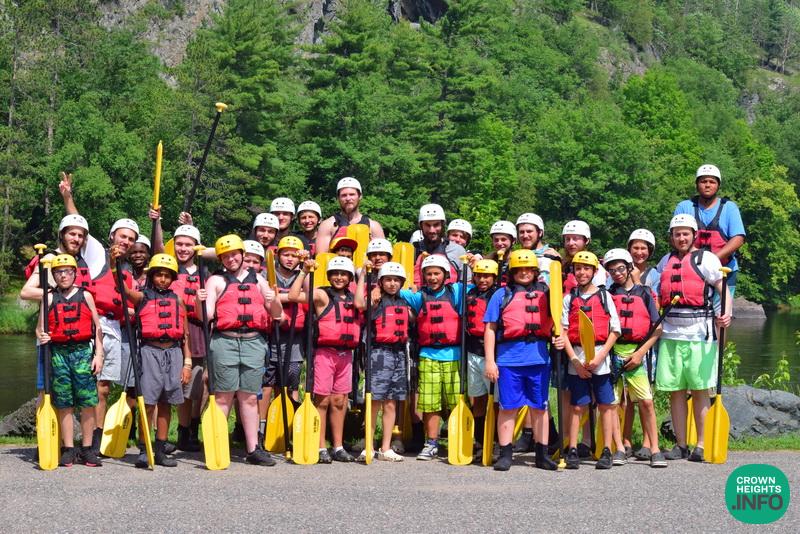
Until recently, there was no large-scale overnight option tailored for these children from Chabad House communities. Now, dedicated Shluchim families across North America and Europe have created outstanding CKids Gan Israel overnight camps with six locations now open in Florida, Wisconsin, the Catskills, the Poconos, Denmark, and Hungary.
To mark the 70th anniversary, a major new CKids grant was launched by head Shluchim from various states, with generous support from Mr. George and Pamela Rohr. The fund aims to remove financial barriers that prevent families from sending their children to CKids overnight camps.
The grant provides financial assistance to campers, addressing a common obstacle for many families. This enables Shluchim to help children from their local Chabad Houses attend the Jewish overnight camp experience at a more affordable cost.
This move is historic. Large-scale national efforts to help families afford Jewish overnight camp have been rare, with the last comparable push coming over 15 years ago through programs from various Jewish organizations. Now, this new grant, driven by head Shluchim and catered to Chabad House communities, represents one of the most significant renewals of support for Jewish overnight camping in recent times, opening doors for hundreds more children to experience impactful summers.